
TL;DR: Catmon (57km north of Cebu City) and San Fernando (28km south) are two municipalities most Cebu itineraries skip entirely — and for understandable reasons. Catmon has a real Spanish-era watchtower, a sulfuric hot spring (₱350/US$6 for adults), and a rough-edged beach at the Kilometer-47 marker. San Fernando is a working cement and poultry town with a handsome 1886 coral-stone church and a couple of low-key beaches. Neither is a must-see, but both are honest, low-tourism day trips if you’ve already covered Cebu’s greatest hits and want to see how ordinary Cebuano towns actually live. Verified July 2026.
Most Cebu itineraries funnel you toward the same dozen towns — Moalboal, Oslob, Bantayan, Malapascua — and skip right past the ones in between. Catmon and San Fernando are two of those skipped towns, and they couldn’t be more different from each other. Catmon sits on the Camotes Sea coast north of the city, a fourth-class municipality of about 34,600 people with a Spanish watchtower, a hot spring, and a beach that locals actually use. San Fernando sits south of the city on the way to Carcar, a bigger and more industrial town of over 76,000 people built around a cement plant and poultry farms, with a striking 19th-century church as its one real heritage landmark.
This guide covers both honestly — what’s there, what it costs, how to get to each, and whether either is worth your limited time in Cebu. If you’re chasing the province’s headline attractions, look elsewhere; if you want a genuine, low-tourism look at how Cebuano towns outside the resort circuit function, read on.
Catmon vs. San Fernando at a Glance
| Catmon | San Fernando | |
|---|---|---|
| Direction from Cebu City | North, ~57 km | South, ~28-29 km |
| Character | Coastal, rural, quiet | Semi-industrial, agricultural |
| Population (2024 census) | ~34,600 | ~76,100 |
| Main draw | Bantayan sa Hari watchtower, Esoy Hot Spring | San Isidro Parish Church, Taiheiyo Cement plant |
| Beaches | Hinagdanan Beach, Panalipan coast | Hoyohoy Beach, Aroma Beach |
| Getting there | Bus from Cebu North Bus Terminal, ~2-3 hrs | Any south-bound bus from Cebu South Bus Terminal, ~40-60 min |
| Best paired with | A north Cebu coastal loop | A south Cebu run toward Carcar |
Verified July 2026.
What’s Actually in Catmon?
Catmon’s biggest draw is a genuine Spanish-era relic, not a beach. The Bantayan sa Hari (“watchtower of the king”) stands inside the grounds of Catmondaan Elementary School in Barangay Catmondaan. It was built by the Augustinian Recollect friar Padre Miguel de Jesus to watch the coast for Moro raiders during the Spanish colonial period, and unlike many of Cebu’s coastal watchtowers, it’s still standing in reasonably intact condition. There’s no formal entrance fee — it sits on school grounds, so visiting outside school hours or with a polite check-in at the barangay hall is the respectful approach.
A few kilometers inland, Esoy Hot Spring is Catmon’s most-visited paid attraction: sulfuric water that locals say helps with muscle aches and skin conditions. It runs a strict “no booking, no entry” policy, so call ahead a day or two before you go. Nearby, Tinubdan Falls is actually a set of six connected waterfalls feeding two catch basins — historically used by Americans to generate local electricity — with slippery rocks that call for careful footing rather than flip-flops.
For a swim with sea views, Hinagdanan Beach, at the Kilometer-47 marker in the coastal barangays north of the poblacion, has been open to the public since 1957: a narrow strip at the base of a roadside cliff, first-come-first-served, with no overnight stays or reservations. If you want an actual room, Huna Huna Cliff Resort, a small Spanish-Mediterranean-style property on a bluff, offers both day-use and overnight rates.
For something more strenuous, Mt. Kapayas (also called Lantawan or Torre Peak) in Barangay Cambangkaya is Cebu’s second-highest peak after Osmeña Peak, with limestone rock formations near the summit. It requires a permit and an LGU-recognized guide — this is not a casual walk-up hike.
Catmon Prices at a Glance
| Spot | Cost | Notes |
|---|---|---|
| Bantayan sa Hari watchtower | Free | On school grounds; check in locally |
| Esoy Hot Spring | ₱350 adult / ₱175 child (US$6 / US$3) | Reservation required 1-2 days ahead |
| Hinagdanan Beach | ₱20 entrance (under US$1), ₱200-400 cottage (US$3-7) | No overnight, no reservations |
| Huna Huna Cliff Resort (day use) | ₱150/head (US$2.60), includes ₱75 food credit | Overnight rooms ₱1,500-2,000 (US$26-34) |
| Bus fare, Cebu North Bus Terminal | ~₱100-150 (US$1.70-2.60) | Confirm current fare locally |
Verified July 2026.
Is the Catmon Watchtower Worth the Detour?
Only if you’re already planning a north Cebu trip and have a genuine interest in Spanish colonial history. On its own, the watchtower is a modest structure inside a school compound — it’s not going to fill an afternoon by itself. Where Catmon earns its keep is as one stop on a longer north-coast day: watchtower, hot spring, a swim at Hinagdanan Beach, and maybe a look at Mt. Kapayas from below if you’re not up for the climb. Treat it as a half-day add-on to a broader north Cebu itinerary rather than a standalone destination.
What’s Actually in San Fernando?
San Fernando is a working town first and a tourist stop a distant second — and it’s upfront about that. The municipality’s economy runs on poultry farming and cement production. In July 2024, Taiheiyo Cement Philippines inaugurated a new production line here worth roughly ₱12.8 billion (about US$221 million), with capacity for 3 million tons of cement clinker a year — around 6,000 tons a day. The town also hosts the PHIVOLCS Visayas Cluster Monitoring Center, part of the regional earthquake and tsunami monitoring network. None of that is a tourist attraction, but it explains why San Fernando looks and feels different from the beach towns around it — more truck traffic and industrial rooflines, less souvenir-shop tourism.
The one heritage landmark worth the stop is the San Isidro Parish Church, a coral-stone, neo-Gothic structure designed by Spanish architect Fernando Escondrillas in 1870 and completed in 1886, notable for its asymmetrical bell towers. For beaches, Hoyohoy Beach is the swimmable option, while Aroma Beach is rockier and better suited to camping or flying kites than swimming. Offshore, Sangat Island is reported to have clear water and coral reef, though it sees little organized tourism infrastructure. Inland, Bugho Falls and Busay Falls (Barangay Basak) are both underdeveloped waterfalls best visited with a local guide rather than solo. San Fernando is also where you’ll find roadside buko pie vendors in Barangay San Isidro, selling individual-sized coconut pastries hot off the tray — a good reason to stop even if you’re just passing through on the way to Carcar.
For overnight stays, options are small-scale: Pulchra Beach Resort in San Isidro markets itself as a higher-end property with garden baths and villas, while Hidden Paradise Mountain Resort, SingLi Mountain Resort, and Bacalla Woods Campsite cater to day groups and events rather than typical tourist bookings. Every November 17-21, the town holds the Sikoy-Sikoy Festival, honoring patron saint San Isidro Labrador with street dancing competitions, a ritual showdown, and a tourism pageant — running since 2008.
Is San Fernando Worth Visiting?
As a standalone destination, not really — as a stop on the way south, yes. Nearly every bus heading from Cebu City to Carcar, Barili, Moalboal, or Oslob physically drives through San Fernando’s poblacion, past the San Isidro Parish Church. If you’re already on that route, a 20-30 minute stop for the church, a buko pie, and maybe a look at Hoyohoy Beach costs you almost nothing. Making San Fernando itself the destination for a full day trip is a harder sell — the appeal here is genuinely more about seeing an ordinary, working Cebu town than ticking off a bucket-list stop.
How to Choose — Catmon, San Fernando, or Neither?
- Pick Catmon if you’re doing a north Cebu loop — pair it with Bantayan Island, Malapascua, or a Camotes Islands run, and treat the watchtower and hot spring as an on-the-way stop.
- Pick San Fernando if you’re heading south toward Carcar, Barili, or beyond for lechon, heritage houses, or the waterfall/canyoneering circuit — stop for the church and a buko pie without adding real detour time.
- Pick neither if your Cebu time is limited to a week or less and you haven’t yet done Kawasan Falls, Moalboal, Oslob’s whale sharks, or Bantayan — those deliver far more per hour spent than either town will.
If a low-tourism, “see how locals actually live” angle appeals to you generally, our best under-the-radar towns in Cebu roundup covers several similar options beyond just these two.
The Honest Take
Neither Catmon nor San Fernando is going to be the highlight of your Cebu trip, and it would be dishonest to sell them as hidden gems on par with Kawasan Falls or Malapascua. Catmon’s watchtower is genuine and its hot spring is a legitimate small pleasure, but the town has almost no tourist infrastructure — no strip of resorts, no organized tour operators, no English-menu restaurants waiting for you. San Fernando is even more explicit about what it is: a cement-and-poultry town with one nice church, not a beach destination, and you’ll notice the industrial traffic the moment you drive through.
Where both towns do deliver is honesty. If you’ve already burned through Cebu’s headline stops and want a look at the province that isn’t curated for tourists, either town gives you that — just go in with the right expectations, bring cash (card machines are rare outside the bigger resorts), and don’t expect anyone to speak much English off the main roads. Best time to visit either is the dry season (roughly December to May) for easier beach and waterfall access; skip both during heavy rain, since the unpaved and rural roads to spots like Tinubdan Falls or Bugho Falls turn difficult fast.
If you’d rather spend a day trip on a route with more built-in payoff, our north Cebu grand day tour and best free beaches in Cebu guides both cover higher-return alternatives in the same general directions.
Getting There
For Catmon, catch a bus from the Cebu North Bus Terminal — figure roughly 2-3 hours depending on traffic and how many stops the bus makes along the coast road. A faster alternative is a van from the SM City Cebu terminal, which can trim the trip to around 1.5-2 hours. Renting a car or motorbike gives you the most flexibility if you want to hit the watchtower, hot spring, and beach in one day.
For San Fernando, any south-bound bus from the Cebu South Bus Terminal headed to Carcar, Barili, Moalboal, or Oslob passes directly through — it’s one of the shortest legs on that route, roughly 40-60 minutes from the terminal. Habal-habal (motorcycle taxis) are the standard way to reach specific resorts or waterfalls once you’re in the town proper, since GPS gets you to the general area but local drivers know the actual turnoffs.
If you’d rather not deal with bus schedules for either, a private day tour or van hire out of Cebu City covers both directions without the terminal wait, and lets you set your own pace between stops.
Sources
- Wikipedia — Catmon, Cebu (population, geography, Mt. Kapayas)
- Wikipedia — San Fernando, Cebu (population, Taiheiyo Cement plant, PHIVOLCS center)
- Shellwanders — Things to Do in Catmon, Cebu (watchtower, hot spring, falls, beach prices)
- Queen City Cebu — San Fernando Travel Guide (church history, resorts, festival, buko pie)
- PhilAtlas — Catmon, Cebu barangay profile
- Bus terminal and route information cross-checked against Cebu North and South Bus Terminal route guides. Verified July 2026.
Combine It With the Rest of Cebu
Catmon makes the most sense stitched into a north Cebu run toward Bantayan or Camotes; San Fernando fits naturally into a south-bound trip toward Carcar’s heritage district and lechon. Neither needs — or rewards — a dedicated day trip on its own. For a fuller sense of where Cebu’s actual time is best spent, see our things to do in Cebu overview, or compare a Cebu City stay on Agoda as a base for day trips in both directions.
Book Tours & Hotels for This Trip
Find and book the best deals — prices and availability update in real time. Links open in a new tab.
Where to stay near Cebu City
Top-rated hotels for this trip — tap through to check live rates.
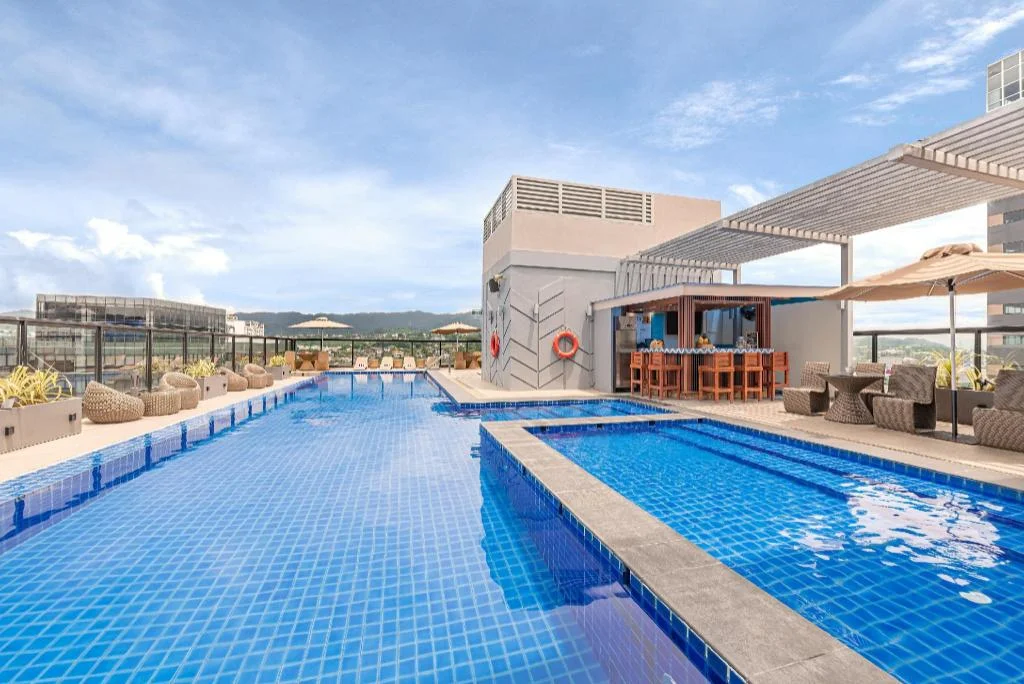
Seda Central Bloc Cebu City
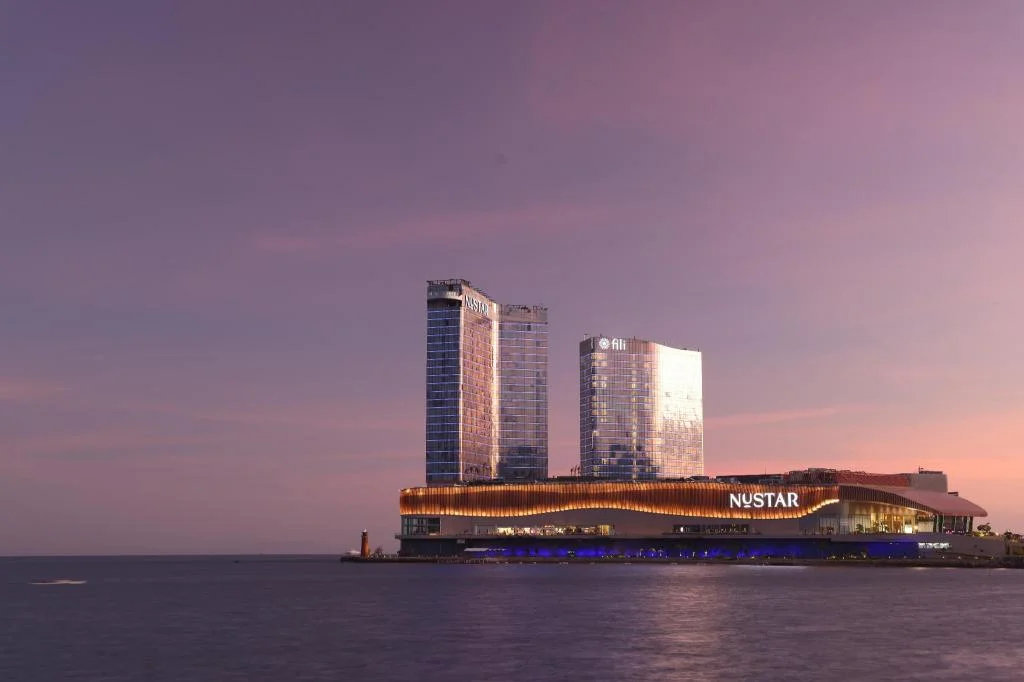
Fili Hotel - NUSTAR Resort & Casino Cebu
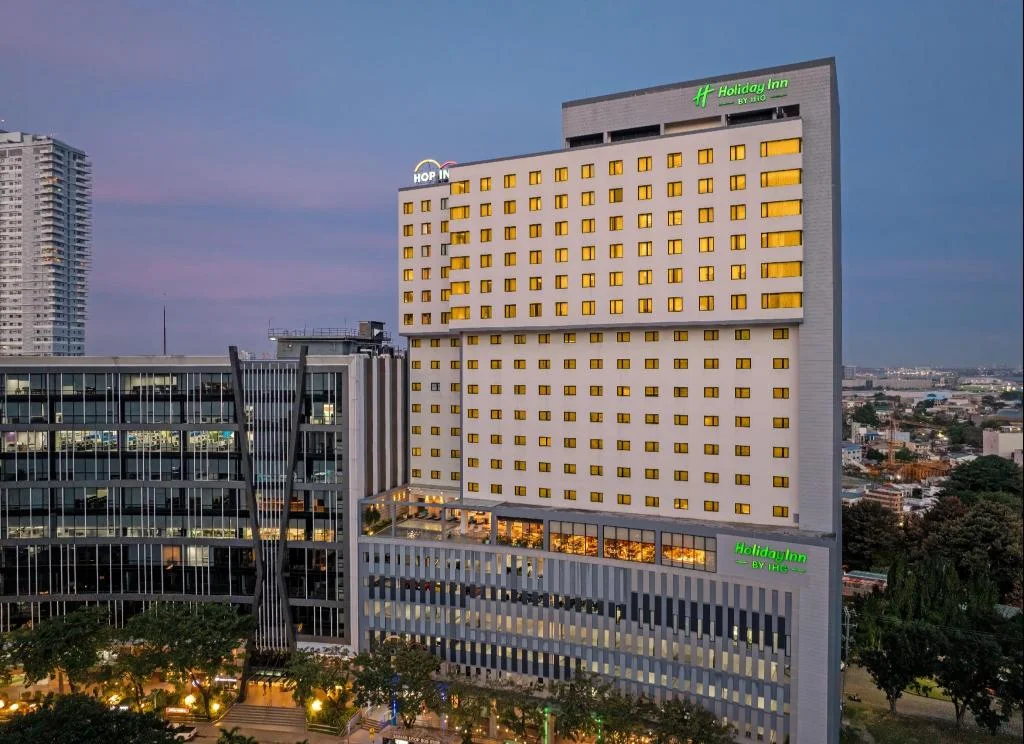
Holiday Inn Cebu City By IHG
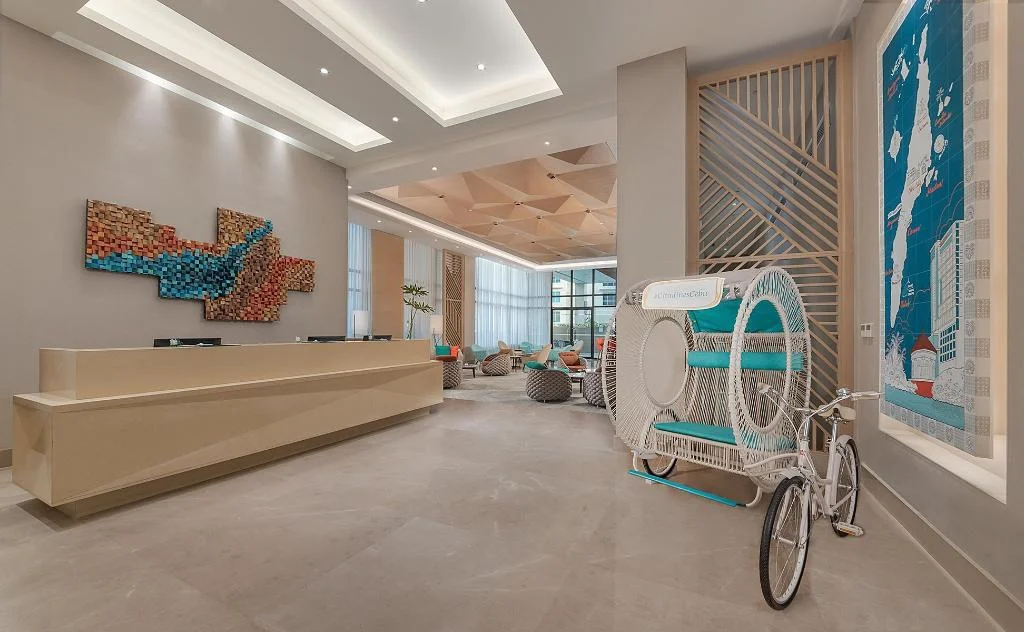
Citadines Cebu City
Prefer a rental? Vacation rentals near Cebu City
Self-catering condos and apartments — book the exact unit, kitchen included.
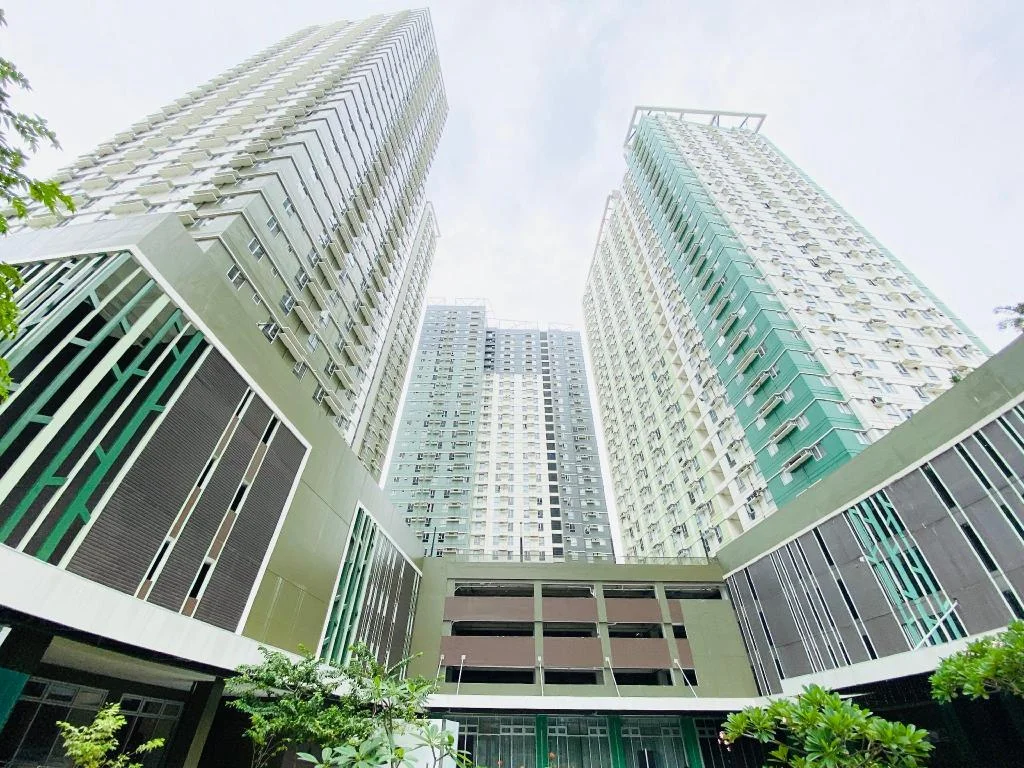
Cebu Avida Riala by P&J
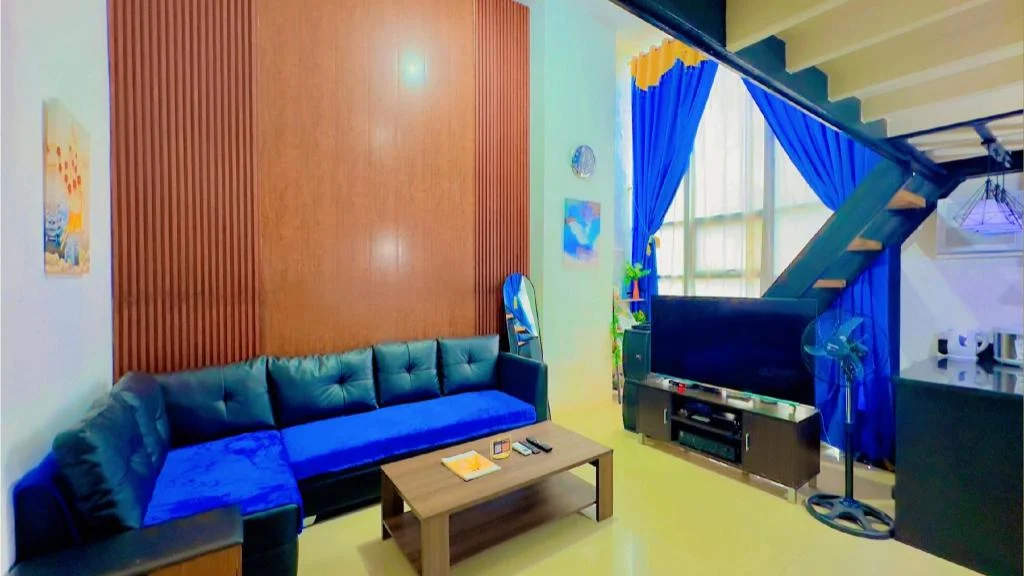
Special Big Loft Unit w/Fibreop Internet & Netflix
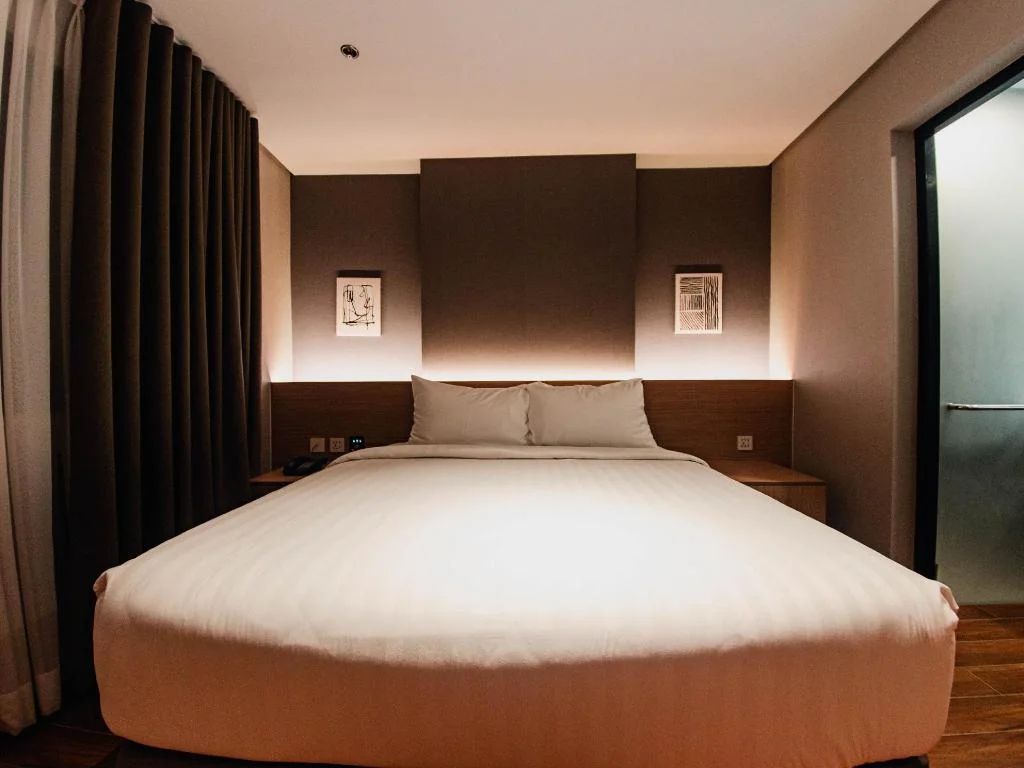
Moonstar Cebu Hotel - Deluxe Room
Before you go