
TL;DR: Cebu has real caves worth exploring beyond the beaches — Ogtong Cave on Bantayan (₱200, though currently closed for post-earthquake inspection — confirm before you go), Timubo and Bukilat caves in the Camotes Islands (₱50–70), Kamangon Cave near Toledo (₱200+ guide fee per group), and Igotan Cave just outside Cebu City (₱25–30). Most need a local guide, a headlamp, and shoes you don’t mind ruining. Budget half a day per cave and confirm every fee locally — small-town rates change fast. Verified July 2026.
Cebu’s limestone backbone is riddled with caves, and while Ogtong Cave on Bantayan Island gets most of the Instagram attention, it’s really just the easiest entry point into a much bigger scene. The Camotes Islands alone have close to a dozen documented caves, the hills around Toledo and Pinamungahan hide a genuine “living cave” system still growing its stalactites, and there’s even a beginner-friendly option a half hour from Cebu City proper.
This guide is for two different travelers: the one who wants a quick, photogenic dip in cool cave water with zero hassle, and the one who wants actual spelunking — helmets, headlamps, a guide who knows the passages, mud on your knees. We’ll tell you which caves are which, what they actually cost, and which ones aren’t worth the detour.
Cebu Caves at a Glance
| Cave | Town / Island | Entrance Fee (2026) | Guide Needed? | Difficulty | Swimmable? |
|---|---|---|---|---|---|
| Ogtong Cave | Santa Fe, Bantayan Island | ₱200 adult / ₱150 child (~US$3.45 / $2.59) — currently under post-earthquake review, confirm status | No — developed, staffed | Easy | Yes, clear pool |
| Timubo Cave | San Francisco, Camotes (Pacijan Island) | ₱60–70 (~US$1–1.20) | No — bring your own flashlight | Easy–moderate | Yes, freshwater pool |
| Bukilat Cave | Poro Island, Camotes (Tudela) | ₱50 (~US$0.86) | No, staffed entrance | Easy | Wading only (shallow) |
| Kamangon Cave (Living Caves of Lamac) | Barangay Lamac, Pinamungahan (near Toledo/Cantabaco) | ₱20 barangay fee + ₱200 guide fee per group of 5 + ₱50 helmet rental (~US$0.35 + $3.45 + $0.86 per person share) | Yes, mandatory | Moderate–hard | No, dry cave |
| Cantabaco climbing-area caves | Cantabaco, Toledo City | No fixed fee — arranged with a local climbing/caving guide, informal donation | Yes, mandatory | Moderate | Some underground streams |
| Igotan Cave | Sitio Igotan, Talisay City | ₱25–30, guide and flashlight included (~US$0.50) | Included in fee | Easy–moderate | Yes, small pools |
Prices are cash-only, pay-at-the-gate rates gathered from operator listings and recent traveler reports. Small barangay-run sites especially can change fees without notice — confirm locally before you go. Verified July 2026.
Is Ogtong Cave Worth the Trip to Bantayan?
Yes, when it’s open — it’s the most photogenic cave in the province, but confirm its status first. Ogtong Cave is a natural limestone cavern with a turquoise freshwater pool sitting inside the grounds of Ogtong Cave Resort in Santa Fe, a short drive from the Bantayan ferry port. The pool is shallow, clear, and genuinely striking, ringed by smooth rock and low stalactites, and outside visitors pay to swim in it even if they’re not staying at the resort.
Here’s the catch: after the magnitude-6.9 earthquake that struck northern Cebu in late September 2025, reports circulated that Ogtong Cave was closed pending a structural safety inspection, with no firm reopening timeline given. The resort’s own website still lists normal day-use pricing and hours as of this writing, which suggests either it has since reopened or the page simply hasn’t been updated — the two sources conflict. Don’t build a Bantayan day around this cave without a same-week check via the resort’s Facebook page or a phone call.
What Are the Best Caves in the Camotes Islands?
Timubo and Bukilat are the two worth planning around, out of roughly eight caves open to the public across Camotes. Timubo Cave, on Pacijan Island near San Francisco, is the least commercialized of the bunch — minimal railings, a genuinely cool freshwater pool, and an entrance fee in the ₱60–70 range. Bring your own flashlight; the interior lighting is basic at best.
Bukilat Cave, across the strait on Poro Island in the town of Tudela, is the largest cave in Camotes and the most dramatic to look at, with tall chambers and natural light filtering through openings in the rock. The pool here is mostly ankle-to-knee deep, so treat it as a photo stop and a cool-down rather than a swim. Entrance runs about ₱50.
If you have extra time, Camotes also has Paraiso Cave (more developed, deeper swimming pool, around ₱100) and Amazing Island Cave (spacious pool, tight passages, life vest included in the ₱100 fee) — both make sense as add-ons to a Timubo-Bukilat day rather than standalone trips. Camotes is reachable by ferry from Cebu City or Danao; see our guide to the Camotes Islands for the full ferry and itinerary picture.
What’s the Deal With the Caves Near Toledo and Cantabaco?
This is Cebu’s real spelunking territory, not a swim-and-selfie stop. The hills around Cantabaco, Toledo City are better known among locals for bolted limestone rock climbing, but the same karst terrain holds small- to medium-sized caves with underground streams — this is where you go if Ogtong-style tourist caves feel too tame. There’s no standard entrance fee; access is arranged through a local climbing or caving guide, and it typically gets bundled with a half-day of climbing and a stop at a nearby river.
A short drive further south, in Barangay Lamac, Pinamungahan (bordering Toledo), sits what locals call the Living Caves — a cluster of roughly 108 documented caves, of which only 8–9 are currently accessible to visitors with a guide. Kamangon Cave is the largest and best-known of these, named for its actively growing stalactites and stalagmites (hence “living”). You can’t just show up: you register at the Lamac barangay hall, pay a small barangay fee (around ₱20) plus a guide fee (commonly cited as ₱200 for a group of up to five for the first three hours) and rent a helmet for about ₱50. This is a proper caving trip — expect crawling, low ceilings, and mud, not a swim.
Is There a Cave You Can Visit Without Leaving Metro Cebu?
Yes — Igotan Cave in Sitio Igotan, Barangay Jaclupan, Talisay City, roughly 30–40 minutes south of downtown. It’s the easiest wild cave to reach: take a jeepney or habal-habal from Tabunok public market, and a local guide meets you near the trailhead. Entrance is around ₱25–30 and includes both the guide and a flashlight, which makes it the cheapest guided spelunking option on this list. Expect a modest network of passages and small pools, plus a short trek past the Mananga River — a solid half-day trip if you’re based in Cebu City and don’t want to commit to a ferry crossing.
How Do You Choose Which Cave to Visit?
Match the cave to what you actually want out of the day. If you want a swim and a photo with minimal effort, Ogtong (status permitting) or Timubo are your picks — both have clear pools and low physical demands. If you want a genuine caving experience with headlamps and crawling, go to Kamangon in Lamac or the Cantabaco caves near Toledo, and budget a full day including travel and guide arrangement. If you’re short on time and based in Cebu City, Igotan Cave gives you a real spelunking taste in an afternoon.
Whichever you pick, bring a headlamp with spare batteries even if the operator says lighting is provided — Philippine cave lighting has a habit of flickering out at the worst moment. Wear shoes you’re willing to ruin, keep your phone and cash in a dry bag, and always confirm the day’s fee and guide availability by phone before you drive out, especially for the barangay-run sites where operations can pause without notice.
The Honest Take
Ogtong Cave is the one everyone photographs, but it’s also the one currently in limbo — treat any Bantayan itinerary built around it as provisional until you’ve confirmed it’s open. Timubo and Bukilat are genuinely worth the Camotes ferry if you’re already headed there for the beaches, but neither is worth a dedicated trip on its own. The Toledo/Cantabaco and Lamac caves are the most rewarding for anyone who actually wants to feel like they’re spelunking rather than visiting a swimming pool with a roof — but they demand more planning, a guide, and a tolerance for mud. Igotan Cave is the honest sleeper pick here: cheap, close, guided, and almost nobody outside Cebu has heard of it.
Skip all of them if you’re claustrophobic or traveling with small kids who can’t handle uneven, wet footing — Cebu’s caves reward patience and a guide, not a rushed itinerary.
Combine It With the Rest of Cebu
Pair a cave visit with what’s already around it: Ogtong sits inside a broader Bantayan Island beach trip, Timubo and Bukilat fit naturally into a Camotes Islands getaway, and the Toledo-area caves work well alongside a west-Cebu day trip from Cebu City. For more of the province’s quieter natural spots beyond the standard waterfall circuit, see our roundups of Cebu’s nature parks and eco-tourism experiences.
Book your Bantayan crossing and accommodation ahead of a Ogtong Cave visit — compare hotels near Santa Fe on Agoda — or line up a Camotes Islands day tour that covers Timubo and Bukilat together through Klook’s Camotes Islands listings. If you’d rather have a fixer handle the Toledo or Lamac guide arrangements for you, search Cebu adventure tours on Klook before you go.
Ready to plan the rest of the trip around it? Browse Cebu day tours on Klook and slot a cave stop into a wider south- or north-Cebu itinerary.
Sources
- Ogtong Cave Resort — official day-use pricing page
- Traveler and news reports on the September 2025 northern Cebu earthquake and Ogtong Cave’s closure status
- Cebu Insider — Camotes Island caves entrance fees roundup
- Shellwanders — Bukilat Cave, the largest cave in Camotes
- Pinamungajan LGU — Kamangon Cave and Beauty of Cebu’s report on the Living Caves of Pinamungahan
- Traveling Cebu and The Wanderlust Keeper — Igotan Cave access and fees, Talisay City
- 3D Universal — beginner’s guide to Cebu’s hidden caves (Binaliw, Balamban, Cantabaco/Toledo area)
- Verified July 2026.
Book Tours & Hotels for This Trip
Find and book the best deals — prices and availability update in real time. Links open in a new tab.
Where to stay near Santa Fe
Top-rated hotels for this trip — tap through to check live rates.
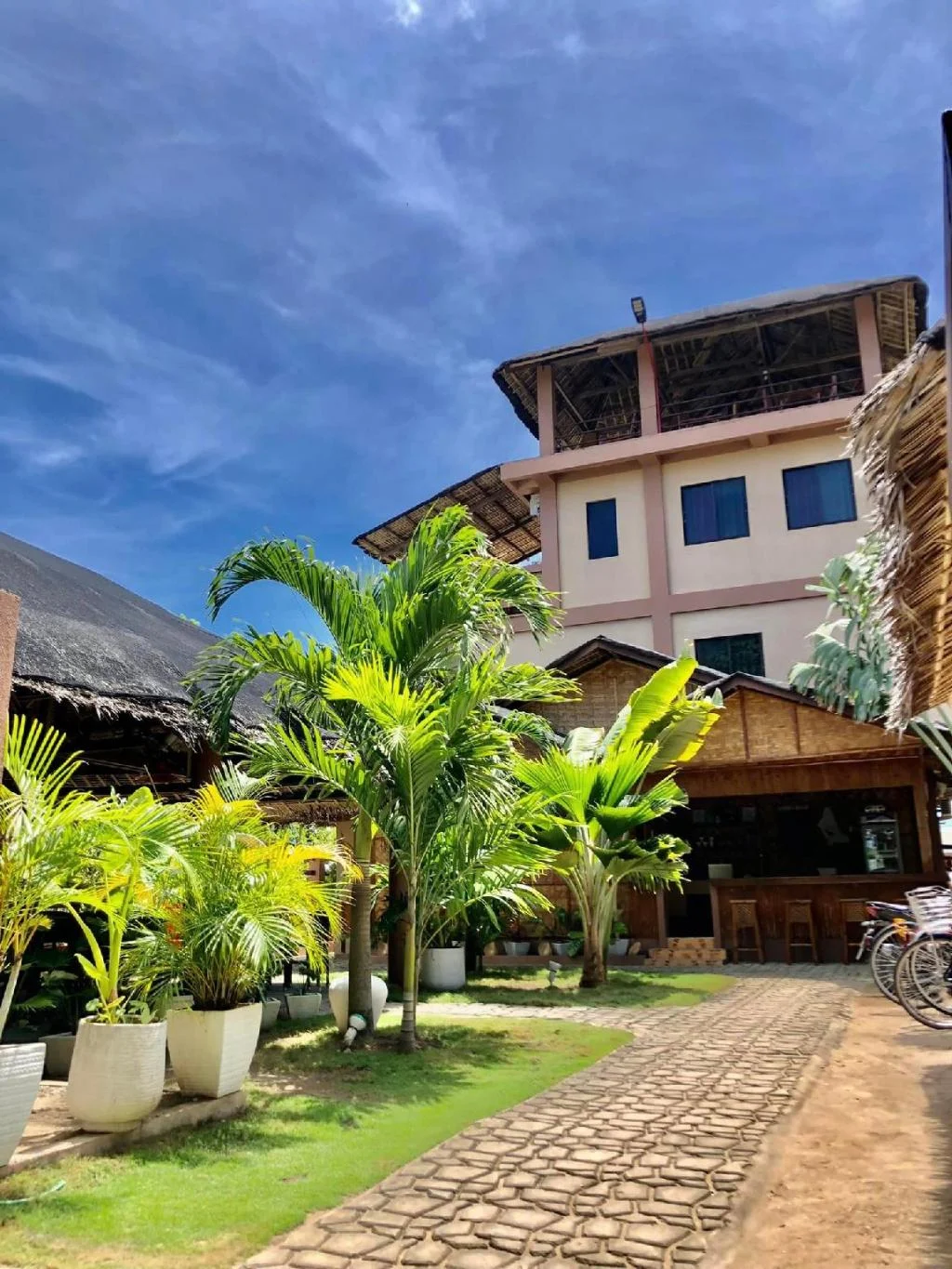
Anahaw Seaside Inn
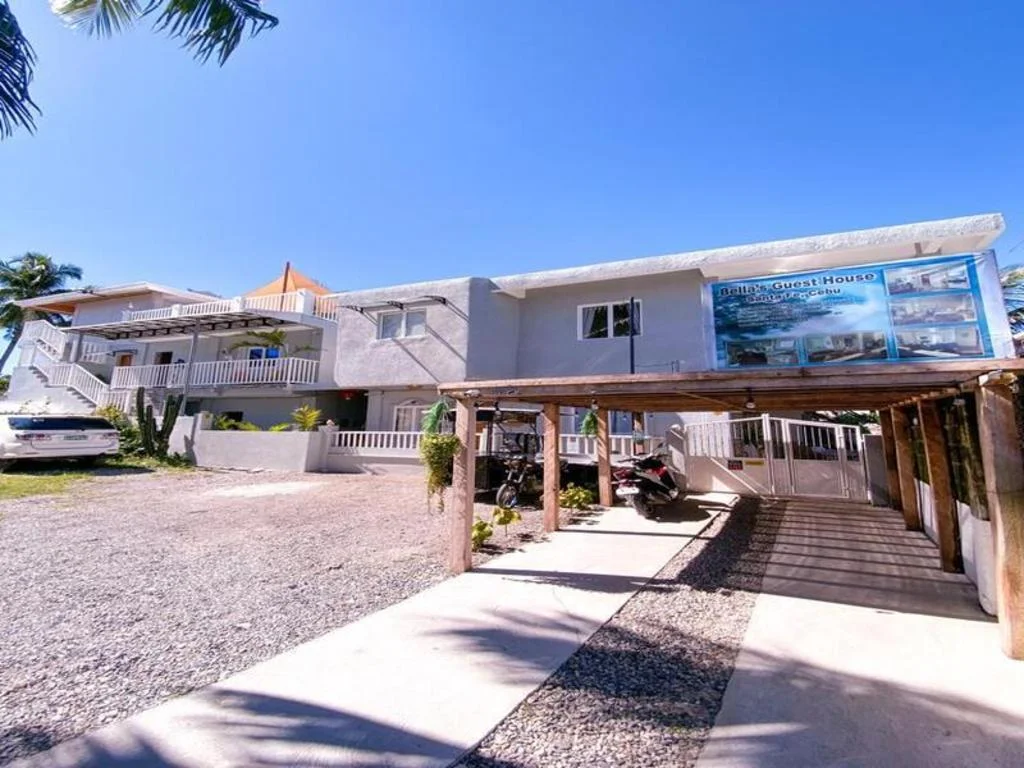
Bella's Guest House
4VJ's Apartelle
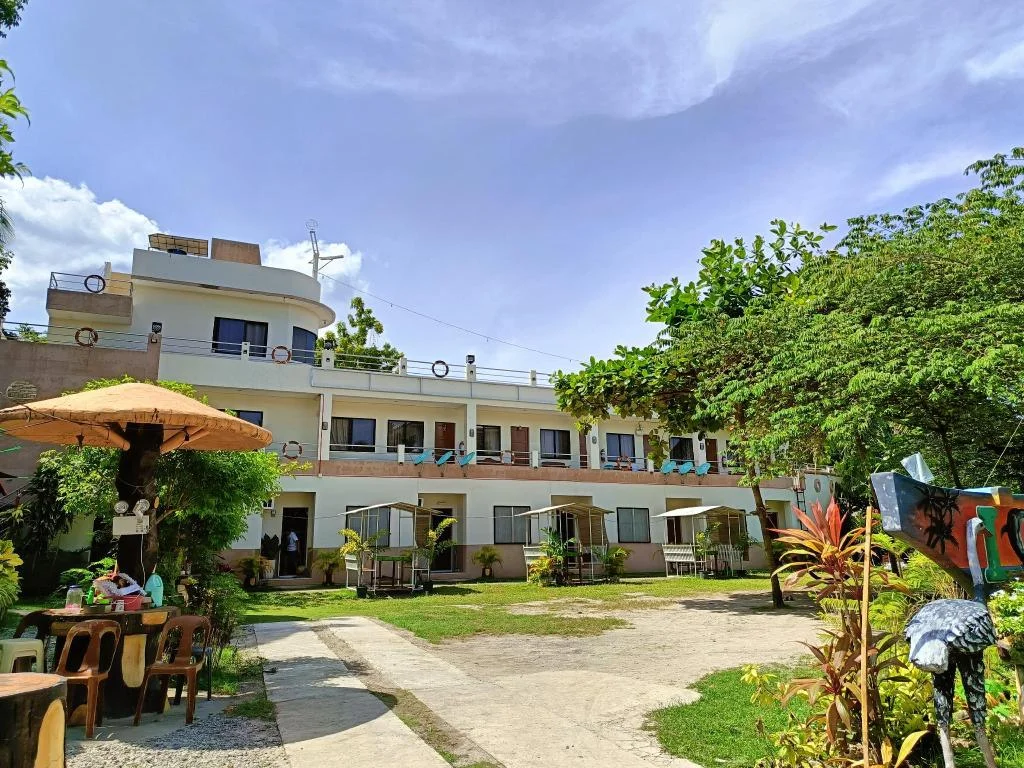
Allen Marie Shiphaus powered by Cocotel
Prefer a rental? Vacation rentals near Santa Fe
Self-catering condos and apartments — book the exact unit, kitchen included.
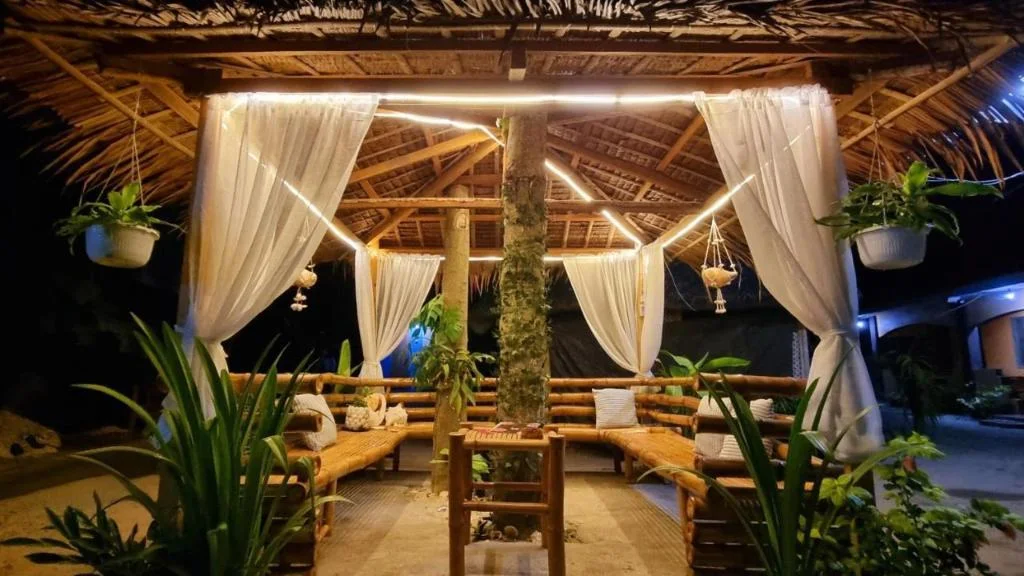
Edsan Apartment
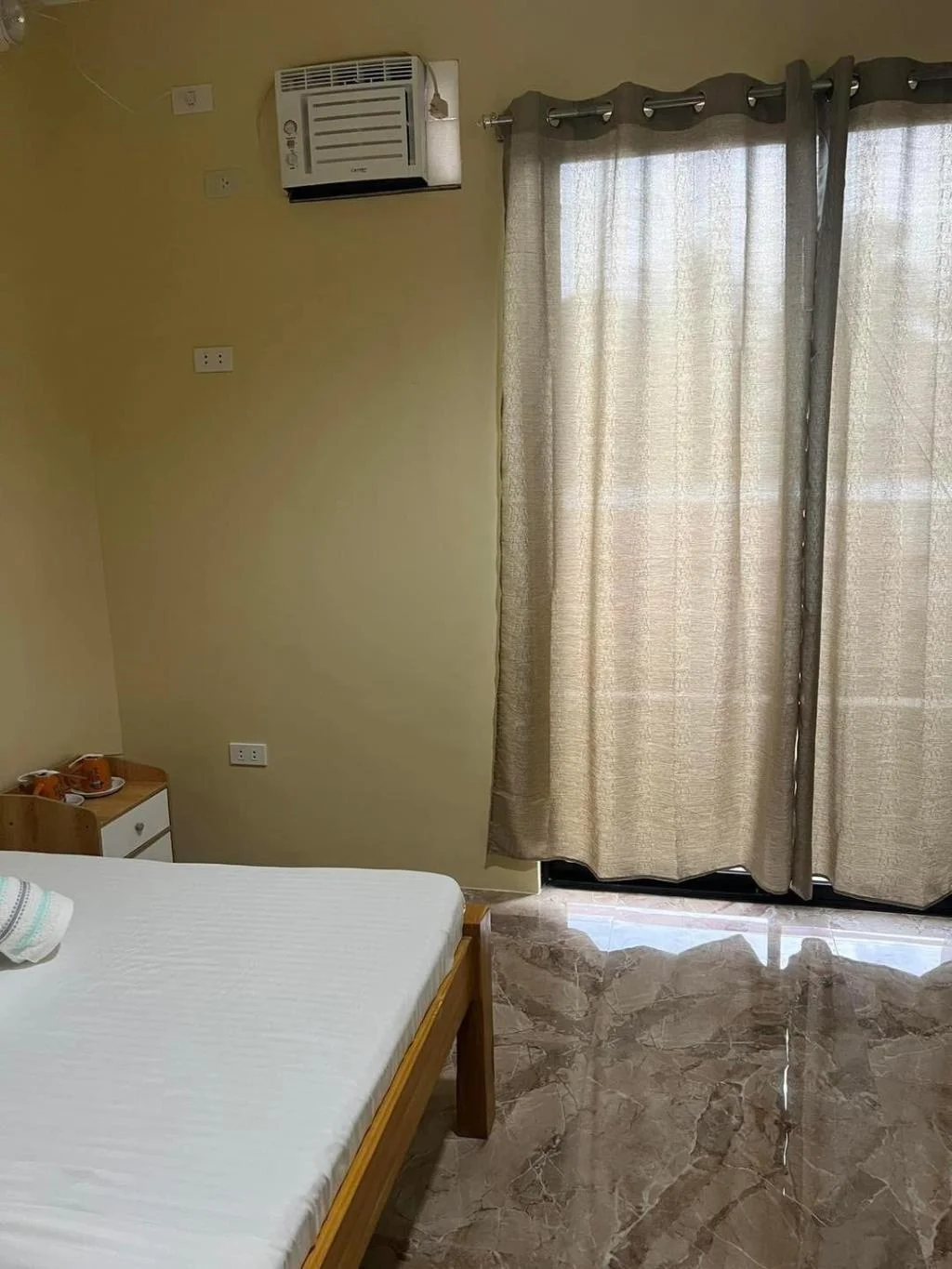
Seamed Guest House - Couple room
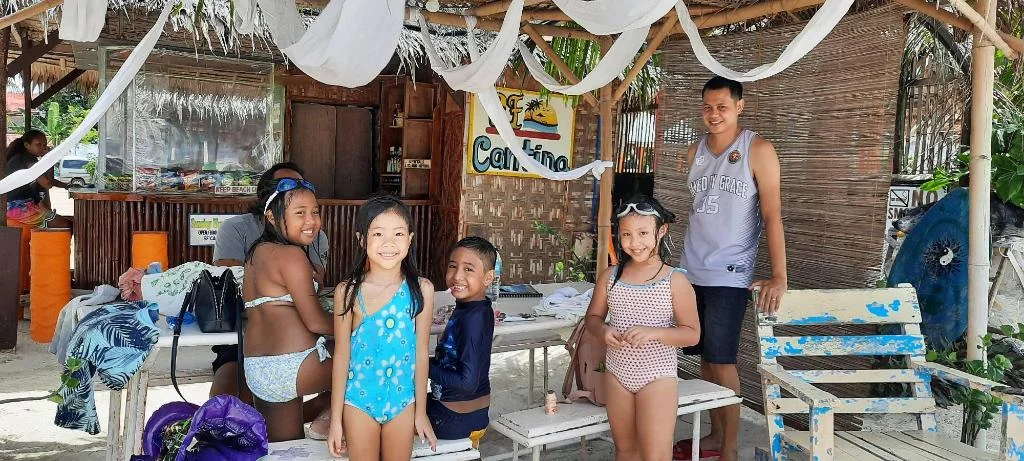
SF Cantina Hotel
Before you go