
TL;DR: Cebu’s best eco-tourism is community-run, cheap, and mostly in the south and on Bantayan: the Bojo River mangrove cruise in Aloguinsan (₱400–₱850), Hermit’s Cove next door (₱100), Olango Island for migratory birds (₱100, best Nov–Feb), and the Omagieca Mangrove Garden on Bantayan (₱50). For marine life without the feeding controversy of Oslob, Moalboal’s sardine run and sea turtles are the honest alternative. Budget a half-day and ₱300–₱900 per stop; most fees fund local conservation directly. Verified July 2026.
Cebu’s eco-tourism scene isn’t polished — it’s mostly small barangay associations running a boat, a boardwalk, or a bird sanctuary on entrance fees that go straight back into the community and the environment they’re protecting. That’s actually the appeal. Instead of a resort day pass, you get a BAETA guide paddling you through the Bojo River mangroves in Aloguinsan, or a fisherman-turned-guide pointing out migratory shorebirds at Olango Island Wildlife Sanctuary. This guide rounds up the spots worth your time — river cruises, mangrove boardwalks, bird sanctuaries, marine sanctuaries, and the honest alternative to Oslob’s whale sharks — with real, sourced prices so you’re not guessing at the gate. It’s for travelers who want Cebu’s nature without a theme-park price tag or a guilty conscience.
At a Glance: Cebu’s Eco-Tourism Spots
| Experience | Where | Cost (2026) | Why it’s responsible |
|---|---|---|---|
| Bojo River Eco-Cultural Tour | Aloguinsan | ₱400–₱850/person (~US$7–15) | Community-run by BAETA; mangrove river cruise, no motorized speedboats |
| Hermit’s Cove | Aloguinsan | ~₱100/person (~US$1.70) | Small local-run cove; pairs with Bojo River same day |
| Olango Island Wildlife Sanctuary | Lapu-Lapu City | ~₱100 + fees (~US$1.70+) | Protected wetland; funds wetland/bird conservation |
| Omagieca Obo-ob Mangrove Garden | Bantayan | ~₱50–75/person (~US$1–1.30) | Century-old mangrove boardwalk run by OMAGIECA co-op |
| Madridejos Mangrove Eco-Park | Bantayan | Confirm locally | Community mangrove boardwalk, less touristed than Omagieca |
| Marine sanctuaries (Hilutungan, Nalusuan) | Mactan/Olango | ₱150–250/person (~US$2.60–4.30) | Fees fund reef patrol and no-take zones |
| Moalboal sardine run & turtles | Moalboal | Included in ₱300–800 island-hopping trips | No feeding — sardines and turtles behave naturally |
| Farm tours (Argao, Balamban) | South Cebu / West Cebu | Varies, often free–₱200 | Supports small organic growers, not mass agri-tourism |
Prices per person, confirm locally before you go — rural community operators adjust fees without notice. Verified July 2026.
What Is the Bojo River Eco-Cultural Tour and How Much Does It Cost?
It’s a roughly 45-minute bangka cruise through mangrove forest in Aloguinsan, run entirely by a local community association, for about ₱400–₱850 per person. The walk-in rate is around ₱400 for the guided cruise plus swimming (no food included), plus a small ₱25 environmental fee. If you book at least two days ahead, the ₱750–₱850 package adds a welcome drink, a handicraft demo, snacks, and lunch — worth it if you’re making a day of it.
The river itself is calm, clear, and lined with dense mangrove on both banks; your boatman will point out where the water changes color as fresh and salt water meet. It’s run by BAETA (Bojo Aloguinsan Ecotourism Association), so your fee funds the same mangrove system you’re cruising through — a genuinely different model from a private tour operator. Book through the Aloguinsan Tourism Office or BAETA directly at (032) 469 9042 or +63 997 371 5698, and reserve ahead for the food package since it needs a 50% downpayment.
Is Hermit’s Cove Worth Combining With Bojo River?
Yes — it’s a five-to-ten-minute tricycle ride from the Bojo River jetty and costs only about ₱100 to enter, so most people do both in one day. Hermit’s Cove is a small, cliff-framed cove with clear, calm water — good for a swim rather than snorkeling, since there isn’t much reef here. The entrance fee reportedly includes use of the BBQ grills on-site, so bringing your own food to grill after the river cruise is a popular combo.
Go on a weekday if you can. Weekends bring day-trippers from Cebu City and the cove is small enough that it fills up fast. Open daily 6:00 AM–6:00 PM.
Where Can You Go Birdwatching in Cebu?
Olango Island, a 20–30 minute boat ride from Mactan, is Cebu’s — and the Philippines’ — best birdwatching site, with peak migratory season from November to February. The Olango Island Wildlife Sanctuary is the country’s first officially protected wetland, a resting stop on the East Asian-Australasian Flyway for an estimated 40,000 migratory birds across roughly 48 species — plovers, sandpipers, and curlews among the highlights, alongside about 49 resident species.
Entrance runs around ₱100 per person, with a separate parking fee (₱20) and, for groups, an environmental fee (₱200 per 10 people). Bring your own binoculars if you have them; rentals aren’t reliably available. Outside peak season the sanctuary is quieter but still worth a stop if you’re already doing Mactan island-hopping, since Olango is usually on the same route as Hilutungan and Nalusuan.
What Mangrove Eco-Parks Can You Visit in Cebu?
Bantayan Island has Cebu’s best mangrove boardwalks — Omagieca Obo-ob Mangrove Garden is the main one, at about ₱50 for adults and ₱20 for children. Omagieca Mangrove Garden is a century-old mangrove stand with an elevated boardwalk, run by the OMAGIECA co-op (Obo-ob Mangrove Garden Integrated Ecotourism Conservation Association). Cottage rental is about ₱150 for three hours, and kayaking or fish-feeding are available for a small add-on fee. It’s open daily, 6:00 AM–6:00 PM.
Madridejos Mangrove Eco-Park, also on Bantayan, is a similar but less-visited option — confirm current fees locally, since it doesn’t get the same tourist traffic as Omagieca. Both are a good half-day add-on if you’re already island-hopping Bantayan’s beaches. For a broader look at Cebu’s mangrove sites side by side, see our mangrove eco-parks guide.
Are There Firefly-Watching Tours in Cebu?
Not really — not in the ticketed, scheduled way Bohol’s Abatan and Loboc rivers run them. If you’ve done a firefly cruise in Bohol and are hoping for a Cebu equivalent, be honest with yourself: it isn’t documented as a standing tourism product here. Some visitors report firefly sightings after dark near the Bojo River and other mangrove areas, but treat that as a lucky bonus on an evening boat ride, not something you can book. If fireflies are the priority, Bohol’s Abatan River tours (roughly a 30-minute ferry plus short drive from Cebu via Tagbilaran) are the more reliable choice.
Which Marine Sanctuaries Can You Snorkel Responsibly In?
Hilutungan and Nalusuan, both off Mactan, are the most established no-take marine sanctuaries you can snorkel — entrance runs roughly ₱150–250 per person. These are usually stops on a shared Mactan island-hopping trip (₱800–1,500 for the boat, 4–5 hours, often including Olango and Caohagan too) rather than something you book solo. The fee goes toward reef patrol and maintaining the no-fishing zone, which is why the coral cover here holds up better than at open-access beaches nearby.
Further south, Moalboal has its own cluster — Tongo Marine Sanctuary among them — usually bundled into a Pescador Island or turtle-snorkeling trip. And down toward Santander and Liloan, Liloan Marine Sanctuary and Silot Bay Marine Sanctuary are smaller, far less crowded options if you’re road-tripping the south. Fees at all of these change without much notice, so budget a little flexibility and ask your boatman or the barangay tourism desk on arrival.
Is There an Ethical Alternative to Oslob’s Whale Sharks?
Yes — Moalboal’s sardine run and sea-turtle snorkeling, since neither depends on feeding wildlife to keep it “on schedule” for tourists. Oslob’s whale shark encounter is Cebu’s most-searched marine wildlife activity, and it’s also its most debated: the whale sharks are hand-fed shrimp from boats to keep them near shore, which conservationists say disrupts natural migration and feeding behavior in an already-vulnerable species. We’re not going to pretend that debate is settled — go if you want, but go informed.
If that trade-off doesn’t sit right with you, Moalboal offers the closest thing to a no-feeding alternative: the sardine run (a dense, self-organizing bait ball just off Panagsama Beach) and sea turtles that swim past divers and snorkelers naturally, without bait. Neither is guaranteed on any given day since it’s genuinely wild behavior, but that unpredictability is the point.
Compare Moalboal snorkeling and island-hopping tours on Klook if you want the sardine run and turtle spots bundled into one trip.
Can You Visit a Farm in Cebu?
Yes, though it’s low-key — Cebu’s farm tourism is small organic operations in the south and west, not big agri-tourism parks. In Argao’s neighboring town Alegria, the SPAAFI demo farm grows organic vegetables and keeps pigs whose manure feeds the same garden — a hands-on look at small-scale organic farming rather than a polished attraction. In Balamban, Happy Garden focuses on permaculture and farm-to-table meals, and a handful of farmstays around Dalaguete and Alegria are starting to formalize day-tour access.
These aren’t ticketed the way the mangrove parks and river cruises are — expect to arrange a visit ahead of time through the farm directly or a local tour operator, and treat pricing as negotiable rather than fixed. Search Cebu farm and countryside tours on GetYourGuide for a few packaged options if you’d rather not arrange it yourself.
How to Choose Which Eco-Tourism Spots to Visit
If you only have one day, pair Bojo River + Hermit’s Cove — they’re minutes apart in Aloguinsan and together cost under ₱1,000 for the pair. If birds are your thing, dedicate a half-day to Olango Island and go during migratory season (November–February) for the real payoff. If you’re already on Bantayan for the beaches, add Omagieca’s mangrove boardwalk — it’s cheap and takes under an hour. And if the Oslob whale sharks give you pause, swap that day for Moalboal instead of skipping marine wildlife altogether.
Bring cash. Every one of these is a rural, community-run operation, and card payment isn’t reliably available at any of them.
The Honest Take
None of these are polished, Instagram-optimized attractions, and that’s exactly why they’re worth doing. Bojo River and Omagieca are genuinely run by the barangay associations whose livelihoods and mangroves are on the line, which is a different proposition from a resort day pass calling itself “eco.” Olango Island rewards patience over spectacle — bring binoculars and expect quiet, not guaranteed close-up wildlife shots.
The one area to be clear-eyed about is Oslob. It’s the single most popular “nature” experience in Cebu and also the one with the most legitimate conservation criticism attached — feeding wild whale sharks to guarantee tourist sightings isn’t the same category of activity as a mangrove cruise or a bird sanctuary entrance fee. Go if you want that experience, but don’t confuse it with the rest of this list. Skip all of it during typhoon season (roughly June–November) when river and boat operations shut down without notice, and skip Olango outside migratory season if birds are your only reason for going.
Round Out Your Trip
Pair a day of eco-tourism with Cebu’s other nature spots — see our roundup of nature escapes near Cebu City for waterfalls and hikes that fit the same low-key, honest travel style. If Aloguinsan and Moalboal are both on your route, our Cebu City to Moalboal guide covers the drive and where to stop along the way. And if you want the wildlife side covered in more depth, our dedicated Olango Island birdwatching guide goes deeper on species, timing, and getting there.
Browse Cebu tours and day trips on Klook to book ahead, especially for Moalboal or Mactan island-hopping combos during peak season.
Sources
- Aloguinsan Bojo River Cruise — Traveloka listing and 2026 pricing
- Bojo River and Hermit’s Cove — Freedom Wall
- Olango Island Wildlife Sanctuary — entrance fees and hours, Forever Vacation
- Omagieca Obo-ob Mangrove Garden — Guide to the Philippines
- Cebu, Philippines: Is Oslob Whale Shark Watching Ethical? — Moalboal Ecolodge
- Organic Farm Tours in Cebu Island — Cebu Paradise
- Marine sanctuary fees (Hilutungan, Nalusuan) cross-checked against current operator and TripAdvisor listings; confirm exact rates locally. Verified July 2026.
Book Tours & Hotels for This Trip
Find and book the best deals — prices and availability update in real time. Links open in a new tab.
Where to stay near Lapu-Lapu City
Top-rated hotels for this trip — tap through to check live rates.
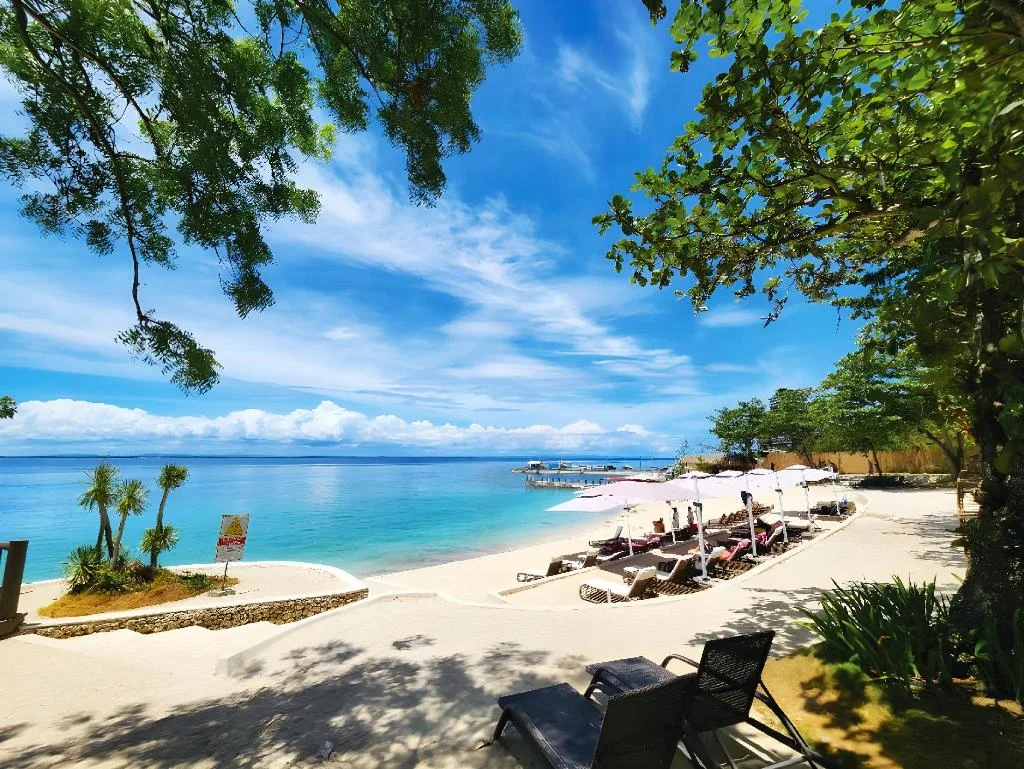
Mercure Mactan Cebu
Public House Hostel
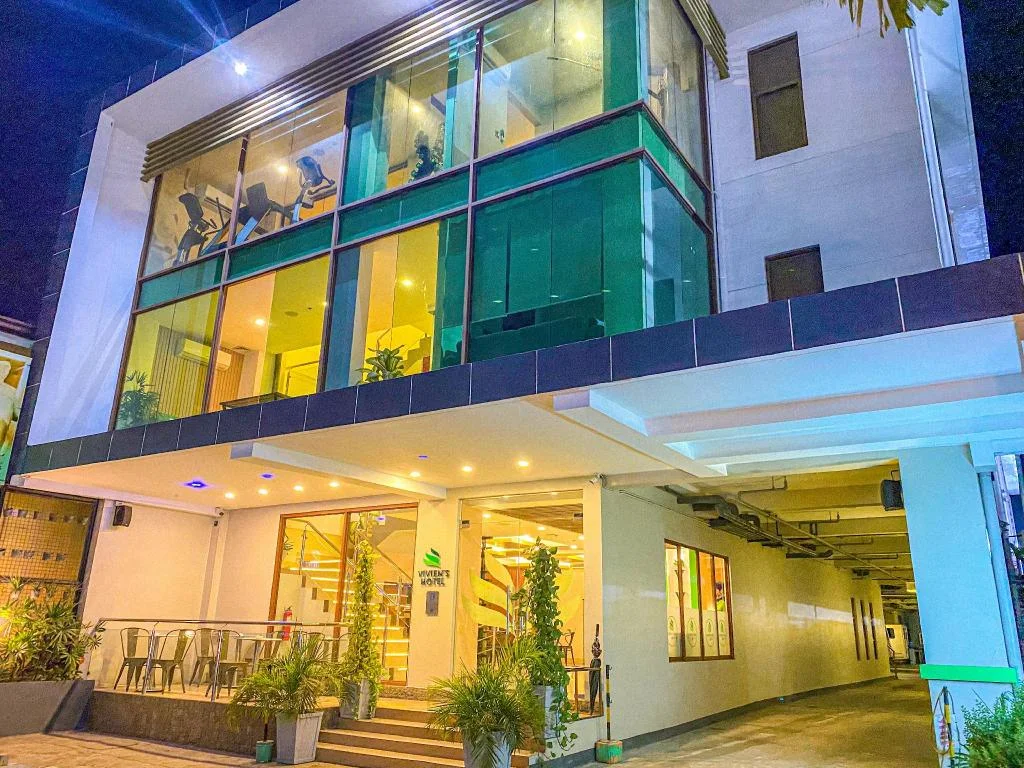
Vivien's Hotel
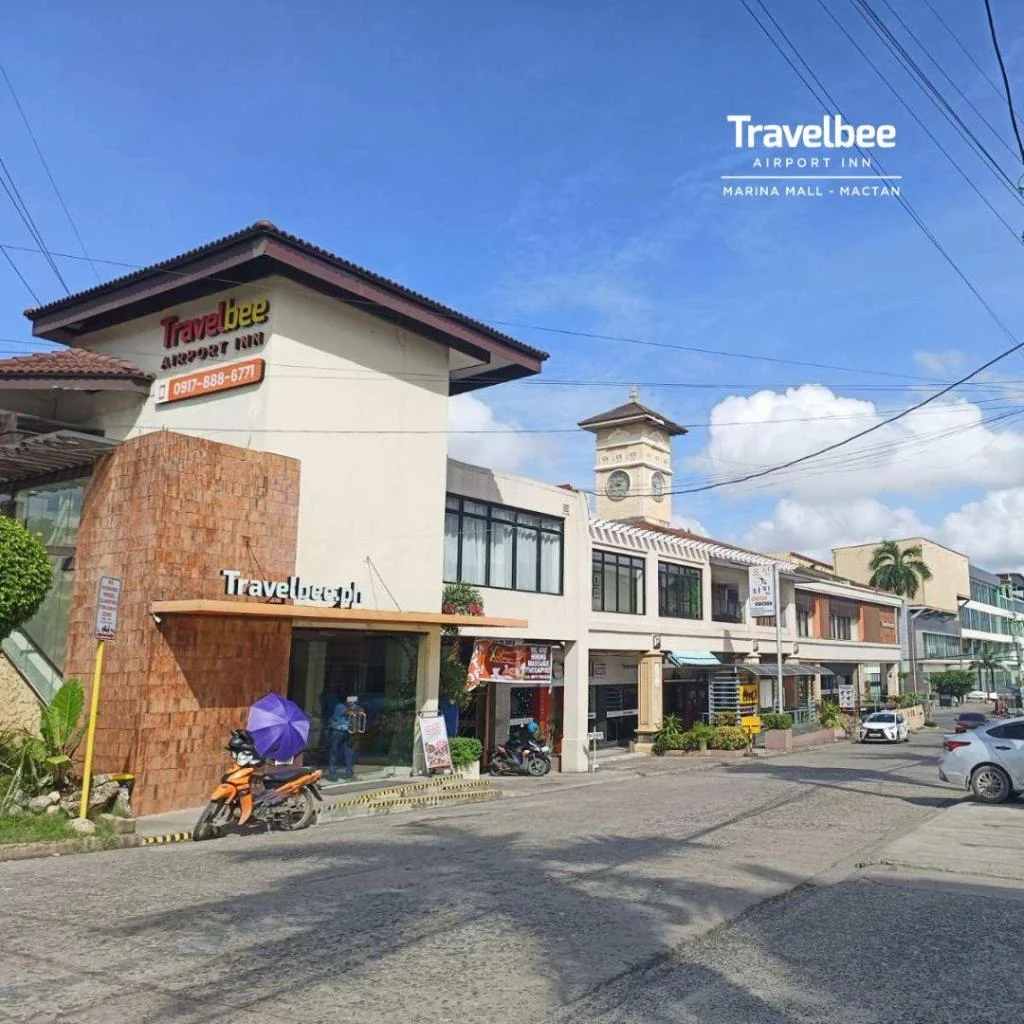
Travelbee Airport Inn
Prefer a rental? Vacation rentals near Lapu-Lapu City
Self-catering condos and apartments — book the exact unit, kitchen included.
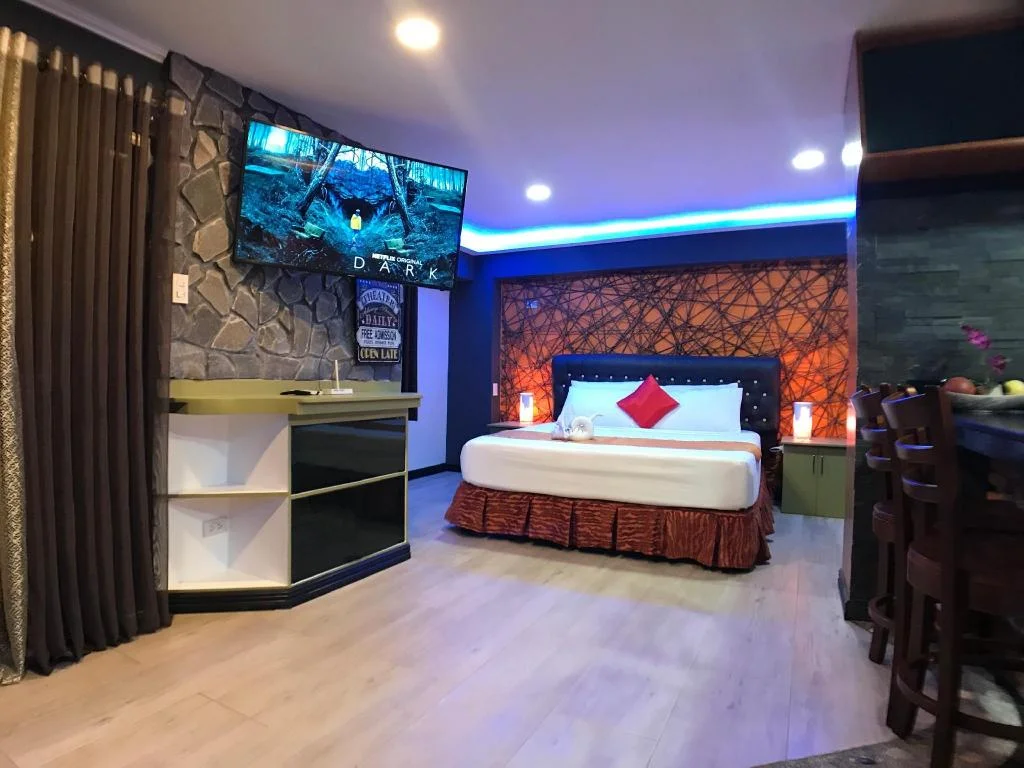
ClockWorkOrange Luxury Suites
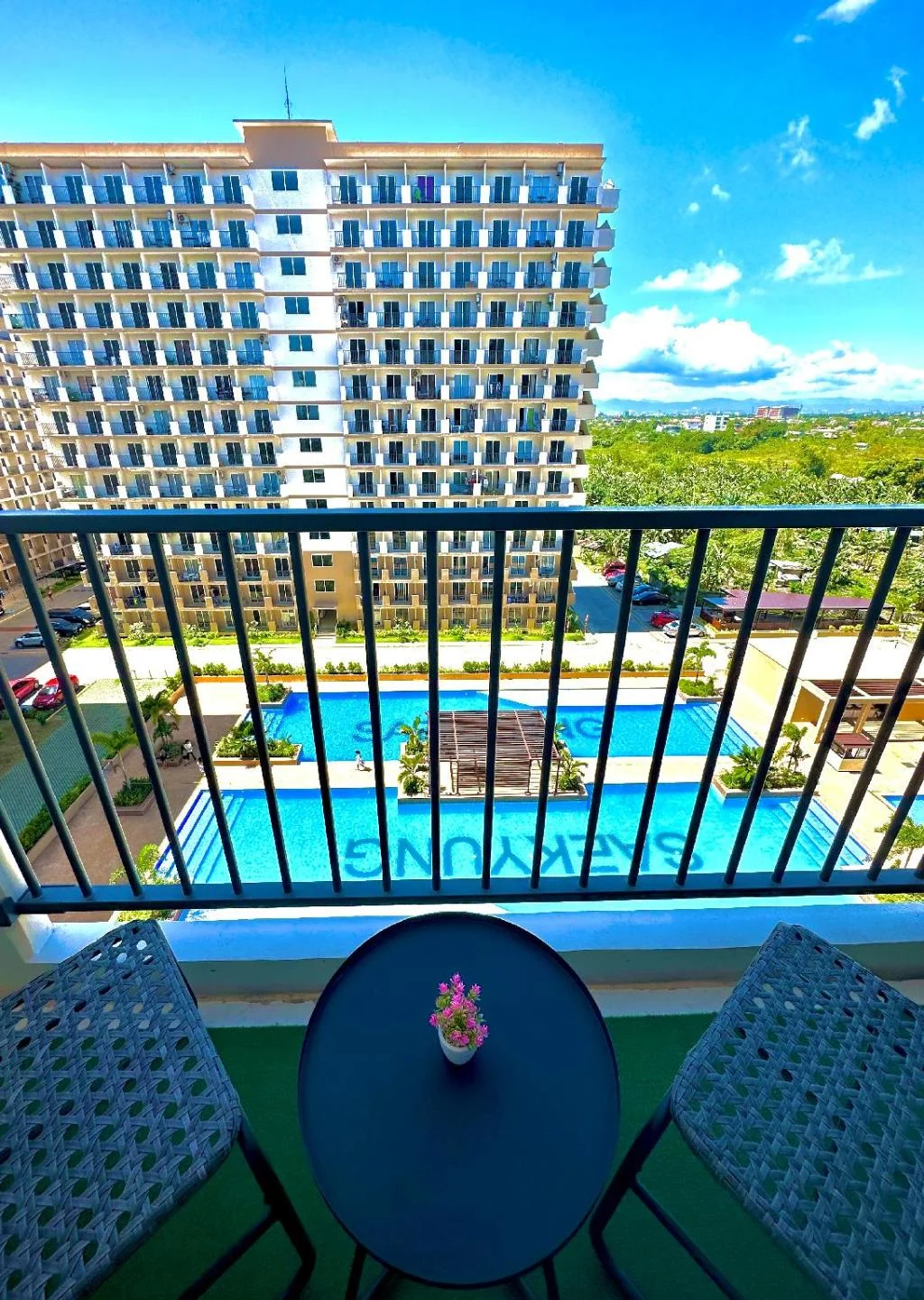
Condo with POOL/BALCONY/KITCHEN/NETFLIX/HOT SHOWER

JeeCee Homes condo near Cebu Mactan Airport
Before you go
Frequently asked
What is the best eco-tourism experience in Cebu?
How much does the Bojo River cruise cost?
Is Olango Island good for birdwatching?
Are the whale sharks in Oslob ethical?
What mangrove parks can you visit in Cebu?
Can you go firefly watching in Cebu?
Do these eco-tourism fees actually help conservation?
What should I bring to Cebu's eco-tourism sites?
More Places to Explore
Bojo River Eco-Cultural Tour
Aloguinsan
An award-winning river cruise through mangroves with traditional songs, firefly watching, and a hidden beach - a complete eco-cultural experience.
Hermit's Cove
Aloguinsan
A secluded cove resort with a private crescent beach, dramatic cliffs, and clear waters - a hidden paradise on Cebu's western coast.
Olango Island Wildlife Sanctuary
Lapu-Lapu City
A 920-hectare wetland sanctuary and one of the world's seven major migratory bird flyways, hosting thousands of birds from Siberia, China, and Japan.
Omagieca Obo-ob Mangrove Garden
Bantayan
A 100-hectare mangrove eco-park with bamboo walkways, famous as the filming location for 'Camp Sawi' and a model of community-based conservation.