
TL;DR: Cebu eats built its reputation on lechon (₱400–800/kg, US$7–14, best at Zubuchon, Rico’s, or Carcar’s public market), sutukil seafood at Larsian or the Mactan dampa restaurants, and street food like tuslob-buwa (₱150–220/set) and puso (₱5–10 each) in the Pasil and Colon neighborhoods. Sugbo Mercado in IT Park (Tue–Sun, 4 PM–midnight) is the easiest one-stop night market. Budget US$15–25/day for a foodie who eats well but doesn’t dine fancy, or US$40–60 for one big paluto seafood dinner. Verified July 2026.
Cebu doesn’t just have good food — Cebuanos will tell you, without irony, that this island invented the best version of the Philippines’ national dish. Whether or not you buy that, the eating here is genuinely one of the best reasons to come: roast pig cooked over coconut husk charcoal, seafood you pick out alive and have grilled ten minutes later, and street stalls that have been doing one dish for forty years. This guide is the foodie’s map of Cebu — the must-eats, where locals actually go (not just what shows up on Instagram), and honest prices for all of it. Most of the real street-food action happens around Colon Street and Carbon Market in the old downtown, so start there if you want to eat like a local rather than a tourist.
Cebu’s Must-Eat Dishes at a Glance
| Dish | Where to get it | Price (₱ / US$) |
|---|---|---|
| Lechon (roast pig, per kilo) | Zubuchon, Rico’s, Carcar public market | ₱400–800 / $7–14 |
| Sutukil (grill + stew + raw) | Larsian, Mactan dampa restaurants | ₱300–600 pp / $5–10 |
| Tuslob-buwa (sizzling pork dip) | Pasil / Suba street stalls | ₱150–220/set / $3–4 |
| Larsian BBQ skewers | Larsian Night Market, Fuente | ₱10–40/stick / $0.20–0.70 |
| STK / dampa seafood (cooking fee) | STK dampa, Mactan seafood markets | ~₱200/kg cooking + market price ($40–60 pp total) |
| Puso (hanging rice) | Any carinderia, markets, Larsian | ₱5–10/piece / ~$0.10 |
| Ngohiong (fried spring roll) | Colon Street stalls | ₱15–40/piece / $0.30–0.70 |
| Dried mango (100g pack) | SM/Robinsons pasalubong sections, Guadalupe factories | ₱120–180 / $2–3 |
Prices vary by stall and season. Verified July 2026.
What Should You Eat First in Cebu?
Lechon, without question. Cebu-style lechon skips the soy sauce and liver-sauce basting used elsewhere in the Philippines — it’s stuffed with lemongrass, garlic, onions, and spices, then slow-roasted over charcoal until the skin shatters and the meat inside stays moist. It’s the dish that put this island on the global food map after Anthony Bourdain called Cebu’s lechon “the best pig ever” on television, and locals still hold that opinion.
Where Do You Get the Best Lechon in Cebu?
Zubuchon and Rico’s Lechon are the two names every local sends tourists to. Both run several branches across Cebu City and Mactan, sell lechon by the kilo (roughly ₱600–800, US$10–14, at Zubuchon; Rico’s is slightly cheaper by the quarter-kilo), and also do sit-down meals if you want more than takeout. For a cheaper, more local experience, head 40 minutes south to Carcar City’s public market, the heritage lechon town where whole roast pigs are laid out on tables and sold by the kilo for around ₱400–600 (US$7–10) — no ambiance, just the real thing straight off the roasting spit.
Lechon doesn’t travel well overnight, so eat it the same day you buy it, or ask about vacuum-sealed portions if you want to bring some home.
What Is Sutukil and Where Do You Do It?
Sutukil means you order the same seafood catch three ways — grilled, stewed, and raw-marinated — and share it across the table. The name is a contraction of sugba (grill), tuwa (stew), and kilaw (raw fish cured in vinegar and calamansi, the Filipino cousin of ceviche). The cheap, plastic-chair version is at Larsian on Don Mariano Cui Street near Fuente Osmeña; the sit-down, sea-view version is at the seafood restaurants lining Mactan’s coast, where you can watch the fishing boats come in.
What’s the Deal With the “Dampa” Seafood Markets?
You pick your seafood live from a wet-market stall, then a restaurant next door cooks it however you want for a per-kilo fee. This “STK” or “paluto” (cook-to-order) system runs across Cebu — pick crab, prawns, squid, or fish, haggle a little on the market price (it’s expected), then hand it to a nearby restaurant that charges roughly ₱200/kilo to cook it your way. All-in, budget US$40–60 per person for a proper seafood dinner this way — more if you go for lobster or sea mantis. It’s touristy in the best sense: a genuinely fun, hands-on meal, not a trap.
What Is Tuslob-Buwa and Is It Worth Trying?
Tuslob-buwa is Cebu’s most divisive street food — a sizzling, murky sauté of pork liver and brains that you dip hanging rice into straight from a shared communal pan. It originated in the Pasil and Suba neighborhoods of Cebu City and is still best eaten there, at simple street stalls where a set (with 10–12 pieces of puso) runs ₱150–220 (US$3–4). It’s cheap, it’s authentic, and it is not for the squeamish — go to a stall with a visible line of regulars rather than the emptiest one on the block, since freshness and turnover matter more here than at almost any other Cebu dish.
What Are the Best Food Markets to Visit at Night?
- Sugbo Mercado (IT Park) — Cebu’s biggest, cleanest night market, open Tuesday to Sunday, 4 PM to midnight, with 40-plus rotating stalls covering everything from local barbecue to Korean, Japanese, and Middle Eastern food. It’s the easiest single stop if you want variety without hunting across the city.
- Larsian Night Market — the old-school original, open from late afternoon to past midnight on Don Mariano Cui Street, across from Chong Hua Hospital. Skewers cost ₱10–40 each; a full meal with rice for one runs ₱150–300 (US$3–5). Cash only.
- Carbon Market — Cebu’s oldest and largest public market, better for produce, dried goods, and cheap eats than a curated food-court experience, but the most authentic if you want to see how Cebuanos actually shop and eat.
What Street Food Should You Try Beyond Lechon?
Colon Street, the country’s oldest street, is Cebu’s street-food spine after dark — stalls sell ngohiong (a Chinese-Filipino fried spring roll of jicama, pork, and shrimp, ₱15–40/piece), fish balls, and quick fried snacks. Add puso (rice steamed in a woven coconut-leaf pouch, ₱5–10 each) as the standard carb with any grilled meat, and chicharon bulaklak (deep-fried pork mesentery) as the classic beer pairing at almost any Cebu barbecue stall.
Where Do You Buy Pasalubong (Food Souvenirs)?
Dried mango is the default gift to bring home — a 100g pack costs ₱120–180 (US$2–3) at SM, Robinsons, or Metro’s pasalubong sections, or you can buy in bulk directly from a drying factory in Guadalupe for less than retail. Round out the box with otap (crunchy pastry), budbud (rice or millet cake, sometimes wrapped in banana leaf), rosquillos, and dried danggit (dried fish) from Taboan Market if you’re checked-baggage-equipped and don’t mind the smell.
Should You Book a Food Tour Instead of DIY?
If the idea of ordering tuslob-buwa or haggling at a dampa market feels intimidating, a guided food tour solves that in one afternoon. Half-day walking tours booked through Klook or GetYourGuide typically run US$30–60 per person, hit 5–8 stops (heritage sites plus a lechon stop, chicharon, and often Pasil’s tuslob-buwa row), and come with a guide who already knows which stall is good that week. It’s worth it for your first Cebu food outing even if you go fully DIY afterward.
How Should You Plan a Day of Eating in Cebu?
Start light — puso and a few skewers at a market — then save your appetite for one big meal, either a proper lechon lunch or a sutukil/dampa dinner. Trying to do lechon, sutukil, and tuslob-buwa all in one day is how first-timers end up skipping the street food they actually wanted to try. Spread it over two or three days if you can.
The Honest Take
Cebu’s food scene earns its reputation, but manage expectations on a few things. Zubuchon and Rico’s are tourist-friendly and consistently good, but they’re not where locals eat lechon every day — Carcar’s public market is cheaper and just as good if you don’t need the polished dining room. Dampa/paluto seafood is genuinely fun but not cheap once you add crab or prawns; know the per-kilo cooking fee before you order so the bill doesn’t surprise you. Tuslob-buwa is a real cultural experience, not a novelty stunt for tourists, but it’s cooked at basic street stalls, so pick a busy one and don’t go in with a delicate stomach. Skip any stall or “food tour” that won’t tell you a price upfront — that’s the one red flag worth walking away from.
Eat Your Way Through Cebu
Pair a lechon lunch with an afternoon at Carbon Market or an evening walking Colon Street for ngohiong and fish balls, then work outward to our fuller guides on where to eat lechon in Cebu, Cebu’s street food scene, and the best restaurants in Cebu City. If you’d rather have someone else pick the stops, browse food tours on Klook and let a local guide do the ordering for you.
Sources
- Rico’s Lechon — official price lists
- Sugbo Mercado — official page
- WhyCebu — Sugbo Mercado hours and stalls, 2026
- WhyCebu — best lechon in Cebu, 2026 prices
- Sugbo.ph — tuslob-buwa spots in Cebu
- Tocal Mate — dampa/paluto seafood market pricing structure
- Tripadvisor — Carcar City Public Market lechon prices
- Prices cross-checked against 2025–2026 vendor and traveler reporting. Verified July 2026.
Book Tours & Hotels for This Trip
Find and book the best deals — prices and availability update in real time. Links open in a new tab.
Where to stay near Cebu City
Top-rated hotels for this trip — tap through to check live rates.
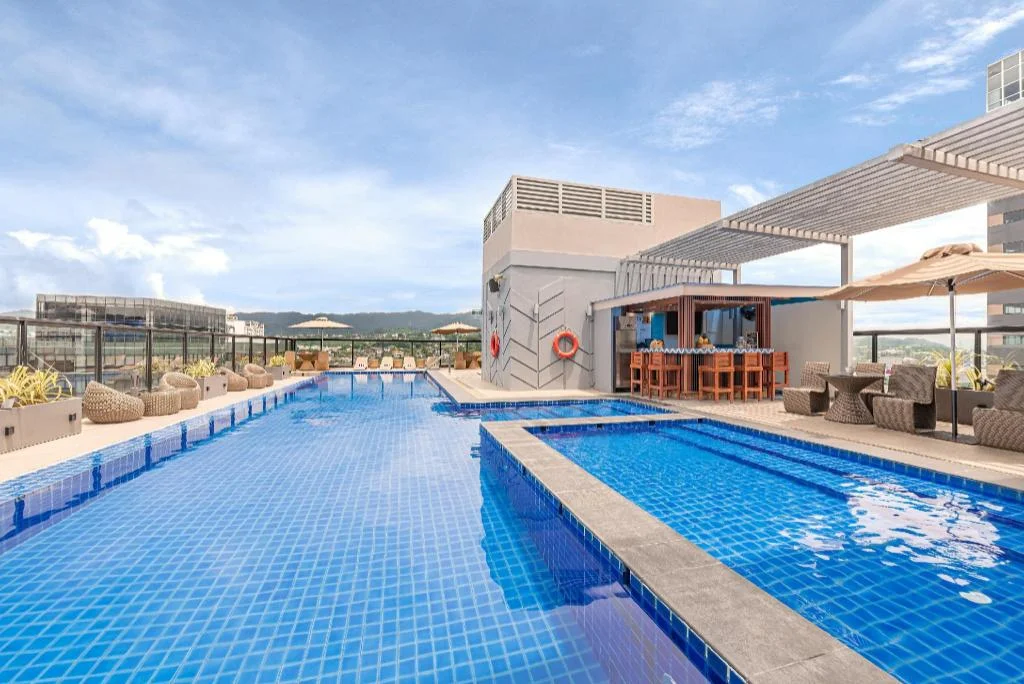
Seda Central Bloc Cebu City
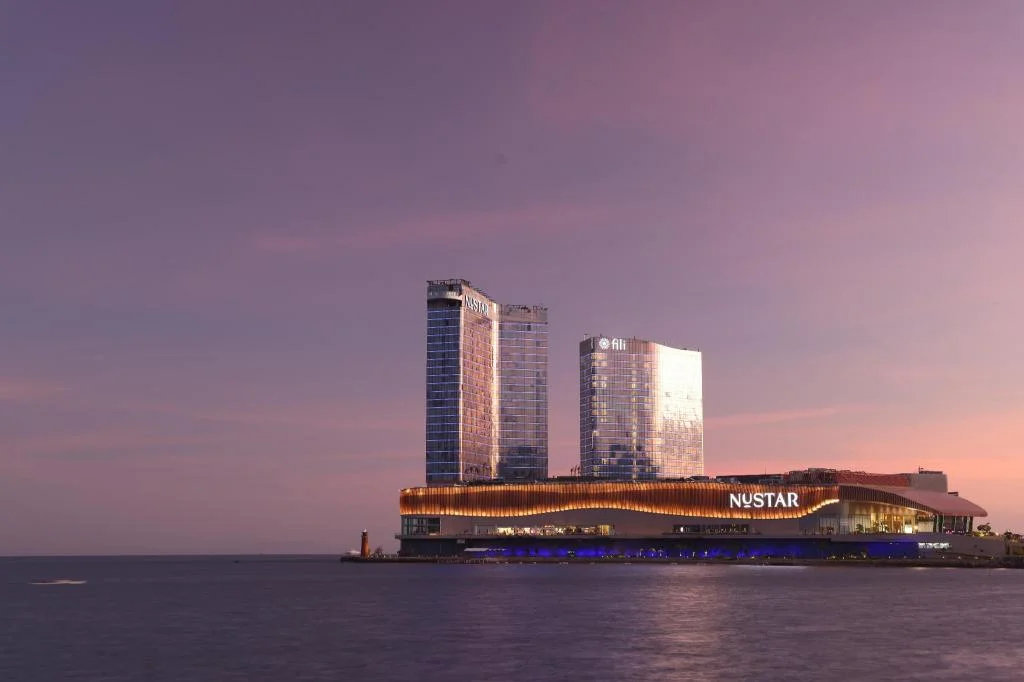
Fili Hotel - NUSTAR Resort & Casino Cebu
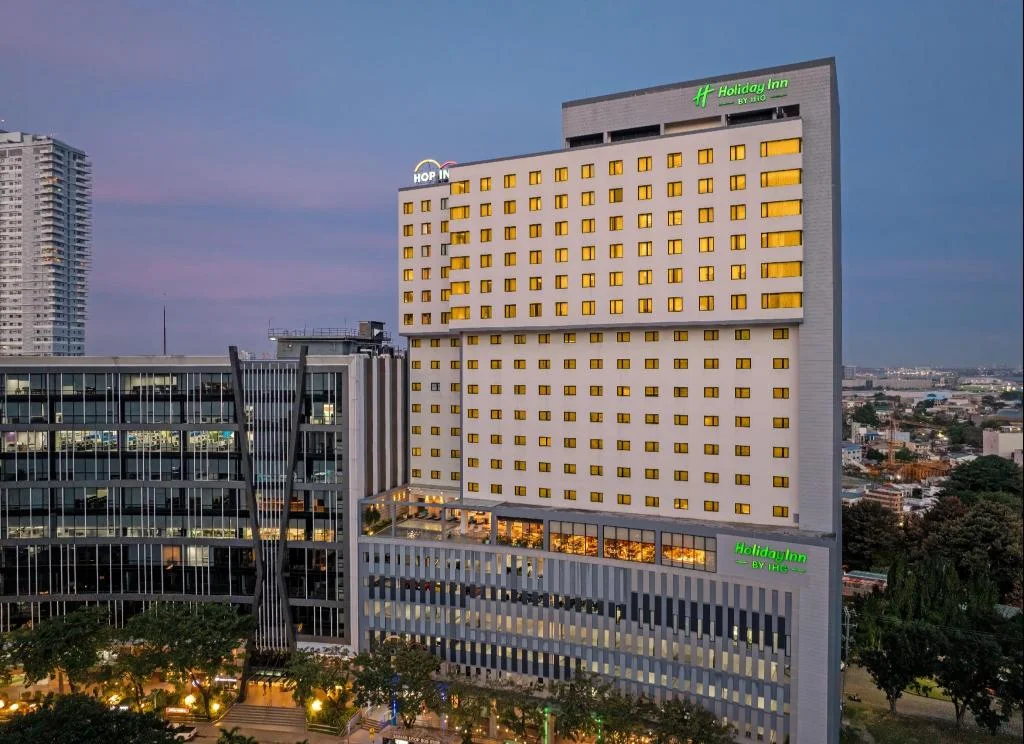
Holiday Inn Cebu City By IHG
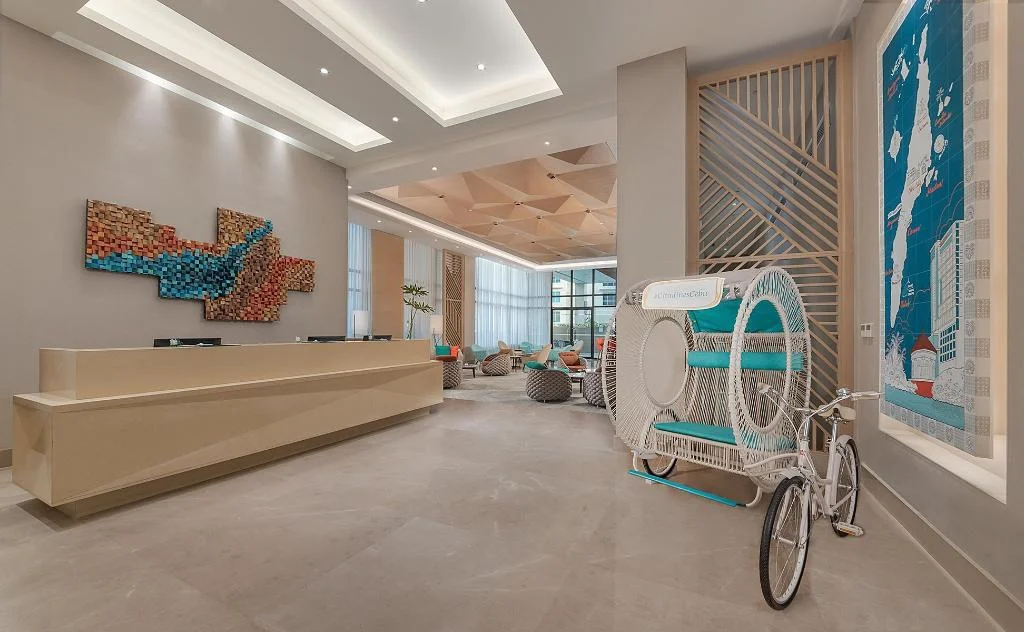
Citadines Cebu City
Prefer a rental? Vacation rentals near Cebu City
Self-catering condos and apartments — book the exact unit, kitchen included.
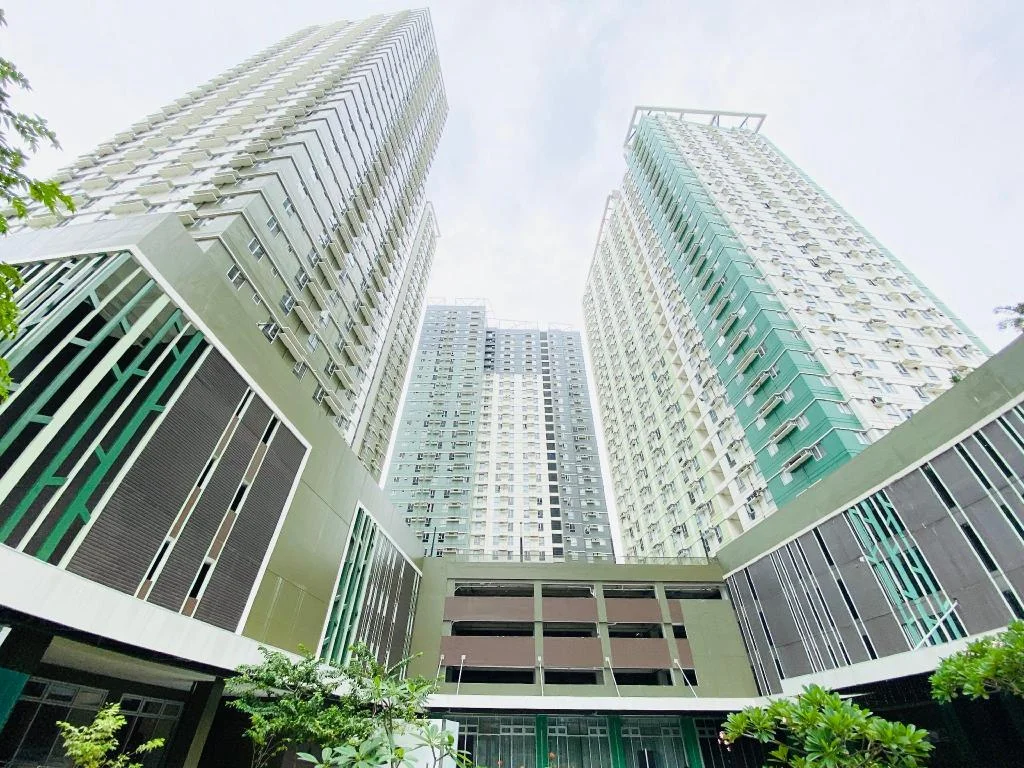
Cebu Avida Riala by P&J

Special Big Loft Unit w/Fibreop Internet & Netflix
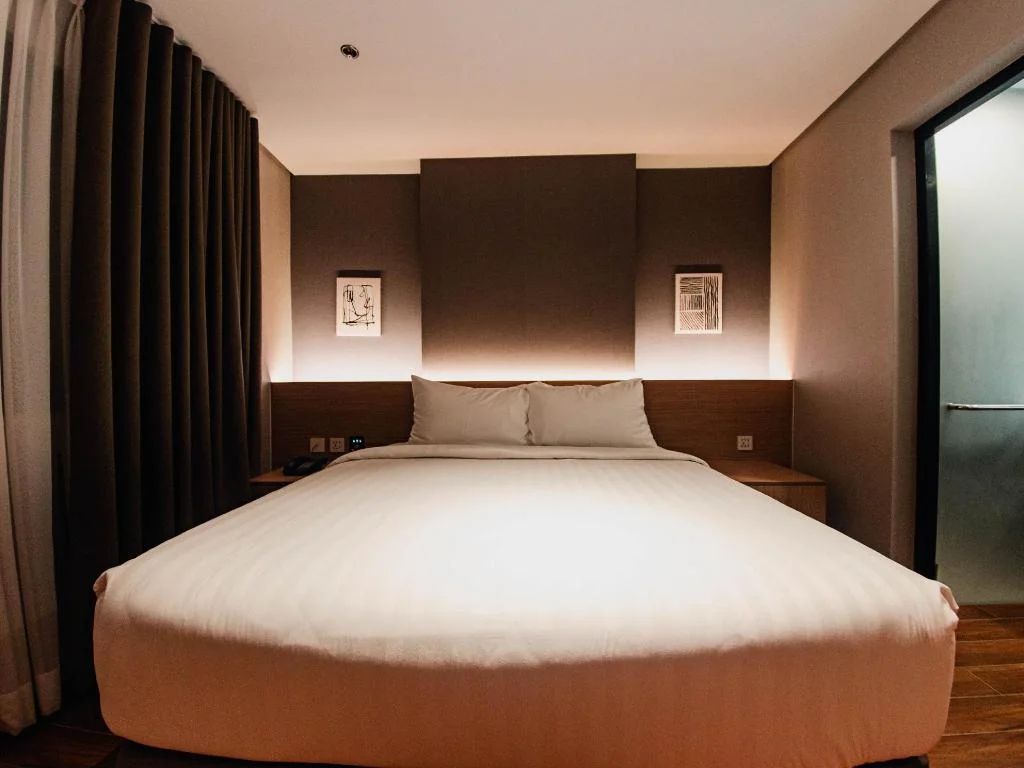
Moonstar Cebu Hotel - Deluxe Room
Before you go
Frequently asked
What food is Cebu famous for?
Where do you get the best lechon in Cebu?
What is sutukil and where do you eat it?
What is tuslob-buwa and is it safe to try?
How much does a food tour in Cebu cost?
What should I bring home as a food souvenir from Cebu?
Is Cebu street food safe for tourists?
Do I need to book a table for lechon or sutukil?
More Places to Explore
Colon Street
Cebu City
The oldest street in the Philippines, a historic commercial thoroughfare that has been Cebu's trading center since Spanish colonial times.
Carbon Market
Cebu City
Cebu's oldest and largest market (since 1909), offering an authentic local shopping experience with fresh produce, seafood, and traditional goods.