
TL;DR: Cebu’s street food scene runs on small plates and small prices — think ₱10–40 (US$0.17–0.69) per item, or ₱100–150 (US$1.72–2.59) for a full sit-down plate. The must-tries are tuslob buwa (a bubbling pork brain-and-liver dip for pusô rice), Larsian BBQ skewers near Fuente Osmeña, ngohiong (a Cebuano-Chinese fried spring roll), and pungko-pungko — a spread of fried snacks eaten on low stools. Find the widest mix at Carbon Market and Colon Street, and stick to busy, high-turnover stalls where food is cooked hot in front of you. Verified July 2026.
Cebu doesn’t really have a single “street food district” — it has a scattered network of night markets, sidewalk stalls, and 24-hour eateries that locals have been going to for decades, long before anyone called it a food scene. This guide is a practical map of it: what the dishes actually are, roughly what they cost, and where to find them without wasting a meal on a stall that’s been reheating the same tray since noon. It’s built around two anchor points downtown — Carbon Market and Colon Street — plus the BBQ strip near Fuente Osmeña and a pungko-pungko spot in Mabolo that’s worth the detour. If you want the full sit-down version of Cebuano food rather than the street version, see our guide to Cebu lechon first, then come back here for the snacks.
Cebu Street Food at a Glance
| Item | Price (₱ / US$) | Where |
|---|---|---|
| Ngohiong (per piece) | ₱10–20 / $0.17–0.34 | Carbon Market, Colon Street, sidewalk carts citywide |
| Tuslob buwa set (with ~10 puso, feeds 2) | ₱100–150 / $1.72–2.59 | Pasil, Pardo, Mabolo tuslob buwa stalls |
| Larsian BBQ skewer (per stick) | ₱5–40 / $0.09–0.69 | Larsian sa Fuente, Don Mariano Cui St. |
| Larsian full meal (skewers + rice) | ₱150–300 / $2.59–5.17 | Larsian sa Fuente |
| Ginabot (deep-fried pork intestine, serving) | ₱20–30 / $0.34–0.52 | Pungko-pungko stalls, Carbon Market |
| Pungko-pungko plate (viand + unli rice) | ₱100–150 / $1.72–2.59 | Pungko-Pungko sa Fuente, Mabolo |
| Tempura / fishball (per stick or set) | ₱10 for 3 tempura or 10–12 fishballs / ~$0.17 | Colon Street, Carbon Market, roadside carts |
| Puso (hanging rice, per piece) | ₱5–12 / $0.09–0.21 | Everywhere BBQ or tuslob buwa is sold |
| Balut (boiled fertilized duck egg) | ~₱15 / $0.26 | Evening street vendors, baskets citywide |
Prices are per-vendor estimates gathered from recent visitor reports and vendor listings; individual stalls vary. Confirm the price before you order — it’s normal to ask. Verified July 2026.
What Is Tuslob Buwa, and Is It Safe to Eat?
Tuslob buwa is a bubbling pan of pork brain and liver (sometimes with other offal) that you dip pusô rice into, straight from the pot. The name literally means “dip in bubbles.” It originated in the Pasil and Suba districts of Cebu City in the 1950s, reportedly starting as a way to use the foam that rose while frying sinuglaw and pork sausage, and later spread south to Pardo, where several well-reviewed stalls now operate.
It sounds like a dare, but it’s a genuine Cebuano comfort dish, not a stunt food. A set (the pan of tuslob buwa plus a stack of puso) runs about ₱100–150 and comfortably feeds two people. On safety: because it’s cooked and kept hot over a flame while you eat, the actual dipping process is lower-risk than it looks — the main thing to check is that the stall has steady customer turnover, so the pan isn’t sitting reheated from hours earlier.
Where Do You Find the Best Pungko-Pungko?
Pungko-pungko means “to squat” — it’s the sit-on-a-low-stool style of eating a spread of fried snacks, not one specific dish. You point at what you want from a display of fried items (ginabot, ngohiong, lumpiang toge, siomai, fried chicken, hotdog, liempo), add a puso or unlimited rice, and eat with your hands.
The best-known spot, confusingly, is Pungko-Pungko sa Fuente on F. Cabahug Street — which is actually in Mabolo, not Fuente Osmeña. It runs 24 hours and a filling plate (ginabot, ngohiong, lumpiang toge, siomai, fried chicken, unlimited rice) costs around ₱148. Carbon Market and Colon Street have their own cluster of similar stalls if you’re already downtown and don’t want to detour to Mabolo.
What’s on a Larsian BBQ Skewer, and How Much Does It Cost?
Larsian sa Fuente is Cebu’s best-known BBQ night market — a strip of side-by-side grill stalls near Fuente Osmeña Circle on Don Mariano Cui Street, where you pick skewers off the grill and eat at shared tables. Skewers span pork, chicken, isaw (grilled intestine), chorizo, and squid, running roughly ₱5–40 per stick depending on the cut — isaw and small BBQ sit at the cheap end, chorizo and larger pork skewers at the higher end. A full meal — several skewers plus rice — typically runs ₱150–300 per person.
It’s touristy by local standards now, and stalls will sometimes hover and steer you toward the pricier cuts, so ask the price of anything unfamiliar before it’s off the grill and on your plate. It’s still worth doing once for the atmosphere and the char-grilled flavor you won’t get from a restaurant version.
What Other Street Snacks Should You Try?
Beyond the three headliners, a handful of smaller items round out a Cebu street food crawl:
- Ngohiong — a Cebuano-Chinese fried spring roll of ground pork, shrimp, and vegetables, sliced and served with a sweet-tangy sauce. About ₱10–20 a piece.
- Ginabot — deep-fried pork intestine, crispy outside and chewy inside, usually dipped in spiced vinegar. About ₱20–30 a serving.
- Tempura and fishball — Cebu’s “tempura” is a fried fish-paste stick, not Japanese-style batter; both are sold from the same carts, often ₱10 for three tempura pieces or ten to twelve fishballs, with a sweet or spicy dipping sauce on the side.
- Puso — rice steamed inside a woven coconut-leaf pouch, the standard carb pairing for BBQ and tuslob buwa. ₱5–12 a piece.
- Balut — a boiled fertilized duck egg, eaten with salt and vinegar, sold from baskets by evening vendors citywide. Around ₱15 each. It’s an acquired taste for most foreign visitors — approach it as a one-time cultural try rather than a snack you’ll want daily.
- Budbud — glutinous rice (sometimes millet, called budbud kabog) simmered in coconut milk and wrapped in coconut or banana leaf, more a merienda item than street-cart food. Priced similarly to other rice-based snacks; confirm locally, as it’s more common at markets and bus terminals than sidewalk carts.
Is Street Food in Cebu Safe to Eat?
Yes, if you’re selective — pick stalls with steady customer turnover and order things cooked hot in front of you. BBQ, tempura, fishballs, and freshly ladled tuslob buwa are lower-risk because high heat kills most bacteria. Be more cautious with anything sitting at room temperature for a while, uncooked garnishes, and ice you can’t confirm is made from purified water — stick to bottled or canned drinks if unsure.
Wash your hands or use sanitizer before eating, and pace yourself on your first day or two rather than sampling everything at once. If you do get a stomach upset, rehydrate with oral rehydration salts or bottled water and eat plain rice and crackers for a day. For the broader safety picture beyond food, see our is Cebu safe for tourists guide.
How to Choose a Good Stall
- Follow the crowd. A stall packed with locals at 7 PM has already done the vetting for you.
- Check the setup. A clean grill or fryer station, food kept covered or actively cooking, and a vendor handling cash and food separately are good signs.
- Ask the price first. Especially at Larsian and tourist-facing spots, confirm the price of anything unfamiliar before it hits the grill.
- Bring small bills. Nobody at a street stall can break a ₱1,000 note.
- Go early evening for the best turnover. Around 6–8 PM, most stalls are freshly restocked and busiest — later at night, options thin out and some items may have been sitting longer.
If you’d rather do a curated version of this in one sitting, a Cebu food tour on Klook bundles several of these stops with a guide who handles the ordering and the haggling for you.
The Honest Take
Cebu’s street food is genuinely good and genuinely cheap — you can eat three or four different things for under ₱300 (US$5.17) and walk away full. But be honest about the trade-offs: Larsian has become a tourist stop as much as a local one, so it’s louder, pricier per stick than it used to be, and vendors will occasionally upsell. Tuslob buwa is the most “authentic” experience on this list precisely because it’s the least designed for tourists — no menu, no photos on the wall, just a pan and a stack of puso.
Balut is the one dish most foreign visitors try once, for the story, and don’t order again — that’s fine, it’s not required eating. Skip street food entirely on your first night if you’re jet-lagged and want to ease in with restaurant food first; the stalls aren’t going anywhere; they run every night of the year.
Bring the Rest of Cebu’s Food Scene Into It
Pair a street food crawl with a walk through Carbon Market and Colon Street during the day, when the produce and dry-goods stalls are also worth browsing, then come back in the evening for the food. For a sit-down version of Cebu’s signature dish, see our Cebu lechon guide, and for a wider list of what to eat across the province, check the best Cebuano dishes to try. If you’re based in IT Park or Cebu Business Park and want something closer to a curated night market than a street stall, our Sugbo Mercado guide covers that option. Staying downtown makes all of this walkable — compare Cebu City hotels near Fuente and Carbon on Agoda if you haven’t booked yet.
Sources
- CebuInsights — Tuslob Buwa history and spots
- Sugbo.ph — Tuslob Buwa spots guide
- Wikipedia — Tuslob buwa
- Proud Bisaya Bai — Pungko-Pungko sa Fuente (Mabolo)
- 3D Universal — Larsian Night Market 2025 guide
- CSP Planet Locale — Colon Street and Carbon Market
- Individual item prices (ngohiong, ginabot, tempura, balut, puso) cross-checked against multiple 2024–2026 visitor and vendor reports; confirm exact prices at the stall. Verified July 2026.
Book Tours & Hotels for This Trip
Find and book the best deals — prices and availability update in real time. Links open in a new tab.
Where to stay near Cebu City
Top-rated hotels for this trip — tap through to check live rates.
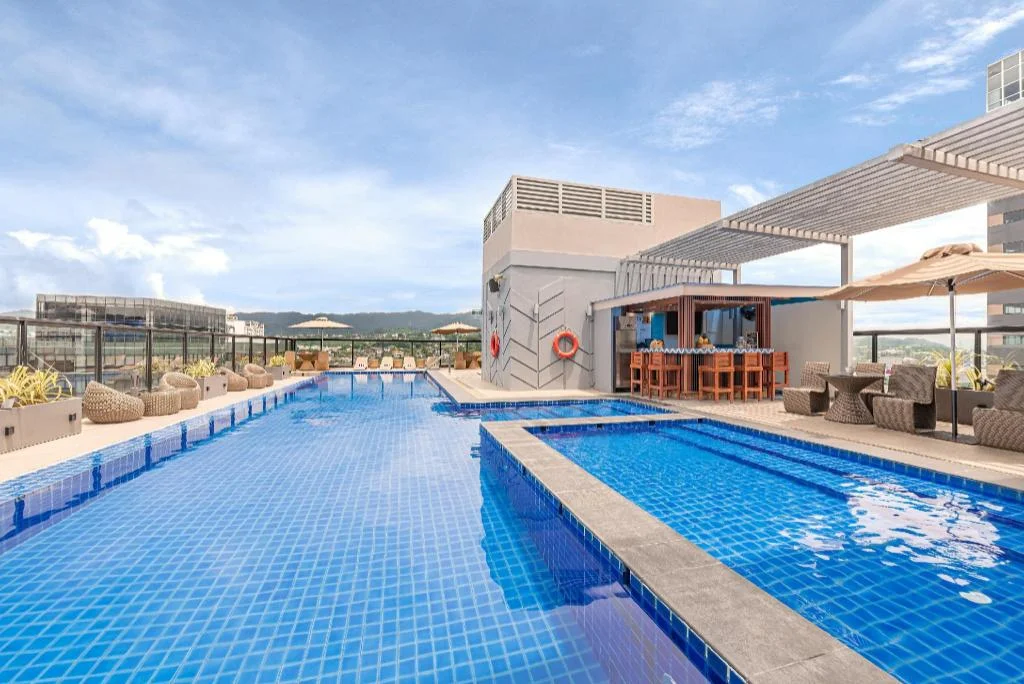
Seda Central Bloc Cebu City
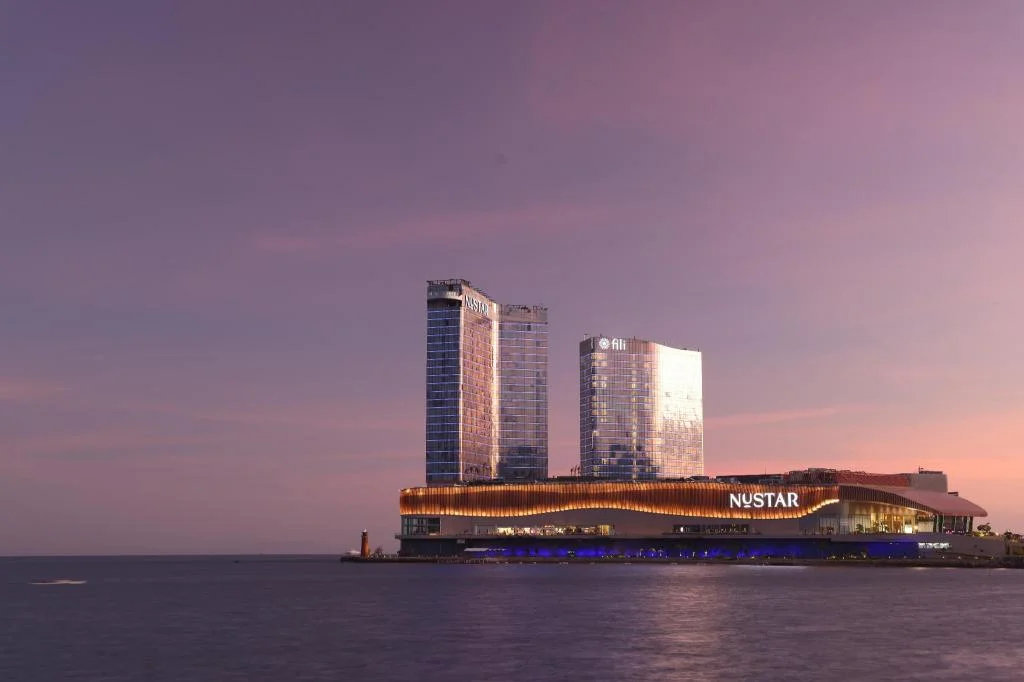
Fili Hotel - NUSTAR Resort & Casino Cebu
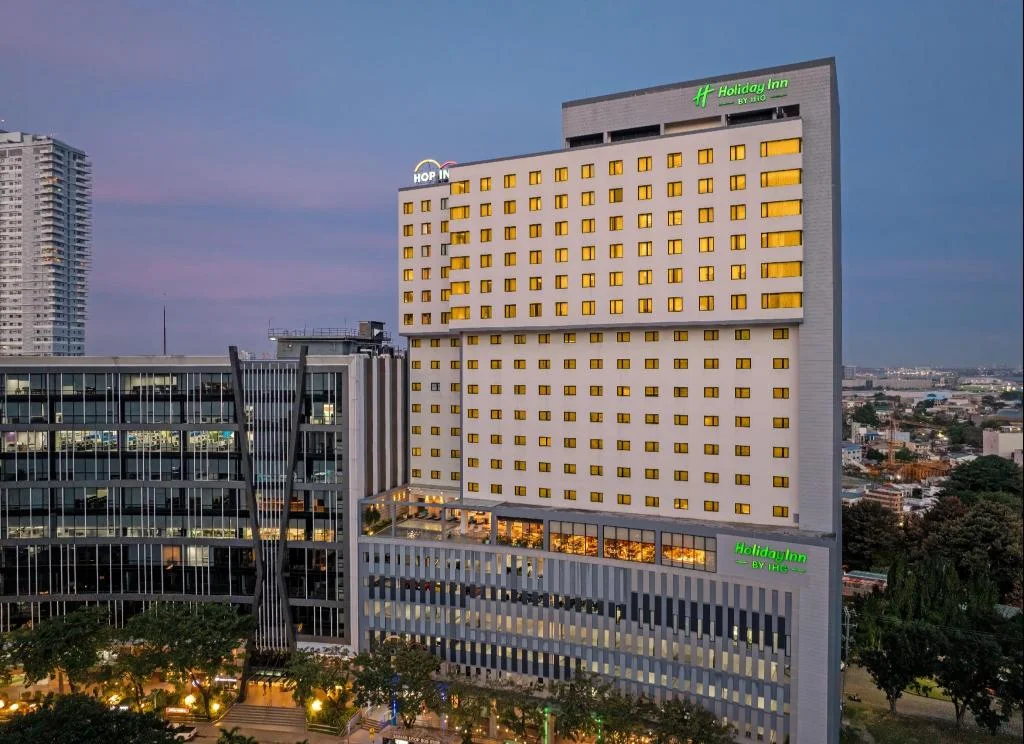
Holiday Inn Cebu City By IHG
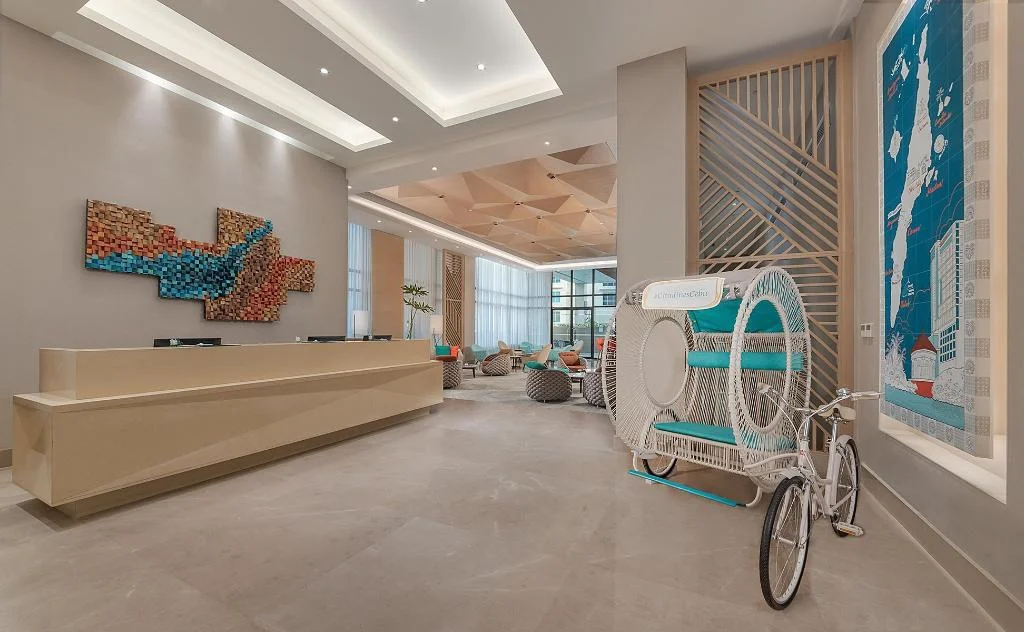
Citadines Cebu City
Prefer a rental? Vacation rentals near Cebu City
Self-catering condos and apartments — book the exact unit, kitchen included.
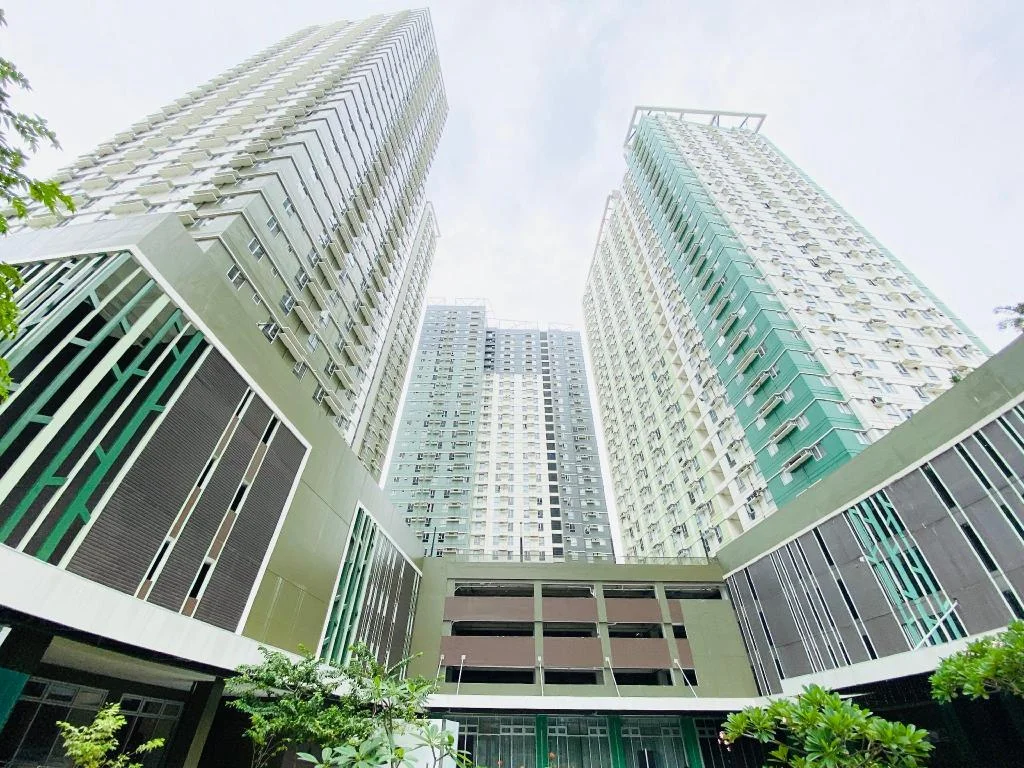
Cebu Avida Riala by P&J

Special Big Loft Unit w/Fibreop Internet & Netflix
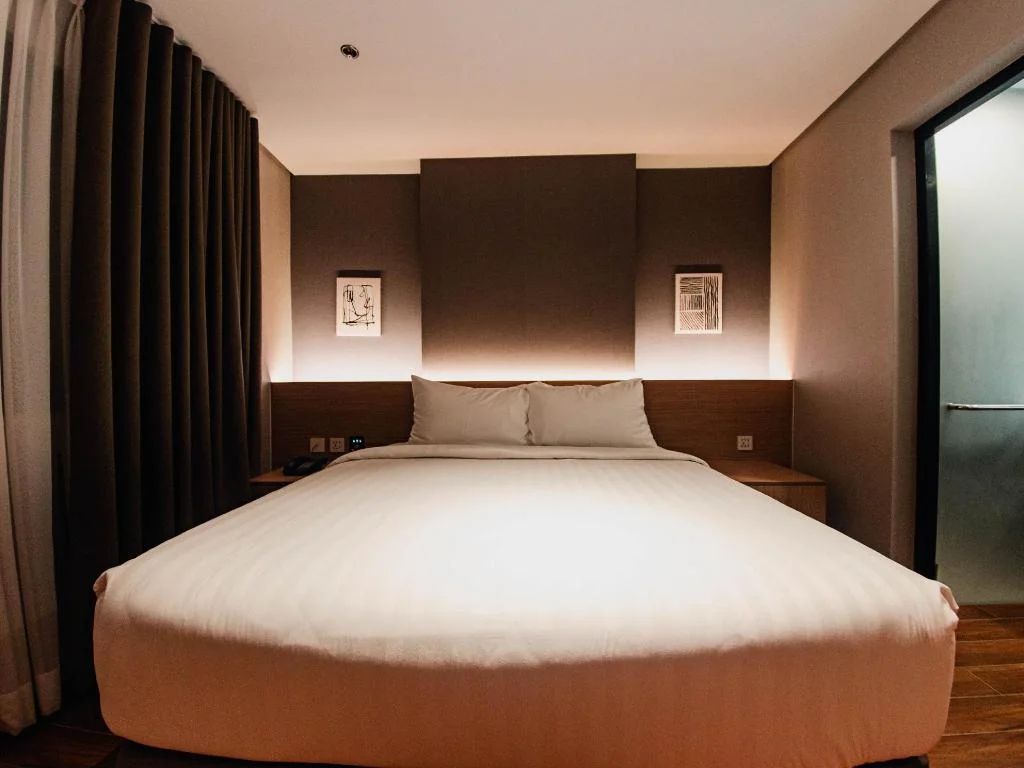
Moonstar Cebu Hotel - Deluxe Room
Before you go
Frequently asked
What is the most famous Cebu street food?
Is street food in Cebu safe to eat?
How much does street food cost in Cebu?
Where is the best place to try street food in Cebu City?
What is tuslob buwa made of?
What is ngohiong?
Can vegetarians eat Cebu street food?
Do I need cash for street food in Cebu?
More Places to Explore
Carbon Market
Cebu City
Cebu's oldest and largest market (since 1909), offering an authentic local shopping experience with fresh produce, seafood, and traditional goods.
Colon Street
Cebu City
The oldest street in the Philippines, a historic commercial thoroughfare that has been Cebu's trading center since Spanish colonial times.