
TL;DR: Cebu’s food identity starts with lechon (whole roasted pig, the dish Anthony Bourdain called the best he’d ever had) but doesn’t stop there — sutukil (grill, soup, raw-cured seafood), puso (hanging rice, ₱5–10), humba, and ngohiong are all locals-first dishes worth building a meal around. Street eats like Larsian BBQ run ₱150–300 per person, while pasalubong staples like dried mangoes (₱250–350/kg) and danggit (₱400–500/kg) are cheapest at Taboan Market near Carbon Market. Budget half a day of eating to hit the core list below. Verified July 2026.
Cebu doesn’t just have food, it has a food identity that Manila and the rest of the Philippines defer to. Ask any Filipino where the best lechon is and they’ll say Cebu, no argument. But lechon is the headline act in a much longer set — sour fish soups, five-spice spring rolls, millet-based rice cakes, and a barbecue-alley culture that’s fed generations of students and night-shift workers near Colon Street.
This guide is for anyone who wants to eat like a Cebuano for a few days rather than just hit the one famous restaurant everyone tags on Instagram. It covers 15 dishes: what each one actually is, roughly what it costs, and where in the city or province to order it without getting a diluted, tourist-menu version. A few of these you can knock out in one sitting (sutukil is really three dishes at once); others are best hunted down at a specific market or old-school shop.
The 15 Dishes at a Glance
| Dish | What it is | Typical price | Best place to try it |
|---|---|---|---|
| Lechon Cebu | Whole roasted pig, stuffed with lemongrass and spices | ₱650–900/kg | Zubuchon, Rico’s, CNT, or Carcar/Talisay lechon stalls |
| Sugba (grilled seafood) | Fresh catch grilled to order | Priced by weight/catch | Mactan Shrine sutukil stalls |
| Tinuwa (tuwa) | Sour fish soup with tomato, chili, kamunggay | Priced by weight/catch | Mactan Shrine sutukil stalls |
| Kilawin (kilaw) | Raw fish cured in vinegar, chili, ginger | Priced by weight/catch | Mactan Shrine sutukil stalls |
| Puso | Rice steamed in a woven coconut-leaf pouch | ₱5–10/piece | Any barbecue stall or carinderia |
| Humba | Sweet-salty braised pork belly with tausi | ₱120–180/serving | Carinderias, turo-turo stalls, home-style restaurants |
| Ngohiong | Five-spice pork and ubod spring roll | ₱15–25/piece | Cebu Lumpia House, Manalili Street |
| Chorizo de Cebu | Sweet, garlicky fresh pork sausage | ₱250–350/kg | Carbon Market, Carcar Public Market |
| Larsian BBQ | Grilled pork/chicken skewers, ginabot, puso | ₱150–300/person | Larsian, Don Mariano Cui Street |
| Budbud Kabog | Millet suman, often paired with hot chocolate | ₱15–30/piece | Bogo City stalls, Cebu City pasalubong shops |
| Danggit | Dried, salted rabbitfish, fried crisp | ₱400–500/kg | Taboan Public Market |
| Dried mangoes | Sun-dried mango strips, chewy and sweet-tart | ₱250–350/kg | Taboan Public Market |
| Bam-i | Cebuano pancit with two noodle types, pork, shrimp | ₱120–180/serving | Carinderias, fiesta tables |
| Rosquillos | Ring-shaped sugar-dusted biscuits from Liloan | ₱80–150/pack | Liloan bakeries, Cebu pasalubong centers |
| Otap | Flaky, sugar-crusted puff pastry | ₱100–150/pack | Pasalubong shops citywide |
Seafood and by-the-kilo prices move with the day’s catch and market rates — confirm at the stall before ordering. Verified July 2026.
Where Do You Start — Lechon or Sutukil?
Start with lechon if you only eat one Cebuano dish; start with sutukil if you want three at once.
Lechon Cebu is the reason Cebu has a national food reputation. The pig is stuffed with lemongrass, garlic, onions, and native spices, then slow-roasted over charcoal until the skin shatters and the meat stays juicy without needing sauce. Anthony Bourdain called it the best pig he’d ever eaten, and that quote still shows up on menus across the city. For sit-down lechon, Zubuchon and Rico’s are the reliable, well-reviewed names in Cebu City; for the classic roadside version, Carcar and Talisay are the towns locals actually drive to.
Sutukil is the seafood equivalent of a tasting menu, minus the pretense. The name is a mash-up of three cooking styles: sugba (grilled), tuwa or tinuwa (a light, sour fish soup with tomato and chili), and kilaw (raw fish “cooked” in vinegar, similar to ceviche). At the original stalls beside the Mactan Shrine in Punta Engaño, you pick your fish or shellfish straight off the ice, tell the vendor which of the three styles you want (or all three), and they prepare it while you wait. It’s priced by weight and catch, so ask the going rate per kilo before you commit — prices shift with what came in that morning.
Why Is Puso Served With Almost Everything?
Because it’s Cebu’s default rice, not a specialty side. Puso is plain rice steamed inside a small woven pouch made from coconut leaf, which shapes it into a dense, portable block you can eat with your hands. It costs about ₱5–10 a piece and shows up at barbecue stalls, lechon stands, and carinderias in place of a plain rice scoop. The woven-leaf method is said to trace back to practical, low-equipment cooking — no bowl or plate required, and the rice keeps well while wrapped. If you’re at Larsian or any grill stall, puso is what you order alongside your skewers, not instead of them.
What Is Humba, and How Is It Different From Adobo?
Humba is a sweeter, richer pork belly stew that’s often mistaken for adobo by first-timers. Where adobo leans on vinegar and soy sauce, humba builds its flavor from soy sauce, brown sugar, fermented black beans (tausi), star anise, and often banana blossoms or pork skin, simmered low and slow until it turns glossy and slightly caramelized. It’s a home-cooking staple as much as a restaurant dish — you’ll find it on carinderia steam tables across the city for ₱120–180 a plate, usually next to rice or puso.
What Is Ngohiong, and Where Do You Get the Real Version?
Ngohiong is Cebu’s Chinese-Filipino spring roll, and the name comes straight from the seasoning. “Ngo hiong” is five-spice powder in Cebuano-Hokkien, and that spice mix is what separates ngohiong from a standard lumpia — the wrapper holds ubod (heart of palm) and ground pork, fried until crisp, then dipped in a sweet-tangy sauce. Cebu Lumpia House on Manalili Street has been making it since the 1960s and is the name locals point to first; individual pieces typically run ₱15–25.
Chorizo de Cebu and Danggit — the Table Staples
Chorizo de Cebu is a fresh (not cured-dry) pork sausage, noticeably sweeter and garlickier than Manila-style longganisa, with a mild tang from natural fermentation. Fried, the sugar caramelizes into a sticky glaze — it’s a classic Cebuano breakfast paired with garlic rice and egg. Look for it at Carbon Market or Carcar Public Market, priced roughly ₱250–350 a kilo depending on the vendor.
Danggit is dried, salted rabbitfish, pan-fried until the edges crisp up, and it’s the backbone of the classic Cebuano breakfast: danggit, garlic rice, a fried egg, and a side of puso or plain rice. Taboan Public Market, a short trip from Carbon, is the go-to source — expect ₱400–500 per kilo, and prices at Taboan run 30–50% below what you’d pay in a mall or the airport. A little haggling (“pwede pabawas?”) is normal there.
Is Larsian BBQ Still Worth the Trip?
It’s a smaller, calmer version of what it used to be, but yes, if you want cheap, hands-on street food. Larsian, on Don Mariano Cui Street near Fuente Osmeña, is a strip of open-air barbecue stalls where you walk the rows, pick your pork or chicken skewers straight off the grill (from around ₱15–25 a stick), grab a puso from a roving vendor, and eat at communal tables. A full meal — several skewers, puso, maybe ginabot (fried pork intestines) — runs about ₱150–300 a person. It’s lost some of the buzz Cebu Daily News and other local outlets wrote about in its 1990s–2000s heyday, and a few reports note the strip could use a refresh, but the smoky, elbow-to-elbow experience is still worth an evening if you’re not expecting the legendary version.
Budbud Kabog, Bam-i, and the Rest of the Table
Budbud Kabog swaps glutinous rice for millet, giving it a lighter, less sticky texture than standard suman. It’s a specialty of Bogo City in northern Cebu, traditionally paired with sikwate (thick hot chocolate made from tablea, pure cacao tablets) for breakfast or merienda — pieces run about ₱15–30 each.
Bam-i is Cebu’s answer to pancit — a combination of two noodle types (usually canton and sotanghon) stir-fried with pork, shrimp, and vegetables, common at fiestas and carinderias for ₱120–180 a serving.
Rosquillos (ring-shaped, sugar-dusted biscuits from the town of Liloan) and otap (flaky, caramelized puff pastry) round out the pasalubong list — both sold in packs of ₱80–150 at bakeries and pasalubong centers across the city.
How to Choose What to Prioritize
If you have one meal in Cebu, make it lechon. If you have one afternoon, do sutukil at the Mactan Shrine stalls and treat it as three dishes at once. If you’re stocking up to bring food home, hit Taboan Market for danggit and dried mangoes, then a bakery for rosquillos and otap — all of it packs and travels well. Everything else on this list (humba, ngohiong, bam-i, budbud kabog) is easy to fold into a normal day of eating since it’s carinderia and market food, not a destination in itself.
For a guided version of this list without the planning, a Cebu food tour on Klook typically bundles lechon, street food, and a market stop into one afternoon — useful if you’d rather eat than research vendors.
The Honest Take
Cebu’s food scene rewards people who eat where locals eat, and punishes people who only eat at the one restaurant that shows up on every blog. Zubuchon and the well-known lechon houses are genuinely good and worth the higher price, but the ₱650–900/kg range reflects Cebu City rents as much as quality — the roadside lechon in Carcar or Talisay, cooked the same way for a fraction of the price, is not a downgrade. Sutukil at the original Mactan Shrine stalls is the real, slightly chaotic version; the polished mall branches of the same concept are fine but you’re paying for air conditioning, not better fish. Larsian is worth an evening for the experience, but go in knowing it’s not the legendary strip older articles describe — it’s smaller and quieter than it used to be. And skip the pasalubong shops at the airport entirely; the same dried mangoes and danggit cost 30–50% more there than at Taboan.
Where to Go Next
Pair this list with a proper lechon deep-dive if whole-roast pig is your priority, or the full Cebu street food guide for a longer crawl beyond these 15. If seafood is the draw, our breakdown of sutukil — sugba, tula, kilaw explained covers exactly how to order at the Mactan stalls, and our puso, hanging rice guide goes deeper on the dish you’ll eat with almost everything else on this list. For the market run, Carbon Market and Carcar Public Market are both worth building a stop around, and a Cebu food and market walking tour on GetYourGuide covers both in one outing if you’d rather not navigate alone.
Ready to eat your way through Cebu? Book a Cebu food tour on Klook and let a local guide handle the ordering.
Sources
- Cebu Insights — Sutukil: The Seafood Obsession in Cebu City
- Eat Your World — Tuwa in Cebu
- 3D Academy — Have BBQ at Larsian Night Market: 2025 Guide
- Cebu Daily News — The lost glory of Larsian
- WhyCebu — Where to Buy Dried Mangoes in Cebu
- 3D Academy — Taboan Market for Dried Fish: 2025 Guide
- Continents & Condiments — The Best Lechon in Cebu City
- Prices and vendor details cross-checked against 2025–2026 local food-blog and market reporting. Confirm current per-kilo seafood and lechon rates on the day. Verified July 2026.
Book Tours & Hotels for This Trip
Find and book the best deals — prices and availability update in real time. Links open in a new tab.
Where to stay near Cebu City
Top-rated hotels for this trip — tap through to check live rates.
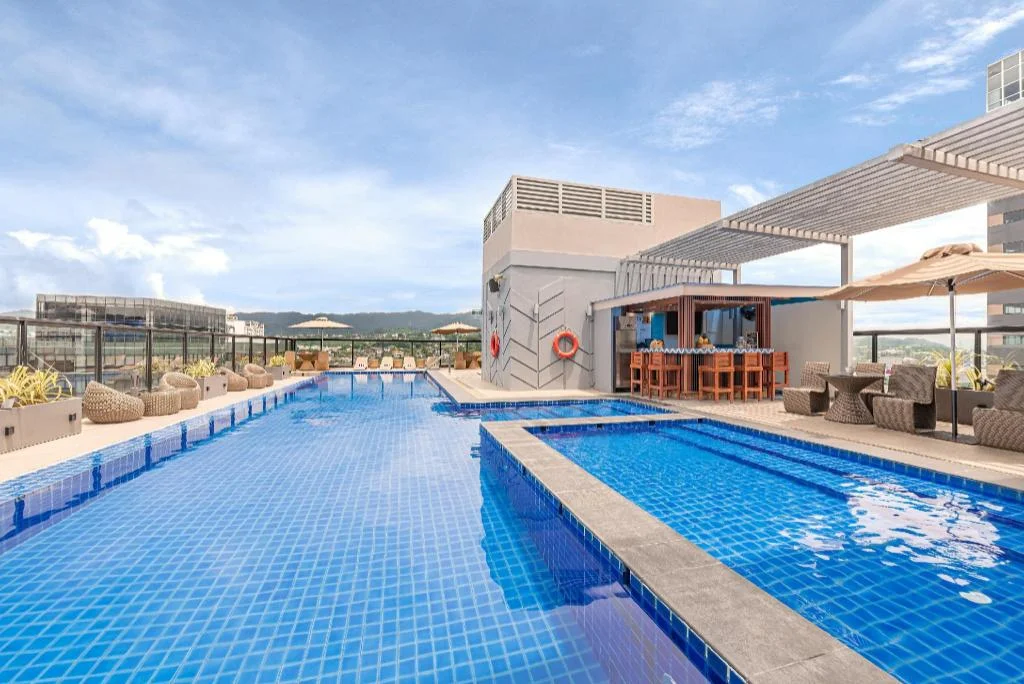
Seda Central Bloc Cebu City
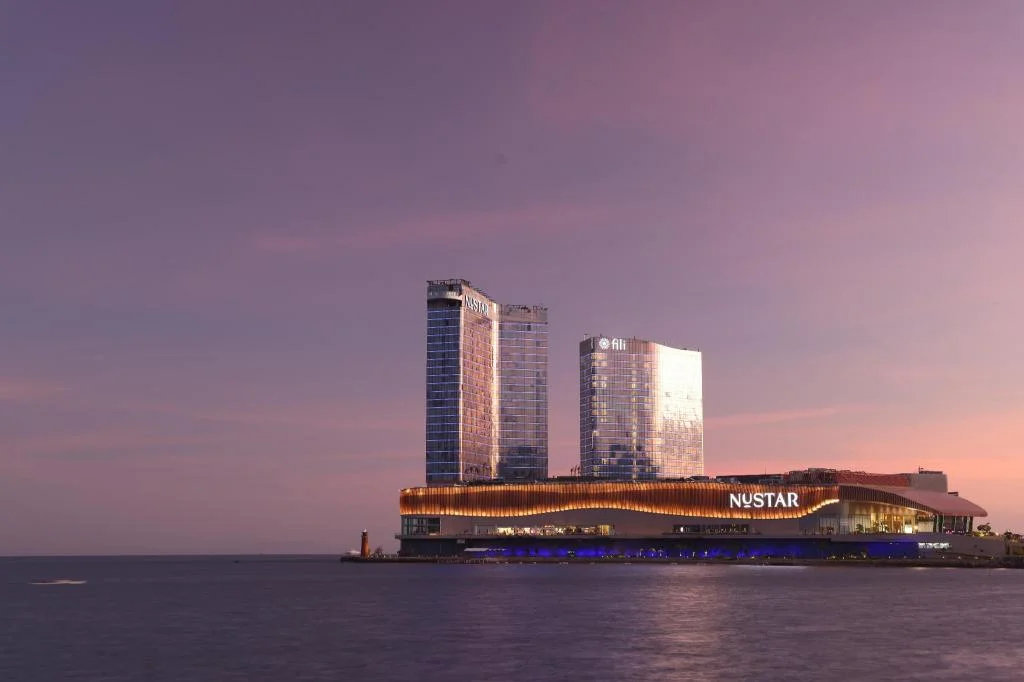
Fili Hotel - NUSTAR Resort & Casino Cebu
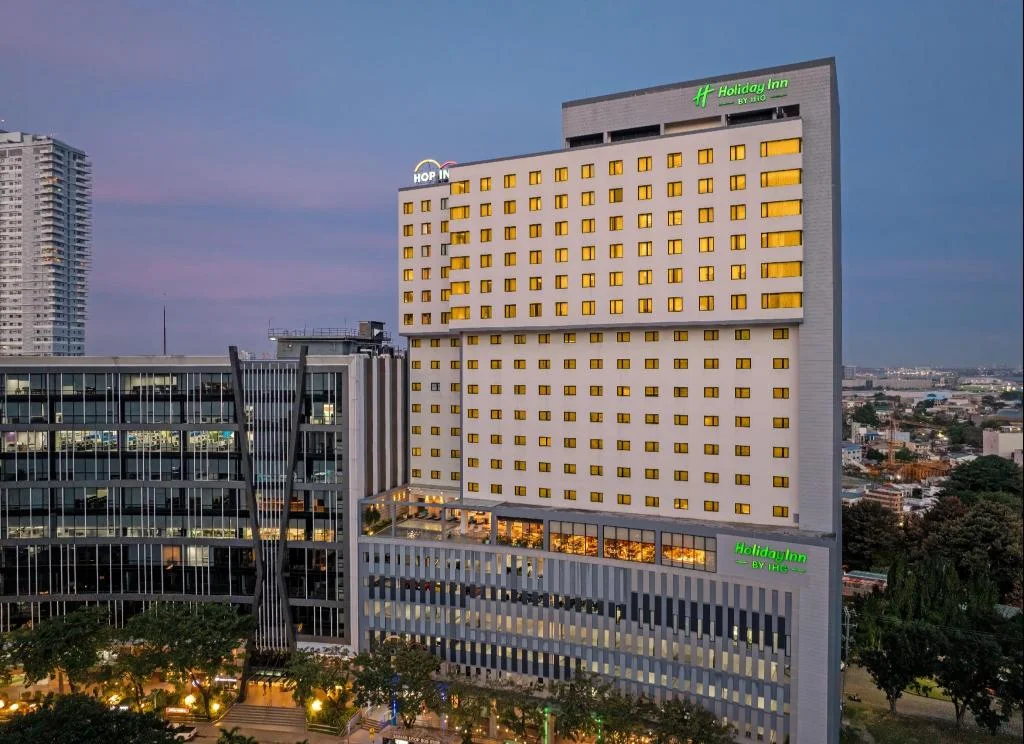
Holiday Inn Cebu City By IHG
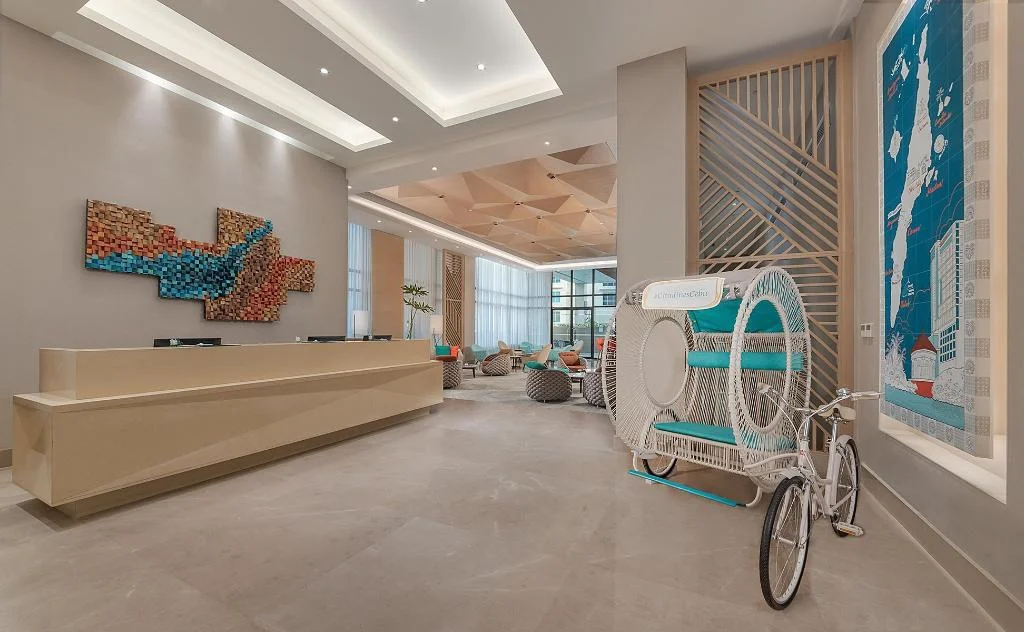
Citadines Cebu City
Prefer a rental? Vacation rentals near Cebu City
Self-catering condos and apartments — book the exact unit, kitchen included.
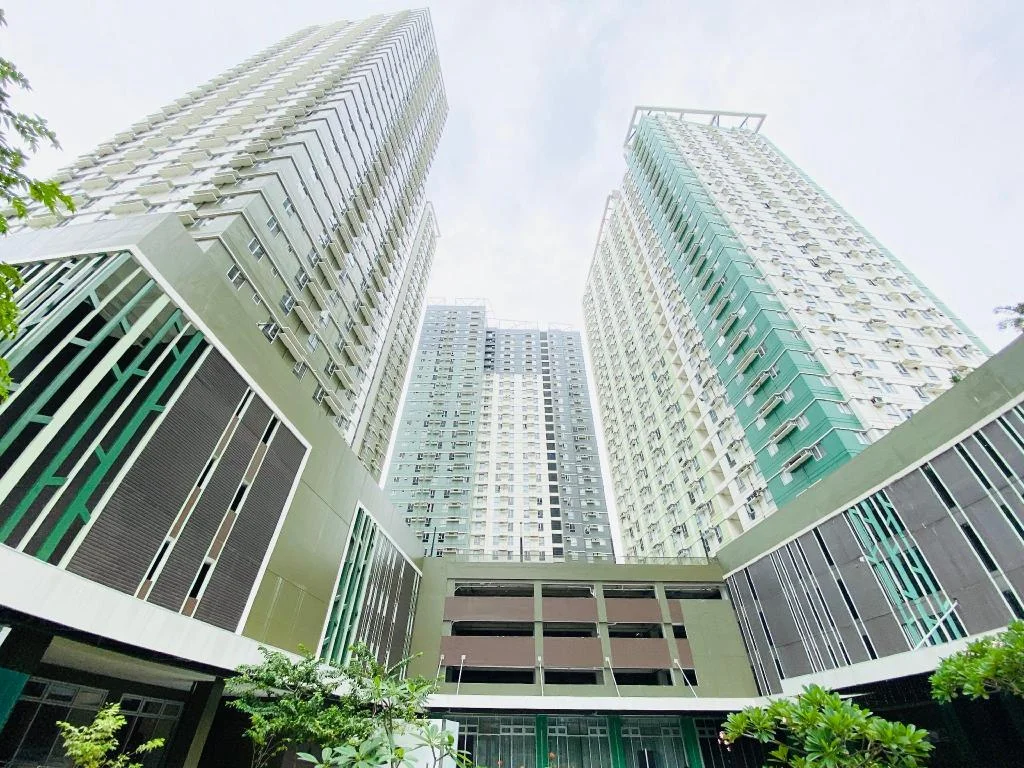
Cebu Avida Riala by P&J

Special Big Loft Unit w/Fibreop Internet & Netflix
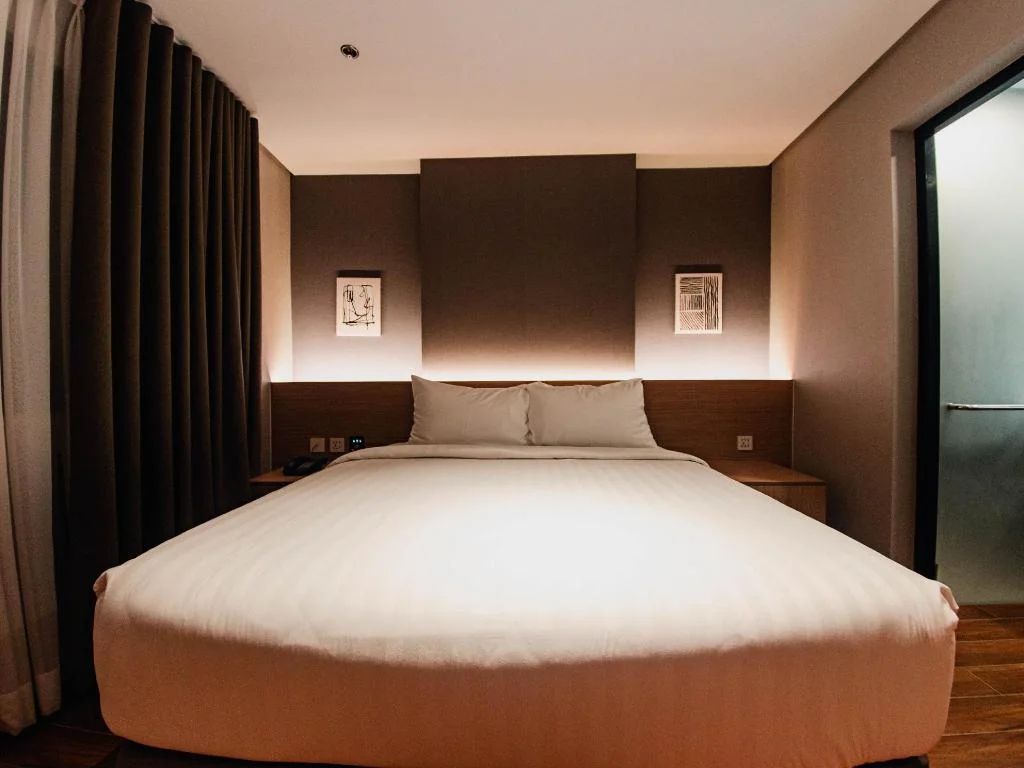
Moonstar Cebu Hotel - Deluxe Room
Before you go
Frequently asked
What is the most famous Cebuano dish?
What is sutukil?
What is puso and why is it served everywhere?
Is humba the same as adobo?
What is ngohiong?
What should I buy for pasalubong (Cebu food souvenirs)?
Where can you get real sutukil in Cebu, not a tourist trap version?
Is Larsian BBQ still worth visiting?
More Places to Explore
Carbon Market
Cebu City
Cebu's oldest and largest market (since 1909), offering an authentic local shopping experience with fresh produce, seafood, and traditional goods.
Colon Street
Cebu City
The oldest street in the Philippines, a historic commercial thoroughfare that has been Cebu's trading center since Spanish colonial times.
Carcar Public Market
Carcar City
The famous home of Cebu's best lechon and chicharon, where generations of vendors have perfected these iconic Cebuano delicacies.