
TL;DR: Sutukil isn’t a dish, it’s a system — you pick fresh seafood by weight, then split it three ways: sugba (grilled), tuwa/tinola (soup), and kilaw (raw, vinegar-cured). Expect roughly ₱650–1,000/kg (US$11–17) for fish or crab and ₱280–450/kg (US$5–8) for squid, plus a separate cooking fee — always ask for the total before you commit. The classic setting is the seafood row beside Mactan Shrine in Lapu-Lapu City; STK ta Bay! in Cebu City does the same concept as a sit-down restaurant. Verified July 2026.
If you’ve eaten in Cebu for more than a day, you’ve probably seen the letters “STK” on a signboard and wondered what it meant. Sutukil is the answer — and it’s less a recipe than a whole way of eating seafood. You walk up to a display of fish, crab, squid, and shrimp on ice, point at what you want, and tell the cook how to split it: some grilled, some in soup, some served raw. Ten minutes later, three completely different dishes come out of one fish. This guide breaks down what each part of “sutukil” means, how the ordering actually works, what it costs, and where to go — from the touristy but classic row next to Mactan Shrine to the sit-down version at STK ta Bay downtown.
Sutukil Price Cheatsheet
| Seafood | Typical price per kilo | Best prep |
|---|---|---|
| Tanigue (Spanish mackerel) | ₱850–1,000 (US$15–17) | Sugba (grill) or kilaw |
| Lapu-Lapu (grouper) | ₱700–950 (US$12–16) | Tula (soup) or sugba |
| Blue crab (alimasag) | ₱650–900 (US$11–16) | Tula (soup) |
| Shrimp/prawn (sugpo) | ₱600–750 (US$10–13) | Sugba (grill) |
| Squid (pusit) | ₱280–450 (US$5–8) | Kilaw or sugba |
| Cooking/“lutuan” fee | ₱50–150 per dish (varies by stall) | Added on top of the seafood weight |
Prices compiled from recent visitor and blogger reports on Mactan Shrine-area stalls and Cebu City seafood houses; the day’s catch and season move these up or down. Ask the stall to total your bill before you agree to the order. Verified July 2026.
What Does “Sutukil” Actually Mean?
It’s a portmanteau: SU-gba, TU-wa, KIL-aw — three ways to cook the same fresh catch. “Sugba” means to grill over charcoal. “Tuwa” (often written as tinola on menus) is a clear, ginger-forward soup. “Kilaw” is Cebu’s version of ceviche — raw fish or shrimp “cooked” by vinegar, calamansi, ginger, and chili. Put a whole fish or a kilo of mixed shellfish through all three, and you get a spread that’s grilled, soupy, and tangy-raw at the same table — which is the whole point. It’s less a menu item than a Visayan tradition, one that food writers trace back generations in Cebuano coastal towns, built around never wasting a single part of the catch.
How Does Ordering Sutukil Actually Work?
You buy the seafood by weight first, then tell the kitchen how to split it. At a proper sutukil stall, one side is a wet market — ice trays or tanks of fish, squid, shrimp, crab, and shellfish — and the other side is the kitchen. You walk the market side, point at what looks good, and the staff weighs it in front of you and quotes a price per kilo. Then comes the important part: you decide the split. A common approach is the head and bony cuts into the soup, the body grilled, and a few clean fillets sliced for kilawin. Staff will usually recommend a split if you’re not sure. Once you agree, they hand it to the cooks and you grab a table — the dishes come out over the next 15–25 minutes.
What Does Sutukil Cost?
Budget roughly ₱600–1,000 per kilo for fish or crab, less for squid, plus a cooking fee that isn’t always volunteered upfront. This is the part that trips up first-timers and shows up again and again in visitor reviews: the seafood price and the cooking charge are usually separate line items, and some stalls are better than others about stating the cooking fee before you order. A kilo of tanigue split three ways for two to three people, plus rice, drinks, and the cooking fee, typically lands somewhere around ₱1,200–1,800 (roughly US$21–31) all-in for a couple. Always ask “magkano tanan, lakip lutu?” (“how much total, cooking included?”) before you say yes — it’s a completely normal question and every legitimate stall expects it.
Where’s the Best Place to Try Sutukil Near Mactan Shrine?
The open-air seafood row right next to the shrine in Punta Engaño, Lapu-Lapu City, is the classic version of this experience. After you visit Mactan Shrine — the monument marking where Lapu-Lapu’s forces met Ferdinand Magellan in 1521 — the strip of seafood houses right beside it, long anchored by the well-known Manna/Tianguo Restobar, is where most visitors get their first sutukil meal. You get shrine views, an open-air setting, and the full market-to-table ritual in one stop. It’s touristy, and prices run a notch higher than you’d pay at a backstreet carinderia in a fishing town, but the convenience of doing the shrine and the meal in one visit is real, and reviewers consistently rate the food itself as fresh and generously portioned.
Is STK ta Bay Worth the Trip Downtown?
Yes, if you want the same concept without the market-stall haggling — it’s a proper sit-down restaurant, not a raw-fish counter. STK ta Bay! sa Paolito’s Seafood House is a Cebu City institution named directly after the sugba-tula-kilaw idea, with its original branch on Orchid Street/A. Climaco in Capitol Site and newer branches at Ayala Center Cebu and SM Seaside City Cebu. Instead of picking straight off ice, you order from a printed menu — grilled tuna panga (jaw), baked scallops, kilawin, and crab dishes are the reliably recommended picks. Expect to pay more per person than a Mactan Shrine stall (dinner for two commonly runs ₱1,800–2,000, roughly US$31–34, depending on what you order), but you skip the guesswork on pricing and get air-conditioning and a fixed menu instead. It’s the better choice if you want sutukil-style variety without doing the buy-then-cook routine yourself.
Sinugba, Tinola, or Kilawin — Which Should You Order First?
If you can only order one, make it kilawin from tanigue or tuna — it’s the dish that shows off how fresh the catch actually is. Sinugba (grilled) is the safest, crowd-pleasing option and hard to get wrong — smoky, simple, usually just salt, pepper, and calamansi on the side. Tinola/tuwa (soup) is the most comforting, built on ginger, lemongrass, and often a souring agent like tamarind or batwan, and it’s the best use for bony cuts like the fish head or shrimp shells. Kilawin (raw) is the one that tells you the most about the seafood’s freshness — done right, it’s bright, sour-spicy, and clean-tasting, not fishy at all. If a stall’s kilawin tastes off, that’s also a decent early warning sign about how fresh the rest of your order will be.
How to Choose Your Catch
- Ask what came in that morning. Stalls near the shrine and wharves restock daily; the freshest option is whatever the staff steers you toward first, not necessarily the biggest fish on ice.
- Go with a group of 3–4 for the best value. Splitting one bigger catch three ways (grill, soup, raw) makes more sense with more people to share it, and per-kilo pricing scales better than ordering three small separate dishes.
- Confirm weight and total price before the seafood goes to the kitchen. Once it’s cooked, you can’t send it back over a pricing disagreement.
- Bring cash. Smaller stalls near markets and shrines don’t reliably take cards; sit-down places like STK ta Bay generally do.
- Pair it with a side trip to the source. Carbon Market downtown and Ouano Wharf Seafood Market in Mandaue run the same “buy raw, pay a carinderia to cook it” model (called paluto) if you want to see where a lot of this seafood actually comes from.
The Honest Take
Sutukil at Mactan Shrine is worth doing once, mostly for the setting and the convenience of pairing it with the shrine visit — but go in knowing it’s priced for tourists, and the cooking fee is where most complaints come from. Ask for the total before you order, every time. If you want the same three-way concept with fixed menu prices and no haggling, STK ta Bay downtown or at the malls is the easier, slightly pricier option, and it’s genuinely one of Cebu’s better-known seafood names rather than a tourist trap. If you’re a stickler for value and don’t mind a rougher setting, buying straight from Carbon Market or Ouano Wharf and paying a nearby carinderia’s cooking fee will almost always beat the shrine-side prices — you’re just doing more of the legwork yourself. Skip the whole thing if you’re traveling with picky eaters who won’t touch anything raw; kilawin is non-negotiable to the format, though most stalls will happily do all-grilled or all-soup if you ask.
Sutukil pairs naturally with the rest of a Mactan and Lapu-Lapu City visit — do the shrine, eat sutukil next door, then head to a beach club for the afternoon. If you’d rather stay in Cebu City, check our broader roundup of dampa-style seafood restaurants and the best Cebuano dishes to try for lechon, humba, and the rest of the local table. For a wider spread of options in Lapu-Lapu, see our guide to the best restaurants in Mactan. Staying nearby makes the whole thing easier — compare Mactan hotels on Agoda if you want to be a short tricycle ride from the shrine stalls, or browse Cebu City food and culture tours on Klook if you’d rather have a guide handle the ordering and the haggling for you.
Sources
- Sutukil: The Threefold Culinary Tradition of the Visayas — Tocal Mate
- Sutukil: The Seafood Obsession In Cebu City — Cebu Insights
- Cebu Food Trip: SuTuKil and Paluto-All-You-Can — Zoy To The World
- STK ta Bai sa Paolito’s Seafood House — Facebook page
- STK Ta Bay reviews — Tripadvisor
- Per-kilo pricing and cooking-fee patterns cross-checked against recent visitor and blogger reports on Mactan Shrine-area sutukil stalls; confirm current rates at the stall before ordering. Verified July 2026.
Book Tours & Hotels for This Trip
Find and book the best deals — prices and availability update in real time. Links open in a new tab.
Where to stay near Cebu City
Top-rated hotels for this trip — tap through to check live rates.
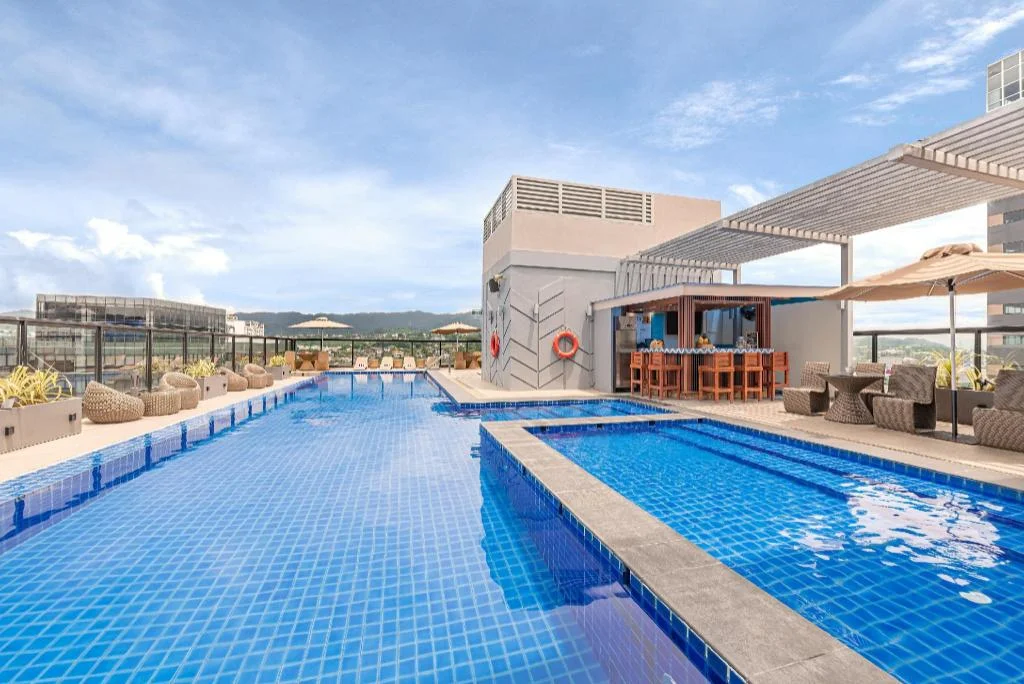
Seda Central Bloc Cebu City
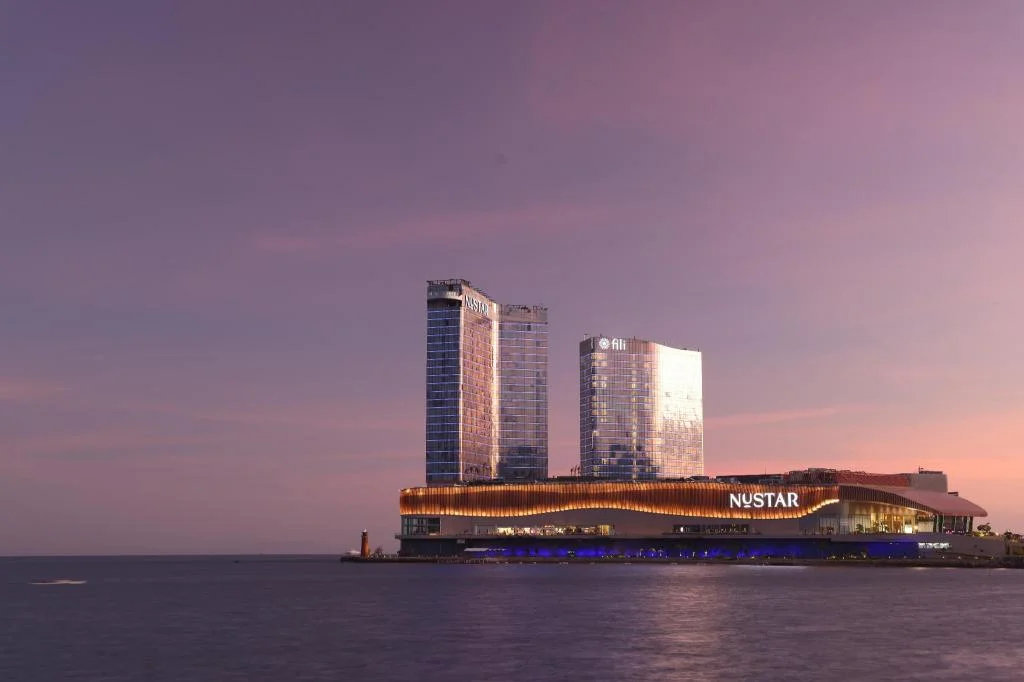
Fili Hotel - NUSTAR Resort & Casino Cebu

Holiday Inn Cebu City By IHG

Citadines Cebu City
Prefer a rental? Vacation rentals near Cebu City
Self-catering condos and apartments — book the exact unit, kitchen included.

ClockWorkOrange Luxury Suites

Cebu Avida Riala by P&J

Special Big Loft Unit w/Fibreop Internet & Netflix
Before you go
Frequently asked
What does sutukil mean?
How do you order sutukil?
How much does sutukil cost per kilo?
Is there a separate cooking fee?
Where's the best place to try sutukil near Mactan Shrine?
Is STK ta Bay the same thing as sutukil?
What's the difference between sutukil and paluto?
Which seafood works best for kilawin?
More Places to Explore
Mactan Shrine
Lapu-Lapu City
Historic park commemorating the 1521 Battle of Mactan where Lapu-Lapu defeated Magellan, featuring monuments to both warriors.
Carbon Market
Cebu City
Cebu's oldest and largest market (since 1909), offering an authentic local shopping experience with fresh produce, seafood, and traditional goods.
Ouano Wharf Seafood Market
Mandaue City
A traditional fishing wharf known for fresh seafood markets and paluto restaurants, offering an authentic local dining experience by the water.