
TL;DR: Cebu’s fresh-seafood scene runs on two related traditions: paluto (buy raw seafood at a market, pay a stall to cook it) and sutukil (sugba-tula-kilaw - grilled, soup, and raw-cured). For real paluto, go to Carbon Market or Ouano Wharf; for polished sit-down sutukil, go to STK ta Bay! sa Paolito’s Seafood House in Cebu City or the Sutukil Seafood Market row at Mactan Shrine. Expect a market charge for the raw catch plus a separate cooking fee (roughly ₱130-170/kg, US$2.2-2.9, nationally, for grilled to baked styles) - always confirm the day’s rate before you order. Lantaw Floating Native Restaurant in Cordova is a set-menu alternative with a Michelin Guide Select nod. Verified July 2026.
If you only eat one style of food in Cebu, make it seafood cooked the way locals actually eat it - picked fresh, priced by the kilo, and cooked to order in front of you. That’s the dampa idea (named after Manila’s famous seafood markets) applied Cebuano-style, and it overlaps heavily with sutukil, the local shorthand for grilling, souring, and curing your catch. This guide explains how the pricing actually works so you don’t get surprised at the till, then points you to the real spots: the wet-market paluto stalls at Carbon Market and Ouano Wharf, the sutukil row near the Mactan Shrine, the sit-down favorite STK ta Bay in Cebu City, and Lantaw’s floating dining room in Cordova for something a bit more polished.
Where to Eat Fresh Seafood in Cebu
| Spot | Style | Area | Price feel |
|---|---|---|---|
| Carbon Market seafood stalls | Wet-market paluto (buy + cook) | Cebu City (downtown) | Cheapest; market price + cooking fee, both negotiable |
| Ouano Wharf | Wet-market paluto, working wharf | Mandaue City | Cheap, less touristy, prices vary by catch |
| STK ta Bay! sa Paolito’s Seafood House | Sutukil, sit-down restaurant | Cebu City (Capitol Site) | Mid-range; priced by weight, cooked and served |
| Sutukil Seafood Market | Sutukil, market-style stalls | Mactan Shrine, Lapu-Lapu City | Mid-range; convenient after a shrine visit |
| Lantaw Floating Native Restaurant | Set-menu seafood-forward Filipino | Cordova (beside 10,000 Roses) | Mid-range; ₱200-305 per dish, ₱800-1,500 for two |
Verified July 2026.
What Does “Paluto” Actually Mean?
Paluto literally means “to have [something] cooked” - you buy raw seafood from a market vendor, then pay a separate fee to a cook or stall to prepare it however you want. It’s the same idea behind Manila’s famous dampa markets, and Cebu has its own versions at wet markets around the city.
The bill always has two parts:
- The market price of the raw seafood - set by the vendor, based on species, size, and the day’s catch. This is negotiable, especially if you’re buying more than a kilo or it’s late in the day.
- The cooking fee - charged by the stall or restaurant doing the actual cooking, based on the weight of what you bought and how complex the dish is.
Nationally, cooking fees for common paluto styles tend to run roughly ₱130-170 per kilo (US$2.2-2.9) - grilled (inihaw) is usually the cheapest option, while baked-with-cheese or creamy (ginataan) preparations cost more because of the added ingredients and labor. Cebu’s wet markets don’t publish a fixed rate card, so treat that range as a reference point, not a promise, and ask the stall directly before you commit your fish to the grill.
Where Can You Actually Do Paluto in Cebu?
Carbon Market and Ouano Wharf are the two places where the classic “buy it raw, hand it to a stall” paluto experience is still real and local, not a tourist set piece.
Carbon Market is Cebu City’s oldest and largest public market, and its seafood section sits alongside vendors selling everything from produce to dried goods. Early morning is when the catch is freshest and the market is most alive - by afternoon the best fish is gone and the crowds thin out. Once you’ve picked your seafood, nearby food stalls will cook it paluto-style for a fee, similar to how Carbon’s informal night-market food scene works after dark.
Ouano Wharf in Mandaue City is a working wharf and public market rather than a curated food destination - boats come in, vendors sell straight off the catch, and it’s a genuine slice of how Cebuanos buy fish day to day. It’s less set up for visitors than Carbon Market, so go with some Bisaya phrases ready (or a local friend) and expect a more no-frills, transactional experience. Both markets deal in cash only, and both reward showing up hungry and unhurried rather than on a tight schedule.
What Is Sutukil, and Where Do You Get It?
Sutukil is Cebu’s other seafood tradition - a word built from sugba (grilled), tula/tuwa (a light sour soup), and kilaw (raw seafood cured in vinegar, Cebu’s answer to ceviche). Unlike paluto’s DIY market energy, sutukil restaurants usually handle the whole process for you: you pick the fish, choose your preparation (or a mix of all three), and it comes out plated.
STK ta Bay! sa Paolito’s Seafood House, in the Capitol Site area of Cebu City, is the best-known sit-down version - the name is even a play on the sutukil acronym. It’s set inside an old house furnished with 1930s-to-60s memorabilia, and seafood is priced by weight rather than off a fixed menu. One food blogger paid ₱1,140 (about US$20) for 1.2 kilos of grilled tanigue (Spanish mackerel) - about ₱950 per kilo, already cooked and served, since STK’s pricing bundles the preparation into the per-kilo rate rather than charging it separately like a wet-market stall would. Beyond the classic grilled and soured fish, look out for tuna panga (the jaw, a Cebuano favorite for its collagen-rich meat) and curried crab.
Near the Mactan Shrine in Lapu-Lapu City, the Sutukil Seafood Market is a row of stalls built around the same concept, aimed at travelers who are already at the shrine for the Lapu-Lapu monument and want lunch right after. Travelers report spending around ₱2,000 (roughly US$34) for a shared spread - grilled lapu-lapu (grouper), baked scallops, garlic butter prawns, chopsuey, and garlic rice - which is reasonable for two to three people splitting several dishes. It’s touristy by nature of the location, but the seafood is fresh and the convenience of pairing it with a shrine visit is real.
Is Lantaw Worth It If It’s Not Technically Paluto?
Yes - Lantaw Floating Native Restaurant in Cordova isn’t a buy-your-own-catch market, but it’s one of the most photogenic seafood-forward meals in the province and belongs on this list. You order off a set menu rather than picking raw fish, so it’s a different (easier, if less hands-on) experience than paluto or sutukil.
Built largely from bamboo and wood over the water in Barangay Day-as, right beside the 10,000 Roses garden, Lantaw serves grilled fish, sinigang, and other grilled seafood with a view of Cebu City across the channel - about an hour from downtown. Individual servings run ₱200-305 (US$3.4-5.3), and a shared meal for two typically lands around ₱800-1,500 (US$14-26) depending on how many dishes and drinks you order. Lantaw earned a Michelin Guide Select mention in 2026, which tracks with how consistently it’s recommended for the combination of setting and food quality rather than being a hidden gem anymore - expect it to be busy, especially around sunset.
How Do You Choose Between Them?
Pick paluto (Carbon Market, Ouano Wharf) if you want the cheapest, most local experience and don’t mind the informality of a wet market. Pick sutukil (STK ta Bay, Mactan Shrine) if you want the same buy-and-cook idea with more comfort and less legwork. Pick Lantaw if you want a proper sit-down meal with a view and don’t need to pick your own fish.
A few practical tips that apply across all of them:
- Bring cash. None of these run on cards, and paluto stalls specifically expect two separate cash payments.
- Ask the price before you commit. Both the raw seafood price and the cooking fee should be confirmed verbally before the fish hits the grill - this is normal practice, not rude.
- Go early for the wet markets. Carbon Market and Ouano Wharf are freshest (and least crowded) in the morning; by mid-afternoon the best catch is gone.
- Share the bill by splitting dishes, not ordering one fish per person - sutukil and paluto meals are built around a shared spread of small plates.
The Honest Take
Paluto and sutukil are two of the most genuinely local food experiences you can have in Cebu, but they’re not always the cheapest or smoothest option for a first-timer. Wet-market paluto at Carbon Market or Ouano Wharf can feel chaotic and the language barrier is real if you’re picking fish and negotiating a cooking fee with a vendor who doesn’t speak much English - go with patience, or bring a Filipino friend if you can. Sutukil restaurants like STK ta Bay smooth that out but cost more per kilo as a result, and the Mactan Shrine stalls, while convenient, are squarely built for the tourist foot traffic coming off the monument, so don’t expect a hidden-gem discovery there.
Lantaw is the safest bet if you just want a good seafood meal without navigating a market at all, but it’s also the most “restaurant,” not the most “Cebu” - go there for the view and the ease, go to Carbon Market or Ouano Wharf for the real paluto experience, and skip the wet markets entirely if you’re squeamish about seeing your dinner still moving minutes before it’s cooked.
Pair It With the Rest of Cebu
Combine a seafood run with the landmarks nearby - a paluto lunch at Carbon Market pairs naturally with a downtown heritage walk, while the Mactan Shrine sutukil stalls are a five-minute stop after visiting the shrine itself. For more on the specific sugba-tula-kilaw tradition, see our dedicated guide on sutukil explained, and browse our roundup of the best restaurants in Cebu City or best Cebuano dishes to try for what to order beyond seafood. If you’d rather have a guided food day sorted for you, browse Cebu food and culinary tours on Klook or check seafood-focused day tours on GetYourGuide.
Sources
- STK ta Bai! sa Paolito’s Seafood House - Tripadvisor listing and reviews
- Cebu Food Trip: SuTuKil and Paluto-All-You-Can - Zoy To The World
- Sutukil: The Seafood Obsession In Cebu City - Cebu Insights
- Sutukil Seafood Market Restaurant Chain, Mactan Shrine - RestaurantGuru
- Lantaw Floating Native Restaurant - Philippine Primer
- Dine by the Sea at Lantaw - 3D Academy
- Dampa Seafood Market: The Paluto (Cook-to-Order) Experience - Tocal Mate
- Welcome to Carbon Public Market - Exploring Cebu
- Prices and cooking-fee ranges checked against 2024-2026 traveler reports and food-blog accounts; market prices fluctuate daily with the catch - confirm on site. Verified July 2026.
Book Tours & Hotels for This Trip
Find and book the best deals — prices and availability update in real time. Links open in a new tab.
Where to stay near Cebu City
Top-rated hotels for this trip — tap through to check live rates.
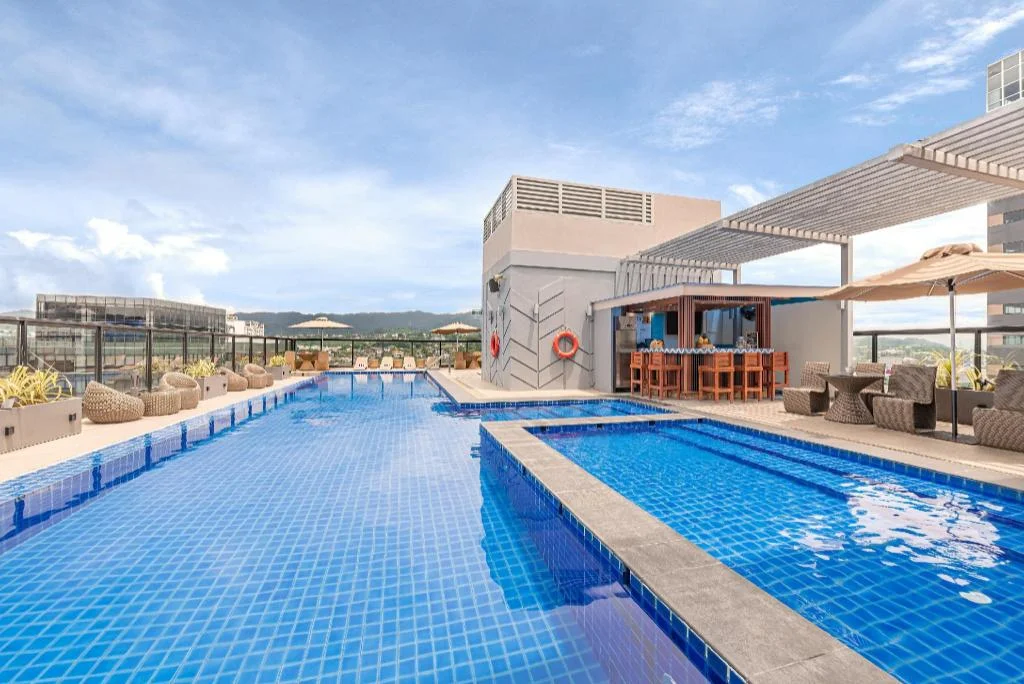
Seda Central Bloc Cebu City
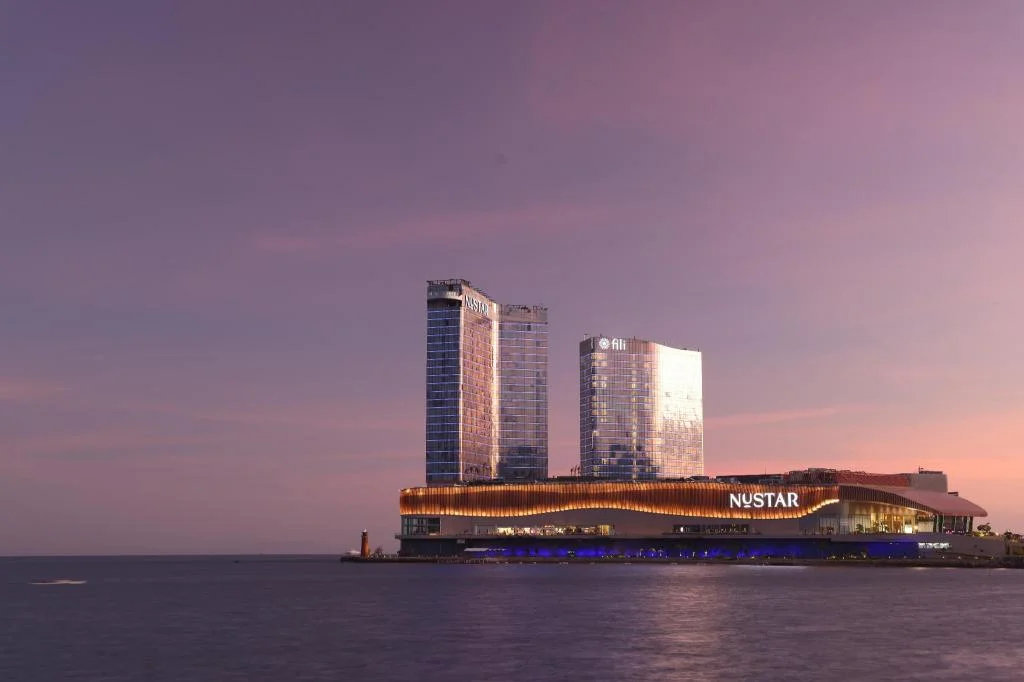
Fili Hotel - NUSTAR Resort & Casino Cebu

Holiday Inn Cebu City By IHG
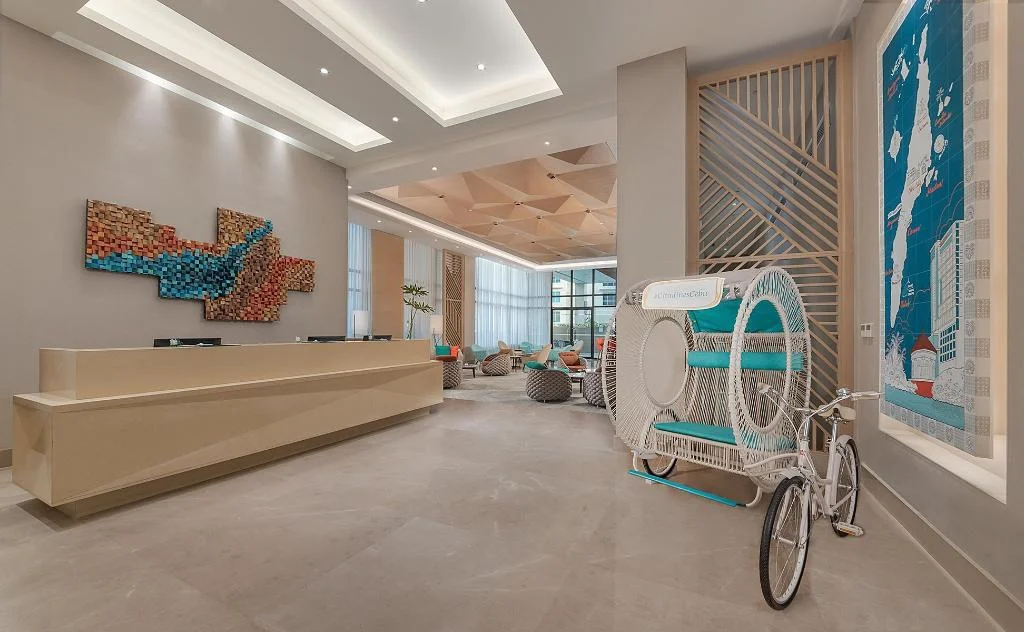
Citadines Cebu City
Prefer a rental? Vacation rentals near Cebu City
Self-catering condos and apartments — book the exact unit, kitchen included.

ClockWorkOrange Luxury Suites
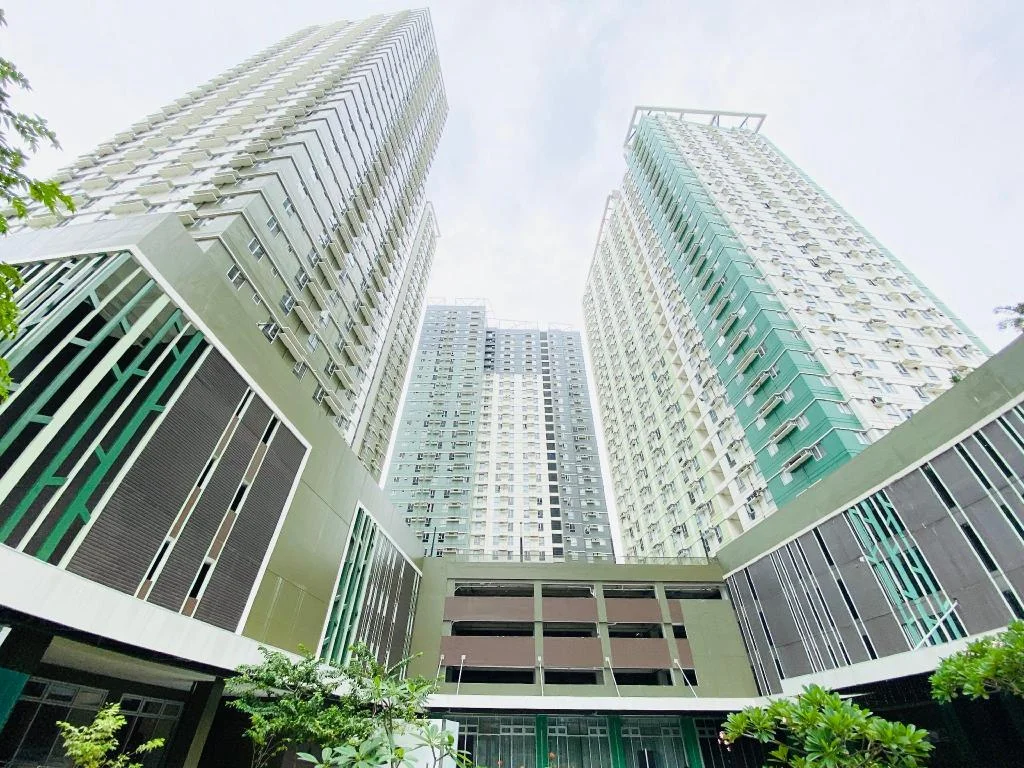
Cebu Avida Riala by P&J

Special Big Loft Unit w/Fibreop Internet & Netflix
Before you go
Frequently asked
What does 'dampa-style' mean?
What is sutukil?
How much does paluto or sutukil cost in Cebu?
Is Carbon Market or Ouano Wharf better for paluto?
Is STK ta Bay worth the trip?
Is Lantaw the same as a dampa or paluto restaurant?
Do I need to bring cash for paluto?
What's the difference between Sutukil at Mactan Shrine and STK ta Bay in Cebu City?
More Places to Explore
Ouano Wharf Seafood Market
Mandaue City
A traditional fishing wharf known for fresh seafood markets and paluto restaurants, offering an authentic local dining experience by the water.
Mactan Shrine
Lapu-Lapu City
Historic park commemorating the 1521 Battle of Mactan where Lapu-Lapu defeated Magellan, featuring monuments to both warriors.
Carbon Market
Cebu City
Cebu's oldest and largest market (since 1909), offering an authentic local shopping experience with fresh produce, seafood, and traditional goods.