
TL;DR: Puso is rice boiled inside a pouch woven from young coconut leaves — Cebu’s centuries-old answer to packed rice, shaped like a heart (which is what “puso” means in Cebuano). It costs roughly ₱5-10 a piece (about US$0.08-0.16) at markets and BBQ stalls, needs no utensils, and traditionally pairs with grilled skewers, lechon, or tuslob-buwa. You’ll find it stacked in baskets at Carbon Market, along Colon Street, and at every barbecue stall in the city. Verified July 2026.
If you’ve eaten barbecue on a Cebu sidewalk, you’ve probably seen a woven, diamond-shaped pouch sitting in a basket next to the grill — that’s puso. It’s rice, and nothing else, boiled inside a pocket woven from coconut leaf instead of scooped from a pot. For visitors it reads as a novelty; for Cebuanos it’s just how rice comes, and has been for longer than anyone can date precisely.
This guide is for anyone who’s spotted puso at a food stall and wondered what it actually is, why it’s shaped that way, and whether it’s safe to eat straight out of the leaf. It covers the history, how it’s woven, what it costs, what to eat it with, and where to try it — in Cebu City proper, that means Carbon Market and the stalls around Colon Street, plus every barbecue row in town. For the full lineup of what to eat alongside it, see our guide to Cebu’s best local dishes.
Puso at a Glance
| What | Detail |
|---|---|
| What it is | Rice boiled inside a pouch woven from young coconut leaves |
| Typical price | ₱5-10 per piece (~US$0.08-0.16) |
| Common weaving styles | Kinasing (diamond), inaba, tinigib, binaki (frog-shaped) |
| Where it’s sold | Public markets, carinderias, BBQ stalls, sidewalk carts |
| Best paired with | Grilled skewers, lechon, tuslob-buwa, ngohiong, siomai |
| Shelf life | A few hours at room temperature; reheat by steaming in the leaf |
Prices vary with local rice costs and vendor location; confirm the going rate on-site. Verified July 2026.
What Is Puso, Exactly?
Puso is plain white rice, cooked by boiling it inside a small pouch hand-woven from coconut leaf. The leaf isn’t a wrapper added after the fact — raw rice grains go into the empty woven pocket first, then the whole thing is dropped into boiling water. The rice swells and compacts as it cooks, taking on the shape of the weave and coming out dense enough to hold together and slice, rather than falling apart like rice from a pot. Peel back the leaf and what’s left is a solid little block of rice you eat with your hands, no plate or spoon required.
It’s essentially Cebu’s original lunchbox: portable, self-contained, and cheap, invented well before plastic containers or even widely available metal utensils.
Why Is It Called “Puso” (Heart)?
“Puso” is the Cebuano word for heart, and the pouch is named for its shape. The most common weave, kinasing, produces a plump diamond with two loose leaf ends poking out the top — early Cebuanos thought it resembled a heart with its aorta and veins attached, and the name stuck. It’s a Cebu-specific term; travel elsewhere in the Philippines and you’ll find near-identical woven rice pouches called patupat, langbay, lambay, or tamu depending on the region and ethnic group, and a close cousin, ketupat, turns up across Malaysia and Indonesia. Puso as a word, though, belongs to Cebu.
How Old Is Puso? What’s the History?
Puso predates Spanish colonization of Cebu, and it wasn’t just food — it was ritual. Weaving rice into these pouches is believed to go back to before the 1500s, when early Cebuanos offered pieces of hanging rice to diwata (spirits) during religious ceremonies, tied to beliefs around fertility and abundance. The Jesuit missionary Fr. Francisco Ignacio Alcina, who served in the Visayas from 1649 to 1653, documented pusô being used as an offering in paganito rituals — one of the earliest written records of the practice. Spanish-era accounts describe more than a dozen distinct woven varieties across the Visayas, many of which have since disappeared as fewer weavers pass the skill on.
Centuries later, the ritual role has faded into everyday habit, but the object never left. Cebu’s puso has since gone from parish offering to public-market staple to something the city puts forward as a point of culinary identity — it’s the kind of dish locals bring up when asked what makes Cebuano food distinct from the rest of the Philippines.
How Is Puso Made?
A weaver (locally called a mamumuso or manlalah) splits young coconut leaves into strips and weaves them into a sealed pouch before any rice goes in. The leaves used are lukay — freshly sprouted coconut fronds, pale yellow to light green, chosen specifically because they’re pliable enough to weave tightly without cracking. Older, tougher green leaves don’t work the same way.
There are several traditional weaving patterns, and the shape you get depends on which one the vendor uses:
| Weave name | Resulting shape |
|---|---|
| Kinasing | Diamond — the classic “heart” shape most travelers see |
| Inaba | A simpler, flatter woven pouch |
| Tinigib | A tighter, more angular weave |
| Binaki | Frog-like, rounder form |
Once woven, the empty pouch is filled with a handful of raw rice — never packed too full, since the grains need room to expand — then boiled for roughly 30-45 minutes alongside dozens of others in the same pot. Vendors buy or weave them in bulk each morning, so what you’re handed at a stall was likely boiling a few hours earlier.
How Much Does Puso Cost?
Puso runs about ₱5 to ₱10 a piece (roughly US$0.08-0.16 at ₱62 ≈ US$1 (July 2026)), depending on size and on how rice prices are running that particular season — Carbon Market vendors have adjusted puso prices up a peso or two at a time in recent years as rice costs climbed. It’s typically bought alongside whatever you’re eating it with rather than on its own: a barbecue stick might run ₱15-30, with a couple of puso added to round out the meal for well under ₱100 total. Confirm the exact price with the vendor before you order — public-market prices shift with the season, and this isn’t the kind of thing anyone posts a fixed menu for.
What Do You Eat Puso With?
Puso is a rice substitute, so it goes with anything you’d normally eat with a scoop of rice — it’s the pairing that made it famous, not the rice itself. The classic combination is barbecue: skewered, grilled pork or chicken cooked over charcoal, the kind sold by the stick at food parks like Larsian. Other common pairings include lechon (Cebu’s roast pork), tuslob-buwa (a sizzling pig-brain-and-liver dip scooped up with crackers), ngohiong (a fried Cebuano spring roll), and siomai. If you’re building out a wider food itinerary, our Cebu street food guide and cheap eats under ₱150 roundup both cover where puso shows up alongside these dishes.
Where Can You Buy Puso in Cebu?
Carbon Market and the stalls along Colon Street are the most reliable spots downtown, and every barbecue row in the city sells it as a matter of course. At Carbon Market, vendors sell puso by the piece or in bundles alongside produce and dried goods — it’s one of the easiest, cheapest things in the market to try. Walk toward Colon Street, the oldest street in the country, and you’ll find carts selling it fresh throughout the day. Beyond downtown, it’s standard at BBQ food parks across the city and at public markets in almost every town in the province, from Carcar to Mandaue — if there’s a market or a grill, there’s a good chance there’s puso next to it.
Is Puso Sanitary to Eat?
Yes — you only eat the rice, never the leaf, and the woven pouch actually keeps the rice cleaner than an open scoop would. The coconut leaf is discarded once you’ve peeled the rice out; it’s not edible and isn’t meant to be. Historically, that sealed weave was the whole point — it protected rice from dirt and insects during transport long before plastic wrap or foil existed, which is part of why fishermen and farmers relied on it as portable food. As street food goes, it’s about as low-risk as it gets: it’s fully cooked, handled briefly, and eaten almost immediately.
Is Puso the Same as Ketupat or Patupat?
Related, not identical. The technique — weaving a palm-leaf pouch and boiling rice inside it — shows up across island Southeast Asia, and food historians treat them as branches of the same idea rather than copies of each other. In parts of Luzon and Mindanao, the equivalent pouch is called patupat; further south, Malaysia and Indonesia weave ketupat for Eid celebrations, usually from young palm rather than coconut fronds and often in a squarer shape. What sets Cebu’s puso apart is the specific heart-shaped kinasing weave, the coconut-leaf material, and how deeply it’s tied to everyday barbecue culture rather than a single annual holiday — it’s not saved for a feast, it’s just how rice comes on a normal Tuesday.
That everyday-ness is part of why puso has drawn attention outside the Philippines. Cebu’s food scene, puso included, has been highlighted in recent years at international tourism and gastronomy forums as an example of a living food tradition rather than a museum piece — a dish still woven, sold, and eaten the same way it has been for generations, not revived for a festival.
Frequently Asked Practical Questions
A few things trip up first-time visitors specifically:
- Do you need to ask for it, or does it come automatically? At most BBQ stalls you order it separately, by the piece — it’s not automatically bundled with your skewers, so ask for “puso” (or “puso, pila?” — “how much is the puso?”) when you order.
- Can you order just puso with no viand? Yes, though vendors will find it an odd request. It’s cheap enough that ordering a few extra pieces to share is normal.
- Does it come warm? Usually, since batches are boiled throughout the day and sold fresh. If it’s been sitting a while it may be lukewarm or firm — that’s normal, not a sign it’s gone bad.
- Is there a “wrong” way to eat it? Not really. Peel the leaf back like you’d peel a banana, slice or break off pieces with your hands or a spoon, and eat it with whatever’s on your plate.
The Honest Take
Puso isn’t a “wow” dish on its own — it tastes like rice, because it is rice, just shaped and packed differently. Don’t go looking for it expecting a standout flavor; the appeal is everything around it: the history, the craft of the weave, the fact that it’s one of the oldest surviving food customs in the country, and the practical genius of a rice format that needs no bowl, spoon, or fridge. Order it because you’re already having barbecue or lechon and want the full local experience, not as a destination in itself.
It’s also one of the most tourist-friendly things you can try in Cebu — cheap, low-risk, and available everywhere, with none of the price-gouging or overhyped-photo-op problems that trip up other “must-try” foods in the city. Skip it only if you’re avoiding rice altogether; otherwise it’s an easy, honest three-peso detour into how Cebuanos actually eat.
Try It Alongside the Rest of Cebu’s Food Scene
Puso is best understood with a stick of barbecue in the other hand, so pair a visit to Carbon Market or Colon Street with a stop at a BBQ row like Larsian, and round it out with our guides to Cebu’s best local dishes and cheap eats under ₱150. If you’re planning a food-first day in the city, browse Cebu City tours and food-walk experiences on Klook to see guided options that fold puso and other street food into a single afternoon.
Sources
- Pusô — Wikipedia (etymology, pre-colonial history, weaving terminology)
- The Fascinating History of Puso in Cebu — Cebu Insights
- The historical and religious significance of pusô — Cebu Daily News
- How Cebuanos Packed Rice with Puso Before Lunchboxes Existed — Tripzilla Philippines
- Puso and rice pricing at Carbon Market cross-checked against recent Cebu Daily News and Rappler market-price reporting. Verified July 2026.
Book Tours & Hotels for This Trip
Find and book the best deals — prices and availability update in real time. Links open in a new tab.
Where to stay near Cebu City
Top-rated hotels for this trip — tap through to check live rates.

Seda Central Bloc Cebu City

Fili Hotel - NUSTAR Resort & Casino Cebu

Holiday Inn Cebu City By IHG
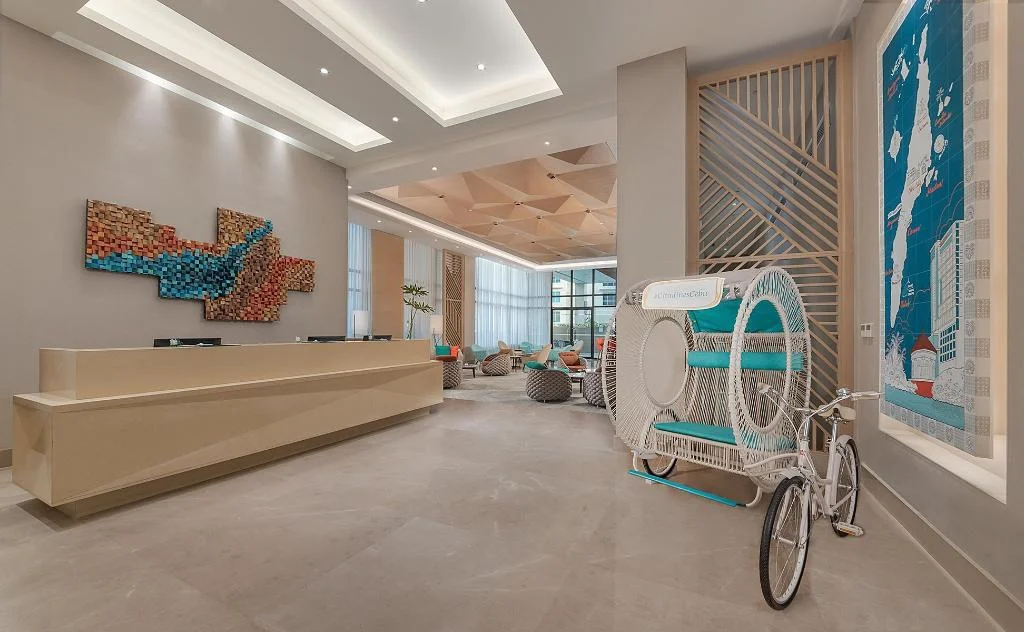
Citadines Cebu City
Prefer a rental? Vacation rentals near Cebu City
Self-catering condos and apartments — book the exact unit, kitchen included.

Cebu Avida Riala by P&J

Special Big Loft Unit w/Fibreop Internet & Netflix

Moonstar Cebu Hotel - Deluxe Room
Before you go
Frequently asked
What exactly is puso?
Why is it called puso if it means 'heart'?
How much does puso cost in Cebu?
Is puso safe to eat? Is the leaf edible?
Where can you buy puso in Cebu City?
What do you eat puso with?
How long does puso keep?
Is puso only found in Cebu?
More Places to Explore
Carbon Market
Cebu City
Cebu's oldest and largest market (since 1909), offering an authentic local shopping experience with fresh produce, seafood, and traditional goods.
Colon Street
Cebu City
The oldest street in the Philippines, a historic commercial thoroughfare that has been Cebu's trading center since Spanish colonial times.