
TL;DR: You can eat a real meal in Cebu for ₱50–150 (US$0.90–2.60) almost anywhere outside a mall — pungko-pungko and puso-and-BBQ stalls are the cheapest at ₱50–120, a carinderia rice-plus-viand plate runs ₱60–150, and even a quarter-kilo of real Cebu lechon over rice lands around ₱150. Sugbo Mercado and other night markets run a bit higher (₱100–250) but still beat a restaurant. Stick to busy stalls, bring small bills, and you can eat well on ₱200–350 a day. Verified July 2026.
Cebu is one of the easiest places in the Philippines to eat cheap without eating badly. The city runs on carinderias, pungko-pungko stalls, and streetside BBQ grills that feed office workers and jeepney drivers every day — the same food tourists pay triple for at a resort buffet. This guide is a map of where those places are and what they actually cost, centered on downtown institutions like Carbon Market and the Colon Street turo-turo belt, plus the newer night-market scene. It’s written for anyone stretching a trip budget, backpacking Cebu on a tight daily spend, or just curious how locals eat when they’re not taking visitors to a seafood restaurant.
“Under ₱150” is the ceiling here, not the floor — plenty of what’s below costs half that. A few near-misses (a ₱188 unli-BBQ deal, a chain unli-rice meal that creeps to ₱200+) are flagged honestly where they’re worth the extra pesos anyway.
Cheap Eats in Cebu at a Glance
| Spot / dish | Typical spend | What you get |
|---|---|---|
| Pungko-pungko (Carbon, Fuente) | ₱50–120 (US$0.90–2.10) | Fried or grilled viand + rice, scooped from a tub, eaten on a bench |
| Puso + BBQ stalls (Larsian / Sugbo Sentro) | ₱80–150 (US$1.40–2.60) | 3–4 grilled skewers + 2 puso (hanging rice), eaten at the stall |
| Carinderia / turo-turo | ₱60–150 (US$1–2.60) | Rice + 1–2 viands + water or soft drink, point-and-order |
| Lechon by the quarter-kilo | ~₱150 (US$2.60) | Quarter-kilo of skin-on Cebu lechon over rice |
| Ngohiong or siomai street snack | ₱50–80 (US$0.90–1.40) | 2–3 pieces + rice, dipped in spiced vinegar |
| Unli Siomai sa Balay | ₱100 (US$1.70) | Unlimited siomai + puso + iced tea |
| Sugbo Mercado (rice-based stall) | ₱100–150 (US$1.70–2.60) | One rice-and-protein dish — skip the dessert/drink stalls to stay in range |
Prices per person, one plate. Street prices vary by stall and can shift with market rates — treat these as ranges, not fixed menus. Verified July 2026.
Where Do You Get the Cheapest BBQ and Puso in Cebu?
At any of the streetside BBQ-and-puso grills, where skewers start at ₱15–25 and puso is ₱5–10 each. The best-known cluster is what used to be called Larsian, now rebuilt as Sugbo Sentro near Fuente Osmeña — around 30 stalls grilling pork, chicken, and seafood skewers side by side. Order three or four skewers and two puso and you’re looking at roughly ₱80–150 (US$1.40–2.60) for a filling meal, eaten standing or at a shared bench. The same setup — a grill, a basket of puso, plastic stools — repeats all over the city, and the neighborhood versions are usually a few pesos cheaper than the tourist-visible ones near Fuente.
Is Pungko-Pungko Worth Trying?
Yes — it’s the single cheapest way to eat a full plate in Cebu, and it’s a genuine local institution, not a gimmick. Pungko-pungko (literally “squatting”) means eating perched on a low bench around a tub of pre-cooked food: fried chicken, pork chops, longganisa, grilled fish, seaweed. You point, it’s weighed or portioned onto rice, and you eat with your hands. At Carbon Market, a bowl of pork soup with rice runs about ₱80, and grilled fish with rice and seaweed is around ₱120 — both well under the ₱150 line. Fuente Osmeña has its own long-running pungko-pungko row if Carbon feels too chaotic for a first try.
What’s Cheap at Sugbo Mercado and the Night Markets?
Sugbo Mercado in IT Park is the best-known night market, and most stalls run ₱100–250 — pricier than a carinderia, but you can still land a meal near ₱150 if you order carefully. It runs Thursday to Sunday afternoons into the early morning, with 40-plus rotating stalls. A siomai-and-fried-rice plate can come in around ₱120; ramen and fusion stalls push closer to ₱250. The move for a budget night out: pick one rice-based stall dish, skip the dessert and specialty-drink stalls, and bring small bills since not every vendor takes cards. It’s a fun, high-energy way to eat Cebuano and pan-Asian street food in one place, just not the cheapest option on this list.
Where Can You Get Real Lechon for Under ₱150?
Order it by the quarter-kilo instead of a whole roast, and it fits the budget easily. Cebu’s famous lechon — whole roasted pig, crackling skin, no sauce needed — is sold by weight at dedicated stalls and carinderias, especially around Carbon Market and Guadalupe. A well-known sit-down spot like CnT prices lechon around ₱600 per kilo; a quarter-kilo scoop over rice from a lechon stall lands close to ₱150 (US$2.60), enough for one person. If you want the full sit-down CnT experience with sisig and extras, that’s a step above this list’s budget — but the quarter-kilo-over-rice version gets you the same pork for a fraction of the price. For the full rundown on where Cebuanos actually rank the best lechon in the province, see our Cebu lechon guide.
Which Carinderias and Turo-Turo Spots Are Best?
Carbon Market and the Colon Street turo-turo belt are the two biggest concentrations, both open from early morning through mid-afternoon. These point-and-order counters serve rotating trays of sautéed monggo, fish tinola, pork adobo, kare-kare, pinakbet, and fried bangus — whatever’s fresh that morning. A rice-plus-one-viand plate runs ₱40–70; add a second viand and a soft drink and you’re at ₱80–150. Turo-turo breakfast specifically tends to be the cheapest meal of the day, around ₱60–80, since it’s mostly rice, egg, and a small protein. Outside downtown, look for the same setup near any public market — Mantalongon, Carcar, or your own barangay’s talipapa — since the format and pricing repeat province-wide.
Is There a Cheap Korean Unli Option?
Yes, though it sits right at the ₱150 edge — a few spots in Cebu do unlimited Korean-style rice sets for close to that price, well under the ₱499-plus you’ll pay for full samgyupsal. Smaller Korean canteens (the “unli rice, unli banchan” format rather than grill-your-own-meat samgyupsal) have been spotted around ₱150 per set — one main, one side, two vegetables, and soup. It’s not on every corner the way pungko-pungko is, so treat it as a bonus stop rather than a daily fallback, and confirm the price hasn’t crept up before you sit down.
How Do You Stretch a Budget Meal Even Further?
A few habits keep every meal on this list closer to ₱80 than ₱150:
- Order rice separately if you can BYO puso — puso is often cheaper bought loose from a stall than bundled into a combo price.
- Skip the bottled drink. Water or the free glass of rice-water tea that some carinderias offer saves ₱15–25 per meal versus a soda.
- Eat where the queue is local, not where a tour group just walked in — prices and portions both tend to be more honest.
- Ask for “extra sabaw” (broth) instead of extra viand if you just want to stretch the plate — most carinderia owners will top up soup for free or a few pesos.
- Watch the unli-rice chains (Mang Inasal, similar sizzling-plate chains) — they’re a real option but usually land ₱130–280, above street-food prices, so they’re a treat, not the daily plan.
The Honest Take
Cheap in Cebu doesn’t mean bad — some of the best food in the province is the cheapest, because carinderias and pungko-pungko stalls cook the same dishes Cebuano families eat at home. But go in with realistic expectations: seating is a plastic stool or a shared bench, not a table setting; hygiene varies stall to stall (pick busy ones); and portions at ₱50–80 are genuinely small — you may need two rounds to feel full. Sugbo Mercado and similar night markets are worth the extra ₱50–100 for the atmosphere and variety, but they’re not where you go purely to save money. If you’re two or three days into a trip and craving something more familiar, that’s fine — just know you’re paying resort or mall prices for it, roughly 3–5x what the same calories cost a block away at a turo-turo counter.
Best time to hit the cheapest stalls is lunch (11 AM–1 PM) when turnover is highest and food is freshest off the stove; late afternoon trays can be picked-over. Avoid eating street food right before a long bus or ferry ride if you’re not used to Filipino street food — not because it’s unsafe, just to be sensible about your stomach on travel days.
Eat Your Way Through the Rest of Cebu
Pair this with our broader Cebu street food guide for the full rundown of dishes to try, or check best Cebuano dishes to try if you want a menu cheat sheet before you sit down anywhere. If cheap eats are part of a bigger low-spend trip, our Cebu budget itinerary and budget backpacker guide build a full day-by-day plan around this kind of spending.
Looking to combine cheap eating with a guided walk through the old downtown? A Cebu food or heritage walking tour on Klook usually swings past Carbon Market and Colon Street with a local guide who knows which stalls are worth the stop. If you’d rather explore Sugbo Mercado and IT Park at your own pace, browse IT Park–area hotels on Agoda — staying nearby means you can walk to the night market instead of paying for a ride home.
Sources
- Sugbo.ph — Cebu local delicacies and street food guide
- Cebu Insights — Larsian BBQ / Sugbo Sentro food park
- Cebu Insights — Pungko-pungko in Cebu
- WhyCebu — Sugbo Mercado IT Park guide
- WhyCebu — Cheap eats in Cebu
- Queen City Cebu — Unlimited food restaurants ₱199 and below
- Lechon-by-weight pricing checked against CnT Lechon (Guadalupe, Cebu City) public listings and recent diner reports; confirm current per-kilo rates locally. Verified July 2026.
Book Tours & Hotels for This Trip
Find and book the best deals — prices and availability update in real time. Links open in a new tab.
Where to stay near Cebu City
Top-rated hotels for this trip — tap through to check live rates.
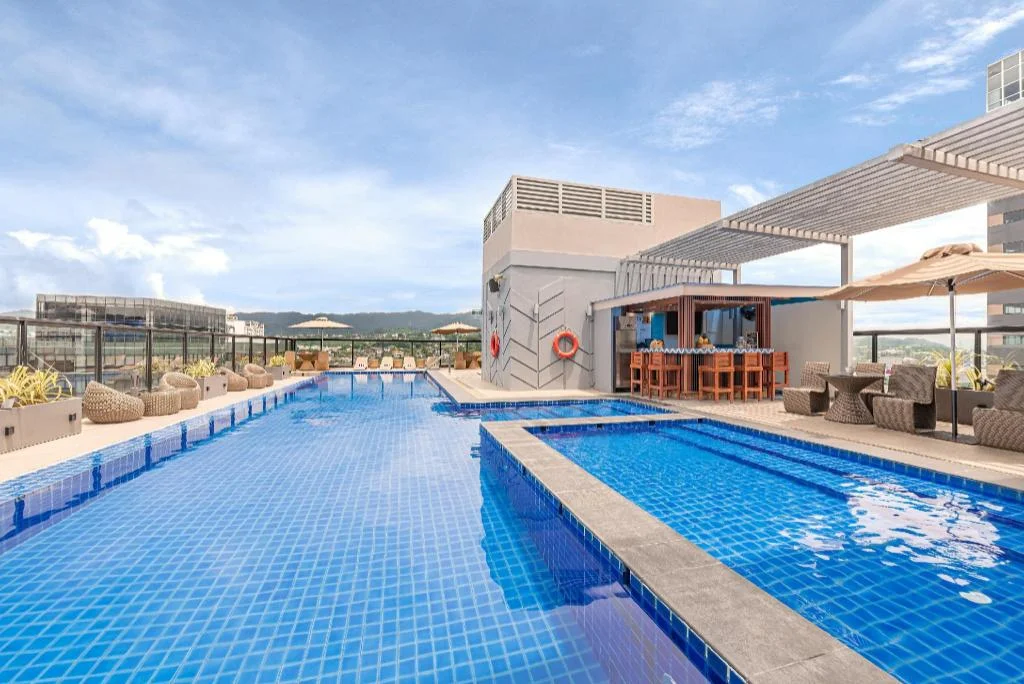
Seda Central Bloc Cebu City
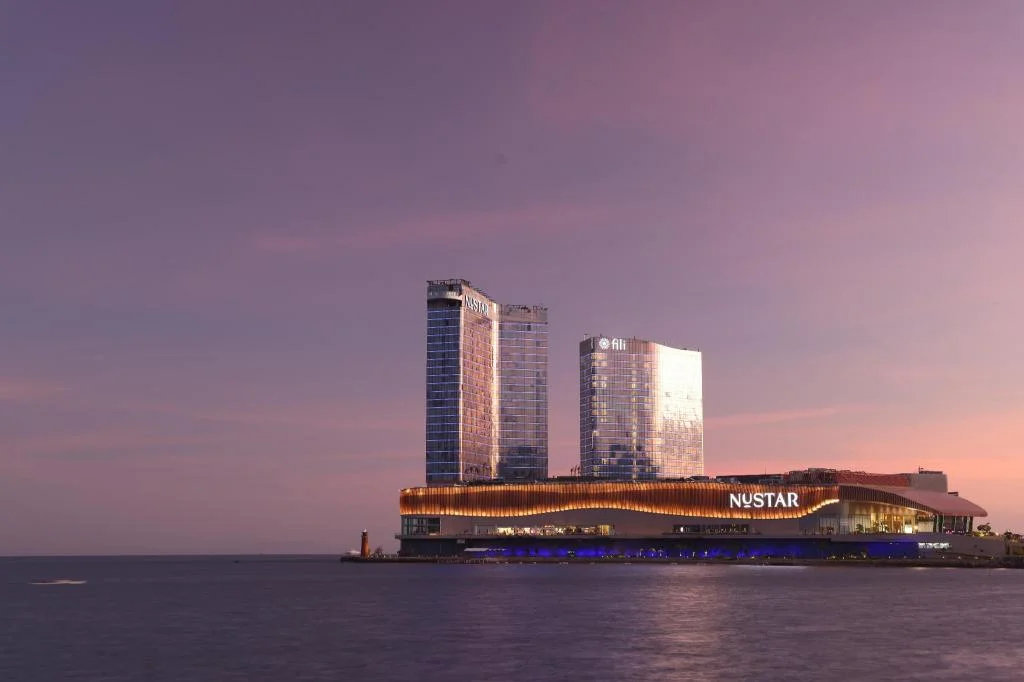
Fili Hotel - NUSTAR Resort & Casino Cebu
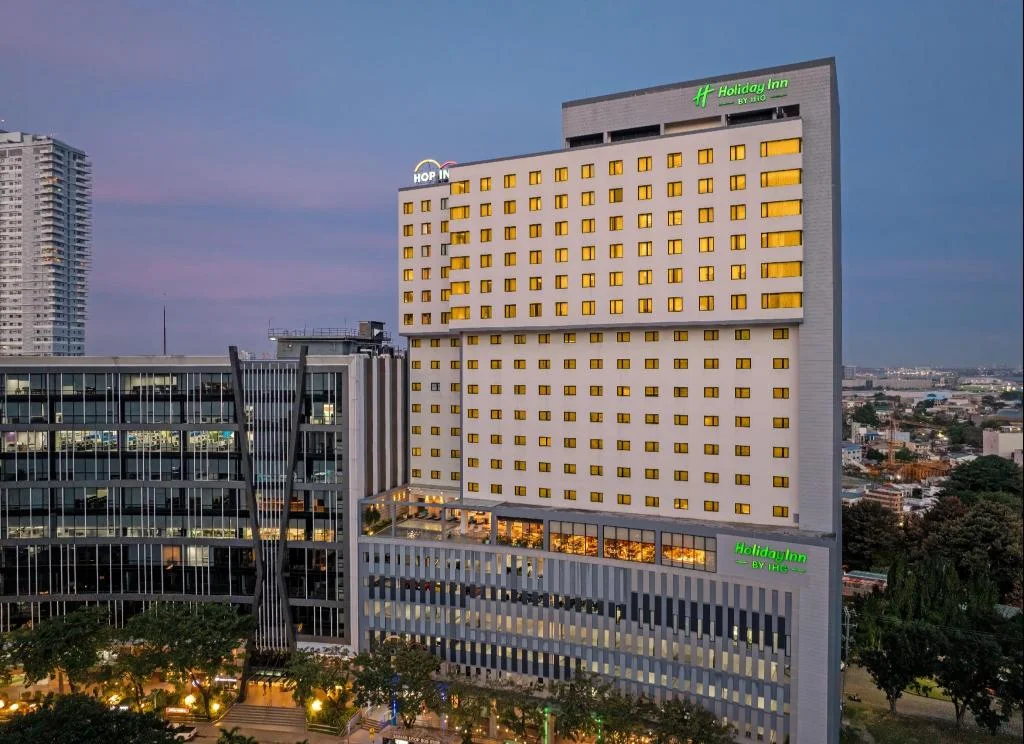
Holiday Inn Cebu City By IHG
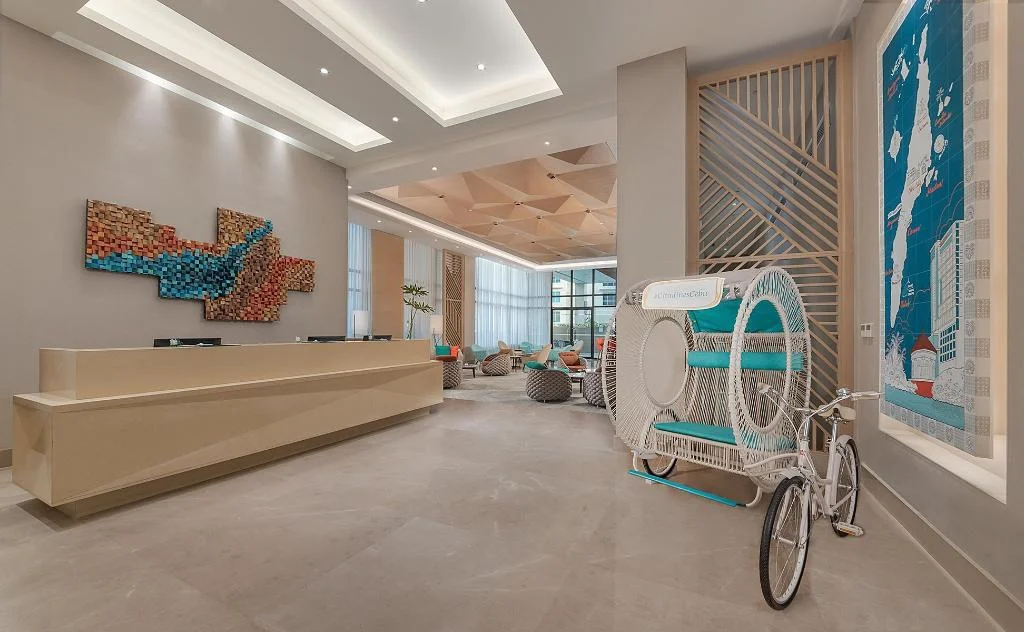
Citadines Cebu City
Prefer a rental? Vacation rentals near Cebu City
Self-catering condos and apartments — book the exact unit, kitchen included.
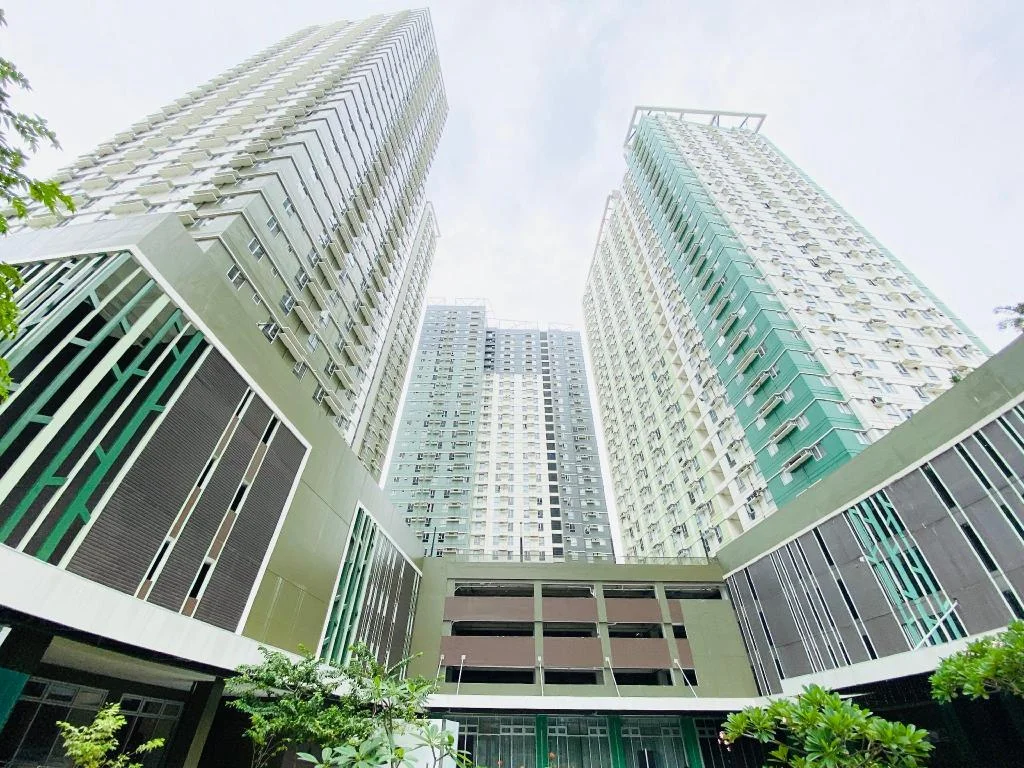
Cebu Avida Riala by P&J
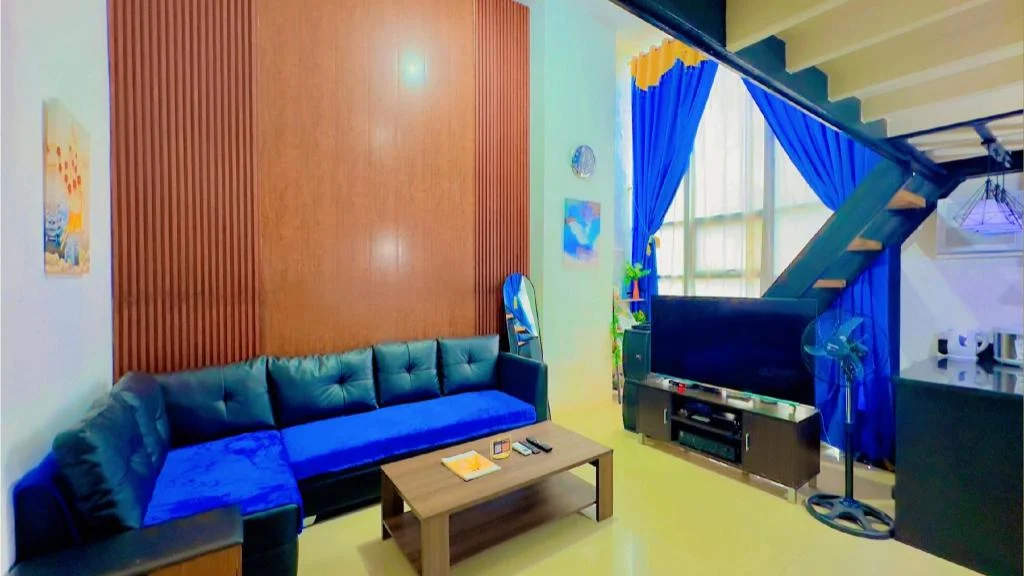
Special Big Loft Unit w/Fibreop Internet & Netflix
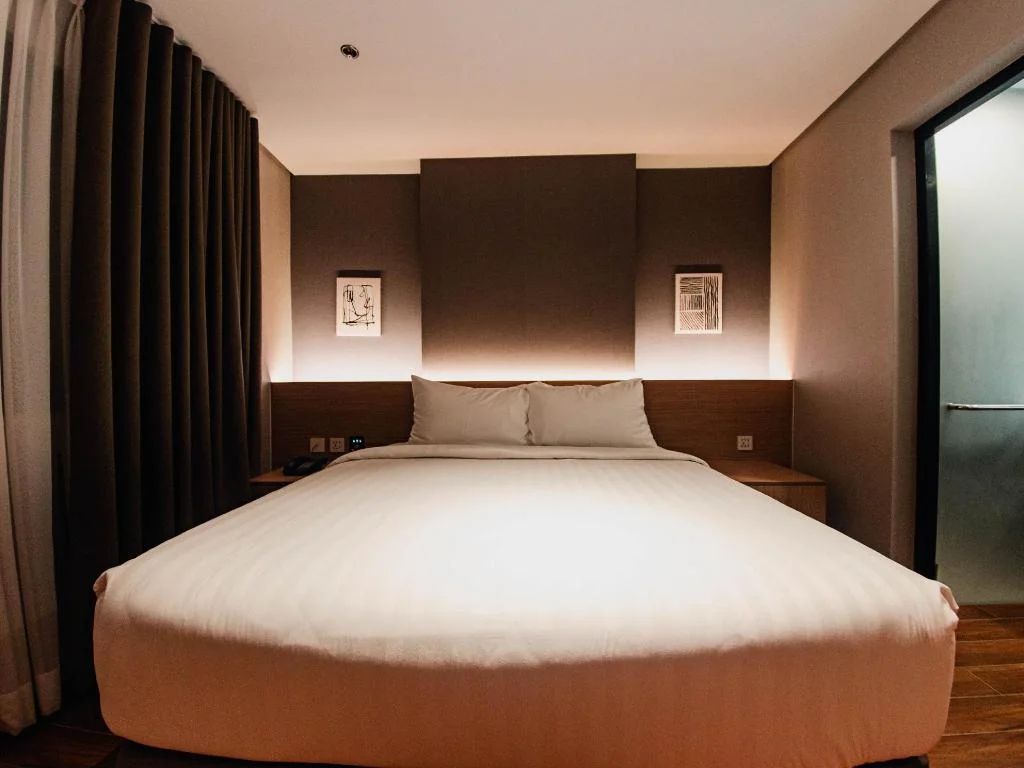
Moonstar Cebu Hotel - Deluxe Room
Before you go
Frequently asked
What's the cheapest real meal you can get in Cebu?
Is street food in Cebu safe to eat?
How much should I budget per day if I stick to cheap eats in Cebu?
What is pungko-pungko?
Where can you get cheap lechon in Cebu?
Is Sugbo Mercado actually cheap, or is it a tourist markup?
Can vegetarians eat cheap in Cebu?
What should I watch out for at carinderias for hygiene?
More Places to Explore
Carbon Market
Cebu City
Cebu's oldest and largest market (since 1909), offering an authentic local shopping experience with fresh produce, seafood, and traditional goods.
Colon Street
Cebu City
The oldest street in the Philippines, a historic commercial thoroughfare that has been Cebu's trading center since Spanish colonial times.