
TL;DR: A strict backpacker budget in Cebu runs about ₱1,500/day (~US$26): a hostel dorm bed (₱400), three carinderia meals (₱300), local jeepney/habal-habal transport (₱200), and roughly ₱600 left for one small paid activity or a buffer. That budget works for city and beach-town days in Moalboal or Cebu City, but it does not stretch to whale shark watching in Oslob or canyoneering at Kawasan Falls — both cost more than a full day’s budget on their own, so treat them as separate splurge days. Verified July 2026.
Cebu is one of the cheapest places in Southeast Asia to travel well, but “cheap” only holds if you know where the money actually goes. This guide breaks down a real ₱1,500-a-day budget — where every peso comes from, what it buys, and which parts of Cebu simply don’t fit inside it. It’s written for backpackers doing dorms and local transport, not resort travelers looking to trim a hotel bill. If you want a broader look at backpacking Cebu beyond the strict daily number, see our Cebu for backpackers guide; this one is specifically about holding the line at ₱1,500.
The ₱1,500/Day Budget Breakdown
| Category | Cost (₱) | Cost (US$) | Notes |
|---|---|---|---|
| Dorm bed | ₱400 | ~$7 | Hostel dorm in Cebu City or Moalboal |
| Food (3 meals) | ₱300 | ~$5 | Carinderia meals + street food snacks |
| Local transport | ₱200 | ~$3.50 | Jeepney, habal-habal, or short tricycle rides |
| Activity / buffer | ₱600 | ~$10 | Small entrance fee, gear rental, or a nicer meal |
| Total | ₱1,500 | ~$26 | Excludes big-ticket tours, alcohol, flights |
Verified July 2026. Prices are per person and assume you’re traveling solo or splitting costs evenly with a companion.
How Much Does a Dorm Bed Actually Cost?
Expect ₱230–700 a night (roughly US$4–12) for a hostel dorm bed in Cebu City or Moalboal. Current listings on Hostelworld and Hostelz show both towns averaging around US$4 for a basic dorm bed, with nicer air-conditioned hostels running closer to US$10–12. Moalboal and Cebu City have the deepest backpacker-hostel supply in the province, so prices stay competitive; smaller destinations like Malapascua, Bantayan, or Oslob have fewer hostels and lean more toward private guesthouse rooms, which cost more per person if you’re solo.
Book directly through the hostel’s Facebook page when possible — some skip OTA commission and offer walk-in or weekly rates that aren’t listed online. For a full rundown of where the cheapest reliable beds are by town, see cheapest places to stay in Cebu.
How Do You Eat on ₱300 a Day?
Eat where the tricycle drivers and construction workers eat. A full carinderia meal — rice plus one viand (adobo, sinigang, fried fish) — runs ₱70–120. Street food fills the gaps cheaply: puso (hanging rice) and barbecue sticks go for ₱10–30 each, and a cup of fresh buko juice or a bottle of water rounds out a meal for under ₱200 total.
Three meals a day at carinderia prices lands you around ₱250–350 — right at the ₱300 line in the budget table above. The trick is picking eateries with high turnover (a busy line at lunch means the food isn’t sitting around), and building in one splurge meal every few days rather than eating the exact same rice-and-viand combo daily — it keeps the budget sustainable rather than just survivable. For a curated list of specific cheap-eat spots, see cheap eats in Cebu under ₱150.
What Does Local Transport Cost?
Traditional jeepneys start around ₱13–14 for the first few kilometers, with modern air-conditioned jeepneys starting around ₱15–17. Habal-habal (motorcycle taxi) rides have a standardized minimum fare of about ₱25 in several Cebu municipalities, rising with distance and fuel costs. Short tricycle hops within a town typically run ₱15–30 per person.
₱200 a day comfortably covers several jeepney rides plus a habal-habal trip to a trailhead or viewpoint — as long as you’re moving within a single town or city. Longer intercity trips (Cebu City to Moalboal or Oslob) are a separate line item covered below, and they’ll eat a full day’s transport budget or more on their own. Fares shift with fuel prices, so treat these as a starting range and confirm the posted fare chart at your terminal.
How Do You Get Between Towns Cheaply?
Take the Ceres/Vallacar buses from Cebu South Bus Terminal — they’re roughly half the price of a private joiner van. Cebu City to Moalboal runs about ₱100–170 depending on whether you take an ordinary or air-conditioned bus, a 2.5–3 hour trip. Cebu City to Oslob runs about ₱269–330, roughly four hours. Compare that to a private van transfer, which often runs ₱600–1,000+ per person for the same route.
The trade-off is time and comfort — Ceres buses stop frequently and can run late, while a private van is direct and fast. If you’re on a ₱1,500/day budget, the bus is the obvious choice for a long haul day; just budget that whole day’s transport line around the fare instead of ₱200, and cut back on food or skip a paid activity to compensate.
DIY or Joiner Tour — Which Is Actually Cheaper?
For point-to-point travel, DIY public transport wins. For group activities with fixed logistics — like canyoneering or island hopping — a joiner tour is often the same price or cheaper than assembling it yourself. A joiner canyoneering trip bundles the guide fee, gear, and shuttle into one price; doing it independently means paying the same guide and gear fees plus arranging your own habal-habal to the entry point, which rarely saves money unless you’re in a large group splitting a private hire.
Where DIY clearly wins: getting from Cebu City to Moalboal or Oslob, and getting around once you’re in a town. Where a joiner setup wins: activities that require a registered guide by regulation (canyoneering, whale shark watching) — you’re paying the same base fee either way, so there’s no DIY discount, only the added hassle. If you do want a tour bundled in, compare Cebu tours and activities on Klook to see current joiner rates before deciding.
Where ₱1,500/Day Works — and Where It Doesn’t
₱1,500/day is realistic for city and beach-town days that don’t include a major paid activity. It falls apart the moment you add whale sharks or canyoneering.
| Destination / activity | Typical cost | Fits ₱1,500/day? |
|---|---|---|
| Cebu City (sightseeing, food, transport) | ₱900–1,300/day | Yes |
| Moalboal (beach days, no diving) | ₱900–1,300/day | Yes |
| Oslob whale shark watching | ~₱1,000 entrance alone | No — blows the budget on entrance fee alone |
| Kawasan Falls canyoneering | ₱1,500–2,100+ per person | No — the activity alone equals or exceeds the daily budget |
| Moalboal island hopping / diving trip | ₱1,500–3,000+ per person | No — treat as a splurge day |
Verified July 2026; confirm current entrance and package fees locally, as regulated rates change.
The honest move is to plan your trip as a mix of “strict” days (₱900–1,300, no major activity) and “splurge” days (₱2,500–4,000, one big-ticket activity) rather than forcing every single day under ₱1,500. Average it out over a week and the trip still lands cheap — you just can’t pretend Oslob or Kawasan fit inside a single ₱1,500 line. A full multi-day budget itinerary lays out exactly how to sequence strict and splurge days across a week.
How to Keep Costs Down Beyond the Basics
- Travel with at least one other person for splurge days. Habal-habal charters, private van hires, and some joiner tour minimums split much better across 2–4 people than solo.
- Withdraw cash before you leave a city or larger town. ATMs get scarce and occasionally run dry in smaller destinations like Malapascua or inland waterfall areas, especially on weekends.
- Carry a reusable water bottle and a small towel. Bottled water and rented towels add up fast across a multi-week trip.
- Book hostel dorms directly via the property’s Facebook page when possible — some offer walk-in or weekly rates lower than what shows on Hostelworld or Agoda. Compare Cebu hostels and guesthouses on Agoda to scout options before you arrive, then check if the property has a cheaper direct rate.
- Pick one splurge activity per multi-day stretch, not one per day. Spacing out Oslob, Kawasan, or a dive trip across a week keeps your average daily spend close to budget even though individual days spike.
The Honest Take
₱1,500/day is a real, livable budget in Cebu if your trip is mostly beach time, city walking, cheap eats, and public transport — plenty of backpackers do exactly this for weeks at a stretch. Where the number gets dishonest is when guides quote it as an all-in daily average for a trip that also includes Oslob and Kawasan, because those two alone can cost more than three strict days combined. Budget them separately, be honest with yourself about which days are “strict” and which are “splurge,” and the ₱1,500 line holds up fine as your baseline rather than a ceiling you’re constantly blowing through and feeling bad about.
The other trade-off worth naming: strict budget travel in Cebu means more time on Ceres buses, more carinderia meals in a row, and skipping some resort-style comforts. If that sounds tiring rather than fun, it’s fine to loosen the number — Cebu doesn’t punish a slightly bigger budget, it just stops being a “under ₱1,500” story.
Sources
- Hostelworld — Cebu and Moalboal hostel listings (dorm bed pricing)
- Hostelz — Cebu City and Moalboal hostel comparisons (dorm bed pricing)
- BudgetYourTrip — Cebu travel cost data (daily spend averages)
- The Freeman / Philstar — Habal-habal minimum fare set at ₱25
- Rappler — Jeepney and PUV fare rates, March 2026
- Pamasahe.com — Ceres bus fares, Cebu to Oslob
- WhyCebu — Oslob whale shark price and entrance fee 2026
- Highland Adventures PH — Regulated canyoneering price
- Bus fares, activity fees, and habal-habal rates verified against 2026 reporting; confirm current rates locally before you go, as fuel-linked fares change. Verified July 2026.
Ready to plan the rest of the trip around this budget? Pair this with a full budget itinerary, a list of cheapest places to stay in Cebu, and our broader Cebu for backpackers guide for gear, safety, and route planning. When you’re ready to book a splurge day, browse Cebu tours on Klook to compare current joiner rates before you commit.
Book Tours & Hotels for This Trip
Find and book the best deals — prices and availability update in real time. Links open in a new tab.
Where to stay near Moalboal
Top-rated hotels for this trip — tap through to check live rates.
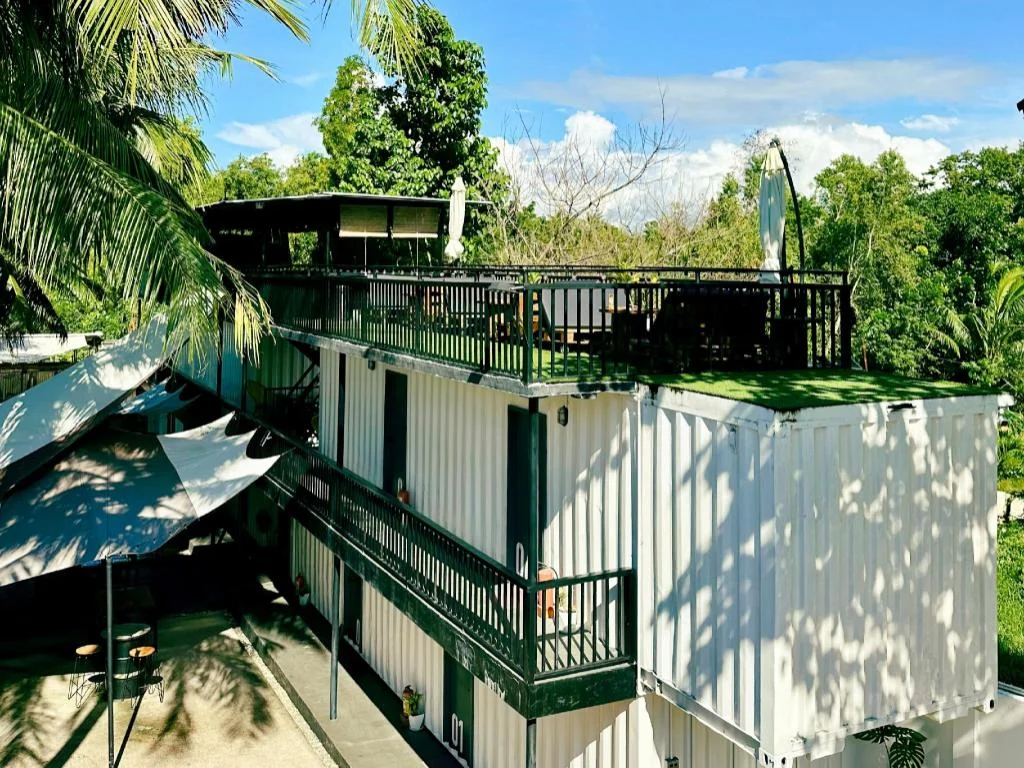
PIG DIVE HOSTEL MOALBOAL
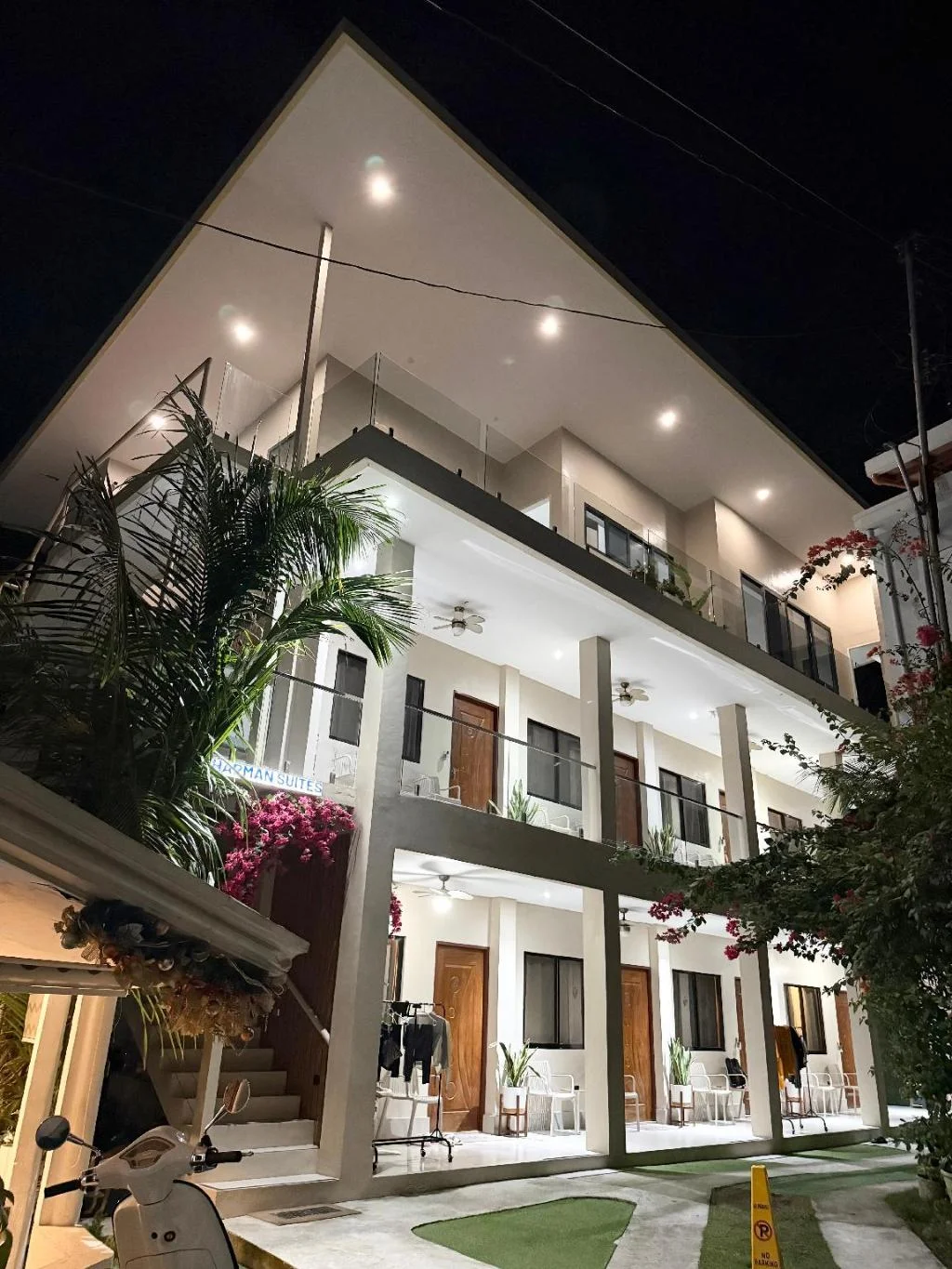
Harman Suites Moalboal
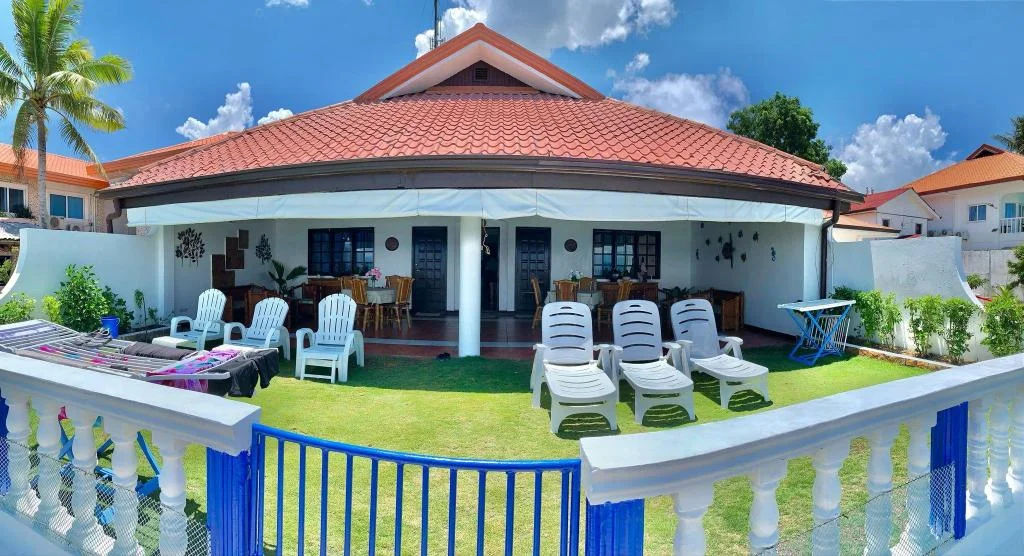
Il Sogno Resort
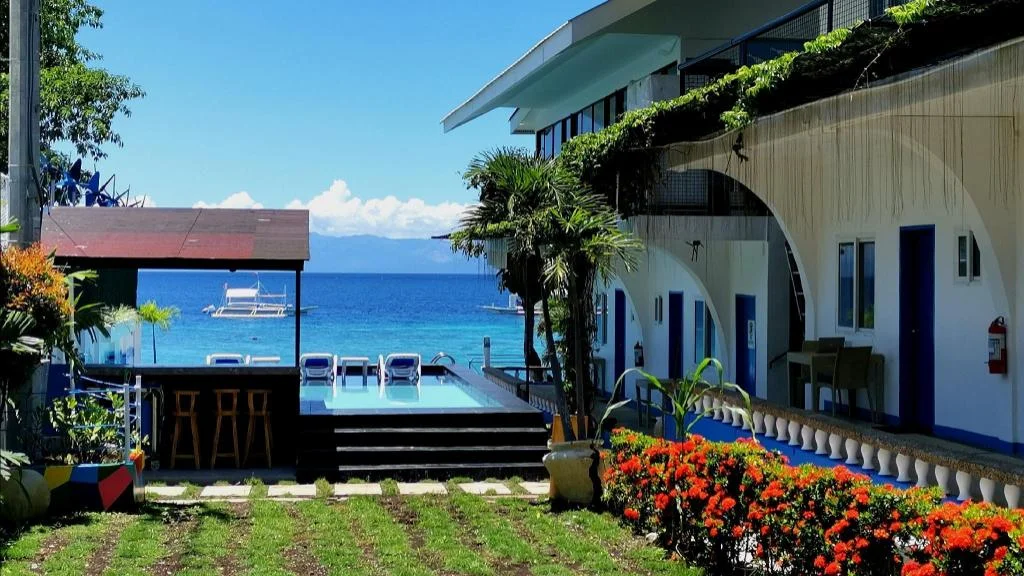
Pescadores Suites Moalboal
Prefer a rental? Vacation rentals near Moalboal
Self-catering condos and apartments — book the exact unit, kitchen included.
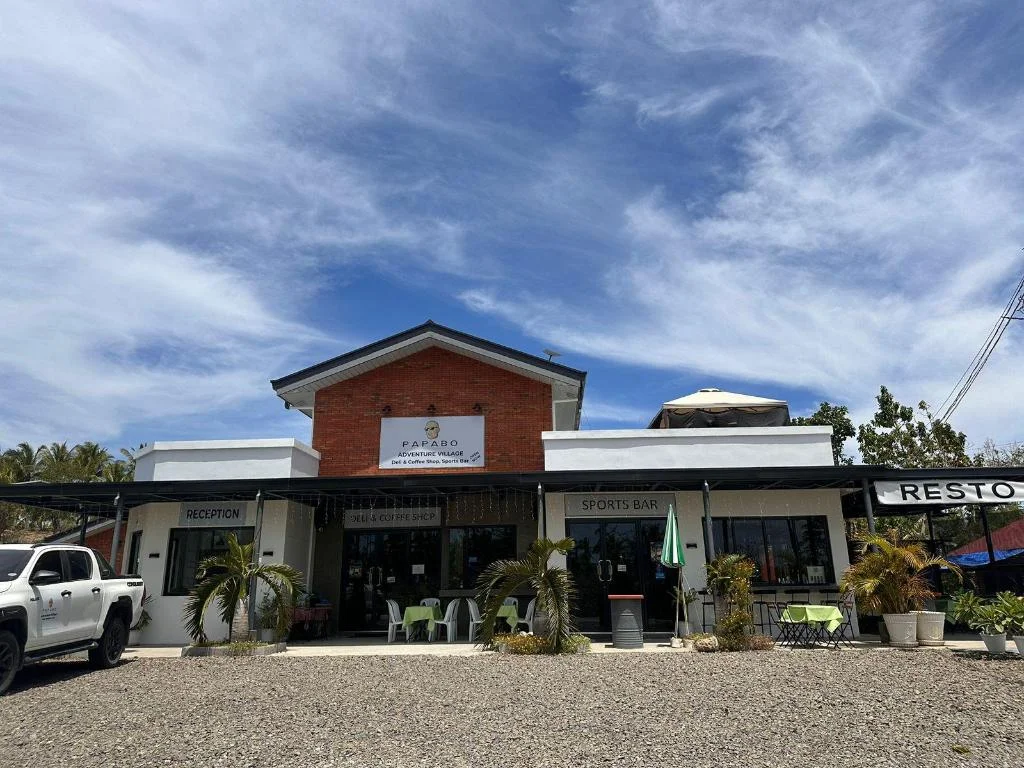
PAPABO Adventure Village
Casa de Moalboal
Althea Appartelle
Before you go
Frequently asked
Can you really travel Cebu on ₱1,500 a day?
What does ₱1,500 a day actually include?
Is it cheaper to travel Cebu solo or with a group?
Where in Cebu is ₱1,500/day NOT enough?
What's the cheapest place to sleep in Cebu?
How do you eat cheap in Cebu without getting sick?
Is DIY travel or a joiner tour cheaper in Cebu?
Do I need cash or can I use cards on a Cebu budget trip?
More Places to Explore
Panagsama Beach
Moalboal
Moalboal's main beach and diving hub, famous for the sardine run and sea turtles just meters from shore.
Kawasan Falls
Badian
A stunning three-tiered waterfall famous for its turquoise waters, bamboo raft rides, and as the endpoint of the famous Badian canyoneering adventure.