
TL;DR: The classic Cebu backpacker loop is Cebu City → Moalboal → Kawasan Falls → Oslob → back to Cebu City or on to Malapascua, and it’s doable for ₱1,200–1,800/day (US$21–31) on hostel dorms, buses, and carinderia food. Buses cost ₱150–230 (US$3–4) between towns, a hostel dorm bed runs ₱350–700 (US$6–12), canyoneering at Kawasan is a regulated ₱2,000–2,100 (US$34–36) per person, and whale shark watching in Oslob is ₱1,000 (US$17). From Cebu, Bohol is a 2-hour ferry, Siquijor takes a flight-plus-ferry combo, and Siargao is a 1-hour flight or a long ferry-and-fastcraft route. Verified July 2026.
Cebu is the easiest island in the Philippines to backpack, because it’s the transport hub everyone else connects through — you land at Mactan-Cebu International Airport, and from there buses, ferries, and cheap flights fan out in every direction. This guide is the route most backpackers actually run: a south-coast loop through Panagsama Beach in Moalboal, Kawasan Falls, and Oslob’s whale sharks, with jump-off points north to Malapascua Island or onward to Bohol, Siquijor, and Siargao. It’s written for the traveler counting pesos per day, not the one booking resorts — so every price here is a bus fare, a dorm bed, or a regulated tour fee, not a rack rate.
Cebu Backpacker Costs at a Glance
| Item | Cost (₱) | Cost (US$) | Notes |
|---|---|---|---|
| Hostel dorm bed (Cebu City / Moalboal) | ₱350–700 | $6–12 | Private rooms run ₱900–2,300 ($16–40) |
| Bus, Cebu City → Moalboal | ₱209–210 | ~$4 | Ceres, South Bus Terminal |
| Bus, Moalboal → Bato | ₱150 | ~$2.60 | Connects toward Oslob |
| Bus/habal-habal, Bato → Oslob | ₱50 | ~$1 | About 30 minutes |
| Bus, Oslob → Cebu City direct | ₱200–230 | $3.50–4 | Several hours, one seat the whole way |
| Kawasan Falls canyoneering (regulated) | ₱2,000–2,100 | $34–36 | LGU-set price, guide + gear + lunch included |
| Oslob whale shark watching | ₱1,000 | ~$17 | Land-based watching session |
| Ferry, Cebu → Bohol (OceanJet, tourist class) | ₱800–1,200 | $14–21 | ~2 hours, Pier 1 to Tagbilaran |
| Ferry, Cebu → Siquijor (via Bohol stop) | ₱1,600–2,400 | $28–41 | ~4 hours total |
| Flight, Cebu → Siargao | from ₱1,300 | from ~$22 | ~1 hour |
| Realistic daily budget | ₱1,200–1,800 | $21–31 | Dorm + local food + buses + small buffer |
Verified July 2026. Fares and fees change with fuel prices and local ordinances — confirm current numbers with the operator or terminal before you travel.
What’s the Classic Cebu Backpacker Route?
Most backpackers run a loop: Cebu City → Moalboal → Kawasan Falls (Badian) → Oslob → back to Cebu City, with an optional northern detour to Malapascua before flying out or ferrying onward. It typically takes 5–10 days depending on how long you linger in Moalboal, which is the trip’s social and diving hub.
The logic of the route is geography, not just popularity — Moalboal, Badian, and Oslob sit along the same south-coast highway, so you can bus between them in under two hours each, and the loop closes back at the South Bus Terminal in Cebu City for onward ferries or flights. If you have extra days, Camotes Islands and Bantayan Island extend the trip north instead of south.
How Do You Get Around on a Bus Budget?
Ceres buses out of Cebu City’s South Bus Terminal are the backbone of the route, and they’re cheap and frequent enough that you never need to book ahead. Air-conditioned buses to Moalboal run about ₱209–210 (roughly $4), Moalboal to Bato is around ₱150 ($2.60), and the short Bato-to-Oslob hop is about ₱50 ($1) by bus or habal-habal. A direct bus from Oslob back to Cebu City runs ₱200–230 ($3.50–4) and takes several hours, but you keep your seat the whole way instead of transferring.
Buses run “load and go” — no fixed schedule, they leave once full — so mornings tend to have more frequent departures than afternoons. The one exception: during Sinulog in mid-January, the South Bus Terminal closes on parade day and routes redirect, so build in slack if you’re passing through Cebu City that week. For a full breakdown of jeepneys, Grab, and habal-habal fares, see our getting around Cebu guide.
Where Do Backpackers Actually Stay?
Cebu City and Moalboal have the real hostel scene; Oslob and Malapascua lean more toward small guesthouses. Dorm beds in Cebu City and Moalboal run roughly ₱350–700 a night (US$6–12), with private rooms from about ₱900 up to ₱2,300+ ($16–40) depending on how central or new the property is. Moalboal’s cluster sits along Panagsama Road, a short walk from the beach, the sardine run, and most of the town’s dive shops and bars — it’s the closest thing Cebu has to a backpacker strip.
Book Moalboal a day or two ahead in high season (December–April) since the good dorms fill fast; the rest of the route you can generally show up and find a bed same-day. For a longer shortlist of specific properties, see our best hostels in Cebu guide, and if you’d rather compare private-room rates, Agoda’s Moalboal listings cover everything from dorms to beachfront rooms.
How Much Does Kawasan Falls Canyoneering Cost?
Expect to pay ₱2,000–2,100 per person (about US$34–36) for the regulated canyoneering activity, which includes a certified guide, safety gear, environmental fees, and lunch. Badian’s local government sets this as a fixed rate, so whether you book through a hostel, a Moalboal tour desk, or arrange it on arrival, the activity fee itself shouldn’t vary much — what changes is whether transport is bundled in. Packages that include a ride from Moalboal typically run ₱1,500–1,800 ($26–31) on top, while packages from Cebu City or Mactan add more for the longer drive.
It’s the one activity almost every backpacker on this route does, both for the canyon-jumping itself and because it’s an easy way to fall in with a group for the day. Book a canyoneering slot through Klook if you want it pre-arranged before you land.
Is Oslob Whale Shark Watching Worth the Detour?
At ₱1,000 per person (about US$17) for a land-based watching session, it’s cheap enough that most backpackers do it — but go in with clear eyes about the ethics. The whale sharks in Oslob are provisioned with shrimp, which keeps them reliably present but is a genuinely debated practice among marine conservationists; it’s not the wild encounter some marketing implies. If you go, arrive at opening (around 6:00 AM) before the boats and crowds stack up, and confirm current pricing locally since fee structures have shifted before.
If the provisioning bothers you, Malapascua’s thresher sharks and Moalboal’s sardine run are wild encounters with no feeding involved — worth weighing as an alternative rather than a stack-on.
How Do You Get to Malapascua and the Northern Islands?
Malapascua sits off Cebu’s northern tip and takes a full bus-plus-boat day from Moalboal or Oslob, so most backpackers loop back through Cebu City rather than trying to connect south-coast towns directly to the north. From Cebu City, it’s a bus to Maya port followed by a short boat crossing. It’s worth the detour for thresher shark diving — a genuinely different experience from Oslob’s shallow-water whale shark watching — but budget a full travel day each way.
How Do You Connect to Bohol, Siquijor, or Siargao From Cebu?
Bohol is the easy one: OceanJet fast ferries run roughly 2 hours from Cebu Pier 1 to Tagbilaran, with tourist-class fares around ₱800–1,200 (US$14–21). It’s an easy add-on to the end of a Cebu loop, and Bohol’s own hostel and hostel-adjacent scene picks up right where Cebu’s leaves off.
Siquijor has no direct fast ferry from Cebu, so backpackers use one of two routes: the OceanJet service that runs Cebu to Siquijor with a stop in Tagbilaran (about 4 hours total, ₱1,600–2,400 / US$28–41), or fly Cebu to Dumaguete on Cebgo and take a short ferry across (about 30–40 minutes, from roughly ₱350 / $6). Siquijor also gained its own small airport in late 2025 with limited flights, which may open up a third option — confirm current schedules before relying on it.
Siargao is fastest by air — around 1 hour from Cebu, with fares starting near ₱1,300 (about US$22) on Cebgo, Philippine Airlines, or Cebu Pacific. The slow-and-cheap alternative is an overnight ferry to Surigao City (Starlite or Cokaliong, roughly 8–9 hours, economy fares around ₱1,200–1,320 / US$21–23) followed by a short fastcraft to Dapa port — confirm that connecting fastcraft fare locally, as it varies by operator.
How Do You Meet Other Travelers and Join Group Tours?
Hostel common areas do most of the work — Moalboal’s Panagsama strip and Cebu City’s Talisay/IT Park hostel cluster both run communal dinners, rooftop hangouts, and pub crawls that make it easy to fall in with a group heading the same direction. Joiner tours for canyoneering, island hopping, and diving are the other natural meeting point, since you’re grouped with strangers for a full day by default. If you’re traveling solo and want more detail on routing and safety specifics, see our Cebu for solo travelers guide.
The Honest Take
Cebu is a genuinely good backpacking base — cheap buses, a real hostel scene in Moalboal, and enough bucket-list activities (canyoneering, whale sharks, thresher sharks, sardine runs) packed into a compact south coast that you don’t need weeks to feel like you did something. The trade-off is that this route is well-worn: you’ll see the same faces in Moalboal hostels, the same canyoneering groups, and the same whale-shark-watching crowds, so don’t expect an off-the-beaten-path feel here — that’s what Camotes or the far north islands are for.
Best months to run this route are outside peak December–April season, when hostel beds and canyoneering slots get tight and prices creep up. If your budget is genuinely tight, our Cebu for budget backpackers under ₱1,500 a day guide goes further into the cost-cutting specifics, and the Cebu budget itinerary lays out a day-by-day version of this same loop.
Sources
- Hostelz — Cebu City hostel pricing
- Hostelz — Moalboal hostel pricing
- WhyCebu — Moalboal bus fare guide
- Highland Adventure Tours — regulated canyoneering price
- WhyCebu — Oslob whale shark price and entrance fee
- Pamasahe.com — Cebu–Tagbilaran OceanJet schedule and fares
- Pamasahe.com — Cebu–Siquijor OceanJet schedule and fares
- TripHappy — Cebu to Siquijor ferry guide
- bustickets.ph — Starlite Ferries Cebu to Surigao rates
- Route, fare, and fee figures cross-checked against 2025–2026 operator and traveler reporting; confirm current numbers locally. Verified July 2026.
Run the loop, keep your bag zipped on the buses, and don’t over-plan it — this is one of the few routes in Southeast Asia where showing up and buying the next bus ticket works just fine. When you’re ready to book the big-ticket days, compare Cebu City hotels and hostels on Agoda for the nights you want a proper bed instead of a dorm.
Book Tours & Hotels for This Trip
Find and book the best deals — prices and availability update in real time. Links open in a new tab.
Where to stay near Moalboal
Top-rated hotels for this trip — tap through to check live rates.
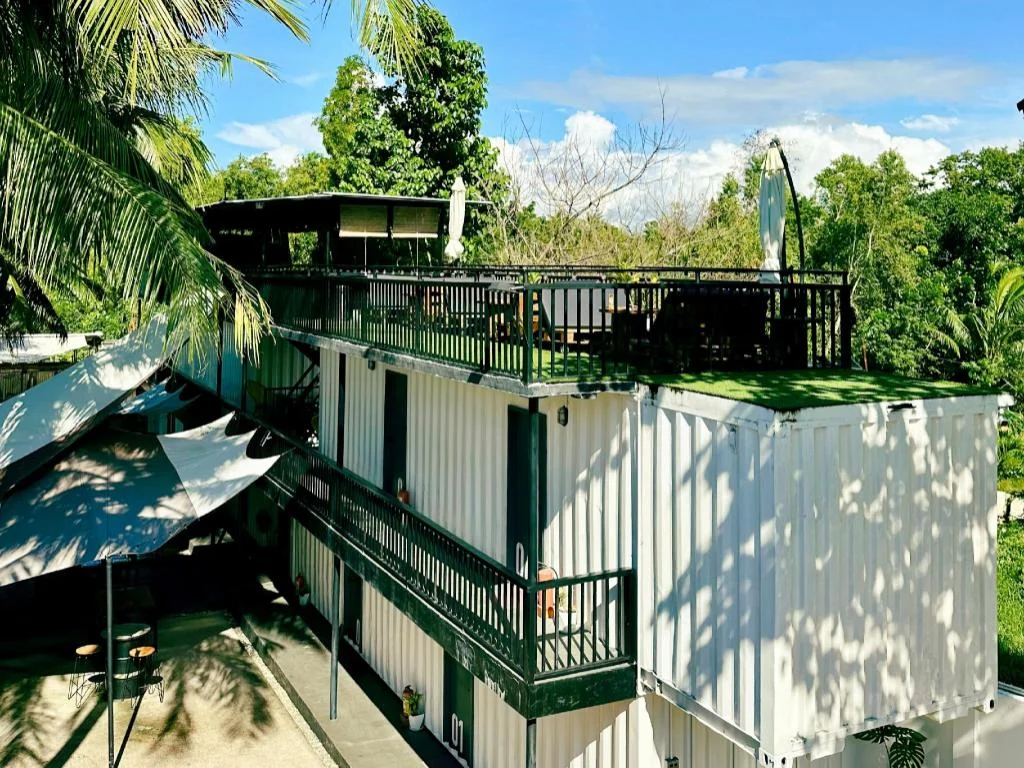
PIG DIVE HOSTEL MOALBOAL
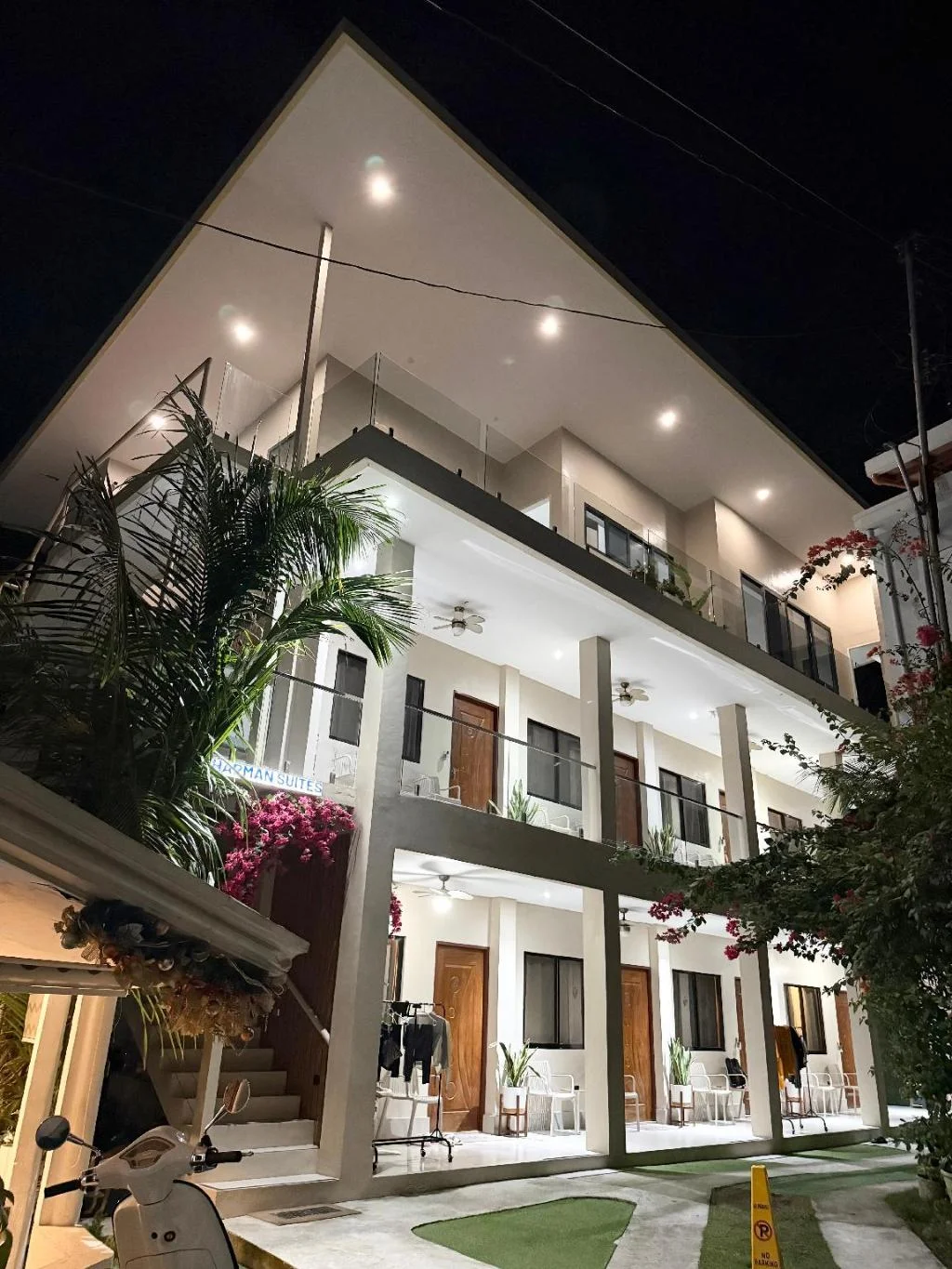
Harman Suites Moalboal

Ocean Vida Resort
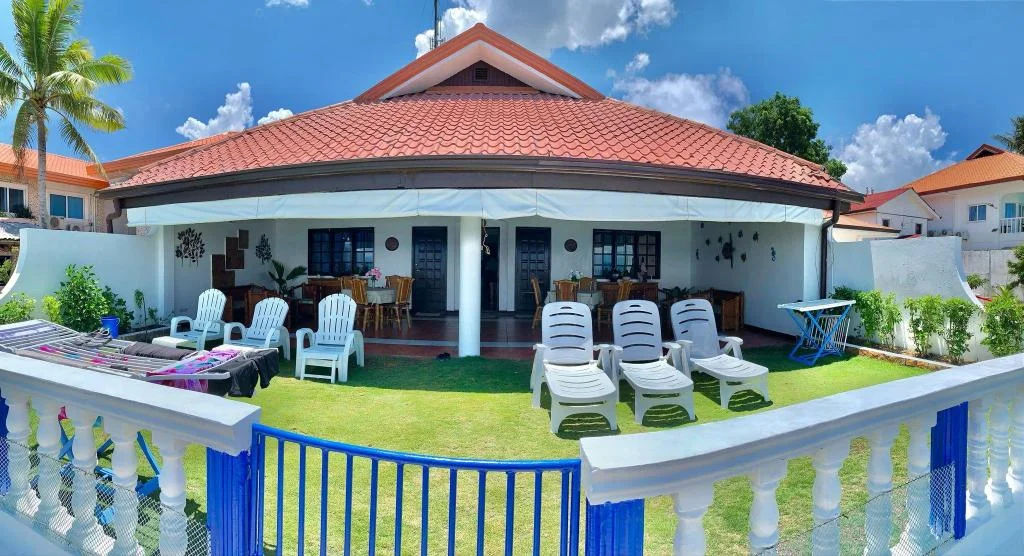
Il Sogno Resort
Prefer a rental? Vacation rentals near Moalboal
Self-catering condos and apartments — book the exact unit, kitchen included.
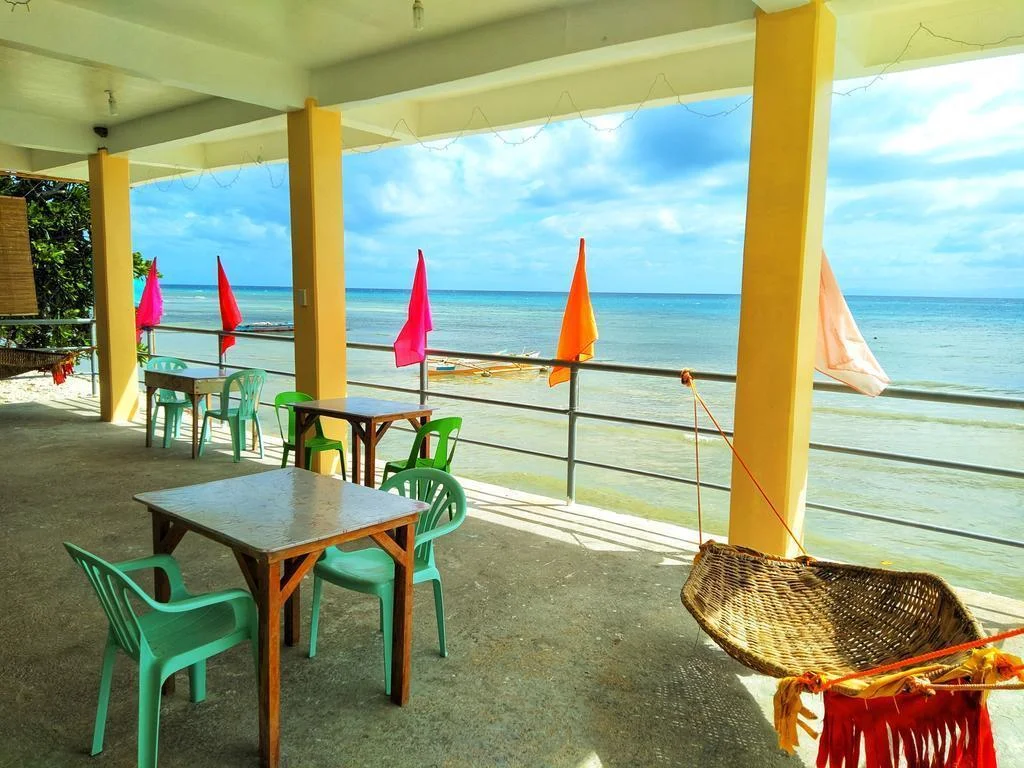
Ocean View Lodging House
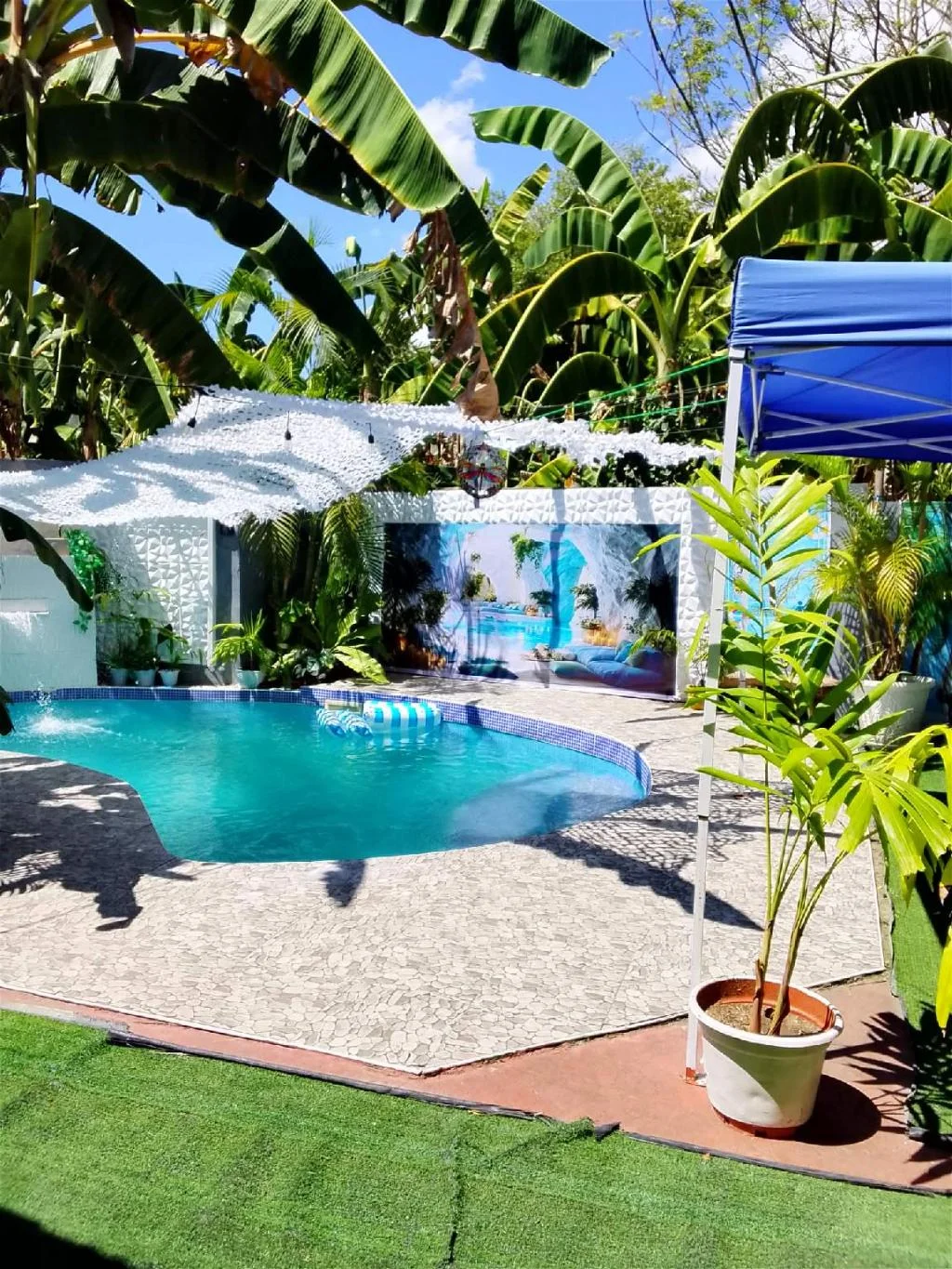
Two crazy monkeys
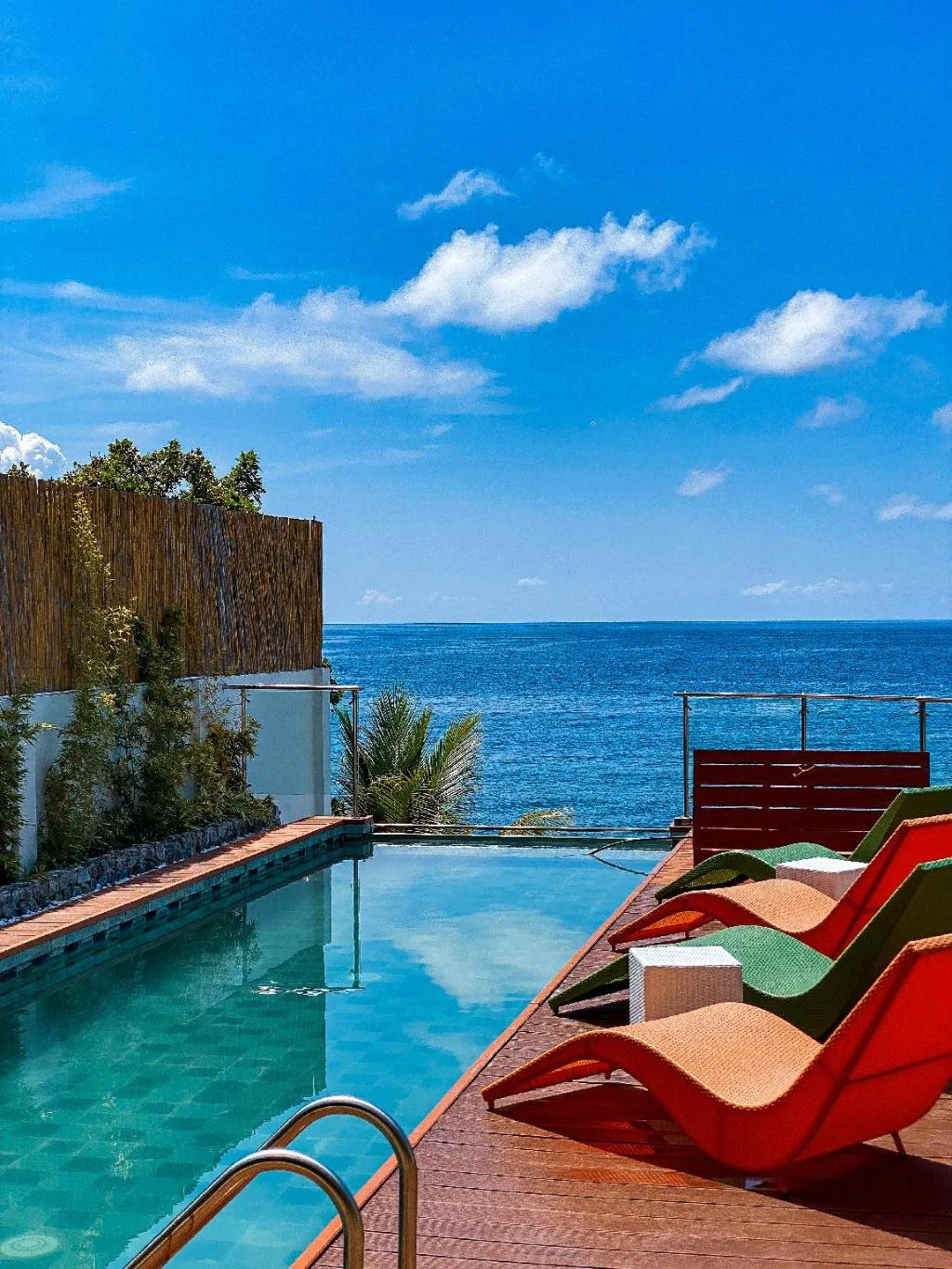
The South Hideaway Oslob
Before you go
Frequently asked
What is the classic Cebu backpacker route?
How much does a backpacker trip in Cebu cost per day?
Are hostels in Cebu actually good for meeting people?
Do you need to book buses in Cebu in advance?
Is it cheaper to canyoneer at Kawasan Falls solo or on a joiner tour?
How do you get from Cebu to Bohol, Siquijor, or Siargao as a backpacker?
Is Cebu safer for backpackers than other parts of the Philippines?
What should you skip if you're backpacking Cebu on a tight budget?
More Places to Explore
Panagsama Beach
Moalboal
Moalboal's main beach and diving hub, famous for the sardine run and sea turtles just meters from shore.
Kawasan Falls
Badian
A stunning three-tiered waterfall famous for its turquoise waters, bamboo raft rides, and as the endpoint of the famous Badian canyoneering adventure.
Malapascua Island
Daanbantayan
A world-famous diving paradise known for thresher shark encounters, featuring beautiful white sand beaches and laid-back island vibes.
Whale Shark Watching
Oslob
Swim alongside gentle whale sharks, the world's largest fish, in one of the few places where these magnificent creatures can be reliably encountered.