
TL;DR: The Cebu North Bus Terminal (CNBT) is not where a lot of old guides say it is — it moved out of Mandaue years ago and now operates from the SM City Cebu compound in the North Reclamation Area. From here, Ceres buses run north to Danao, Catmon, Sogod, Bogo, Hagnaya (for Bantayan Island), and Maya (for Malapascua), with fares roughly ₱40–300 (US$0.70–5.15) and travel times from 30 minutes to 5 hours. MyBus from the airport costs about ₱25 and takes 30–45 minutes. Verified July 2026.
If you’re heading anywhere north of Cebu City — the white sand of Malapascua Island, the ferry crossing to Bantayan, or the smaller towns of Bogo, Danao, and Sogod — you’ll pass through the Cebu North Bus Terminal (CNBT). It’s the main hub for Ceres buses and provincial vans covering northern Cebu, and it’s confused a lot of travelers in recent years because it’s changed addresses more than once. This guide sorts out where it actually is today, what it costs to get where you’re going, and what to expect once you’re there. If you’re headed south instead — Oslob, Moalboal, Kawasan Falls — you want the separate Cebu South Bus Terminal, not this one.
Northbound Fares and Travel Times at a Glance
| Destination | Fare (approx.) | Travel Time | What’s There |
|---|---|---|---|
| Danao City | ₱40–60 (~US$0.70–1) | 30–45 min | Danao town, jump-off for Lake Danao |
| Catmon | ₱60–100 (~US$1–1.70) | ~1 hr | Small coastal town |
| Sogod | ₱80–120 (~US$1.40–2.05) | 1.5–2 hrs | Roadside town, transfer point |
| Bogo City | ₱200–260 (~US$3.45–4.50) | 3–3.5 hrs | Bogo City Plaza, ferry to Camotes |
| Hagnaya Port (for Bantayan) | ₱150–260 (~US$2.60–4.50) | 3–4 hrs | Ferry terminal to Santa Fe, Bantayan |
| Bantayan town (direct) | ~₱299 (~US$5.15) | ~4 hrs | Bus + ferry combined ticket |
| Maya Port (for Malapascua) | ₱170–250 (~US$2.95–4.30) | 3.5–5 hrs | Boat terminal to Malapascua Island |
Fares vary by bus type (ordinary vs. aircon), fuel surcharges, and operator. Confirm at the terminal before boarding. Verified July 2026.
Where Is the Cebu North Bus Terminal Now?
It’s inside the SM City Cebu compound, in the North Reclamation Area (Barangay Mabolo), right on the boundary between Cebu City and Mandaue City — not at its old Mandaue address. The original CNBT sat in Barangay Subangdaku, Mandaue City, from 1994 until Mandaue’s mayor declined to renew the site’s lease at the end of 2019 to make way for government facilities. What followed was a scramble: a stint at Sta. Lucia Town Square in Consolacion in mid-2020, then Tambayan Consolacion Food Park by August 2020, before buses settled permanently at SM City Cebu in October 2020 under a public-private deal between the Cebu Provincial Government and SM Prime Holdings.
That SM City Cebu site is still the terminal today. In June 2026, the Cebu Provincial Board approved a usufruct agreement covering roughly 4,500 square meters of SM’s property to formalize and upgrade the facility — a sign the terminal is staying at SM City Cebu rather than moving again. The one wrinkle: during the 2025 Kalag-Kalag (All Souls’) holiday rush, a temporary satellite terminal opened for a few days at the Cebu Bus Depot near S&R in the North Reclamation Area, Mandaue City, purely to ease congestion on the Bantayan/Hagnaya/Madridejos routes. That was a short-lived overflow measure, not a relocation — if you’re reading this outside a major holiday weekend, SM City Cebu is where you want to go.
If an old blog, map pin, or driver mentions “the Mandaue terminal,” it’s talking about the site that closed in 2020. Tell your Grab driver or taxi “North Bus Terminal, SM City Cebu” to avoid confusion.
How Do You Get to the Terminal?
From Mactan-Cebu Airport, MyBus is the cheapest way in — about ₱25 (US$0.45), running roughly every 20 minutes, taking 30–45 minutes depending on traffic. A taxi or Grab costs about ₱200–300 (US$3.45–5) and saves time if you’re catching an early bus or ferry connection. From downtown Cebu City or IT Park, Grab or a taxi is simplest; the terminal sits right off the coastal road near SM City Cebu, so most drivers know it by name.
How Do You Get to Bantayan Island (Hagnaya Port)?
Take a Ceres bus bound for Hagnaya, then the ferry to Santa Fe. Buses run roughly every 20 minutes through the day, with fares in the ₱150–260 range (US$2.60–4.50) depending on whether you get an ordinary or aircon coach, and the ride takes about 3–4 hours. At Hagnaya Port you’ll buy a separate ferry ticket — Super Shuttle and other operators charge roughly ₱305–384 (US$5.25–6.60) including terminal fee for the crossing to Santa Fe, which takes about an hour. Some buses run a combined bus-plus-ferry ticket straight through to Bantayan town for around ₱299 (US$5.15); either way works, but leave Cebu by early-to-mid afternoon at the latest to make the last ferry. Full details on the crossing itself are in our Hagnaya to Santa Fe ferry guide.
How Do You Get to Malapascua (Maya Port)?
Take a Ceres bus to Maya, then the short boat crossing to the island. Buses to Maya run about every 30 minutes, with fares around ₱170–250 (US$2.95–4.30). Budget 3.5–5 hours for the bus — Ceres Liner coaches with fewer stops manage it closer to 3.5–4 hours, but ordinary buses that stop in every barangay along the way can push past 5. From Maya Port, boats to Malapascua run roughly 5:30 AM to 5:30 PM, cost about ₱200 (US$3.45), and take 30 minutes. Leave Cebu by mid-morning if you want a comfortable buffer before the last boat — our Cebu to Malapascua via Maya Port guide breaks down the full route.
What About Bogo, Danao, Sogod, and Catmon?
These are shorter, cheaper hops on the same northbound highway, and any bus heading to Hagnaya or Maya passes through them. Danao City is the closest, about 30–45 minutes out and ₱40–60 — useful if you’re detouring to Lake Danao Natural Park. Catmon is roughly an hour away for ₱60–100. Sogod sits about 1.5–2 hours out at ₱80–120. Bogo City, the biggest of the four and the jump-off for ferries to Camotes Island, is 3–3.5 hours away for roughly ₱200–260. None of these need a special bus — flag down any northbound coach and tell the conductor your stop.
Aircon or Ordinary Bus — Which Should You Take?
If your ride is longer than about an hour, pay the extra ₱20–40 for aircon. Ordinary (non-aircon) Ceres buses are cheaper and run more frequently, but they stop constantly — every barangay, every waving hand by the roadside — which is fine for a quick Danao or Catmon hop but genuinely painful on the 3–5 hour runs to Hagnaya, Bantayan, or Maya. Aircon coaches have padded seats, fewer stops, and noticeably shorter total travel time for a modest fare bump.
Tips for a Smooth Trip
- Arrive with buffer time, especially for Hagnaya and Maya routes where you’re connecting to a ferry with a last-trip cutoff.
- Buy your ticket at the terminal counter or pay onboard — advance booking isn’t standard for these routes, except around Christmas, Holy Week, and Sinulog, when it pays to show up early.
- Keep valuables close. Petty theft happens in crowded terminals and on packed buses — don’t leave bags in overhead racks unattended, and avoid flashing phones or jewelry near open windows.
- Bring snacks, water, and cash. Many roadside stops (Carmen is a common one) have food stalls, but small bills make transactions faster.
- Double-check you’re at SM City Cebu, not an old Mandaue address some maps still show.
The Honest Take
The Cebu North Bus Terminal does the job, but it’s not glamorous — expect a crowded, hot, functional transport hub rather than a modern terminal building, and expect Filipino-time delays on departure. The 2020 move to SM City Cebu was a real upgrade over the cramped old Mandaue site, and the 2026 usufruct agreement suggests further improvements are coming, but don’t expect air-conditioned waiting lounges or digital departure boards yet. If your itinerary allows it, aircon Ceres coaches are worth the small premium on any route over an hour — the time saved from fewer stops adds up fast on a 3–5 hour ride. And if you’re traveling during Christmas, Holy Week, or right after a long weekend, arrive well ahead of your planned departure; queues for Hagnaya and Maya buses get long fast during peak travel windows.
Getting There and Onward
Once you’re through the North Bus Terminal, the north opens up fast — Bantayan Island for beaches and a laid-back pace, or Malapascua for thresher shark diving are both a single bus-plus-boat trip away. For the bigger picture on getting around the province — buses, ferries, Grab, and everything between — see our guide to getting around Cebu, or check our north Cebu travel guide for a full rundown of what’s up there.
Booking your onward stay before you go makes the trip smoother — compare hotels on Bantayan Island on Agoda or browse Malapascua dive and island-hopping tours on Klook to have things sorted before your bus even leaves the terminal.
Sources
- Cebu North Bus Terminal — Wikipedia (relocation history, current SM City Cebu site)
- Cebu Daily News — temporary North Bus satellite terminal, Mandaue (October 2025 holiday overflow terminal)
- Cebu Insider — Ceres bus schedule, Cebu City to Bantayan Island (Hagnaya/Bantayan fares and schedule)
- Cebu Insider — Ceres bus schedule, Cebu City to Maya Port (Maya fares and schedule)
- Cebu Insider — Hagnaya to Bantayan ferry schedule and fare (ferry fares, 2026)
- Fares and schedules confirmed against 2025–2026 operator and traveler reporting; always verify current prices at the terminal before you travel. Verified July 2026.
Book Tours & Hotels for This Trip
Find and book the best deals — prices and availability update in real time. Links open in a new tab.
Where to stay near Daanbantayan
Top-rated hotels for this trip — tap through to check live rates.

Ocean Vida Resort
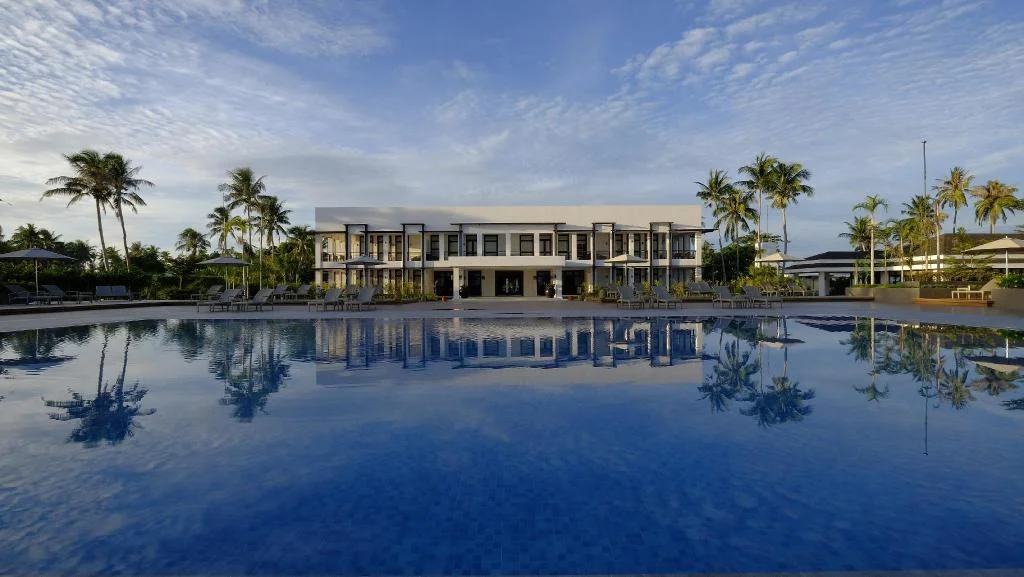
Kandaya Resort
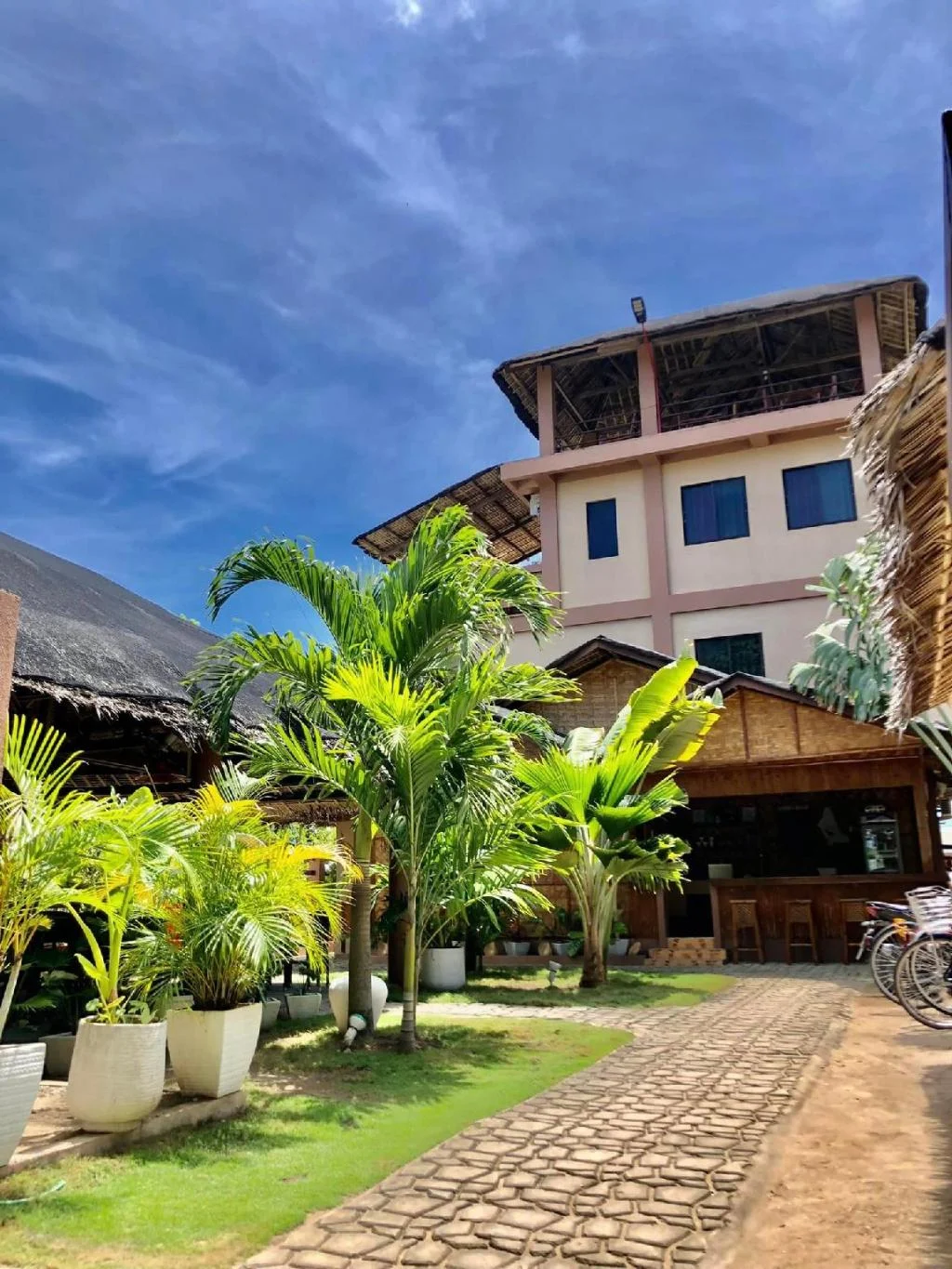
Anahaw Seaside Inn
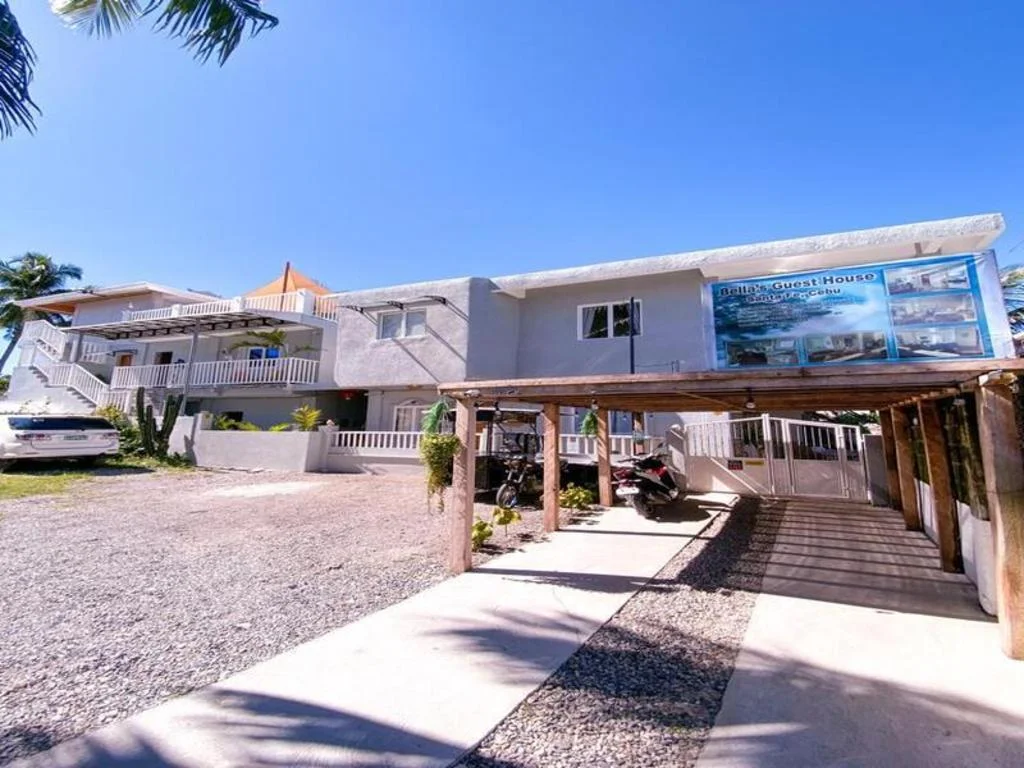
Bella's Guest House
Prefer a rental? Vacation rentals near Daanbantayan
Self-catering condos and apartments — book the exact unit, kitchen included.
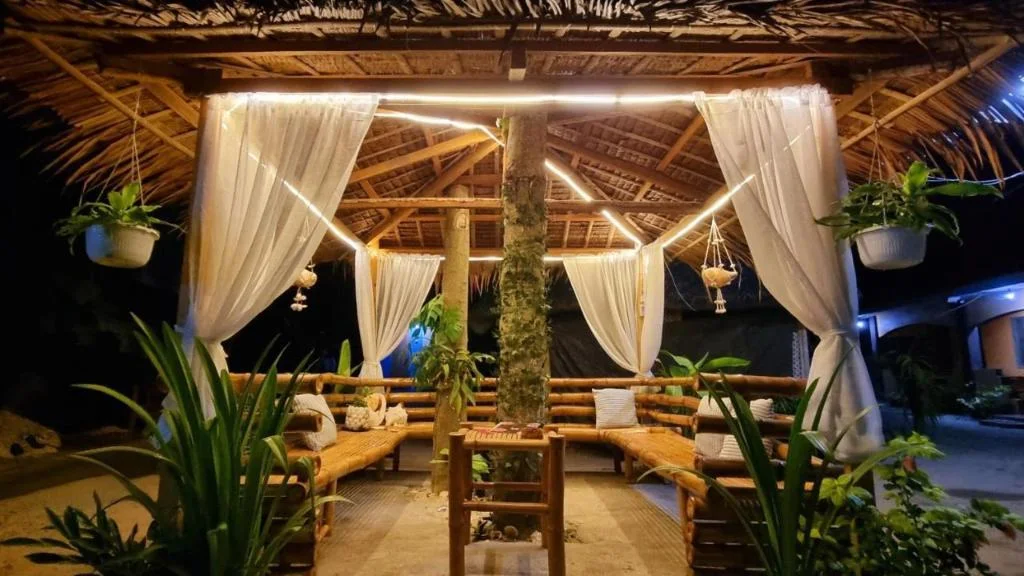
Edsan Apartment
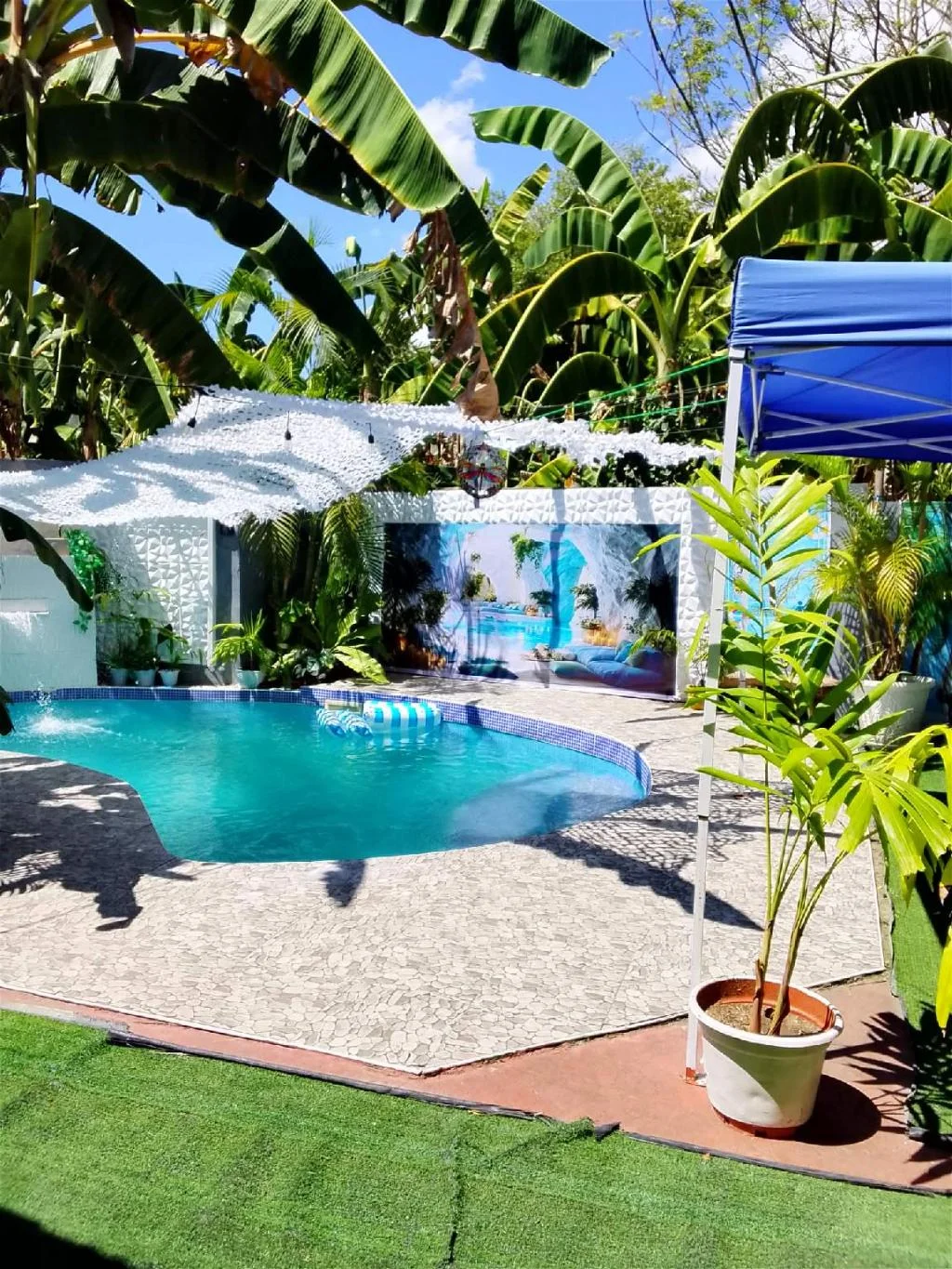
Two crazy monkeys
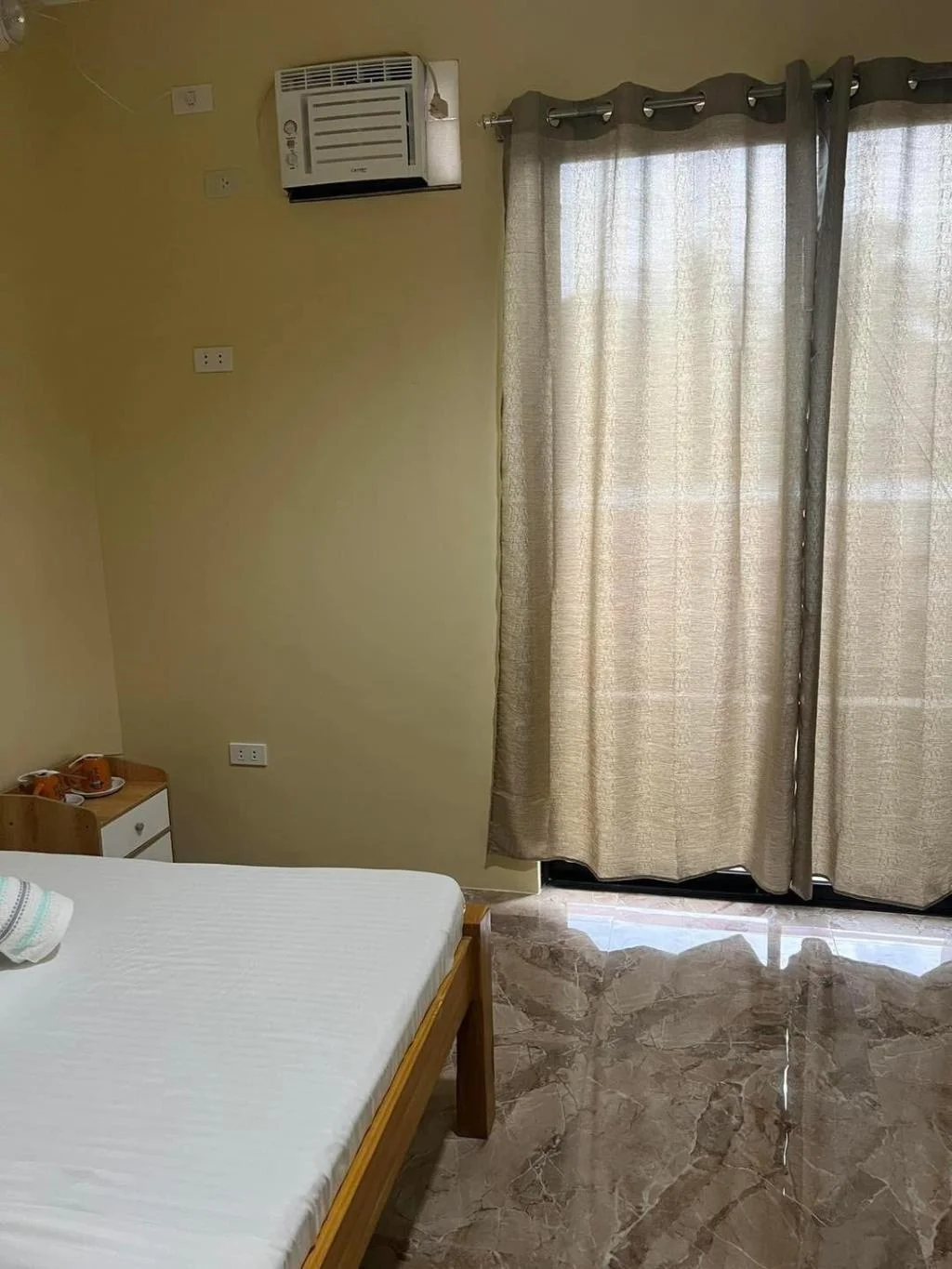
Seamed Guest House - Couple room
Before you go
Frequently asked
Where is the Cebu North Bus Terminal now?
Is the Cebu North Bus Terminal the same as before?
How do you get to the Cebu North Bus Terminal from Mactan-Cebu Airport?
How much is the bus fare to Bantayan Island?
How long does the bus to Maya Port take for Malapascua?
Do you need to book bus tickets in advance?
What's the difference between aircon and ordinary buses?
Can you reach Danao, Catmon, or Sogod from the same terminal?
More Places to Explore
Malapascua Island
Daanbantayan
A world-famous diving paradise known for thresher shark encounters, featuring beautiful white sand beaches and laid-back island vibes.
Maya Port
Daanbantayan
The bustling fishing port that serves as the gateway to Malapascua Island and showcases traditional northern Cebu fishing culture.
Bogo City Public Plaza and Heritage Walk
Bogo City
The historic heart of Bogo City featuring the colonial-era church, plaza, and heritage buildings that tell the story of northern Cebu.
Santa Fe Beach
Santa Fe
The main beach hub of Bantayan Island with white sand, clear waters, stunning sunsets, and easy access to all Santa Fe amenities.