
TL;DR: The Cebu South Bus Terminal (CSBT), on N. Bacalso Avenue next to Elizabeth Mall, is where you catch southbound buses to Oslob, Moalboal, Kawasan Falls (Badian), Argao, Bato, Samboan, and — via a ferry connection — Dumaguete. Ceres Liner and Sugbo Transit (both under Vallacar Transit) run the routes, with fares roughly ₱50 (Carcar) to ₱330 (Oslob), US$0.90–5.70, plus a ₱5 terminal fee. No advance booking — buy at the window or pay the conductor. Arrive by mid-morning for day trips, since the ride south eats hours. Verified July 2026.
If you’re heading south from Cebu City without a rental car or a private van, the Cebu South Bus Terminal is where your trip starts. It’s the departure point for Oslob’s whale sharks, Kawasan Falls canyoneering in Badian, and the Moalboal sardine run, plus every town in between — Carcar, Argao, Dalaguete, Bato, and Samboan. It also connects, via a short ferry hop, to Dumaguete and Negros Oriental.
This guide covers exactly where the terminal is, which bus to board for which destination, what it actually costs, and the small things that trip up first-timers — like which signboard to look for and why you shouldn’t buy a ticket from the first person who waves you over.
Cebu South Bus Terminal at a Glance
| Destination | Aircon Fare (approx.) | Travel Time |
|---|---|---|
| Carcar | ₱50–70 (US$0.90–1.20) | ~1 hr |
| Argao | ₱80–100 (US$1.40–1.70) | ~1.5–2 hrs |
| Dalaguete | ₱120–150 (US$2.10–2.60) | ~2–2.5 hrs |
| Moalboal | ₱130–210 (US$2.25–3.60) | ~2.5–3 hrs |
| Badian (Kawasan Falls) | ₱160–190 (US$2.75–3.30) | ~3–3.5 hrs |
| Oslob | ₱180–330 (US$3.10–5.70) | ~3–4 hrs |
| Bato (for Liloan ferry) | ₱200–260 (US$3.45–4.50) | ~4–4.5 hrs |
| Samboan | ₱230–280 (US$4–4.85) | ~4.5–5 hrs |
| Dumaguete (bus + Bato–Tampi ferry, through-ticket) | ~₱500–560 total (US$8.60–9.65) | ~7 hrs |
Ordinary (non-aircon) buses typically run ₱20–40 cheaper than the aircon fare but stop more often and take longer. Fares vary by operator and change without notice — confirm at the terminal window. Verified July 2026.
Where Is the Cebu South Bus Terminal?
It’s on N. Bacalso Avenue in Cebu City, directly beside Elizabeth Mall (E-Mall) and CityMall Bacalso, a short ride from downtown Colon Street and Fort San Pedro. Tell any Grab driver or taxi “South Bus Terminal” or “CSBT” and they’ll know it — if there’s confusion, add “Bacalso” or “malapit sa Elizabeth Mall.”
The terminal has run since 1993 on a roughly 1.2-hectare site owned by the Cebu Provincial Government, and it’s genuinely one of the busiest transport hubs in the Visayas — an estimated 40,000–50,000 passengers a day move through it across hundreds of daily bus trips. It operates 24/7, though individual operators keep their own schedules, so late-night and pre-dawn departures exist but aren’t guaranteed for every route.
Which Buses Leave From Here?
Vallacar Transit runs the terminal’s biggest fleet, under two brands: Ceres Liner and Sugbo Transit, alongside smaller operators like Sunrays Transit, Metrolink Express Liner, Chan Transit, and Jegans Bus Liner covering specific routes. You don’t need to hunt for a specific company name at the window — you need the right destination signboard.
Look for buses marked “Bato via Oslob,” “Bato via Barili,” “Bato via Alcoy,” or “Samboan” for the whale shark and canyoneering routes; shorter boards will simply say “Moalboal,” “Argao,” “Carcar,” or “Dalaguete.” If you’re unsure a bus passes your stop, ask the conductor before boarding, not after — Filipino bus staff are used to the question and will tell you straight.
How Much Do Tickets Cost?
Fares scale roughly with distance, from about ₱50 for nearby Carcar up to ₱330 for the four-hour run to Oslob (see the table above). Air-conditioned buses cost more than ordinary buses, usually by ₱20–40, but they’re faster and more comfortable for the longer hauls south. There’s also a small ₱5 terminal fee charged separately from the bus fare, usually at the gate.
Reported fares vary noticeably between sources and month to month — fuel surcharges shift things — so treat these as planning ranges, not fixed prices, and confirm at the ticket window on the day.
How Do You Buy Tickets?
Walk up to the counter for your destination, or pay the conductor once you’re seated — there’s no mainstream online booking for these routes. Some operators sell printed tickets at a booth before boarding; on others, especially shorter routes, you just hop on and the conductor collects the fare and terminal fee along the way. Either way, don’t hand money to anyone outside the marked ticket windows or bus doors — unofficial “fixers” sometimes hover near the entrance offering to “help,” and they add nothing but a markup.
How Do I Get to Oslob, Moalboal, or Kawasan Falls From Here?
Board a bus signed for Bato (via Oslob or Alcoy) for the whale sharks, “Moalboal” for the sardine run and dive sites, or “Bato via Barili”/“Badian” for Kawasan Falls. For Kawasan Falls specifically, tell the conductor you’re getting off at Matutinao, Badian — from there it’s a short habal-habal ride or a 10–15 minute walk to the falls entrance. For Moalboal, ask for the Panagsama Beach junction, where tricycles wait to take you the rest of the way.
Departures on the Oslob-bound routes are frequent, often every 30 minutes to an hour starting as early as 3:00 AM, since this is one of the terminal’s highest-volume runs. Moalboal and Badian departures are less frequent but still regular through the day — if you want to avoid a long wait, get to the terminal by mid-morning.
How Do I Get to Dumaguete From Here?
The straightforward option is a Ceres Liner through-ticket that bundles the bus ride with the Bato–Tampi ferry crossing, landing you in Dumaguete for roughly ₱500–560 total and about 7 hours door to door. The alternative some travelers use is riding a Bato-bound bus, getting off at Liloan Port in Santander (Cebu’s southernmost tip), and crossing separately on the shorter Liloan–Sibulan ferry — a bit more legwork, but sometimes faster if the connection times line up. Either way, expect a full-day trip, so build in a buffer if you have an onward flight or booking in Dumaguete or Siquijor.
Tips for Using the Terminal
- Arrive early if you’re doing a day trip. Southbound rides eat 2–4 hours each way before you even reach the destination — get to the terminal by 6–7 AM for Oslob or Kawasan Falls if you want real time at either place.
- Keep your bag on your lap or between your feet, not on the overhead rack, especially on crowded ordinary buses.
- Bring small bills and coins for the terminal fee and to avoid arguments over change with conductors.
- Skip anyone outside the ticket windows who offers to “help you book.” Buy directly at the counter or from the uniformed conductor.
- The terminal has food stalls and restrooms, useful if your bus is delayed or you’re waiting out a connection.
- On Sinulog grand parade day, the terminal closes and buses redirect to the SRP because of the downtown no-drive zone — check dates if your trip overlaps with the festival (see our Sinulog festival guide).
Aircon or Ordinary — Which Should You Take?
Take aircon for anything over two hours; ordinary is fine for quick hops like Carcar or Argao. The price difference is small (₱20–40) relative to how much more bearable a 3–4 hour ride to Oslob is with air conditioning and a proper seat. Ordinary buses also stop constantly to pick up and drop off passengers along the highway, which adds real time to longer trips.
If you’d rather skip the bus entirely — especially for a one-day whale shark or canyoneering trip — a joiner tour or private van handles the pickup, the ride, and the activity as one package. Compare Oslob whale shark tours on Klook or browse Kawasan Falls canyoneering packages if door-to-door pickup is worth the extra cost to you.
The Honest Take
The Cebu South Bus Terminal is not glamorous — it’s loud, it’s crowded, and on a hot afternoon the wait for your bus to fill up can test your patience. But it’s also the cheapest and most reliable way to reach southern Cebu if you’re not renting a car, and locals use it every single day without drama. The real risk isn’t the bus ride itself; it’s losing time to a late start, or losing money to someone who isn’t an actual terminal employee.
If your schedule is tight — a whale shark swim and Kawasan Falls in one day, for instance — a private van or joiner tour saves you the transfers and the guesswork about which signboard to trust. If you’ve got a full day and don’t mind the ride, the bus gets you there for a fraction of the cost, and it’s a genuinely local way to see the coastline unfold on the way down.
Combine It With the Rest of the South
Once you’re past the terminal, the south of Cebu opens up fast — Kawasan Falls and canyoneering in Badian, the Moalboal sardine run and dive sites, and the whale sharks of Oslob are all reachable on the same routes covered here. For the fuller picture of getting around the island, see our getting around Cebu guide, or check the Cebu North Bus Terminal guide if your trip also heads toward Bantayan or Malapascua. If you’d rather not deal with schedules at all, compare private van and driver options for southern Cebu and book door-to-door.
Sources
- Cebu South Bus Terminal — Wikipedia (history, ownership, terminal fee, daily passenger volume)
- Cebu South Bus Terminal Schedule & Fare Guide — 2GoBusAndFerries (fares, schedules)
- Cebu Bus Terminal — Cebu South Terminal & Routes (address, operators, sample fares)
- Cebu South Bus Terminal Guide — 3D Academy (terminal fee, getting there, practical tips)
- Cebu to Oslob: Bus Schedule — Gecko Routes (Oslob fare, travel time, signboards)
- Cebu to Dumaguete Ceres Bus Schedule — Cebu Insider (Bato–Tampi through-ticket fare and timing)
- Fares vary by operator and season; confirm current prices at the terminal window before traveling. Verified July 2026.
Book Tours & Hotels for This Trip
Find and book the best deals — prices and availability update in real time. Links open in a new tab.
Where to stay near Moalboal
Top-rated hotels for this trip — tap through to check live rates.
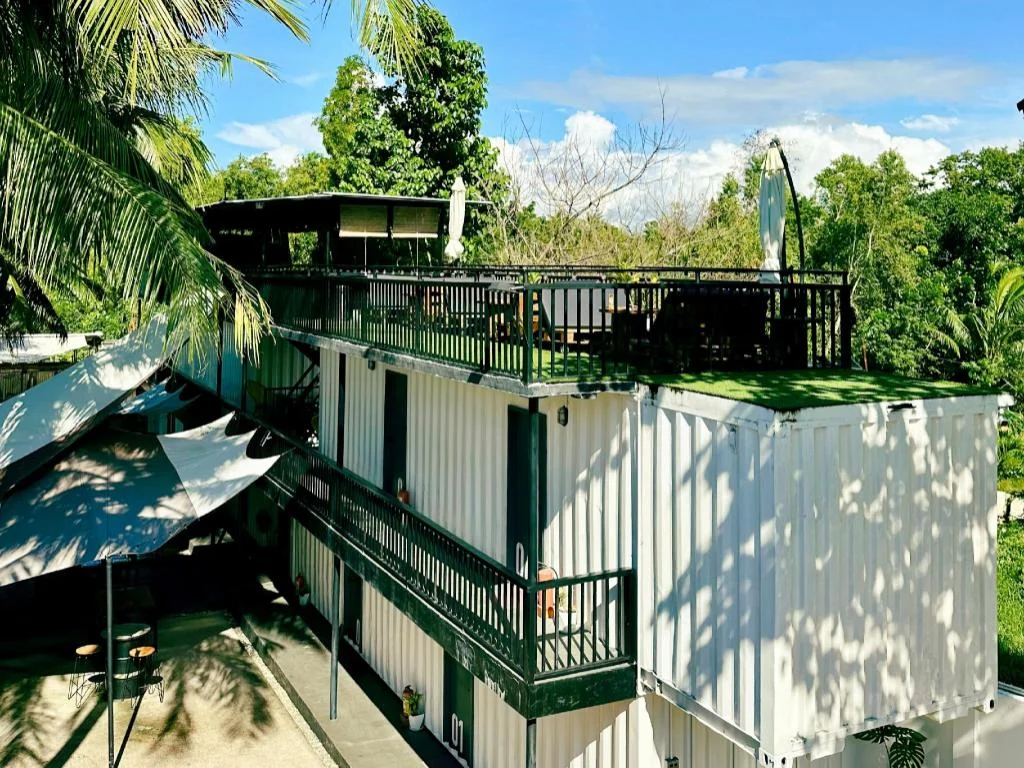
PIG DIVE HOSTEL MOALBOAL
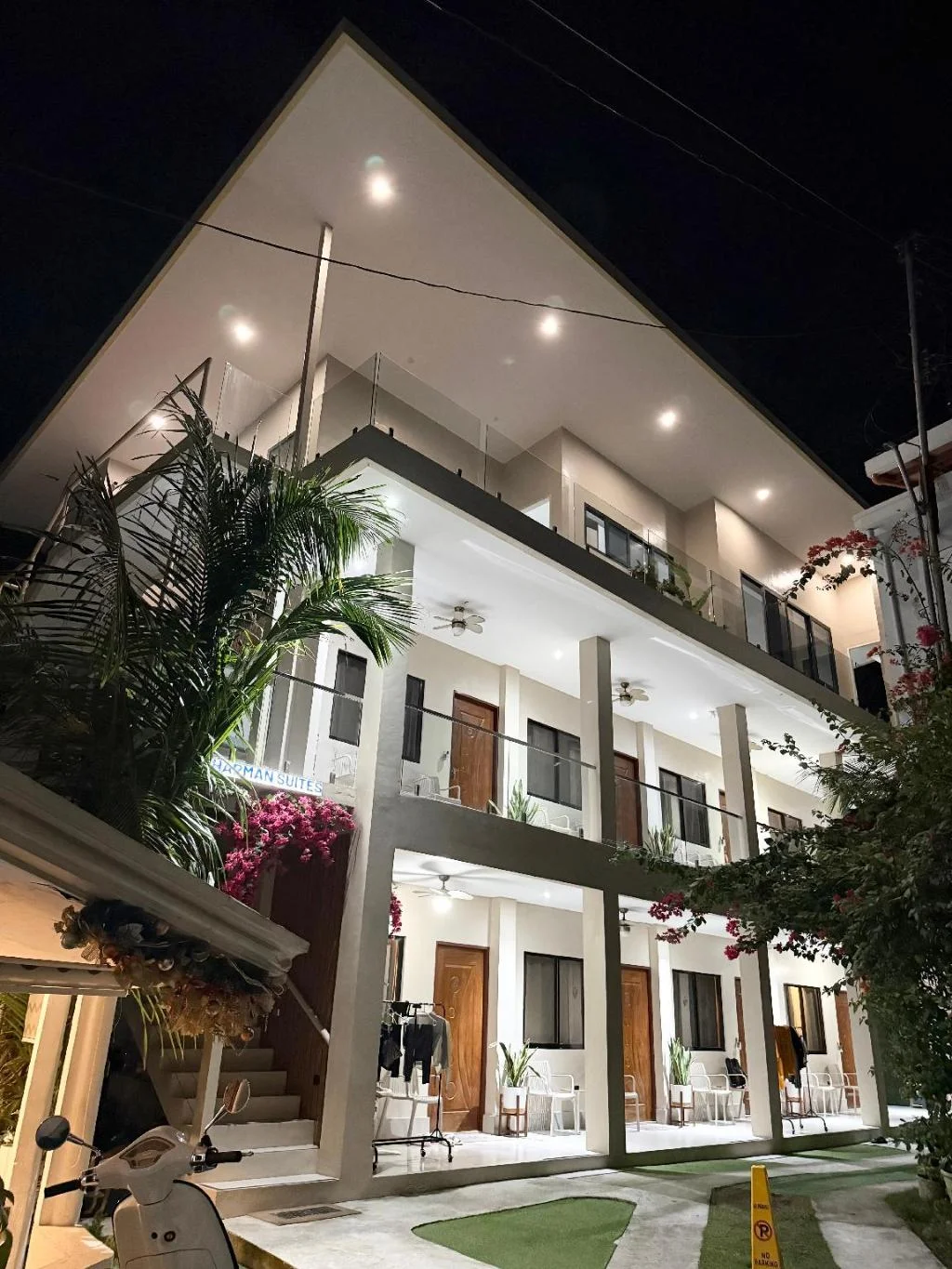
Harman Suites Moalboal
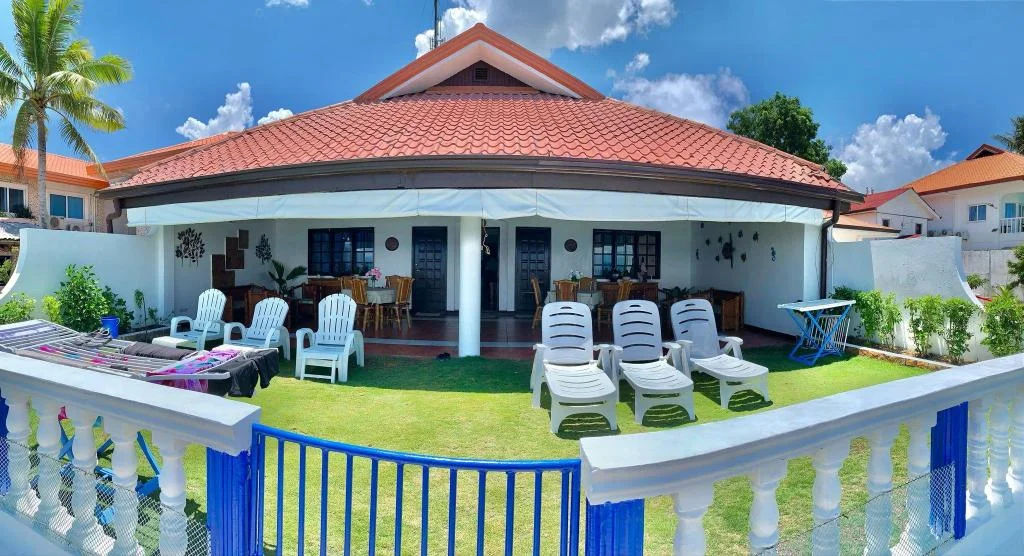
Il Sogno Resort
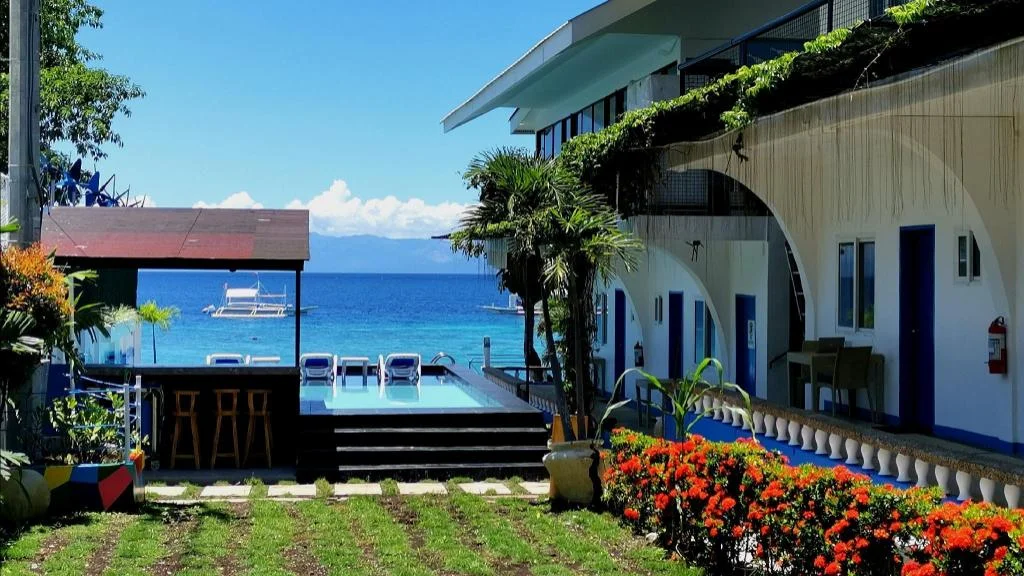
Pescadores Suites Moalboal
Prefer a rental? Vacation rentals near Moalboal
Self-catering condos and apartments — book the exact unit, kitchen included.
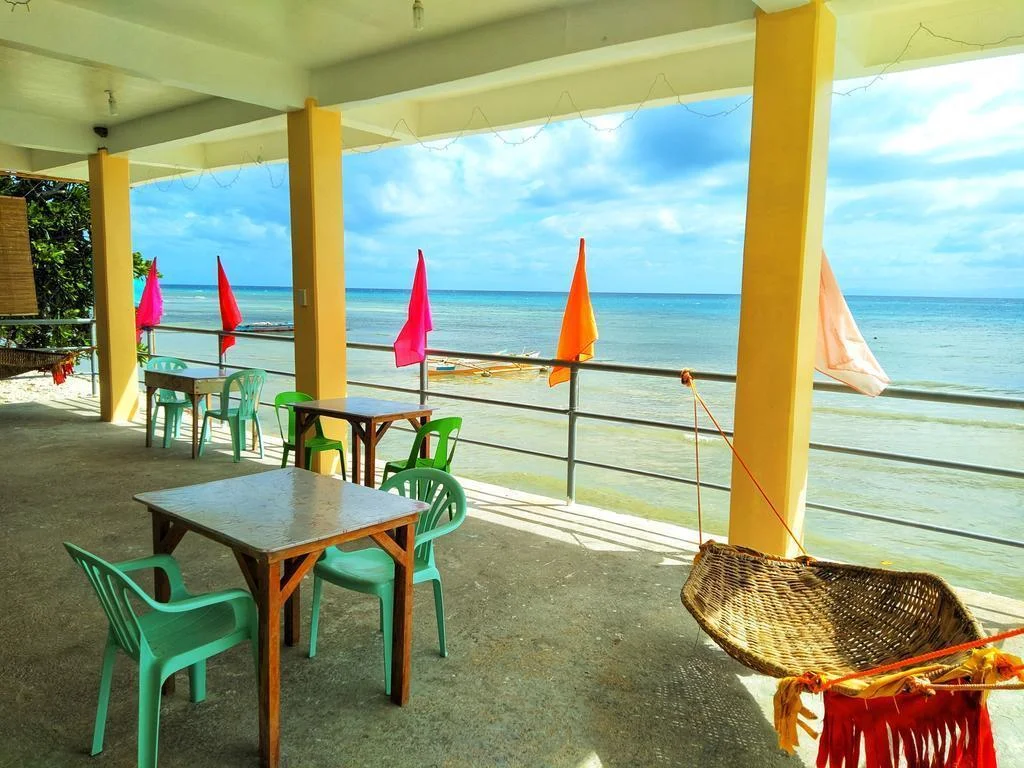
Ocean View Lodging House
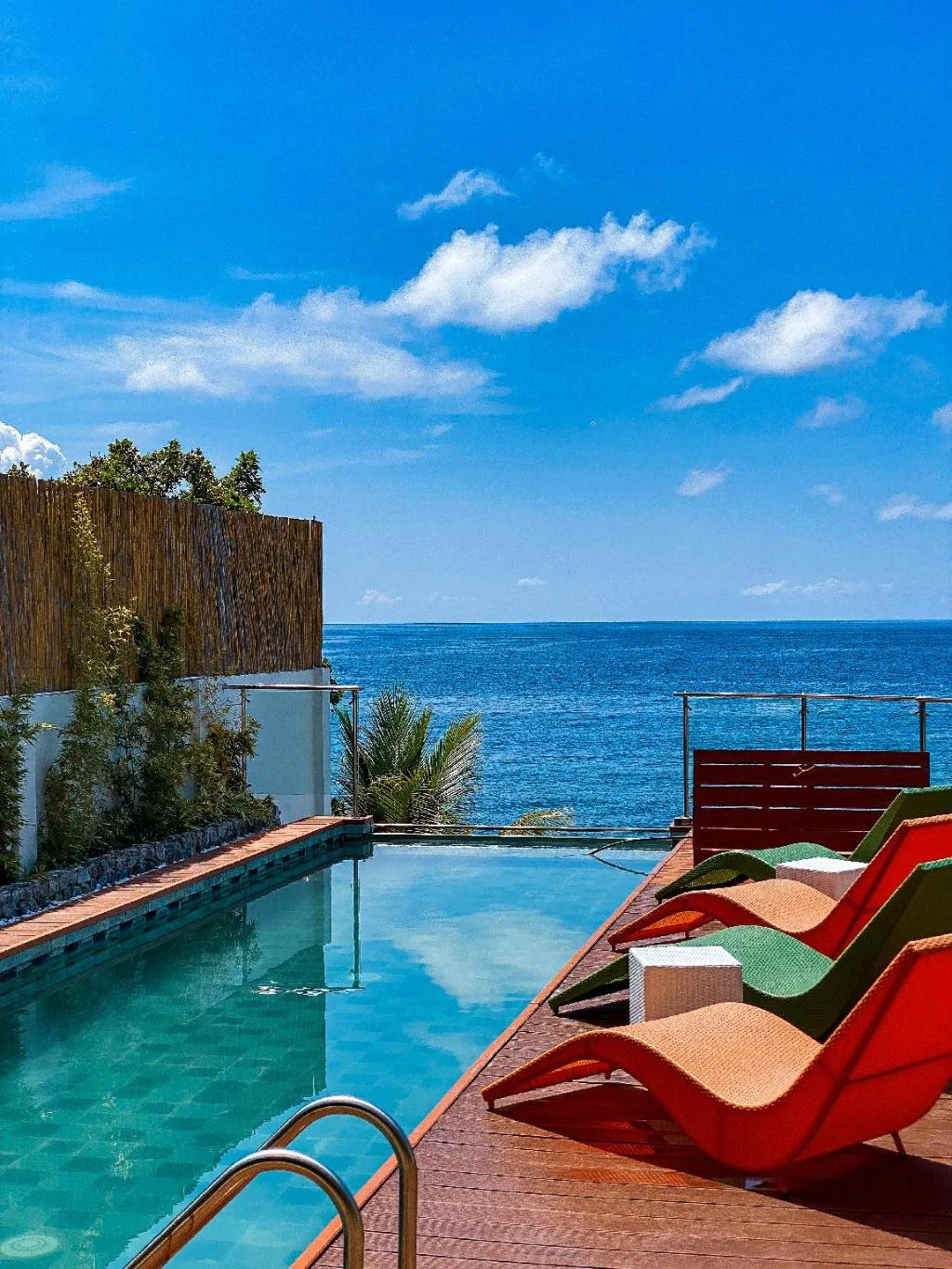
The South Hideaway Oslob
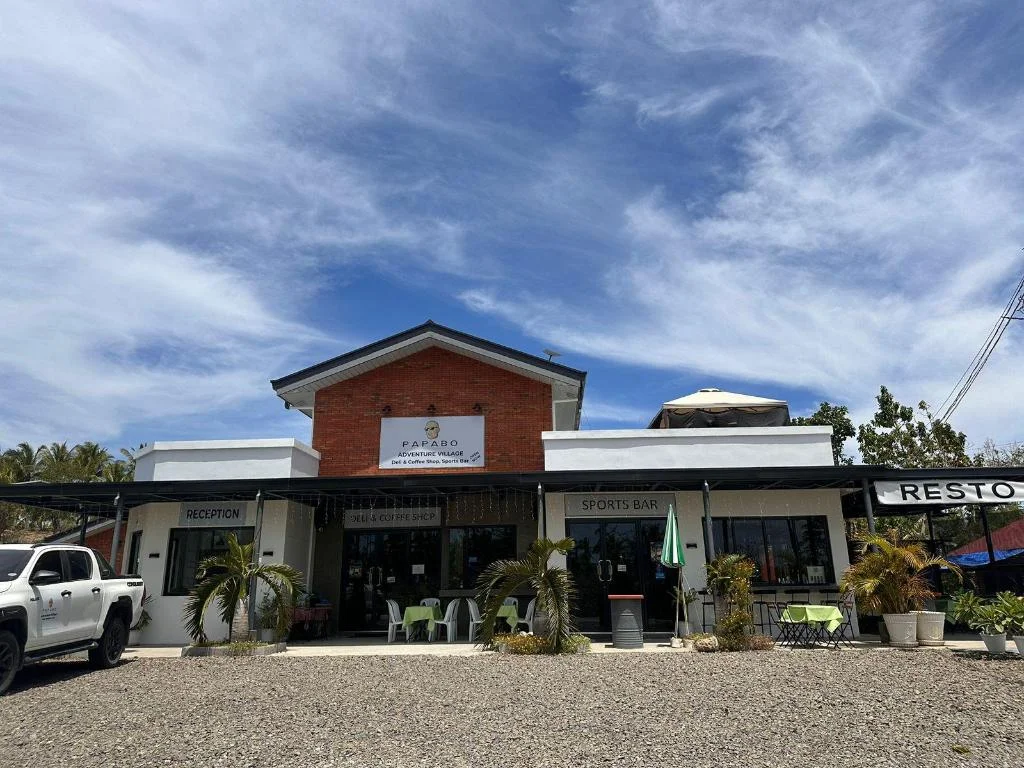
PAPABO Adventure Village
Before you go
Frequently asked
Where exactly is the Cebu South Bus Terminal?
How much is a bus from Cebu South Bus Terminal to Oslob?
Do I need to book a ticket in advance?
What's the terminal fee at Cebu South Bus Terminal?
Can I get to Kawasan Falls or Moalboal directly from here?
How do I get from Cebu South Bus Terminal to Dumaguete?
Is the Cebu South Bus Terminal safe?
Does the terminal close during Sinulog?
More Places to Explore
Whale Shark Watching
Oslob
Swim alongside gentle whale sharks, the world's largest fish, in one of the few places where these magnificent creatures can be reliably encountered.
Kawasan Falls
Badian
A stunning three-tiered waterfall famous for its turquoise waters, bamboo raft rides, and as the endpoint of the famous Badian canyoneering adventure.
Moalboal Sardine Run
Moalboal
Swim with millions of sardines in one of the world's only year-round sardine runs, just meters from shore.