
TL;DR: Ginatilan is a small, quiet municipality in Cebu’s deep south, about 148 km (4-5 hours by bus) from Cebu City. Its headline draw is Inambakan Falls, a five-tier, cave-backed waterfall in Barangay Calabawan (entrance ₱50 / ~US$0.86, plus ₱10 parking). The town also holds an 1854-1866 coral-stone Baroque church and the strongest — though unproven — claim to being the birthplace of Filipino saint Pedro Calungsod. It’s a worthwhile half-day stop paired with neighboring Samboan or Malabuyoc, not really a standalone day trip from Cebu City. Verified July 2026.
Ginatilan sits at the far southwestern edge of Cebu island, past Moalboal and Badian, where the bus routes thin out and the towns get smaller and quieter. It doesn’t have Kawasan’s crowds or Oslob’s tour buses — what it has is Inambakan Falls, a five-level cascade with a cave tucked behind the main curtain of water, plus a genuinely old church and a coastline that barely sees a foreign face. This guide is for travelers building a south Cebu waterfall route, chasing hidden gems past the usual Moalboal-Oslob loop, or simply curious about a town most Cebu itineraries skip entirely. We’ll cover what’s actually there, what it costs, how to get in and out, and how to fold it into a bigger trip through Samboan and Malabuyoc so the long ride south is worth it.
Ginatilan at a Glance
| What | Cost / Time | Notes |
|---|---|---|
| Inambakan Falls entrance | ₱50 (~US$0.86) + ₱10 parking | Cash only, 6:00 AM–5:00 PM daily |
| Cottage rental at the falls | From ₱300 (~US$5.17) | Available at the first level |
| Habal-habal, town to falls trailhead | ₱50–100/person one-way; ~₱150-200 round trip | 15-20 min, steep road |
| Bus, Cebu City to Ginatilan | ~₱150-180 (~US$2.60-3.10) | 4-5 hrs, “Bato via Barili” route |
| Private van / drive | ~2.5-3.5 hrs | Faster, more flexible for combos |
| Mainit Hot Spring (Malabuyoc, nearby) | ₱50 + ~₱20 parking | Good rainy-day or evening add-on |
Verified July 2026. Confirm fees locally — small-town entrance rates change without much notice.
What Is Ginatilan Known For?
Ginatilan is known mainly for one thing: Inambakan Falls, a waterfall locals will tell you rivals Kawasan without the crowds. Beyond the falls, the town’s other claims to fame are quieter — a well-preserved 19th-century church and a contested but locally proud connection to a Filipino saint.
The municipality has around 17,000 residents spread across 14 barangays, bordered by Malabuyoc to the north, Oslob to the east, Samboan to the south, and the Tañon Strait to the west — meaning Negros Island is visible from its higher ground on a clear day. Farming and fishing are still the backbone of the local economy, so don’t expect resort infrastructure; expect small eateries, a public market, and a pace that slows down noticeably once you’re off the highway.
Is Inambakan Falls Worth the Trip?
Yes — it’s a legitimate detour, not a padding entry on a “hidden gems” list. Inambakan Falls in Barangay Calabawan drops in five tiers down a roughly 30-meter (100-foot) main cascade, with a cave carved into the rock behind the curtain of water and a pool underneath deep enough to swim in. Travelers who’ve done both regularly describe it as calmer and less commercial than Kawasan Falls, with a similar bright turquoise pool but a fraction of the foot traffic.
The falls sit about 4 km inland from the town proper, in Barangay Calabawan. From the town center, hop on a habal-habal — the ride is short (15-20 minutes) but steep, so agree on a fare before you get on; expect somewhere around ₱50-100 per person one-way, or ₱150-200 round trip depending on your negotiating. Entrance at the falls is ₱50 (about US$0.86), plus ₱10 for parking if you drove in, and cottages at the first level start around ₱300 (about US$5.17) if you want a base for the day. Bring cash — there’s no digital payment option here. Life jackets have been reported as included with entrance at some points, but don’t count on it; bring your own if you’re not a confident swimmer, since some sections are deep.
Cliff jumping spots exist at a few of the levels for those who want it, and photographers will want the morning light, when the sun angles into the cave. Go dry season (December to May) for the clearest water — during heavier rains the pool can turn murky and the trail slicker.
What Else Is There to See in Ginatilan?
Past the falls, Ginatilan rewards a slower look. The St. Gregory the Great Parish Church in the town proper dates back to a parish founded in 1847, when Ginatilan was formally split off from neighboring Samboan. Construction on the current cruciform church began in 1854 and finished in 1866, built from coral stone and lime mortar in a restrained Baroque style, with a belltower added between 1883 and 1890. Inside, look for the murals along the nave and the statue of St. Gregory the Great, the town’s patron, honored every March.
Ginatilan also carries a quieter piece of Philippine history: it holds the strongest — though still debated — claim to being the birthplace of Pedro Calungsod, the young lay missionary martyred in Guam in 1672 and canonized in 2012 as the Philippines’ second saint. The town has the highest concentration of the Calungsod surname in Cebu and was the original claimant during his beatification process in the 1980s. Worth knowing before you go looking for a shrine, though: the main pilgrimage site dedicated to him, the Archdiocesan Shrine of Saint Pedro Calungsod, is in Cebu City, not in Ginatilan itself — there’s no dedicated monument in town yet, just the historical claim and local pride in it.
For a bit of a workout, Mount Hambubuyog straddles the Ginatilan-Samboan border and gives hikers a payoff view over the Tañon Strait toward Negros Island — ask locally for a guide, since it’s not a signposted tourist trail. And if you’re curious about local food, look for snacks made from the buli palm — palagsing, tinumpi, and kinugay — sold around the public market; they’re specific to this stretch of Cebu’s southwest coast and rarely make it into city bakeries.
How Do You Get to Ginatilan From Cebu City?
The most reliable way is the bus. From Cebu South Bus Terminal on N. Bacalso Avenue, look for a Ceres or Sunrays Bus Lines unit signed “Bato via Barili” — this route runs through Barili, Moalboal, Badian, Alegria, Ginatilan, and Samboan, with departures starting as early as 3:00 AM and running frequently through the day. Fare to Ginatilan runs roughly ₱150-180 (about US$2.60-3.10), and the ride takes about 4 to 5 hours depending on traffic and stops — ask the conductor to flag you at the Ginatilan town proper, since it isn’t the end of the line.
If you’d rather not sit through a multi-hour bus ride, hiring a private van or driving yourself cuts the trip to roughly 2.5 to 3.5 hours and gives you the flexibility to stop at waterfalls along the way — a common strategy for travelers stitching together several south Cebu falls in one loop (see our south Cebu waterfall trail route for how that’s usually sequenced). Once in Ginatilan, habal-habal is the way to reach Inambakan Falls and any other outlying spot — there’s no jeepney network to speak of once you’re off the highway.
How Do You Combine Ginatilan With Samboan and Malabuyoc?
Ginatilan’s real appeal is as a link in a longer south Cebu chain, not a solo destination. To the south, Samboan — see our Samboan guide — has its own well-known waterfalls, including Aguinid Falls and the multi-tier Dao Falls, both reachable via habal-habal from Samboan poblacion or, in Dao’s case, sometimes staged through Ginatilan depending on which trailhead your driver uses. To the north, Malabuyoc offers Mainit Hot Spring (around ₱50 entrance plus roughly ₱20 for parking) — a good way to soothe muscles after a day of waterfall hiking — and Montpellier Falls, a quieter alternative if you’ve already done the bigger-name falls.
A realistic day plan: start early from Moalboal or Badian, hit Inambakan Falls mid-morning before the heat sets in, grab lunch in Ginatilan poblacion, then continue south to Samboan for Aguinid or Dao Falls, or double back north to Malabuyoc for the hot spring as a wind-down. Trying to do all three towns properly in one day is possible with a private van and an early start, but it’s a long day — most travelers are better served picking two.
The Honest Take
Ginatilan won’t wow you with polish — there’s no boardwalk, no branded viewing deck, no souvenir strip. That’s exactly its appeal if you’ve already done Kawasan and Oslob and want to see a working Cebu town rather than a tourist stop dressed up as one. Inambakan Falls earns the trip on its own merits; the church and the Calungsod history are genuine bonuses for anyone who likes their waterfalls with a side of local history, not headline attractions in their own right.
Where it falls short: infrastructure is thin. Accommodation options in the town itself are limited, English isn’t as widely spoken as in Moalboal or Cebu City, and you’re relying heavily on habal-habal drivers and word of mouth for logistics. If that sounds like a hassle rather than an adventure, base yourself in Moalboal or Samboan and treat Ginatilan as a half-day stop rather than a place to sleep. And don’t go in expecting a polished Calungsod shrine — what you’ll find is a strong local claim and a town proud of it, not a pilgrimage complex.
Combine It With the Rest of Cebu
Ginatilan makes the most sense as one stop on a broader deep-south itinerary. Pair it with Samboan for Aguinid and Dao Falls, or fold it into a wider hunt for Cebu’s under-the-radar towns if you’re chasing places that haven’t been Instagrammed to death yet. If you want the fuller waterfall-hopping context first, our south Cebu waterfall trail route walks through how Inambakan, Dao, Aguinid, and the rest fit together as a multi-stop loop.
Getting there takes commitment — a long bus ride or a private van — so it rewards travelers who build it into a two- or three-day south Cebu run rather than trying to bolt it onto a single rushed day trip. If you’re arranging your own transport, compare van and car rental options to see what fits your route, or browse Moalboal-area stays as your base for the night before you push further south.
Sources
- Ginatilan — Wikipedia (population, geography, church, Calungsod connection)
- Inambakan Falls — Lakwatsero and JourneyEra (entrance fees, access, description)
- A Witness: The St. Gregory Church of Ginatilan (church history and construction dates)
- Pedro Calungsod — Wikipedia (birthplace claim, shrine location)
- Dao Falls, Samboan — Journeyera / NoPostcode (location, access)
- Mainit Hot Spring, Malabuyoc — JourneyEra (entrance fee)
- Bus fares and routes cross-checked against recent traveler reports for the Cebu South Bus Terminal “Bato via Barili” line. Confirm current fees and schedules locally. Verified July 2026.
Book Tours & Hotels for This Trip
Find and book the best deals — prices and availability update in real time. Links open in a new tab.
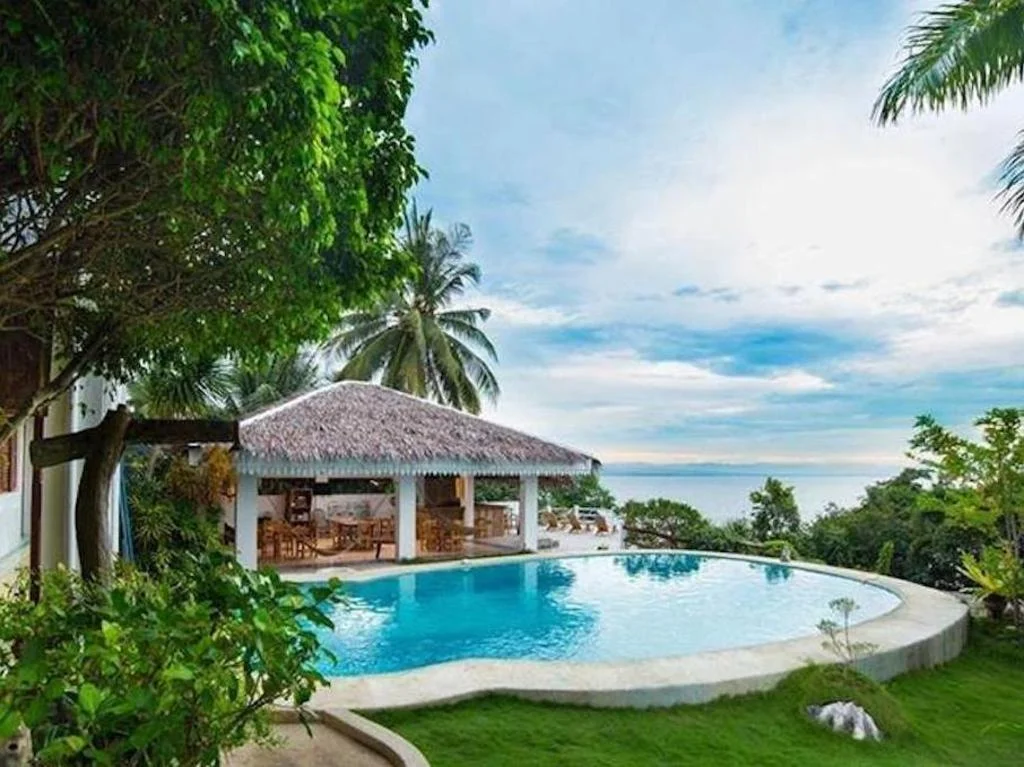
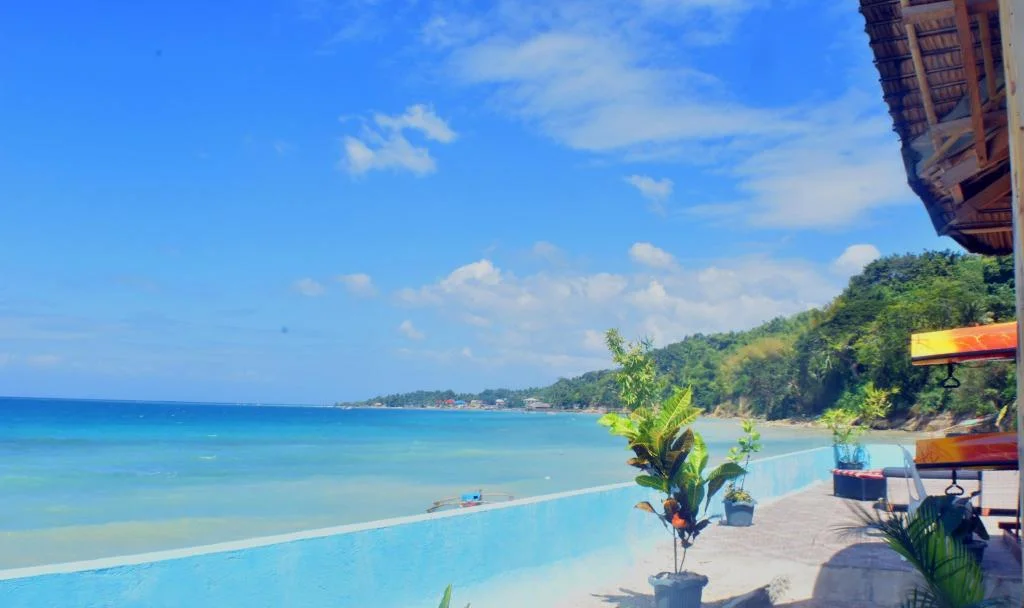
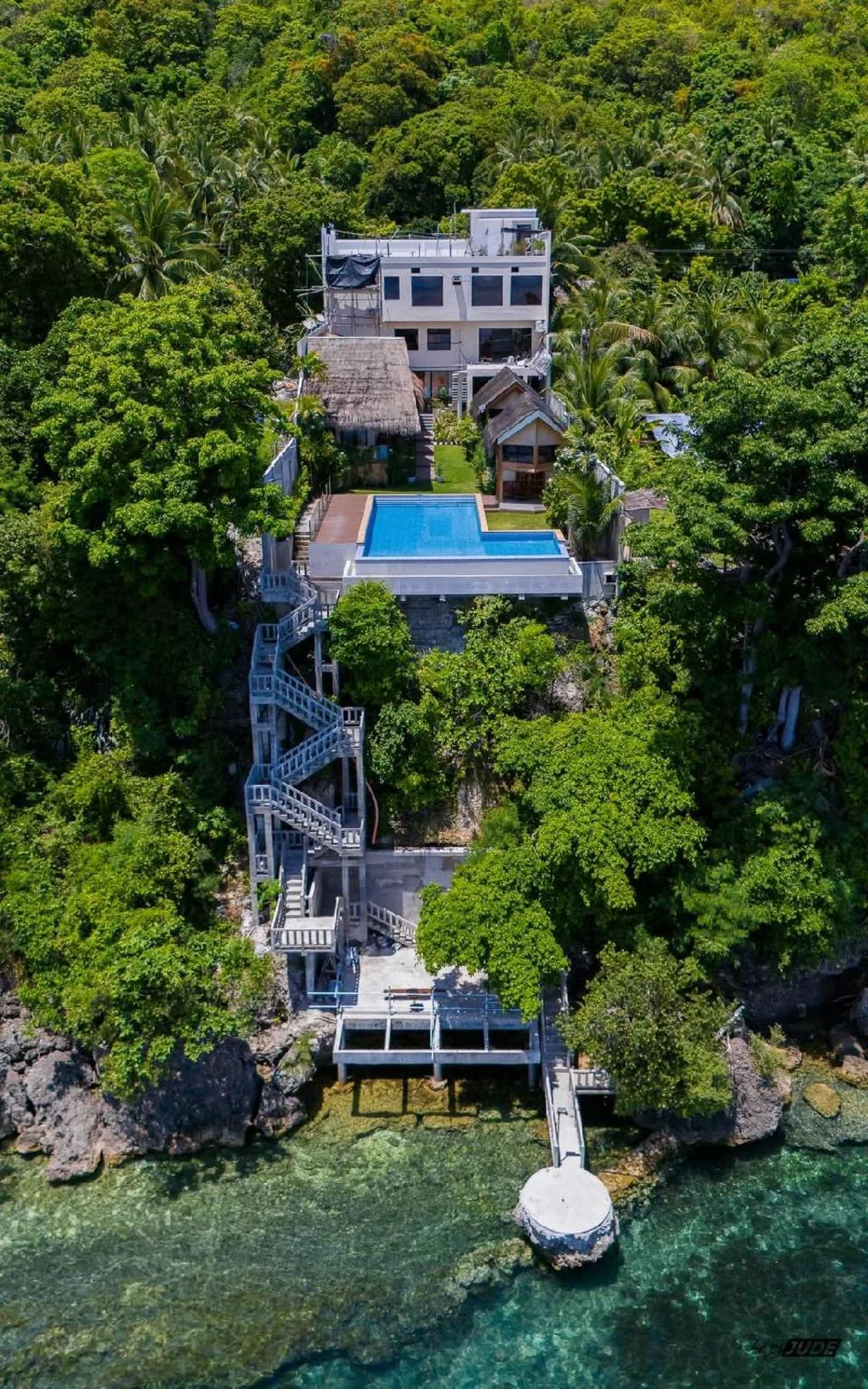
Where to stay near Samboan
Top-rated hotels for this trip — tap through to check live rates.
Before you go
Frequently asked
How much does it cost to visit Inambakan Falls?
How do you get to Ginatilan from Cebu City?
Is Ginatilan worth visiting?
What else is there to do in Ginatilan besides Inambakan Falls?
Can you visit Ginatilan as a day trip from Cebu City?
Is Ginatilan the birthplace of Pedro Calungsod?
What's the best time to visit Inambakan Falls?
Where do you stay near Ginatilan?
More Places to Explore
Inambakan Falls
Ginatilan
A stunning 100-foot multi-tiered waterfall with five levels to explore and azure swimming pools.
Dao Falls
Samboan
Samboan's tallest waterfall at 120+ meters, reached via an adventurous jungle trek with river crossings.
Mainit Hot Spring
Malabuyoc
A natural geothermal hot spring with therapeutic mineral-rich waters, offering a unique wellness experience in Malabuyoc.
Montpellier Falls
Malabuyoc
A scenic multi-level waterfall in Malabuyoc's highlands, reached via a moderate trek through forests and farmlands.