
TL;DR: Two ways from Malapascua to Bantayan Island: the direct Juan Juana Tours boat (~3 hrs, ~₱3,715/US$60, weather-dependent) or the Maya-Hagnaya land backtrack (~3-4 hrs, ~₱2,090-3,235/US$34-52). The land route is cheaper and more reliable; the direct boat saves connections if it’s running. Verified July 2026.
Malapascua and Bantayan sit close together on a map — a short hop across the Visayan Sea — but there’s no fast, cheap, reliable ferry connecting them directly. Most travelers doing both islands either don’t realize a direct option exists, or assume backtracking through the mainland is the only way. Both are workable; this guide breaks down the real trade-offs so you can pick based on your budget, your schedule, and how much you trust a weather-dependent boat.
Malapascua to Bantayan: Both Routes at a Glance
| Route | Legs | Total time | Total fare (one-way, per person) |
|---|---|---|---|
| Direct boat | Malapascua → Santa Fe (Juan Juana Tours) | ~3 hours | ~₱3,715 (~US$60) |
| Land backtrack | Malapascua → Maya (boat) → Hagnaya (taxi/habal-habal) → Santa Fe (ferry) | ~3-4 hours + connection waits | ~₱2,090-3,235 (~US$34-52) |
Fares and schedules are weather- and operator-dependent — confirm the day’s sailing before committing to either option. Verified July 2026.
Option 1: The Direct Boat (Juan Juana Tours)
Juan Juana Tours runs the only direct passenger service between Malapascua and Santa Fe, Bantayan — a roughly 3-hour crossing. Published departures run Malapascua-to-Santa Fe around 6 AM and 10 AM, with a return sailing from Santa Fe around 1 PM, priced at roughly ₱3,715 (about US$60) per passenger in economy class, with senior, child, and PWD discounts of up to 20%. It’s a RORO-type vessel that can also carry motorbikes at a separate tariff.
The catch is reliability. Juan Juana operates smaller vessels than the RORO ferries running Hagnaya-Santa Fe, which makes the route noticeably more weather-sensitive — rough-sea days get cancelled more readily, and the published schedule should be treated as a guideline rather than a guarantee. It’s worth calling the operator directly or asking your resort to confirm the day’s sailing before you build a tight connection around it, especially outside the December-May dry season.
Book it if: you want to minimize transfers, you’re traveling with dive gear or luggage you’d rather not shuttle across three separate legs, or the schedule happens to line up with your dates and the sea’s cooperating.
Option 2: The Land Backtrack (Maya to Hagnaya)
For most travelers, backtracking through the mainland is the more dependable path — more legs, but each one is a well-established, frequent route. The sequence:
- Boat from Malapascua to Maya Port — a public outrigger boat, about 30-35 minutes, running roughly ₱295-340 including the environmental and terminal fees. Boats run at intervals from early morning to late afternoon; see our Cebu to Malapascua via Maya Port guide for the full fare breakdown of this leg.
- Taxi or habal-habal from Maya to Hagnaya Port — about an hour by road, roughly ₱1,500 for a taxi (shareable across your group) or a cheaper but slower habal-habal for solo travelers.
- Hagnaya-Santa Fe ferry — Super Shuttle Ferry or Island Shipping, about 1-1.5 hours, ₱295-396 plus a roughly ₱20-25 terminal fee. Both operators run frequent daily sailings; our Cebu to Bantayan ferry guide has the full schedule for both.
Total cost lands around ₱2,090-3,235 (US$34-52), meaningfully cheaper than the direct boat, and every individual leg has multiple daily departures rather than a single thin-schedule operator. The trade-off is obvious: three separate transfers instead of one, with waiting time at each connection point.
Take this route if: budget matters, you’re traveling outside a guaranteed-calm window, or you’d rather have three reliable legs than depend on one weather-sensitive direct boat with a limited daily schedule.
How Do the Two Ports Compare?
Maya Port and Hagnaya Port are structurally similar — both are working provincial piers rather than polished tourist terminals, both handle a mix of passenger and cargo traffic, and both post schedules that shift with tides more than a printed timetable suggests. The practical difference for this specific trip is volume: Hagnaya sees roughly 17 combined daily sailings between Super Shuttle Ferry and Island Shipping, which means if you miss one Hagnaya-Santa Fe departure, another is rarely more than an hour or two away. Maya’s public boats to Malapascua run less frequently and depend more on filling up with passengers before departing, so build slightly more slack around that leg specifically if you’re doing the land route.
When Does Each Option Actually Make Sense?
Choose the direct boat when the schedule lines up and the forecast is calm — typically within the December-to-May dry season, when Juan Juana’s smaller vessels are least likely to face cancellation, and when your dates match one of its limited daily departures. It’s genuinely the simpler option on paper: one boarding, roughly 3 hours, done.
Choose the land route as your default, and definitely as your backup plan. If you’re traveling during the Habagat season (roughly July-October), if your itinerary has a hard deadline (a same-day flight, a booked resort check-in), or if you simply can’t confirm Juan Juana’s current schedule before you need to travel, the Maya-Hagnaya backtrack removes the single point of failure. A private boat charter straight from Malapascua to Bantayan is a third, less formal option some groups arrange directly with boatmen on Bounty Beach for roughly ₱2,000-3,500 total — not per person — which can beat the ferry-plus-taxi combo when split across 4-6 people, though there’s no fixed schedule and you’re negotiating a charter rather than booking a ticket.
What to Pack and What to Confirm Before You Travel
Whichever option you pick, carry cash and confirm the same-day schedule rather than trusting a fixed timetable. Neither Juan Juana Tours’ direct boat nor the Hagnaya port ticket windows reliably take cards, and both routes involve at least one open-water crossing where a “same time every day” schedule is really a guideline that shifts with tides and weather. If you’re on the direct boat, message the operator or ask your Malapascua resort to confirm the morning sailing the evening before — a cancelled 6 AM departure with no backup plan can cost you most of a day.
For the land route, pack light enough to comfortably carry your own bags across three separate handoffs — boat to taxi, taxi to ferry terminal, ferry to your Santa Fe resort. A single duffel or a backpack beats a hard-sided suitcase here, since you’ll be stepping in and out of small boats and negotiating uneven pier surfaces more than once. And on either route, build in a buffer rather than scheduling a same-day onward connection — a flight out of Mactan-Cebu, a booked island-hopping tour, or a tight resort check-in window right after you land in Santa Fe turns a manageable inconvenience into a real problem if any single leg runs late.
One more honest note on timing: both routes eat most of a travel day. Don’t plan to dive, snorkel, or do any real sightseeing on the day you make this crossing in either direction — treat it as a transit day, arrive relaxed about losing the afternoon, and start fresh on your first full day at the destination island.
The Honest Take
This is the least convenient inter-island hop in this part of Cebu, and neither option changes that fact — you’re either paying a real premium for a thin-schedule direct boat, or accepting a longer, multi-leg day for a lower price and better reliability. If you have flexibility, the direct boat is worth trying first and simply not planning anything time-sensitive around it; if you have a hard deadline anywhere on either end of your trip, default to the land route and treat the direct boat as a nice-to-have rather than a plan. Either way, confirm the actual sailing with the operator or a local contact on the day, not a fixed schedule found online — including this one.
Sources
- Pamasahe.com — Malapascua-Bantayan Juan Juana Tours schedule and fares
- Pamasahe.com — Hagnaya-Santa Fe Super Shuttle Ferry schedule and fares
- Maya Port and Hagnaya Port land-leg fares cross-checked against 2025-2026 traveler reports and operator pages. Verified July 2026.
For the full 5-day version of this route woven into a complete itinerary, see our Cebu, Malapascua & Bantayan north loop. If you’re focused on Bantayan once you arrive, our Bantayan Island 3-day itinerary picks up from here.
Book Tours & Hotels for This Trip
Find and book the best deals — prices and availability update in real time. Links open in a new tab.
Where to stay near Daanbantayan
Top-rated hotels for this trip — tap through to check live rates.
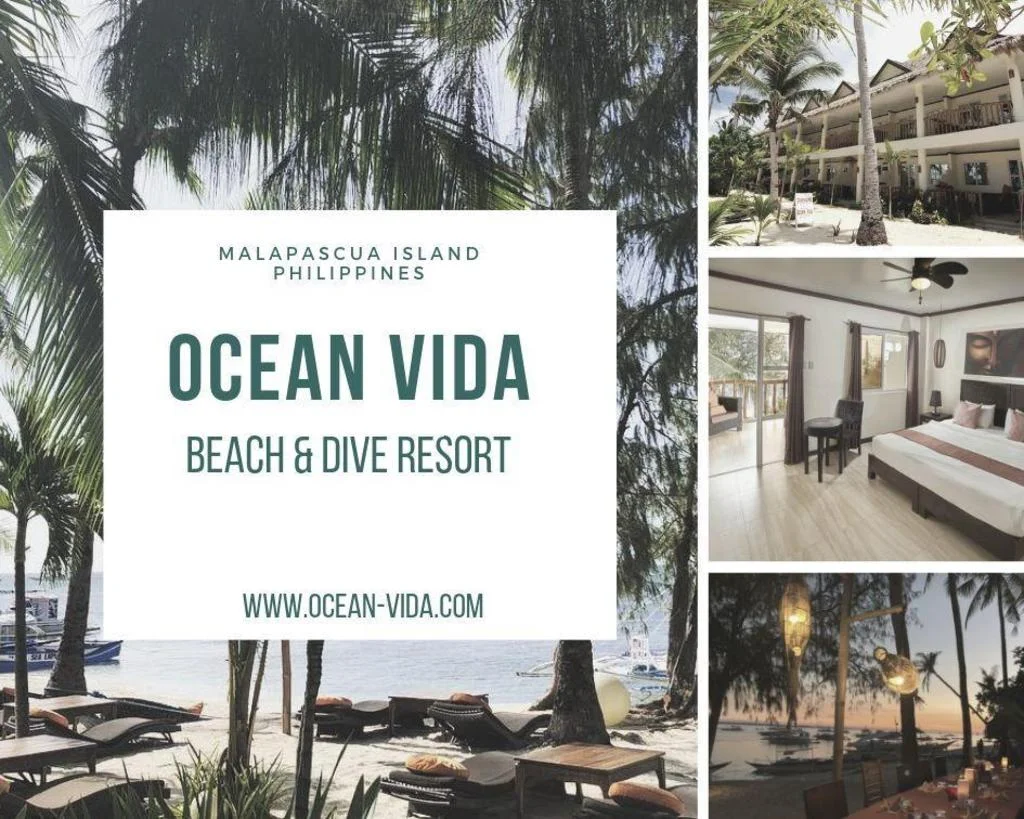
Ocean Vida Resort
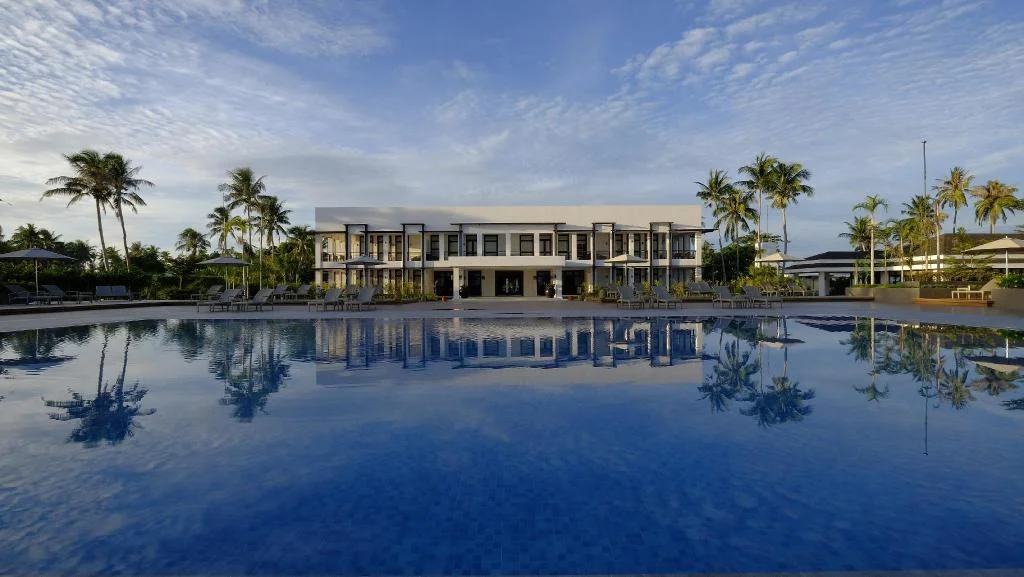
Kandaya Resort
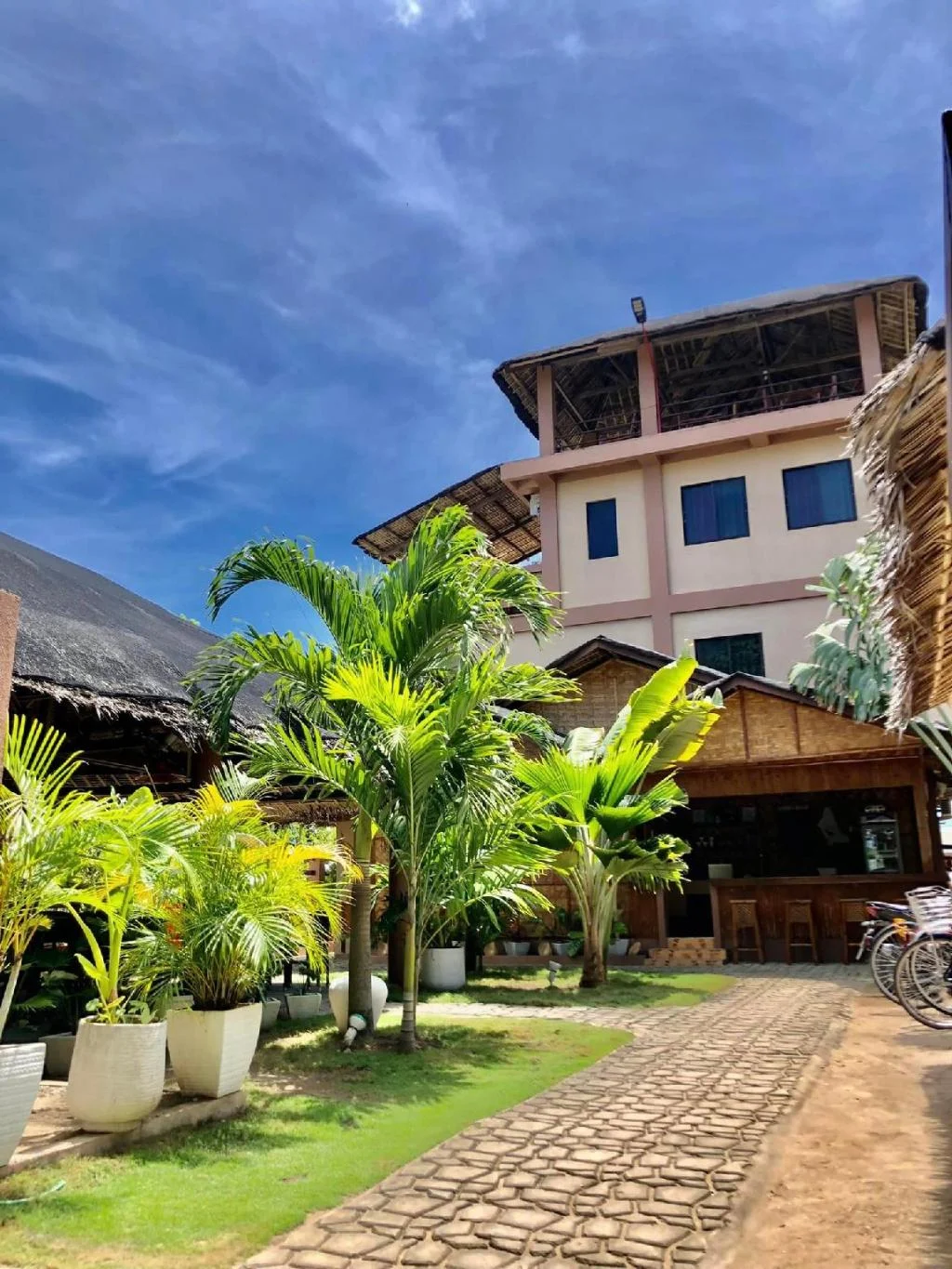
Anahaw Seaside Inn
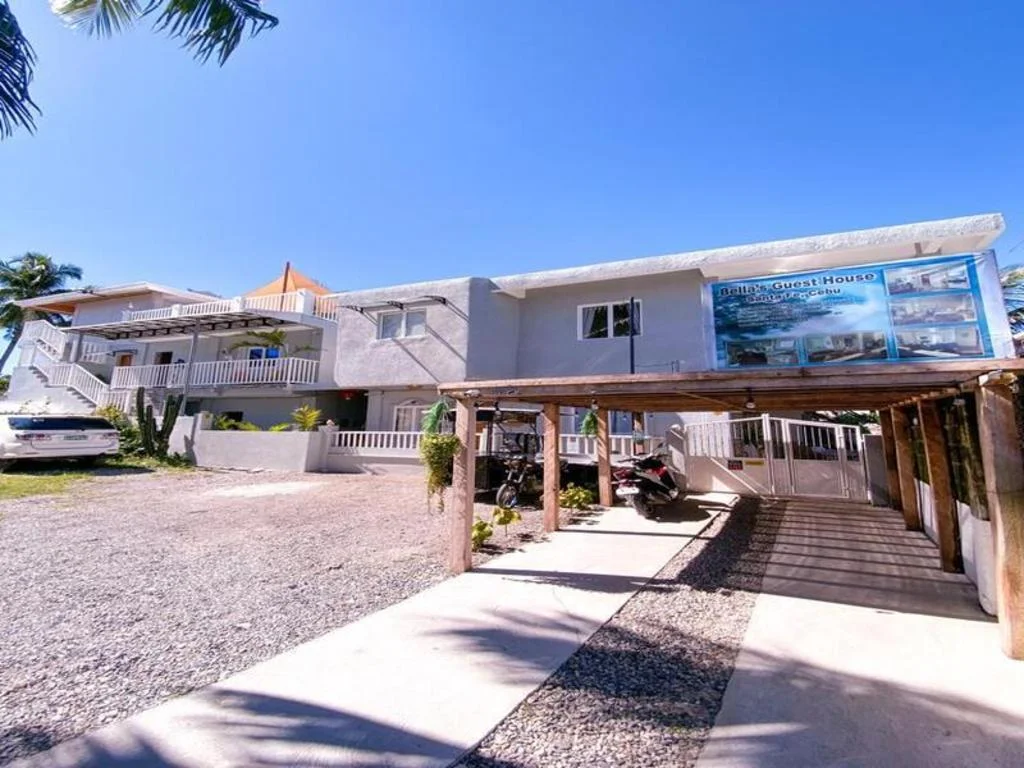
Bella's Guest House
Prefer a rental? Vacation rentals near Daanbantayan
Self-catering condos and apartments — book the exact unit, kitchen included.
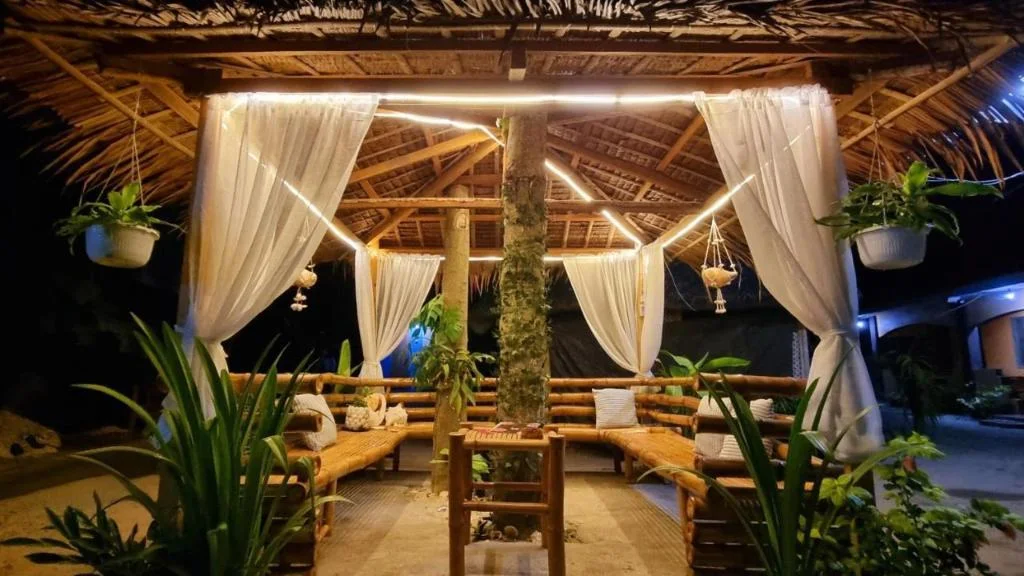
Edsan Apartment
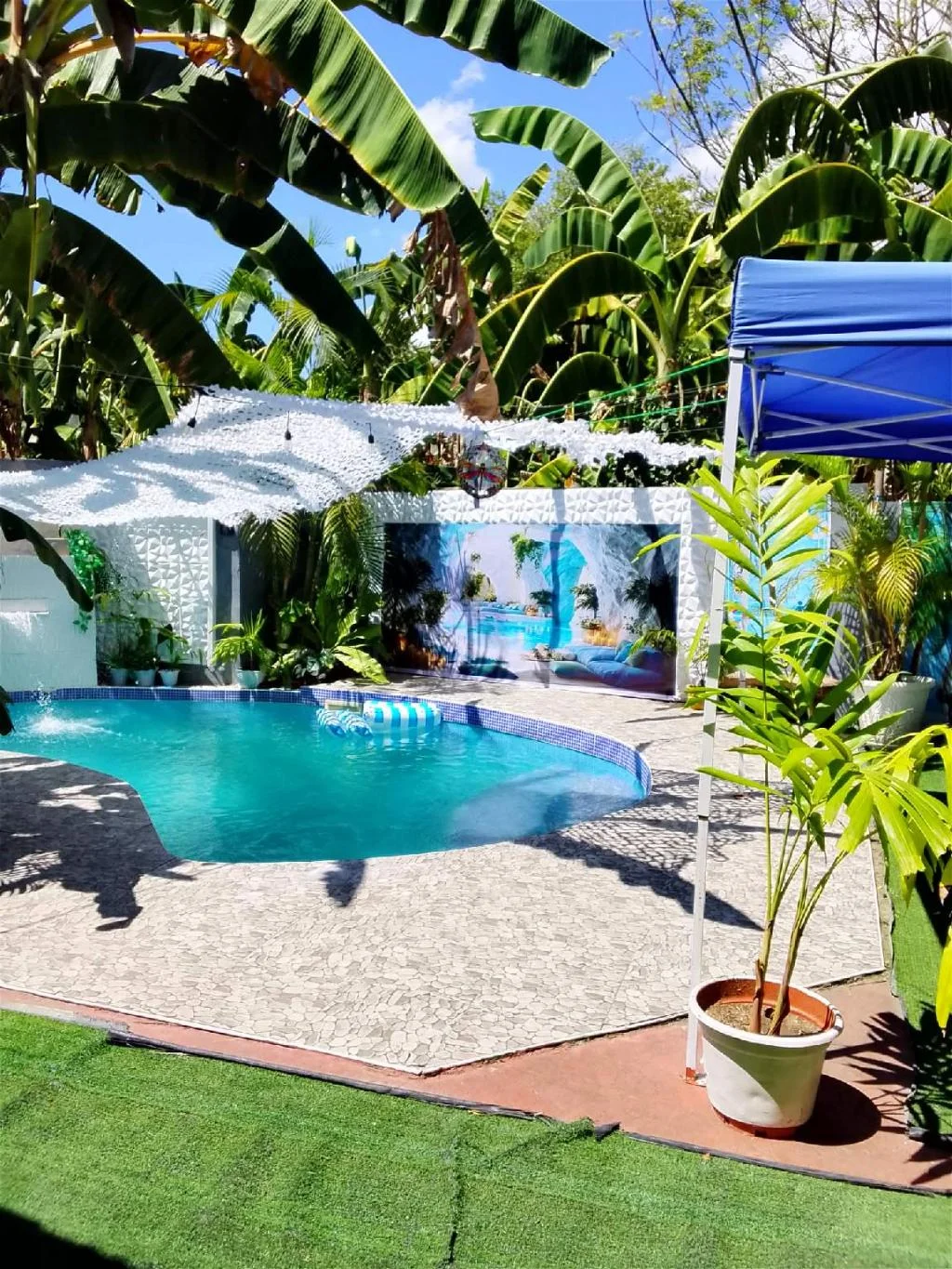
Two crazy monkeys
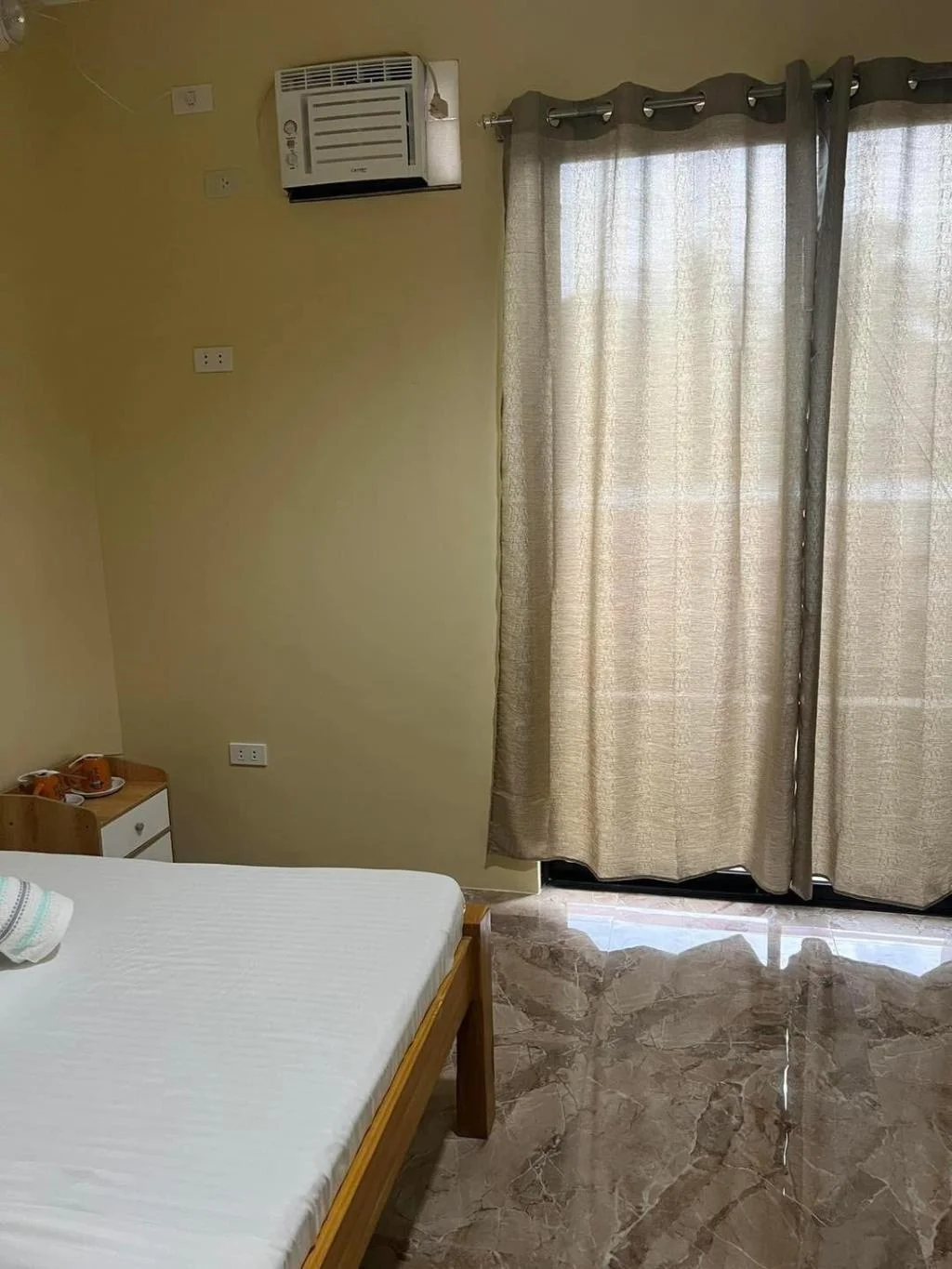
Seamed Guest House - Couple room
Before you go
Frequently asked
Is there a direct boat from Malapascua to Bantayan Island?
What's the alternative to the direct Malapascua-Bantayan boat?
How much does the direct Juan Juana Tours boat cost?
How often does the direct boat run?
Which option should I choose — direct boat or the land route?
How long does the whole trip take either way?
Can you do this trip in the opposite direction, Bantayan to Malapascua?
More Places to Explore
Malapascua Island
Daanbantayan
A world-famous diving paradise known for thresher shark encounters, featuring beautiful white sand beaches and laid-back island vibes.
Maya Port
Daanbantayan
The bustling fishing port that serves as the gateway to Malapascua Island and showcases traditional northern Cebu fishing culture.
Kota Beach
Santa Fe
Bantayan Island's most iconic beach with pristine white sand, crystal-clear waters, and a stunning shifting sandbar during low tide.