
TL;DR: Olango Island, a short ferry ride off Mactan, is Cebu’s main birdwatching destination — a 1,030-hectare wetland sanctuary where up to 40,000 migratory shorebirds stop over between November and February. Expect a mangrove boardwalk, an observation tower, and a modest entrance fee in the ₱30–100 (US$0.50–1.70) range. Ferries run from Punta Engaño (~30 min) or Angasil Port (~15–20 min) for small fares, and you can pair the sanctuary with snorkeling at nearby Hilutungan or Nalusuan in the same day. Verified July 2026.
Most first-time visitors to Cebu never make it past Mactan’s resort strip, which is exactly why Olango Island Wildlife Sanctuary feels like a different trip entirely. It’s a flat, quiet island a few kilometers off Mactan’s eastern coast, built around mangroves and tidal flats instead of white sand — one of the few places in the Philippines where migratory birds from as far as Siberia touch down every winter. This guide covers what the sanctuary actually is, how to get there by ferry, what it costs, when the bird season peaks, and how to build it into a day trip with the reefs and sandbars nearby.
Olango Island at a Glance
| Item | Cost (PHP) | Cost (USD) | Notes |
|---|---|---|---|
| Ferry: Punta Engaño ↔ Olango pier | ~₱15–50 one-way + ~₱10 terminal fee | ~US$0.30–0.90 | ~30-min crossing; fares differ by operator (Trans-Olango, Jomalia) |
| Ferry: Angasil Port ↔ Santa Rosa, Olango | ~₱40 one-way | ~US$0.70 | Shorter, ~15–20-min crossing |
| Wildlife Sanctuary entrance | ₱30–100 | US$0.50–1.70 | Reports vary by source/rate type — confirm at the gate |
| Guide + boardwalk tour | Included at entrance | – | Assigned at the visitor center |
| San Vicente Marine Sanctuary (swim/snorkel, nearby) | ₱80 swim w/ vest + ₱200 group env. fee (per 10 pax) + ₱180 gear rental | ~US$1.40 + US$3.40 + US$3.10 | Small reef adjoining the sanctuary area |
| Hilutungan Marine Sanctuary entrance | ₱150–250/person | US$2.60–4.30 | Popular joiner-tour stop |
| Nalusuan Island Marine Sanctuary entrance | ₱400–550/person | US$6.90–9.50 | Higher fee, better-kept house reef |
| Joiner island-hopping tour (with lunch, guide, gear) | ~₱1,200–2,500/person | US$21–43 | Klook/GetYourGuide packages, varies with operator |
Verified July 2026. Ferry and entrance fees are reported inconsistently across operators and blogs — treat these as ranges and confirm the current rate at the terminal or gate before you pay.
How Do You Get to Olango Island?
Two small ferry routes connect Olango to Mactan, and neither takes more than half an hour. The main one runs from Punta Engaño, near the Mactan resort strip (close to the Shangri-La/Movenpick area), across to the pier on Olango — about a 30-minute ride on operators like Trans-Olango Shipping or Jomalia Shipping, with a handful of departures a day (roughly every couple of hours). The second, faster option is from Angasil Port to Santa Rosa on Olango, a shorter 15–20-minute hop that runs more frequently through the day.
Fares are small change either way, but reported numbers bounce around depending on the source and season — some list ₱15, others ₱40–50 plus a small terminal fee. Bring loose bills and confirm the posted fare at the ticket window; don’t rely on numbers from an old blog post. If you’re staying in Mactan or Cebu City, get to Punta Engaño by Grab or taxi — it’s inside greater Lapu-Lapu City (see our Lapu-Lapu City & Mactan guide for getting around the area).
What Is the Olango Island Wildlife Sanctuary?
It’s a protected wetland — mangroves, sandflats, and tidal mudflats spanning roughly 1,030 hectares — set aside specifically for migratory shorebirds. The sanctuary is one of the most important stopover sites in the Central Visayas for birds flying the East Asian-Australasian flyway, hosting close to 97 recorded species, about half of them migratory arrivals and the rest year-round residents.
At the entrance you’ll typically get assigned a guide who walks you along a roughly 500-meter bamboo boardwalk through the mangrove stands — signposted by species — out to bird hides and an observation tower overlooking the mudflats. Binoculars are usually available to borrow. The best viewing window each day is a couple of hours before high tide, when the water pushes birds off the exposed flats and concentrates them closer to the hides.
When Is the Best Time to See the Birds?
Peak migration runs November through February, when an estimated 40,000 birds — egrets, sandpipers, plovers, curlews, and more — arrive from as far as Siberia, northern China, and Japan to feed and rest before continuing south (or heading back north come spring). Some local guides flag October–November and February–March specifically as strong shoulder windows for diversity, since that’s when arriving and departing flocks overlap with residents.
Visit outside this window and you’ll still see resident herons, egrets, and the mangrove ecosystem itself, but the mudflats will be noticeably quieter. If birds are the whole point of your trip, build your Cebu dates around the November–February stretch.
Is Olango Worth a Day Trip?
If you want nature and quiet over another beach resort day, yes. Olango isn’t a swimming destination in the way Mactan or Bantayan are — it’s flat, low-key, and built around the sanctuary rather than a beach club. Come for the boardwalk, the birds (if you’re in season), and a look at a slower, fishing-village side of greater Cebu that most tourists skip entirely.
Where it earns its keep is as a half-day add-on: pair the sanctuary in the morning with a snorkeling stop at Hilutungan Marine Sanctuary or Nalusuan Island Marine Sanctuary in the afternoon — both sit in the same stretch of water off Mactan and show up on most joiner island-hopping tours (see our Mactan island-hopping guide for how those packages work). There’s also a smaller San Vicente Marine Sanctuary right by the wildlife sanctuary gate, with modest swim and snorkel fees, if you’d rather not book a separate boat.
Are There Reefs and Sandbars Near Olango?
Yes — Olango sits at the edge of the same reef system that makes Hilutungan and Nalusuan popular joiner-tour stops. Hilutungan’s entrance runs roughly ₱150–250 per person and Nalusuan’s ₱400–550, both noticeably cheaper if bundled into a joiner tour (typically ₱1,200–2,500 per person with lunch, a guide, and snorkel gear included) rather than paid separately. Expect coral bommies, reef fish, and — depending on the day and operator — a resident green sea turtle or two.
If you’d rather skip the packaged tour and DIY it, boats can usually be arranged directly at the ports around Punta Engaño and Angasil, though prices and availability depend on who’s around that day. For a set itinerary and fixed pricing, browse island-hopping and bird sanctuary tours around Cebu on Klook.
Where Do You Eat on Olango?
Don’t expect restaurants — Olango’s food scene is small carinderias near the ports and the town center, serving fresh fried fish, grilled seafood, and simple rice meals sourced straight from local fishermen. It’s cheap and good, but bring cash; card payment isn’t a thing here and ATMs are scarce on the island.
How to Plan Your Day
- Morning: Cross by ferry from Punta Engaño or Angasil (aim for an early departure to catch better tide conditions for birdwatching).
- Sanctuary visit: Pay the entrance fee, get assigned a guide, and walk the mangrove boardwalk to the observation tower — budget 1–2 hours.
- Lunch: Grab fried fish or grilled seafood at a local eatery near the port.
- Afternoon: Either snorkel at San Vicente Marine Sanctuary right there, or take a joiner boat over to Hilutungan or Nalusuan for reef time.
- Return: Catch an afternoon ferry back to Mactan before the last scheduled trip — confirm return times when you buy your outbound ticket, since afternoon departures are limited.
If you’d rather not manage ferry timing yourself, a packaged tour that bundles the sanctuary with island hopping removes the guesswork — compare Cebu day tours on GetYourGuide.
The Honest Take
Olango rewards a specific kind of traveler: someone who wants birds, mangroves, and a slower pace over another beach day. If you show up outside the November–February migration window, the sanctuary is still pleasant but noticeably less dramatic — you’re walking a nice boardwalk through mangroves rather than watching thousands of birds work a mudflat. Manage that expectation before you book the ferry.
It’s also not a swimming destination in its own right. The island’s coastline is mostly flats and fishing village frontage, not a resort beach — if postcard sand is what you want, stay on Mactan or head to Bantayan (see best islands to visit near Cebu). Where Olango genuinely delivers is as a half-day nature counterweight to a beach- and bar-heavy Cebu itinerary, especially if you can combine it with a reef stop the same day.
Combine It With the Rest of Cebu
Olango pairs naturally with the rest of a Mactan-based trip — do the sanctuary and mangroves in the morning, snorkel Hilutungan or Nalusuan in the afternoon, and you’ve covered wildlife and reef in a single day without leaving greater Lapu-Lapu City. For more low-key nature options around the metro, see our roundup of best nature escapes near Cebu City, and for where to base yourself before or after, check our Lapu-Lapu City and Mactan travel guide.
Sources
- Protected Area Information System (PAIS) — DENR Biodiversity Management Bureau, Olango Island Wildlife Sanctuary
- Pamasahe.com — Punta Engaño–Olango Island ferry schedules and fares (Trans-Olango & Jomalia Shipping)
- Ports and Ferries — Jomalia Shipping Punta Engaño–Olango schedule
- Recent visitor trip reports and travel blogs on entrance fees, boardwalk length, and bird migration timing, cross-checked across multiple 2024–2026 sources. Verified July 2026.
Ready to see it for yourself? Book a ferry crossing on your own for a DIY day, or browse Cebu island-hopping and nature tours on Klook to bundle Olango with a reef stop in one trip.
Book Tours & Hotels for This Trip
Find and book the best deals — prices and availability update in real time. Links open in a new tab.
Where to stay near Lapu-Lapu City
Top-rated hotels for this trip — tap through to check live rates.
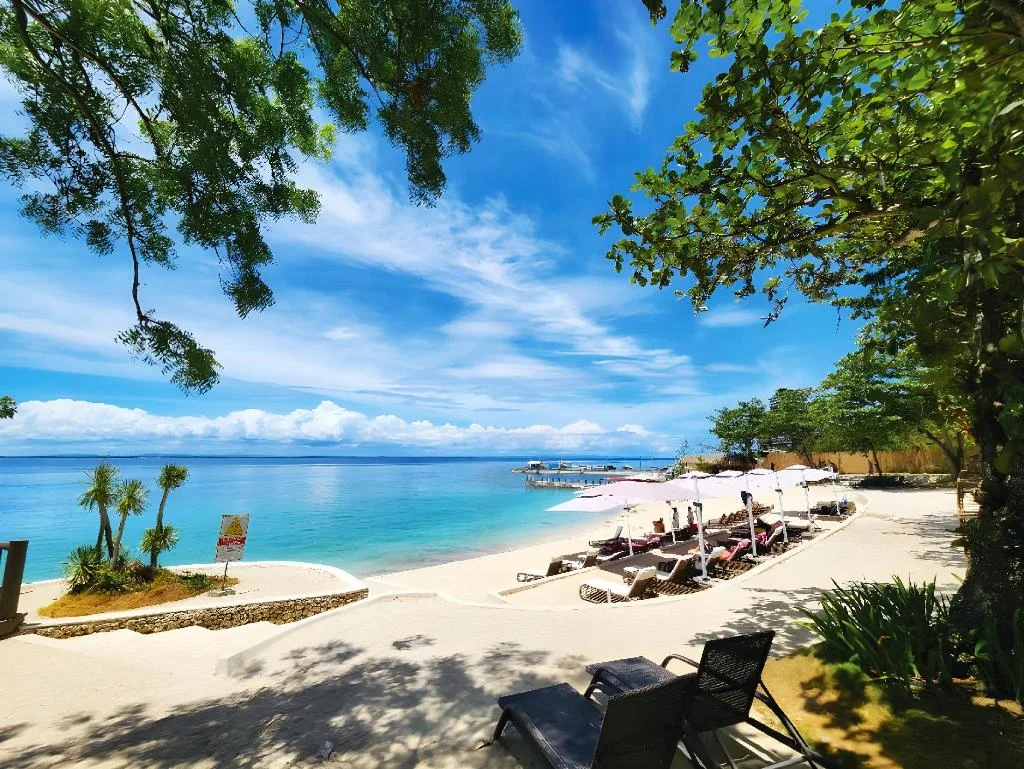
Mercure Mactan Cebu

Public House Hostel
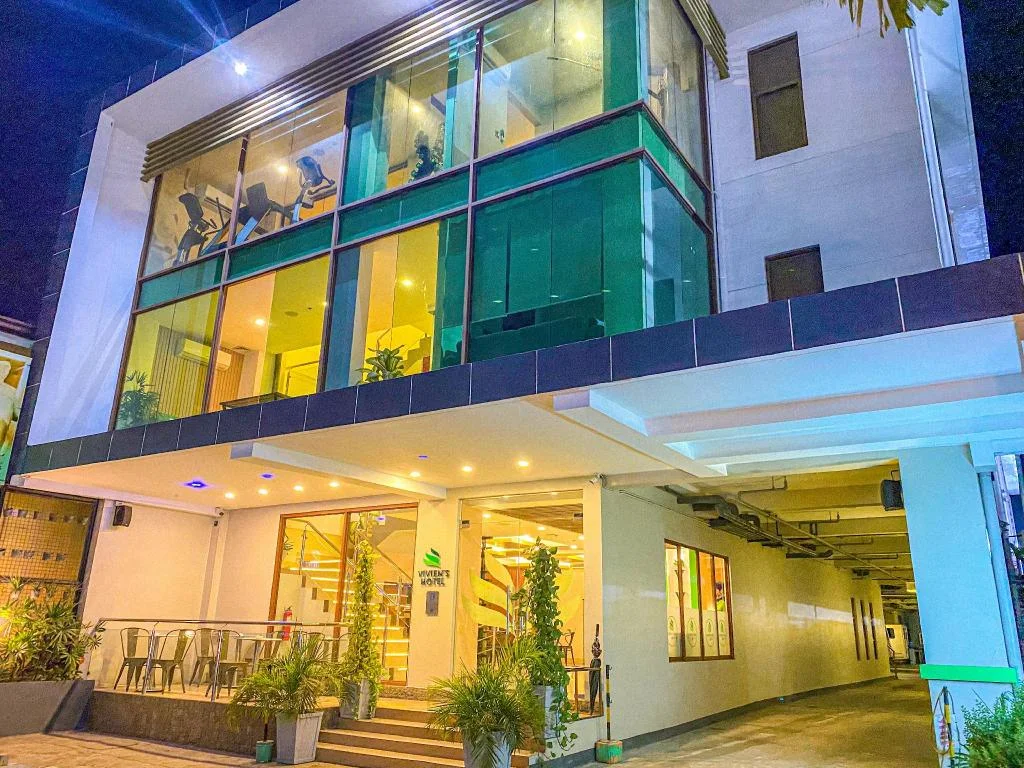
Vivien's Hotel
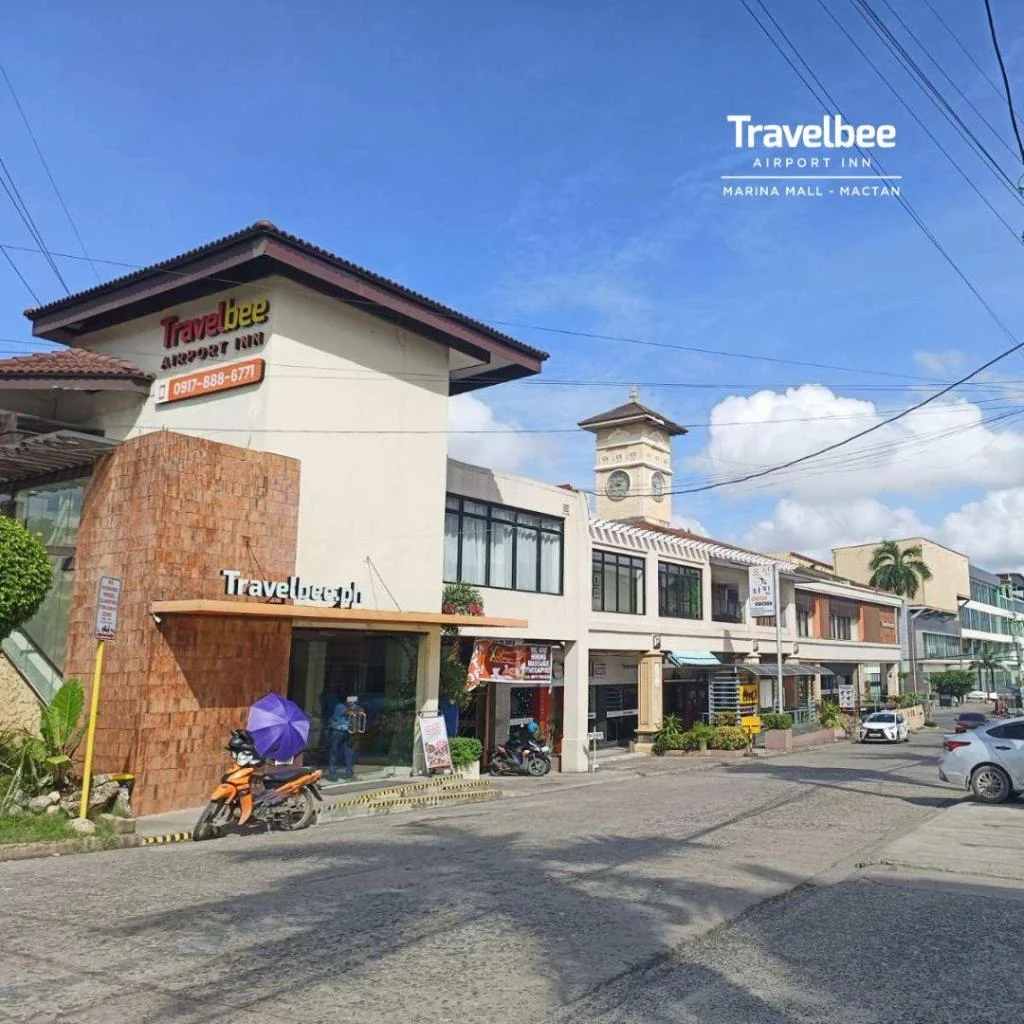
Travelbee Airport Inn
Prefer a rental? Vacation rentals near Lapu-Lapu City
Self-catering condos and apartments — book the exact unit, kitchen included.

ClockWorkOrange Luxury Suites
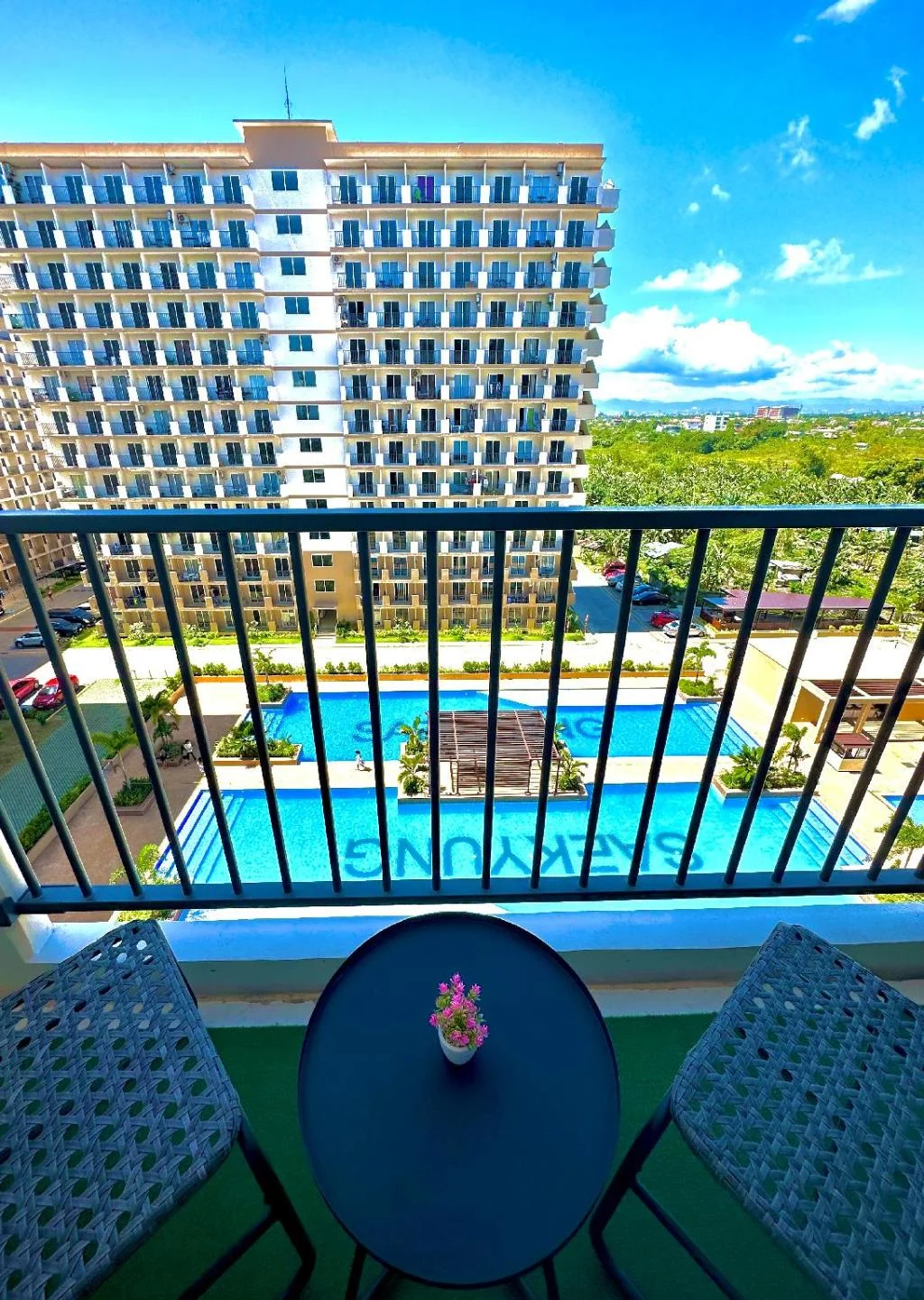
Condo with POOL/BALCONY/KITCHEN/NETFLIX/HOT SHOWER

JeeCee Homes condo near Cebu Mactan Airport
Before you go
Frequently asked
How do you get to Olango Island from Mactan?
When is the best time to see migratory birds on Olango?
How much does it cost to enter the Olango Island Wildlife Sanctuary?
Is Olango Island worth a day trip from Cebu City?
Can you snorkel or dive near Olango Island?
Do you need a guide inside the sanctuary?
What should you bring to Olango Island?
Can you combine Olango Island with island hopping in one day?
More Places to Explore
Olango Island Wildlife Sanctuary
Lapu-Lapu City
A 920-hectare wetland sanctuary and one of the world's seven major migratory bird flyways, hosting thousands of birds from Siberia, China, and Japan.
Hilutungan Marine Sanctuary
Lapu-Lapu City
One of the Philippines' oldest marine sanctuaries with pristine coral reefs, abundant tropical fish, and excellent snorkeling for all skill levels.
Nalusuan Island Marine Sanctuary
Lapu-Lapu City
A small island sanctuary famous for its 500-meter wooden pier over turquoise waters, with excellent snorkeling and resort facilities.