
TL;DR: Tuburan is Cebu’s largest municipality by land area, about 80 km (2–2.5 hours by road) up the northwest coast from Cebu City via the Cebu Transcentral Highway. The draw is a cluster of cold-water springs — Molobolo (₱20–40 entrance, roughly US$0.34–0.69) is the developed one, with pools that run right up to an infinity edge over the sea — plus the marble-walled Marmol Cliff and river cave, a 150-year-old church, and a quiet brown-sand beach with none of the tourist-town markup. It’s a full-day trip, not a quick stop, and best done with your own vehicle or a hired van since public transport gets thinner past Balamban. Verified July 2026.
Tuburan sits on Cebu’s northwestern coast, where the Tañon Strait meets a string of quiet fishing barangays about two hours north of Cebu City. It’s the largest municipality in the province by land area and has more barangays — 54 — than any other town in Cebu, yet it barely registers on the typical tourist itinerary. No resort strip, no tour-bus queue, just cold springs, a marble-lined river gorge, and a church that’s stood for over a century and a half. This guide is for travelers who’ve already done Kawasan and Oslob and want to see a working Cebu town instead — coffee farms in the hills, a cliffside lookout with a contested WWII backstory, and a beach where you might be the only one on the sand. Driving up, you’ll pass Balamban’s Transcentral Highway viewpoint and JVR Island in the Sky along the way — both worth a stop before you reach Tuburan proper.
Tuburan at a Glance
| Spot | Cost | Distance from town center | Good for |
|---|---|---|---|
| Molobolo Spring | ₱20 entrance + ₱20 infinity pool (~US$0.34–0.69); parking ₱30–70 | 5.7 km | Cold-water swim, half-day |
| Marmol Cliff & Cave | No fixed fee; raft rides by donation, ~₱10 (~US$0.17) | 30–45 min by habal-habal | River cave, adventure |
| Lantawan Tunnel & Lookout | Free (Lantawan Resort grounds) | Barangay Panas, Daan Lungsod | WWII history, coastal view |
| Little Baguio Beach | Free | Barangay 1, Poblacion | Quiet beach, sunset |
| San Antonio de Padua Church | Free | Town proper | Heritage, Archdiocesan Shrine |
| Formosa Camp Resort | Day use ₱100 adult / ₱50 child (~US$1.72/0.86); villas ₱1,750–4,250/night | Bagasawe | Glamping, overnight stay |
| Tuburan Coffee Farm | Free/by arrangement | Kabangkalan | Coffee-farm visit |
Verified July 2026. These are small, locally set fees that change without much notice — confirm current prices once you arrive.
How Do You Get to Tuburan From Cebu City?
Take a Ceres bus or van from the Cebu North Bus Terminal at SM City Cebu, or drive up the Transcentral Highway — either way, budget 2 to 2.5 hours. Buses and vans to Tuburan run with fares reported anywhere from about ₱120 to ₱200 (roughly US$2–3.50) depending on the operator and vehicle type; hired vans from Ayala Center Cebu run in a similar range. If you’re driving or renting a motorbike, the fastest route is the Cebu Transcentral Highway west across the mountain spine, then north along the coastal road through Balamban and Asturias. There’s no dedicated tourist shuttle to Tuburan — this is a real working town’s transport network, so expect the same waiting and flagging-down-in-the-street routine as any provincial bus trip. Public transport thins out considerably once you’re past the town center and headed toward Marmol Cliff or the Lantawan lookout, which is why most visitors either self-drive or hire a habal-habal (motorcycle taxi) once they arrive.
What Is Molobolo Spring, and Is It Worth the Trip?
Yes, if a cold freshwater pool that runs straight up to the edge of the sea sounds appealing — it’s Tuburan’s signature attraction for a reason. Molobolo is a natural spring about 5.7 km from town, developed into a small complex of pools shaded by old Dakit, mahogany, and acacia trees. There’s a deeper main pool (5+ feet, for confident swimmers), a shallower pool for kids, and an infinity-style pool that appears to spill straight into the ocean — that last one is the reason people make the trip. Entrance runs about ₱20, with another ₱20 if you want the infinity pool section, plus parking (₱30–70) and cottage rental (₱300–600) if you’re staying a few hours. Food stalls and grilled-food vendors set up on-site, so you don’t need to bring your own cooler.
The catch: it’s a well-known local spot, not a hidden one, and it gets genuinely crowded with local families on weekends and during the March–May summer season. If you want it closer to empty, go on a weekday morning.
Is Marmol Cliff Worth the Rough Ride?
Worth it if you want a genuine off-grid adventure, not if you want an easy afternoon. Marmol Cliff is a pair of massive marble-like rock formations lining a river passage, worn smooth and streaked with color, with a cave opening in the cliff face that locals say sheltered Filipino Katipunero fighters during the revolutionary period. Getting there is the whole experience: a 30 to 45-minute habal-habal ride from the town proper, crossing the river more than a dozen times over rocky, uneven ground. There’s no fixed admission fee, though local operators run simple raft rides through the gorge for a donation of around ₱10 per person. Wear sandals you don’t mind getting wet, and expect to arrive damp regardless of how careful you are.
What’s the Story Behind the Lantawan Tunnel and Lookout?
It’s a small, contested piece of wartime history, not a polished attraction — go for the story and the coastal view, not for a maintained heritage site. The Lantawan Tunnel sits on the grounds of Lantawan Resort in Barangay Panas, Daan Lungsod, and locals still debate whether it started life as a Japanese Occupation-era hideout or an older lookout structure — accounts differ, and there’s no definitive marker settling it either way. The site is minimally maintained; ladders into the tunnel section have deteriorated and access is now mostly through a back entry near a small bridge, so temper your expectations — this is closer to a curiosity than a museum piece. A separate, unrelated stretch called Lantawan Cliff requires more of a hike and is best done with a local barangay guide rather than on your own.
What Else Is Worth Seeing in Tuburan?
Beyond the two headline stops, Tuburan has a handful of smaller, quieter spots that round out a longer visit:
- Little Baguio Beach (Barangay 1, Poblacion) — a brown-sand beach that’s clean and fine-grained even without the classic white sand, and reliably free of crowds. Good for a picnic, a Frisbee session, or watching the sunset over the strait. Reachable by habal-habal from town.
- Mantawihan Spring — an undeveloped, natural alternative to Molobolo if you want cold water without the crowd or the entrance fee.
- Adela River — the town’s largest river, used locally for casual kayaking.
- Heritage Dao Tree (Barangay Jagbuaya) — an old dao tree with a trunk reportedly around 7 meters in diameter.
- San Antonio de Padua Parish Church — a semi-Romanesque, limestone-and-coral church over 150 years old, one of the tallest in Cebu, and named an Archdiocesan Shrine in January 2007. It’s the anchor of the annual Tubod Festival on June 12–13, which honors the town’s patron saint with street dancing and parades.
- Tuburan Coffee Farm (Barangay Kabangkalan) — an 88-hectare Robusta farm at around 800 meters elevation, part of the reason the town brands itself the “Coffee Capital of Cebu,” with more than 3,000 hectares of coffee land and roughly 2,000 farmers across its highland barangays.
Where Do You Eat and Stay?
Most visitors day-trip from Cebu City; if you want to stay overnight, Formosa Camp Resort in Barangay Bagasawe is the main option built for it. It’s a glamping-style resort with day use running about ₱100 for adults and ₱50 for children, villa rooms from roughly ₱1,750 to ₱4,250 a night, and camping packages from about ₱750 to ₱1,250 a night on top of entrance fees. Beyond that, Tuburan doesn’t have a real hotel strip — eating and sleeping options are mostly local carinderias near the town market and the spring itself, which fits the town’s low-key character but means you should set expectations accordingly if you’re used to Mactan or Moalboal-level infrastructure.
How Do You Plan a Day (or Two) in Tuburan?
For a single day, stick to what’s close to town and reachable by regular transport: Molobolo Spring in the morning, the San Antonio de Padua church and town proper around lunch, and Little Baguio Beach for sunset. That’s a manageable loop without needing a habal-habal for river crossings.
For two days, add Marmol Cliff and the Lantawan lookout on day two, both of which require hired motorbikes and more time, and consider an overnight at Formosa Camp Resort or a coffee-farm stop in Kabangkalan on the way back. If you’re driving the west coast anyway, pairing Tuburan with a stop at the Transcentral Highway viewpoint or JVR Island in the Sky in neighboring Balamban turns the trip into a proper west-Cebu road loop rather than a single out-and-back. If you’d rather not drive yourself, a private van tour of Cebu’s west coast is worth comparing against the bus-and-habal-habal combo — it costs more but removes the guesswork on the river crossings to Marmol Cliff.
The Honest Take
Tuburan isn’t going to compete with Kawasan Falls or Oslob’s whale sharks for spectacle, and that’s the point. It’s genuinely under-visited — outside of Molobolo Spring on a weekend, you won’t be fighting crowds anywhere on this list. The trade-off is infrastructure: the roads to Marmol Cliff and the Lantawan lookout are rough, signage is minimal, and you’ll lean on habal-habal drivers and local knowledge more than you would in a town built for tourism. If you want an easy, polished day trip, this isn’t it. If you want to see an ordinary Cebu coastal town going about its business — coffee farms, a working spring, a centuries-old church — with a couple of genuinely striking natural features thrown in, it’s a solid, honest add-on to a longer Cebu trip. Skip it if you’re short on time and haven’t yet done the higher-profile south-coast circuit; save it for a second or third visit to the province, ideally on a weekday when Molobolo is quiet.
Combine It With the Rest of Cebu
Tuburan works best as part of a longer west-coast loop rather than a standalone trip — see our guide to the Cebu City to Balamban Transcentral Highway drive for the route down, and our roundup of under-the-radar towns in Cebu for other stops in the same low-key vein. If springs and quiet nature are what you’re after province-wide, check our best nature spots in Cebu list before you plan the rest of your route. And if you’re basing yourself in Cebu City before or after the trip, compare Cebu City hotels on Agoda — Tuburan itself has limited overnight options, so most travelers sleep in the city and drive up for the day.
Sources
- Municipality of Tuburan, Cebu — official tourist attractions page
- Molobolo Spring: Discover Tuburan’s cold spring sanctuary by the sea — Cebu Daily News
- 10 Places You Shouldn’t Miss in Tuburan, Cebu — Shellwanders
- My Weekend Getaway to Tuburan, Cebu — Tripzilla
- Tuburan, Cebu — Wikipedia
- Little Baguio Beach details cross-checked against local travel blog coverage of Tuburan’s springs and beaches.
- Fees, fares, and travel times verified against July 2026 reporting; confirm current prices locally before you go. Verified July 2026.
Book Tours & Hotels for This Trip
Find and book the best deals — prices and availability update in real time. Links open in a new tab.
Where to stay near Cebu City
Top-rated hotels for this trip — tap through to check live rates.
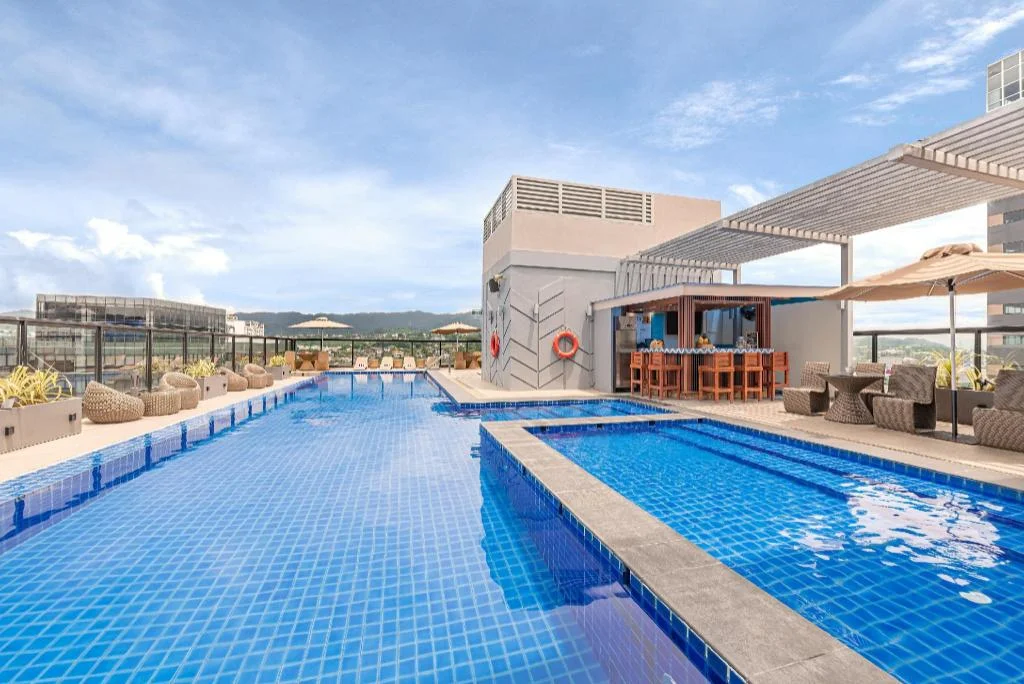
Seda Central Bloc Cebu City
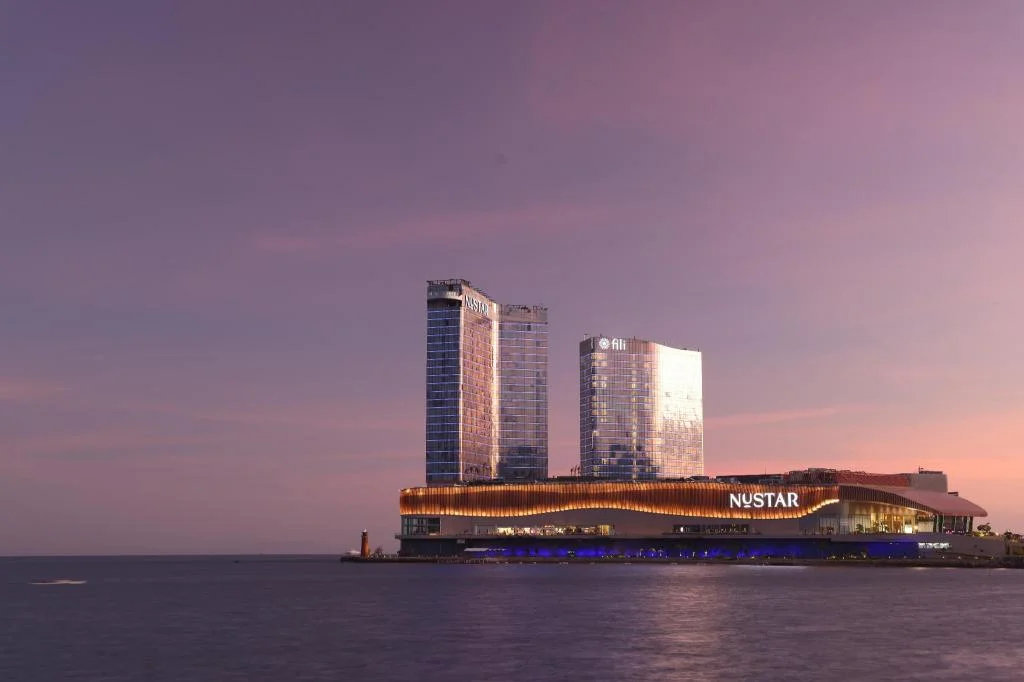
Fili Hotel - NUSTAR Resort & Casino Cebu
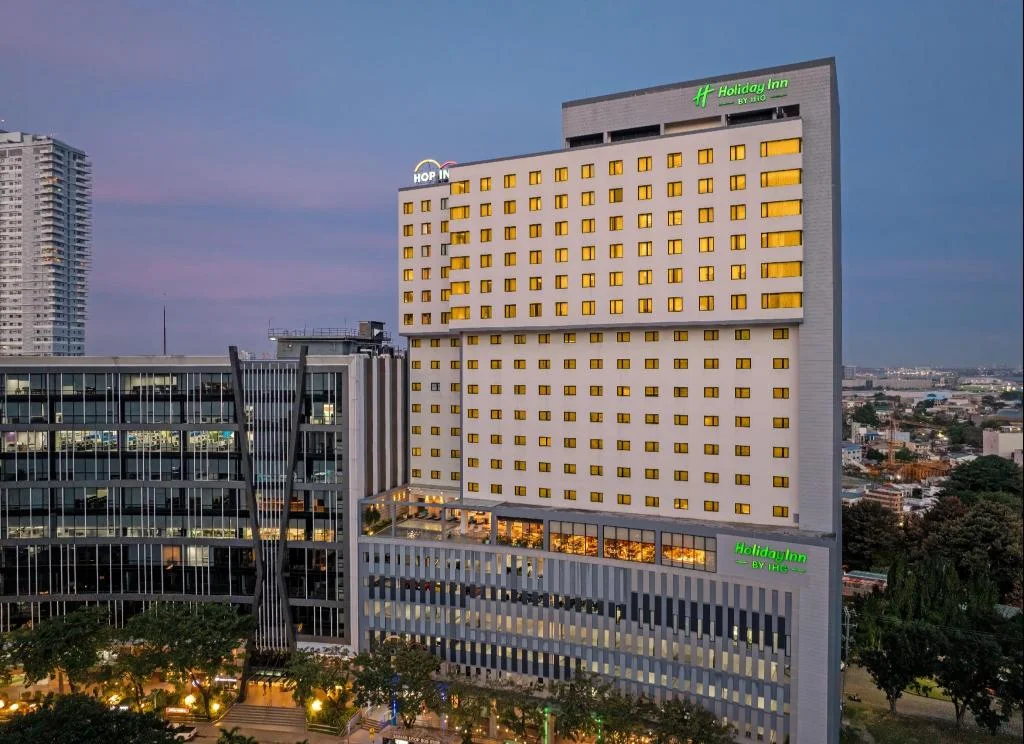
Holiday Inn Cebu City By IHG
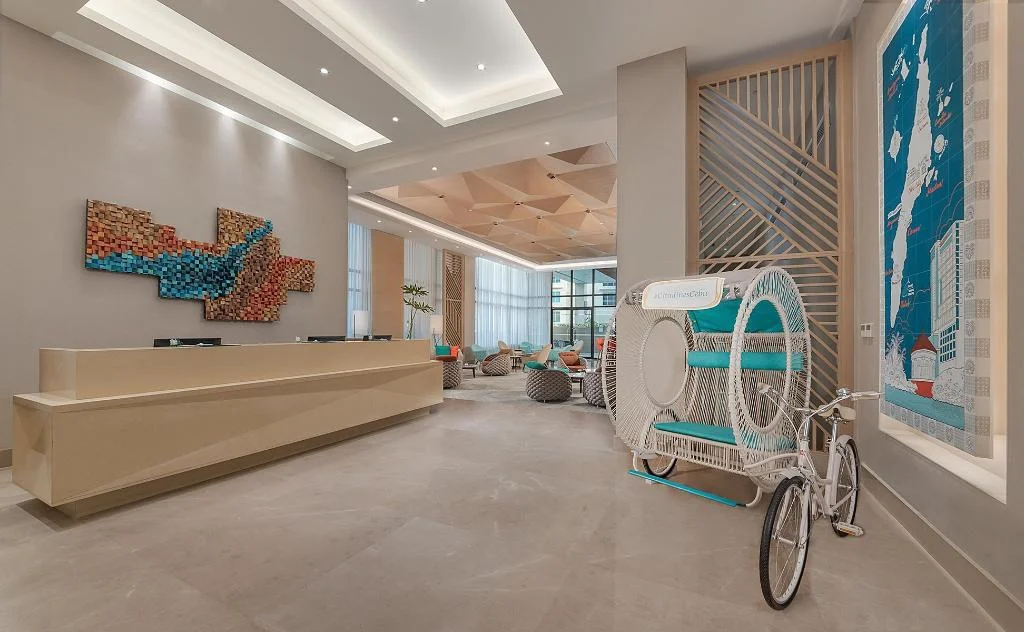
Citadines Cebu City
Prefer a rental? Vacation rentals near Cebu City
Self-catering condos and apartments — book the exact unit, kitchen included.
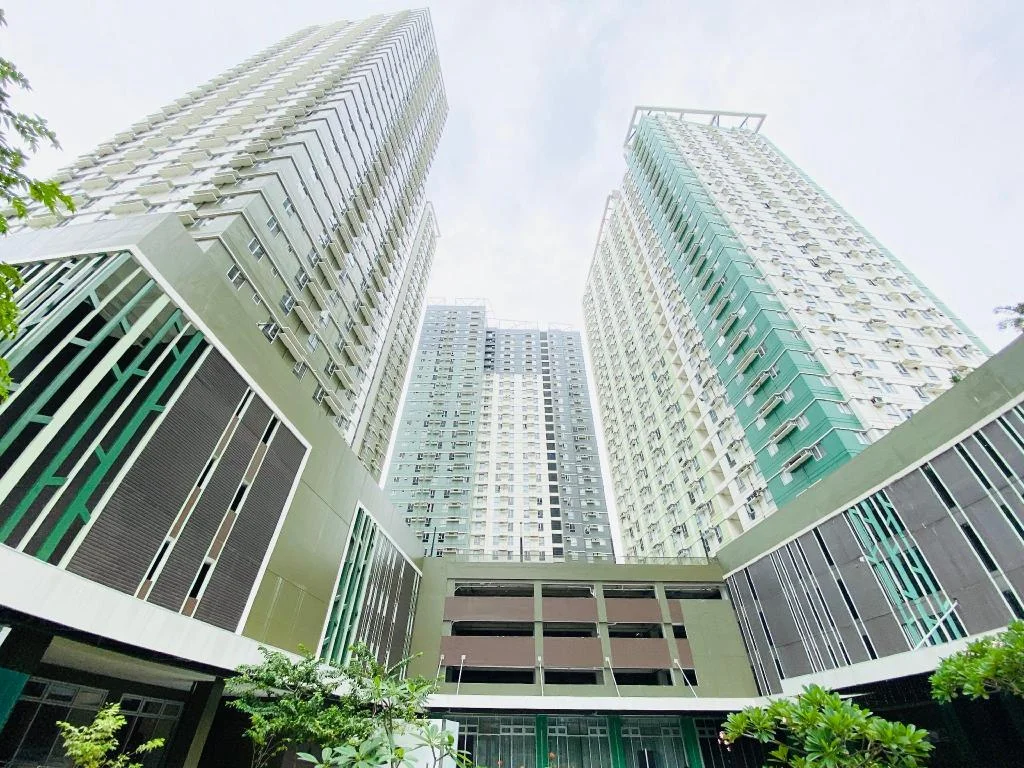
Cebu Avida Riala by P&J
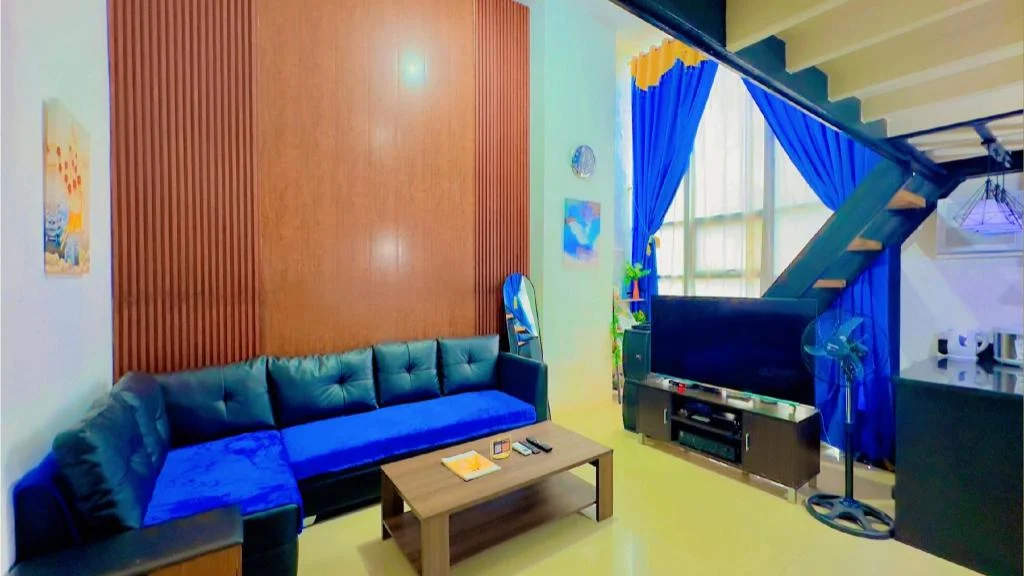
Special Big Loft Unit w/Fibreop Internet & Netflix
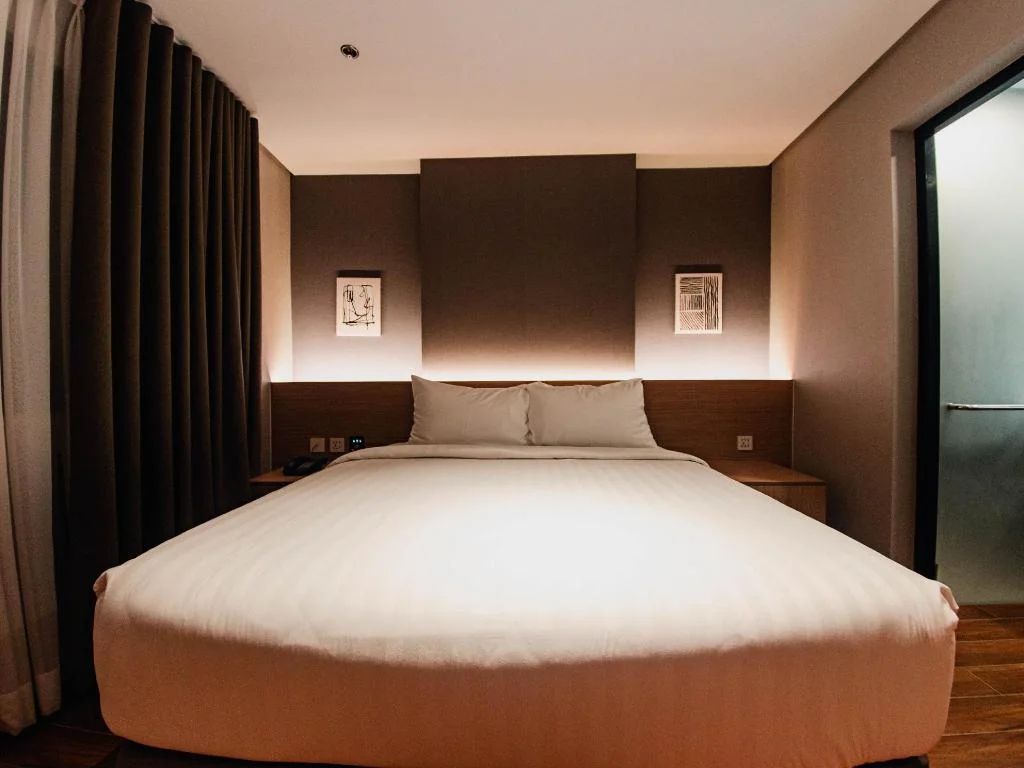
Moonstar Cebu Hotel - Deluxe Room
Before you go
Frequently asked
Where is Tuburan, Cebu, and how far is it from Cebu City?
How do you get to Tuburan from Cebu City?
How much is the entrance fee at Molobolo Spring?
Is Marmol Cliff safe and worth the trip?
Is Tuburan worth visiting as a day trip from Cebu City?
What is Tuburan famous for?
Is Tuburan crowded with tourists?
Can you combine Tuburan with other towns in one trip?
More Places to Explore
Temple of Leah
Cebu City
A magnificent Roman-inspired temple built as a monument of love, nicknamed 'Cebu's Taj Mahal,' offering stunning architecture and city views.
JVR Island in the Sky
Balamban
A surreal mountain resort with infinity pools and platforms that appear to float above the clouds, offering breathtaking views and photo opportunities.
Balamban Transcentral Highway Viewpoint
Balamban
Scenic mountain viewpoints along the Transcentral Highway offering panoramic views of both Cebu coasts and the island's dramatic highland landscapes.