
TL;DR: Mantayupan Falls in Barili is Cebu’s tallest waterfall — a two-tier cascade (14m + 98m) about 2 hours southwest of Cebu City by bus. Entrance runs roughly ₱40–100 total (US$0.70–1.70) once you add parking and environmental fees, and a habal-habal from the Poblacion to the gate costs ₱30–100. Pair it with St. Anne Parish and Sayaw Beach in town, then continue another 20–25 minutes south to Moalboal to make a full day of it. Verified July 2026.
Barili is a working coastal municipality on Cebu’s south-west shore, about 61 kilometers from Cebu City, and it rarely shows up on a first-timer’s itinerary — which is exactly why it’s worth a look if you’ve already done Kawasan and Oslob. Its headline attraction is Mantayupan Falls, a two-tier cascade tall enough to claim the “tallest in Cebu” title, sitting in quiet forest well off the tourist-bus circuit. This guide is for travelers heading south toward Moalboal who want a genuine detour, plus anyone curious about Barili’s heritage church, its beach, and its local sausage. We’ll cover what it costs, how to actually get there by public transport, and how to fold it into a bigger south Cebu trip.
Barili at a Glance
| Item | Cost / Detail | Notes |
|---|---|---|
| Mantayupan Falls entrance | ₱40–50 (~US$0.70–0.90) | Plus small parking ( |
| Life jacket rental | ~₱50 (~US$0.90) | Recommended for the upper pool |
| Bamboo raft ride | ₱100–150 (~US$1.70–2.60) | “Waterfall massage” ride under the falls |
| Bus, Cebu City → Barili | ₱85–120 (~US$1.50–2) | Ceres Liner, Cebu South Bus Terminal, ~2 hrs |
| Habal-habal, town → falls | ₱30–100 (~US$0.50–1.70) | 3–4 km, negotiate before riding |
| Falls opening hours | 6:00 AM–5:30 PM daily | Arrive early on weekends |
Fees are small and locally set, so treat these as ranges and confirm at the gate. Verified July 2026.
What Is Mantayupan Falls, and Why Is It Cebu’s Tallest?
Mantayupan Falls is a two-tier waterfall in Barangay Campangga, on the western side of Barili, and the combined drop — a 14-meter lower cascade linked by a hanging bridge to a 98-meter upper tier — is what gives it the “tallest waterfall in Cebu” reputation. The lower level has a shallow, circular pool right near the entrance that’s easy for families and casual swimmers, while the upper tier’s basin is deeper, colder, and more dramatic, with the full force of the falls crashing into it. A wooden hanging bridge connects the two levels, so you can view (and photograph) both without a serious hike.
Compared to Kawasan Falls in Badian, Mantayupan gets a fraction of the visitors. That means shorter lines for the raft, no canyoneering crowds, and a genuinely quieter forest setting — but also fewer facilities and less infrastructure if something goes wrong, so treat it with the same respect you’d give any remote natural swimming spot.
How Do You Get to Mantayupan Falls From Cebu City?
Ride a Ceres Liner bus bound for Bato or Santander via Barili from the Cebu South Bus Terminal, and get off at Barili’s Poblacion (town center) or the Shamrock/7-Eleven stop along the highway. The fare runs roughly ₱85–120 (US$1.50–2), and the ride takes about 2 hours under normal traffic, longer if you leave during rush hour or a weekend afternoon. See our guide to Cebu’s bus terminals if this is your first time using CSBT.
From the drop-off point, hire a habal-habal (motorcycle taxi) for the final 3–4 kilometers to the falls entrance. Fares run ₱30–100 depending on exactly where you’re picked up and how firmly you negotiate — agree on the price before you get on, and ask the driver to wait or arrange a return trip, since habal-habal aren’t always waiting at the falls gate. Travelers with a rental car or a hired van can drive the whole way and park at the entrance for a small parking fee.
What Does It Actually Cost to Visit?
Budget for entrance, a small parking fee, and an environmental fee that together usually land around ₱80–100 (US$1.40–1.70) per adult, plus whatever add-ons you want once inside. A life jacket rents for about ₱50 if you’re swimming in the upper pool and aren’t a strong swimmer, and the bamboo raft ride under the falls — sometimes called a “waterfall massage” — runs ₱100–150 for a group. Day-use cottages and overnight rooms are available on-site for those who want to linger, priced in the ₱500–1,500 range depending on the room type. None of these are large sums, but they add up fast if you’re a bigger group, so bring small bills.
Is Mantayupan Falls Worth the Trip?
Yes, if you value a quiet, genuinely local waterfall over a polished tourist stop — and no, if your main goal is canyoneering-grade adventure or postcard-perfect turquoise water like Kawasan or Cambais Falls in Moalboal. Mantayupan’s appeal is scale (that 98-meter drop is legitimately impressive) and solitude, not polish. The trail in is short and manageable for most fitness levels, but rocks near the pools get slick, so wear proper water shoes, not flip-flops.
If you’re already building a south Cebu waterfall circuit, Mantayupan pairs naturally with Obong Spring in Dalaguete or other stops covered in our best waterfalls in Cebu roundup — though note those are a fair drive further along the coast, not a same-day add-on to Barili itself.
What Else Is There to Do in Barili?
Barili’s Poblacion centers on St. Anne Parish, an Archdiocesan Shrine founded in 1614 (one of Cebu’s older parishes), with the current Romanesque-influenced church building dating to 1889. It’s a modest, working church rather than a major pilgrimage site like Simala Shrine, but worth a short stop if you appreciate Cebu’s Spanish-era churches and want to see the feast celebrated every July 24 in its proper context.
On the coast, Sayaw Beach offers a low-key stretch of white sand with calm, swimmable water and some rock formations and small caves nearby — a decent stop for skimboarding or an afternoon swim if you’re not in a rush to reach Moalboal. It’s a local, family-oriented beach rather than a resort destination, so don’t expect beach bars or dive shops.
Barili is also known regionally for chorizo de Barili, a sweet, garlicky local sausage distinct from the more famous Cebu lechon. If you’re passing through the public market, it’s worth asking a vendor which stall makes it fresh that day.
Can You Combine Barili With Moalboal or Other South Cebu Stops?
Yes — Barili sits directly on the coastal highway south, and Moalboal is only about 20–25 minutes further by car, making this an easy half-day add-on rather than a detour. Many travelers ride the same Ceres bus all the way from Cebu City, hop off at Barili to see Mantayupan Falls, then flag down another southbound bus or arrange a habal-habal/van connection to continue toward Moalboal for the afternoon. If you’d rather plan it as a single trip, our Cebu City to Moalboal guide covers the onward leg in detail, and Agoda’s Moalboal listings are worth checking if you want to overnight there instead of returning to the city same-day.
For a private, guided version of this route that skips the bus transfers entirely, a chartered van or south Cebu day tour can string together Mantayupan Falls, Moalboal, and even Badian’s canyoneering in one booking.
How Do You Choose Between Mantayupan and Cebu’s Other Waterfalls?
Pick Mantayupan if you want height, solitude, and a genuine local experience without tour-bus crowds. Pick Kawasan Falls if you want turquoise water, canyoneering, and don’t mind sharing the pool with dozens of other visitors. Pick a spring like Obong or Mainit if you’d rather soak than swim under a cascade. None of these are “better” outright — they serve different moods, and Mantayupan’s main edge is that it’s still relatively undiscovered.
The Honest Take
Mantayupan Falls won’t out-photograph Kawasan, and Barili itself isn’t a destination town — it’s a stopover with one genuinely tall waterfall, a modest heritage church, and a quiet beach. That’s exactly its value: no touts, no crowds, no inflated “tourist” pricing, and a chance to see a real Cebu south-coast town rather than a resort strip. Skip it if you’re short on time and only want the highlight-reel spots; make time for it if you’re already riding the bus south and want a worthwhile stretch-your-legs stop that most visitors miss entirely. Go on a weekday morning for the best light and the smallest crowd, and confirm current fees at the gate since small LGU sites like this adjust pricing without notice.
Sources
- Lakwatsero — Mantayupan Falls travel guide (height, route, fees)
- Cebu Insider — Mantayupan Falls guide (fees, transport, facilities)
- Wikipedia — Barili, Cebu (municipal overview)
- Mindtrip — St. Anne Parish, Barili (church history)
- Bus fares and route via Ceres Liner south-bound schedules (Cebu South Bus Terminal to Bato via Barili)
- Verified July 2026; confirm current fees and bus schedules locally before you go.
Barili makes the most sense as a stop, not a standalone trip — bolt it onto a run down the coast toward Moalboal or fold it into a wider south Cebu itinerary, and you’ll have covered one of the province’s least-visited waterfalls without adding an extra day to your trip.
Book Tours & Hotels for This Trip
Find and book the best deals — prices and availability update in real time. Links open in a new tab.
Where to stay near Dalaguete
Top-rated hotels for this trip — tap through to check live rates.
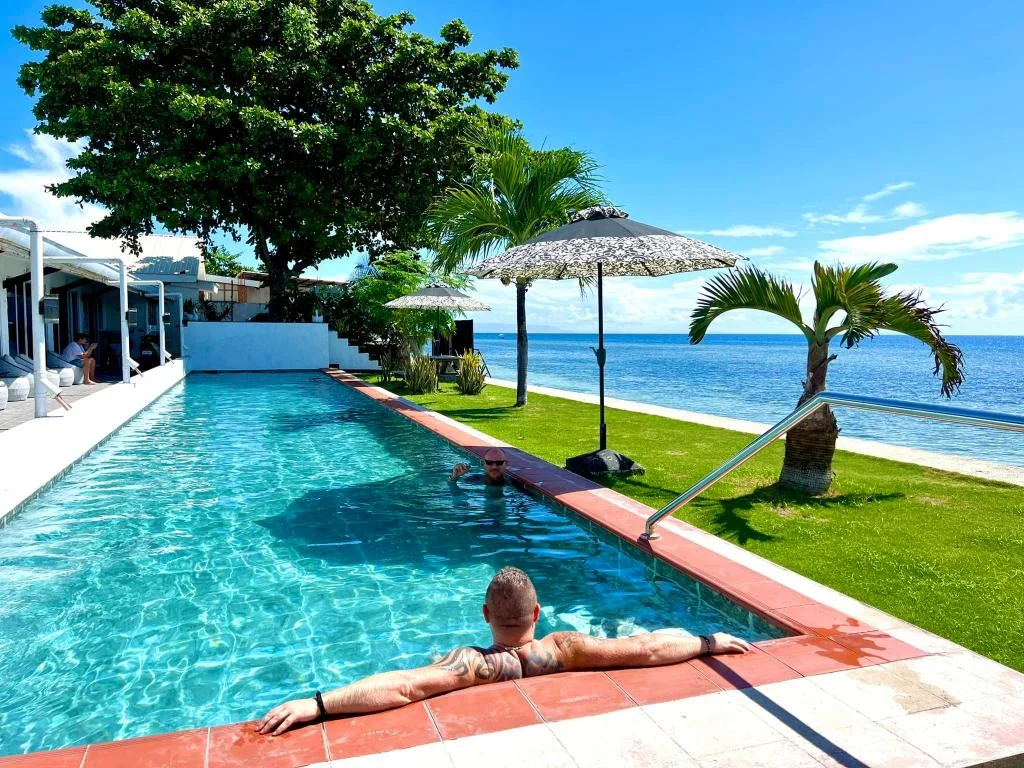
Beachhouse Poolside Room.
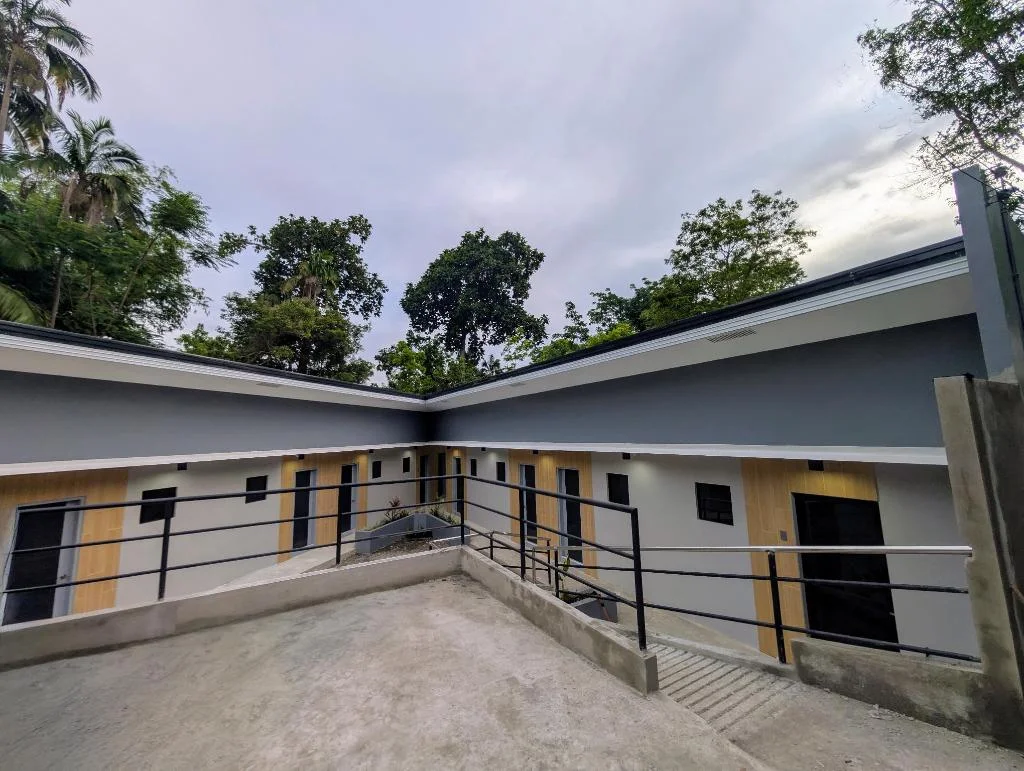
The Canyoneer Inn
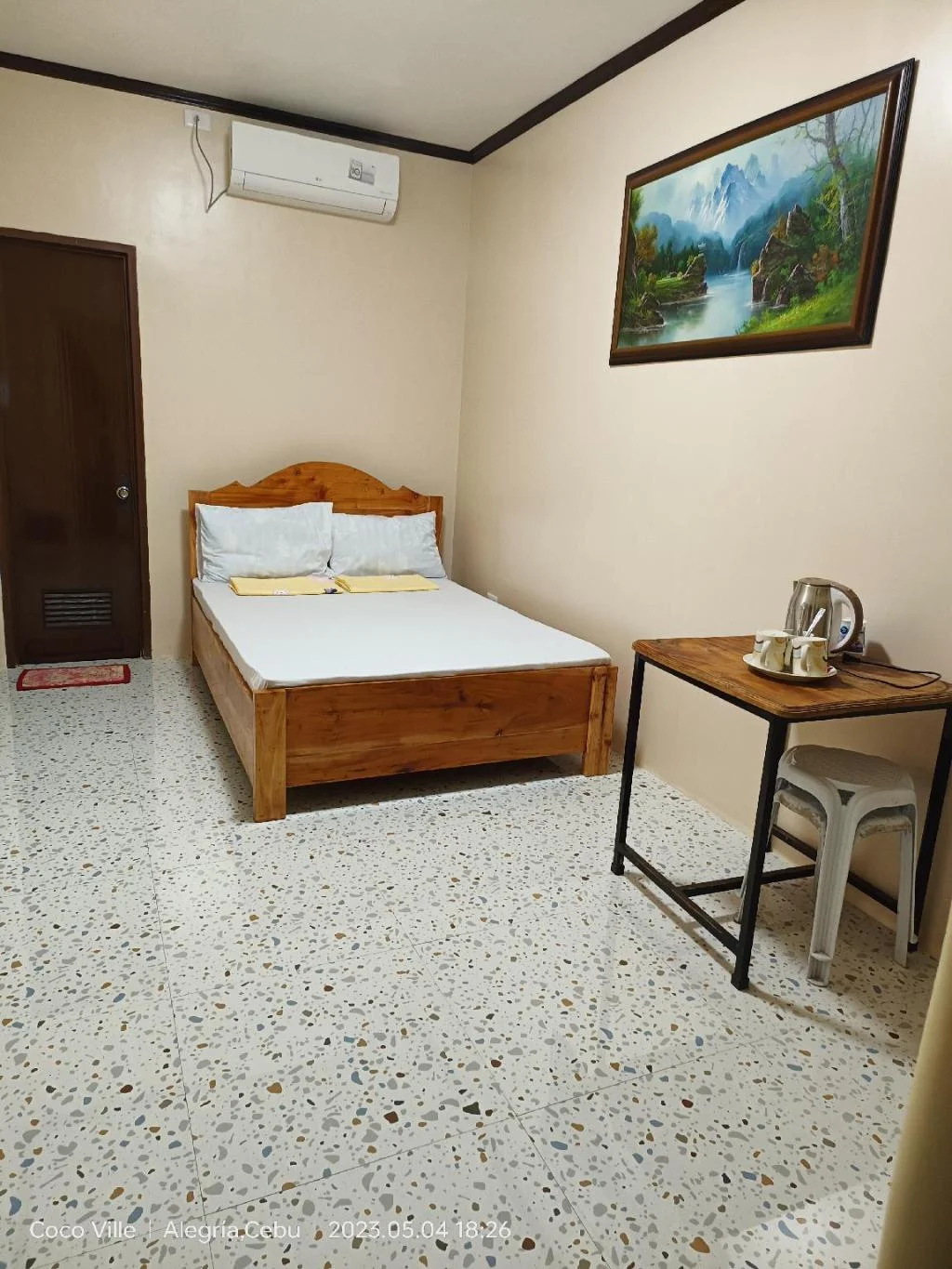
Coco Ville Guest House (room1 for 2pax)
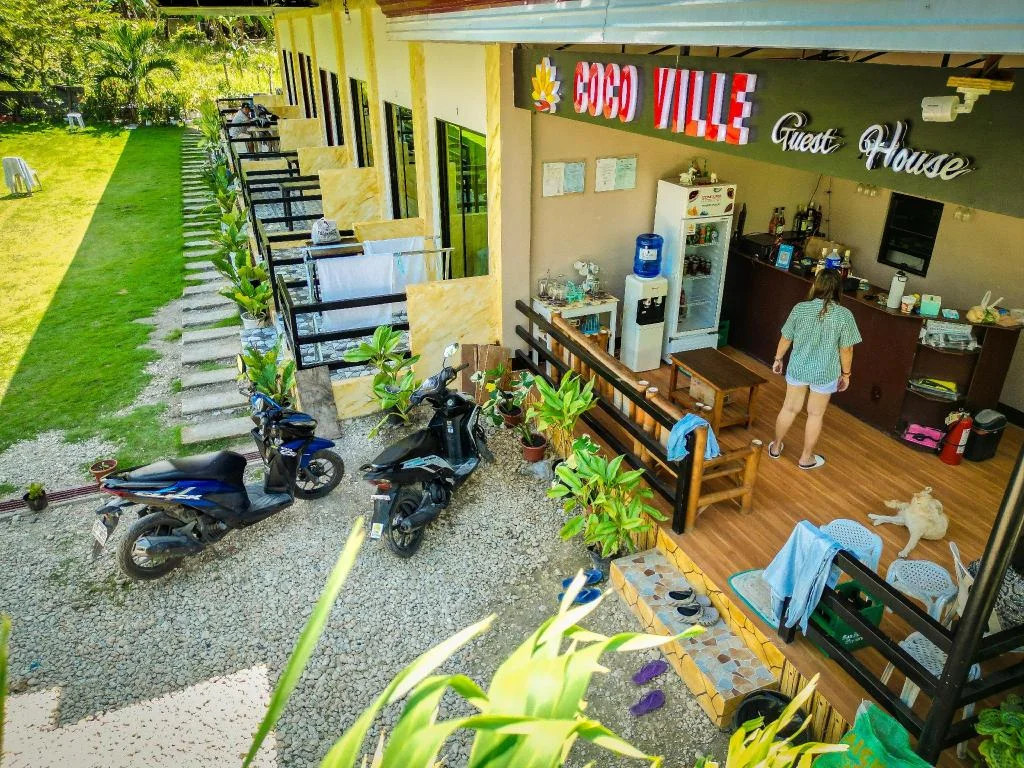
CoCo Ville Guest House (room2 for 2pax)
Prefer a rental? Vacation rentals near Dalaguete
Self-catering condos and apartments — book the exact unit, kitchen included.
Browse all vacation rentals →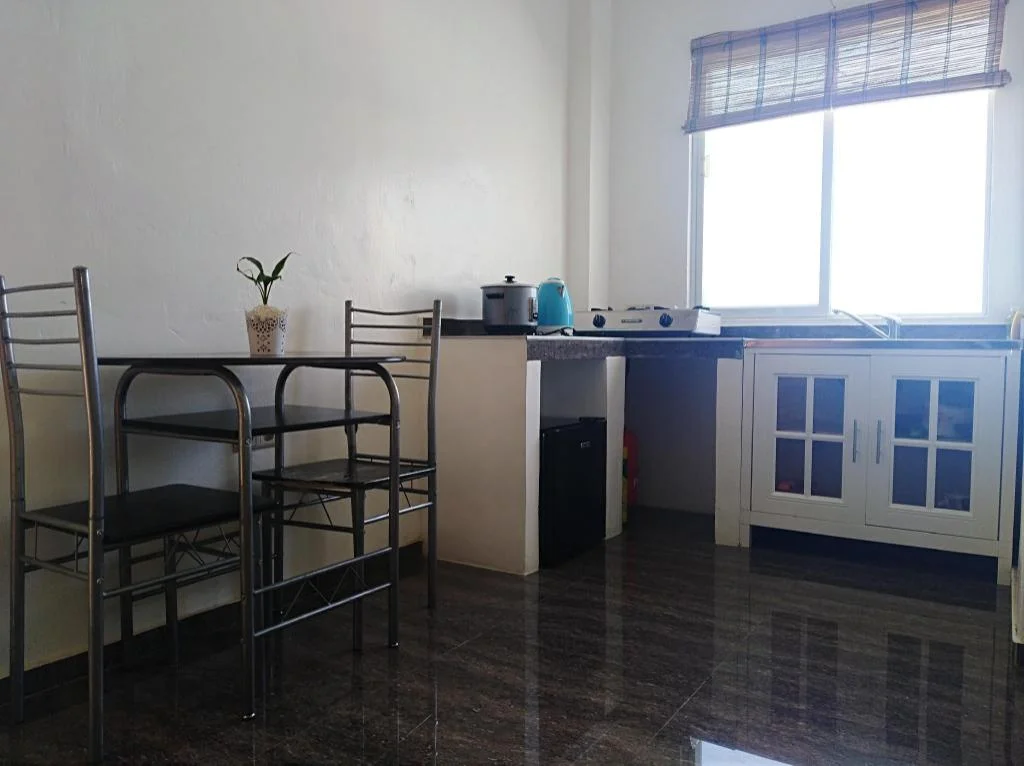
Before you go
Frequently asked
What is Mantayupan Falls and why is it special?
How much is the entrance fee at Mantayupan Falls?
How do you get to Barili and Mantayupan Falls from Cebu City?
Is Mantayupan Falls safe to swim in?
Can you combine Barili with a Moalboal trip?
What else is there to do in Barili besides the falls?
Is Barili worth a day trip from Cebu City?
What's the best time of day to visit Mantayupan Falls?
More Places to Explore
Mantayupan Falls
Barili
Cebu's tallest waterfall at about 98 meters, with a swimmable pool and developed facilities in Barili.
Cambais Falls
Alegria
A two-level waterfall in Alegria with a milky-blue pool and cliff jumps of about 7 and 10 meters.
Obong Spring
Dalaguete
A natural cold spring resort in Dalaguete's highlands with crystal-clear pools fed by mountain spring water, perfect for a refreshing swim.