
TL;DR: Cebu has two provincial bus terminals, split by direction. South Bus Terminal (N. Bacalso Avenue, Cebu City) covers Oslob, Moalboal, Badian/Kawasan Falls, and Bato — aircon fares run ₱150–250 (US$2.60–4.30), 2.5–4.5 hours depending on the stop. North Bus Terminal (SM City Cebu, North Reclamation Area) covers Maya (Malapascua) and Hagnaya (Bantayan Island) — aircon fares run ₱170–300 (US$2.90–5.20), 4–5 hours. Buses run frequently from before dawn with no advance booking — you pay a conductor on board. Confirm exact fares locally; they drift with fuel prices. Verified July 2026.
If you’re heading south to swim with whale sharks in Oslob or canyoneer down Kawasan Falls, or north to catch a boat from Maya Port to Malapascua, the provincial bus is the backbone of getting there without a private van. It’s also the cheapest way by a wide margin — a ₱200 bus fare versus a ₱3,000+ private van charter for the same route. This guide covers the two terminals, which one you actually need, realistic fares and travel times, how ticketing works on board, and what to watch out for with luggage and safety. It assumes you’re comfortable with a bit of “figure it out as you go” — which is most of how bus travel works here.
Cebu South Bus Terminal vs North Bus Terminal — Which One Do You Need?
South for anything south of Cebu City, North for anything north. It sounds obvious, but tourists regularly show up at the wrong one and lose an hour crossing town.
| Terminal | Location | Serves | Aircon fare range | Typical ride time |
|---|---|---|---|---|
| South Bus Terminal | N. Bacalso Ave, Cebu City (beside CityMall Bacalso) | Oslob, Moalboal, Badian, Argao, Dalaguete, Carcar, Bato (ferry to Negros/Siquijor) | ₱100–250 (US$1.70–4.30) | 1.5–4.5 hrs |
| North Bus Terminal | SM City Cebu grounds, North Reclamation Area | Maya (for Malapascua), Hagnaya (for Bantayan), Bogo, Danao, Camotes ferry ports | ₱120–300 (US$2.10–5.20) | 1.5–5 hrs |
Fares are approximate 2026 estimates and vary by operator, distance, and fuel surcharge. Verified July 2026.
South Bus Terminal (CSBT) sits on N. Bacalso Avenue, a few minutes from Colon Street and close to the Cebu City Medical Center. It’s run by the Cebu provincial government, has around 40 bus bays, and moves an estimated 50,000 passengers a day — it’s the busiest transport hub in the province. From here, Vallacar Transit’s Ceres Liner buses fan out across southern Cebu and connect onward to Negros Oriental, Negros Occidental, and the Zamboanga Peninsula via the Bato–Tampi ferry crossing.
North Bus Terminal (NBT) has moved twice. It ran for over two decades out of Subangdaku in Mandaue City, shifted temporarily to Consolacion during the pandemic, and since October 2020 has operated from the SM City Cebu grounds in the North Reclamation Area — walking distance from the mall itself. If an old blog or map still points you to Mandaue, that’s outdated; go to SM City Cebu instead.
How Much Is the Bus From Cebu to Oslob (and Other South Cebu Towns)?
Budget roughly ₱150–250 (US$2.60–4.30) for the South Bus Terminal routes, more the farther south you go. These are Ceres Liner fares as commonly reported for 2025–2026; confirm the exact peso amount at the terminal counter or with the conductor, since fares adjust with fuel costs.
| Destination | Terminal | Ordinary fare | Aircon fare | Typical time |
|---|---|---|---|---|
| Argao | South | ₱80 (US$1.40) | ₱100 (US$1.70) | ~2 hrs |
| Dalaguete | South | ₱100 (US$1.70) | ₱130 (US$2.20) | ~2.5 hrs |
| Moalboal (junction) | South | ₱120–170 (US$2.10–2.90) | ₱155–210 (US$2.70–3.60) | 2.5–3.5 hrs |
| Badian (Kawasan Falls) | South | ₱130 (US$2.20) | ₱165 (US$2.80) | ~3.5 hrs |
| Oslob | South | ₱150 (US$2.60) | ₱195–250 (US$3.40–4.30) | 3.5–4.5 hrs |
| Santander/Liloan (ferry to Negros) | South | ₱170 (US$2.90) | ₱220 (US$3.80) | ~4.5 hrs |
Ordinary and aircon fares, Ceres Liner. Verified July 2026 — reconfirm at the terminal, as fares move with fuel prices.
For Oslob and Kawasan Falls day trips, look for a bus marked “Bato via Oslob.” For Moalboal, you want “Bato via Barili” instead — they’re different routes through southern Cebu that both terminate near Bato but split well before it, so boarding the wrong one adds real time to your trip. First departures toward Oslob start around 3:00 AM, useful if you’re catching a dawn whale-shark tour, with buses roughly every 30–45 minutes through the day.
How Much Is the Bus From Cebu to Maya, Hagnaya, or Bantayan?
Figure ₱170–300 (US$2.90–5.20) depending on aircon and exact stop, 4–5 hours from the North Bus Terminal. Ceres Liner buses to Hagnaya Port (jump-off for Bantayan Island) start around 2:30 AM and run roughly every 20 minutes; the fare has been reported around ₱299 (about US$5.20) for the aircon service, not including the separate ferry ticket. Buses to Maya Port (jump-off for Malapascua Island) cost roughly ₱170–220 (US$2.90–3.80) depending on aircon, and take at least four hours.
Time your departure carefully if you’re catching a same-day ferry. Aim to leave the North Bus Terminal no later than early-to-mid afternoon — ideally before 1:00 PM — to make sure you reach Hagnaya or Maya while boats are still running that day. Ferries to Bantayan and Malapascua taper off in the late afternoon, and getting stuck at the port overnight is a common rookie mistake.
How Do You Actually Buy a Bus Ticket?
Mostly, you just get on and pay the conductor once the bus is moving. Provincial buses in Cebu don’t run on advance reservations for these routes. You board at the terminal (or flag one down along the highway once it’s underway), take an open seat, and a conductor walks the aisle a few minutes after departure to collect fares — traditionally with a hole-punch ticket, though printed and tap-card systems are increasingly common. Cebu’s terminals have also started rolling out reloadable tap cards, available and toppable at 7-Eleven stores, as they move toward cashless fare collection. Cash still works everywhere as of writing.
There’s no seat assignment, so on a popular departure (early morning, weekends, holidays) get to the terminal with some buffer rather than cutting it close — if a bus is full, you either stand for a stretch or wait roughly 20–45 minutes for the next one.
What About Luggage — Dive Gear, Boards, Big Backpacks?
Big bags go in the underbelly compartment, not on your lap. Small daypacks and shoulder bags are fine to keep with you or on an overhead rack. For duffel bags, dive gear, boards, or full-size backpacks, hand them to the baggage handler at the terminal (or the conductor if boarding roadside) — they go in the compartment under the bus for a small fee, typically ₱20–50, paid directly to whoever loads it. Ask for a claim tag if one is offered, and keep an eye on your bag at both ends of the trip since that’s the point where mix-ups (not theft, usually just confusion) happen most.
The Honest Take
Cebu’s buses are cheap, frequent, and genuinely the most “local” way to see the province — you’ll ride next to market vendors, students, and families doing the same trip you are. But they’re not fast, not always comfortable, and not glamorous: expect a 3–4 hour haul with stops for anything south of Moalboal or north of Bogo, hard seats on the older non-aircon units, and the odd standing-room-only leg on a holiday weekend.
If your schedule is tight — say, a single-day Oslob whale shark trip with a flight to catch — the bus is still workable, but build in buffer time; Philippine highway traffic and unscheduled stops eat into “typical” ride times often. For anyone short on time or traveling with a group of three or more, a shared or private van (arranged through your resort or a tour operator) usually costs about the same per head with far more predictability. For everyone else, especially solo travelers and backpackers, the bus is the better value and honestly part of the experience.
Skip the ordinary bus on a hot afternoon if you can help it — the aircon upgrade is only ₱30–50 (about US$0.50–0.90) more and makes a 4-hour ride meaningfully less miserable.
Getting to Southern or Northern Cebu
Pair this with our route-specific guides for the exact bus-stop-to-destination walkthrough: Cebu City to Oslob, Cebu City to Moalboal, and Cebu to Bantayan Island. If you’re weighing buses against Grab, rented scooters, or private vans for the rest of your trip, see our full getting around Cebu guide. For accommodation near either terminal or your final stop, compare hotels in Cebu City on Agoda or, if whale sharks are the plan, book an Oslob whale shark tour on Klook to lock in a slot before your bus ride south.
Sources
- Cebu South Bus Terminal — Wikipedia (location, capacity, routes)
- Cebu North Bus Terminal — Wikipedia (relocation history, current SM City Cebu location, routes)
- Vallacar Transit — Wikipedia (Ceres Liner / Sugbo Transit branding)
- Cebu Bus Fares 2026 — Cebu Bus Terminal Guide (South Bus Terminal fare table)
- 2026 Cebu to Oslob Ceres Liner Bus Schedule & Fares — Pamasahe.com
- Fares and schedules verified against 2025–2026 traveler reporting; confirm current peso amounts at the terminal, as they shift with fuel prices. Verified July 2026.
Book Tours & Hotels for This Trip
Find and book the best deals — prices and availability update in real time. Links open in a new tab.
Where to stay near Daanbantayan
Top-rated hotels for this trip — tap through to check live rates.

Ocean Vida Resort
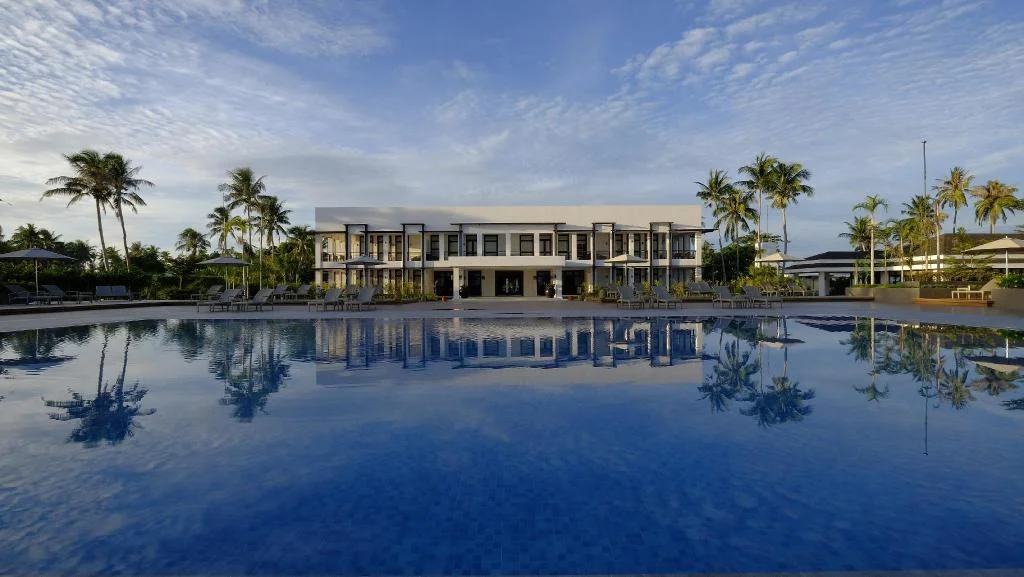
Kandaya Resort
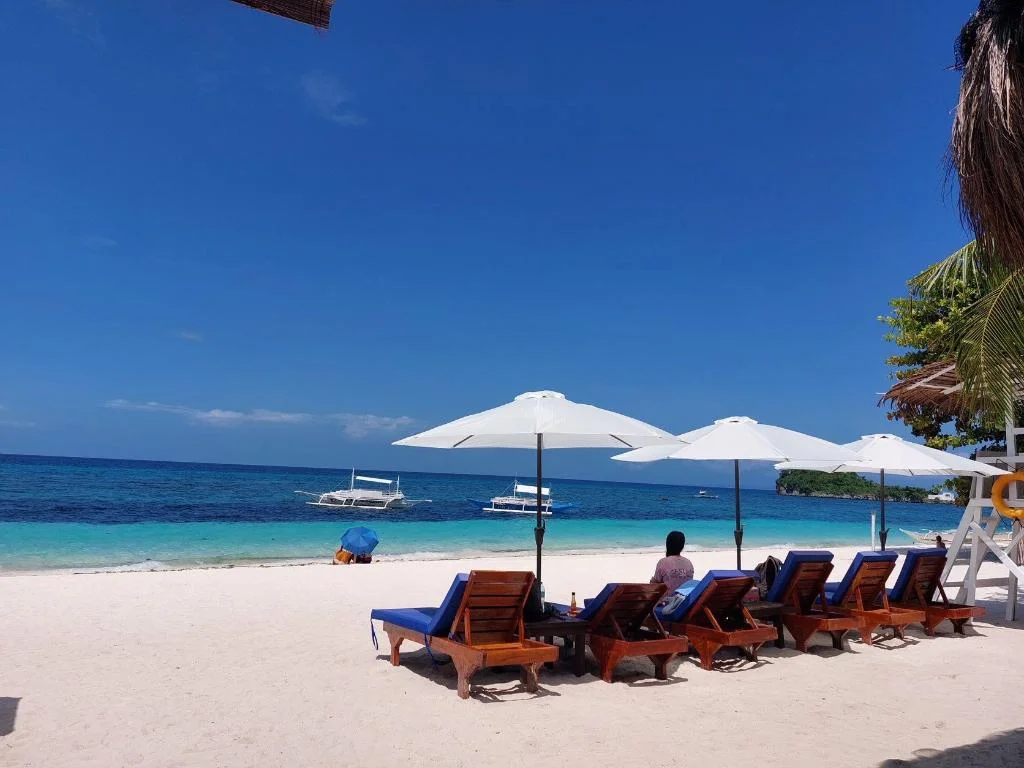
Avila's Horizon Dive Resort Malapascua
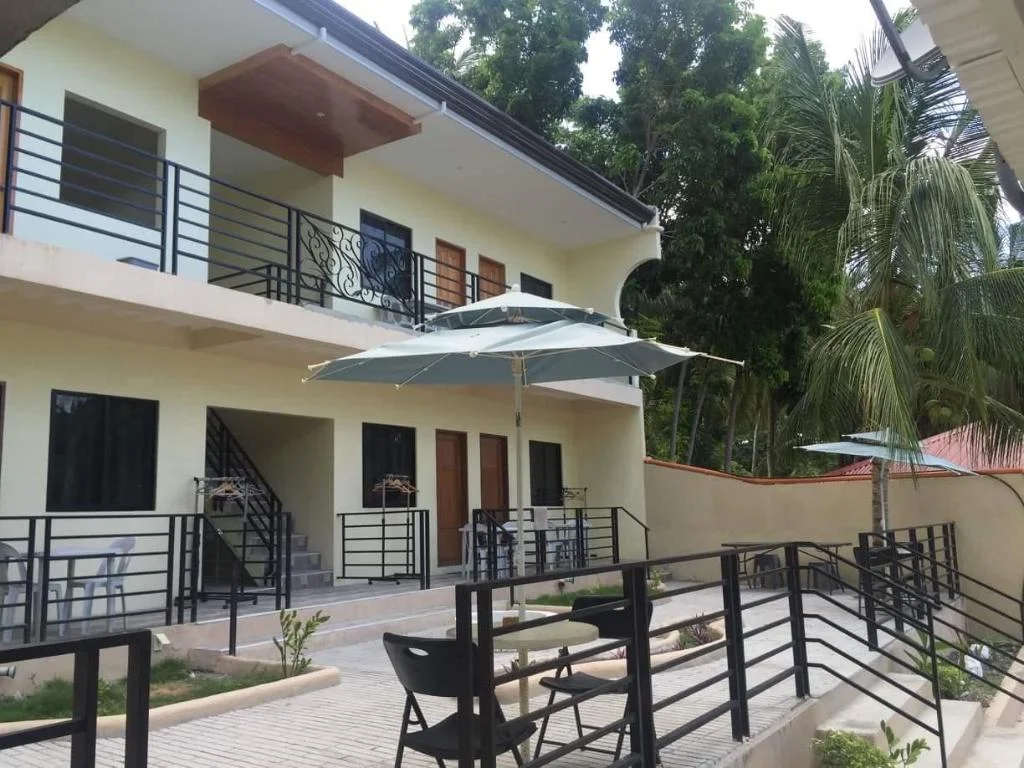
Joaquim's Lodge
Prefer a rental? Vacation rentals near Daanbantayan
Self-catering condos and apartments — book the exact unit, kitchen included.
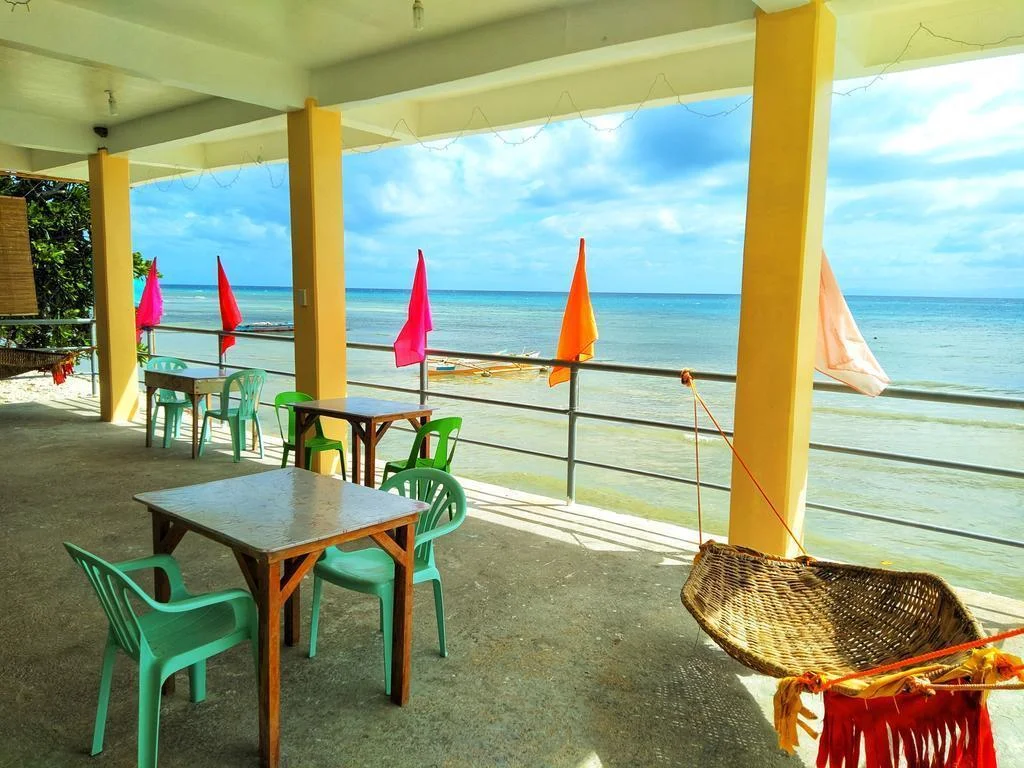
Ocean View Lodging House
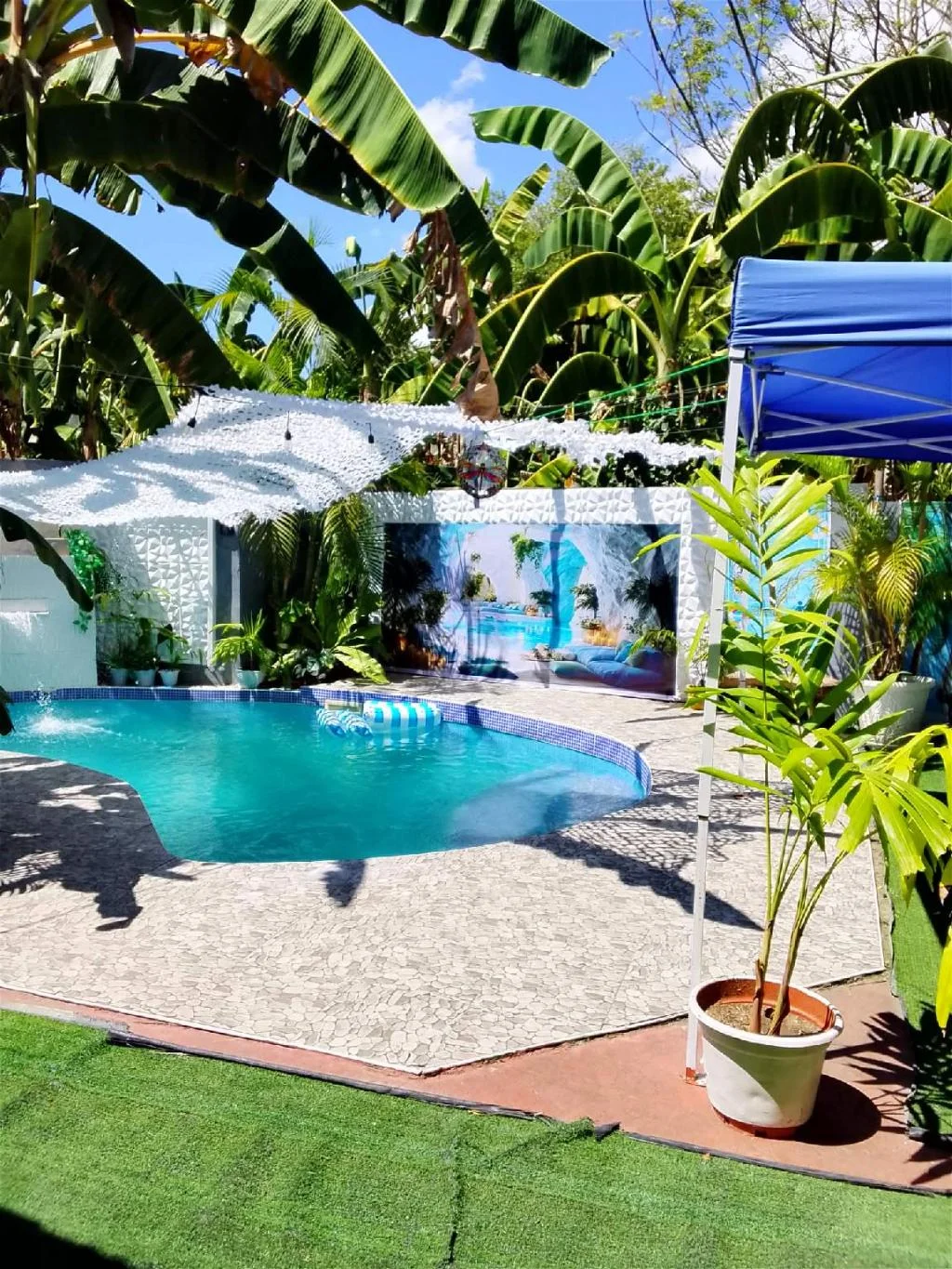
Two crazy monkeys
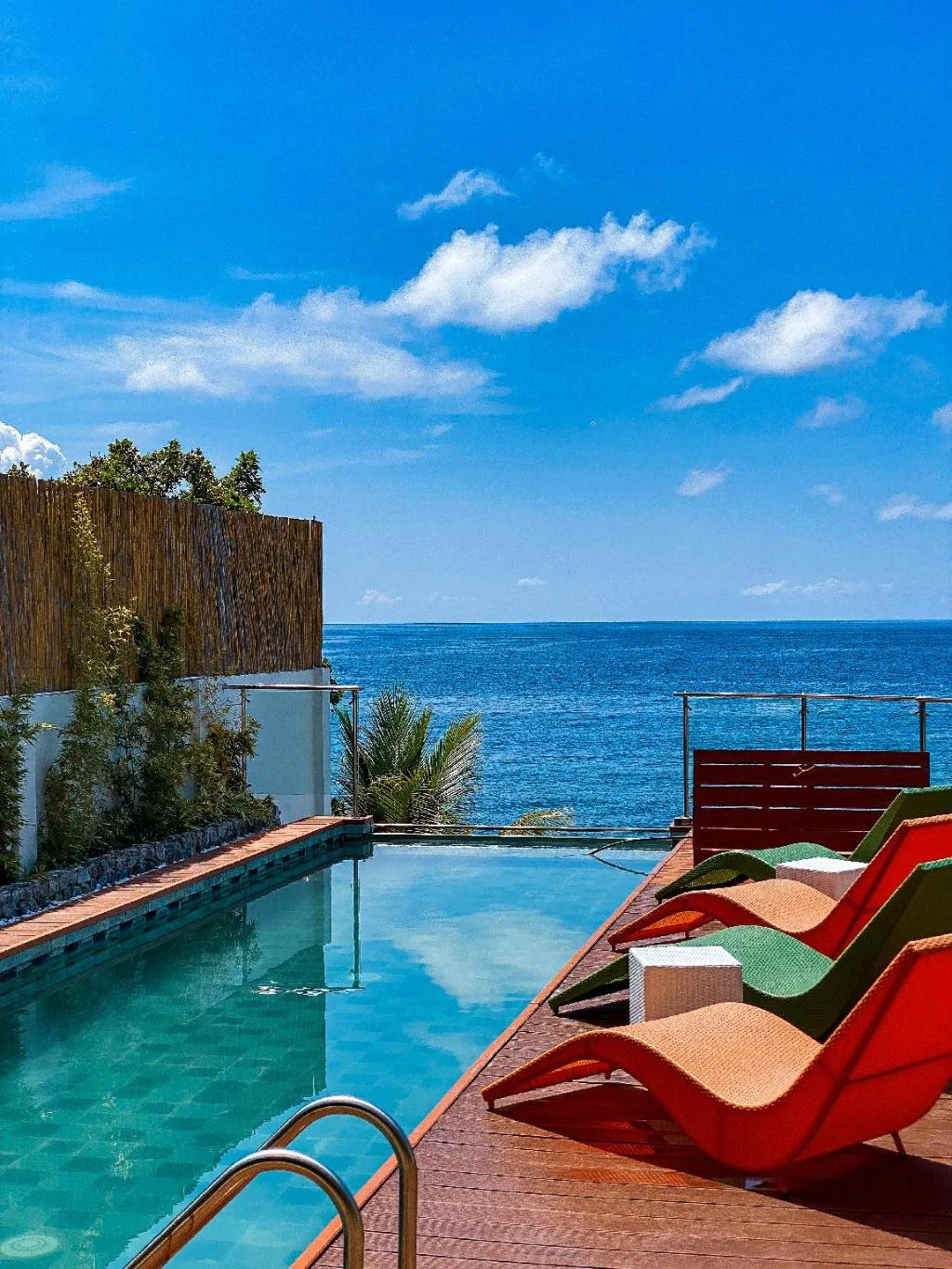
The South Hideaway Oslob
Before you go
Frequently asked
Which bus terminal do I need — North or South?
How much is the bus from Cebu to Oslob?
How much is the bus from Cebu to Moalboal?
Do I need to book bus tickets in advance?
What's the difference between aircon and ordinary buses?
Is it safe to take provincial buses in Cebu?
Can I bring diving or canyoneering gear on the bus?
What time do the first and last buses run?
Are Ceres and Sugbo the same bus company?
More Places to Explore
Whale Shark Watching
Oslob
Swim alongside gentle whale sharks, the world's largest fish, in one of the few places where these magnificent creatures can be reliably encountered.
Kawasan Falls
Badian
A stunning three-tiered waterfall famous for its turquoise waters, bamboo raft rides, and as the endpoint of the famous Badian canyoneering adventure.
Maya Port
Daanbantayan
The bustling fishing port that serves as the gateway to Malapascua Island and showcases traditional northern Cebu fishing culture.