
TL;DR: Cebu’s Japanese food scene is bigger than most visitors expect, built on a real Japanese business and expat community, not just tourism. For ramen, go to Ramen Yushoken (Mandaue) or Ikkousha (JY Square, Lahug) for tonkotsu, or Mendokoro Ramenba at Ayala Central Bloc, IT Park, if you don’t mind paying more. For izakaya-style skewers and drinks, it’s Kushi Izakaya (Banilad) or Yukimaru (near Escario). For sushi and sashimi, Nonki (13+ branches) and Chibori’s eat-all-you-can set in IT Park are the reliable picks. Expect ₱150–1,000 (US$3–17) per person depending on tier. Verified July 2026.
Cebu isn’t the first place people think of for Japanese food, but it should be closer to the list than it is. A sizable Japanese business and expat community — English-language schools, manufacturing offices, and long-term residents concentrated around Mabolo, Banilad, and Mandaue — has supported real Japanese restaurants here for two decades, not just Japanese-inspired fusion. That’s the reason a Fukuoka ramen chain and a Manila ramen-bar import both picked Cebu for a branch. This guide rounds up the city’s best ramen counters, sushi spots, and izakayas by area and price, so you can decide whether to eat near Temple of Leah and Tops Lookout in the hills, or stay down in IT Park and Banilad where most of these places actually are.
At a Glance: Cebu’s Best Japanese Restaurants
| Restaurant | Specialty | Area | Price tier (per person) |
|---|---|---|---|
| Ramen Yushoken | Tonkotsu, tantanmen, shio ramen | Mandaue (A.S. Fortuna / Oakridge Business Park) | Premium — ₱500–1,000 (US$9–17) |
| Ikkousha Ramen | Hakata-style tonkotsu | JY Square Mall, Lahug | Mid — ₱350–600 (US$6–10) |
| Mendokoro Ramenba | Shio, shoyu, and tantanmen ramen bar | Ayala Malls Central Bloc, IT Park | Premium — ₱800–1,000 dinner (US$14–17) |
| Nonki Japanese Restaurant | Sushi, sashimi, bento, ramen (13+ branches) | Multiple — Mabolo, Mandaue, Lapu-Lapu | Mid to Premium — ₱125–900+ à la carte |
| Chibori Shabu Shabu & Sushi Bar | Eat-all-you-can sushi and shabu-shabu | Asiatown IT Park | Mid — from ~₱450 (US$8) set |
| Kushi Izakaya | Yakitori, kushiyaki, kushikatsu skewers | Banilad Town Centre | Mid — ₱, small plates priced individually |
| Yukimaru Modern Izakaya | 200+ item menu — sushi, ramen, yakitori | AXIS Vibo Place, near Escario | Budget to Mid |
| Wakamatsu Yakiniku | Unlimited Japanese-Korean BBQ | Mabolo (Pacific Square) | Mid — ₱590–690 buffet (US$10–12) |
Prices from operator menus and recent diner reports; menus and prices change without notice — confirm at the restaurant. Verified July 2026.
Where Is the Best Ramen in Cebu?
For classic tonkotsu, Ramen Yushoken and Ikkousha are Cebu’s two most consistently recommended ramen houses, with Mendokoro Ramenba as the newer, pricier third option.
Ramen Yushoken, on A.S. Fortuna Street in Mandaue’s Oakridge Business Park, holds a strong reputation for rich, slow-cooked tonkotsu broth — tantanmen, shoyu, miso, and shio versions are all on the menu, alongside chashu pork and gyoza. It runs on the premium end at roughly ₱500–1,000 (US$9–17) per person, and the small dining room gets warm and crowded at peak hours, so aim for an early lunch or late dinner.
Ikkousha Ramen, at JY Square Mall in Lahug, is the Cebu branch of a Fukuoka-based Hakata-style chain — a meaningful signal, since Hakata is one of Japan’s ramen heartlands. Bowls run ₱350–600 (US$6–10), with a discounted lunch set that roughly halves the price. The Standard Tonkotsu and the spicier God Fire Tonkotsu are the two most ordered bowls.
Mendokoro Ramenba, at Ayala Malls Central Bloc in IT Park, is a Manila import with a minimalist ramen-bar look and a loyal following for its tantanmen. It’s the priciest of the three — ₱470–670 (US$8–12) per bowl, and ₱800–1,000 (US$14–17) per person for a full dinner — and some diners find that steep next to Yushoken or Ikkousha for comparable quality. Go if you’re already in IT Park and don’t want to travel for ramen.
Where Do You Go for Sushi and Izakaya in Cebu?
Nonki covers reliable sushi and sashimi at scale across the city; Chibori in IT Park is the pick for an eat-all-you-can set; Kushi Izakaya and Yukimaru are Cebu’s clearest izakaya experiences.
Nonki Japanese Restaurant has been running in Cebu for roughly two decades and now has more than a dozen branches — including SM City Cebu (Mabolo), J Centre Mall (Mandaue), and one near Island Central Mall in Mactan — plus branches in Bohol, Davao, and Iloilo. The menu runs over 200 items: sashimi (salmon around ₱640, tuna around ₱455), nigiri and maki sushi, tempura, donburi, and ramen. It’s not the most exciting sushi in the country, but it’s the most dependable name in Cebu, and portions and pricing are posted clearly on their own ordering site.
Chibori Shabu Shabu & Sushi Bar, in Asiatown IT Park, pairs an eat-all-you-can sushi and shabu-shabu set (from roughly ₱450, US$8, plus a rice add-on) with a full izakaya-adjacent menu — chicken teriyaki and yakiniku don are the recommended orders. It’s popular with groups precisely because it removes the per-plate math.
Kushi Izakaya, in Banilad Town Centre, specializes in charcoal-grilled and fried skewers — yakitori, kushiyaki, kushikatsu — under a head chef who ran his own izakaya in Yokohama for a decade. It’s the most “authentic tavern” experience on this list: retro Japanese décor, beer-forward menu, small plates meant for sharing rather than one big entrée.
Yukimaru Modern Izakaya, tucked into AXIS Vibo Place near Escario Street (Kamputhaw), was opened specifically to give Cebu’s Japanese residents an affordable alternative to pricier Japanese restaurants — the founders cited local Japanese expats finding Cebu’s Japanese food scene more expensive than eating in Japan itself. With 200+ menu items spanning sushi, ramen, and yakitori at student-friendly prices, it’s a good stop if you want variety without committing to one style.
Which Area Has the Best Japanese Food — IT Park, Banilad, or Mabolo?
IT Park has the densest cluster, Banilad and the Escario area lean izakaya, and Mabolo/Mandaue hold Cebu’s longest-running names.
- IT Park (Ayala Central Bloc + Asiatown): Mendokoro Ramenba, Chibori, and the fine-dining Kazuwa are all within a short walk of each other — the most convenient area if you’re already based here for coworking or nightlife.
- Banilad / Escario (Kamputhaw): Kushi Izakaya and Yukimaru give this stretch a distinct izakaya identity, skewing toward small plates and drinks over full meals.
- Mabolo / Mandaue: Nonki’s original branches, Ramen Yushoken, and Wakamatsu Yakiniku sit here — this is where Cebu’s Japanese dining scene has run longest, tied to the area’s older Japanese business and residential presence.
If you’re staying in IT Park for its restaurant scene generally, you can cover Mendokoro and Chibori without a tricycle ride. If you’re basing yourself around Cebu City more broadly, a short Grab ride reaches all three clusters in under 20 minutes off-peak.
How Do You Choose Between Them?
Match the restaurant to what you actually want to do:
- Want one great bowl of ramen and nothing else? Ikkousha or Yushoken — both are ramen-first menus done well.
- Want a group meal where nobody has to negotiate the bill? Chibori’s eat-all-you-can or Wakamatsu’s yakiniku buffet.
- Want drinks and small plates for a few hours? Kushi Izakaya or Yukimaru.
- Want dependable sushi without hunting for a niche spot? Nonki — pick whichever branch is closest.
- On a tight budget? Yukimaru’s lunch menu and Ikkousha’s lunch sets are the cheapest reliable options on this list.
If you’d rather compare Japanese against Cebu’s other strong Asian-food import, see our best Korean restaurants in Cebu guide — the two scenes sit in some of the same neighborhoods and price bands.
The Honest Take
Cebu’s Japanese food is genuinely good relative to what most visitors expect from a secondary Philippine city, and the reason is structural: there’s a real Japanese community here, not just a tourist market pretending. That said, don’t come expecting Tokyo-level sushi or a serious omakase counter scene — that segment is thin, and most of what’s excellent here is ramen and izakaya rather than raw fish artistry. Prices at the newer, more polished spots (Mendokoro, Yushoken) have crept toward what you’d pay in Manila, and some diners feel that’s out of step with local ramen alternatives at half the price. If you’re on a budget, skip the newest openings and go straight to Ikkousha, Yukimaru, or Nonki — you’ll eat just as well for less. Weekday lunch is the easiest time to get a seat anywhere on this list; Friday and Saturday dinner at Yushoken, Mendokoro, or Kushi means either a wait or a reservation.
Sources
- Ikkousha Cebu — official site (menu, pricing, hours)
- Nonki Japanese Restaurant — official ordering site (branches, sashimi/sushi pricing)
- Ramen Yushoken Cebu — Tripadvisor reviews (rating, pricing, diner feedback)
- Kushi Izakaya — Facebook / Keeta feature (concept, location, hours)
- Yukimaru Modern Izakaya — SunStar Cebu (opening story, pricing philosophy)
- Chibori Shabu Shabu & Sushi Bar — Everything Cebu (concept, pricing)
- Wakamatsu Yakiniku — Sugbo.ph feature (buffet concept, pricing history)
- Menu prices cross-checked against foodpanda and Booky restaurant listings, July 2026. Verified July 2026.
Whichever cluster you pick, book a table rather than showing up cold on a weekend — and if you’re planning a full day around IT Park’s food and nightlife, check Grab fares and availability before you head out, or compare hotels near IT Park and Banilad on Agoda if you want to walk to dinner instead of ride to it. Pair a ramen crawl with our Cebu City restaurant roundup for a fuller sense of where the city eats best.
Book Tours & Hotels for This Trip
Find and book the best deals — prices and availability update in real time. Links open in a new tab.
Where to stay near Cebu City
Top-rated hotels for this trip — tap through to check live rates.
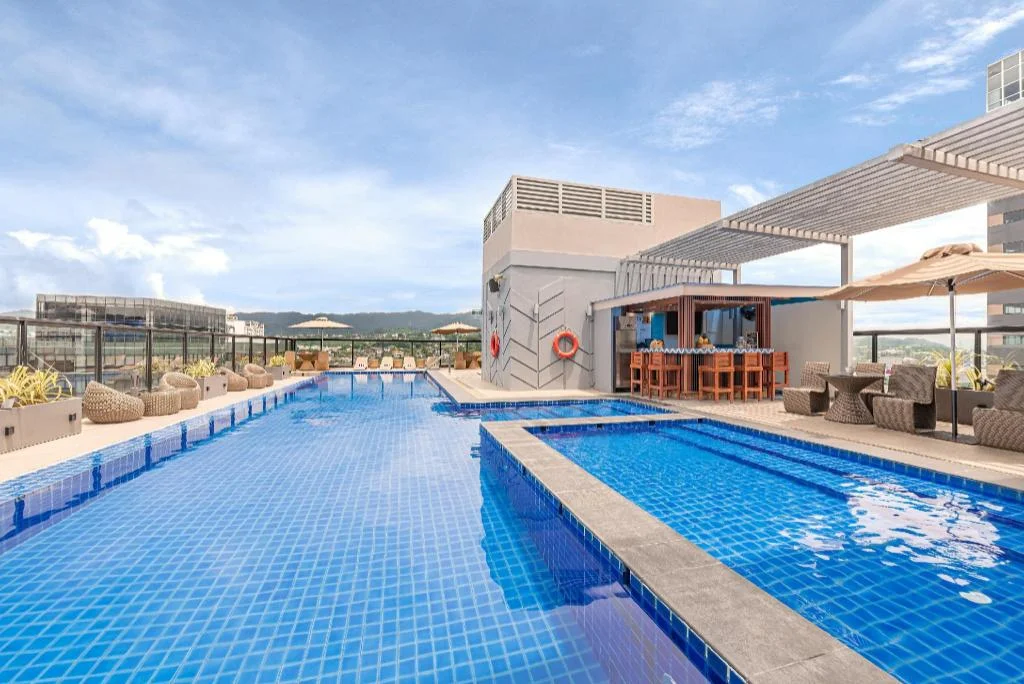
Seda Central Bloc Cebu City
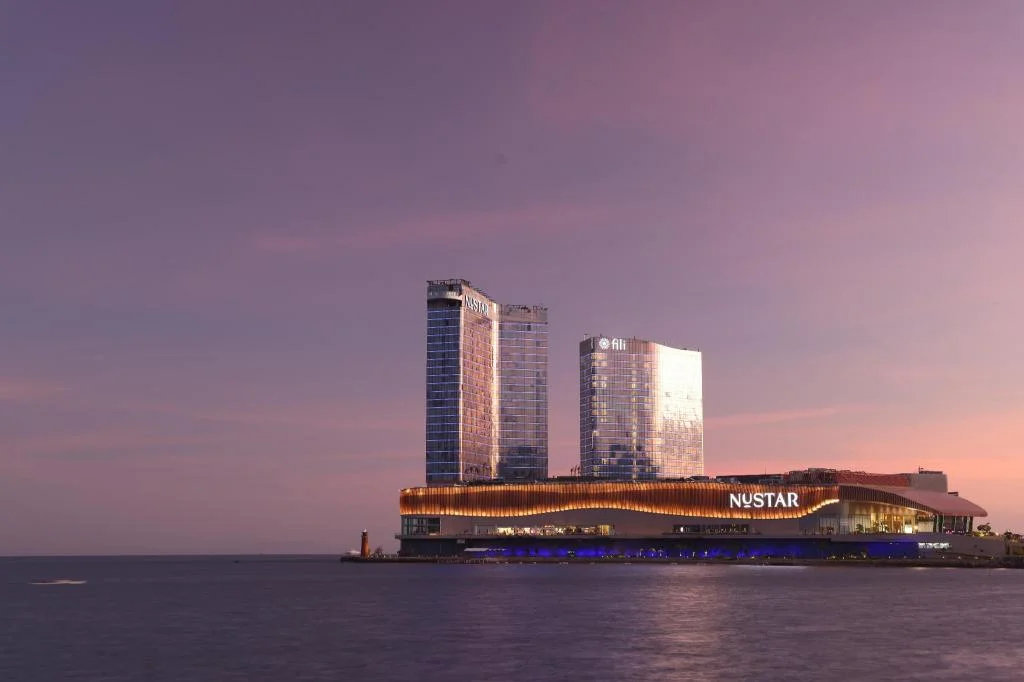
Fili Hotel - NUSTAR Resort & Casino Cebu
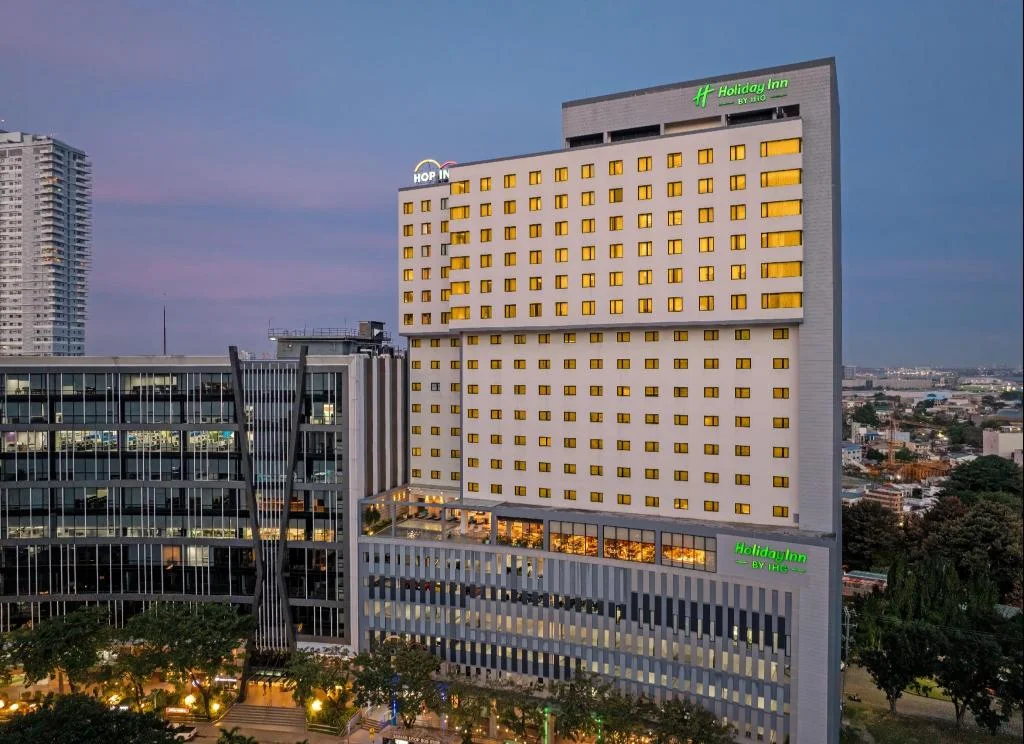
Holiday Inn Cebu City By IHG
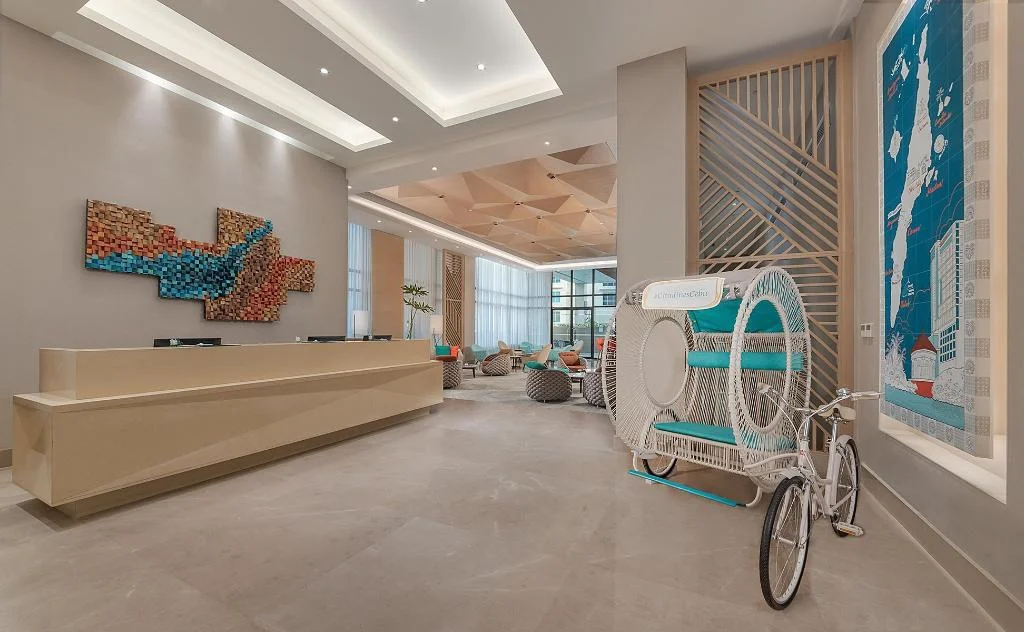
Citadines Cebu City
Prefer a rental? Vacation rentals near Cebu City
Self-catering condos and apartments — book the exact unit, kitchen included.
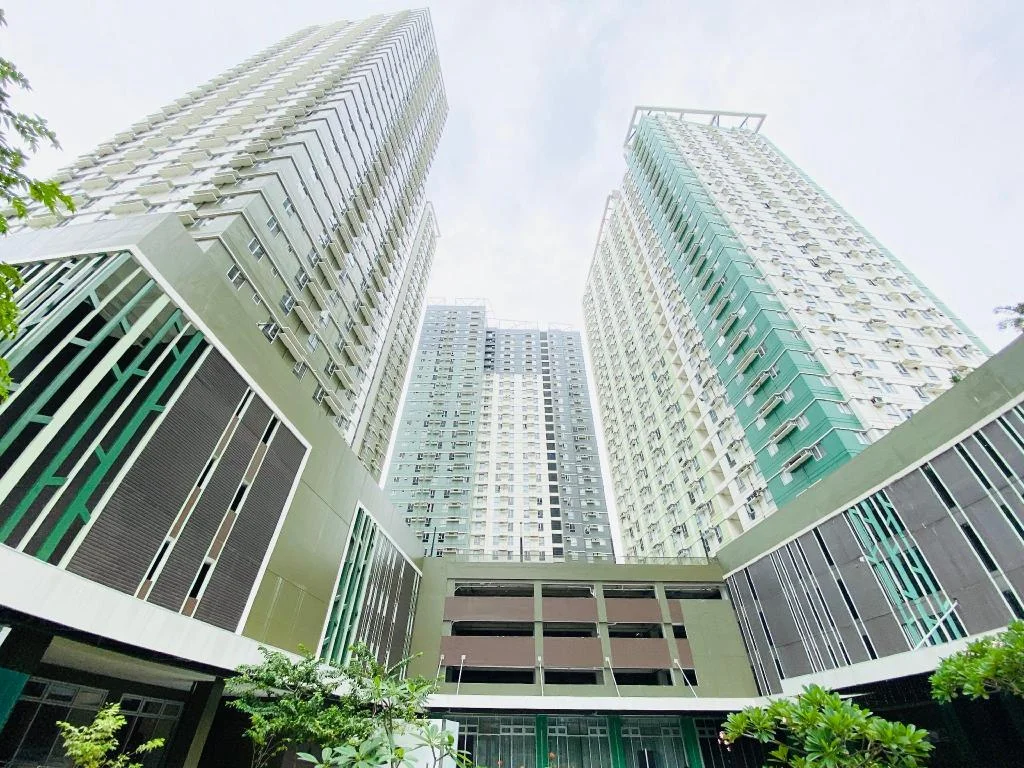
Cebu Avida Riala by P&J
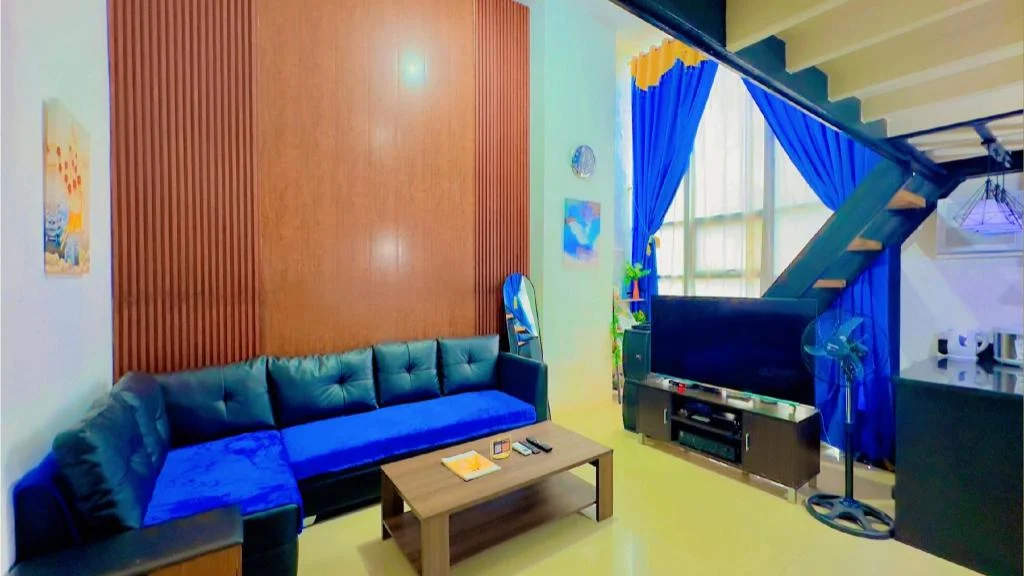
Special Big Loft Unit w/Fibreop Internet & Netflix
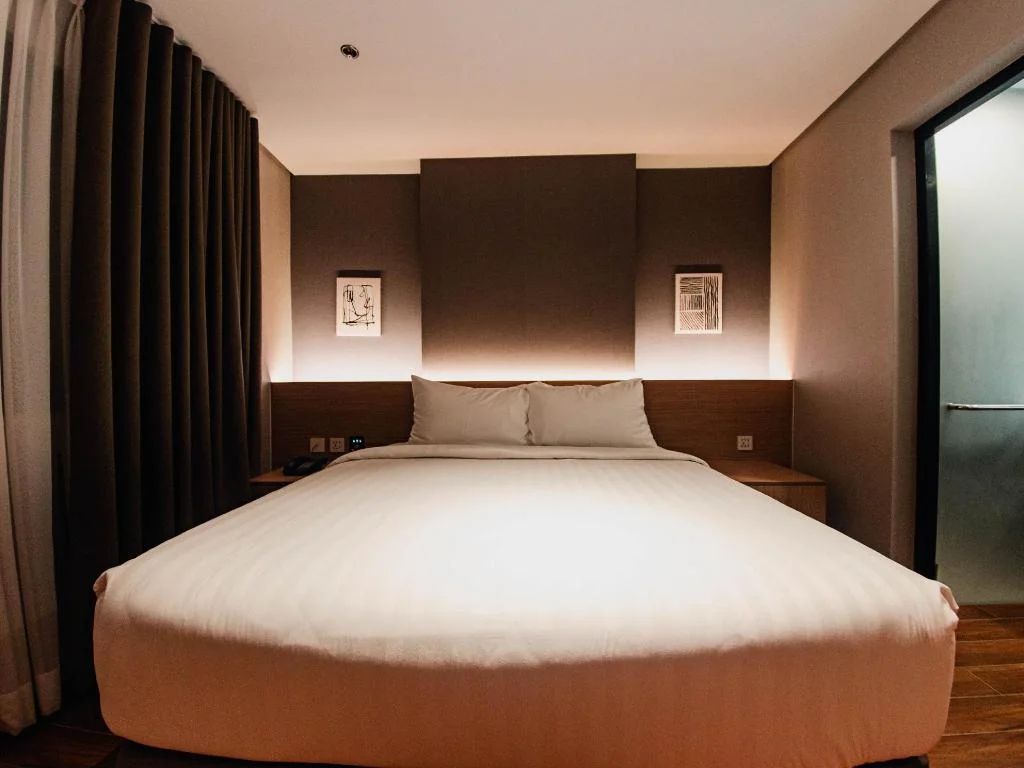
Moonstar Cebu Hotel - Deluxe Room
Before you go
Frequently asked
Why does Cebu have so many good Japanese restaurants?
Where is the best ramen in Cebu?
Is there good sushi in Cebu, or should I skip it?
What's the difference between an izakaya and a regular Japanese restaurant in Cebu?
How much does a Japanese meal cost in Cebu?
Which area has the most Japanese restaurants — IT Park, Banilad, or Mabolo?
Do I need a reservation?
Are these restaurants halal or vegetarian-friendly?
More Places to Explore
Temple of Leah
Cebu City
A magnificent Roman-inspired temple built as a monument of love, nicknamed 'Cebu's Taj Mahal,' offering stunning architecture and city views.
Tops Lookout
Cebu City
Cebu City's premier hilltop viewpoint offering stunning panoramic views of the city, especially spectacular at sunset and nighttime.