
TL;DR: Mactan-Cebu International Airport (CEB) has two separate terminal buildings: Terminal 1 for every domestic flight (Cebu Pacific, PAL, AirAsia, Cebgo, Sunlight Air, AirSWIFT) and Terminal 2 for every international flight, connected by a 5–10 minute covered walkway or a free 24/7 shuttle — there’s no airside link, so you exit through one terminal’s public area to reach the other. Domestic and international terminal fees (₱350 / ₱850, roughly US$6 / US$15) are now built into most e-tickets, so you rarely pay at a counter. Arrive 2 hours early for domestic, 3 hours for international. Verified July 2026.
If your Cebu trip involves an international flight in or a connection to a domestic hop onward — say, Manila, Bohol, or Palawan — you’ll pass through both of Mactan-Cebu International Airport’s terminals at some point, and they are not the same building. This confuses a lot of first-timers who assume “the airport” is one continuous terminal like at some smaller Philippine airports. It isn’t. Terminal 1 and Terminal 2 sit next to each other on airport grounds near the Mactan Shrine in Lapu-Lapu City, but you have to leave one building’s public area to reach the other. This guide covers which terminal your flight actually uses, how to move between them if you’re connecting, what the terminal fees look like in 2026, and what facilities to expect at each.
Which Terminal Is Domestic and Which Is International?
Terminal 1 handles every domestic flight; Terminal 2 handles every international flight. It’s a clean split, not a partial one. Terminal 1 is the airport’s original building, renovated over the years, and it’s where you’ll check in for any Philippine domestic route — Manila, Davao, Puerto Princesa, Tagbilaran, Iloilo, and the rest. Terminal 2 opened on July 1, 2018, specifically to handle international arrivals and departures as Cebu’s international traffic grew past what the old single terminal could manage.
The one historical exception: after Typhoon Odette hit Cebu in December 2021, Terminal 2 briefly handled both domestic and international flights while storm damage to Terminal 1 was repaired, through around mid-2022. That arrangement ended once repairs finished, and the airport has run the clean domestic/international split since. If you’re flying in 2026, assume the split holds — but always check the terminal number printed on your e-ticket or boarding pass, since specific counters and gate assignments can shift.
Which Airlines Use Terminal 1?
Terminal 1 is for domestic flights only, regardless of which airline you’re on. Cebu Pacific, Philippine Airlines, Philippines AirAsia, Cebgo, Sunlight Air, and AirSWIFT all check in domestic passengers here. If you’re connecting from an international flight to a domestic one (or vice versa) on the same airline, you’ll still switch terminals — the airline doesn’t get you a shortcut between buildings.
Which Airlines Use Terminal 2?
Terminal 2 handles all international flights, including the international routes flown by Philippine carriers — Cebu Pacific, Philippine Airlines, and AirAsia all use T2 for their Cebu–abroad routes, alongside foreign airlines like Cathay Pacific, Korean Air, Asiana Airlines, China Airlines, Scoot, Jeju Air, Qatar Airways, Emirates, Singapore Airlines, and Turkish Airlines. Terminal 2 is also the more architecturally striking of the two — its wave-shaped roof and soaring wooden arches (glued laminated timber, giving it a warm, almost resort-like feel) won a 2019 World Architecture Festival award and helped it get named Best Airport in the Asia-Pacific 5–15 million passenger category at the 2025 ASQ Customer Experience Awards. It’s worth a look even if you’re just passing through.
For the full rundown of who flies where and how often, see our guide to international flights and airlines serving Cebu and domestic routes from Cebu.
Terminal Fees: What Do You Actually Pay in 2026?
| Fee type | Amount (2026) | Who pays it | When |
|---|---|---|---|
| Domestic terminal fee | ~₱350 (~US$6) | All domestic passengers | Built into ticket price |
| International passenger service charge | ~₱850 (~US$15) | All international passengers | Built into most e-tickets |
| Counter payment (rare) | Same rates | Only if your e-ticket wasn’t issued with the fee integrated | At the fee counter inside Terminal 2 |
Verified July 2026.
Most travelers won’t pay anything extra at the airport. MCIA folded both the domestic terminal fee and the international passenger service charge into ticket prices years ago, so if you bought your ticket through an airline or a normal travel agent, it’s already covered. The only people who still get stopped at a counter are travelers with older paper tickets, or e-tickets reissued without the integrated charge — a small minority. If your printout or app shows a “terminal fee” or “PSC” line item already charged, you’re set; if you’re not sure, the fee counters are on the ground floor of Terminal 2’s departure area.
How Do You Transfer Between Terminal 1 and Terminal 2?
Walk the covered walkway (5–10 minutes) or take the free shuttle bus, which runs 24/7 roughly every 10–15 minutes. There is no airside connection between the two buildings — you cannot stay past security and walk over. If you’re connecting between a domestic and international flight, you’ll clear whatever exit process applies (immigration for international arrivals, landside for domestic), cross to the other terminal, and go through check-in and security again from scratch. Budget at least 2 hours between connecting flights on different terminals to account for the transfer, re-checking bags, and a second security screening — more during peak travel periods. Ask airport staff or the arrivals transfer desk for a shuttle coupon if you’d rather not walk with heavy luggage.
If you’re heading into Cebu City or a Mactan resort rather than connecting to another flight, see our guides on getting from the airport to Mactan resorts or into the city center for taxi, Grab, and shuttle options.
Check-In Tips and Facilities
Arrive 2 hours ahead for domestic flights, 3 hours for international ones. Domestic check-in counters at Terminal 1 typically close about 45 minutes to an hour before departure; international counters at Terminal 2 close roughly an hour before. Online check-in the day before is worth doing on both Cebu Pacific and Philippine Airlines to skip the counter line entirely and go straight to bag drop or security.
Terminal 2’s departures area has four check-in halls with roughly 48 counters, duty-free shops, a range of restaurants and cafés, and free Wi-Fi throughout. The Plaza Premium Lounge sits on Level 1 past international departures security, near Gate 20, open about 6:00 AM to midnight — walk-in rate is around ₱2,300 (about US$40) for three hours, or use a Priority Pass / eligible credit card membership if you have one. Aerotel Cebu, a small transit hotel inside the airport, rents rooms by the hour or overnight if you’ve got a long layover or an early-morning flight and want an actual bed rather than an airport chair.
Browse Mactan-area hotels on Agoda if you’d rather sleep somewhere proper the night before an early flight — several resorts and mid-range hotels are a 10–15 minute drive from either terminal. For a private, no-hassle ride between the airport and your hotel, compare airport transfer options on Klook.
The Honest Take
The two-terminal setup catches out more travelers than it should, mostly because nothing at curbside or on Google Maps makes it obvious you’re pulling up to the wrong building. If a taxi or Grab driver drops you at Terminal 1 for an international flight (or vice versa), you’ll have to walk or shuttle over, which eats 15–20 minutes you may not have budgeted. Always double-check the terminal number on your booking confirmation before you leave your hotel, not after you’ve already sat in Cebu traffic.
Terminal 2 is genuinely one of the better-designed airport buildings in the Philippines, and worth the extra few minutes of admiring the roofline even if you’re rushing. Terminal 1, by contrast, is functional but dated — expect it to feel more like a busy regional airport than a gateway one. Neither is a place you want to be badly delayed in during Sinulog week or the Christmas rush, when both terminals get genuinely packed; add extra buffer time if you’re flying in or out during those windows.
Getting to and From the Airport
Once you’ve landed, both terminals feed onto the same access road toward Lapu-Lapu City and the Mactan resort strip, or across the bridges into Cebu City proper. If you want to squeeze in some sightseeing near the airport before or after your flight, the Mactan Shrine and Mactan Island Aquarium are both a short ride away and easy to fit into a layover of a few hours. For everything else on getting around once you’ve cleared the terminal, our Mactan-Cebu Airport guide and airport-to-resort transfer guide cover taxis, Grab, and shuttle pricing in full.
Sources
- Mactan-Cebu International Airport — official site (terminal information, facilities)
- Cebu Pacific — destinations, airports, and terminal numbers (terminal assignments by route)
- Philippine News Agency — Mactan airport international terminal fee policy (fee integration into tickets)
- Plaza Premium Lounge — Mactan-Cebu Terminal 2 (lounge access, hours, rates)
- Terminal design and awards, transfer shuttle details, and 2022 post-typhoon terminal-sharing history verified against airport-technology.com, CAPA Centre for Aviation reporting, and recent traveler reports. Verified July 2026.
Book Tours & Hotels for This Trip
Find and book the best deals — prices and availability update in real time. Links open in a new tab.
Where to stay near Lapu-Lapu City
Top-rated hotels for this trip — tap through to check live rates.
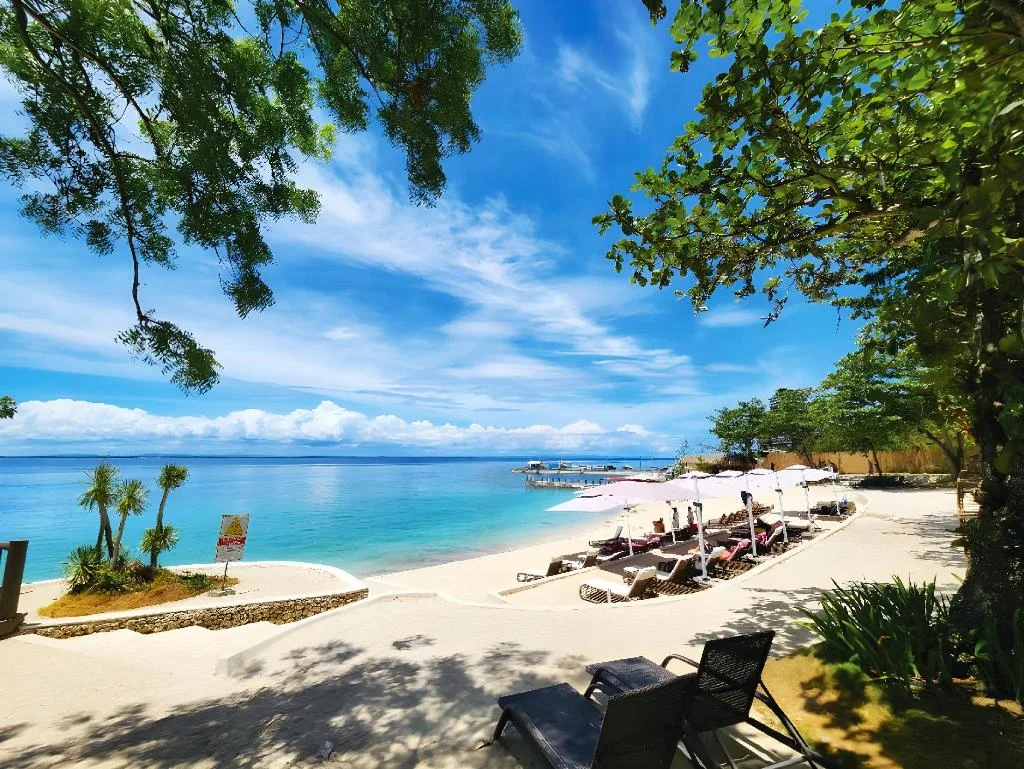
Mercure Mactan Cebu

Public House Hostel
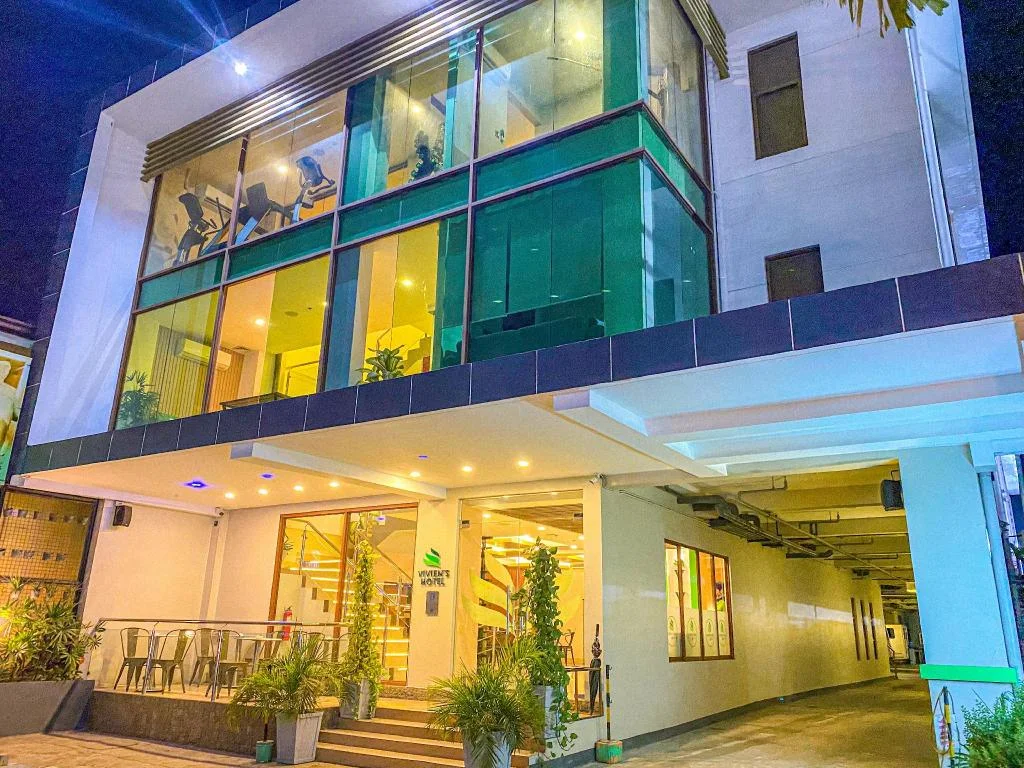
Vivien's Hotel
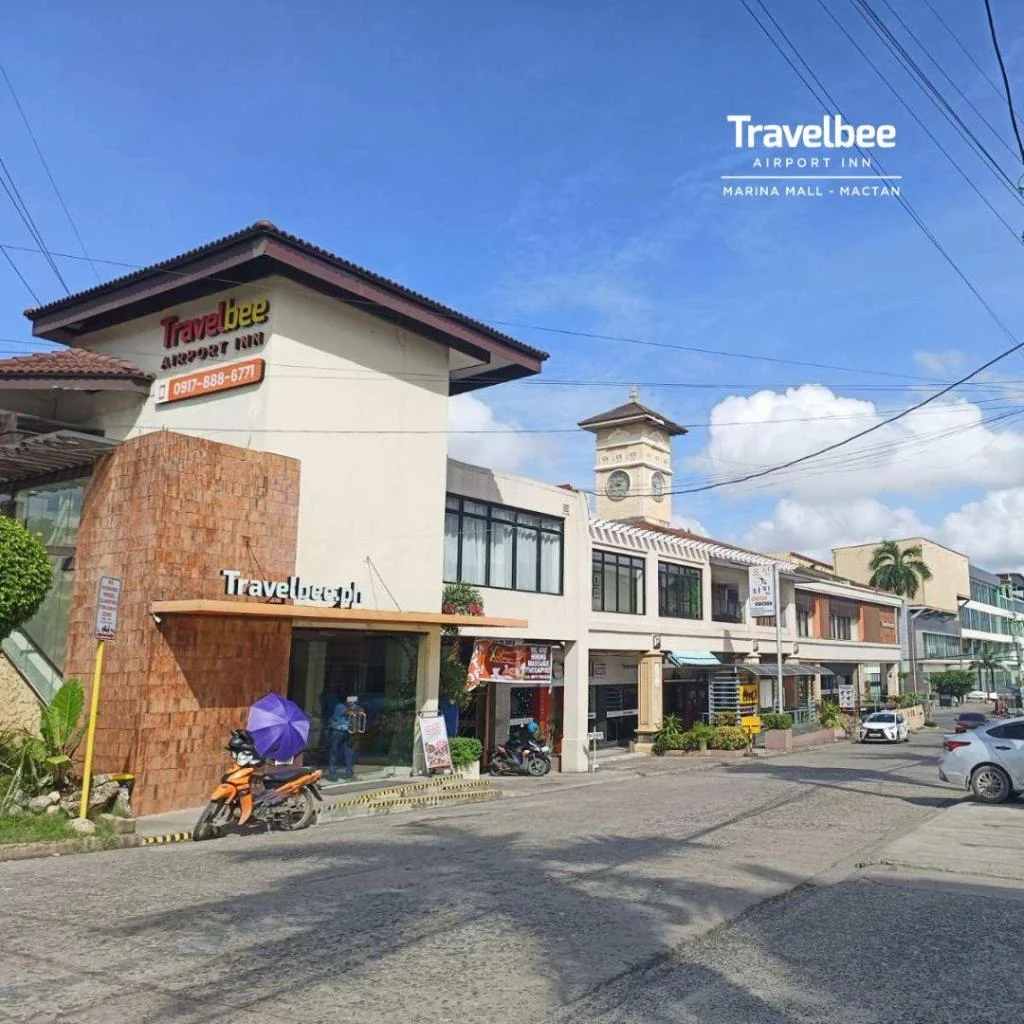
Travelbee Airport Inn
Prefer a rental? Vacation rentals near Lapu-Lapu City
Self-catering condos and apartments — book the exact unit, kitchen included.
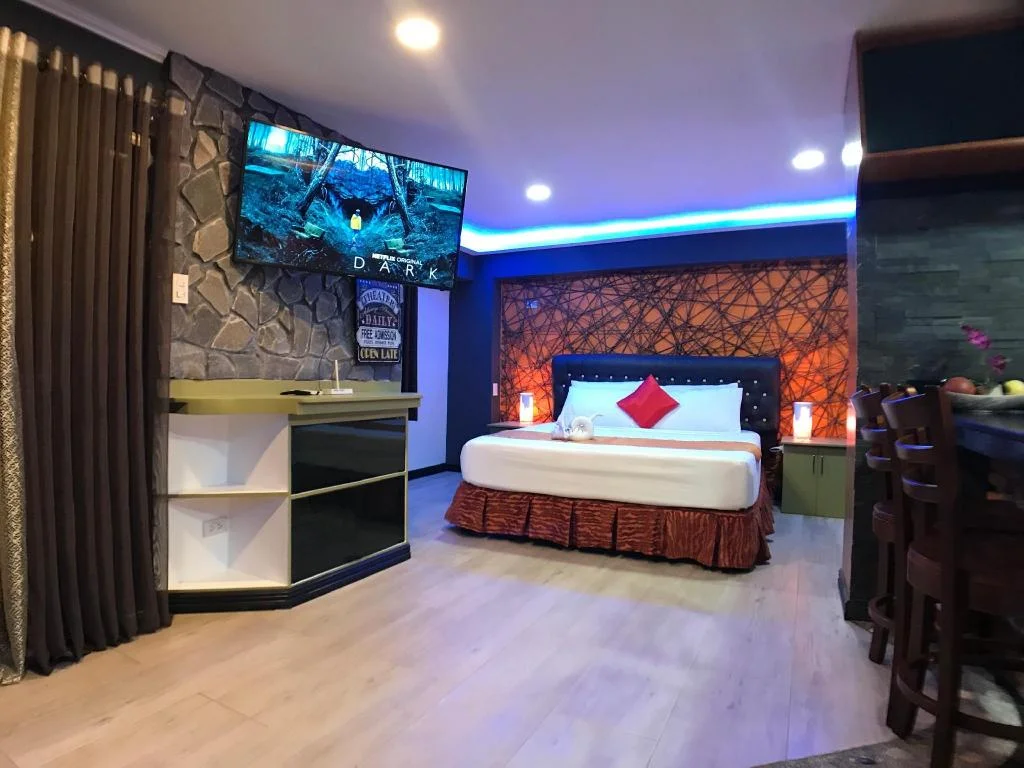
ClockWorkOrange Luxury Suites
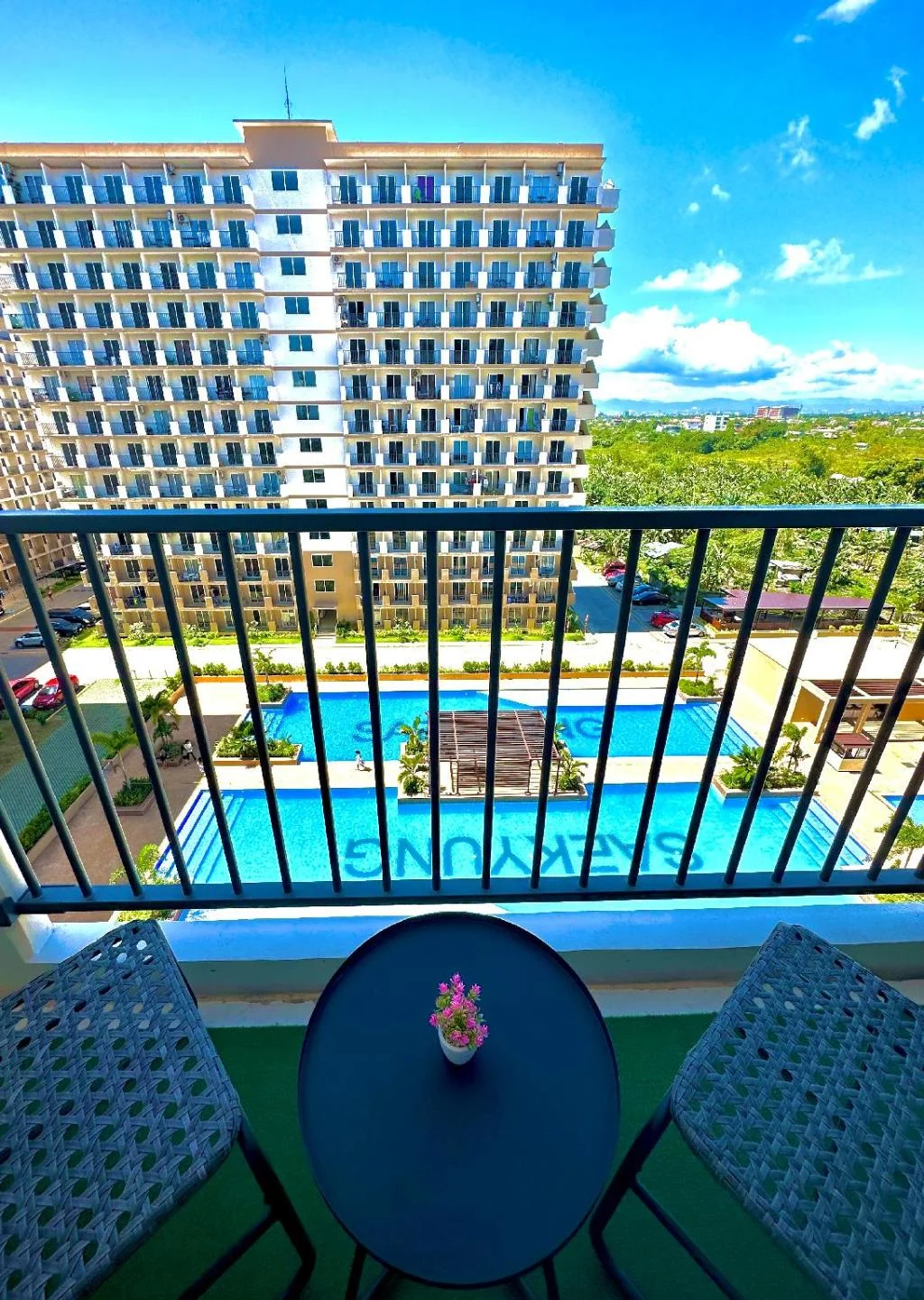
Condo with POOL/BALCONY/KITCHEN/NETFLIX/HOT SHOWER

JeeCee Homes condo near Cebu Mactan Airport
Before you go
Frequently asked
What is the difference between Terminal 1 and Terminal 2 at Mactan-Cebu Airport?
Which airlines use Terminal 1 at Mactan-Cebu Airport?
Which airlines use Terminal 2 at Mactan-Cebu Airport?
How do you get from Terminal 1 to Terminal 2 at Mactan-Cebu Airport?
Do you pay a terminal fee at Mactan-Cebu Airport?
How early should I arrive at Mactan-Cebu Airport for my flight?
Is there a lounge at Mactan-Cebu Airport?
Can I sleep or rest at Mactan-Cebu Airport for a long layover or early flight?
More Places to Explore
Mactan Shrine
Lapu-Lapu City
Historic park commemorating the 1521 Battle of Mactan where Lapu-Lapu defeated Magellan, featuring monuments to both warriors.
Mactan Island Aquarium
Lapu-Lapu City
A marine aquarium showcasing local Visayan Sea species with educational displays, touch pools, and family-friendly exhibits.