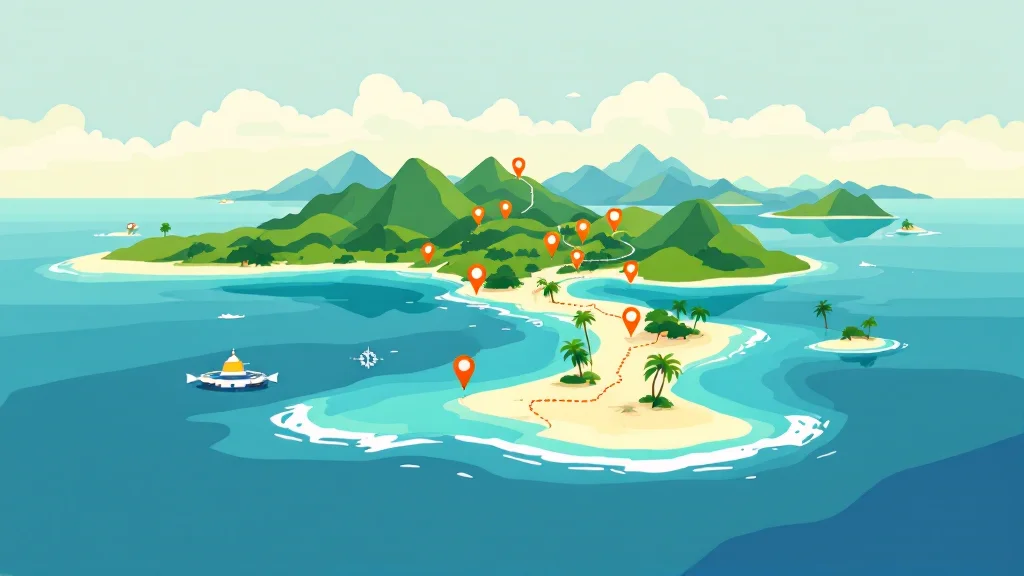
TL;DR: A 5-day loop through the Cebu most visitors skip: two quiet northern islands (Carnaza and Gibitngil), a jungle river cruise and hidden cove in Aloguinsan, waterfall-hopping in Samboan, and a cool mountain detour on the Balamban highlands. Budget roughly ₱8,000–14,000 (US$140–240) per person for 5 days of transport, entrance fees, boats, and basic guesthouses — food and any private van hire on top. Best done November–May. Verified July 2026.
Most first-time visitors do the same three things: whale sharks in Oslob, canyoneering at Kawasan Falls, and a Moalboal day trip. All worth doing once — but they’re also the most crowded, most photographed, and most “packaged” corners of the island. This itinerary goes the other way. Over five days you’ll cross to Carnaza and Gibitngil, two islands off Cebu’s northern tip that barely register on the average tourist’s radar; drift down the Bojo River through mangroves in Aloguinsan; cool off on the Transcentral Highway through the Balamban mountains; and finish with a waterfall-hopping day in Samboan, the town most people fly past on their way to Oslob without stopping. It’s built for travelers who’ve already seen Cebu’s greatest hits, or who’d rather spend a week without a single tour bus in sight. It takes more planning than a resort-and-tour package, and some legs run on local time rather than a schedule — that’s the trade-off for having these places mostly to yourself.
The 5-Day Loop at a Glance
| Day | Region | Highlights | Overnight | Est. cost/person* |
|---|---|---|---|---|
| 1 | North Cebu | Boat to Carnaza Island | Carnaza or Daanbantayan | ₱600–900 (US$10–16) |
| 2 | North Cebu | Gibitngil Island, Medellin | Medellin/Daanbantayan | ₱500–800 (US$9–14) |
| 3 | West-central | Kaang Beach, Balamban highlands (JVR Island in the Sky) | Aloguinsan | ₱600–1,000 (US$10–17) |
| 4 | Southwest | Bojo River, Hermit’s Cove | Samboan/Ginatilan | ₱900–1,300 (US$16–22) |
| 5 | Deep south | Aguinid & Binalayan Falls, Tong-an Beach | Return to Cebu City | ₱500–700 (US$9–12) |
Transport, entrance fees, and boats only — excludes accommodation (₱500–2,500/night) and meals. Verified July 2026.
How Do You Get to Carnaza Island, and Is It Worth an Overnight?
Yes — Carnaza has a raw, unresorted feel you won’t find on Cebu’s better-known islands, but getting there eats most of a day. From Cebu City’s North Bus Terminal, catch a Ceres/Bachelor Express bus toward Daanbantayan (about 3–4 hours, roughly ₱190–220). Get off near Tapilon Port, where public boats to Carnaza run mostly between 5:00 and 10:00 AM once enough passengers show up — the crossing takes 2–3 hours and costs around ₱200 per person. A private boat runs from about ₱2,500 (small outrigger, up to 10 people) to ₱3,000+ for a bigger banca.
There’s a ₱200 entrance fee at Carnaza’s eco-park, which includes access to Skull Cove, the island’s signature limestone inlet. Accommodation is basic — small guesthouses and homestays rather than resorts — so confirm availability by phone before you commit to sleeping over; if nothing’s free, day-trip it and base yourself in Daanbantayan instead. Boat departures back to the mainland are just as informal as the ones going out, so build in slack rather than planning a tight connection.
Is Gibitngil Island Worth the Trip From Medellin?
Yes, and it pairs naturally with Carnaza since both are staged from the same corner of the province. Gibitngil — locally known as Funtastic Island — sits just off Medellin, a short hop from Daanbantayan. From the Medellin bus terminal, a 15-minute tricycle ride (₱100–150) gets you to the barangay hall, where boats to the island wait. A whole boat runs roughly ₱2,500–3,500 depending on size, so it’s worth splitting with other travelers if you’re solo; a ₱50 island entrance fee applies on top.
The island itself has a cliff-jumping platform, a short zipline, and a calm cove for swimming — enough for a half-day loop before you head back to the mainland for the night. It’s touristy by local standards but nowhere near the volume you’d hit at Kawasan or Oslob, and the crowd thins out fast once the day-trip boats from Cebu City head home in the afternoon.
What’s on the Balamban Highlands Leg?
A cool-climate breather between the coasts — mountain viewpoints, pine-lined road, and a handful of cliffside cafés you won’t find in the main tourist guides. From the north, the practical route back south runs through Cebu City (buses run reliably that way); drivers with their own transport can also try the coastal road via Tuburan and Asturias, worth checking locally for current road conditions.
Break the drive at Kaang Beach in Asturias for a quiet swim, then pick up the Transcentral Highway into the Balamban mountains. JVR Island in the Sky, a cliffside resort along the highway in Barangay Gaas, charges ₱50 entrance for adults (₱25 for kids), with a ₱150 cable car ride (up to six people per trip) as an optional add-on. A V-hire from Ayala Center Terminal to Balamban runs about ₱120 one-way if you’re doing this leg by public transport instead of a rented scooter or van. The whole stretch is one of the coolest, greenest parts of the province — locals go up here specifically to escape the heat.
How Do You Get to Aloguinsan and the Bojo River?
By bus from Cebu South Bus Terminal via Toledo and Pinamungajan, then a short tricycle to the tourism center — figure on roughly 2 hours each way, plus waiting time. Fares in the ₱100–150 range are typical for this route; confirm the current fare board at the terminal since it changes without much notice.
The Bojo River Eco-Cultural Tour is the reason to come. A basic bangka with a guide runs about ₱400 (entrance is a separate ₱25), while the glass-bottom boat option — worth the upgrade if you want to see the mangrove root systems and fish below — costs ₱600 per person. Groups of 6 or more can book the full package (₱850/person for 6–10 people, ₱800/person for 11+) two days ahead through BAETA (the Bojo Aloguinsan Ecotourism Association), which bundles a welcome drink, snack, lunch, the river cruise, and a short cultural orientation. Add a coral reef stop for another ₱200 per person if your group has 10 or more. The cruise runs 8:00 AM to 5:00 PM; the stillest water and best light are early morning.
Afterward, Hermit’s Cove is a short ride away — a hidden, cliff-flanked beach with an entrance fee of about ₱100 per person (cottage use included). It’s open 6:00 AM to 6:00 PM; overnight camping isn’t allowed, so plan it as a late-afternoon swim rather than a sleepover.
Where Are Samboan’s Hidden Falls, and How Do They Compare to Kawasan?
They’re smaller and far less crowded than Kawasan Falls, which is exactly the point — expect a fraction of the people and a genuinely local, unhurried pace. From Aloguinsan, continue south along the coastal road through Ginatilan toward Samboan, home to a cluster of falls that rarely show up in first-timer itineraries.
Aguinid Falls is the area’s headline stop: a multi-tier waterfall you climb alongside (rather than just view), with an entrance fee of ₱350 as of 2025, plus a ₱20 parking fee and a tip for your local guide — guides are mandatory here, not optional. Binalayan Hidden Falls, also called Triple Drop Falls for its three-stream plunge, is a shorter, gentler visit — entrance fees reported locally range from roughly ₱40–60 with a guide included, plus a small parking fee; confirm the exact current rate at the barangay gate since reports vary. Both are open 8:00 AM–5:00 PM and sit close enough together to combine into one waterfall-hopping day.
Which Quiet Beaches Are Worth the Detour?
Kaang Beach in Asturias and Tong-an Beach in Santander — both low-key, both a genuine break from the falls-and-boats pace of the rest of the loop. Neither has the postcard-white sand of Bantayan or the reef access of Moalboal, but that’s not why you’re stopping. They’re places to sit with a cold drink, not photograph for an hour. Tong-an Beach, near the southernmost tip of Cebu, makes a natural closing stop on Day 5 before the drive back up the east coast through Oslob, Argao, and Carcar to Cebu City — a smoother, faster return than backtracking the way you came.
How to Get Around This Loop
You have three realistic options, and they trade off cost against flexibility:
| Option | Cost | Best for |
|---|---|---|
| Public buses + boats + habal-habal | Lowest (~₱2,000–3,000 total transport) | Solo/budget travelers with flexible time |
| Rented scooter | ₱300–750/day | Couples/pairs comfortable riding provincial roads |
| Private van with driver | ~₱5,750–6,900/day, split across a group | Groups of 4+, tight schedules, less waiting |
If you’re renting your own wheels for the highland and southwest legs, see our motorbike and scooter rental guide or car rental guide before you go. For the two island crossings, book Carnaza or island-hopping transport through a local operator rather than freelancing it at the pier if you want a confirmed boat time.
The Honest Take
This isn’t a lie-on-a-beach-resort itinerary — it’s a route for people who’d rather spend a week getting slightly lost than tick off Oslob and Kawasan again. The trade-off is real: buses run on local time, boats leave “when enough people show up,” and accommodation in Carnaza, Gibitngil, and Samboan is basic guesthouses, not boutique resorts. If that sounds stressful rather than fun, this isn’t your itinerary — go do the classic south Cebu day tour instead.
The best window is November through May. Outside that, from roughly July to October, northern Cebu’s small-boat crossings to Carnaza and Gibitngil are the first routes suspended when a typhoon signal goes up, and the falls run muddy and swollen rather than clear. Weekdays beat weekends everywhere on this route, but the difference matters most at Bojo River and the falls, where weekend crowds can mean a longer wait for your guide slot.
One honest caveat: distances here are real. North Cebu (Carnaza, Gibitngil) and the deep southwest (Samboan) sit on opposite ends of the province, so this loop covers a lot of road. If five days feels rushed once you’re mapping it out, it’s fine to split it into two shorter trips — a northern-islands weekend and a separate southwest waterfall run — rather than forcing the full loop.
Combine It With the Rest of Cebu
This loop pairs naturally with our guides to Cebu’s best hidden gems and hidden and secret beaches if you want more off-circuit stops to slot in, or our eco-tourism experiences roundup for other community-run tours like Bojo River’s. For accommodation near the start or end of the loop, check hotels in Cebu City on Agoda — most travelers base a night there before heading north and after returning south.
Sources
- BAETA / Aloguinsan Tourism Office — Bojo River and Hermit’s Cove fees and booking
- Binalayan Falls guide, Jonny Melon — Samboan falls access and fees
- Aguinid Falls guide — 2025 entrance fee and hours
- JVR Island in the Sky guide, Shellwanders — Balamban highlands access and fees
- Carnaza Island guide, The Fickle Feet — boat routes and Tapilon Port fares
- Gibitngil Island guide, RichestPH — Medellin transport and boat rental
- Bus fares and terminal information cross-checked against current Cebu South and North Bus Terminal reporting. Confirm all fares, schedules, and entrance fees locally before you go — these move often in areas without formal ticketing. Verified July 2026.
Book Tours & Hotels for This Trip
Find and book the best deals — prices and availability update in real time. Links open in a new tab.
Where to stay near Daanbantayan
Top-rated hotels for this trip — tap through to check live rates.
Ocean Vida Resort
Kandaya Resort
Avila's Horizon Dive Resort Malapascua
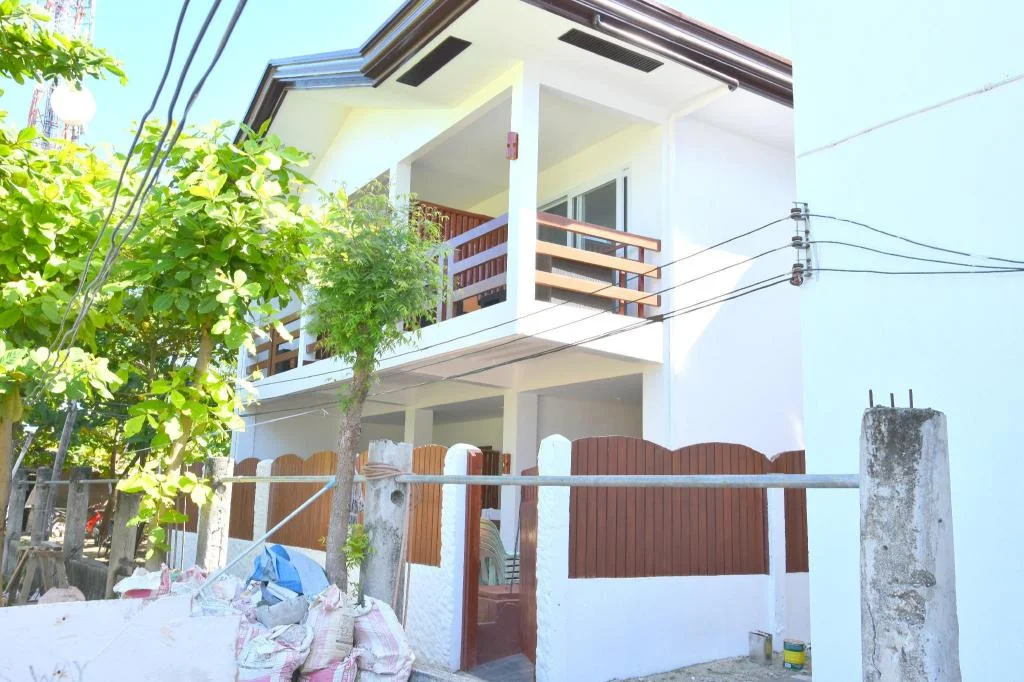
Malapatel
Prefer a rental? Vacation rentals near Daanbantayan
Self-catering condos and apartments — book the exact unit, kitchen included.
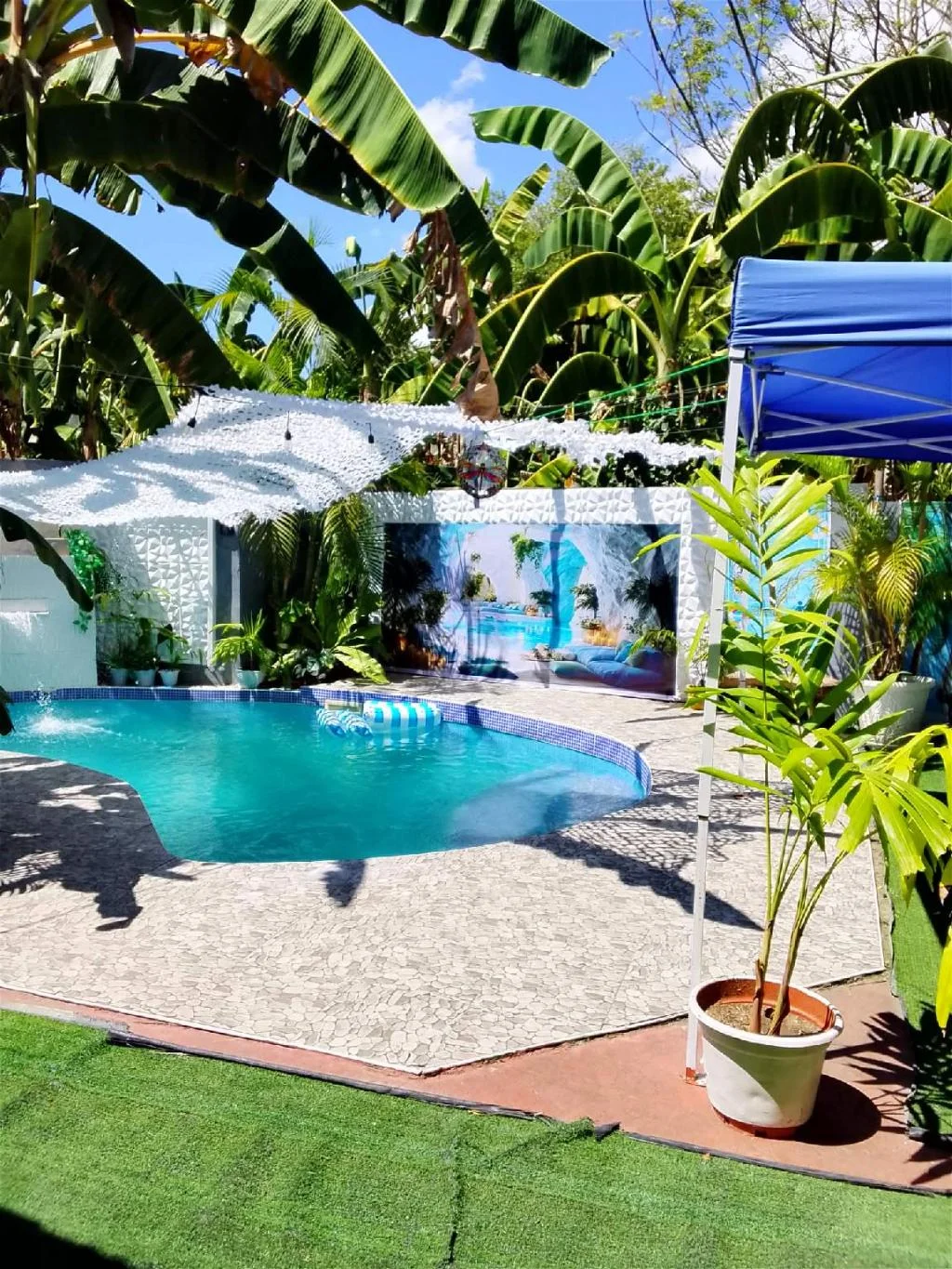
Two crazy monkeys
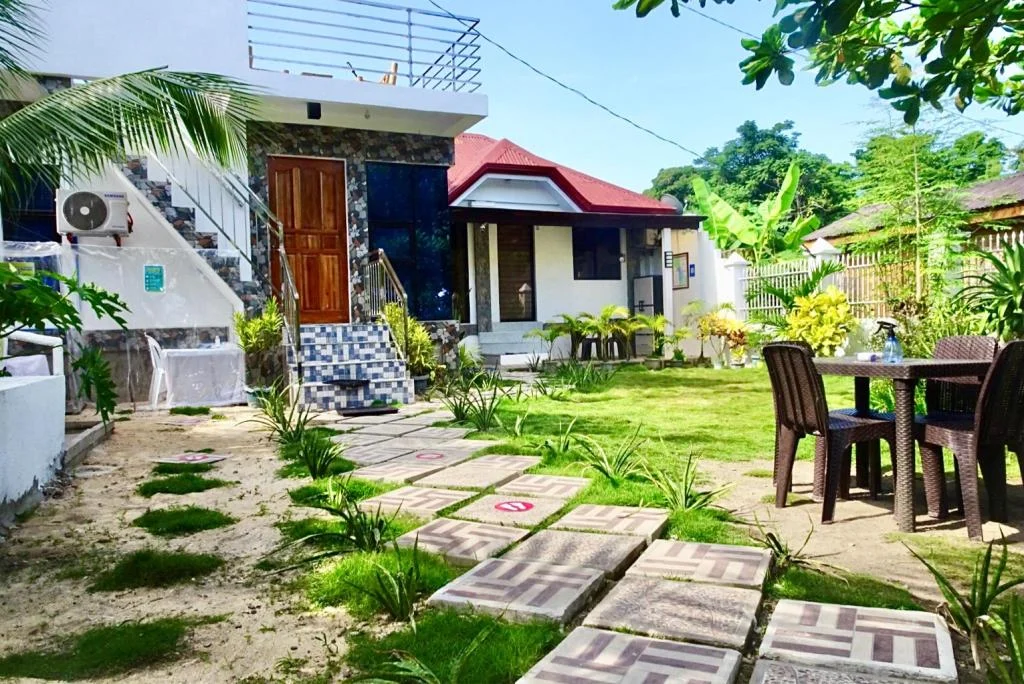
Chief's Villa 2 (Save up to50 prcnt for long term)
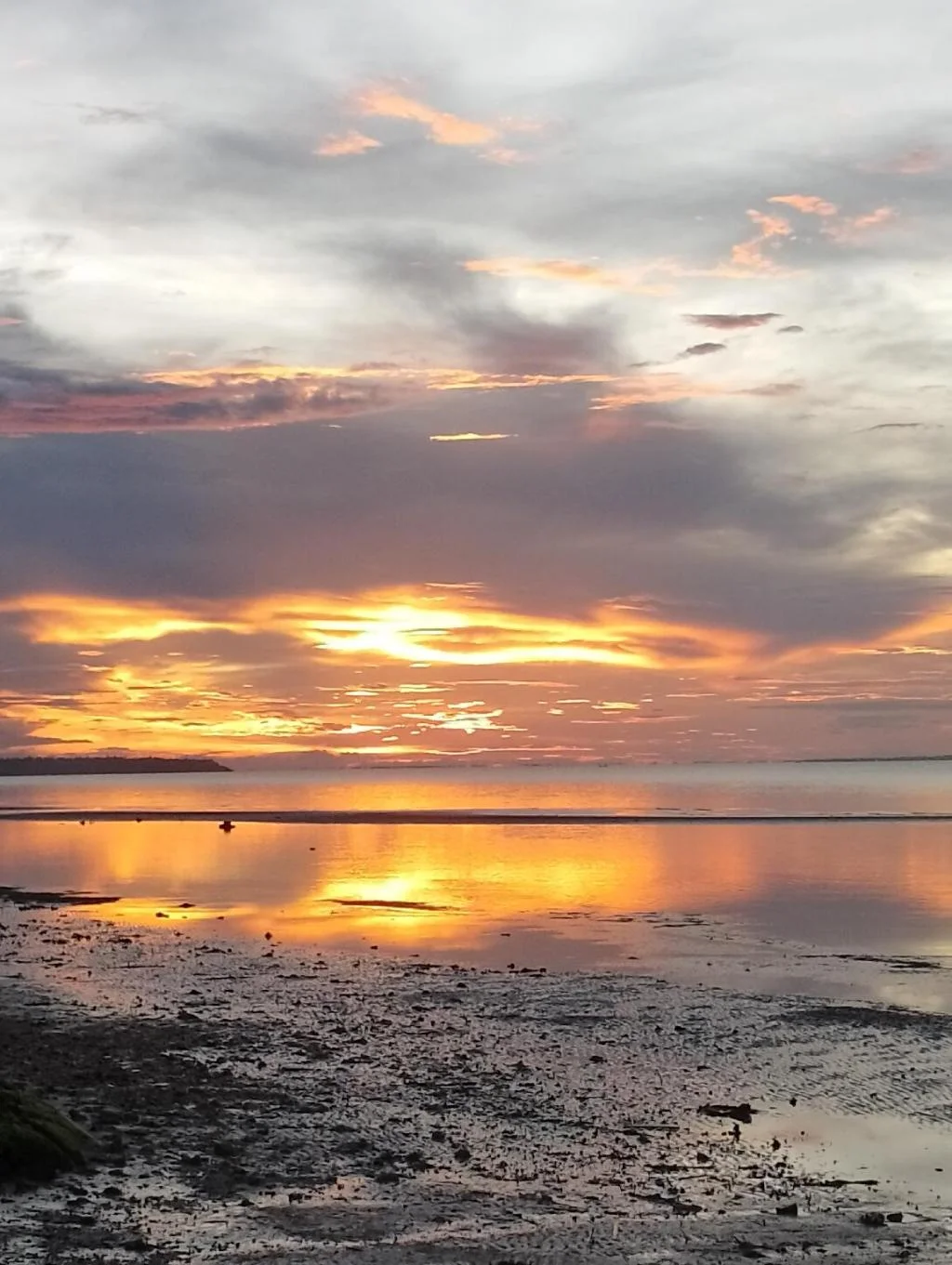
Little Sanity beach house
Before you go
Frequently asked
Is this itinerary doable without a private car?
Do you need to book the Carnaza Island boat in advance?
Is Gibitngil Island worth visiting if you've already done Carnaza?
Can you compress this into 3 or 4 days?
Do you need a guide at the waterfalls and Bojo River?
What should you pack for this trip?
Is cell signal reliable on Carnaza and Gibitngil?
What's the best time of year for this itinerary?
More Places to Explore
Bojo River Eco-Cultural Tour
Aloguinsan
An award-winning river cruise through mangroves with traditional songs, firefly watching, and a hidden beach - a complete eco-cultural experience.
Gibitngil Island
Medellin
A scenic island featuring the dramatic Dakit-Dakit Sandbar extending into turquoise waters - one of northern Cebu's most photogenic natural formations.
Carnaza Island
Daanbantayan
A remote, undeveloped island paradise with pristine beaches, dramatic rock formations, and authentic off-the-grid island camping experience.
Hermit's Cove
Aloguinsan
A secluded cove resort with a private crescent beach, dramatic cliffs, and clear waters - a hidden paradise on Cebu's western coast.