
TL;DR: Cebu and Manila solve different trips. Cebu wins on beaches, diving, waterfalls, cost, and ease of getting around — a smaller city with the country’s best island-hopping and diving within a two-hour drive. Manila wins on scale — more heritage sites, a bigger food and nightlife scene, and better international flight connections through NAIA. Both cities have serious traffic, but Manila’s is worse: recent TomTom data has commuters there losing close to six days a year stuck in it. Cebu runs roughly 13% cheaper day to day (around US$75/day vs US$99/day per traveler). For a first Philippines trip built around beaches and nature, pick Cebu; for a city-and-culture trip, pick Manila; for a longer holiday, do both — domestic flights between them run all day. Verified July 2026.
If you’re choosing where to fly into for a Philippines trip, Cebu and Manila are the two real contenders, and they’re built for different travelers. Manila is the capital: bigger, denser, historically loaded, with Spanish-era Intramuros, modern BGC, and the country’s widest international flight network through NAIA. Cebu is smaller and calmer, wrapped around beaches, waterfalls, and dive sites, with its own heritage core downtown and quick access to viewpoints like Temple of Leah and Tops Lookout in the hills above the city. This guide is a straight head-to-head — beaches, culture, cost, traffic, airports, and who each city actually suits — so you can pick the right base, or decide to see both.
Cebu vs Manila at a Glance
| Factor | Cebu | Manila |
|---|---|---|
| Beaches & diving | Excellent — Moalboal, Bantayan, Malapascua, Oslob | None in the city; day trips required |
| City culture & heritage | Good — compact colonial core | Best in the country — Intramuros, museums, Chinatown |
| Food scene | Strong, especially lechon and seafood | Broadest and most diverse in the Philippines |
| Nightlife | Solid, low-key (IT Park, Mango Ave) | Bigger and more varied (Poblacion, BGC, Makati) |
| Shopping | Good malls, less variety | Best — Greenbelt, Glorietta, Divisoria, SM Mall of Asia |
| Daily cost (per person) | ~US$75/day | ~US$99/day |
| Traffic | Bad at rush hour, smaller scale | Among the world’s most congested |
| Airport | Modern, single terminal, less stressful | Bigger international network, historically congested |
| As a Visayas/Mindanao base | Ideal — short connections | Adds a layover |
| Best for | Beaches, diving, first-timers, calmer pace | Heritage, food variety, business, nightlife scale |
Cost figures reflect independent travel-cost tracking (Budget Your Trip) and are averages, not guarantees — actual spend depends heavily on where you stay and how you travel. Verified July 2026.
Which Has Better Beaches and Nature?
Cebu, decisively. Manila Bay isn’t a swimming beach — the water quality is poor and its famous sunset is a view, not an invitation to get in the water. Cebu, by contrast, is ringed by beaches and dive sites: Moalboal’s sardine run and Pescador Island, Malapascua’s thresher sharks, Bantayan’s white sand, and Oslob’s whale sharks are all day-trip or short-drive distance from Cebu City. Add waterfalls like Kawasan and Osmeña Peak’s ridge views, and Cebu covers nature in a way Manila structurally can’t — it’s a metro of nearly 14 million people with no coastline built for tourism.
Which Has Better City Life, Culture, Food, and Nightlife?
Manila, on scale — but Cebu holds its own. Manila’s Intramuros and Fort Santiago form the country’s most complete Spanish-colonial “walled city,” paired with the National Museum complex, Rizal Park, and Binondo, the world’s oldest Chinatown. Its food scene is the country’s most diverse — you’ll find everything from decades-old panciterias to BGC’s international fine dining. Nightlife is bigger too: Poblacion, BGC, and Makati have far more bars, clubs, and rooftop venues collectively than Cebu offers.
Cebu’s answer is smaller but real: a walkable colonial core around the Basilica del Santo Niño and Magellan’s Cross, a genuinely good lechon and seafood scene, and a compact nightlife strip around IT Park and Mango Avenue that’s easier to navigate on a single night out than Manila’s sprawl. If your trip is built around going deep on one city’s history and food, Manila has more to explore. If you want a decent city day or two bookending beach time, Cebu delivers without needing a week.
Which Has Worse Traffic?
Both are bad. Manila is worse. Metro Manila is regularly named among the most congested cities on earth — recent TomTom Traffic Index data shows commuters there losing close to six days a year sitting in traffic, with average congestion levels around 57%. The metro’s roads carry roughly 3.8 million vehicles a day on a network built for a fraction of that. Cebu City has real rush-hour congestion of its own, especially around the SM/Ayala corridor and the bridges linking Cebu City to Mactan, but it isn’t tracked among the world’s worst — it’s a smaller city with a smaller, if still frustrating, traffic problem. Neither city rewards tight same-day transfers; build in buffer time regardless of which one you’re in.
Which Is Cheaper?
Cebu, on average. Independent travel-cost tracking puts a typical daily budget (hotel, food, local transport, entertainment) at roughly US$75 in Cebu versus US$99 in Manila — Cebu runs about 13% cheaper day to day. Hotels are the biggest gap: Cebu’s budget and mid-range rooms are noticeably less expensive outside peak weeks, while Manila’s business-district hotels in Makati and BGC skew pricier. Food is affordable in both cities and won’t make or break your budget either way. For a deeper breakdown of long-stay costs rather than trip costs, see our cost of living in Cebu vs Manila comparison.
Which Airport Is Better?
Depends what you value. Mactan-Cebu International Airport (CEB) is a single, modern terminal with a distinctive wooden-arch design — it’s smaller, easier to navigate, and has a reputation as one of the more relaxed airports in the country. It handles a solid but narrower set of international routes (Seoul, Tokyo, Taipei, Hong Kong, plus Middle East and a growing set of direct long-haul options).
NAIA (MNL) in Manila is the country’s busiest airport, with roughly double Cebu’s number of airlines and international destinations, and it’s historically been the more congested and stressful of the two — though ongoing terminal upgrades and new management have measurably cut delays in the past couple of years. If your trip is Visayas-focused, flying directly into Cebu avoids a Manila transfer entirely, which is worth real time and stress. If you need Manila’s broader route network or are combining the trip with business there, NAIA’s improvements make it a more tolerable entry point than it used to be.
Which Is the Better Base for the Rest of the Philippines?
Cebu, if you’re island-hopping. Sitting in the middle of the Visayas, Cebu is a short flight or ferry from Bohol, Camotes, Siquijor, and Dumaguete, and Cebu Pacific and Philippine Airlines run frequent domestic connections onward to Palawan, Siargao, and beyond — often faster than routing everything through Manila. Manila is the better base if your itinerary is Luzon-heavy (Palawan’s El Nido, Baguio, Batangas) or if you’re combining the trip with business, since it’s the country’s administrative and commercial center.
How to Choose
- Beaches, diving, and a slower pace: Cebu.
- Heritage depth, food variety, and nightlife scale: Manila.
- First trip to the Philippines, want beaches without overthinking logistics: Cebu.
- Business trip, layover, or Luzon-focused itinerary: Manila.
- A week or more, and you want a taste of both: fly into one, take a short domestic flight to the other partway through.
If you’re weighing Cebu against other Visayas options rather than Manila specifically, our Cebu vs Dumaguete comparison covers that angle.
The Honest Take
Neither city is the “wrong” choice, and the rivalry gets overstated online. Manila deserves more credit than backpacker forums give it — Intramuros and the food scene are genuinely worth two or three days — but its traffic and sprawl wear people down fast, and it has zero swimmable coastline of its own. Cebu is the easier, friendlier first stop for most leisure travelers because the payoff-to-effort ratio is higher: you can be on a beach or in the water within an hour or two of landing, and the city itself, while it has real traffic at rush hour, never approaches Manila’s scale of gridlock.
Where Cebu overreaches is when travelers expect Manila-level nightlife or shopping variety and don’t find it — Cebu’s version of both is good, not vast. And where Manila overreaches is expecting a beach fix; you won’t find one in the city, full stop. Match the destination to what your trip is actually about and you’ll avoid the most common disappointment either way.
Book It
Compare Cebu City hotel rates on Agoda if you’re basing yourself there, or check Manila hotel options for the city side of the trip. Planning to island-hop out of Cebu, browse Cebu tours and island-hopping trips on Klook to line up Moalboal, Oslob, or the northern islands in advance.
Sources
- TomTom Traffic Index — Philippines country report (Metro Manila congestion data)
- Budget Your Trip — Manila vs Cebu cost comparison (daily travel cost data)
- Mactan-Cebu International Airport — official site (route and terminal info)
- Skyscanner and FlightsFrom.com route data for CEB–MNL domestic flights and fares
- Verified July 2026.
Whichever city you land in first, Cebu rewards a few extra days once you’re here — pair a city day downtown with a hillside stop at Temple of Leah or Tops Lookout, then head for the water. For a fuller planning base, see our things to do in Cebu roundup and best time to visit Cebu guide before you book flights.
Book Tours & Hotels for This Trip
Find and book the best deals — prices and availability update in real time. Links open in a new tab.
Where to stay near Cebu City
Top-rated hotels for this trip — tap through to check live rates.
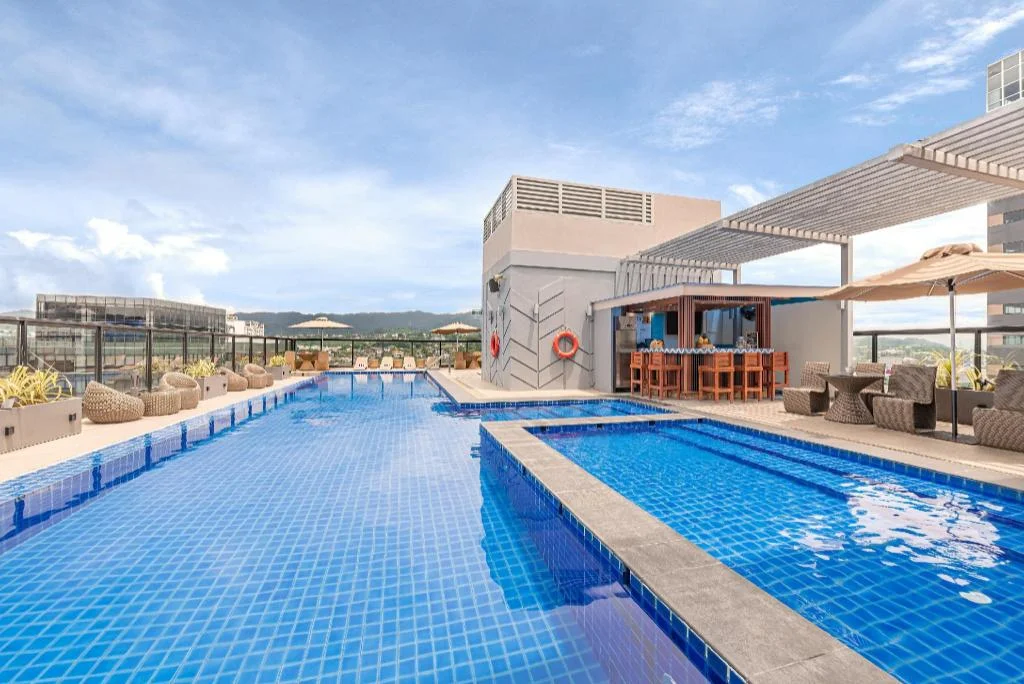
Seda Central Bloc Cebu City
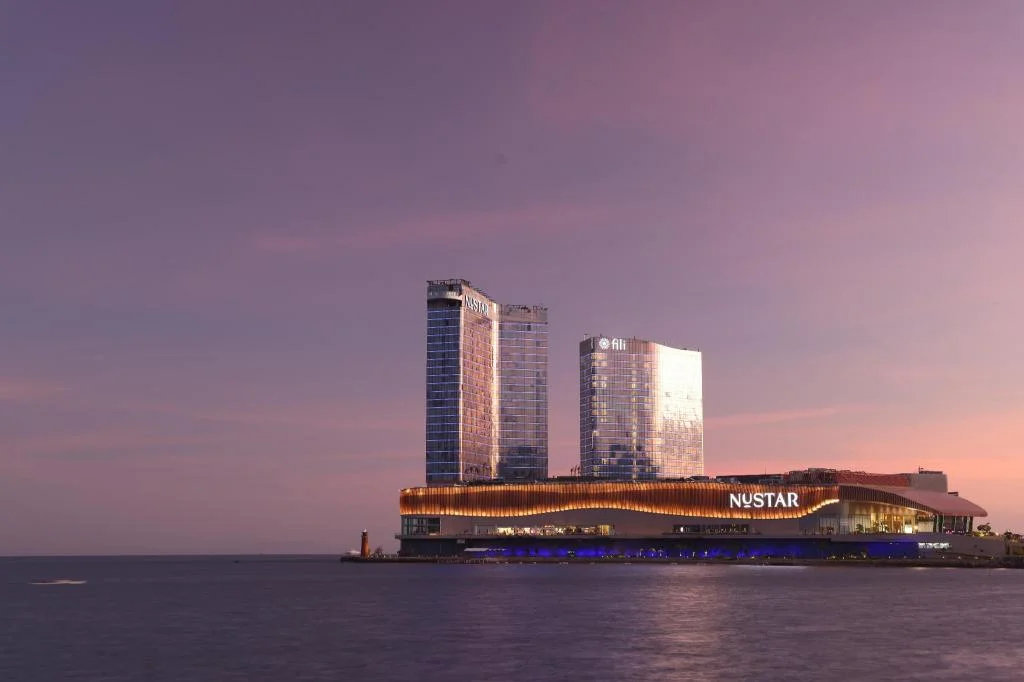
Fili Hotel - NUSTAR Resort & Casino Cebu
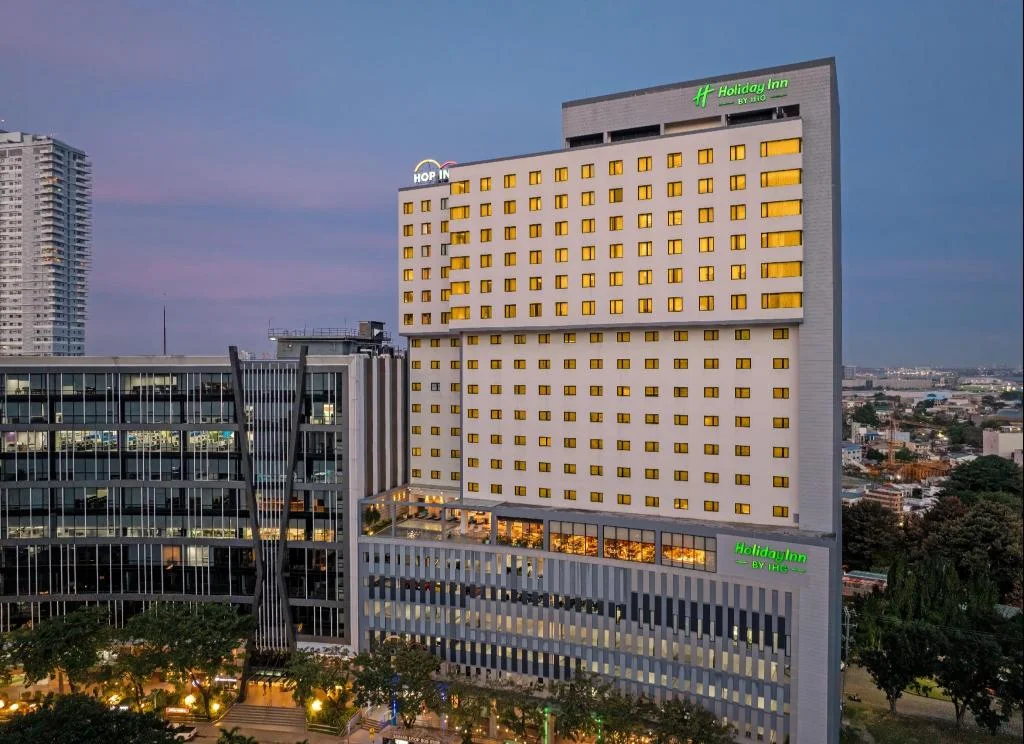
Holiday Inn Cebu City By IHG

Citadines Cebu City
Prefer a rental? Vacation rentals near Cebu City
Self-catering condos and apartments — book the exact unit, kitchen included.
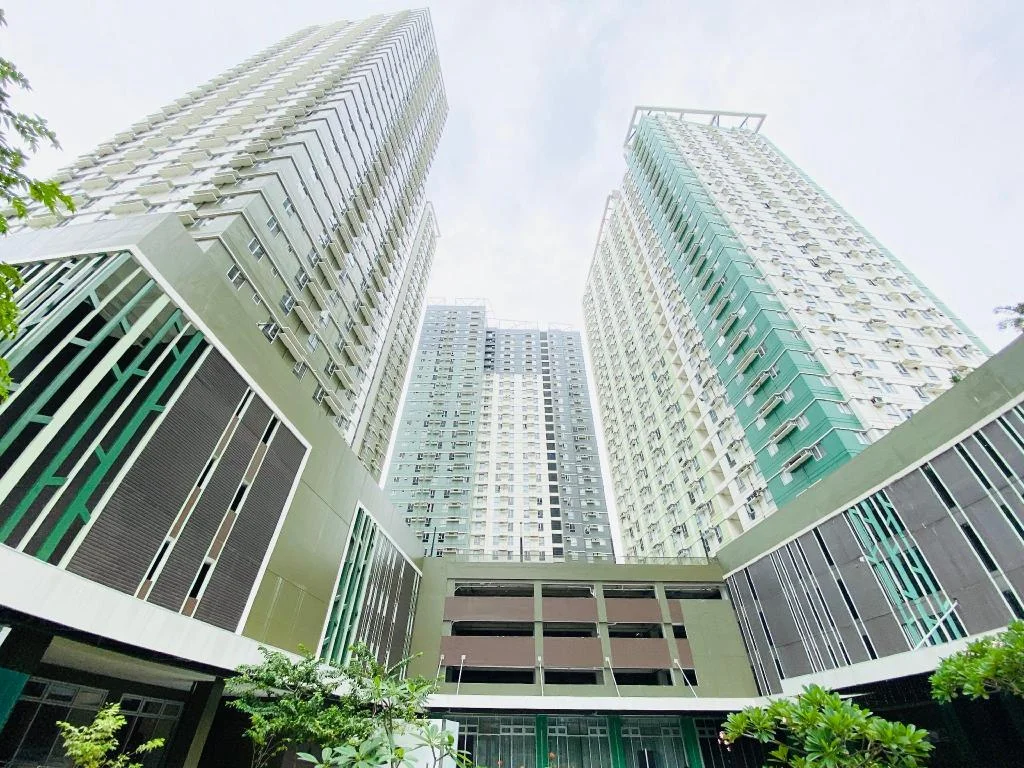
Cebu Avida Riala by P&J

Special Big Loft Unit w/Fibreop Internet & Netflix

Moonstar Cebu Hotel - Deluxe Room
Before you go
Frequently asked
Is Cebu or Manila better for first-time visitors to the Philippines?
Which has better beaches, Cebu or Manila?
Is Manila or Cebu cheaper to visit?
Which airport is easier, Manila's NAIA or Cebu's Mactan?
Is Manila traffic worse than Cebu traffic?
Can you visit both Cebu and Manila in one trip?
Which is safer for tourists, Cebu or Manila?
Which has better nightlife, Cebu or Manila?
More Places to Explore
Temple of Leah
Cebu City
A magnificent Roman-inspired temple built as a monument of love, nicknamed 'Cebu's Taj Mahal,' offering stunning architecture and city views.
Tops Lookout
Cebu City
Cebu City's premier hilltop viewpoint offering stunning panoramic views of the city, especially spectacular at sunset and nighttime.