
TL;DR: Tourists can legally drive in Cebu on a foreign license for 90 days from arrival — an International Driving Permit helps but isn’t required by law. Cebu City traffic is genuinely rough (rush hour can triple your travel time), while highways to the south and the CCLEX toll bridge are smooth and quick. Fuel runs about ₱84–100/liter for gas and the CCLEX toll is ₱107 for a car (July 2026 rates). For a day or two in the city, hiring a driver or using Grab is usually less stressful than self-driving; for a province-wide road trip, a rental can work if you’re comfortable with mountain roads. Verified July 2026.
Driving in Cebu is not like driving at home, and anyone who tells you it’s a breeze either hasn’t tried Cebu City rush hour or hasn’t left the resort. This guide is for the traveler weighing a self-drive rental against Grab, a private van, or a habal-habal — the honest version, not the tourism-board version. We’ll cover who’s legally allowed to drive here, what the roads and traffic are actually like in the city versus the province, what things cost, and when self-driving is worth the hassle versus when you should just hire someone. If you’re heading up to viewpoints like Temple of Leah or Tops Lookout in the hills above the city, the roads up there factor into this too.
Can Tourists Legally Drive in Cebu?
Yes — foreign visitors can drive on their home driver’s license for up to 90 days from the date they entered the Philippines, as long as it’s in English (or accompanied by an official translation). This is a national rule, not Cebu-specific, and it covers rental cars, borrowed vehicles, and motorbikes alike.
An International Driving Permit isn’t legally required for that 90-day window, but get one before you travel anyway. It’s issued by your home country’s motoring association (AAA in the US, RAC or AA in the UK, and equivalents elsewhere), costs little, and gives local enforcers and rental staff something instantly recognizable instead of squinting at an unfamiliar foreign license. Rules around foreign-license conversion have been tightening — reporting into 2026 points to stricter enforcement once the 90 days lapse — so if you’re staying longer than three months, you’ll need to convert to a Philippine license through the LTO rather than keep driving on the tourist allowance. Fines are published rather than negotiable, and it’s worth knowing the LTO penalty schedule before anyone waves you over at a checkpoint.
What Do You Actually Need to Rent a Car?
| Requirement | Typical detail |
|---|---|
| License | Valid home driver’s license (English or with translation); IDP recommended |
| Passport | Original, valid 6+ months, plus a photocopy |
| Minimum age | Usually 21–25, varies by rental company |
| Payment | Credit card usually required for the security deposit/hold |
| Minimum rental | Some agencies require 2 full paid days for self-drive |
| Small car | Roughly US$35/day (~₱2,000) |
| Mid-size/SUV | Roughly US$42–73/day (~₱2,400–4,200) |
| Van | Roughly US$77/day (~₱4,500) |
Prices are indicative and vary by season and operator — confirm exact rates and deposit terms directly with the rental company before booking. Verified July 2026.
Insurance (CTPL, the compulsory third-party liability cover) is usually bundled into rental rates, but ask specifically what it covers — CTPL is a minimum, not comprehensive collision coverage. For the full breakdown on choosing an agency and what to check in the contract, see our car rental in Cebu guide.
How Bad Is Cebu City Traffic, Really?
Bad enough that locals call it a daily punishment, and it’s one of the main reasons visitors end up hiring a driver instead of self-driving. Metro Cebu added tens of thousands of new private vehicle registrations in recent years without matching road capacity, and there’s no city-wide vehicle restriction scheme currently reining it in — Cebu City suspended its “number coding” plate-restriction rule and hasn’t reinstated it, so every registered vehicle can be on the road every day.
Expect the worst congestion roughly 7–9 AM and 5–8 PM on weekdays, especially along corridors like Banilad–Talamban, and around Pardo, Basak, and Mambaling in the south where jeepneys stop mid-lane to load passengers. A trip that Google Maps says takes 20 minutes can easily take 60–90 in peak traffic. Motorbikes lane-split aggressively, jeepneys and buses cut across without much warning, and turn signals are treated as optional — defensive, patient driving is the only way through it. Road-widening projects (like the Talamban corridor expansion) are underway, but relief is gradual, not immediate.
What Are the Roads Like Outside the City?
Coastal highways are decent and mostly paved; mountain roads are scenic but genuinely technical. The main routes south toward Oslob, Moalboal, and Kawasan Falls run along two-lane coastal highways shared with tricycles, jeepneys, and pedestrians — surfaces are generally good, but speeds stay moderate because of that shared traffic and the frequent small-town crossings.
The Cebu Transcentral Highway, the mountain route through Busay up toward Balamban, is a different animal: steep grades, switchbacks, and long stretches without guardrails, climbing to around 447 meters elevation. It’s a rewarding drive for the views, but it’s also prone to landslides, rockslides, and slippery surfaces after heavy rain, and local advisories periodically warn of slope instability on sections of the highway. If you’re not confident on mountain roads, or you’re driving after dark or in a storm, this is a route to skip or hand to a driver who knows it.
Rural roads in the far south and interior municipalities can narrow further, with potholes more common the deeper you go off the main highways.
What Does the CCLEX Toll Cost?
A standard car pays ₱107 one-way (about US$1.85) as of the July 2025 rate adjustment. The Cebu-Cordova Link Expressway (CCLEX) connects Cebu City to Cordova on Mactan and is the fastest way across if you’re avoiding the older, more congested Mactan bridges.
| Vehicle class | Toll (one-way) | US$ equivalent |
|---|---|---|
| Motorcycles (Class 1M) | ₱68 | ~US$1.17 |
| Cars, vans, pick-ups (Class 1) | ₱107 | ~US$1.85 |
| Light trucks, buses (Class 2) | ₱214 | ~US$3.69 |
| Heavy trucks, trailers (Class 3) | ₱321 | ~US$5.53 |
Rates rose roughly 11% from 2022 levels starting July 1, 2025. Pedestrians and cyclists cross free on a dedicated lane. Confirm current pricing at the tollway before your trip. Verified July 2026.
How Much Does Fuel Cost?
Expect roughly ₱84–100 per liter for unleaded gasoline and ₱75–89 per liter for diesel in Cebu City, as of early July 2026. Cebu runs a few pesos above the national average because fuel has to be shipped in from Luzon refineries, and prices at individual stations vary — Shell stations have recently posted some of the lower prices in the city. Fuel prices in the Philippines adjust weekly based on global oil movements, so treat any figure here as a snapshot rather than a fixed number, and check a local price tracker if you’re budgeting a longer road trip.
Is It Worth Hiring a Driver Instead?
For Cebu City itself, yes — most travelers are happier with Grab or a driver than fighting city traffic and parking. Grab works well within Metro Cebu, and drivers who know the shortcuts and habits of local traffic will get you around faster and with less stress than a first-time self-driver.
For a province-wide trip — Oslob’s whale sharks, Moalboal’s sardine run, Kawasan Falls canyoneering — the math shifts. A private van with driver for the day often costs about the same as a self-drive rental once you add fuel, the CCLEX toll (if relevant), and parking, and it means you arrive rested instead of having white-knuckled a mountain road. Self-driving wins if you want full control of your schedule, plan to stop often for photos, or are simply more comfortable behind the wheel than trusting a stranger’s driving.
If you’d rather skip cars altogether for getting around the city and to nearby attractions, our getting around Cebu transport guide covers Grab, jeepneys, and taxis, and our motorbike rental in Cebu guide covers the two-wheeled alternative — cheaper than a car, but riskier in city traffic and best for confident riders.
Where Is Parking Actually Hard?
Cebu City and Mactan malls and hotels — not the smaller towns. Paid parking at malls and hotels in the city typically runs ₱20–40 for the first couple of hours, and lots fill up fast on weekends. Street parking downtown is limited and sometimes semi-informally “managed” by attendants who expect a small tip. Once you’re outside the metro — Moalboal, Oslob, Bantayan — parking is usually free and easy at resorts, restaurants, and public lots, since traffic volume and land pressure are both much lower.
The Honest Take
Driving yourself in Cebu is completely doable, but it’s not the relaxing option. Cebu City traffic will test your patience even if you’ve driven in chaotic cities before, and the Transcentral Highway’s beauty comes with real mountain-driving risk after rain. Where self-driving genuinely pays off is flexibility on a multi-stop road trip south — Moalboal one day, Oslob the next, stopping wherever you like along the coast. Where it doesn’t pay off is anywhere inside Cebu City proper, where a Grab or a hired driver will get you there faster and with a lot less stress, and where parking eats into whatever you saved on the rental. If in doubt, do the city days by Grab and rent (or hire a van) only for the province legs of your trip.
Sources
- LTO Guide PH — foreign driver rules in the Philippines
- SafeRide PH — 90-day validity and LTO conversion guide
- Cebu Daily News — CCLEX toll hike starting July 1, 2025
- AutoIndustriya — CCLEX toll rate breakdown
- MetroFuel Tracker — Cebu City gas prices
- TopGear.ph — Philippines fuel price update, June–July 2026
- Cebu Daily News — traffic as a “daily punishment”
- Maccaferri Philippines — Transcentral Highway slope stability and landslide risk
- Rental pricing and requirements checked against current Cebu car rental listings. Verified July 2026.
Whether you end up behind the wheel or in the back seat, plan your route before you go — check things to do in Cebu for the full spread of destinations these roads connect, and if a private van sounds easier than self-driving, compare van-with-driver options before you commit to a rental.
Book Tours & Hotels for This Trip
Find and book the best deals — prices and availability update in real time. Links open in a new tab.
Where to stay near Cebu City
Top-rated hotels for this trip — tap through to check live rates.
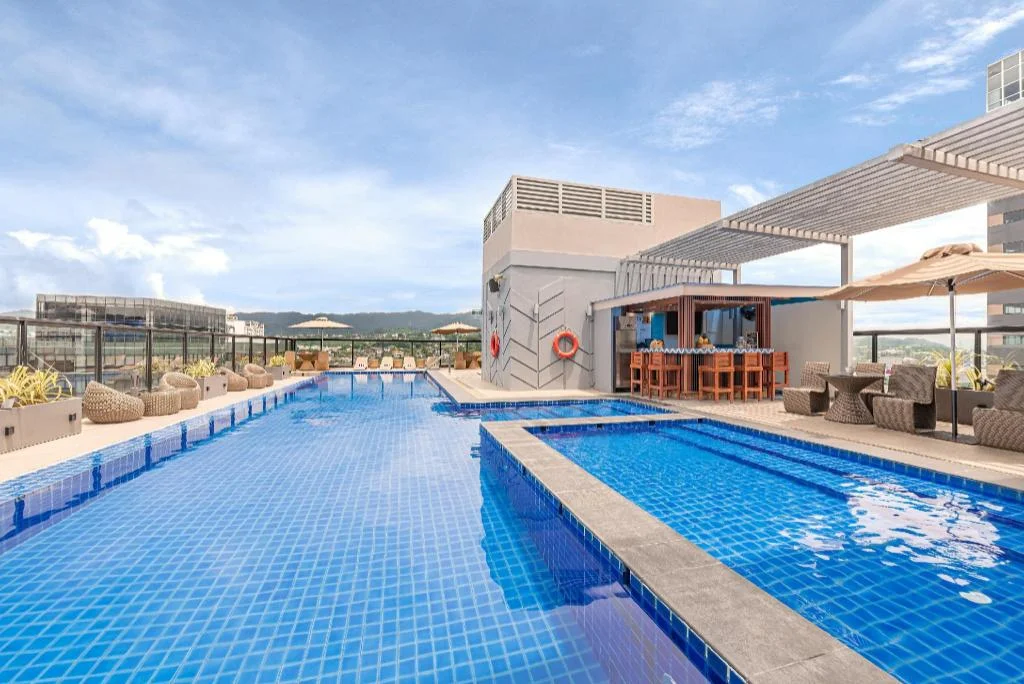
Seda Central Bloc Cebu City
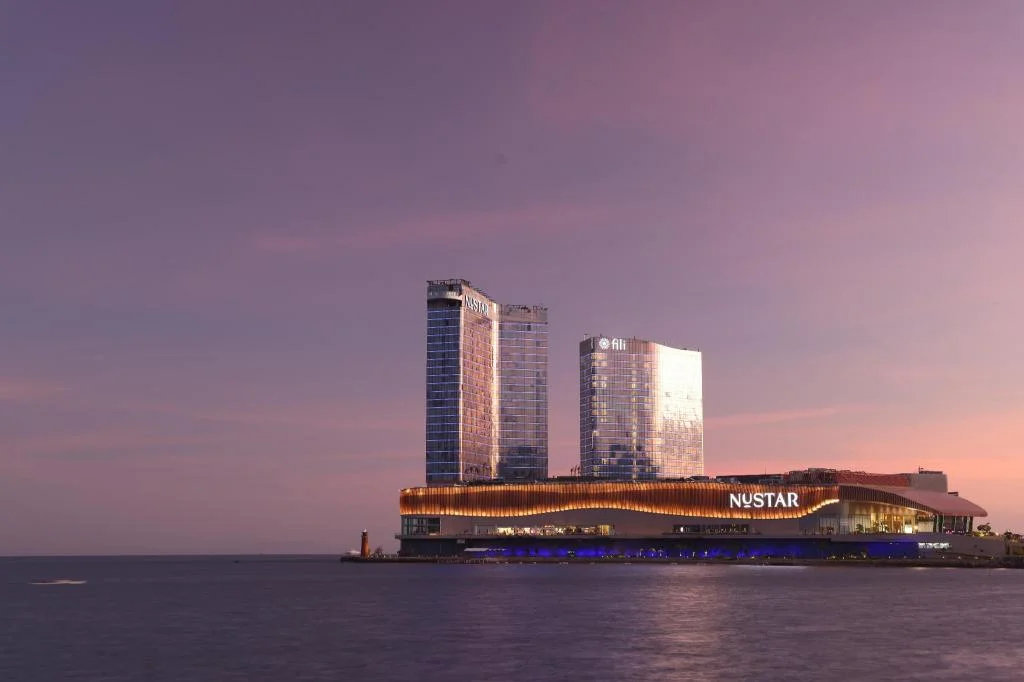
Fili Hotel - NUSTAR Resort & Casino Cebu
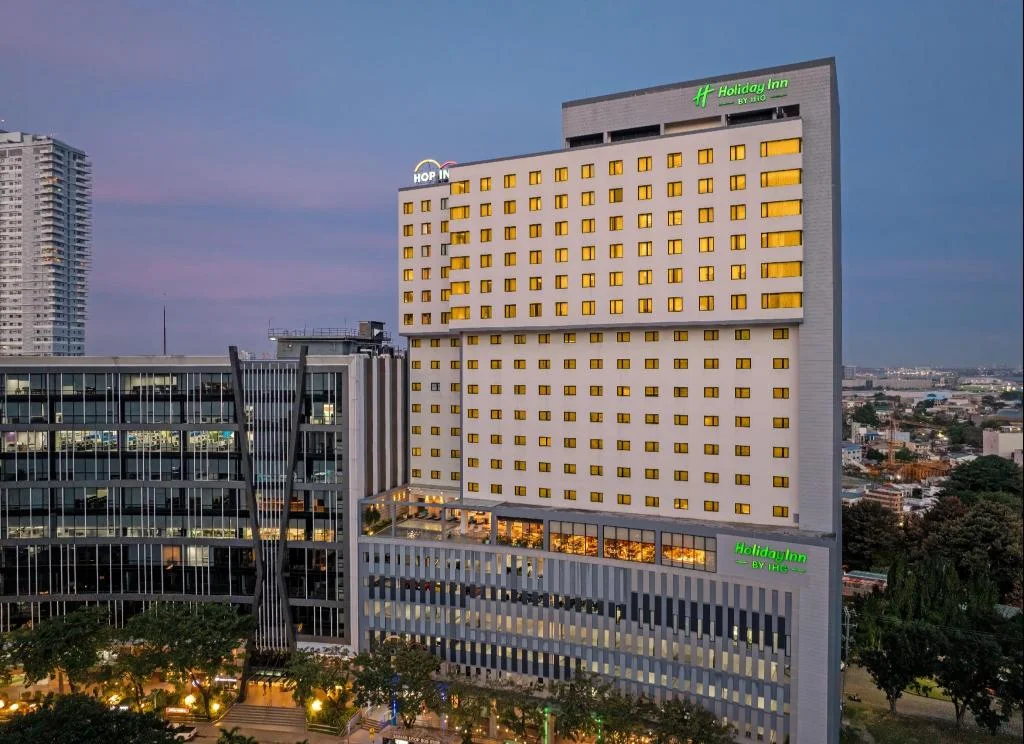
Holiday Inn Cebu City By IHG
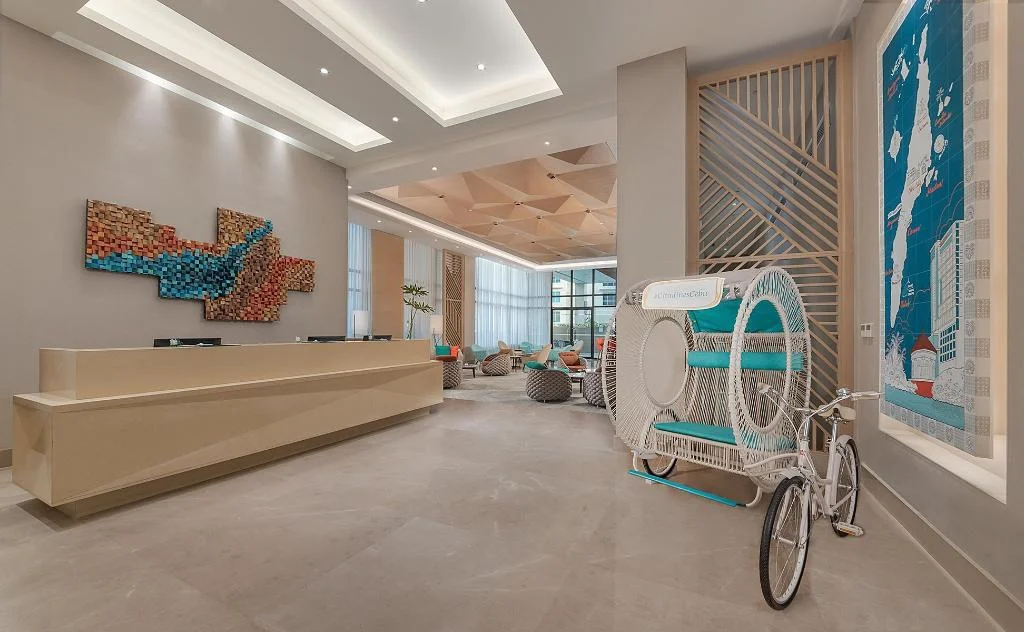
Citadines Cebu City
Prefer a rental? Vacation rentals near Cebu City
Self-catering condos and apartments — book the exact unit, kitchen included.
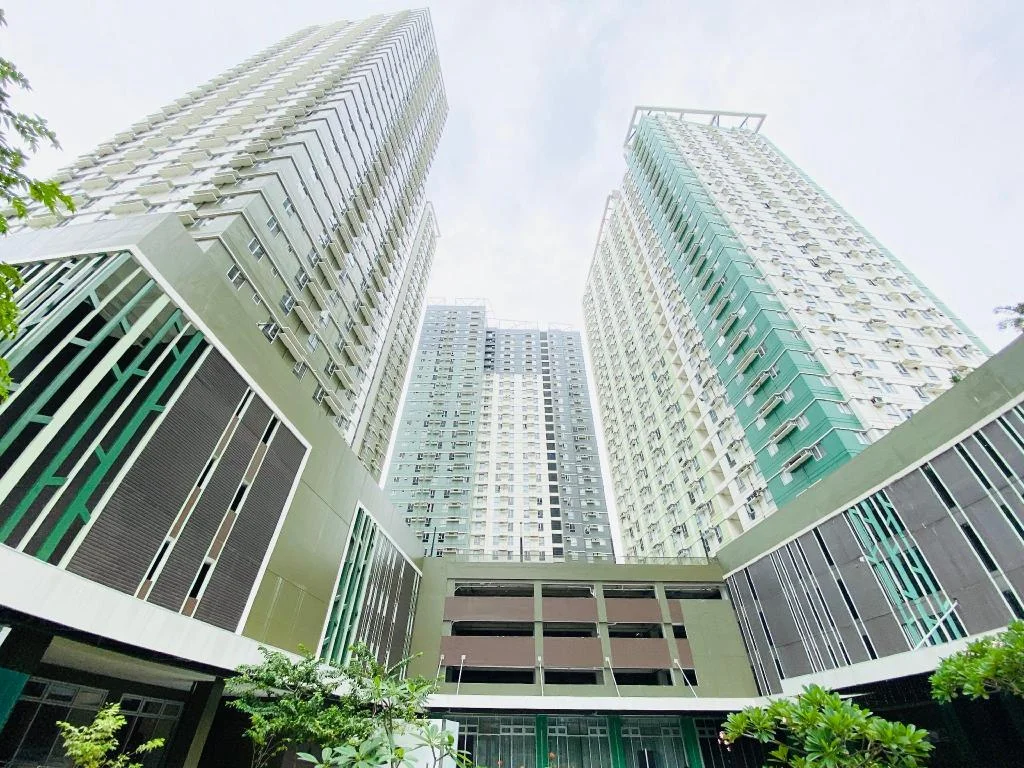
Cebu Avida Riala by P&J
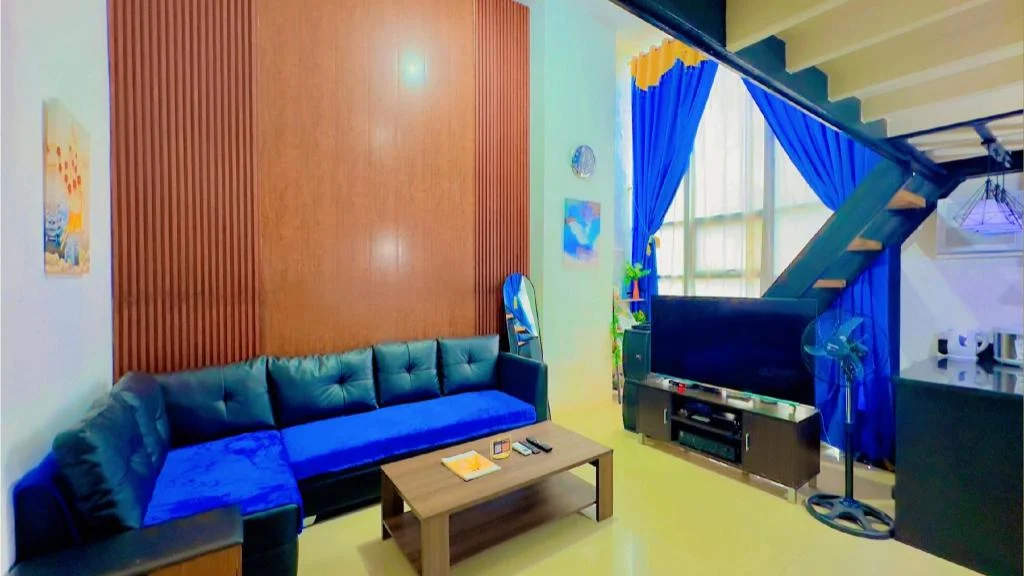
Special Big Loft Unit w/Fibreop Internet & Netflix
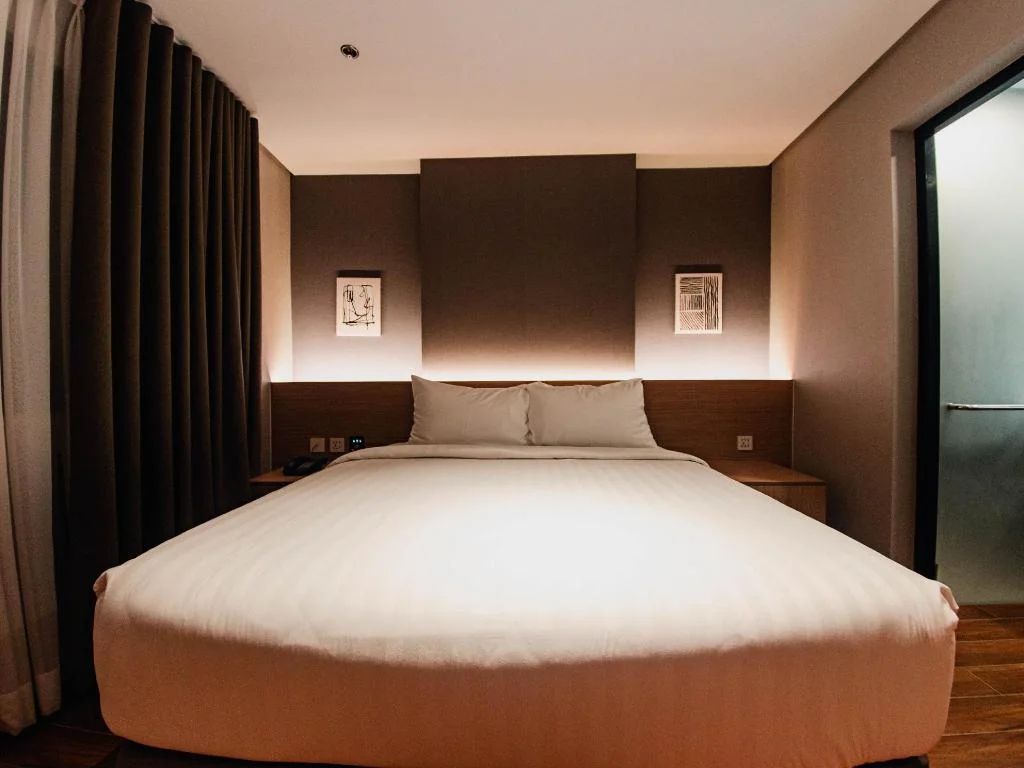
Moonstar Cebu Hotel - Deluxe Room
Before you go
Frequently asked
Can tourists legally drive in Cebu?
Do I need an International Driving Permit for Cebu?
Is it safe to drive in Cebu City?
What does gas cost in Cebu?
How much is the CCLEX toll?
Should I hire a driver instead of self-driving in Cebu?
What are the road conditions like outside Cebu City?
Is parking difficult in Cebu?
More Places to Explore
Temple of Leah
Cebu City
A magnificent Roman-inspired temple built as a monument of love, nicknamed 'Cebu's Taj Mahal,' offering stunning architecture and city views.
Tops Lookout
Cebu City
Cebu City's premier hilltop viewpoint offering stunning panoramic views of the city, especially spectacular at sunset and nighttime.