
TL;DR: Dumanjug is a quiet coastal town on Cebu’s southwest Tañon Strait coast, about 75 km (2.5–3 hours by bus) from Cebu City. The draws are the 48-hectare Camboang Marine Sanctuary, two modest waterfalls (Pityak and Cambanog Falls), the hilltop Mt. Sinai glamping site, the developed Windy Peak Campsite, and one of Cebu’s oldest churches, St. Francis de Assisi, finished in 1864. It’s a half-day-to-full-day stop, best combined with neighboring Ronda, and worth it if you want an unpolished, non-touristy slice of south Cebu rather than a resort experience. Verified July 2026.
Dumanjug doesn’t show up on most Cebu itineraries, and that’s more or less the point. Tucked along the Tañon Strait about 75 km southwest of Cebu City, it’s a working coconut-and-fishing town that happens to have a protected reef, two waterfalls, a hilltop glamping spot, and a 19th-century coral-stone church — none of it built out for tourists, all of it real. This guide is for travelers who’ve already done Kawasan Falls and the whale sharks and want to see what south Cebu looks like without the tour buses, or who are road-tripping the coast and want to know what’s actually worth a stop between Barili and Moalboal. You can visit the Tañon River Rafting course, the falls, and the church in a single day, or stretch it overnight at one of the two glamping sites. Set expectations correctly: this is a barangay-run, DIY kind of place, not a resort town, and that’s exactly its appeal.
Dumanjug at a Glance
| What | Where | Cost / Notes |
|---|---|---|
| Bus from Cebu South Bus Terminal | To Dumanjug town / Gaisano Dumanjug | ~₱95 (~US$1.6) one-way, ~2.5–3 hrs |
| Camboang Marine Sanctuary | Brgy. Camboang (coastal) | Fee not standardized online — confirm locally |
| Pityak (Tubod-Duguan) Falls | Brgy. Kanghalo / Tubod-Duguan | Free entry reported; ~30–60 min easy trail |
| Cambanog Falls | Brgy. Cambanog (Dumanjug-Ronda border) | No entrance fee reported; guide recommended |
| Mt. Sinai glamping | Brgy. Masa | Rates via Facebook page; confirm before visiting |
| Windy Peak Campsite | Brgy. Cotcoton | Day use ~₱3,000; overnight ~₱5,000–10,000/night |
| St. Francis de Assisi Church & heritage park | Poblacion | Free to visit |
Prices from local operator pages and travel blogs, not official rate cards — confirm all fees before you go. Verified July 2026.
How Do You Get to Dumanjug?
The most common route is the bus from Cebu City. Board any Dumanjug- or Ronda-bound bus at the Cebu South Bus Terminal on N. Bacalso Avenue; the road runs south through Carcar and Barili before turning onto the west-coast highway. Windy Peak Camp, one of the local operators, quotes roughly ₱95 (about US$1.6) one-way to the Gaisano Dumanjug stop in the town proper — a useful benchmark, though fares vary slightly by bus line and route.
Travel time is where sources disagree: distance calculators put the road distance at around 74 km with a driving time near 1.5–2 hours, while local operators and hiking blogs describe bus trips of up to three hours, mostly because ordinary buses make frequent stops along the way. Budget the longer end if you’re on public transport, and check current schedules at the terminal since they shift.
Once in Dumanjug proper, everything outside the town center — the falls, the marine sanctuary’s coastal barangay, the glamping hills — requires a habal-habal (motorcycle taxi). Ask your driver to wait if you’re heading somewhere remote like Cambanog Falls, since return transport isn’t reliably available at the trailhead.
Is Camboang Marine Sanctuary Worth a Stop?
If you want a quiet, uncrowded reef rather than a boat-loads-of-tourists snorkeling stop, yes. Camboang Marine Sanctuary protects roughly 48 hectares of reef off Barangay Camboang, one of Dumanjug’s eight coastal barangays, and has been a protected area since 1997 within the National Integrated Protected Area System (NIPAS). It’s small-scale and barangay-managed rather than run through a resort or tour desk, which means fewer crowds but also fewer amenities — don’t expect gear rental counters or a dive shop on-site.
Entrance and boat fees aren’t published anywhere reliable online, so this is one to confirm on arrival: ask at the barangay hall or the Dumanjug municipal tourism office for current rates before you commit to a boat. If snorkeling reefs off the beaten path is your thing, browse snorkeling and island-hopping tours around Cebu on Klook for better-documented alternatives if Camboang’s logistics don’t line up with your schedule.
What Are Pityak Falls and Cambanog Falls Like?
They’re two different kinds of waterfall trip. Pityak Falls (also called Tubod-Duguan Falls, after the boundary barangay it sits near) is the easier one — trail data puts it at about 1.1 miles out-and-back with modest elevation gain, roughly a 30–60 minute round trip, and it’s still undeveloped enough that you’re getting genuine forest, not a paved viewing deck.
Cambanog Falls, on the boundary between Dumanjug and Ronda in Barangay Cambanog, takes more effort: expect muddy paths, slippery rock scrambles, and a recommendation from locals to hire a guide even though no entrance fee has been reported. The reward is a wide, low, curtain-style drop that locals sometimes nickname after other falls in the area — go in the dry season (December–May) since the trail gets genuinely unsafe after rain. Neither falls has posted hours or standard fees, so treat any number you hear on the ground as the real one, not what you read here. For more options in this vein, see our roundup of hidden waterfalls in Cebu.
Is Mt. Sinai Glamping Worth It?
For the view, yes; for creature comforts, temper your expectations. Mt. Sinai in Barangay Masa is a hilltop camping and glamping site that’s picked up local popularity for its views over Dumanjug, neighboring towns, and — on a clear day — the islands across the strait. It’s the kind of spot people go to for sunrise or sunset rather than a full resort stay: basic tents and glamping setups, quiet surroundings, and a genuinely rural feel.
To get there by car, drive south through Carcar and Barili to Dumanjug town proper, then follow the uphill road into Barangay Masa. By public transport, take a Dumanjug- or Ronda-bound bus from the South Bus Terminal, then a habal-habal from town. Rates and booking details are posted on the site’s Facebook page rather than a formal website, so confirm current pricing and availability before you head up.
Where Else Can You Camp in Dumanjug? (Windy Peak Campsite)
Windy Peak Campsite and Retreat Center, in Barangay Cotcoton, is the more built-out option — a 10-hectare dragon fruit farm (Loranisa Farms) with a swimming pool, basketball court, chapel, view deck, and bonfire area. According to local travel blogs, day use runs about ₱3,000 (checkout by 4 PM), with overnight packages from roughly ₱5,000 to ₱10,000 a night depending on which lodges you book, plus per-head add-ons for larger groups. It’s exclusive-rental only — no walk-ins — and alcohol isn’t allowed on-site.
Getting there mirrors the route to town: bus to Gaisano Dumanjug, then arranged transport to the farm, or drive yourself (an SUV or van is recommended for the rougher stretches). Confirm current rates and availability directly through their Facebook page, since blog-reported prices can lag behind what the operator actually charges.
What About the Church, Plaza, and Town Itself?
Dumanjug’s most tangible historical draw is the St. Francis de Assisi Parish Church, established as an independent parish in 1854 and completed over the following decade using coral stone, limestone, and native balayong wood — materials that were locally abundant and, notably, a structure designed and built by Filipino craftsmen rather than Spanish friars, which is part of why locals are proud of it. It’s counted among the oldest standing churches in Cebu province.
Facing the church is the Doña Josefa Paras Garcia Heritage Park, the town plaza, which stands on the site of a former Spanish-era cuartel (military garrison). It’s a shaded, low-key square with a children’s playground and nearby stores for cold drinks — a good rest stop between the church and your next stop. If you’re in town in July, look out for the BisNok Festival, a local celebration built around Bisayang Manok (native chicken), which ties back to the town’s own origin story: legend has it the name “Dumanjug” comes from traders shouting “Du, Manok Tinuhog” while selling native chickens, which Spanish visitors misheard as a place name.
Which Beaches Are in Dumanjug?
Dumanjug’s coastline faces the Tañon Strait, and while it isn’t a beach-resort destination on the scale of Moalboal or Bantayan, there are a handful of small, locally run spots: Isla Estan Dumanjug, which has air-conditioned and non-air-conditioned beach houses with pool and beach access, and Vie La Mer Resort, marketed as a quiet, family- and event-friendly beach stop. Trip listings also mention Kota Kanwa Beach and La Montera Beach Resort as smaller local options. None of these have standardized rate cards online, so treat them as day-trip or overnight options to confirm directly via their Facebook pages rather than book-ahead resorts.
If you’d rather anchor your south Cebu trip somewhere with more established hotels and resorts, compare stays in Moalboal on Agoda — it’s about 30–40 minutes further south and has a much deeper bench of accommodation.
How Do You Choose What to Do in Dumanjug?
- Have half a day? Church, heritage park, and Pityak Falls — all close to town, all low-effort.
- Have a full day? Add Cambanog Falls or the marine sanctuary, and grab lunch in the poblacion before heading out.
- Want to stay overnight? Mt. Sinai for the view and quiet, Windy Peak for a more organized, amenity-backed camp.
- Traveling with kids or limited mobility? Skip Cambanog Falls (the scramble isn’t kid-friendly) and stick to the church, plaza, and Pityak Falls.
- Want a longer south Cebu loop? Use Dumanjug as a mid-point between Barili/Carcar and Ronda/Moalboal rather than a standalone destination.
The Honest Take
Dumanjug rewards patience, not convenience. Almost nothing here has a fixed price list, a website, or a booking button — you’re negotiating habal-habal fares, guide fees, and camping rates on the spot, in cash, the way most of rural Cebu still runs. If that sounds like a hassle, it will be; if it sounds like the more honest version of a Cebu trip, this town delivers it.
The best time to go is the dry season, December through May — both waterfalls get genuinely risky (muddy, slippery, harder to reach) after heavy rain, and Mt. Sinai’s main appeal, the view, is wasted under monsoon cloud cover. Weekdays are quieter than weekends, when Cebu City day-trippers head out for the falls and camping sites. Skip Cambanog Falls if you’re not comfortable with an unmarked scramble and no cell signal at the end of it — it isn’t dangerous with a guide, but it isn’t a casual stroll either. And don’t build a whole day around Camboang Marine Sanctuary alone; it’s a nice add-on if you’re already in the area, not a destination worth the full trip on its own given how little is documented about current access and fees.
Combine It With Ronda and the Rest of South Cebu
Dumanjug’s biggest practical advantage is where it sits — a short hop from Ronda’s mangrove park and beaches just 5.5 km south, and a manageable drive from Moalboal’s dive scene and the Moalboal sardine run further along the coast. A workable day: church and falls in Dumanjug in the morning, Ronda’s coast in the early afternoon, then continue toward Moalboal or Badian if you’re staying overnight. It’s also a legitimate answer if you’re chasing under-the-radar towns in Cebu or rounding out a list of nature spots in Cebu beyond the usual Kawasan-and-Osmeña-Peak circuit.
Sources
- Windy Peak Campsite and Retreat Center — Facebook (rates, location, booking terms)
- Queen City Cebu — Windy Peak Campsite and Retreat Center (day-use and overnight rates)
- Queen City Cebu — Cambanog Falls (location, access)
- Suroy.ph — Cambanog Falls (fees, trail conditions, best season)
- AllTrails — Pityak Falls (trail distance, elevation)
- Sugbo.ph — Mt. Sinai and Lusno Falls feature (Mt. Sinai access and description)
- Everything Cebu — The Town of Dumanjug (church history, heritage park, BisNok Festival)
- Dumanjug LGU — Parish Church page (church background)
- Wikipedia — Dumanjug (barangays, population, geography)
- Laruy-laruy Sa Sugbo — Dumanjug beaches and destinations (beach resorts)
- Bus fare and travel time cross-checked against distance calculators and operator listings; confirm current fares and schedules locally. Verified July 2026.
Book Tours & Hotels for This Trip
Find and book the best deals — prices and availability update in real time. Links open in a new tab.
Where to stay near Moalboal
Top-rated hotels for this trip — tap through to check live rates.
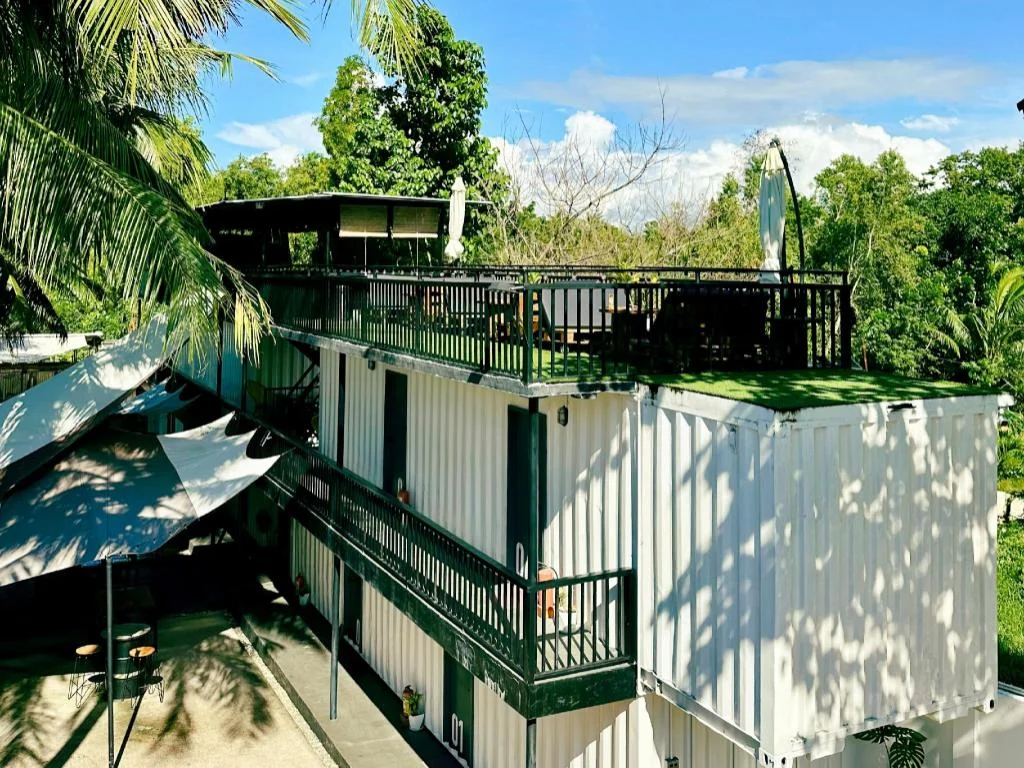
PIG DIVE HOSTEL MOALBOAL
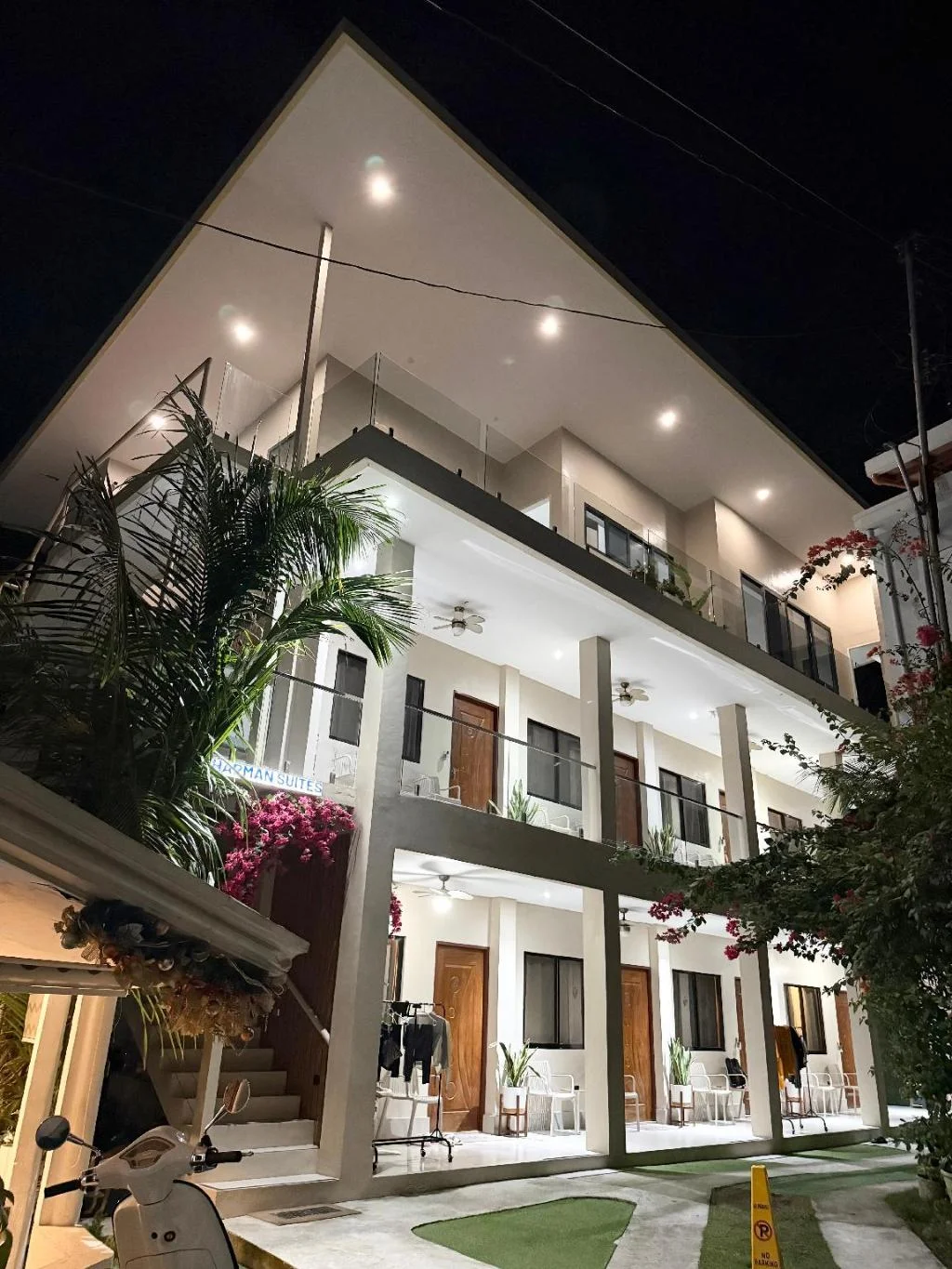
Harman Suites Moalboal
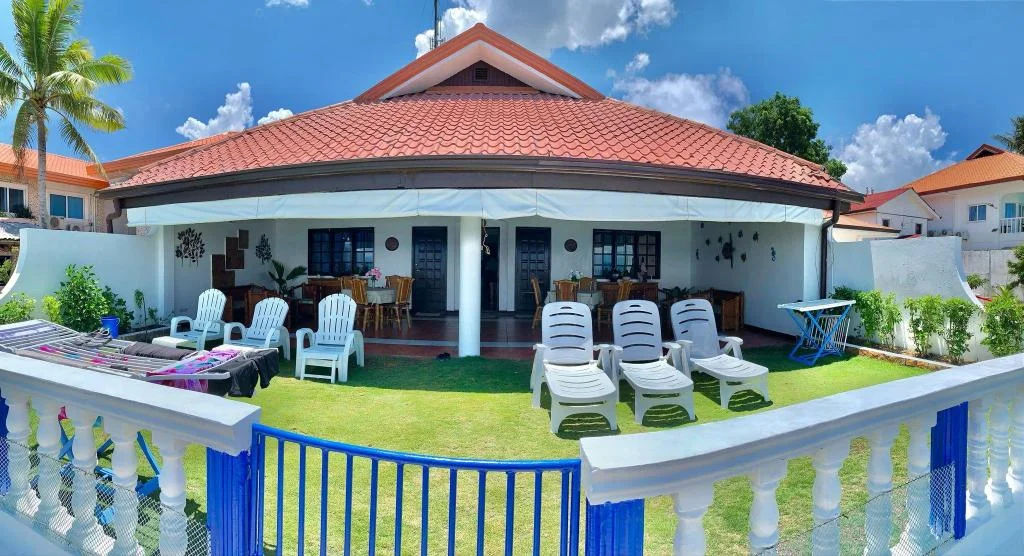
Il Sogno Resort
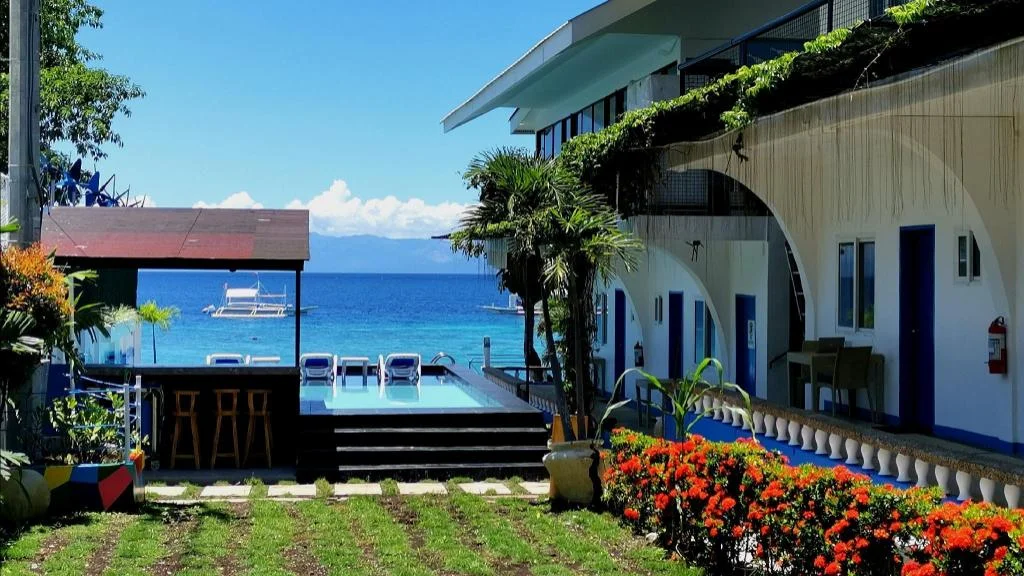
Pescadores Suites Moalboal
Prefer a rental? Vacation rentals near Moalboal
Self-catering condos and apartments — book the exact unit, kitchen included.
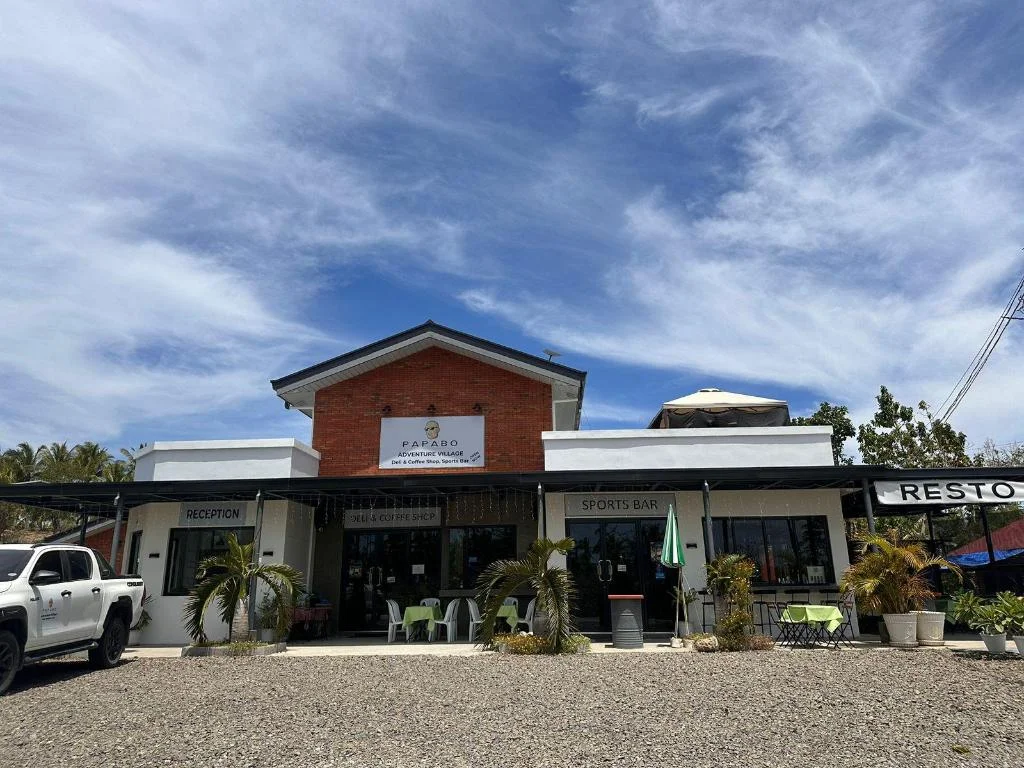
PAPABO Adventure Village
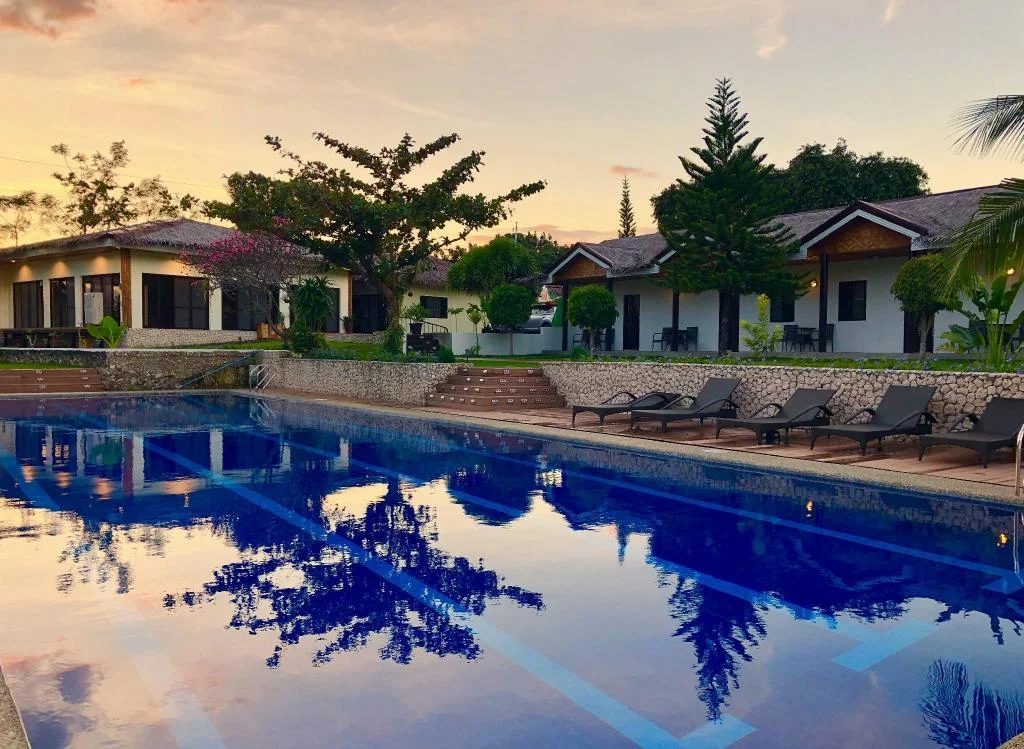
Casa de Moalboal
Althea Appartelle
Before you go
Frequently asked
Where is Dumanjug and how far is it from Cebu City?
How do you get to Dumanjug from Cebu City?
What is Camboang Marine Sanctuary?
Are Pityak Falls and Cambanog Falls hard to reach?
Is Mt. Sinai in Dumanjug worth visiting?
Can you camp or glamp overnight in Dumanjug?
Is Dumanjug worth visiting, or should you just pass through?
Can you combine Dumanjug with Ronda in one day?
More Places to Explore
Tanon River Rafting
Dumanjug
A relaxing bamboo rafting experience through Dumanjug's scenic Tanon River, surrounded by lush vegetation and managed by the local community.
Ronda Bay Mangrove Park
Ronda
An eco-tourism park featuring boardwalks through protected mangrove forests along Ronda Bay, offering nature observation and environmental education.
Moalboal Sardine Run
Moalboal
Swim with millions of sardines in one of the world's only year-round sardine runs, just meters from shore.