
TL;DR: Inambakan Falls in Ginatilan is a five-tier limestone waterfall with a milky-turquoise main pool, tucked 4 km inland from Ginatilan town in far south Cebu. Entrance is ₱50 (about US$0.86) plus ₱10 parking, with an optional tip-based guide. Getting there means a 4–5 hour Ceres bus ride from Cebu City (₱170–340 depending on aircon) followed by a short habal-habal ride (₱50–100 per person). It’s a genuinely pretty, uncrowded waterfall — but the travel time only makes sense if you pair it with Aguinid Falls, Montpellier Falls, or a south Cebu overnight rather than a same-day trip from the city. Verified July 2026.
Most visitors to south Cebu stop at Kawasan Falls and call it a day. Inambakan Falls, further south in the quiet municipality of Ginatilan, is the reward for going a little further — a five-level limestone cascade with a catch basin so pale turquoise it looks tinted, ringed by forest instead of crowds. This guide is for travelers already working through south Cebu’s waterfall trail, or anyone basing themselves in Moalboal, Badian, or Samboan who wants one more stop that isn’t on every itinerary. It covers the real entrance fee, the honest transport situation (there’s no shortcut — it’s a proper trip), what the different tiers actually offer, and when it’s worth doing versus when to skip it.
What Does It Cost to Visit Inambakan Falls?
Entrance is ₱50 per person (about US$0.86), plus ₱10 if you’re parking a vehicle. That’s the standard Cebu Provincial Tourism environmental fee charged at most south Cebu falls, and it covers a mandatory life jacket that the local cooperative hands you the moment you sign the visitor logbook — you don’t pay extra for it, unlike some other spots that treat safety gear as an upsell.
| Item | Cost (₱) | Cost (US$) | Notes |
|---|---|---|---|
| Entrance fee | ₱50 | ~$0.86 | Includes life jacket |
| Parking | ₱10 | ~$0.17 | If self-driving |
| Local guide (optional) | ₱100–200 | ~$1.70–3.45 | Tip-based, agree upfront, per person or group |
| Ceres bus, Cebu City–Ginatilan (non-aircon) | ₱170–200 | ~$2.95–3.45 | One way |
| Ceres bus, Cebu City–Ginatilan (aircon) | ₱280–340 | ~$4.85–5.85 | One way |
| Habal-habal, highway/town to falls | ₱50–100 | ~$0.86–1.70 | One way, per person; negotiate round trip |
Verified July 2026.
A guide isn’t required — the main tiers are easy to find on your own — but locals recommend one if you want to reach the upper levels safely or just don’t want to miss the better pools. There’s no fixed rate; agree on a number before you start, and ₱100–200 for the group is the going rate travelers report.
How Do You Get to Inambakan Falls?
Take a Ceres Liner bus from Cebu South Bus Terminal toward Bato or Samboan via the Barili coastal route, get off at Ginatilan town, then hire a habal-habal for the last stretch. There’s no direct van or shuttle marketed for this specific waterfall — it’s public-transport territory.
From Cebu City, the bus ride runs about 4–5 hours depending on traffic and stops, covering roughly 140 km down the western coastal highway through Barili, Dumanjug, Ronda, Alegria, and Malabuyoc before reaching Ginatilan. Non-aircon buses charge around ₱170–200; aircon buses run ₱280–340. Tell the conductor you’re getting off at Ginatilan town, or at the junction closest to Barangay Calabawan if they know it.
From Ginatilan town proper, or the highway drop-off point, it’s about 4 km inland to the falls — a 15–20 minute habal-habal ride. Fares run roughly ₱50–100 per person one-way; solo travelers sometimes get asked to cover the empty pillion seat too. Agree on a round-trip price with a wait, since habal-habal drivers waiting at the falls entrance aren’t guaranteed, especially on a quiet weekday.
If you’re already staying in Moalboal, Badian, or Samboan, this is far more manageable — a rented scooter (around ₱400/day with a full tank) or a habal-habal charter cuts the trip to under an hour each way from Moalboal, and closer still from Samboan. This is the realistic way most travelers actually do it, rather than a same-day round trip from Cebu City.
What Are the Falls Actually Like?
Inambakan has five distinct tiers, and the bottom one is the main event. The base falls drop roughly 100 feet into a wide, pale turquoise catch basin — the milky-blue color comes from limestone sediment in the surrounding cliffs, the same geology that gives Kawasan Falls and Kawasan Falls Zipline their color further north.
- Tier 1 (main falls): The postcard shot — deep enough to swim, with the tallest single drop.
- Tier 2–3: Shallower rock pools with clear water; travelers describe tier three as clear enough to see exactly where it’s safe to jump.
- Tier 4: Widely skipped — a plain uphill scramble that travelers and guides alike call the least rewarding stretch.
- Tier 5: A further, quieter climb that most day-trippers don’t bother with unless a guide pushes for it.
Reaching the main falls takes about 5 minutes from the entrance; exploring two or three tiers takes 1–2 hours total. Crowds are moderate rather than heavy — even on busier days, groups tend to spread out across the tiers rather than bunch at the bottom.
Is Inambakan Falls Safe to Swim In?
Yes, at the lower tiers, and the free life jacket is worth wearing even if you swim well. The main pool and tiers two and three are clear and shallow enough to see the rocks below. That changes fast after rain — currents pick up noticeably, the water turns brown, and the site can restrict swimming or close outright for safety. If the water isn’t close to clear when you arrive, treat that as your answer and stick to viewing rather than jumping in.
When Is the Best Time to Visit?
Dry season, roughly December through May, with February to May giving the clearest, most photogenic turquoise water. Weekday mornings are quieter than weekends, and arriving early beats the midday heat that builds up fast in the canyon by early afternoon. Avoid visiting during or right after heavy rain — beyond the color turning muddy, the current becomes genuinely unsafe at the falls’ base.
How to Choose: Should You Make the Trip?
Be honest about the math before you commit a whole day to this. From Cebu City, you’re looking at 8+ hours of round-trip travel for maybe 2 hours at the falls — that ratio only makes sense if Inambakan is one stop on a bigger south Cebu run, not the entire trip.
It pairs naturally with:
- Aguinid Falls in neighboring Samboan, a short habal-habal or tricycle hop further south along the same highway.
- Montpellier Falls and Mainit Hot Spring in Malabuyoc, just north of Ginatilan.
- Southernmost Tip of Cebu in Santander, if you’re continuing south toward the Liloan-Dumaguete ferry crossing.
If you’d rather browse the full menu of Cebu waterfalls before picking, our hidden waterfalls in Cebu and best waterfalls in Cebu guides lay out which ones reward the trip and which don’t.
The Honest Take
Inambakan Falls is genuinely one of the better-looking waterfalls in Cebu — that turquoise catch basin photographs beautifully, and the lower crowds compared to Kawasan are a real point in its favor. But don’t romanticize the logistics: this is a long, unglamorous bus-and-motorcycle trip through rural south Cebu, the food options near the entrance are basic, and there’s no cell signal once you’re past the entrance. Tier four is skippable by near-universal agreement among people who’ve done it, so don’t feel obligated to grind through all five levels.
Skip it if you’re only in Cebu for a short trip and already have Kawasan, Osmeña Peak, or Oslob on the list — you’ll run out of days before you run out of waterfalls. Prioritize it if you’re spending several nights in Moalboal, Badian, or Samboan and want a genuine off-the-main-route stop, or if you’re already planning a south Cebu waterfall day that includes Aguinid Falls.
Plan the Rest of Your Trip
If Inambakan is part of a bigger south Cebu run, sort out your base first — see our south Cebu travel guide for where to stay between Moalboal and the southern tip. Booking a few nights near Moalboal or Badian also makes the whole waterfall circuit — Kawasan, Aguinid, Inambakan, Montpellier — far easier than chasing it all from Cebu City in one day. Browse places to stay in Moalboal on Agoda to lock in a base before the falls-hopping begins, or check island-hopping and canyoneering add-ons on Klook if you want to bundle the trip with a guided tour instead of doing it solo.
Sources
- Inambakan Falls Philippines — transport guide
- Inambakan Falls Philippines — tickets and fees
- Journey Era — Inambakan Falls In Ginatilan, Cebu: A Complete Guide
- Chris and Wren’s World — How to visit Inambakan Falls in Cebu
- Entrance fee, tier count, and habal-habal fare cross-checked against multiple 2025–2026 traveler reports. Confirm exact fees locally before you go. Verified July 2026.
Book Tours & Hotels for This Trip
Find and book the best deals — prices and availability update in real time. Links open in a new tab.
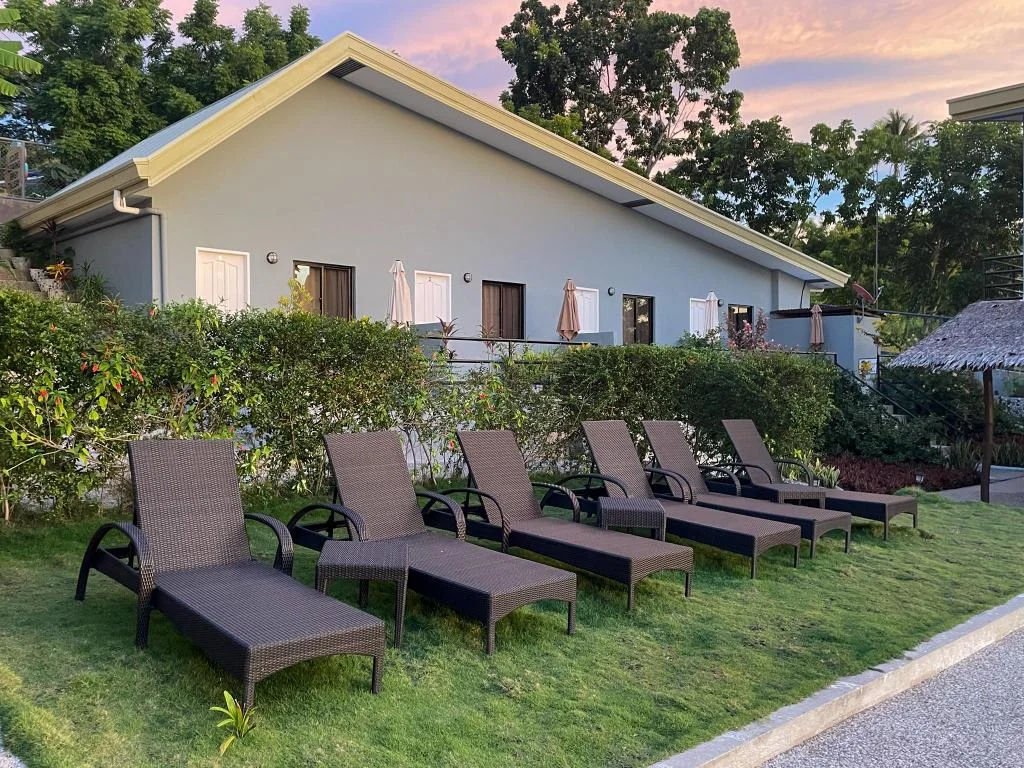
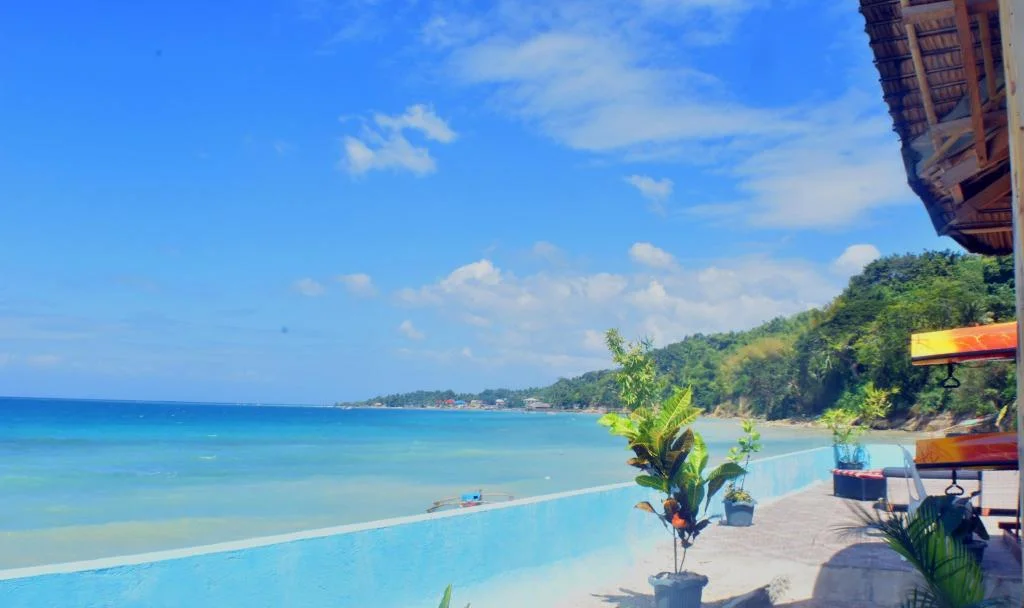
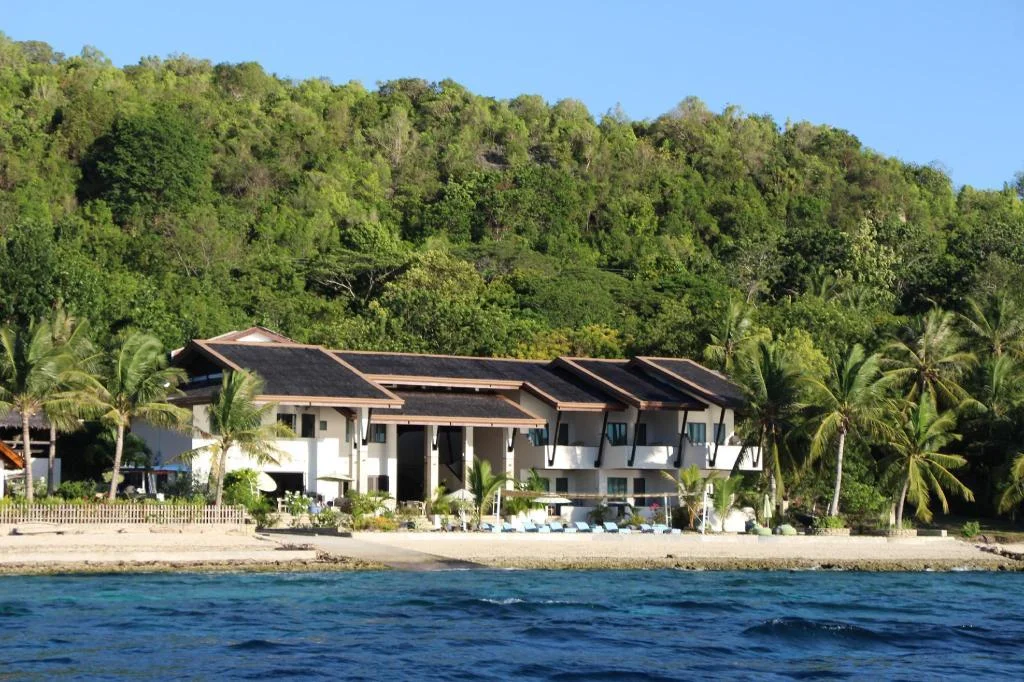
Where to stay near Santander
Top-rated hotels for this trip — tap through to check live rates.
Before you go
Frequently asked
How much is the entrance fee at Inambakan Falls?
How do you get to Inambakan Falls from Cebu City?
How many tiers does Inambakan Falls have?
Is Inambakan Falls safe to swim in?
What is the best time to visit Inambakan Falls?
Can you combine Inambakan Falls with Aguinid Falls or other south Cebu spots?
What should you bring to Inambakan Falls?
Is Inambakan Falls worth the long trip from Cebu City?
More Places to Explore
Inambakan Falls
Ginatilan
A stunning 100-foot multi-tiered waterfall with five levels to explore and azure swimming pools.
Montpellier Falls
Malabuyoc
A scenic multi-level waterfall in Malabuyoc's highlands, reached via a moderate trek through forests and farmlands.
Southernmost Tip of Cebu
Santander
A scenic geographical landmark marking the extreme southern point of Cebu Island, offering panoramic strait views and memorable photo opportunities.