
TL;DR: For Sinulog 2027 (grand parade Sunday, January 17), skip the photographer scrum at Fuente Osmeña and shoot from General Maxilom Avenue (Mango Ave) or P. Del Rosario Street for cleaner frames, or pay for a grandstand seat (₱1,000–1,500, about US$17–26) for an unobstructed view of the finish. Bring a weather-sealed body if you own one, a single flexible zoom instead of swapping lenses in a crowd, a rain cover or ziplock bag against sudden downpours, and a spare battery and memory card — there’s no gear shop bailout on parade day. Verified July 2026.
Sinulog draws professional photojournalists, hobbyists with their first mirrorless camera, and everyone in between, all fighting for the same few meters of curb along the same parade route. Getting a clean shot of a contingent in mid-step, without three dozen other lenses in your frame, takes some planning — where you stand, what you carry, and how you carry it. This guide covers the practical side of shooting Sinulog: the vantage points that actually work, the gear that survives Cebu’s heat and crowds, camera settings for motion and color, and how to photograph the festival’s devotional side — the novena and fluvial procession — without being that photographer. It pairs with our Sinulog Festival guide for dates, route, and logistics; this one is just for the people bringing a camera. The festival’s spiritual center, the Basilica del Santo Niño, and the nearby Fort San Pedro, are both worth scouting a day early if you want quieter reference shots before the crowds arrive.
Best Photo Spots at a Glance
| Spot | Best for | Crowd of photographers | Timing |
|---|---|---|---|
| Osmeña Blvd (near CCSC finish) | Full contingent performances, judged routines | Very high | Arrive by 6–7 AM for a curb spot |
| Fuente Osmeña Circle | Wide shots, energy, LED screen backdrop | Very high | Fills by mid-morning |
| General Maxilom Ave (Mango) | Cleaner shots, morning shade | Moderate | Best light before 10 AM |
| P. Del Rosario Street | Contingents forming up, candid prep shots | Low | Early morning, before the parade moves out |
| Grandstand (paid) | Unobstructed, elevated view of the finish | None (seated) | Buy tickets in December via Sinulog Foundation |
| Mactan Channel shoreline | Fluvial procession, dawn light on water | Low–moderate | Before sunrise, Saturday |
Crowd levels and timing based on 2026 festival reporting and photographer accounts. Confirm road closures and grandstand ticket details for 2027 closer to the date. Verified July 2026.
Where Should You Stand for the Grand Parade?
Osmeña Boulevard is the obvious choice, and that’s the problem. It’s the widest street on the route and the finish line where contingents perform their full “Sinulog sa Kabataan”-style showdown for the judges — but every other photographer knows this too, and by mid-morning you’re shooting through a wall of raised phones and long lenses as much as through dancers.
For a genuinely cleaner frame, work General Maxilom Avenue (Mango Ave) or P. Del Rosario Street instead. Contingents pass through both earlier in the route, before the crowd has thickened, and the buildings along Mango Ave throw useful morning shade that softens harsh midday sun. Arriving before the contingents assemble — even before sunrise — also gets you candid prep shots: dancers adjusting feathered headdresses, drummers warming up, face paint going on. Those unscripted moments often outshoot the parade itself.
If you want the choreographed finish without fighting for curb space, a grandstand seat near the CCSC is worth the money. It’s the only spot where you see contingents perform their complete routine, with the staging and judging backdrop, from an elevated, unobstructed angle.
Do You Need a Press Pass?
Probably not, and there’s no clearly documented public process for one. Most photographers, including many working photojournalists, shoot from the street or from a paid grandstand seat rather than a roped-off press area. If you’re covering Sinulog for a publication or a paid assignment, reach out to the Sinulog Foundation directly, well before January, to ask what media accreditation (if any) is available for 2027 — arrangements and contacts change from year to year, so don’t assume last year’s process still applies. For everyone else, the honest answer is: bring your camera, find your spot early, and shoot like the thousands of other enthusiasts around you.
What Gear Actually Holds Up in the Crowd?
Leave the full kit at home. A weather-sealed camera body, if you own one, is worth using here — dust, sweat, sudden rain, and the occasional spilled drink are all part of the day. Pair it with one flexible zoom lens (something in the 24–70mm range, or a 70–200mm if you want compression on distant contingents) rather than multiple primes you’d need to swap mid-crowd. Changing lenses while pinned between bodies is how gear gets dropped or dust gets on your sensor.
Bring more batteries and memory cards than you think you’ll need — you’ll be shooting bursts for hours, and there’s no charging outlet or camera shop within reach once the no-drive zone closes the downtown grid. A monopod is a realistic stabilizer if you want one; a tripod has no floor space to stand in on a packed street.
How Do You Protect Your Gear in the Heat and Crowds?
January in Cebu runs warm and humid, with parade-day heat index regularly landing in the “extreme caution” range, and skies can flip from blazing sun to a sudden downpour without warning. A simple rain cover, or even a large ziplock bag with a hole cut for the lens, is cheap insurance against both sun-driven condensation and rain.
Carry your gear in a cross-body bag you keep a hand on, not a backpack — backpacks are banned along the route anyway, for crowd-safety reasons, so a sling bag or belt pouch solves both problems at once. Wipe your camera down at the end of the day; confetti, dust, sunscreen, and sweat get on everything in a crowd this size. And keep a hand or a wrist strap on the camera itself at all times — a packed street is exactly where things get bumped out of hands or lifted from an open bag.
What Camera Settings Work Best?
For sharp, frozen shots of dancers mid-step, use shutter priority at 1/500s or faster, continuous (tracking) autofocus, and burst mode — contingents move fast and the “Sinulog” two-step shuffle has a lot of arm and costume motion to catch cleanly.
For a deliberate motion-blur look — the classic swirl of feathers and drumsticks — drop your shutter to around 1/30–1/60s and pan the camera with the dancers as they pass. It takes a few failed attempts to get the panning speed right; shoot in bursts and keep the keepers.
Midday sun on Osmeña Boulevard is harsh and contrasty, which flattens skin tones and blows out bright costume colors. If you can, save close-up portraits of costumed performers for the softer light windows — early morning before the parade starts, or late afternoon as contingents wind down — rather than shooting portraits at high noon.
How Do You Shoot the Novena and Fluvial Procession Respectfully?
The dawn fluvial procession, where the Santo Niño image is carried along the coast by boat, and the novena masses at the Basilica del Santo Niño, are the festival’s devotional core — quieter, less chaotic, and photographically very different from the parade. Shoot the fluvial procession from the shoreline near the Mactan Channel, or by boat if you can arrange one in advance; low dawn light means a wider aperture or higher ISO will serve you better than a fast shutter speed.
Inside the Basilica during novena masses, turn your flash off completely, move slowly, and shoot from the back or sides rather than working your way toward the altar. These are active worship services attended by people who traveled specifically to pray, not a staged photo opportunity. For close-up portraits of devotees in prayer, ask permission when you reasonably can, and always be willing to lower the camera if someone seems uncomfortable. Contingent dancers on the parade route expect and welcome cameras; a devotee at the Basilica is a different kind of moment, and treating it that way is part of shooting Sinulog responsibly.
How Do You Choose a Spot If You Only Get One Shot at This?
- Want the full choreographed performance? Book a grandstand seat near the CCSC finish.
- Want cleaner frames without paying? Get to Mango Ave or P. Del Rosario before 7 AM.
- Want the devotional side, without the crowd? Shoot the Saturday fluvial procession and novena masses instead of the Sunday parade.
- Traveling light and staying near the route? Book a room within walking distance early — see where to stay for Sinulog and compare Cebu City hotels on Agoda, since anywhere central sells out months ahead.
The Honest Take
Sinulog photography is a game of trade-offs. The iconic spots — Osmeña Boulevard, Fuente Osmeña — give you the biggest, most colorful scenes, but you’ll be shooting alongside hundreds of other photographers doing exactly the same thing, and getting a frame without a stray lens or raised phone in it takes patience and a bit of luck. The quieter streets and the devotional events give you better light and space to work, at the cost of the parade’s full spectacle.
If your goal is a portfolio-worthy shot of the full carousel performance, budget for a grandstand seat and accept the ticket cost as the price of an unobstructed frame. If you’re happy trading scale for atmosphere, the fluvial procession at dawn is one of the most underrated photo opportunities of the whole festival — genuinely fewer photographers there, better light, and a mood that’s hard to fake. Whatever you choose, don’t gamble your only working camera on a single day of Cebu heat and crowd — bring backups, protect what you’re carrying, and remember that a devotee praying is not the same subject as a dancer performing.
Combine It With the Rest of the Festival
Pair a day of shooting with the festival’s other highlights: read our Sinulog Festival guide for the full 2027 schedule and route, where to watch the grand parade for a non-photographer’s view of the same vantage points, and Sinulog street parties and after-parties if you want nightlife shots once the parade wraps. For general framing ideas around the city year-round, see our best photo spots in Cebu roundup. If you’d rather have a local handle the logistics while you focus on shooting, browse Cebu city tour options on Klook to fill the days around the festival.
Sources
- Sinulog Foundation Inc. — official festival body (schedule, grandstand tickets)
- How to navigate the Sinulog Festival — a photographer’s guide, Inquirer Lifestyle
- Sinulog 2026: A Photographer’s Look at the Faces of the Annual Fiesta, Rolling Stone Philippines
- Favorable weather awaits Sinulog, says PAGASA, The Freeman/Philstar
- Vantage points, grandstand pricing, and heat-index figures verified against 2026 festival reporting; confirm 2027 specifics with the Sinulog Foundation. Verified July 2026.
Book Tours & Hotels for This Trip
Find and book the best deals — prices and availability update in real time. Links open in a new tab.
Where to stay near Cebu City
Top-rated hotels for this trip — tap through to check live rates.
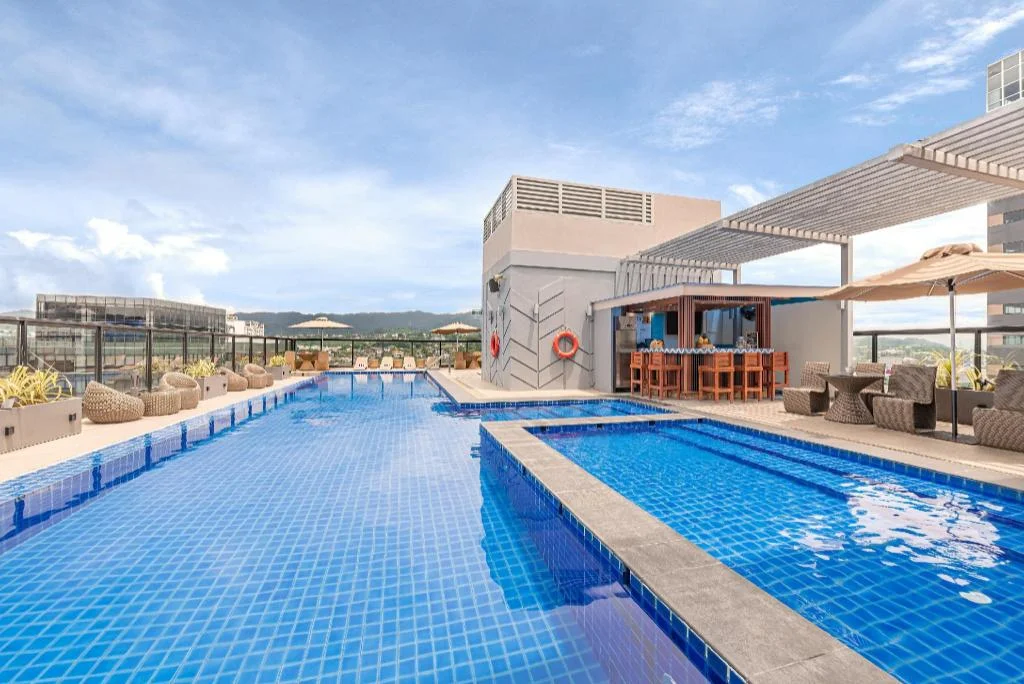
Seda Central Bloc Cebu City
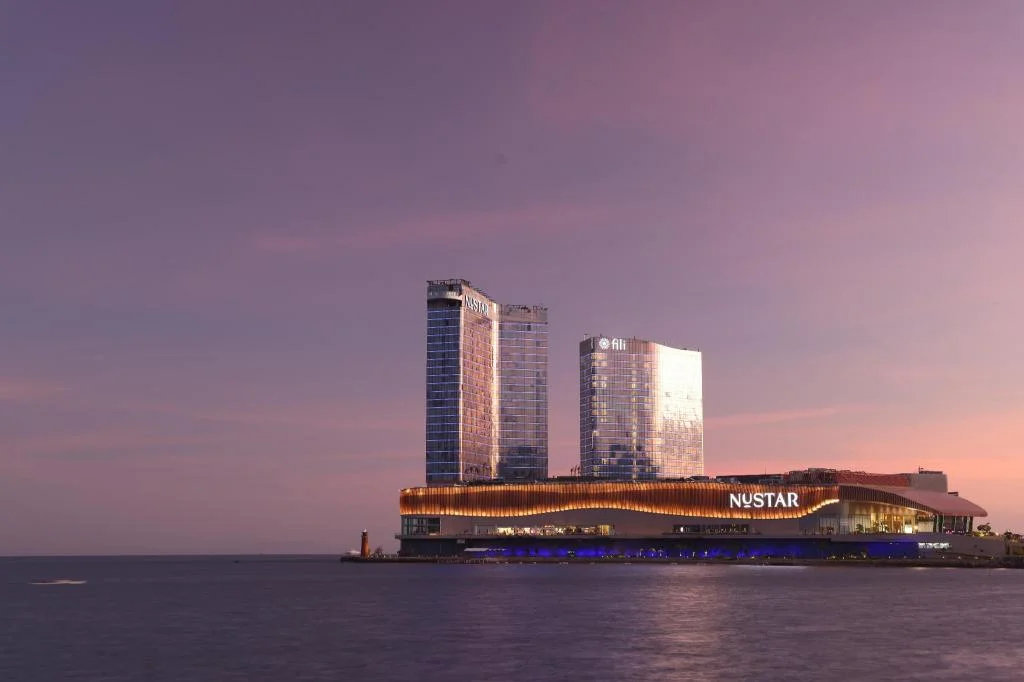
Fili Hotel - NUSTAR Resort & Casino Cebu
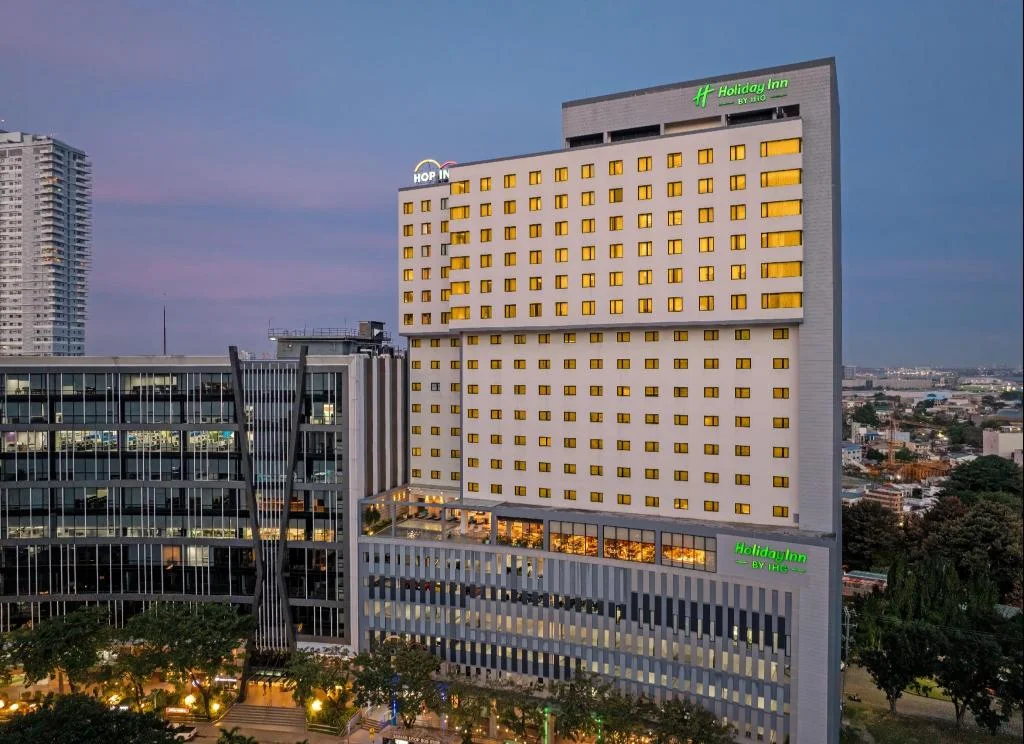
Holiday Inn Cebu City By IHG
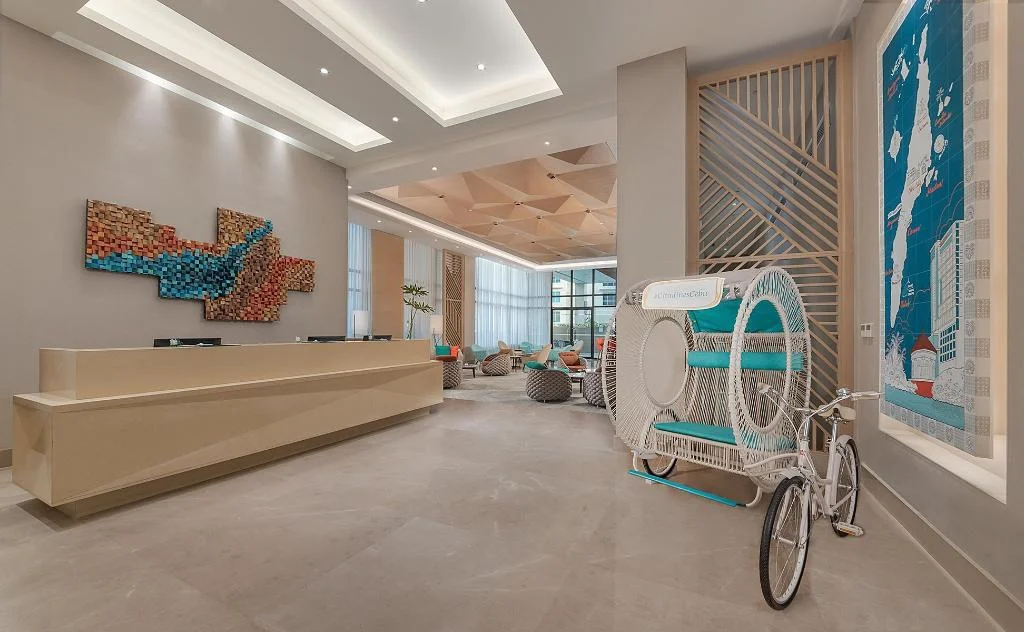
Citadines Cebu City
Prefer a rental? Vacation rentals near Cebu City
Self-catering condos and apartments — book the exact unit, kitchen included.
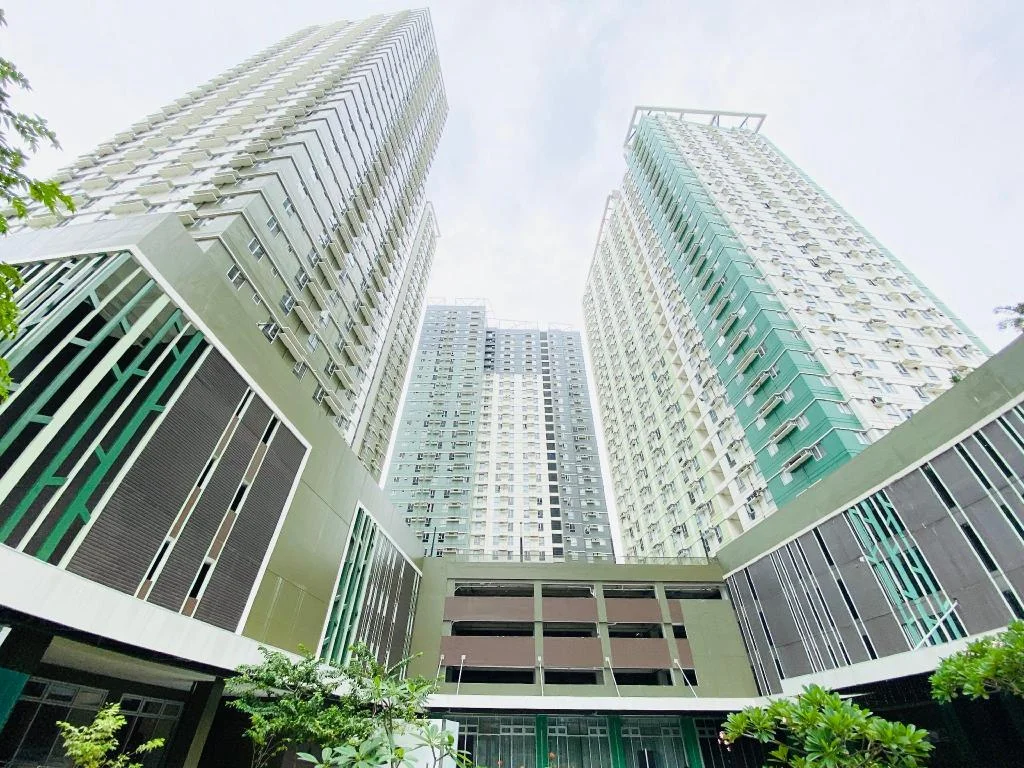
Cebu Avida Riala by P&J
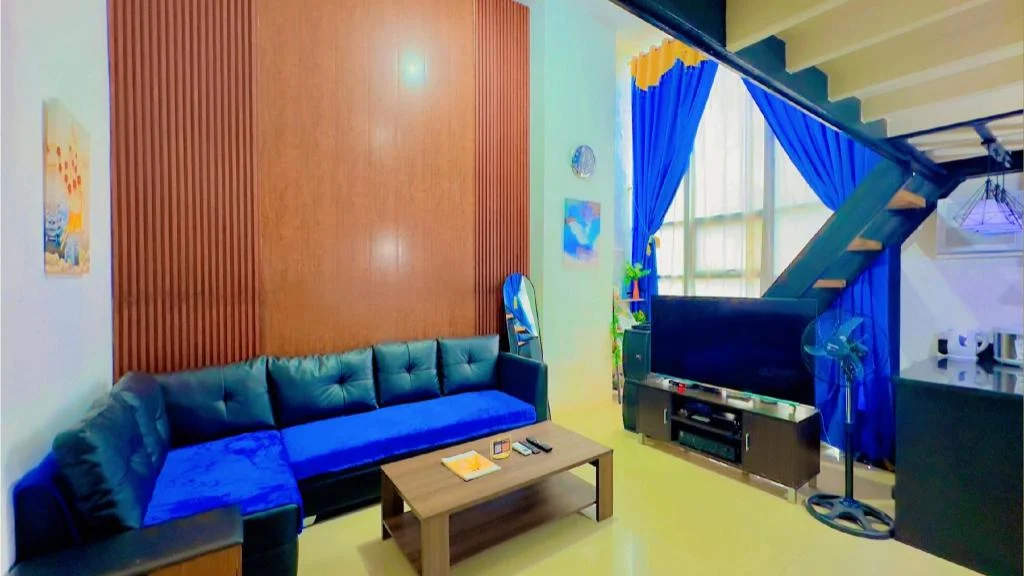
Special Big Loft Unit w/Fibreop Internet & Netflix
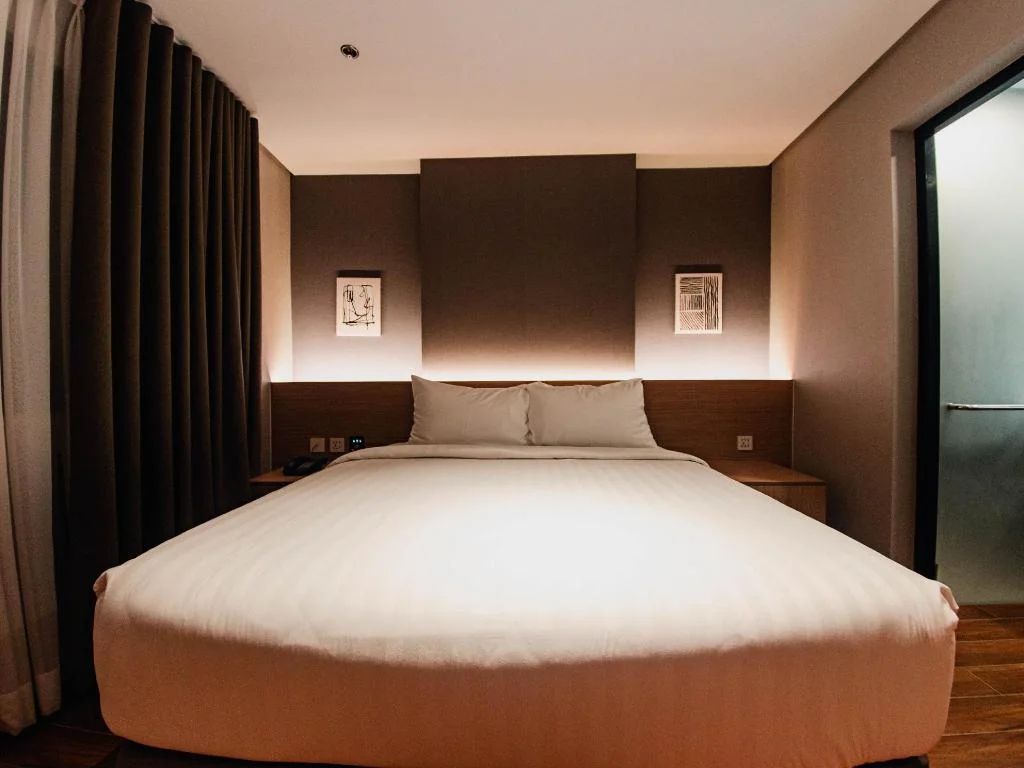
Moonstar Cebu Hotel - Deluxe Room
Before you go
Frequently asked
Where's the best place to photograph the Sinulog grand parade?
Do you need media accreditation to photograph Sinulog?
What camera gear should I bring to Sinulog?
How do you protect camera gear in the Sinulog crowds and heat?
Can you photograph the fluvial procession and novena masses?
What camera settings work best for the parade's movement and color?
Is it okay to photograph devotees closely during Sinulog?
Should I bring a backup camera or backup memory cards?
More Places to Explore
Basilica del Santo Niño
Cebu City
The oldest church in the Philippines (1565), home to the miraculous Santo Niño image and center of the famous Sinulog Festival.
Fort San Pedro
Cebu City
The oldest and smallest triangular fort in the Philippines (1565), a well-preserved Spanish colonial military structure with a history museum.