
TL;DR: Cebu’s best photo spots fall into a few clear categories: heritage architecture downtown (Magellan’s Cross, Colon Street, free), constructed gardens in the Busay hills (Temple of Leah ₱120–150, Sirao Flower Garden ₱100, 10,000 Roses Cafe ₱20), a waterfall (Kawasan Falls ₱200), tidal sandbars (Sumilon and Virgin Island, timing-dependent), and two solid sunset viewpoints. Shoot most of them at golden hour — 6:30–8 AM or 4:30–6 PM — except Kawasan, which photographs best under harsher midday sun. Verified July 2026.
Cebu rewards a camera more than most Philippine provinces, mostly because the photogenic stuff isn’t hidden — it’s a 20-minute habal-habal ride from downtown. This guide isn’t another ranked top-10; it’s organized by the kind of shot you’re chasing, so you can plan a day around technique instead of just a checklist. Heritage architecture downtown around Magellan’s Cross, constructed color in the Busay hills at Temple of Leah, Sirao Flower Garden, and 10,000 Roses Cafe, natural drama at Kawasan Falls, and open water at Cebu’s sandbars all show up here. If you want a tighter, spot-first ranking instead, see our best Instagrammable spots in Cebu guide — this one is the companion piece, built around light and composition rather than just a list.
Cebu’s Best Photo Spots at a Glance
| Spot | Best shot | Best time |
|---|---|---|
| Magellan’s Cross | Symmetrical shot through the pavilion arch, ceiling mural above | 7–9 AM, before tour groups arrive |
| Colon Street | Wide shot down the strip with jeepneys as leading lines | Weekday mornings, 8–10 AM |
| Temple of Leah | Low-angle shot up the colonnade to exaggerate the Roman scale | 6–9 AM or 3–5 PM |
| Sirao Flower Garden | Shoot through a flower arch, not just at one, for foreground depth | 7–9 AM or 3:30–5:30 PM, Dec–May only |
| 10,000 Roses Cafe | LED rose field with the Cebu City skyline soft-focused behind | 5:30–7 PM (blue hour, lights just on) |
| Kawasan Falls | Wide angle from pool’s edge, falls behind, overhead sun for color | 10 AM–1 PM |
| Sumilon Island sandbar | Aerial or waist-high wide shot of the full sandbar arc | Low tide (check tide chart, varies by date) |
| Virgin Island (Bantayan) | Straight-down or drone shot of the sandbar meeting turquoise water | Low tide, early morning for calm water |
| Tops Lookout | City-and-sea skyline with the sun dropping behind the strait | 5–6:30 PM into blue hour |
Prices and hours verified against operator and tourism listings as of July 2026 — confirm locally before you go, especially for Sirao and Temple of Leah, which post seasonal or reduced hours.
How Do You Shoot Cebu’s Heritage Sites?
Shoot Magellan’s Cross and Colon Street for symmetry and color, not for scale — they’re compact, so composition does the work. Magellan’s Cross sits in a small open pavilion in front of the Basilica del Santo Niño; entrance is free and it’s open roughly 8 AM to 6 PM. The classic frame is straight down the center aisle toward the cross, using the pavilion’s arch and ceiling mural as a natural frame. Go early — by mid-morning the plaza fills with pilgrims and tour groups, and getting a clean, empty frame gets much harder.
Colon Street, a few minutes’ walk away, is one of the oldest streets in the Philippines and photographs well for its faded pastel shopfronts, overhead wiring, and constant jeepney traffic — use the jeepneys and power lines as leading lines rather than trying to crop them out. It’s a working commercial street, not a curated attraction, so there’s no entrance fee and no “best angle” gate — just walk it with your camera out during the day. Skip it after dark; it gets rough around the edges once the shops close, same as most old downtown cores in Philippine cities. If you want the fuller heritage walk, our heritage of Cebu monument stop nearby rounds out a downtown photo circuit in under two hours.
What’s the Best Way to Shoot Temple of Leah and Sirao Garden?
Shoot both for their constructed drama — low angles at Temple of Leah, foreground framing at Sirao — and go in the same afternoon since they’re minutes apart in the Busay hills. Temple of Leah charges ₱120 on weekdays and ₱150 on weekends (about US$2–2.60), cash only, plus ₱50 for parking. Its Roman-style colonnade is the signature shot — stand at the base of a column looking up to exaggerate the height, rather than shooting it flat-on from a distance. Morning light (6–9 AM) rakes across the stone nicely; late afternoon (3–5 PM) gives a warmer tone but slightly harder shadows.
Sirao Flower Garden, sometimes called “Little Amsterdam,” charges ₱100 per person. The mistake most visitors make is shooting the flower beds from outside them — instead, use the garden’s arches and tunnels as a foreground frame with your subject a few steps inside, which adds depth that a flat wide shot doesn’t. This one only pays off in the dry season, roughly December through May; visit in the rainy months and the beds are often bare, and you’re photographing green stalks for the same ₱100.
Is 10,000 Roses Cafe Better for Day or Night Shots?
Night, without question — the roses are LED-lit, and the ₱20 entrance fee buys an ordinary daytime garden or a genuinely striking one after dark. 10,000 Roses Cafe in Cordova adds a ₱30 parking fee if you’re driving. The move is to arrive before sunset and shoot the transition: the sky still holds some color for the first 20–30 minutes after the lights switch on (roughly 5:30–7 PM), which gives you a warm sky and a lit rose field in the same frame instead of pure black behind the LEDs. The Cebu City skyline sits across the water and reads well as a soft-focus backdrop if you shoot with a longer lens or slight zoom.
Is Kawasan Falls Worth It for Photos?
Yes, and it’s the one spot on this list where you want the sun high rather than low. Basic Level 1 entrance to Kawasan Falls is ₱200; canyoneering (the multi-level rappel-and-jump route down from Level 3) runs on a regulated price of roughly ₱1,500–2,100 per person depending on the operator, which includes guide, gear, and habal-habal transport to the jump-off point. For photos specifically, late morning to early afternoon (10 AM–1 PM) lights the pool from directly above, which is what turns the water the saturated turquoise you see in other people’s shots — early morning or late-day light leaves it a duller green. Shoot wide-angle from a rock at the pool’s edge with the falls filling the background, and get there at opening if you want the water without other visitors’ heads in frame; tour buses land by mid-morning and the crowd only grows from there.
Which Sandbars Photograph Best?
Sumilon Island and Virgin Island both live or die on tide, not time of day — check a tide chart before you plan the trip. At full low tide, Sumilon’s sandbar off Oslob extends into a dramatic arc roughly 150–200 meters long, surrounded by visibly turquoise water; at high tide, much of that same sandbar disappears underwater and the shot falls apart. Tour operators time Sumilon stops to land during the mid-morning low-tide window, often paired with an early Oslob whale shark tour. Virgin Island off Bantayan works the same way — a straight-down or drone shot of white sand meeting turquoise water only looks like the postcard version when the tide is out and the water is calm, which favors early morning starts. Both are much better from a slight elevation (a drone, a boat’s upper deck, or even just standing rather than crouching) than from sand level.
Where Do You Get the Best Sunset Shots?
Tops Lookout for a city skyline, White Beach (Basdaku) for open water — pick based on whether you want buildings or horizon in frame. Tops Lookout charges ₱100 entrance plus roughly ₱50 more for rooftop deck access, open 9 AM to 11 PM. Arrive by 4:30–5 PM to claim a rail spot before the after-sunset crowd shows up for the night-light view, and stay through blue hour — the city lights coming on after the sun drops give you a second, different shot in the same visit. For a beach horizon instead, White Beach in Moalboal faces the Tañon Strait toward Negros and gives a cleaner, obstruction-free sunset than most east-facing Cebu beaches. Neither needs special gear — a phone on a small tripod or braced against a rail handles both just fine at dusk.
If you’d rather work a coffee into the shoot, the cafe belt along the Transcentral Highway in Busay and Balamban strings together mountain-view seating with sunset timing built in — worth combining with Tops Lookout since they’re close together in the same hills.
How Do You Choose Which Spots to Prioritize?
If you only have one day, pair the Busay hills trio — Temple of Leah, Sirao Garden, and 10,000 Roses — since they sit within a 15-minute drive of each other and cover morning light, afternoon light, and night shots in one loop. If you’re heading south for whale sharks or canyoneering anyway, Kawasan Falls and the Sumilon sandbar fit naturally into that same day. Sunset spots are a separate half-day each — Tops is a short hop from the city, while Basdaku means basing yourself in Moalboal.
The Honest Take
None of this is undiscovered — Temple of Leah, Sirao, and 10,000 Roses are all built for photos and get treated that way, with weekend crowds that can wreck a clean composition if you show up after 10 AM. Sirao specifically isn’t worth the ₱100 outside the dry season; the “Little Amsterdam” reputation depends entirely on the flowers actually blooming, and off-season photos of bare beds circulate online more than anyone admits. Colon Street is genuinely photogenic but also genuinely a working street with the usual downtown Philippine city hazards — petty theft, uneven sidewalks, heavy jeepney traffic — so treat it as a daytime shoot, not a moody dusk one. And the sandbars are entirely tide-dependent: the postcard shot you’re chasing might just not exist on the day you show up if you didn’t check the tide chart first.
Plan Your Shoot
Pair a morning at Temple of Leah and Sirao Flower Garden with an evening at 10,000 Roses Cafe for a full day of Busay hill photography, or head south to combine Kawasan Falls with a canyoneering day. For the wider “why visit” case for each of these locations beyond the camera, see our best Instagrammable spots in Cebu and best views in Cebu guides, and check our rooftop views roundup for more sunset options downtown. If you want a guided day that hits several of these spots without driving yourself, browse Cebu day tours and photo-stop itineraries on Klook or compare private van charters on GetYourGuide.
Sources
- WhyCebu — Temple of Leah entrance fee and hours
- WhyCebu — Sirao Garden entrance fee
- 10,000 Roses Cafe & More — official site
- WhyCebu — Kawasan Falls entrance and canyoneering pricing
- Highland Adventures PH — regulated canyoneering pricing
- Guide to the Philippines — Magellan’s Cross
- Sandbar tide-timing and seasonality cross-checked against recent operator and traveler reporting on Sumilon Island and Virgin Island (Bantayan). Verified July 2026.
Book Tours & Hotels for This Trip
Find and book the best deals — prices and availability update in real time. Links open in a new tab.
Where to stay near Cebu City
Top-rated hotels for this trip — tap through to check live rates.
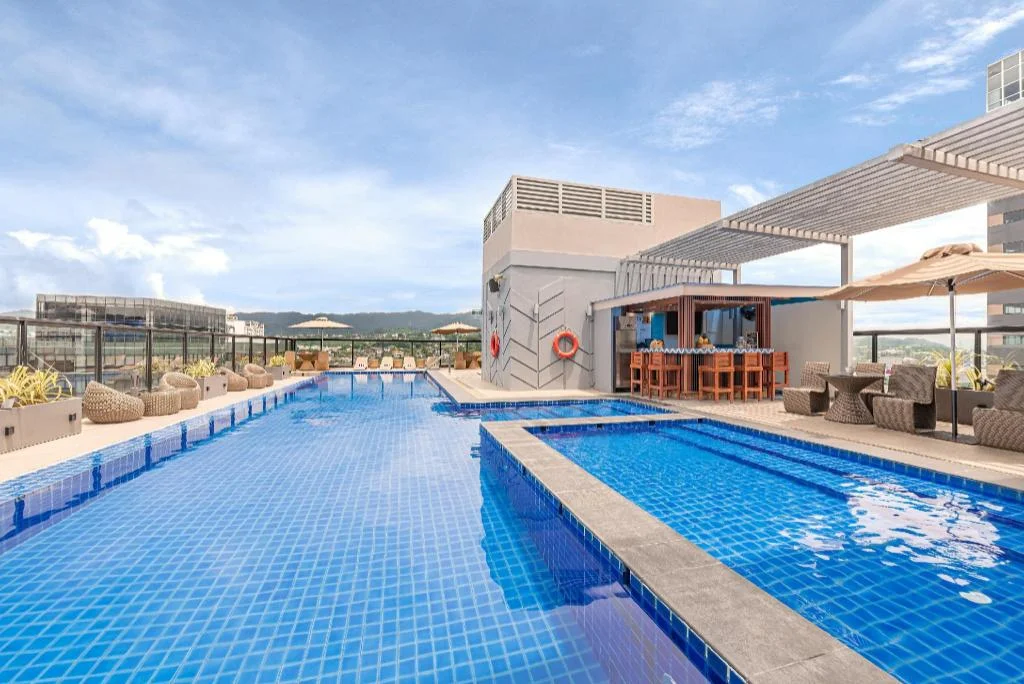
Seda Central Bloc Cebu City
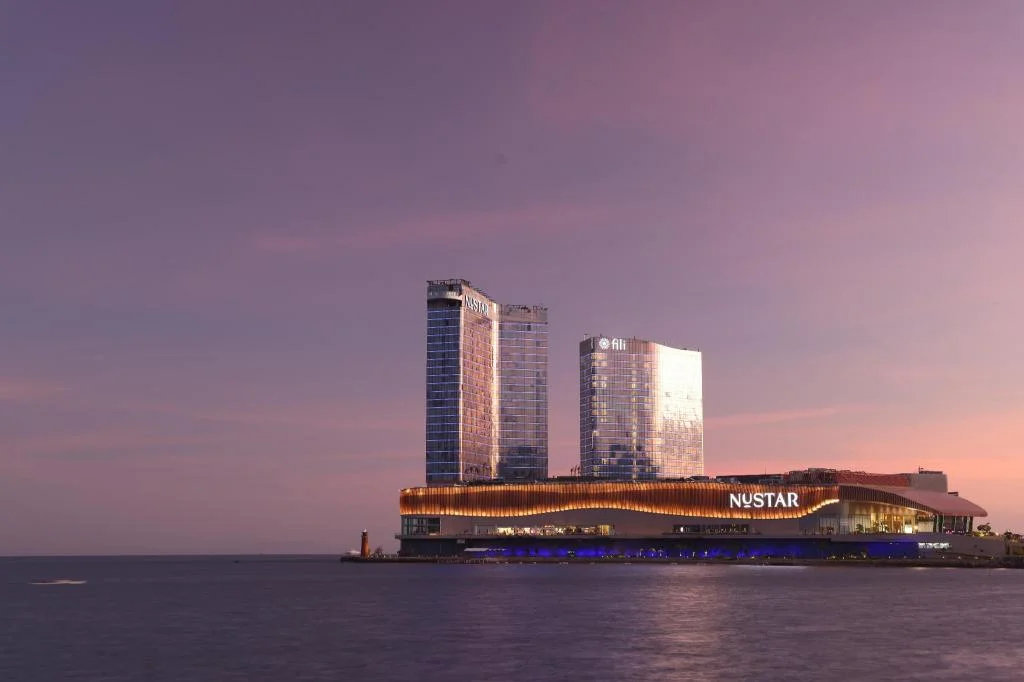
Fili Hotel - NUSTAR Resort & Casino Cebu
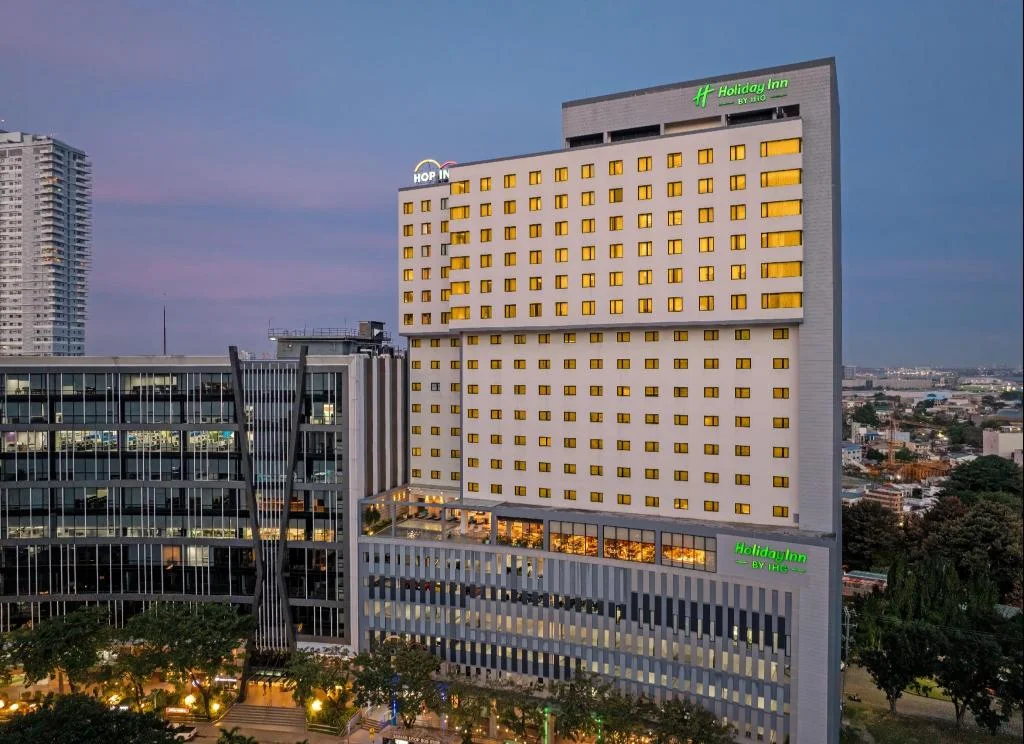
Holiday Inn Cebu City By IHG
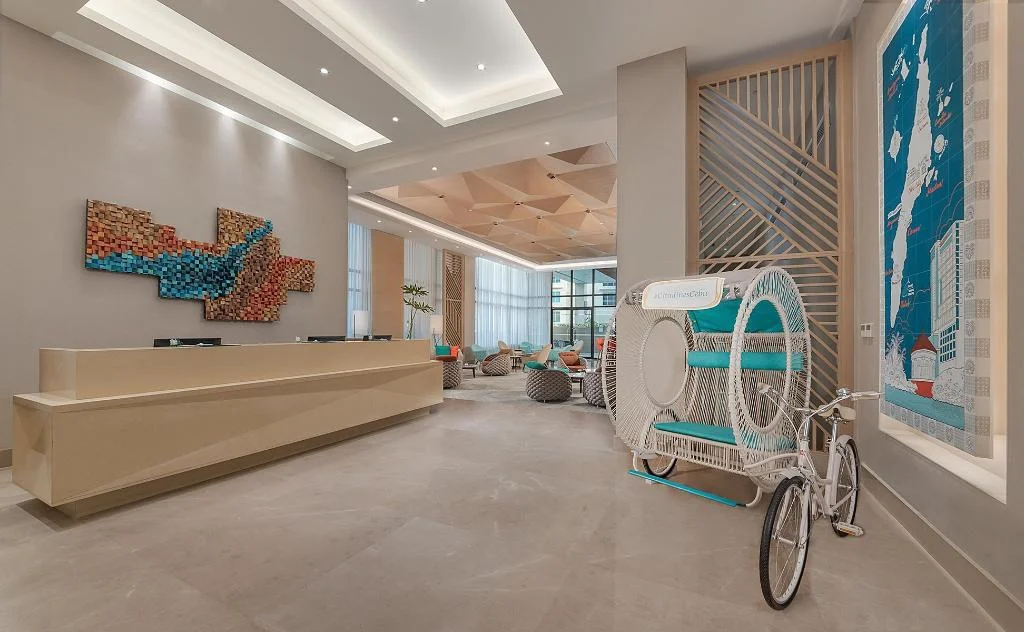
Citadines Cebu City
Prefer a rental? Vacation rentals near Cebu City
Self-catering condos and apartments — book the exact unit, kitchen included.
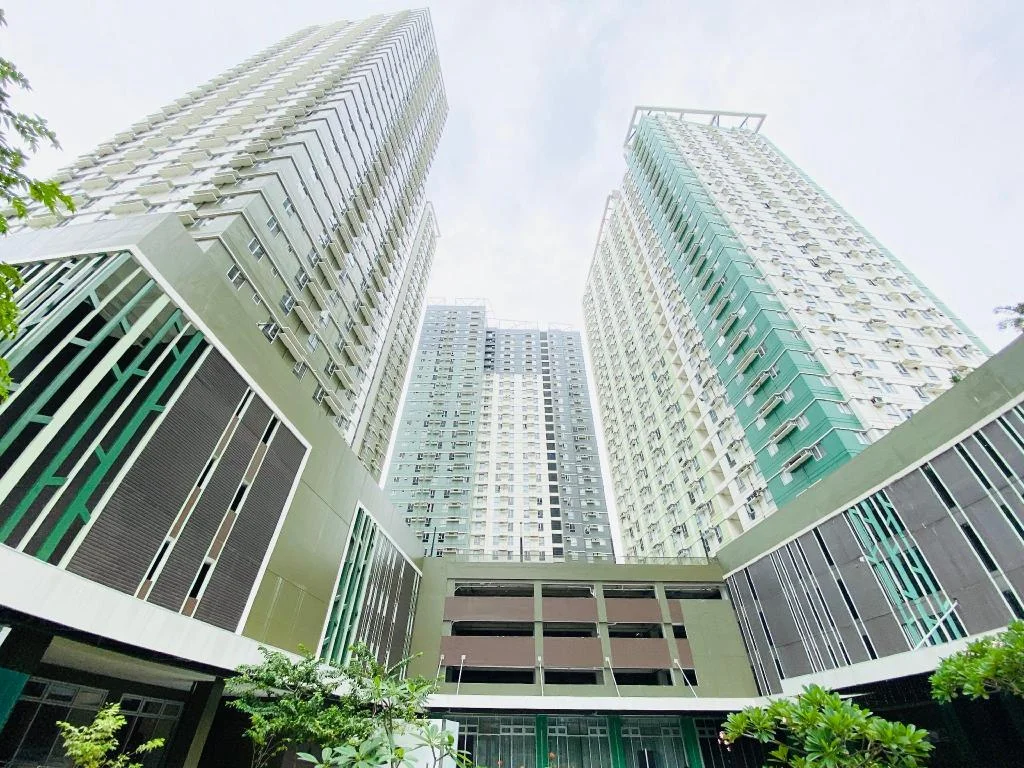
Cebu Avida Riala by P&J
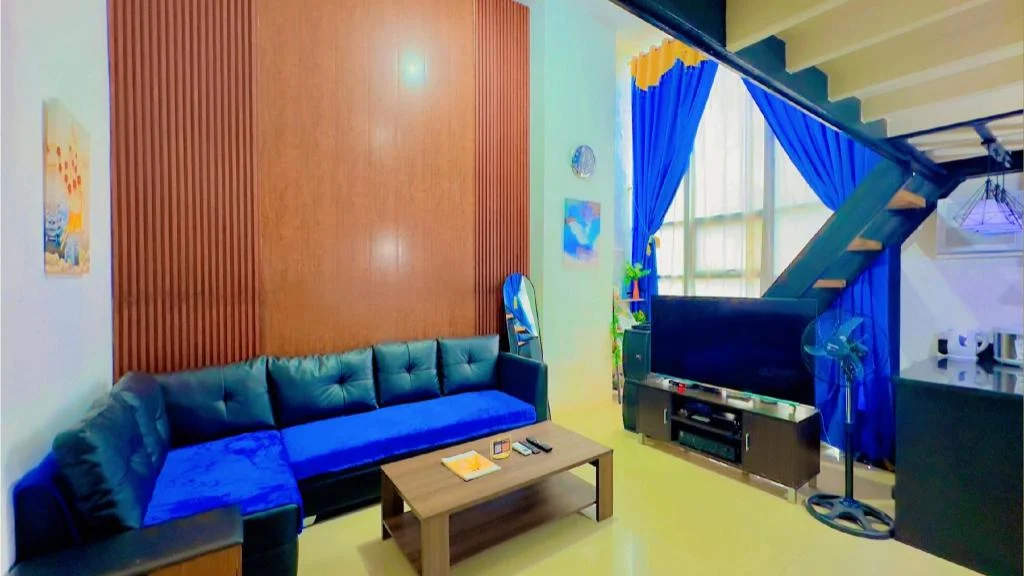
Special Big Loft Unit w/Fibreop Internet & Netflix
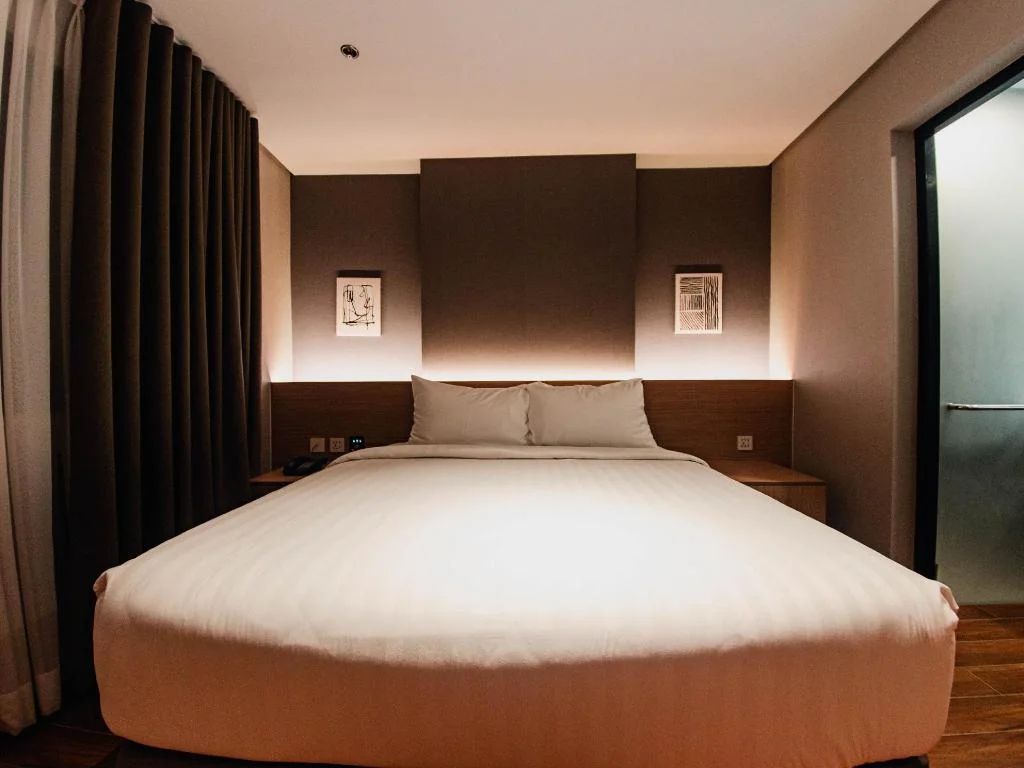
Moonstar Cebu Hotel - Deluxe Room
Before you go
Frequently asked
What is the most photogenic spot in Cebu?
Do I need a professional camera for these spots?
What time of day gives the best light in Cebu?
Is it worth paying entrance fees just for photos?
Can you fly a drone at these photo spots?
Are Cebu's colorful heritage streets safe to photograph?
What's the single best sunset photo spot in Cebu?
How is this guide different from the Instagrammable spots guide?
More Places to Explore
Temple of Leah
Cebu City
A magnificent Roman-inspired temple built as a monument of love, nicknamed 'Cebu's Taj Mahal,' offering stunning architecture and city views.
10,000 Roses Cafe
Cordova
A magical garden of 10,000+ white LED roses that light up at dusk, creating one of Cebu's most Instagram-worthy photo spots.
Sirao Flower Garden
Cebu City
Cebu's 'Little Amsterdam' - a colorful flower farm featuring seas of celosia blooms set against a scenic mountain backdrop.
Kawasan Falls
Badian
A stunning three-tiered waterfall famous for its turquoise waters, bamboo raft rides, and as the endpoint of the famous Badian canyoneering adventure.