
TL;DR: Cebu’s most photogenic spots split into three types: constructed sets (Temple of Leah, Sirao Flower Garden, 10,000 Roses Cafe, ₱20–150 entrance), natural landscapes (Kawasan Falls turquoise pools ₱200, Sumilon Island sandbar ₱500–2,000+ depending on tour, Osmeña Peak’s sea of clouds ₱50), and one hilltop devotional shrine (Simala, free entry). Golden hour (7–9 AM or 3–5 PM) beats midday everywhere except Kawasan, where overhead light brings out the blue. Sunrise trips to Osmeña Peak need a 4 AM start from Cebu City. Verified July 2026.
If your feed needs a refresh, Cebu delivers more photogenic range in one province than most entire countries — Roman-column ruins, LED rose fields, a “Little Amsterdam” flower farm, a castle-shaped shrine, waterfalls that look filtered even unedited, and a mountain ridge that sits above the clouds on a good morning. This guide is built strictly around photography: which spot to shoot, what time of day the light actually works, what it costs, and what the crowds do to your composition. For the fuller “why visit” version of each location, see our best tourist spots in Cebu and iconic landmarks roundups. Most of the hilltop spots — Temple of Leah, Sirao Flower Garden — sit within 20 minutes of each other in the Busay hills above Cebu City, so you can shoot two or three in a single afternoon.
Cebu’s Instagrammable Spots at a Glance
| Spot | Best time to shoot | Entrance fee | Photo tip |
|---|---|---|---|
| Temple of Leah | 6–9 AM or 3–5 PM | ₱120 weekday / ₱150 weekend (US$2–2.60) | Shoot the colonnade from ground level looking up to exaggerate the Roman scale |
| Sirao Flower Garden | 7–9 AM or 3:30–5:30 PM | ₱100 (US$1.70) | Shoot through the flower arches, not just of them, for depth |
| 10,000 Roses Cafe | 5–9 PM (after LED lights turn on) | ₱20 + ₱30 parking (US$0.35 + 0.50) | Go at blue hour (just after sunset) so the sky still has color behind the LEDs |
| Kawasan Falls | 10 AM–1 PM | ₱200 (US$3.45), basic Level 1 access | Shoot from the rocks at pool’s edge with the falls behind you, wide angle |
| Sumilon Island sandbar | Low tide, any time of day | ₱500–800 day-use, or ₱2,000+ guided tour (US$8.60–34) | Time your visit around the tide chart — the sandbar barely exists at high tide |
| Simala Shrine | Early morning before 9 AM | Free (donations welcome); parking ~₱50 | Shoot the exterior from the parking area below to get the full castle silhouette |
| Osmeña Peak | Sunrise, 5:30–6:30 AM | ₱50 (US$0.85), + ₱200–300 guide for dark trail | Get above the ridge before sunrise — the “sea of clouds” burns off within an hour |
Prices are per adult unless noted; children, seniors, and PWDs often get discounted rates on-site. Verified July 2026.
Temple of Leah: How Do You Get the Best Shot?
Shoot the colonnade in early morning or late-afternoon light, from ground level looking up, to make the Roman-inspired scale read in the frame. Built by a widower as a tribute to his late wife, Temple of Leah is Cebu City’s most-photographed man-made attraction — dozens of columns, statues, and a hilltop view over the city that looks straight out of a European ruin.
Entrance runs ₱120 on weekdays and ₱150 on weekends (about US$2–2.60), with children under 4 feet and senior citizens paying a discounted ₱80/₱100. Parking is ₱50 per vehicle, and it’s cash only at the gate — bring small bills. The temple is normally open 6 AM to 11 PM, but hours have been shortened at times in 2026, so call the visitor hotline (0933-1131755) before a late-afternoon or evening trip.
Photography is allowed throughout, and drones are permitted with prior arrangement. If you want a formal prenup or wedding shoot, coordinate with temple management ahead of time — there may be an extra fee for exclusive access outside regular hours. The columns photograph best in the soft light of 6–9 AM (also the coolest and least crowded window) or the 3–5 PM golden hour, when the light rakes across the stone and statues at an angle instead of flattening them from overhead.
Is Sirao Flower Garden Worth the Trip?
Only if you go in the dry season — the garden is genuinely photogenic from December through May when the flowers bloom, and disappointing outside that window. Sirao Flower Garden, Cebu City’s “Little Amsterdam,” is a short drive past Temple of Leah and built specifically around photo ops: flower-covered arches, windmill structures, and elevated viewpoints over the flower beds and surrounding hills.
Entrance is ₱100 per person, stable since 2024, with discounts for seniors, PWDs, and children — cash only, no card terminal on-site. April and May are peak bloom and peak crowd; if you want a genuinely quiet photo session rather than dodging other people’s shoots, go on a weekday morning.
Best light is 7–9 AM (coolest, fewest people, ideal for a serious shoot) or 3:30–5:30 PM (softer golden-hour color on the petals). For composition, don’t just shoot the arches face-on — walk through them and shoot back the other way, or use the elevated viewpoints to get the garden-plus-mountains wide shot that separates a good frame from an obvious tourist-arch selfie.
When Should You Visit 10,000 Roses Cafe?
After dark, not during the day — this is an LED installation, and daylight photos of it look flat and unremarkable compared to what it becomes after the lights switch on. 10,000 Roses Cafe sits inside the Cordova Tourism Center on the Mactan side, a short crossing from Cebu City, and it’s built around one thing: a lit rose garden that photographs like a film set once the sun goes down.
Entrance is ₱20 per person (a maintenance fee) plus ₱30 for parking, and the cafe runs from around 10 AM to 11 PM daily. Skip the daytime visit unless you’re also there to eat — the roses themselves aren’t lit until dusk, so the ideal window is 5–9 PM, catching the last natural light in the sky right as the LEDs come on for a proper blue-hour shot with color in both the garden and the background.
How Do You Photograph Kawasan Falls Without It Looking Like Everyone Else’s Photo?
Shoot late morning to early afternoon, when overhead sun lights the pool from above and brings out the turquoise color that makes Kawasan famous — the same shot at dawn or dusk just looks grey-green. Kawasan Falls in Badian is the most photographed waterfall in Cebu, and for good reason: the main pool holds an almost unnatural blue-green even in overcast weather, as long as there’s enough daylight hitting the water.
Level 1 basic access is ₱200 per person and gets you the main pool, bamboo raft rides, and the hiking trail up to Levels 2 and 3 (the zipline is a separate ₱600 add-on). It’s cash only at every payment point inside, so bring small bills — change gets scarce once a tour bus unloads. Life vests are mandatory in the water.
For the classic shot, get to the falls at opening before the day-trip crowds arrive (usually mid-morning), and shoot from the rocks at the pool’s edge with the falls in the background, wide angle, to capture the full drop and the color of the water together. If you want the falls without another tourist swimming through your frame, expect to wait for gaps between groups — this spot does not stay empty for long.
Is the Sumilon Island Sandbar Actually Worth the Cost?
Yes, but time it around the tide, not the tour schedule — the sandbar is a shifting strip of sand that’s dramatically different at low tide versus high tide, and the photo only works at low tide. Sumilon Island, off Oslob, has one of the more unusual photo subjects in Cebu: a sandbar that extends into a long white strip surrounded by turquoise water at low tide, and mostly disappears underwater at high tide.
Day-use access through Bluewater Sumilon Island Resort runs roughly ₱500–800 per person. Guided day tours that bundle snorkeling, the sandbar fee, and boat transfers from Oslob start around ₱2,000 per person (with a weekend/holiday surcharge), and private tours combined with whale shark watching start from about ₱2,800 per person. Check a tide chart before booking your slot — a guide or boatman can tell you the low-tide window for the day, and that’s when to plan your shoot.
Compare Sumilon Island day tours on Klook, most of which build the timing around the tide already.
Why Do People Photograph Simala Shrine From the Parking Lot?
Because that’s where you get the full castle silhouette — walk right up to the building and you lose the shape that makes it famous. Simala Shrine, officially the Monastery of the Holy Eucharist, is a hilltop church in Sibonga built in a medieval European castle style, rising white against green hills — visible from the highway and one of the most photographed churches in the Philippines.
Entry is free, with donations welcome; parking runs about ₱50 per vehicle. Hours are roughly 8 AM to 5 PM, with a daily noon mass, and this is a working devotional site — the interior draws pilgrims for its terraces, columns, and the shrine’s miraculous image of the Virgin Mary, so keep quiet and respectful, and expect to be one of many people photographing the same view.
Go early, before 9 AM, both for softer light on the white facade and to beat the tour buses that fill the parking area by midday. Shoot the exterior from a distance — from the lower parking or the road approach — to fit the whole “castle on a hill” composition into frame; up close, the scale and the crowd both work against you.
What Does It Take to Get the Osmeña Peak “Sea of Clouds” Shot?
An early start and some luck — you need to be on the ridge before sunrise, on a cool, clear morning, and the clouds settling below you are not guaranteed on any given day. Osmeña Peak, the highest point on Cebu Island at 1,013 meters, sits in Dalaguete in south Cebu and is famous for a short, dramatic hike to a jagged ridge with sweeping views — and, on the right morning, a blanket of clouds filling the valleys below the summit.
Entrance is ₱50 per person, with an extra ₱50 if you’re camping overnight. The hike to the summit itself takes only about 20 minutes, but the trail is unlit and hard to navigate in the dark, so a guide (₱200–300) is worth it for a sunrise attempt. To make sunrise at the peak, you need to leave Cebu City by around 4–5 AM — it’s roughly a 2–2.5 hour drive south. The dry season, January to May, gives you the best odds of clear skies and the sea-of-clouds effect; during the rainy months you’re more likely to get fog at ground level than clouds below you.
The Honest Take
Not every spot on this list is equally worth your time. Temple of Leah and Sirao Flower Garden are close together and both genuinely photogenic, but they’re also the most crowded — weekends and Philippine holidays mean shooting around other people’s group photos, not just your own. 10,000 Roses Cafe is entirely a nighttime destination; if you only have daylight hours, skip it rather than pay ₱20 for an ordinary garden.
Kawasan Falls’ turquoise color is real, not a filter, but the pool gets genuinely packed by midday during peak season (Semana Santa, Christmas break, long weekends) — arrive at opening or accept that your photo will have strangers in the background. Sumilon Island’s sandbar is worth the cost specifically at low tide; at high tide, you’re paying resort day-use prices for a sandbar that barely exists, so check the tide before you book.
Simala Shrine is the one spot on this list where treating it purely as a photo backdrop misses the point — it’s an active pilgrimage site, and showing up only for the “castle church” shot while ignoring the mass or the devotees inside is a bit tone-deaf. And Osmeña Peak’s sea of clouds is genuinely the best single landscape shot in this list when it works, but it’s weather-dependent — go in with realistic expectations, because plenty of mornings you’ll get a nice sunrise and no clouds at all below you.
Round Out the Trip
Pair the constructed photo spots — Temple of Leah, Sirao Flower Garden, 10,000 Roses Cafe — with Cebu City’s heritage core for the historical angle, and save Osmeña Peak and Kawasan Falls for a south Cebu day that also covers whale sharks or canyoneering. For more angles on the province’s best-looking corners, see our best viewpoints in Cebu City and hidden gems guides, and browse Cebu tours and day trips on Klook to book the ones that need a guide or boat.
Sources
- WhyCebu — Temple of Leah entrance fee and hours
- WhyCebu — Sirao Garden entrance fee and tips
- 10,000 Roses Cebu — official site
- WhyCebu — Kawasan Falls complete guide
- Jonny Melon — Sumilon Island 2026 travel guide
- WhyCebu — Simala Shrine complete visitor guide
- Jonny Melon — Osmeña Peak 2026 travel guide
- Fees and hours verified against 2026 operator and traveler reporting; confirm current prices locally before you go. Verified July 2026.
Book Tours & Hotels for This Trip
Find and book the best deals — prices and availability update in real time. Links open in a new tab.
Where to stay near Cebu City
Top-rated hotels for this trip — tap through to check live rates.
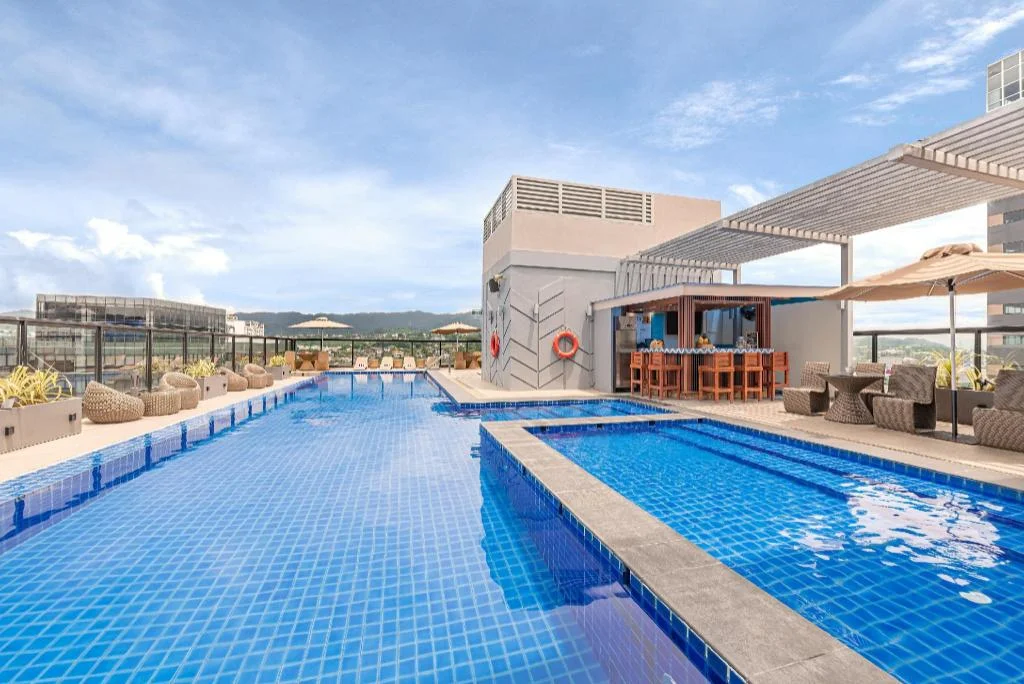
Seda Central Bloc Cebu City
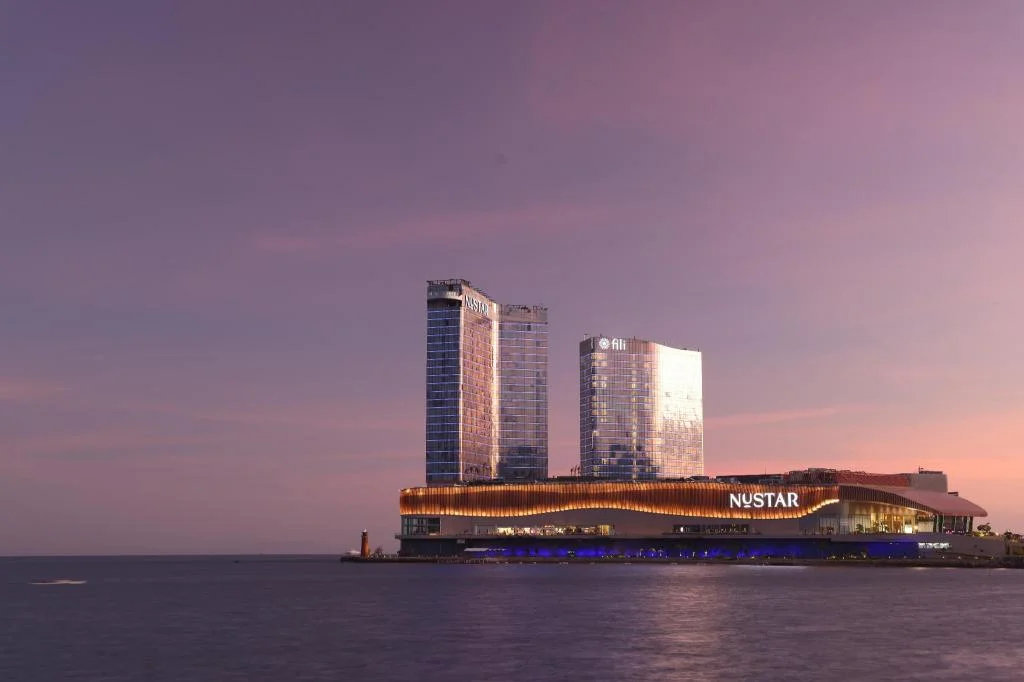
Fili Hotel - NUSTAR Resort & Casino Cebu
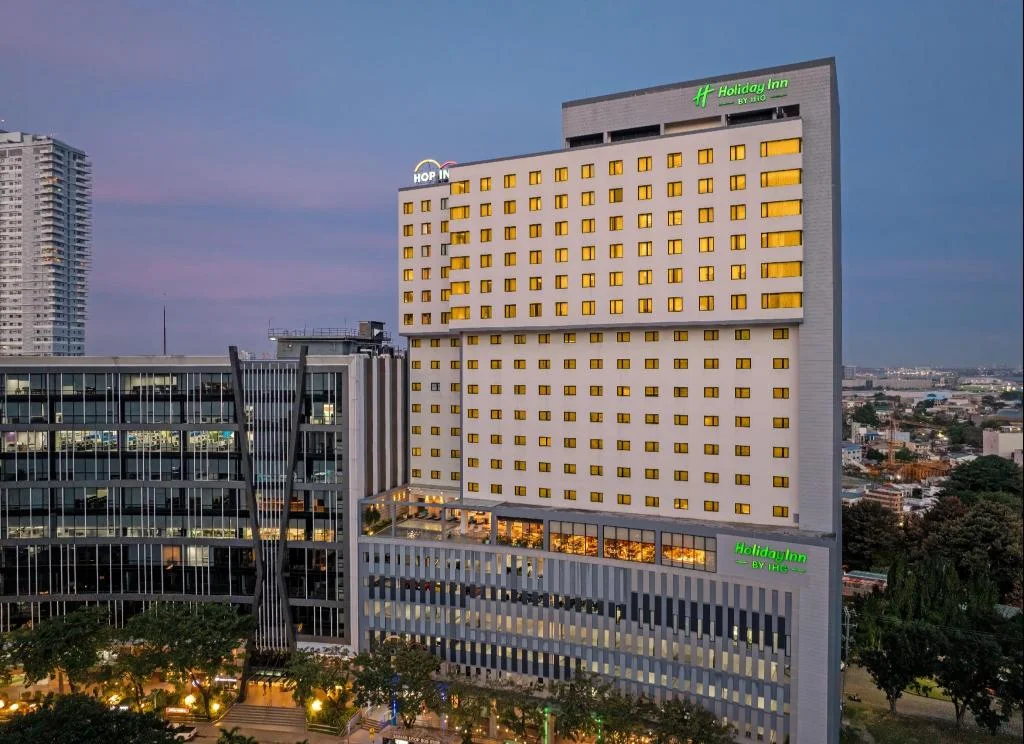
Holiday Inn Cebu City By IHG
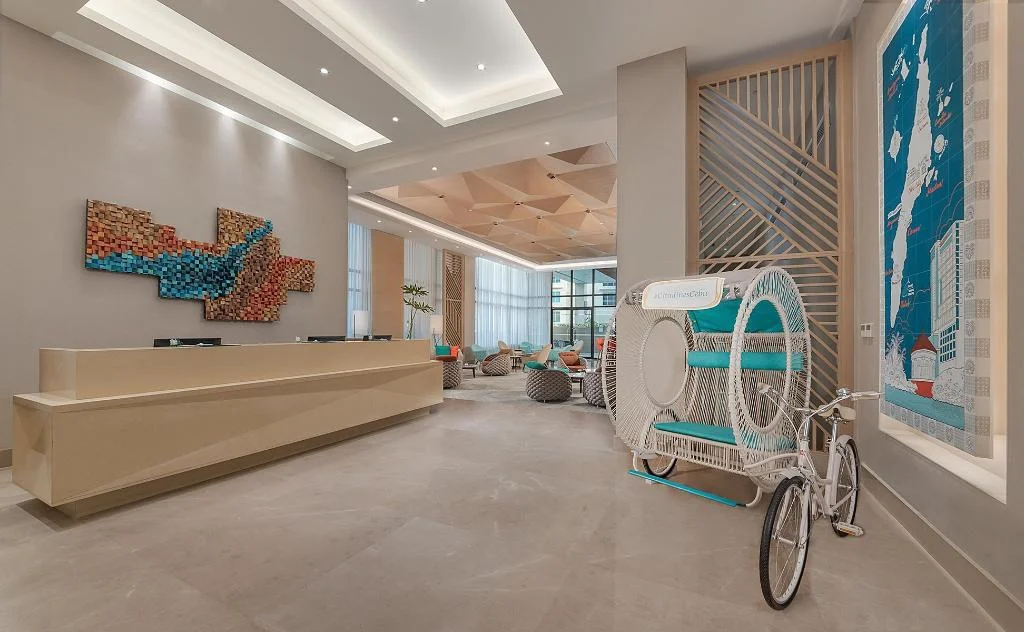
Citadines Cebu City
Prefer a rental? Vacation rentals near Cebu City
Self-catering condos and apartments — book the exact unit, kitchen included.
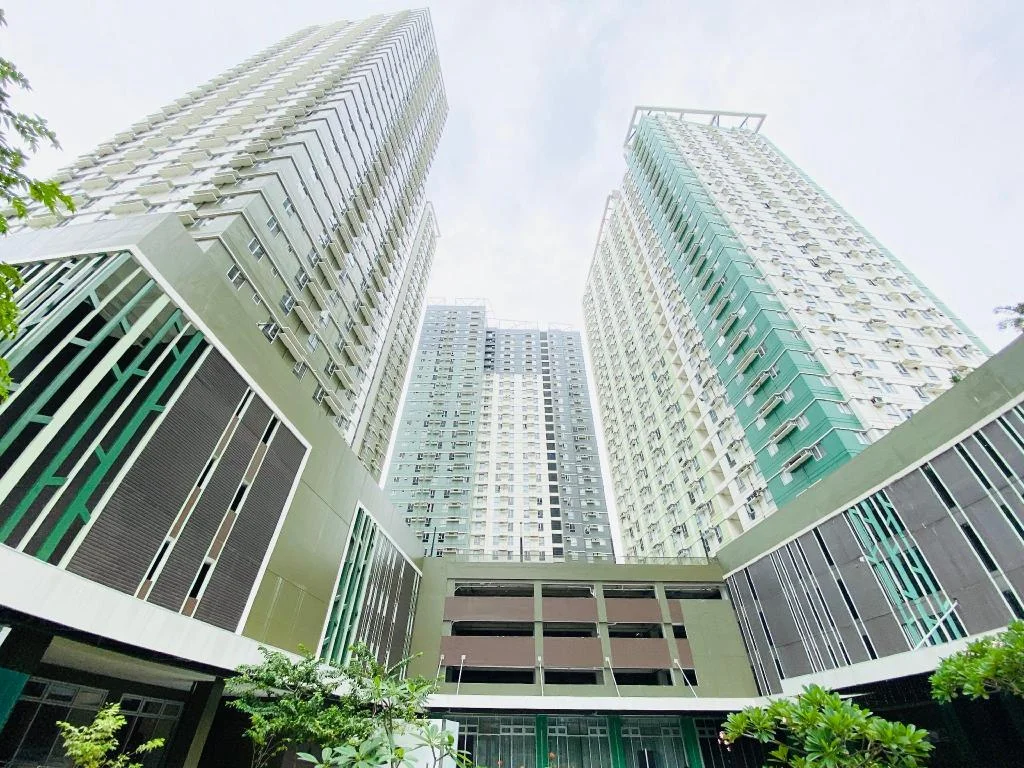
Cebu Avida Riala by P&J
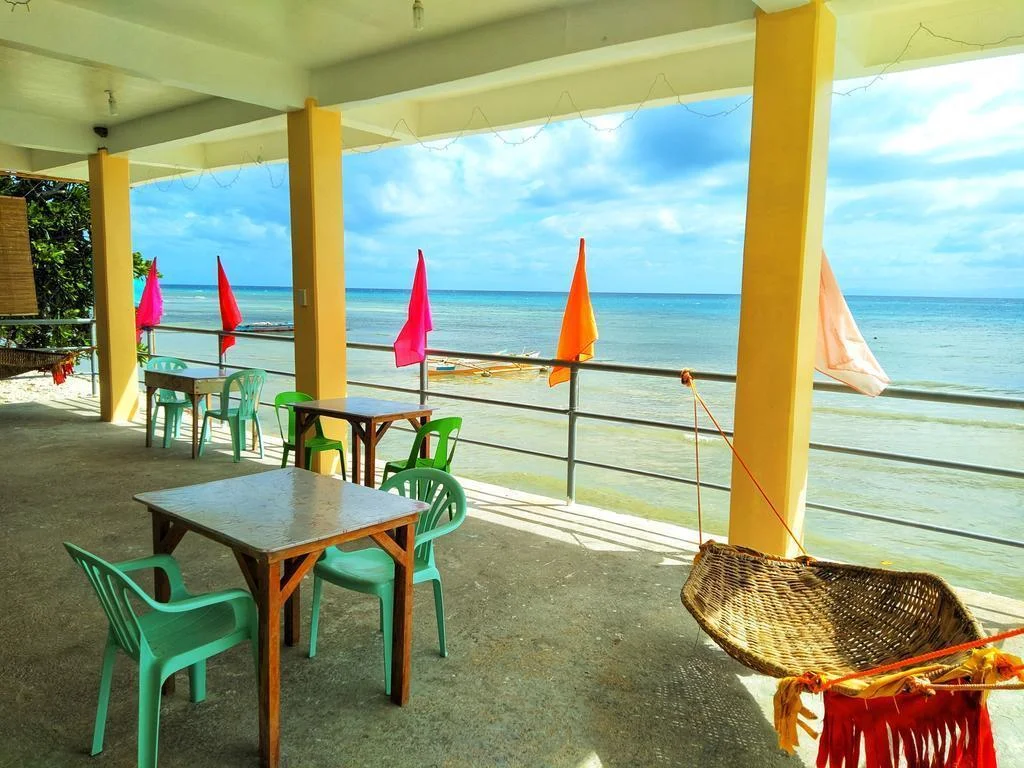
Ocean View Lodging House
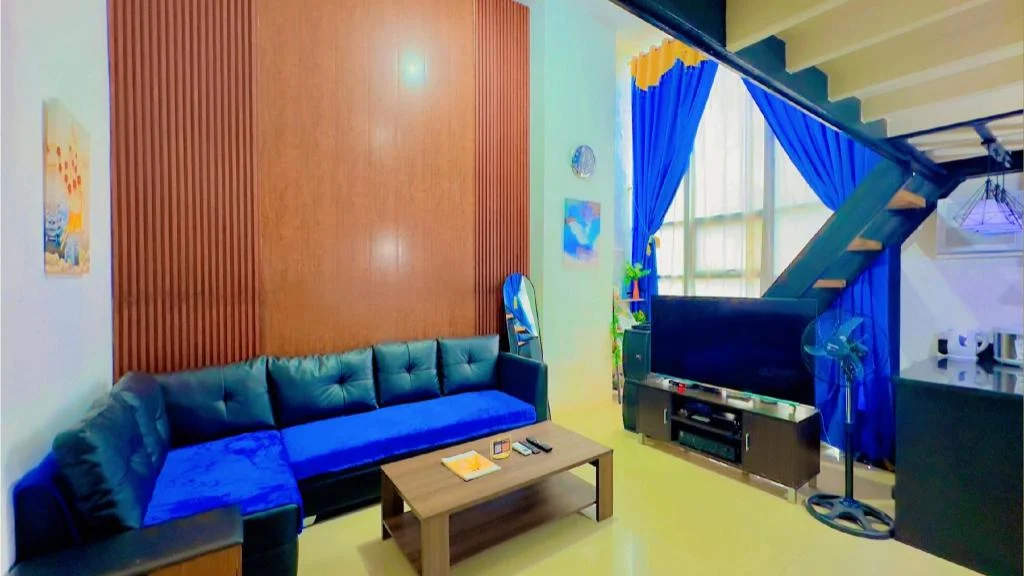
Special Big Loft Unit w/Fibreop Internet & Netflix
Before you go
Frequently asked
What is the most Instagrammable spot in Cebu?
How much does it cost to visit Temple of Leah for photos?
Is Sirao Flower Garden worth it for photos?
What's the best time of day to shoot Kawasan Falls?
Do you need a drone for these photo spots?
How do you get the 'sea of clouds' shot at Osmeña Peak?
Is 10,000 Roses Cafe better during the day or at night?
Are these spots worth visiting if I'm not into photography?
More Places to Explore
Temple of Leah
Cebu City
A magnificent Roman-inspired temple built as a monument of love, nicknamed 'Cebu's Taj Mahal,' offering stunning architecture and city views.
10,000 Roses Cafe
Cordova
A magical garden of 10,000+ white LED roses that light up at dusk, creating one of Cebu's most Instagram-worthy photo spots.
Sirao Flower Garden
Cebu City
Cebu's 'Little Amsterdam' - a colorful flower farm featuring seas of celosia blooms set against a scenic mountain backdrop.
Sumilon Island
Oslob
A pristine coral island with a famous shifting white sandbar, excellent snorkeling, and the distinction of being the Philippines' first marine sanctuary.
Simala Shrine (Monastery of the Holy Eucharist)
Sibonga
A magnificent castle-like church and major pilgrimage site famous for miraculous healings, attracting millions of devotees to venerate the Virgin of Simala.
Osmeña Peak
Dalaguete
Cebu's highest peak at about 1,013 meters, with jagged Chocolate-Hills-like ridges and panoramic island views.