
TL;DR: Cebu’s must-see landmarks split into two clusters: the downtown heritage trio (Magellan’s Cross, Basilica del Santo Niño, Fort San Pedro — all free or ₱50) plus the Heritage of Cebu Monument and Colon Street, and the hillside/skyline set in Busay (Temple of Leah, Sirao Flower Garden, Tops Lookout, Cebu Taoist Temple — ₱0–150 each). Add Mactan Shrine (free) and 10,000 Roses Cafe (₱20) for Mactan and Cordova. None of these cost more than ₱150 (about US$2.60) individually, and half are completely free. Budget two separate half-day loops — downtown, then the hills — rather than trying to cram all 11 into one day. Verified July 2026.
Cebu doesn’t have one single icon the way Paris has the Eiffel Tower — it has eleven, scattered between a 500-year-old cross downtown and a flower field halfway up a mountain. If you’re short on time and want the landmarks that actually show up on postcards, magazine covers, and everyone’s Instagram feed, this is the list. Every fee below comes from operator pages or recent on-the-ground reports, and we flag anything worth skipping. Most sit in or near Cebu City, with two out on Mactan Island and Cordova.
Cebu’s Landmarks at a Glance
| Landmark | Location | Entrance Fee | Best For |
|---|---|---|---|
| Magellan’s Cross | Cebu City (downtown) | Free | History, 10-minute stop |
| Basilica del Santo Niño | Cebu City (downtown) | Free (museum ~₱10–20) | Faith, architecture |
| Fort San Pedro | Cebu City (downtown) | ₱50 adult / ₱40 student-senior | Spanish-era fort, photos |
| Heritage of Cebu Monument | Cebu City (Parian) | Free | Sculpture, history in one stop |
| Colon Street | Cebu City (Parian/Downtown) | Free | Oldest street, street life |
| Temple of Leah | Busay, Cebu City | ₱120 weekday / ₱150 weekend | Instagram, Greco-Roman architecture |
| Sirao Flower Garden | Busay, Cebu City | ₱100 per garden (2 gardens) | Flower fields, “Little Amsterdam” |
| Tops Lookout | Busay, Cebu City | ₱100 (₱70 senior/PWD) | City skyline views, sunset |
| Cebu Taoist Temple | Beverly Hills, Cebu City | Free (donations welcome) | Chinese temple architecture, views |
| Mactan Shrine | Lapu-Lapu City, Mactan | Free | Lapu-Lapu history, seaside |
| 10,000 Roses Cafe | Cordova, Mactan | ₱20 (₱10 PWD/senior) | LED rose garden, cafe |
Verified July 2026. Fees are per person unless noted; confirm locally as rates can shift without notice.
What Are Cebu’s Downtown Heritage Landmarks?
Cebu City’s downtown holds the “holy trinity” of Philippine colonial history, all within a 10-minute walk of each other.
Magellan’s Cross marks the spot where, according to tradition, Ferdinand Magellan planted a cross in 1521 to commemorate the first Catholic baptisms in the Philippines. The wooden cross displayed today is encased in a hollow tobacco-wood shell (the original reportedly disintegrated from souvenir-hunters chipping pieces off it), housed in an open pavilion with a painted ceiling depicting the baptism scene. It’s free, takes 10–15 minutes, and sits on Plaza Sugbo right beside the Basilica del Santo Niño.
The Basilica del Santo Niño is the oldest Roman Catholic church in the Philippines, home to the Santo Niño (Holy Child) image gifted to Rajah Humabon’s wife at that same 1521 baptism — the same image now central to the Sinulog Festival every January. The basilica itself is free to enter; a small side museum charges a token fee (roughly ₱10–20, cash only, hours vary).
Fort San Pedro, a short walk toward the port, is the oldest and smallest triangular bastion fort in the Philippines, built by the Spanish starting in 1565 and rebuilt in stone by 1738. Entrance is ₱50 for regular visitors and ₱40 for students and seniors — rates that have held since 2009. A city council proposal in March 2026 looked at raising rental fees for private events inside the fort, but the basic entrance fee for casual visitors was explicitly kept unchanged. It’s compact (30–45 minutes covers it) but genuinely historic, with old cannons, a small garden, and views over the harbor.
Is the Heritage of Cebu Monument Worth a Stop?
Yes, and it costs nothing. The Heritage of Cebu Monument, at the corner of Colon Street and D. Jakosalem Street in the Parian district, is a large open-air bronze, brass, and concrete sculpture park depicting key scenes from Cebu’s history in one tableau — Magellan’s arrival, the baptism, the Battle of Mactan, Lapu-Lapu, and the old Parian trading community. It’s open 24/7 with no gate or fee, and gives you Cebu’s entire founding story in a single five-minute walk-around, which makes it one of the most efficient stops on this list.
Right next to it is Colon Street, officially the oldest street in the Philippines, laid out by the Spanish in the 16th century. It’s not a polished heritage walk today — it’s a dense, loud commercial strip of cheap retail, jeepneys, and street vendors, closer in feel to a public market than a museum piece. Worth walking through in daylight for the history and the atmosphere; keep bags zipped and don’t linger after dark.
What’s Up in the Busay Hills — Temple of Leah, Sirao, Tops, and the Taoist Temple?
These four sit within a few kilometers of each other in the hills above Cebu City (Busay), roughly 20–40 minutes from downtown by Grab, and are best combined into one loop.
Temple of Leah is the newest “landmark” on this list — a private, Greco-Roman-style mansion completed around 2012, built by a local businessman as a tribute to his late wife, Leah. It’s not a religious temple despite the name; think grand staircases, columns, statues, and sweeping city views, which is exactly why it dominates Cebu Instagram feeds. Entrance runs ₱120 on weekdays and ₱150 on weekends for adults, with lower rates (₱80/₱100) for children under 4 feet and seniors, plus ₱50 parking. It’s cash-only at the gate — bring smaller bills. For the full layout and photo tips, see our Temple of Leah guide.
A short drive away, Sirao Flower Garden — nicknamed the “Little Amsterdam of Cebu” — is actually two separately owned gardens side by side, each with its own gate and its own ₱100 entrance fee, so seeing both costs ₱200 total. The draw is the celosia flower fields in bright reds, yellows, and purples, plus assorted photo-op installations. Go early morning for the best light and thinner crowds; see our Sirao Flower Garden guide for which of the two gardens to prioritize if you’re short on time.
Tops Lookout is Cebu City’s classic sunset-and-skyline viewpoint, sitting higher in the hills with a sweeping view over the city, the strait, and Mactan on a clear day. Entrance is ₱100 for regular adults, ₱70 for seniors/PWDs, and free for children under 2; a combined shuttle-plus-entrance ticket from the IT Park Transport Terminal runs ₱200 round-trip if you don’t have your own ride. It’s open 24 hours, which makes it one of the few landmarks here workable for a genuine sunset-into-nighttime visit.
The Cebu Taoist Temple, in the Beverly Hills subdivision, is a real functioning place of worship for Cebu’s Chinese-Filipino community, built in 1972 in a traditional Chinese architectural style with dragon motifs, red pillars, and a hillside setting that gives you skyline views as a bonus. It’s free to enter — donations are welcome but not required — and open daily roughly 9:00 AM to 5:00 PM. It’s the most under-visited landmark on this list relative to how photogenic it is, mostly because tourists confuse it with Temple of Leah and skip it.
What About Mactan and Cordova?
Two landmarks round out the list on the Mactan side of the bridge.
Mactan Shrine, in Lapu-Lapu City, marks the site of the 1521 Battle of Mactan, where the chieftain Lapu-Lapu’s forces defeated and killed Ferdinand Magellan — the event that ended Magellan’s circumnavigation attempt and is now celebrated locally every April in the Kadaugan sa Mactan festival. The shrine complex includes a large Lapu-Lapu statue and a marker for the battle site, and it’s free to visit, though donations for upkeep are appreciated. It pairs naturally with a Mactan resort stay or an island-hopping day.
10,000 Roses Cafe in Cordova is a newer, more Instagram-driven stop — an LED-lit rose installation and garden attached to a cafe, run by the Cordova Tourism Center. Entrance is a low ₱20 (₱10 for PWD/seniors, free for children 0–2), plus ₱20 for car parking, and it’s open 10:30 AM to 11 PM, so it also works as an evening stop when the LED lighting is at its best.
How Do You Choose Which Ones to Visit?
If you only have half a day, do the downtown trio — Magellan’s Cross, the Basilica, Fort San Pedro — plus the Heritage of Cebu Monument, all walkable in sequence, then decide if Colon Street’s crowds and heat are for you. If you have a second half-day, do the Busay hill loop by Grab: Temple of Leah, Sirao, and either Tops (for the view) or the Taoist Temple (for the architecture and the free entry) — trying to fit all four in one trip usually means rushing at least two of them. Save Mactan Shrine and 10,000 Roses Cafe for a day you’re already out on Mactan or Cordova rather than making a special trip just for them.
The Honest Take
Not every “landmark” here earns the word equally. Magellan’s Cross, the Basilica, Fort San Pedro, and Mactan Shrine are genuine historical sites — modest, unpolished, and worth it for what actually happened there. The Heritage of Cebu Monument might be the single best value on this list: free, fast, and it summarizes 500 years of history in one stop. Colon Street is worth walking, not lingering — it’s a working street, not a museum, and it can feel chaotic and a little unsafe if you’re not paying attention to your bag.
Temple of Leah, Sirao, and 10,000 Roses Cafe are honestly more about the photo than the history — that’s fine, they’re cheap and fun, just go in knowing you’re paying for a backdrop, not a heritage experience. Tops Lookout earns its fee on a clear evening for the view alone, but skip it if it’s overcast or raining — you’ll pay ₱100 to see fog. The Cebu Taoist Temple is the most underrated stop on this whole list: free, genuinely beautiful, and usually far less crowded than Temple of Leah, which sits a few minutes away and gets all the Instagram traffic instead.
Weekday mornings beat weekends everywhere on this list — Temple of Leah’s weekday discount reflects that directly, and downtown sites are noticeably calmer before the afternoon heat and school-trip crowds arrive.
Plan the Rest of Your Trip
Pair the downtown landmarks with Sinulog season if you’re visiting in January — see our Sinulog Festival guide for the parade route right past Magellan’s Cross and the Basilica. For the fuller Instagram angle on the hill landmarks, check the best Instagrammable spots in Cebu, and for the complete menu of things to do beyond landmarks, see the best tourist spots in Cebu.
Basing yourself downtown or in IT Park makes the heritage trio and the Busay hill loop both easy day trips — compare Cebu City hotels on Agoda to find something central. If you’d rather join a guided city and heritage tour that covers several of these stops in one booked trip, browse Cebu city tours on Klook.
Sources
- Fort San Pedro entrance fees — SunStar Cebu
- Temple of Leah entrance fee and hours — WhyCebu
- Sirao Flower Garden entrance fee — WhyCebu
- Tops Cebu official tickets and park information
- 10,000 Roses Cafe entrance fee — WhyCebu
- Cebu Taoist Temple — TravelSetu FAQs
- Heritage of Cebu Monument — TripAdvisor
- Fees and hours cross-checked against multiple 2025–2026 travel-guide and operator sources; confirm locally before you go. Verified July 2026.
Book Tours & Hotels for This Trip
Find and book the best deals — prices and availability update in real time. Links open in a new tab.
Where to stay near Cebu City
Top-rated hotels for this trip — tap through to check live rates.
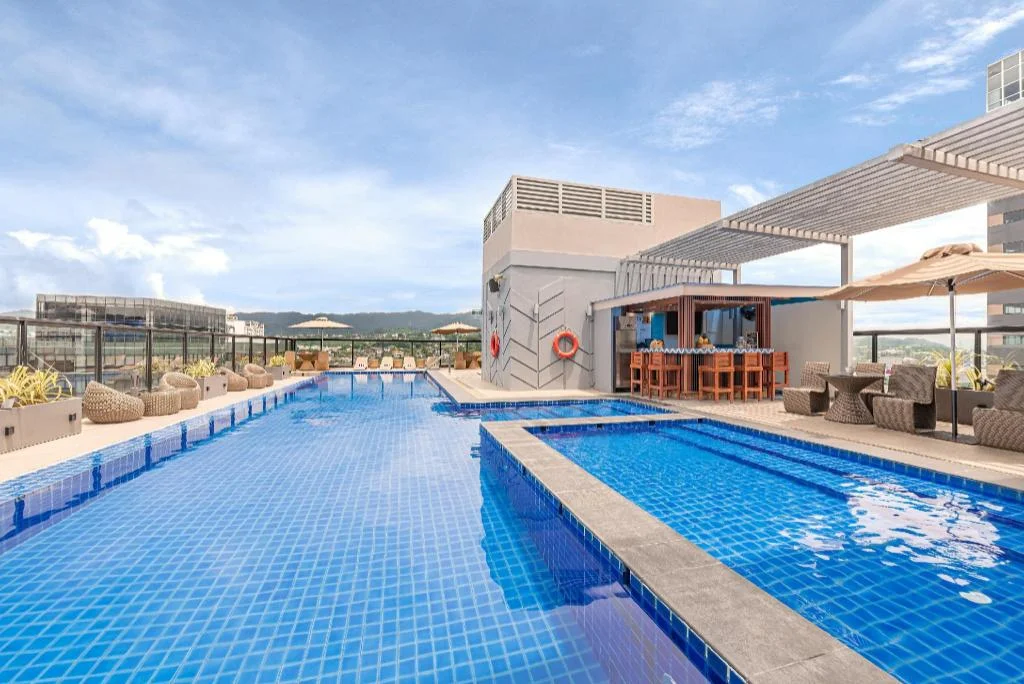
Seda Central Bloc Cebu City
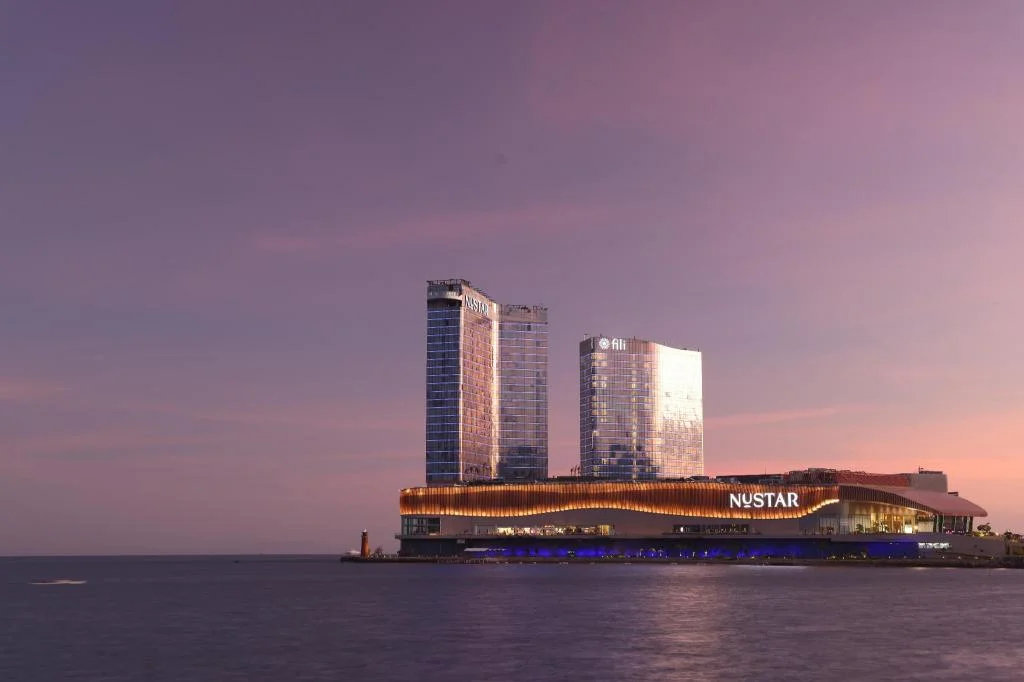
Fili Hotel - NUSTAR Resort & Casino Cebu
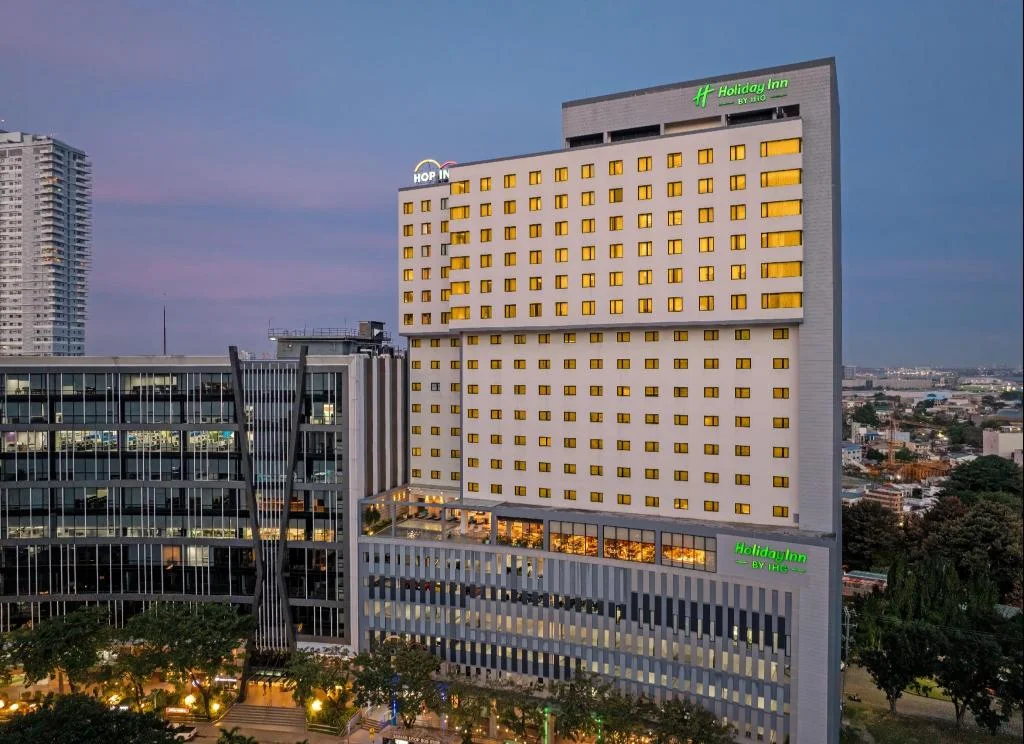
Holiday Inn Cebu City By IHG
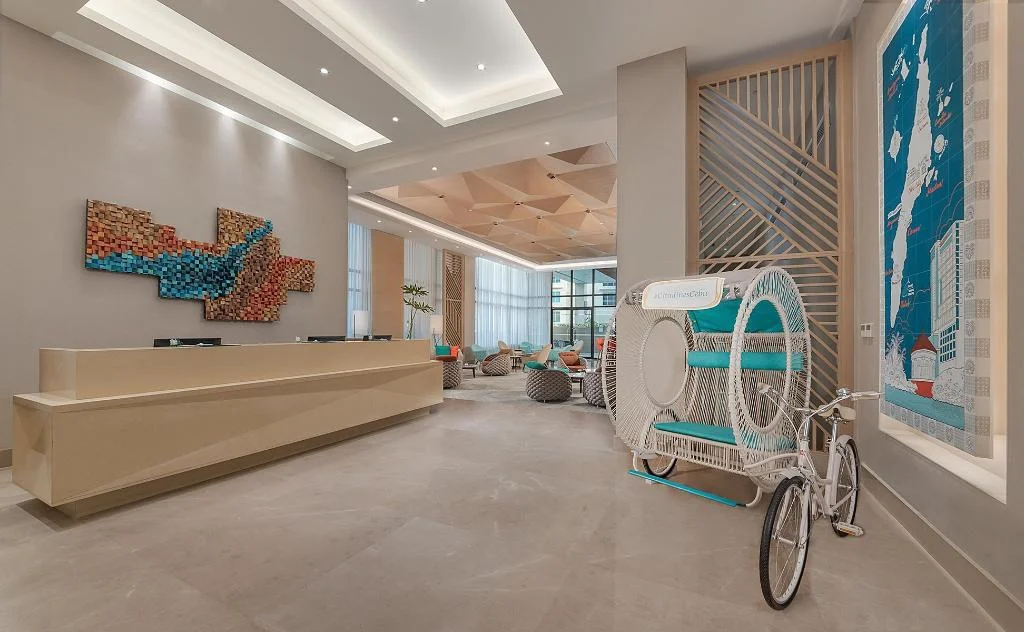
Citadines Cebu City
Prefer a rental? Vacation rentals near Cebu City
Self-catering condos and apartments — book the exact unit, kitchen included.
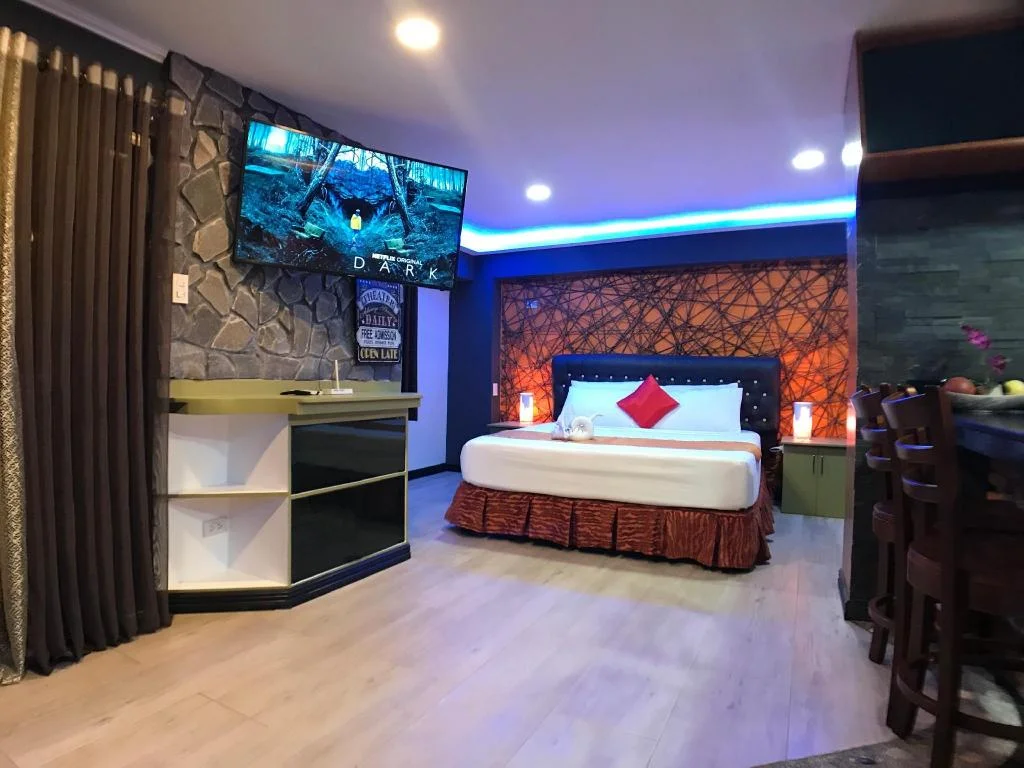
ClockWorkOrange Luxury Suites
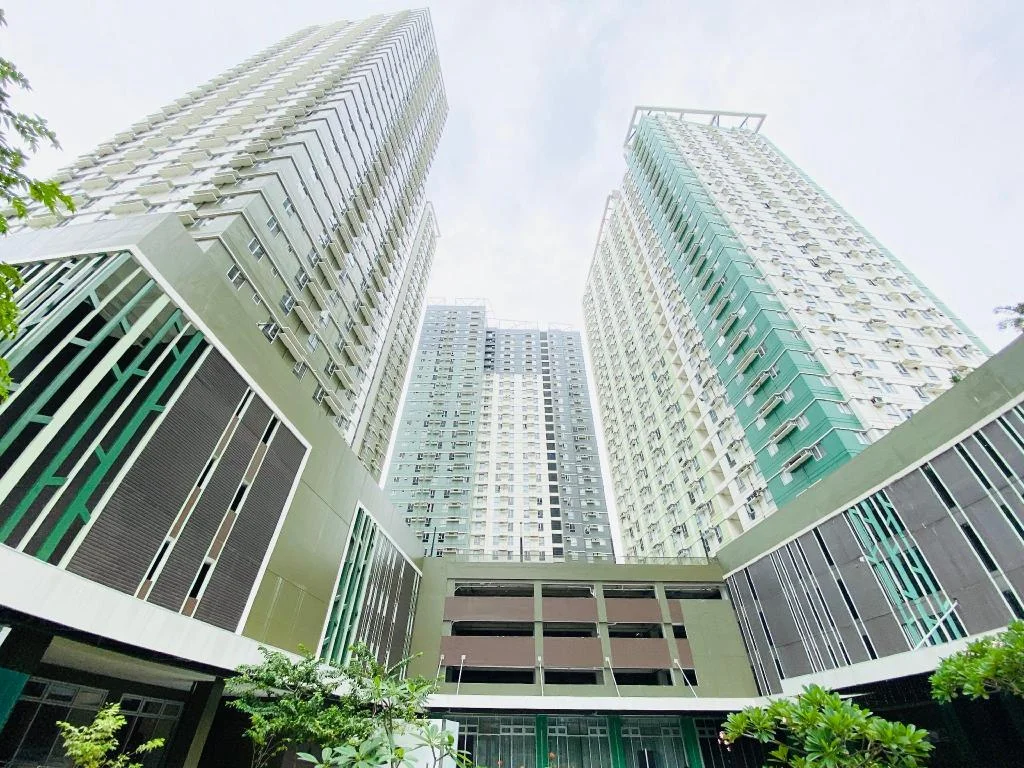
Cebu Avida Riala by P&J
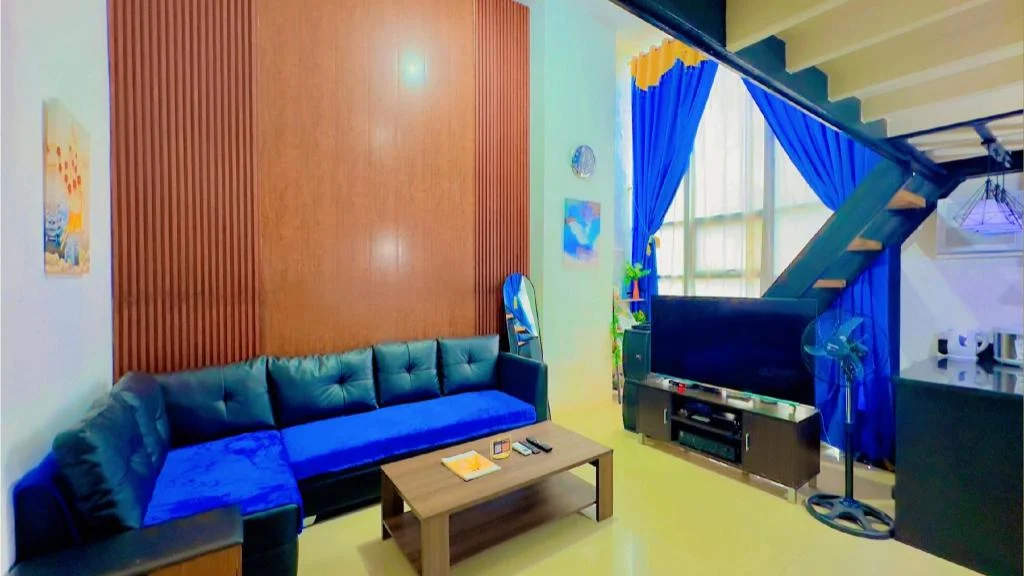
Special Big Loft Unit w/Fibreop Internet & Netflix
Before you go
Frequently asked
What are the most iconic landmarks in Cebu?
Are Cebu's landmarks free to enter?
Can you visit all these landmarks in one day?
Which Cebu landmark is the most Instagrammed?
Is Fort San Pedro worth the entrance fee?
What's the difference between Temple of Leah and the Cebu Taoist Temple?
Is Colon Street safe and worth visiting?
Do I need a car to see Cebu's landmarks?
More Places to Explore
Magellan's Cross
Cebu City
The historic cross planted by Ferdinand Magellan in 1521, marking the birth of Christianity in the Philippines and now a National Cultural Treasure.
Basilica del Santo Niño
Cebu City
The oldest church in the Philippines (1565), home to the miraculous Santo Niño image and center of the famous Sinulog Festival.
Fort San Pedro
Cebu City
The oldest and smallest triangular fort in the Philippines (1565), a well-preserved Spanish colonial military structure with a history museum.
Heritage of Cebu Monument
Cebu City
A dramatic sculptural tableau by Eduardo Castrillo depicting key moments in Cebu's history, from Magellan's arrival to modern times.
Temple of Leah
Cebu City
A magnificent Roman-inspired temple built as a monument of love, nicknamed 'Cebu's Taj Mahal,' offering stunning architecture and city views.
Sirao Flower Garden
Cebu City
Cebu's 'Little Amsterdam' - a colorful flower farm featuring seas of celosia blooms set against a scenic mountain backdrop.
Tops Lookout
Cebu City
Cebu City's premier hilltop viewpoint offering stunning panoramic views of the city, especially spectacular at sunset and nighttime.
Cebu Taoist Temple
Cebu City
A colorful Chinese temple built in 1972 featuring traditional architecture, 81 symbolic steps, and beautiful city views from Beverly Hills.
Mactan Shrine
Lapu-Lapu City
Historic park commemorating the 1521 Battle of Mactan where Lapu-Lapu defeated Magellan, featuring monuments to both warriors.
10,000 Roses Cafe
Cordova
A magical garden of 10,000+ white LED roses that light up at dusk, creating one of Cebu's most Instagram-worthy photo spots.
Colon Street
Cebu City
The oldest street in the Philippines, a historic commercial thoroughfare that has been Cebu's trading center since Spanish colonial times.