
TL;DR: Magellan’s Cross sits in a small octagonal kiosk beside the Basilica del Santo Niño in downtown Cebu City, marking the spot where Rajah Humabon and roughly 400 Cebuanos were baptized on April 21, 1521. Entry is free, the plaza is open roughly 8:00 AM–6:00 PM daily, and the visit itself takes 10–20 minutes. The wooden cross you see is encased in a tindalo-wood shell added in 1835 to stop people from chipping off “miraculous” splinters. Candle vendors will offer a chanted blessing for a tip — decide your budget (under ₱100 / US$1.75) before you engage. Best paired with the Basilica and Fort San Pedro for a 2–3 hour downtown heritage loop. Verified July 2026.
If you only see one relic in Cebu, it’s probably this one. Magellan’s Cross marks the exact patch of ground where, on April 21, 1521, a Spanish priest baptized Rajah Humabon — Cebu’s ruling chieftain — his wife, and hundreds of their people, making it the first Christian conversion recorded in the Philippines. It’s not a grand monument. It’s a modest wooden cross inside a small coral-stone kiosk in a public plaza, hemmed in by jeepneys, souvenir stalls, and the much larger Basilica del Santo Niño next door. That’s part of what makes it worth understanding rather than just photographing — the significance is almost entirely historical, and this guide covers what it actually is, what’s real about it, what isn’t, and how to fold it into a downtown Cebu City walk instead of a standalone errand.
Magellan’s Cross at a Glance
| Detail | Info |
|---|---|
| Entrance fee | Free |
| Hours | Daily, roughly 8:00 AM–6:00 PM (open plaza; confirm locally) |
| Time needed | 10–20 minutes (add 2–3 hours for the full downtown loop) |
| Candle offering | ~₱10–20 per candle (US$0.20–0.35), optional |
| Location | Magallanes Street, beside Basilica del Santo Niño, Cebu City |
| Nearest pair sites | Basilica del Santo Niño (next door), Fort San Pedro (~10 min walk) |
| Best time to visit | Early morning (before 9 AM) to avoid crowds and heat |
Verified July 2026.
What Actually Happened Here in 1521?
This plaza is where the first Christian baptism in Philippine history took place, on April 21, 1521. Ferdinand Magellan’s expedition landed in Cebu on March 15, 1521, and Magellan struck an alliance with the local chieftain, Rajah Humabon. Over the following weeks, Magellan pushed Humabon to convert, and on April 21, Fr. Pedro Valderrama — the expedition’s only priest — baptized Humabon (renamed Carlos, after the Spanish king), his wife Hara Amihan (renamed Juana), and an estimated 400 of their followers. A large wooden cross was planted on the site to mark it, and residents were told to venerate it daily.
Three weeks later, on April 27, 1521, Magellan was killed at the Mactan Shrine site across the channel, in the battle with Lapu-Lapu’s forces — a separate story, but the two events are the twin bookends of Cebu’s founding myth as the birthplace of Philippine Christianity.
Is the Cross You See the Original One?
Mostly no — what’s on display is a tindalo-wood casing built around the original cross in 1835, and even that account is disputed by some historians. Locals began chipping off splinters of the original cross, believing the fragments carried miraculous healing power. To stop the damage, church authorities encased it inside a second, larger cross made of tindalo hardwood — the one you actually see today, mounted on a pedestal inside the kiosk. Some historical accounts go further, arguing the original 1521 cross didn’t survive at all and the “original” inside the casing is itself a later replacement. Either way, nobody disputes that this exact plaza is the historical site — the debate is only about the physical wood, not the location or the event it commemorates.
The kiosk itself — the octagonal, coral-stone pavilion housing the cross — was built in 1834. Its interior ceiling carries a mural of the baptism scene and Magellan’s planting of the cross, painted by Jess Roa and Serry M. Josol during a 1960s renovation that also swapped the original wooden gates for ironwork. The pavilion and cross took damage in the 2013 Bohol earthquake, and a 2015 inspection found termite damage in the wood; it reopened after restoration in March 2016. In April 2021 — the 500th anniversary of the baptism — the Philippine government declared both the cross and the Basilica del Santo Niño National Cultural Treasures.
What Should You Expect From the Candle Vendors?
Expect to be approached — it’s a real local tradition, but it comes with a soft sales pitch. Women in matching uniforms sit around the kiosk selling color-coded taper candles (different colors are said to represent wishes — health, love, safe travel, good fortune) for roughly ₱10–20 each. Many will ask your name, then perform a short swaying chant-and-dance blessing over your candle, sometimes called the sinug. It’s rooted in genuine devotional practice around the Santo Niño, not an invented tourist trap — but the “free” blessing typically ends with an expectation of a tip, and a few travelers report the same candles getting relit and reused for the next visitor rather than actually burning down.
None of this is dangerous or a hard scam — it’s persistence, not theft. Decide your ceiling before you’re in the middle of it: a candle plus a small tip, total under ₱100 (about US$1.75), is a fair, generous outcome. If you’d rather skip it entirely, a polite “no, thank you” and a smile works fine; you can still take photos of the kiosk and cross from a few steps back.
How Do You Get to Magellan’s Cross?
It’s on Magallanes Street in downtown Cebu City, directly beside the Basilica del Santo Niño — Grab is the simplest way in. Search “Magellan’s Cross” or “Basilica del Santo Niño” as your destination; traffic into downtown can be slow at peak hours, so budget extra time from Mactan or IT Park. Jeepneys running along Colon Street and P. Burgos Street also pass within a short walk. If you’re already exploring downtown — say, at Colon Street or Fort San Pedro — it’s a 5–10 minute walk on foot. Metered street parking and a few paid lots exist nearby, but downtown Cebu parking is tight; if you’re driving, plan to circle a bit or park farther out and walk in.
How Do You Pair It With the Rest of Downtown Cebu?
Treat Magellan’s Cross as one stop on a compact heritage cluster, not a destination on its own. The obvious next step is literally next door: the Basilica del Santo Niño, home to the oldest Christian relic in the country and usually busy with pilgrims regardless of day or season. From there it’s roughly a 10-minute walk to Fort San Pedro, the Spanish-era coastal defense fort with its own small museum and gardens. If you want the fuller loop, the Heritage of Cebu Monument and the old shophouses along Colon Street — reputedly the oldest street in the Philippines — sit a bit further out but are still walkable. Most visitors knock out this whole cluster in a single morning, ideally starting before 9 AM to beat both the heat and the crowds. Our Basilica del Santo Niño guide, Fort San Pedro guide, and full Cebu cultural heritage walking tour lay out the exact route, timing, and what each stop is worth.
If you’d rather have someone narrate the history instead of piecing it together yourself, a guided city tour covers this cluster plus other Cebu City landmarks in a half-day. Compare downtown Cebu heritage walking tours on Klook or browse city tour options on GetYourGuide if you want a driver and guide bundled in rather than doing the walk on your own.
The Honest Take
Magellan’s Cross, by itself, is a modest sight — a wooden cross in a small kiosk, in a busy, unglamorous plaza full of vendors and passing jeepneys. If you go in expecting a grand monument, it’s a letdown, and five minutes is genuinely enough time to see everything there is to see. What makes it worth the stop is the weight of what happened here, not the physical object: this square is where the Philippines’ religious and colonial history effectively begins, and pairing it with the Basilica next door gives the visit real context instead of just a photo.
The candle vendors are the one thing to be mentally prepared for — go with a budget and a polite “no” ready, and they’re a non-issue. Visit early morning if you can; by midday the plaza gets crowded and hot, and it’s shadeless. Skip it if you’re only passing through Cebu for beaches and diving and have no interest in colonial history — your time is better spent heading south to Kawasan or Oslob. But if you’re staying in Cebu City for even half a day, this is the anchor of the one heritage walk worth doing downtown.
If you’re basing yourself nearby to explore the whole cluster without rushing, compare hotels in Cebu City on Agoda — staying central means you can do this loop on foot and skip the traffic back and forth. For everything else worth doing in the city, see our full guide to things to do in Cebu.
Sources
- Basilica Minore del Santo Niño de Cebu — official page on Magellan’s Cross
- Magellan’s Cross Pavilion — Wikipedia
- Recent visitor reports on candle-vendor practices and downtown access via Tripadvisor reviews of Magellan’s Cross
- Location, hours, and access details cross-checked against 2025–2026 Cebu travel guides. Verified July 2026.
Book Tours & Hotels for This Trip
Find and book the best deals — prices and availability update in real time. Links open in a new tab.
Where to stay near Cebu City
Top-rated hotels for this trip — tap through to check live rates.
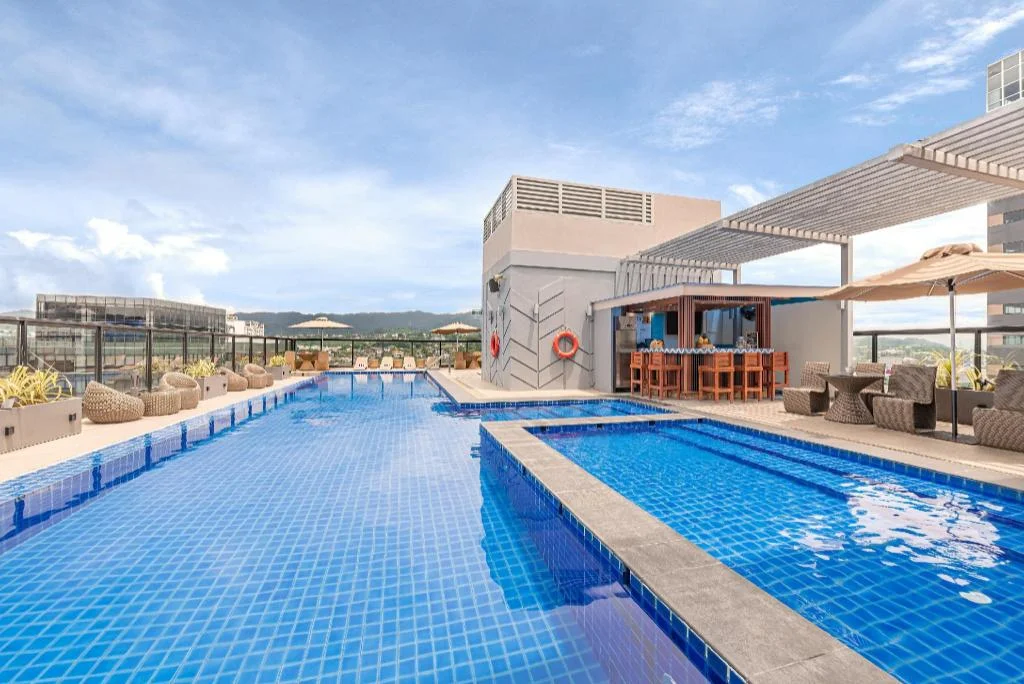
Seda Central Bloc Cebu City
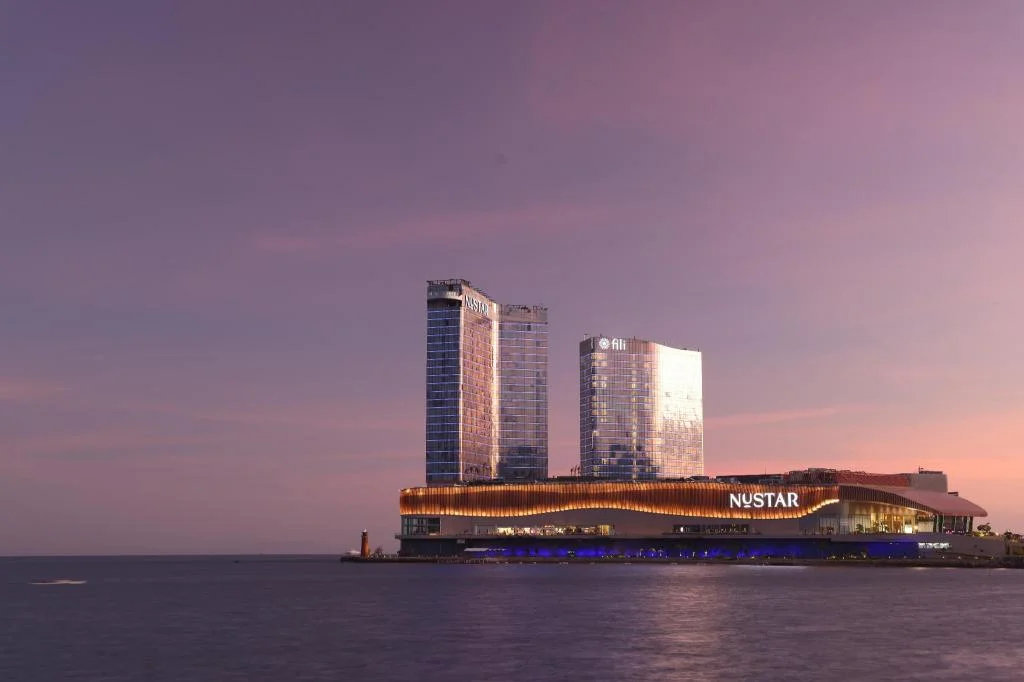
Fili Hotel - NUSTAR Resort & Casino Cebu
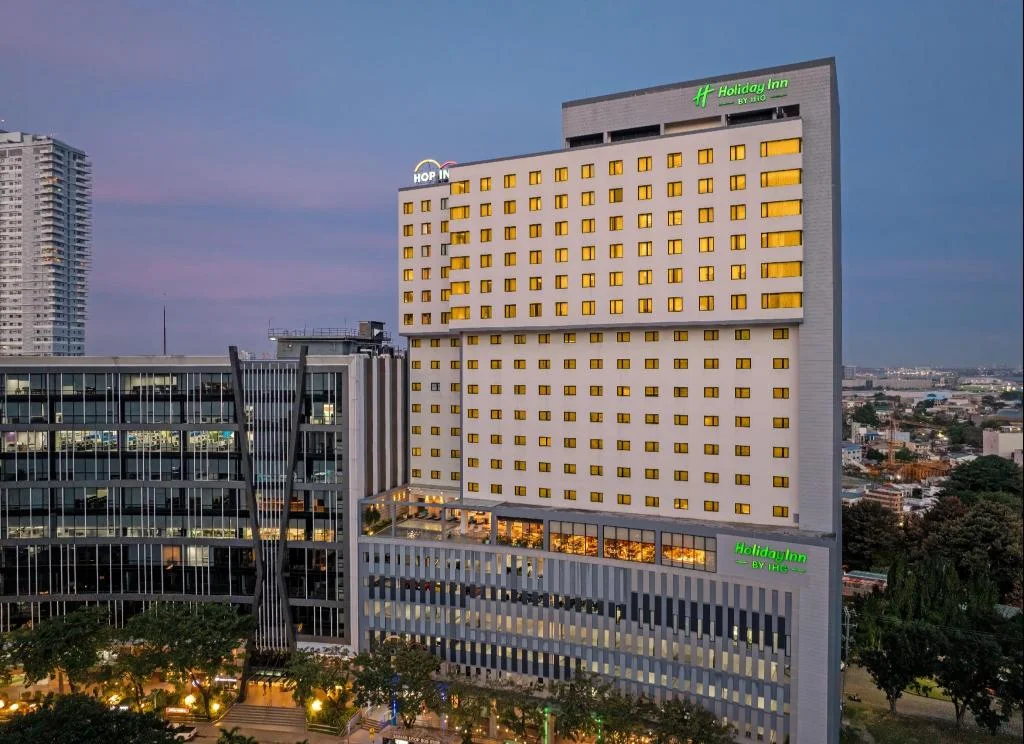
Holiday Inn Cebu City By IHG
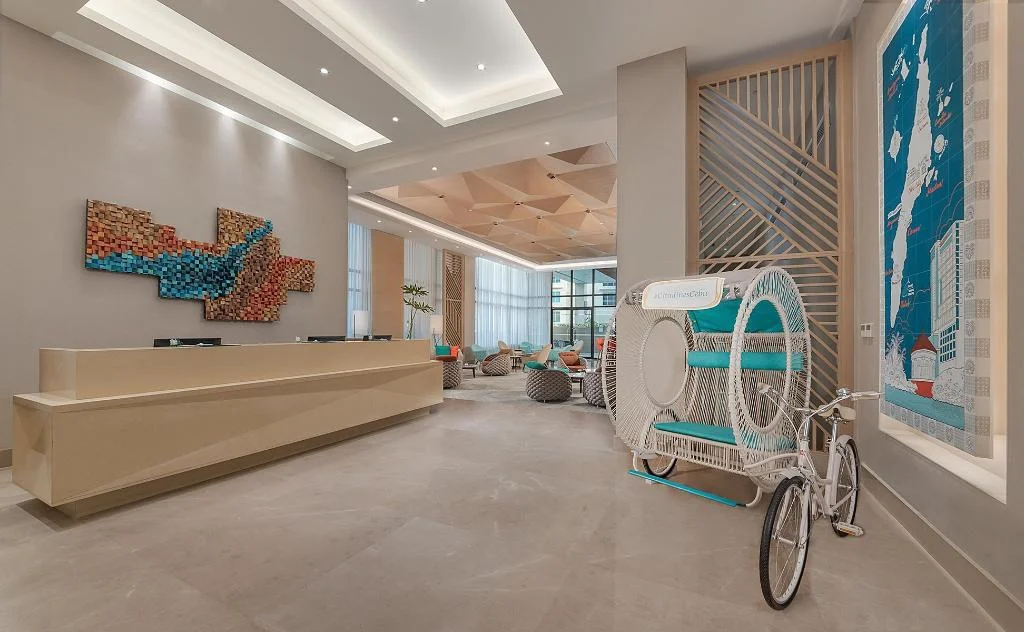
Citadines Cebu City
Prefer a rental? Vacation rentals near Cebu City
Self-catering condos and apartments — book the exact unit, kitchen included.
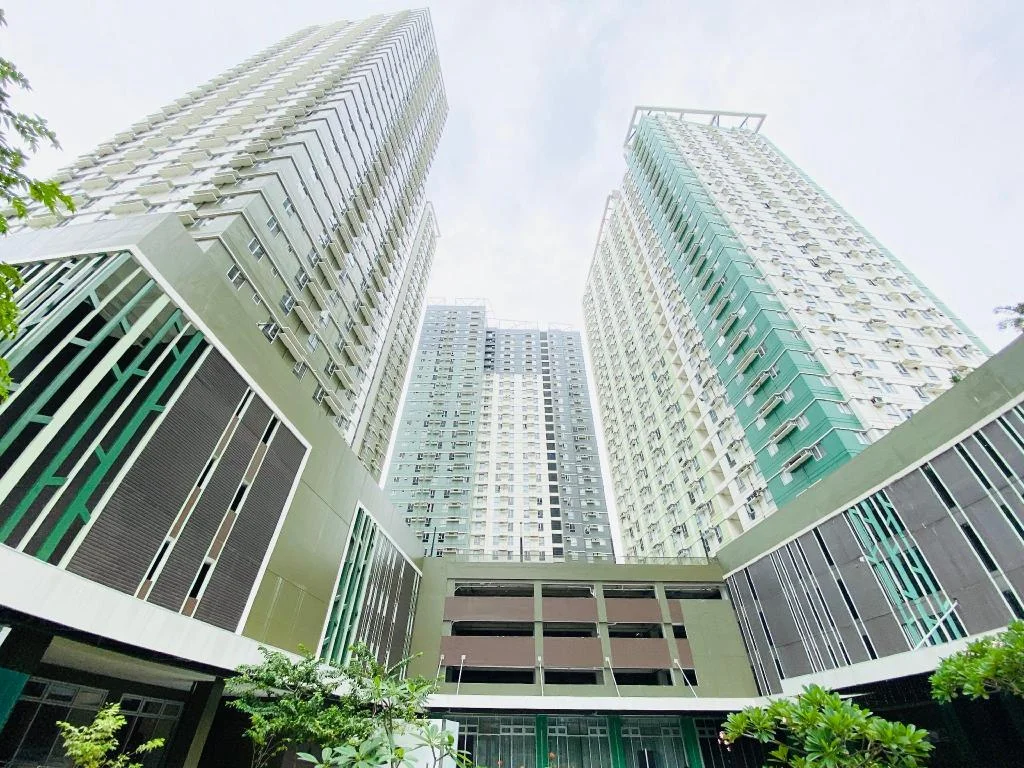
Cebu Avida Riala by P&J
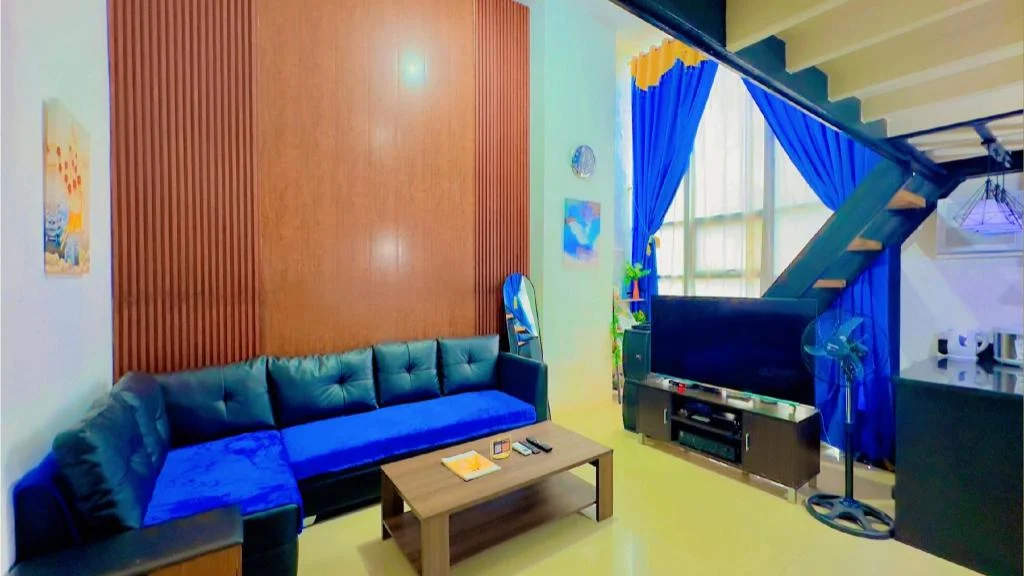
Special Big Loft Unit w/Fibreop Internet & Netflix
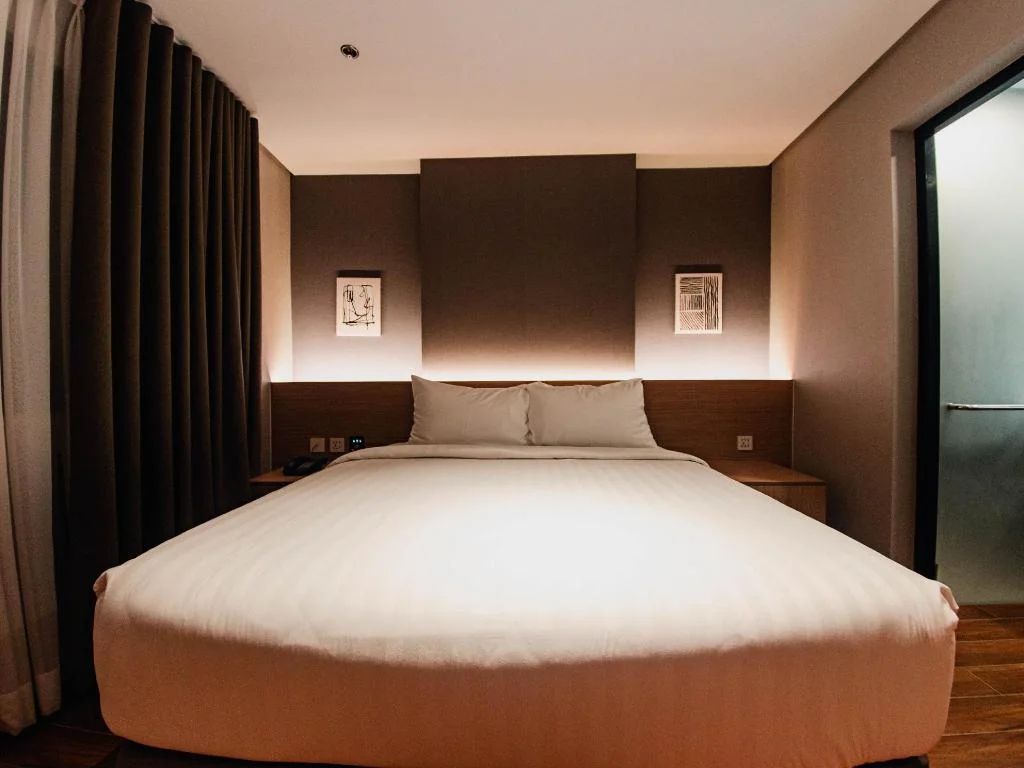
Moonstar Cebu Hotel - Deluxe Room
Before you go
Frequently asked
Is Magellan's Cross free to visit?
What are the opening hours for Magellan's Cross?
Is the cross at Magellan's Cross the original one from 1521?
What's the story with the candle vendors at Magellan's Cross?
How long does a visit to Magellan's Cross take?
Where exactly is Magellan's Cross and how do I get there?
Should I combine Magellan's Cross with other downtown Cebu sites?
Is Magellan's Cross worth visiting?
More Places to Explore
Magellan's Cross
Cebu City
The historic cross planted by Ferdinand Magellan in 1521, marking the birth of Christianity in the Philippines and now a National Cultural Treasure.
Basilica del Santo Niño
Cebu City
The oldest church in the Philippines (1565), home to the miraculous Santo Niño image and center of the famous Sinulog Festival.
Fort San Pedro
Cebu City
The oldest and smallest triangular fort in the Philippines (1565), a well-preserved Spanish colonial military structure with a history museum.
Heritage of Cebu Monument
Cebu City
A dramatic sculptural tableau by Eduardo Castrillo depicting key moments in Cebu's history, from Magellan's arrival to modern times.
Colon Street
Cebu City
The oldest street in the Philippines, a historic commercial thoroughfare that has been Cebu's trading center since Spanish colonial times.