TL;DR: This self-guided walk covers 10 historic stops across downtown Cebu City — Fort San Pedro, Magellan’s Cross, the Basilica del Santo Niño, Cebu Cathedral, Colon Street, the Heritage of Cebu Monument, Yap-Sandiego Ancestral House, Casa Gorordo Museum, and Carbon Market — in roughly 4–5 hours including stops. Total entrance fees for every paid site run about ₱300–350 per adult (US$5–6); skip the museums and it’s free. Start by 7:00–8:30 AM to beat the heat and the tour-bus crowds. Verified July 2026.
Cebu City’s downtown core is small enough to walk in a morning but dense enough to cover 500 years of history — the Fort San Pedro that anchored the first Spanish settlement in the Philippines, the Basilica del Santo Niño housing the country’s oldest religious relic, and the narrow streets of Parian where Chinese merchants and Cebuano elites built the houses that still stand today. This guide lays out one continuous route you can walk start to finish, with the walking time and entrance fee for every stop, so you’re not guessing whether something’s free or whether you’re about to burn an hour you don’t have. It’s built for a first-time visitor doing Cebu City in half a day, but it works just as well as a slower, two-morning version if you want to linger in the museums.
The Route at a Glance
| Stop | Walk from previous | Entrance fee | Time to spend |
|---|---|---|---|
| Fort San Pedro | Start here | ₱50 adult / ₱40 student & senior (US$0.86 / US$0.69) | 30–40 min |
| Plaza Independencia | 0 min (same complex) | Free | 10 min |
| Magellan’s Cross | 8–10 min (~600 m) | Free (donation box) | 10 min |
| Basilica del Santo Niño | 2 min (across the street) | Church free; museum ₱30 adult / ₱15 student (US$0.52 / US$0.26) | 30–45 min |
| Cebu Metropolitan Cathedral | 7–10 min (~500 m) | Free | 10–15 min |
| Colon Street | 5 min (~300 m) | Free | 15–20 min |
| Heritage of Cebu Monument (Parian) | 10–12 min (~700 m–1 km) | Free | 15 min |
| Yap-Sandiego Ancestral House | 2–3 min (~150 m) | ₱100 adult / ₱50 student & senior (US$1.72 / US$0.86) | 20 min |
| Casa Gorordo Museum | 5 min (~350 m) | ₱100–120 self-guided (US$1.72–2.07); confirm locally | 30–45 min |
| Carbon Market | 12–15 min (~900 m–1 km) | Free | 30–45 min (food stop) |
| Optional: Cebu Taoist Temple | Grab/taxi, 20–30 min (not walkable) | Free (donations welcome) | 30 min |
Verified July 2026. Fees are per adult unless noted; confirm current rates at each site’s entrance, as museum fees especially get revised.
Where Does the Walk Start?
Start at Fort San Pedro, the oldest Spanish fort in the Philippines, right by the Cebu port. Built in 1565 under Miguel López de Legazpi, the triangular fort now sits inside a small park and museum. Entrance is ₱50 for adults and ₱40 for students and seniors (about US$0.86 and US$0.69), open daily 8:00 AM–7:00 PM. It’s compact — 30 to 40 minutes covers the ramparts, the courtyard garden, and the small exhibit rooms — so it’s a manageable opener rather than a time sink.
Step outside and you’re already in Plaza Independencia, the public park surrounding the fort. It’s free, shaded, and a good five-minute breather before the next leg — no need to linger unless you want photos of the fort’s exterior walls from across the grass.
How Do You Get from the Fort to Magellan’s Cross?
It’s an 8–10 minute walk (about 600 meters) north through downtown streets, past jeepney stops and small shops. This stretch isn’t scenic — it’s working downtown Cebu, with traffic and vendors — but it’s short and there’s no reason to taxi it unless it’s raining hard.
Magellan’s Cross sits in its own small pavilion, marking the spot where Ferdinand Magellan’s expedition planted a cross in 1521. There’s no entrance fee; a donation box sits near the shrine for candles. Ten minutes is plenty here — it’s a quick photo stop, not a sit-down attraction, though the ceiling mural above the cross is worth actually looking up at.
Is the Basilica del Santo Niño Worth the Detour?
Yes — it’s directly across the street from Magellan’s Cross, so there’s no detour involved, and it’s the spiritual center of the whole route. The Basilica houses the Santo Niño (Holy Child) image gifted to Rajah Humabon’s wife in 1521 — the oldest Christian relic in the country and the reason Cebu holds the Sinulog festival every January. The church itself is free to enter and often has a mass in progress; dress modestly (shoulders and knees covered) and keep quiet if a service is underway.
Beside the church, the Basilica museum (inside the Pilgrim Center) charges ₱30 for adults and ₱15 for students (about US$0.52 and US$0.26), open roughly 8:00–11:45 AM and 1:00–4:45 PM, closed during mass hours. It covers the history of the Santo Niño devotion and early Philippine Catholicism — worth the 20 minutes if you’re at all interested in the backstory, skippable if you’re only here for the architecture.
What’s the Deal with Cebu Metropolitan Cathedral?
It’s a 7–10 minute walk from the Basilica, and while it’s less visited than its famous neighbor, it’s the seat of the Archdiocese of Cebu and one of the oldest cathedral sites in the country. Entry is free. The current structure dates to the 18th century after earlier versions were destroyed by fire and earthquake. Fifteen minutes covers the interior; there’s a small cathedral museum on some visits but hours are inconsistent, so treat it as a bonus rather than a planned stop.
Why Walk Colon Street?
Because it’s the oldest street in the Philippines, and walking it — rather than driving past — is the point. Colon Street dates to the earliest years of Spanish Cebu and later became the commercial heart of the city, lined with old cinemas and department stores that have since faded or been repurposed. It’s five minutes from the Cathedral, and 15–20 minutes covers a walk down its length. It’s free, but it’s also crowded, loud, and not particularly pretty by 2026 — go for the historical weight of the name, not for scenery, and keep your bag zipped in the crowd.
What’s in the Parian District?
Parian was Cebu’s Chinese-Filipino merchant quarter, and it’s where the walk turns from churches to houses. From Colon Street, it’s a 10–12 minute walk (roughly 700 meters to a kilometer) to the Heritage of Cebu Monument, a large bronze-and-concrete sculpture complex depicting key scenes from Cebu’s history — Magellan’s arrival, the Battle of Mactan, the founding of the city. It’s free, outdoors, and worth 15 minutes to walk around and read the plaques.
From the monument, it’s 2–3 minutes to the Yap-Sandiego Ancestral House, one of the oldest residential structures still standing in the Philippines, built in the 1700s and still furnished with period antiques by the family that owns it. Entrance is ₱100 for adults and ₱50 for students and seniors (about US$1.72 and US$0.86), open daily 9:00 AM–6:00 PM. Twenty minutes is enough for the small rooms.
Five minutes further is the Casa Gorordo Museum, a 19th-century ancestral house that belonged to Cebu’s first Filipino bishop, Juan Gorordo. It’s the most fleshed-out of the heritage houses — multiple rooms furnished room-by-room, a small courtyard, and rotating exhibits. Reported entrance fees have ranged from ₱100 to ₱120 for self-guided visits (about US$1.72–2.07), with a guided option running higher; confirm the current rate at the door, since museum pricing here has changed more than once in recent years. Give it 30–45 minutes — it rewards a slower pace more than the other heritage houses.
Is Carbon Market Worth the Walk to the End?
Yes, if you want food and a working local market rather than another historical site. It’s a 12–15 minute walk (roughly a kilometer) from Casa Gorordo, and it’s Cebu’s oldest and largest public market — produce, dried fish, flowers, and rows of carinderia (turo-turo) stalls selling cheap, real Cebuano food. There’s no entrance fee. Go hungry: this is the natural lunch stop after four hours of walking, and prices are lower than anywhere touristy. It’s also crowded and a common spot for petty theft (bag-slashing, pickpocketing), so keep valuables zipped and don’t flash your phone.
If you’d rather sit down for the real Cebu lechon experience instead of market food, several well-known lechon houses have branches a short tricycle ride from here — see our Cebu lechon guide for where the locals actually go versus the tourist-trap spots.
Should You Add the Cebu Taoist Temple?
Only if you’re willing to take a Grab or taxi — it’s not part of the walkable route. The temple sits in Beverly Hills, Lahug, about 6–7 kilometers from downtown, a 20–30 minute ride depending on traffic. Entrance is free, with donation boxes for those who want to light incense or leave an offering, open daily 9:00 AM–5:00 PM. It’s a striking hillside temple with a good city view, but bolt it onto the front or back of your day rather than trying to walk it — there’s no direct route on foot.
How to Choose Your Version of the Walk
- Full day (4–5 hours): Do everything above, including both ancestral houses and the Basilica museum, and eat lunch at Carbon Market.
- Half-morning (2–2.5 hours): Skip Casa Gorordo and Yap-Sandiego, or pick just one. Skip the Basilica museum and cathedral. Hit Fort San Pedro, Magellan’s Cross, the Basilica exterior, Colon Street, the Heritage Monument, and Carbon Market.
- History-focused: Prioritize Fort San Pedro, the Basilica museum, and Casa Gorordo — these three have the most actual historical depth, versus the plazas and monuments, which are quick photo stops.
- Budget-zero version: Every plaza, church exterior, street, monument, and market on this route is free. You only pay if you go inside Fort San Pedro, the Basilica museum, Yap-Sandiego, or Casa Gorordo.
If you’d rather skip the planning and join a structured tour, search Cebu City heritage and history tours on Klook — useful if you want a guide’s commentary or you’re short on time and want the route condensed into a fixed morning slot.
The Honest Take
This walk is genuinely one of the best free (or nearly free) mornings in Cebu — it’s the one part of the city where you can feel 500 years of layered history in a couple of kilometers, and almost nothing on it costs more than the price of a jeepney ride. But be honest about the trade-offs: downtown Cebu is not pretty in the way a resort town is. It’s hot, congested with traffic and jeepneys, and several stretches (Colon Street, the approach to Carbon Market) are crowded and unpolished, with real petty-crime risk if you’re careless with a phone or open bag. The heritage houses (Yap-Sandiego, Casa Gorordo) are small — don’t expect a sprawling museum experience, expect a handful of well-kept rooms.
Do this walk in the morning, not the afternoon — the heat and the crowds both get worse after 11 AM, and several museums close for lunch. If you’re only in Cebu for a day or two and have to choose, Fort San Pedro, the Basilica, and Casa Gorordo are the three stops with the most substance; the rest is worthwhile but skippable if you’re pressed for time. Avoid doing this route during Sinulog weekend in January — the route overlaps with the parade’s no-drive zone and gets impossibly crowded (see our Sinulog Festival guide if you’re visiting for the festival itself, since the heritage walk and the parade route intersect).
Practical Tips Before You Go
- Wear real shoes. This is 3.5–4 km of pavement walking in tropical heat, not a stroll.
- Bring cash in small bills — entrance fees are all under ₱150 and staff don’t always have change for large notes.
- Dress modestly for the churches — shoulders and knees covered for the Basilica and Cathedral.
- Start early (7:00–8:30 AM) to avoid both the heat and the mid-morning tour-bus crowds at Fort San Pedro and the Basilica.
- Carry water — shade is inconsistent and there are long uncovered stretches, especially around Colon Street and the walk to Carbon Market.
- If you’d rather base yourself downtown for easy access to this route, compare Cebu City hotels on Agoda — staying near Fuente Osmeña or Cebu Business Park keeps you a short tricycle ride from Fort San Pedro.
Round Out Your Cebu City Visit
Once you’ve done the heritage walk, the rest of Cebu City opens up easily from the same base — see our things to do in Cebu guide for the full list of attractions beyond downtown, or check getting around Cebu for how to move between the city, Mactan, and the south coast once you’re ready to leave the historic core behind.
Sources
- Fort San Pedro fee updates — Sun.Star Cebu
- Basilica Minore del Santo Niño Museum — official site
- Yap-San Diego Ancestral House — Guide to the Philippines
- Casa Gorordo Museum — official site
- Cebu Taoist Temple guide 2025 — Lakbay Pinas
- 9 Cebu historical sites walking distance from each other — Sugbo.ph
- Walking times and distances cross-checked against multiple 2024–2025 visitor reports; entrance fees confirmed against operator/official pages where available. Verified July 2026.
Book Tours & Hotels for This Trip
Find and book the best deals — prices and availability update in real time. Links open in a new tab.
Where to stay near Cebu City
Top-rated hotels for this trip — tap through to check live rates.
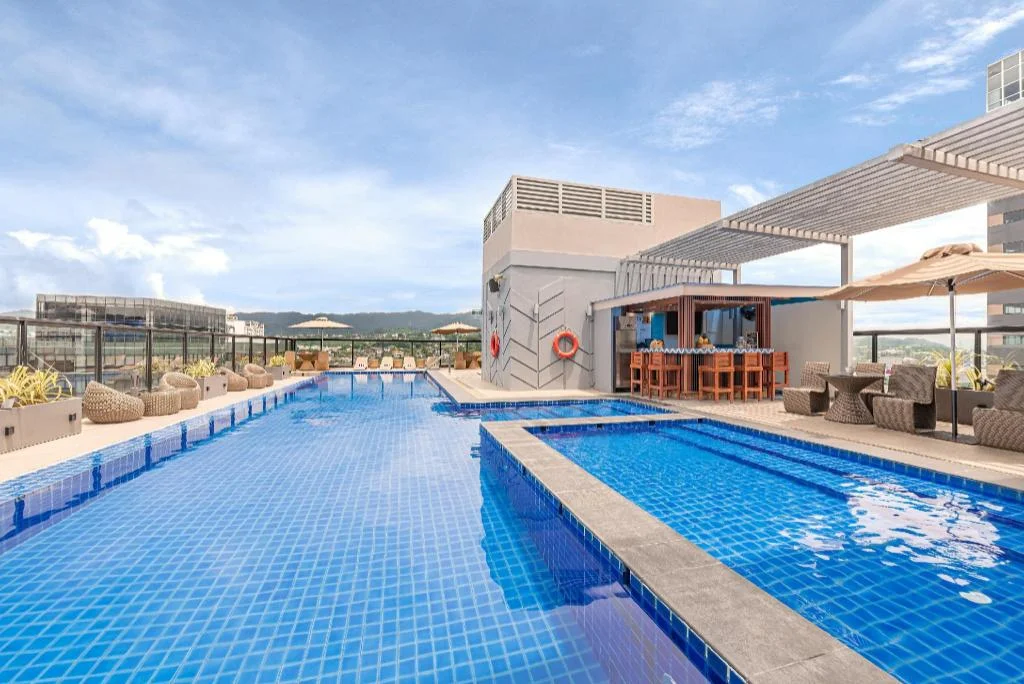
Seda Central Bloc Cebu City
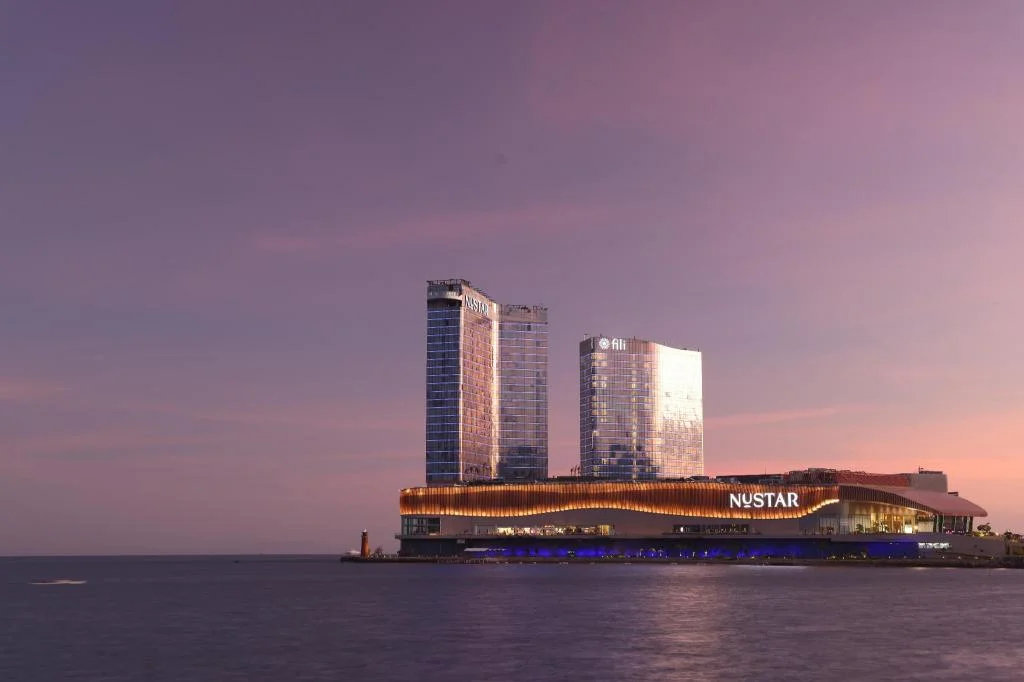
Fili Hotel - NUSTAR Resort & Casino Cebu
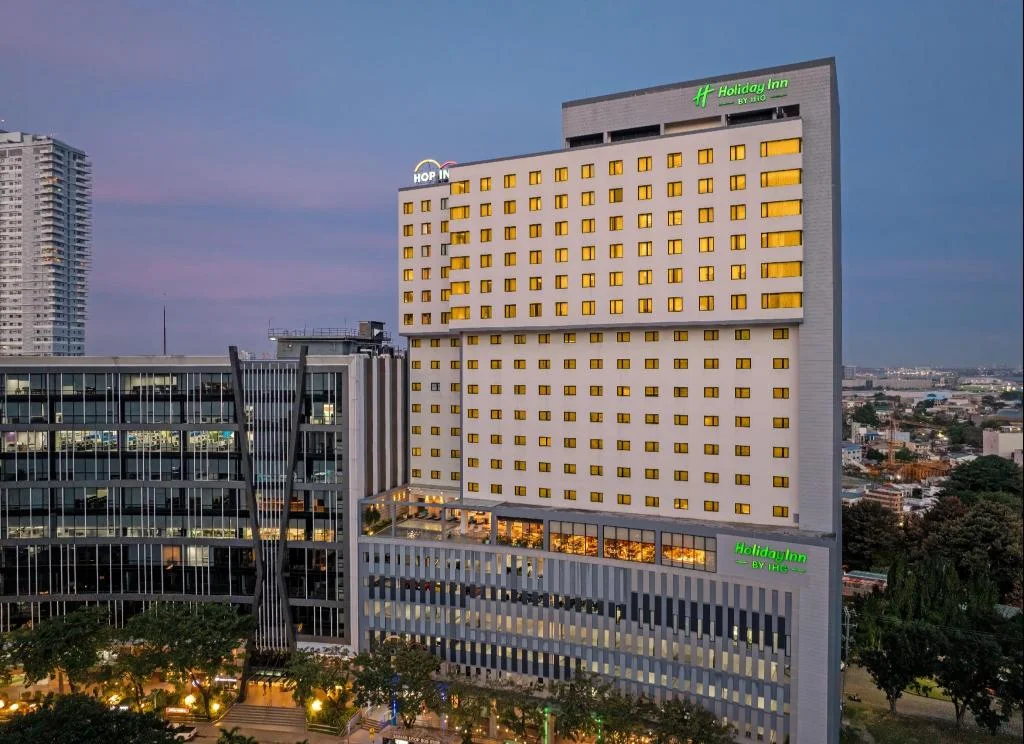
Holiday Inn Cebu City By IHG
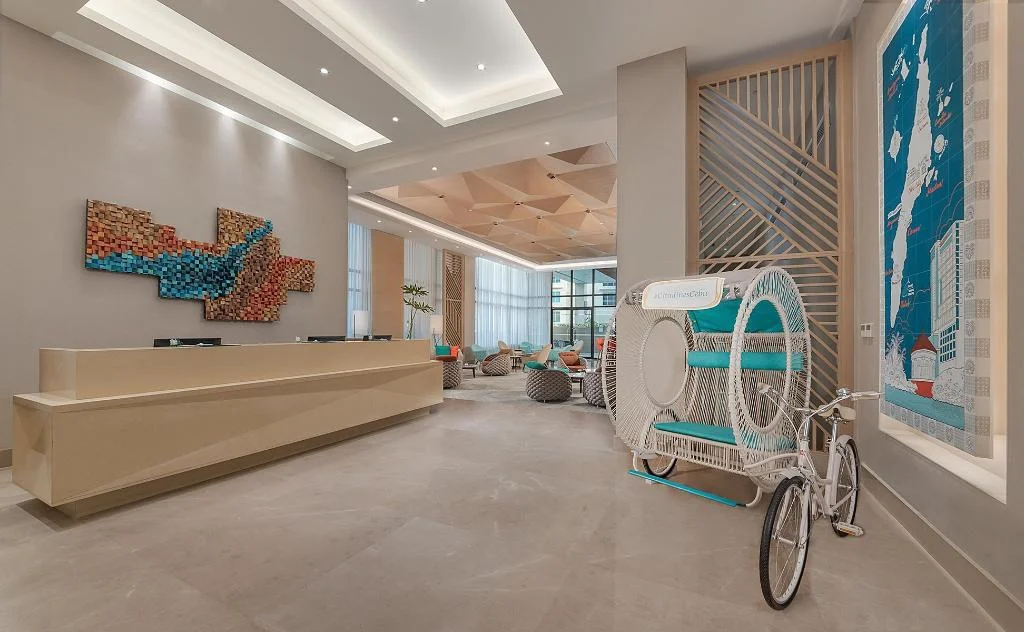
Citadines Cebu City
Prefer a rental? Vacation rentals near Cebu City
Self-catering condos and apartments — book the exact unit, kitchen included.
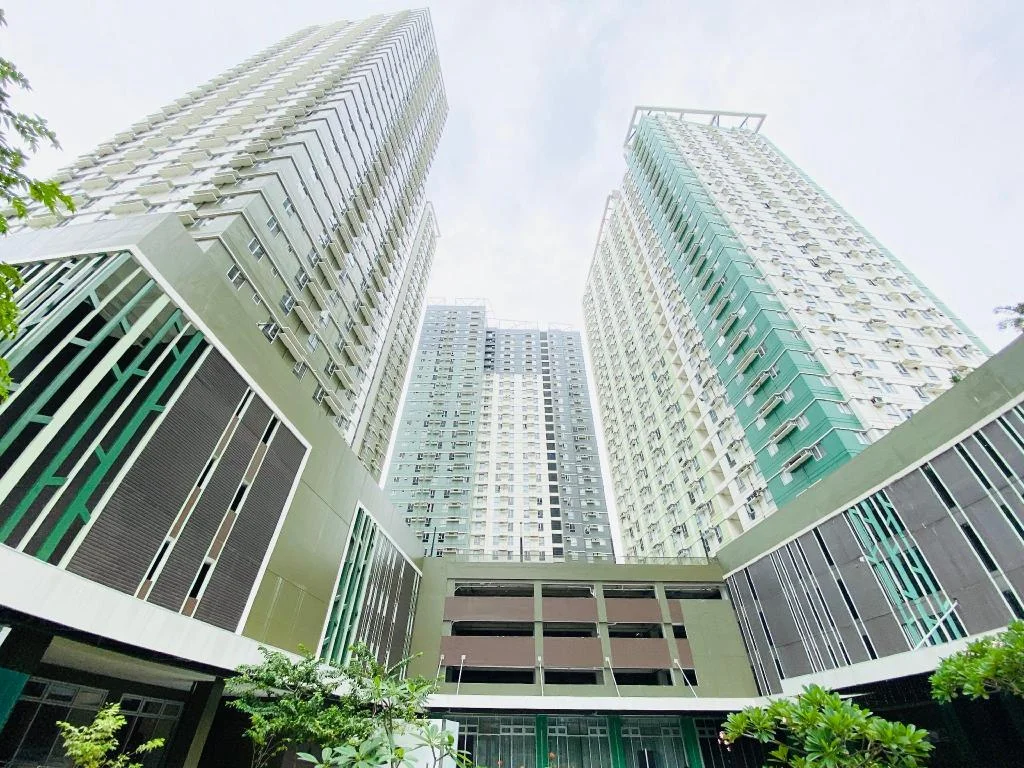
Cebu Avida Riala by P&J
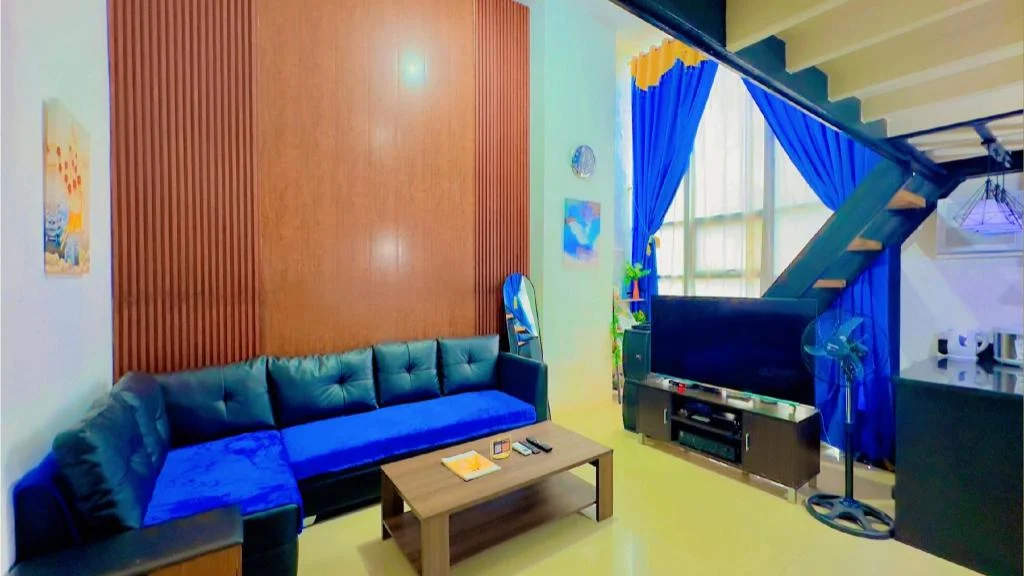
Special Big Loft Unit w/Fibreop Internet & Netflix
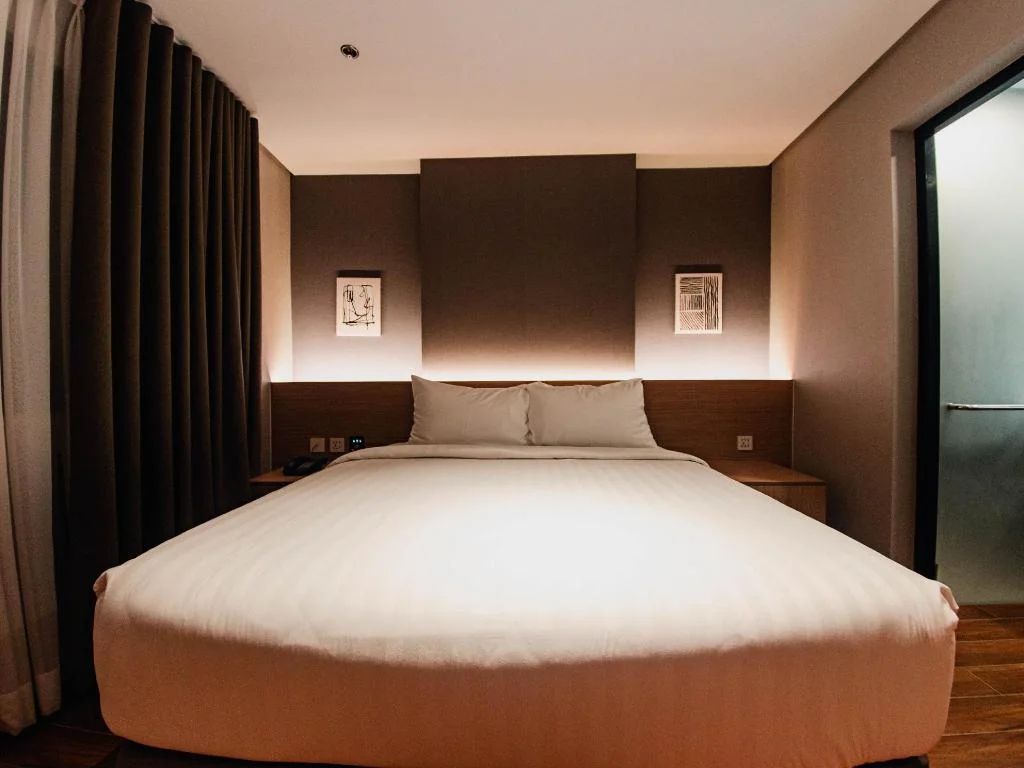
Moonstar Cebu Hotel - Deluxe Room
Before you go
Frequently asked
How long does the Cebu heritage walking tour take?
How much does the Cebu heritage walking tour cost in total?
Is the Cebu heritage walk safe to do on your own?
What's the best time of day to start?
Do you need a guide, or can you do this walk yourself?
Can you combine this walk with the Taoist Temple?
Where do you eat during the walk?
Is the Casa Gorordo Museum or Yap-Sandiego Ancestral House more worth it?
More Places to Explore
Fort San Pedro
Cebu City
The oldest and smallest triangular fort in the Philippines (1565), a well-preserved Spanish colonial military structure with a history museum.
Magellan's Cross
Cebu City
The historic cross planted by Ferdinand Magellan in 1521, marking the birth of Christianity in the Philippines and now a National Cultural Treasure.
Basilica del Santo Niño
Cebu City
The oldest church in the Philippines (1565), home to the miraculous Santo Niño image and center of the famous Sinulog Festival.
Heritage of Cebu Monument
Cebu City
A dramatic sculptural tableau by Eduardo Castrillo depicting key moments in Cebu's history, from Magellan's arrival to modern times.
Carbon Market
Cebu City
Cebu's oldest and largest market (since 1909), offering an authentic local shopping experience with fresh produce, seafood, and traditional goods.