
TL;DR: Fort San Pedro is the oldest fort the Spanish built in the Philippines — construction began May 8, 1565, with the current stone structure dating to 1738. Entrance is ₱50 (~US$0.81), ₱40 (~US$0.65) for students and seniors, open roughly 8:00 AM–7:00 PM daily (confirm locally, some sources say earlier closing). It’s small — most visits take 20–40 minutes — but it’s cheap, walkable from Magellan’s Cross and the Basilica del Santo Niño, and worth the short detour for the history and the garden inside the walls. Verified July 2026.
Fort San Pedro is a squat, triangular stone fortress sitting right on the waterfront at Plaza Independencia in downtown Cebu City — and it’s the spot where the first Spanish settlement in the Philippines actually began. It doesn’t look like much from the road: a low stone wall, a gate, some grass. But step inside and you get preserved cannons, a small museum of Spanish-era relics, and three garden-filled bastions that feel oddly peaceful for a 460-year-old military structure. This guide is for anyone doing the Cebu City heritage walk — what it costs, what’s actually inside, how it connects to Plaza Independencia, and whether it’s worth the stop if your time in Cebu is tight.
Fort San Pedro at a Glance
| Detail | Info |
|---|---|
| Entrance fee | ₱50 regular / ₱40 students & seniors (~US$0.81 / ~US$0.65) |
| Hours | ~8:00 AM–7:00 PM daily (confirm locally — some sources cite earlier closing) |
| Typical visit length | 20–40 minutes |
| Location | Plaza Independencia, Cebu City |
| Nearest landmarks | Magellan’s Cross, Basilica del Santo Niño (5–10 min walk) |
| From Mactan-Cebu Airport | 30–45 min by Grab/taxi |
Prices and hours confirmed against 2025–2026 visitor reports and local news coverage. Verified July 2026.
How Old Is Fort San Pedro, and What’s Its History?
Fort San Pedro is the oldest fort the Spanish built in the Philippines, with construction starting May 8, 1565, just days after Miguel López de Legazpi’s expedition landed in Cebu. The first version was wood, thrown up quickly to protect the new settlement. Later, in the early 1600s, it was rebuilt in stone to hold off Muslim raiders working the coast. The structure standing today dates to 1738 — the stone gate is carved with that year alongside the arms of Castile and León, marking the last major rebuild.
The fort is triangular, with two walls facing the sea and one facing land, built with three named bastions: La Concepción (southwest), Ignacio de Loyola (southeast), and San Miguel (northeast). It’s commonly described as the smallest fort in the Philippines and among the oldest surviving Spanish colonial defensive structures in the country — a fitting bookend to a city whose Spanish history started right here.
Its job changed a lot over the centuries. After Spain lost the Philippines in 1898, the Americans used it as the Warwick Barracks. It became a school from 1937 to 1941, then a refuge and emergency hospital during World War II from 1942 to 1945, an army camp from 1946 to 1950, and — oddly — a zoo run by a religious group before falling into disrepair. Restoration work started in earnest around 1968, and today the fort operates as a historical park under the Cebu City government (formalized by City Executive Order No. 08-87 in 2008), not as a branch of the National Museum.
How Much Does It Cost to Enter Fort San Pedro?
Entrance is ₱50 for regular visitors and ₱40 for students and senior citizens (roughly US$0.81 and US$0.65 at ₱62 = US$1). These fees have been in place since around 2009 — Cebu City councilors filed a proposal in March 2026 to review pricing for the first time in 17 years, so a fee increase is plausible during 2026. The proposal so far targets venue rental rates for weddings and private events held at the fort more than the walk-in entrance fee, but confirm the current price at the ticket booth regardless.
What Are Fort San Pedro’s Opening Hours?
Most 2025–2026 visitor reports list 8:00 AM to 7:00 PM, daily including weekends and most holidays, though a handful of sources give an earlier closing of 5:00 PM or 6:00 PM. The discrepancy likely comes from schedule changes over the past few years (including pandemic-era hour cuts that some listings never updated). Treat last entry as roughly 30 minutes before closing, and if you’re planning a visit after 4:00 PM, it’s worth a quick call or a check with your hotel concierge to confirm the fort will still be open when you arrive.
What’s Inside Fort San Pedro?
A small museum, about a dozen preserved cannons, and three garden-filled bastions built into the old ramparts. The old lieutenant’s quarters now houses the museum room — Spanish-era weaponry, navigational instruments, portraits of national heroes, and a photo gallery tracing Cebu’s growth from a colonial outpost to a modern city. Around 14 cannons are preserved around the grounds, some still sitting in their original firing positions facing the sea.
The real surprise for most first-time visitors is the garden. Each of the three bastions has been turned into a themed planting area — medicinal herbs in one, aromatic spices in another — with butterflies drifting through, a legacy of the Cebu Garden Club’s makeover of the inner court back in the 1950s. The central courtyard doubles as an open-air performance space for cultural shows during festivals. It’s a strange, pleasant contrast: a fort built to repel attacks, now mostly known for its flowers.
Renovation work has also been on the table — Cebu City’s Cultural and Historical Affairs Commission submitted an ₱11 million rehabilitation plan in October 2024 to repair damage from Typhoon Odette (2021), with bidding stages moving through early 2025. The museum wasn’t expected to close for this, but if you notice scaffolding or partial closures on a 2026 visit, that’s likely why — ask staff on site rather than assuming the whole fort is shut.
How Do You Get to Fort San Pedro?
It’s on Plaza Independencia in downtown Cebu City, right on the waterfront near the port area — a 30–45 minute Grab or taxi ride from Mactan-Cebu International Airport (CEB) depending on traffic (see our Mactan-Cebu Airport guide for arrival logistics). If you’re already exploring downtown, it’s an easy 5–10 minute walk from Magellan’s Cross and the Basilica del Santo Niño — most people do all three in one loop. Grab is the simplest way to reach downtown from anywhere else in the city; traffic around Colon and the port area can be heavy midday, so mornings are easier going.
How Do You Pair Fort San Pedro With the Rest of Downtown Cebu?
Treat it as the anchor of a downtown heritage walk, not a standalone trip. A sensible order: start at Magellan’s Cross and the Basilica, walk to Fort San Pedro (5–10 minutes), spend 20–40 minutes inside, then cross into Plaza Independencia itself before heading toward the Heritage of Cebu Monument and Colon Street, the oldest street in the country. The whole loop is walkable in half a day, cheap (under ₱200 total in entrance fees), and gives you the entire Spanish-to-independence arc of Cebu’s history in one afternoon.
If you’d rather not self-guide it, a heritage walking tour bundles the stops with a local guide who fills in the stories the plaques leave out — worth it if you want context, not just photos. Browse Cebu City heritage and walking tours on Klook or compare similar tours on GetYourGuide.
The Honest Take
Fort San Pedro is small — genuinely small, not “small but you won’t notice” small. If you’ve seen Intramuros in Manila or a proper European fortress, this will feel more like a well-kept city park with some old stone walls than a dramatic military site. Most visitors are in and out within half an hour, and a few come away feeling like the ₱50 was a bit steep for what amounts to a walk through a garden with some cannons.
That said, the honest verdict is still worth it, mainly because of what it costs you to skip: almost nothing in time or money, and it sits directly on the route between Magellan’s Cross and the rest of downtown. The historical weight (this is where the Spanish colonial project in the Philippines physically began) lands better than the size suggests, and the garden is a genuinely nice, shaded break between hotter, busier stops like Carbon Market or Colon Street. Go for the history and the five minutes of quiet, not expecting a grand fortress. Early morning or late afternoon gives you softer light for photos and fewer tour groups crowding the entrance gate.
Sources
- Fort San Pedro — Wikipedia (construction history, architecture, historical uses, administration)
- Cebu City moves to update Fort San Pedro fees after 17 years — SunStar Cebu (2026 fee review proposal)
- Fort San Pedro rental fees eyed for hike under proposed ordinance — Cebu Daily News (event rental fee context)
- Project No. 4: Restoration of Fort San Pedro, Cebu City — City of Cebu (₱11M rehabilitation plan, Typhoon Odette damage)
- Stay Fort-ified: Inside Fort San Pedro’s Time Capsule — Sugbo.ph (museum contents, garden details, visitor tips)
- Entrance fee and hours cross-checked against multiple 2025–2026 visitor and travel-guide reports. Verified July 2026.
Fort San Pedro is a quick, cheap add-on to any Cebu City itinerary — pair it with Magellan’s Cross and the Basilica del Santo Niño for the full downtown heritage loop, then head to Colon Street for the old-world shopping street energy. For the rest of the city’s must-sees beyond downtown, check our full things to do in Cebu guide, or book a Cebu City heritage tour on Klook if you’d rather have a guide handle the history for you.
Book Tours & Hotels for This Trip
Find and book the best deals — prices and availability update in real time. Links open in a new tab.
Where to stay near Cebu City
Top-rated hotels for this trip — tap through to check live rates.
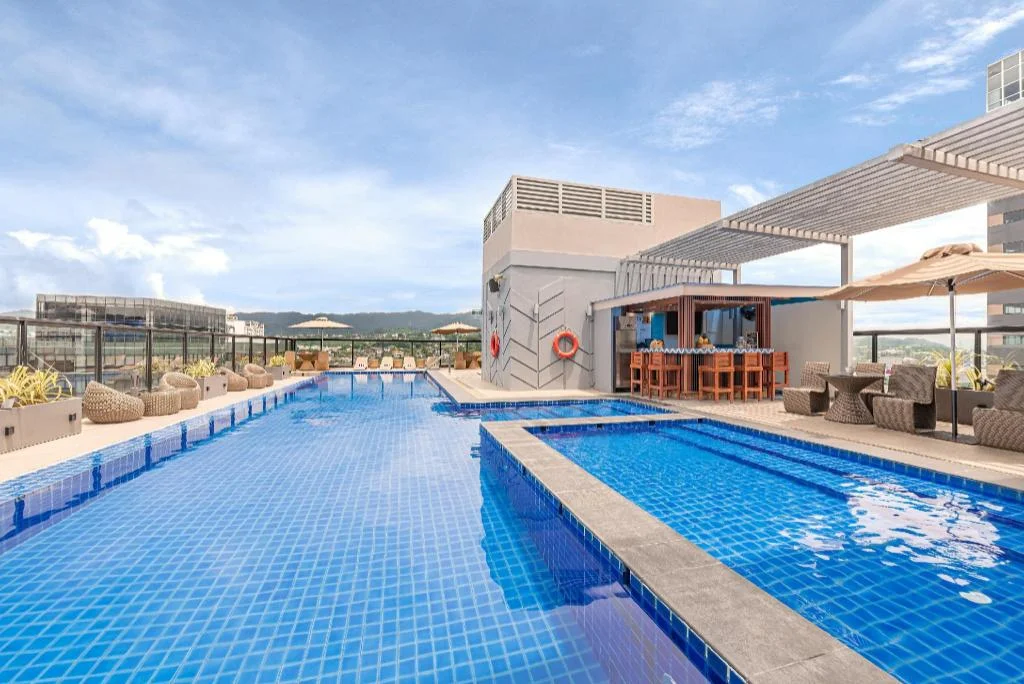
Seda Central Bloc Cebu City
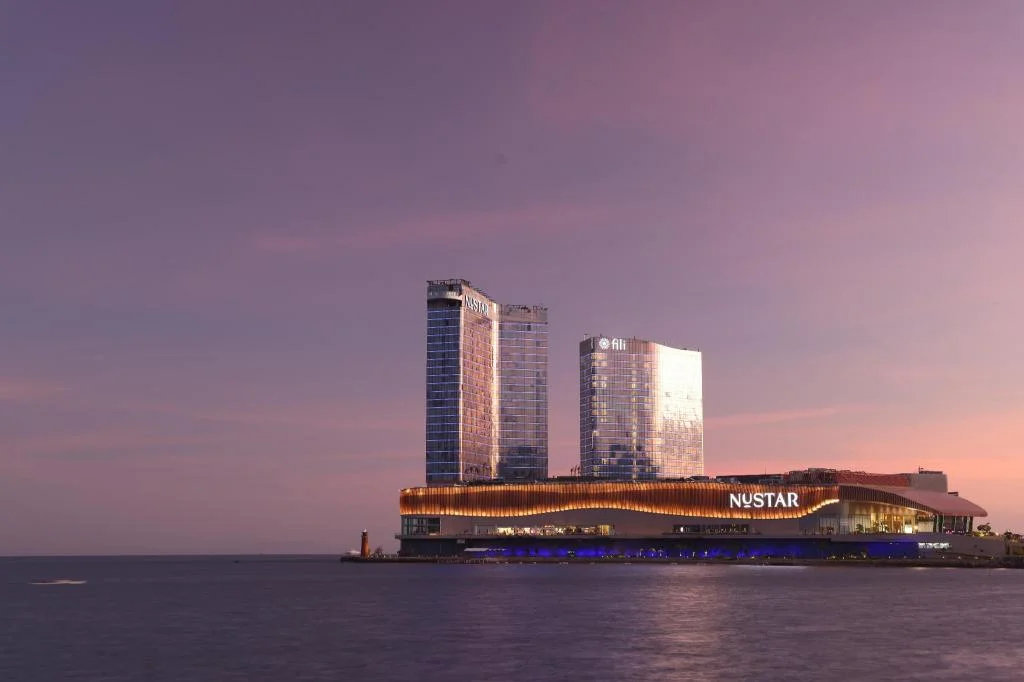
Fili Hotel - NUSTAR Resort & Casino Cebu
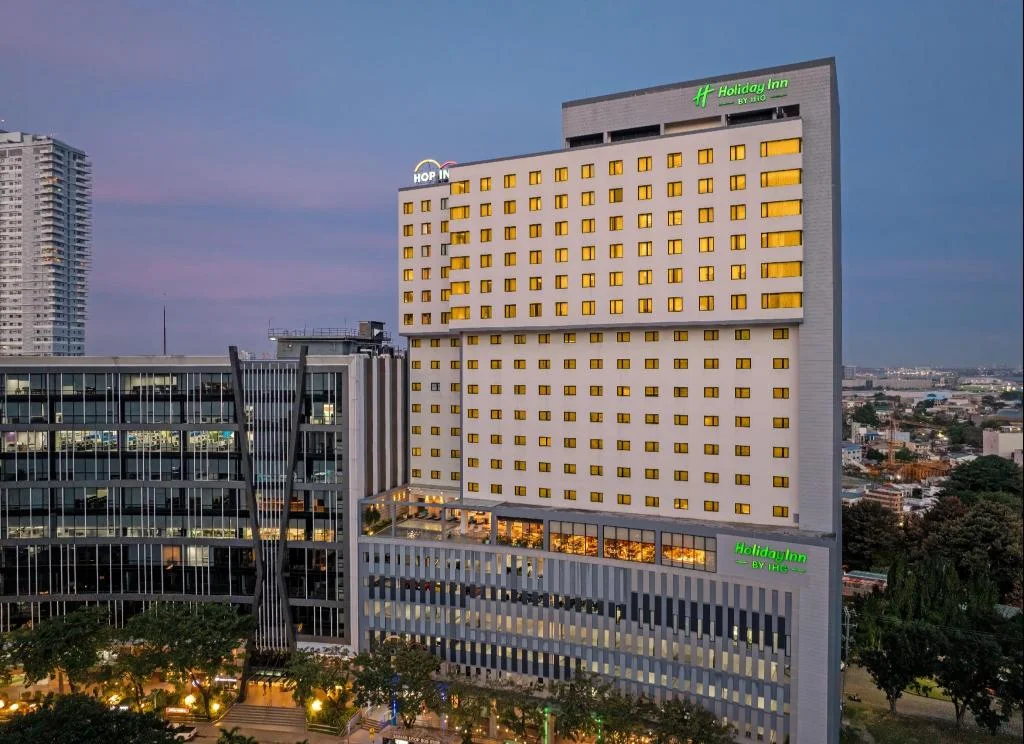
Holiday Inn Cebu City By IHG
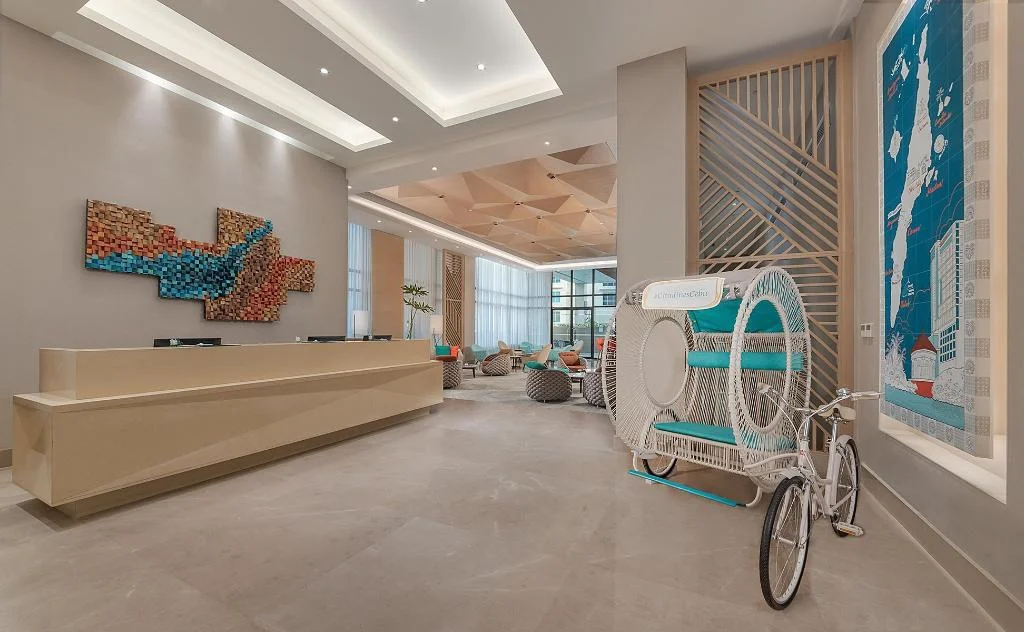
Citadines Cebu City
Prefer a rental? Vacation rentals near Cebu City
Self-catering condos and apartments — book the exact unit, kitchen included.
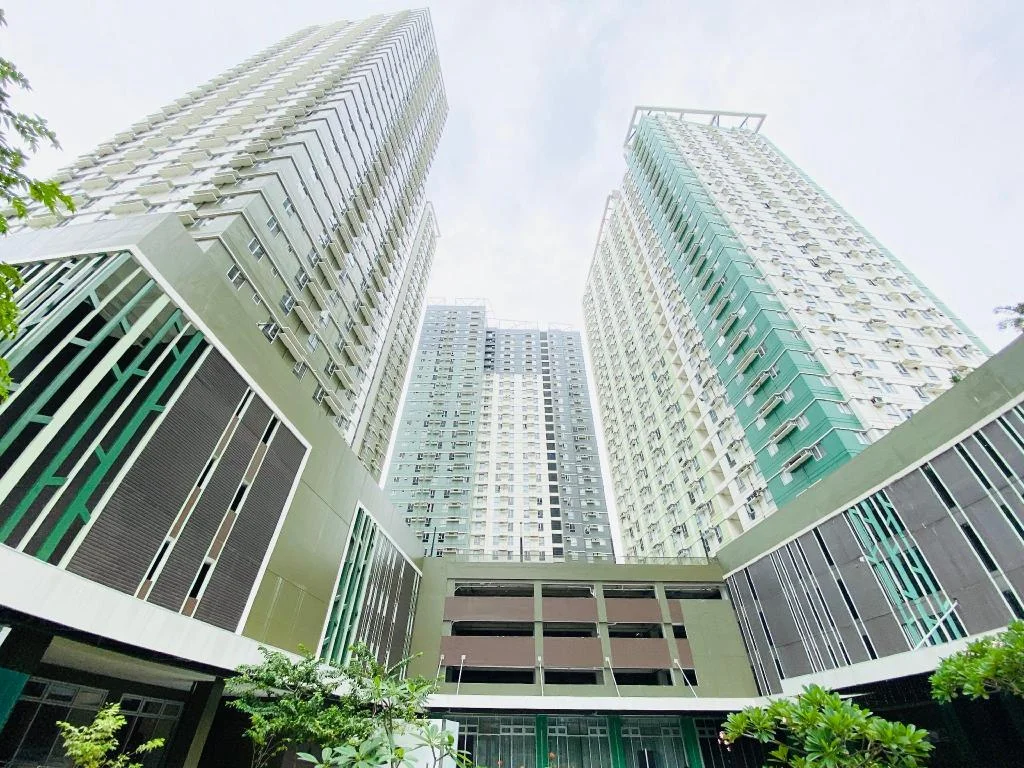
Cebu Avida Riala by P&J
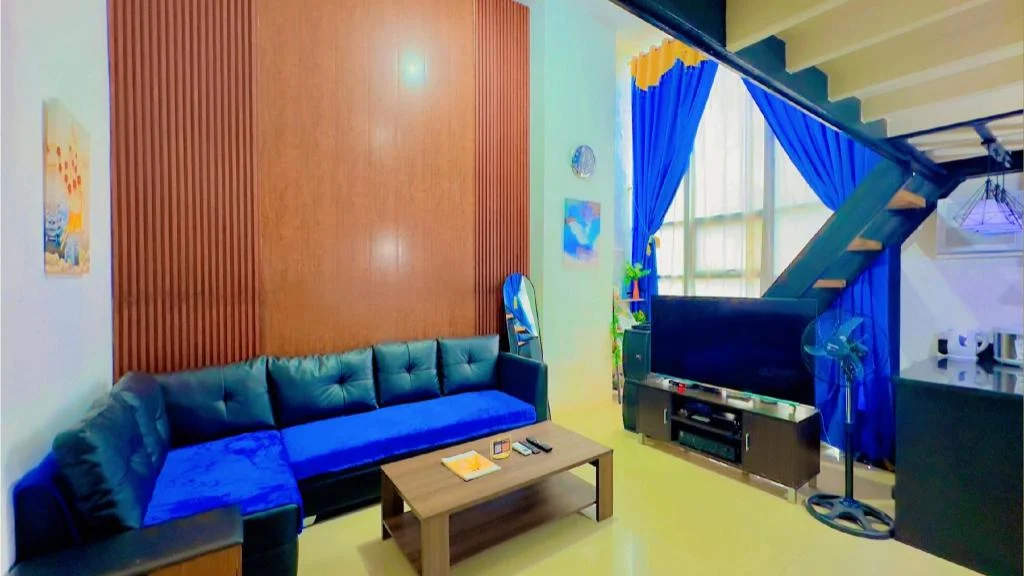
Special Big Loft Unit w/Fibreop Internet & Netflix
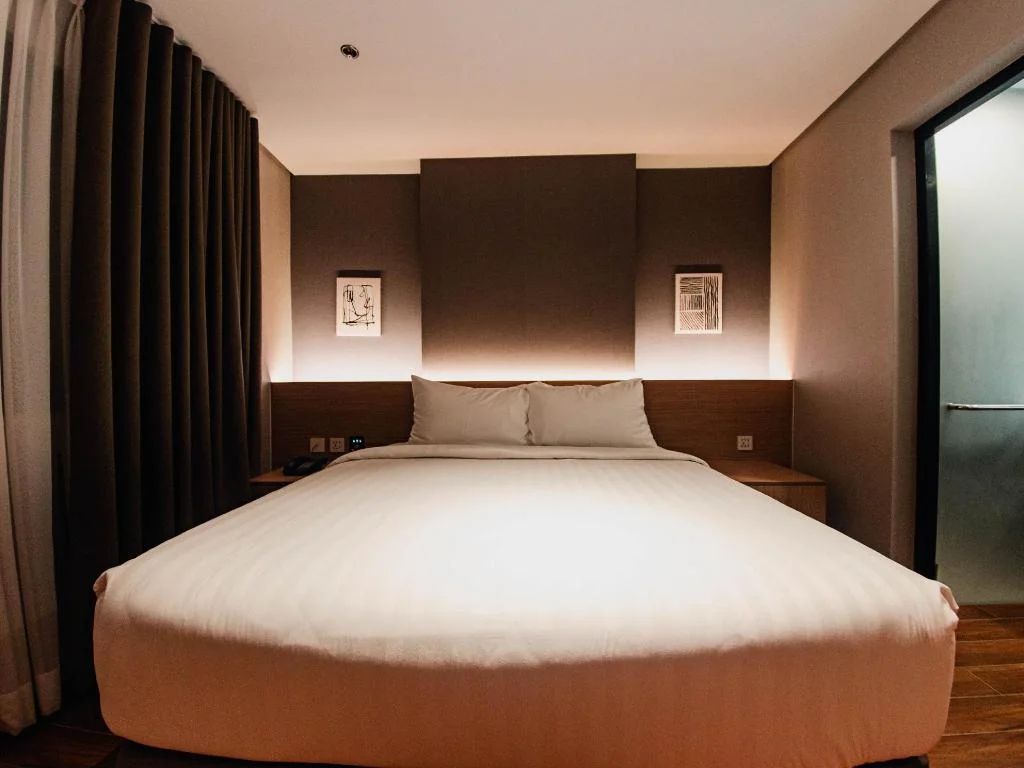
Moonstar Cebu Hotel - Deluxe Room
Before you go
Frequently asked
How much is the entrance fee to Fort San Pedro?
What are Fort San Pedro's opening hours?
Is Fort San Pedro worth visiting?
How old is Fort San Pedro?
What's inside Fort San Pedro?
How do you get to Fort San Pedro?
How long should I spend at Fort San Pedro?
Is Fort San Pedro connected to Plaza Independencia?
More Places to Explore
Fort San Pedro
Cebu City
The oldest and smallest triangular fort in the Philippines (1565), a well-preserved Spanish colonial military structure with a history museum.
Magellan's Cross
Cebu City
The historic cross planted by Ferdinand Magellan in 1521, marking the birth of Christianity in the Philippines and now a National Cultural Treasure.
Basilica del Santo Niño
Cebu City
The oldest church in the Philippines (1565), home to the miraculous Santo Niño image and center of the famous Sinulog Festival.
Heritage of Cebu Monument
Cebu City
A dramatic sculptural tableau by Eduardo Castrillo depicting key moments in Cebu's history, from Magellan's arrival to modern times.
Colon Street
Cebu City
The oldest street in the Philippines, a historic commercial thoroughfare that has been Cebu's trading center since Spanish colonial times.