
TL;DR: The Basilica del Santo Niño is the oldest church in the Philippines (founded 1565) and home to the country’s most venerated relic. Entry is free; the basement museum charges a small fee (roughly ₱30–100 / US$0.50–1.75, confirm at the door). Mass runs most weekday hours from 6:00 AM, with Fridays and Sundays packed by novena crowds. Strict dress code since October 2024 — no shorts, sleeveless tops, or caps, no exceptions, no shawls to borrow. Pair it with neighboring Magellan’s Cross and Fort San Pedro for one downtown heritage morning. Verified July 2026.
If you visit only one church in Cebu, make it this one. The Basilica del Santo Niño sits on the exact spot where a Spanish soldier found a small wooden image of the Christ Child, undamaged, inside a burned house in 1565 — the same image Ferdinand Magellan had given to a local queen as a baptismal gift 44 years earlier. That discovery is why the church exists, why it’s the oldest in the country, and why an entire festival (Sinulog) now fills the streets around it every January. This guide is for anyone planning a downtown Cebu City morning: what the mass schedule actually looks like, what not to wear, whether the museum is worth the small fee, and how crowded it gets on the days that matter.
Basilica at a Glance
| What | Details |
|---|---|
| Entrance | Free (donations welcome) |
| Museum fee | ~₱30–100 (US$0.50–1.75), confirm at door — cash only |
| Gate hours | 4:00 AM – 9:00 PM daily |
| Museum hours | 8:00–11:45 AM and 1:00–4:45 PM daily |
| Busiest days | Friday (novena) and Sunday |
| Dress code | Strictly enforced — covered shoulders and knees, no shorts/caps |
| Founded | 1565 (current stone church completed 1740) |
| Nearest landmarks | Magellan’s Cross (next door), Fort San Pedro (5–10 min walk) |
Verified July 2026.
How Old Is the Basilica del Santo Niño?
It’s the oldest church in the Philippines, founded in 1565. Augustinian friars Andrés de Urdaneta and Diego de Herrera established it on the site where Miguel López de Legazpi’s soldiers found the Santo Niño image inside a partially burned house — the same image Magellan had gifted to Rajah Humabon’s wife at her baptism in 1521. The original wooden churches burned down twice, in 1566 and 1628. The stone structure standing today was begun in 1735 and completed in 1740, blending what historians call “earthquake baroque” with Muslim, Romanesque, and Neoclassical details. Pope Paul VI declared it a basilica minore in 1965, naming it “Mother and Head of all Churches in the Philippines.” A 2013 earthquake cracked the belfry and facade; restoration wrapped up in October 2016, so what you see today is largely rebuilt but historically faithful.
What Are the Mass Times?
Weekday masses run roughly hourly from 6:00 to 8:00 AM, then again at 12:15 PM and 5:30 PM. Sundays add more services from 5:30 AM to 7:00 PM. Fridays are the heaviest day by far — the weekly novena to the Santo Niño draws mass almost every hour from early morning into the evening.
| Day | Mass times (approx.) |
|---|---|
| Weekdays | 6:00, 7:00, 8:00 AM; 12:15 PM; 5:30 PM |
| Friday (novena) | 5:00 AM–11:00 AM roughly hourly, then 12:00, 3:00, 4:30, 5:30, 6:30, 7:30 PM |
| Sunday | 5:30, 7:00, 8:30, 10:00, 11:30 AM; 1:00, 2:30, 4:00, 5:30, 7:00 PM |
| Confession | Tue–Thu & Sat 4:00–5:20 PM; Fri 8:00 AM–12:00 PM and 3:00–7:00 PM |
Masses alternate between Cebuano and English, and several are streamed on the basilica’s Facebook page. Schedules shift around Sinulog and the nine-day novena leading up to it (roughly January 8–16), so check the basilica’s official page or Facebook before a January visit — times move around the festival.
What’s the Dress Code — and What Happens If You Don’t Follow It?
You will be turned away at the door for shorts, sleeveless tops, crop tops, short skirts, ripped jeans, low-waist pants, or caps. The basilica began strictly enforcing this in October 2024, and it applies to everyone, tourists included — staff have refused entry to visiting groups who didn’t know the rule. There’s no workaround: the basilica stopped lending shawls to cover bare shoulders, and won’t let you in even if you rent a cover-up from the stalls outside. Bring a light long-sleeve shirt or a shawl of your own, wear pants or a skirt below the knee, and skip the hat. Friars also gently discourage tourists from treating Friday and Sunday as sightseeing days — those slots are for worship, and the crowd reflects that.
Is the Museum Worth the Entrance Fee?
For history and architecture fans, yes — it’s a quick, cheap add-on. The Pilgrim Center Museum sits in the basement of the Santo Niño Pilgrim Center at Osmeña Boulevard corner P. Burgos Street, open daily 8:00–11:45 AM and 1:00–4:45 PM. It displays vestments, jewelry, and other offerings donated by devotees whose prayers were answered, along with artifacts tracing the Christianization of the Philippines through the image itself. Reported entrance fees vary by source — anywhere from around ₱30 to ₱100 (roughly US$0.50–1.75) — so treat it as a small, confirm-at-the-door cash fee rather than a fixed published price. It’s a modest collection, not a full-day museum; budget 20–30 minutes.
How Do You Get There?
The basilica sits on Osmeña Boulevard corner P. Burgos Street, right next to Magellan’s Cross — you can’t really visit one without seeing the other. Grab or a metered taxi from anywhere in Cebu City is the simplest way in on a normal day; from Cebu Business Park or IT Park expect 15–20 minutes in typical traffic. The gate opens at 4:00 AM and closes at 9:00 PM daily. If you’re downtown already for Colon Street, Carbon Market, or Fort San Pedro, it’s an easy walk between all of them.
How Does It Connect to Sinulog?
The basilica is the reason Sinulog exists. The festival’s third-Sunday-of-January grand parade, the dawn fluvial procession, and the nine-day novena all radiate outward from this church — see our full Sinulog Festival guide for the 2027 dates and route. If you’re visiting specifically for the fiesta, expect the basilica itself to be at capacity for days around the parade, with mass times adjusted and security tighter than usual.
The Honest Take
This is one of the few places in Cebu where the history genuinely lives up to the hype — the relic inside is real, the story checks out, and the building itself has survived fire, earthquakes, and four centuries. But go in with the right expectations: it’s an active parish church first and a tourist site second, which means Friday and Sunday crowds can make a quiet visit impossible, the dress code will turn away anyone in beach clothes, and the museum is small enough that some travelers will find the fee not worth it. Go on a Tuesday, Wednesday, or Thursday morning if you want to actually look at the church instead of the back of someone’s head, and skip the museum if you’re tight on time — the basilica itself is the real draw.
Combine It With Downtown Cebu
Pair the basilica with Magellan’s Cross next door, Fort San Pedro a short walk away, and the Heritage of Cebu Monument to round out a half-day heritage walk — see our Cebu cultural heritage walking tour for the full route. If you’re building a longer downtown day, Cebu Taoist Temple up in Beverly Hills is a striking contrast a short drive away. For a guided version, browse Cebu City heritage tours on Klook to skip the planning.
Sources
- Basilica Minore del Santo Niño de Cebu — official mass and confession schedule
- Basilica Minore del Santo Niño — official museum page
- Basilica del Santo Niño — Wikipedia (history, dates)
- Rappler — basilica dress code coverage
- Proud Bisaya Bai — dress code policy details, effective Oct 1, 2024
- Museum and gate hours cross-checked against multiple 2025–2026 visitor listings; entrance fee reports varied by source — confirm locally. Verified July 2026.
Book Tours & Hotels for This Trip
Find and book the best deals — prices and availability update in real time. Links open in a new tab.
Where to stay near Cebu City
Top-rated hotels for this trip — tap through to check live rates.
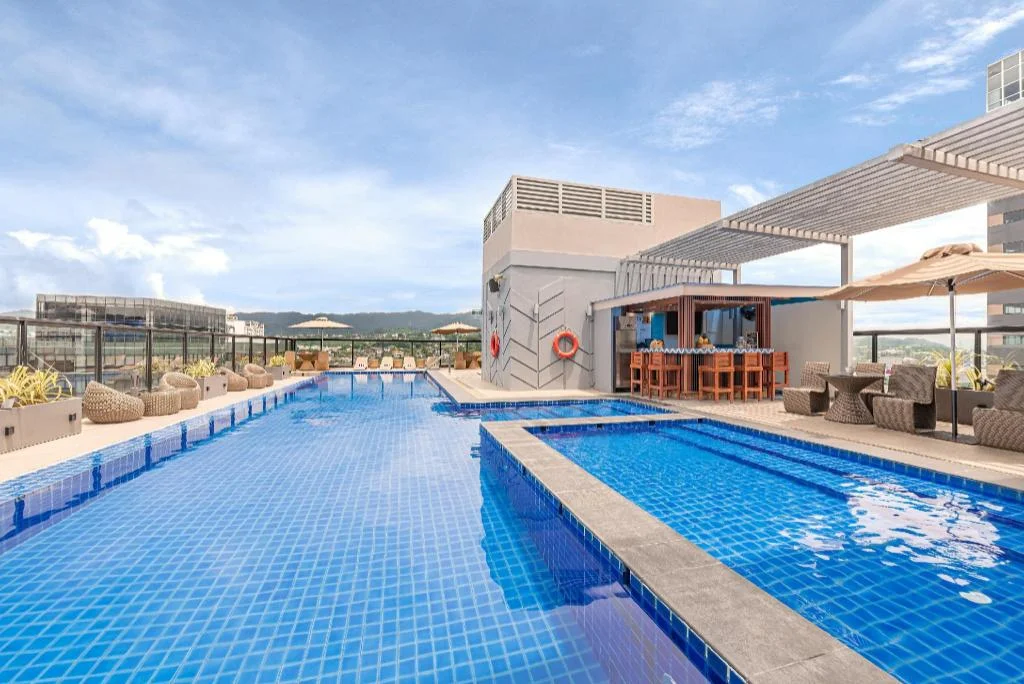
Seda Central Bloc Cebu City
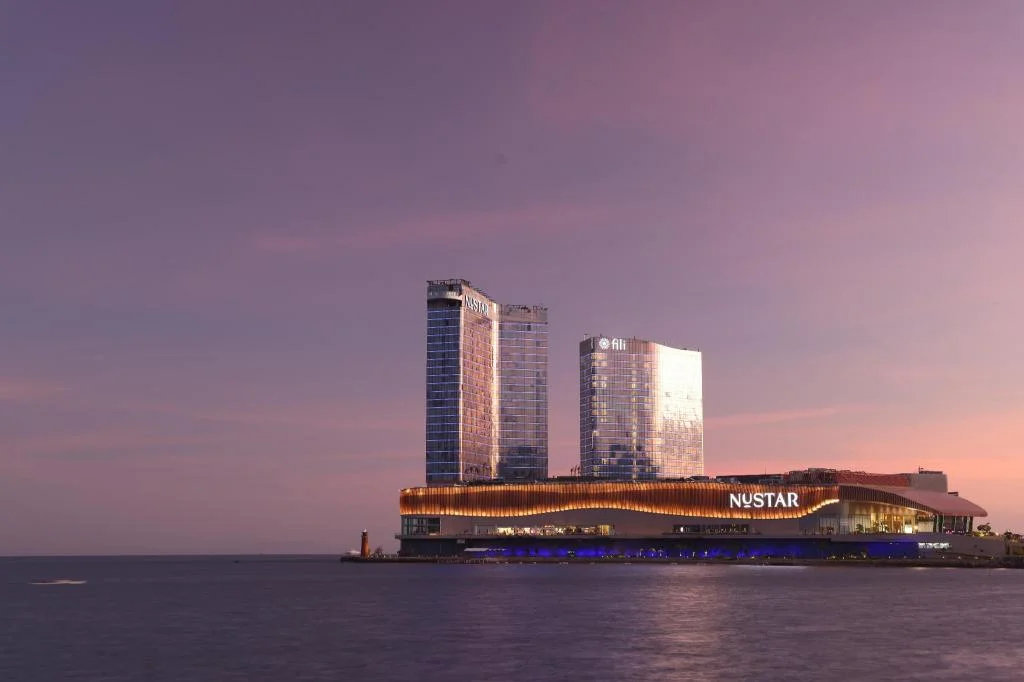
Fili Hotel - NUSTAR Resort & Casino Cebu
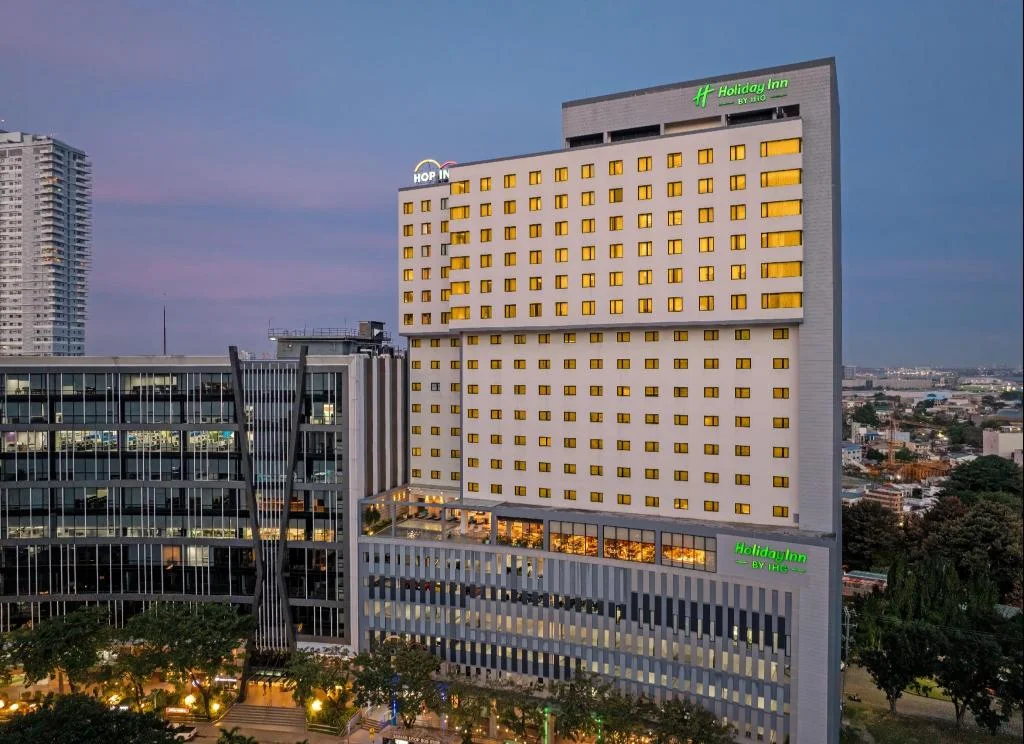
Holiday Inn Cebu City By IHG
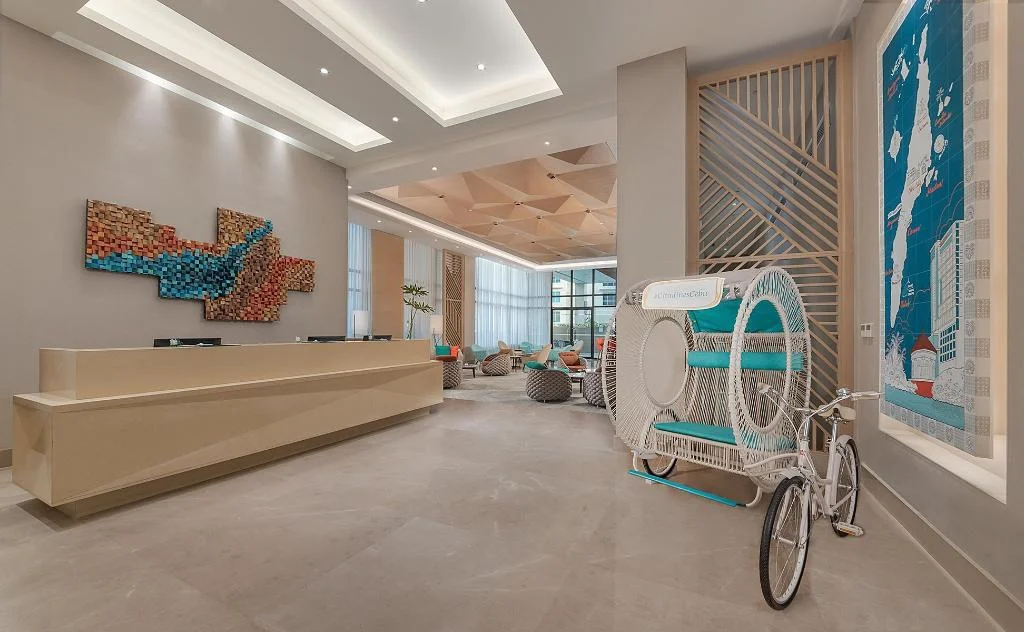
Citadines Cebu City
Prefer a rental? Vacation rentals near Cebu City
Self-catering condos and apartments — book the exact unit, kitchen included.
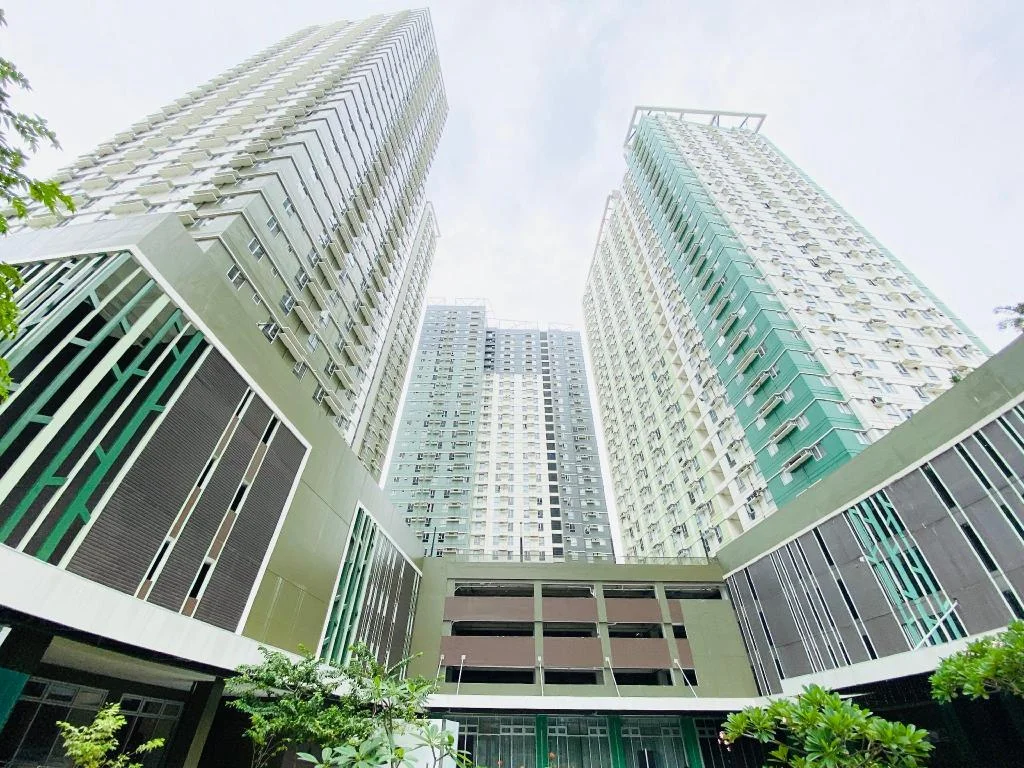
Cebu Avida Riala by P&J
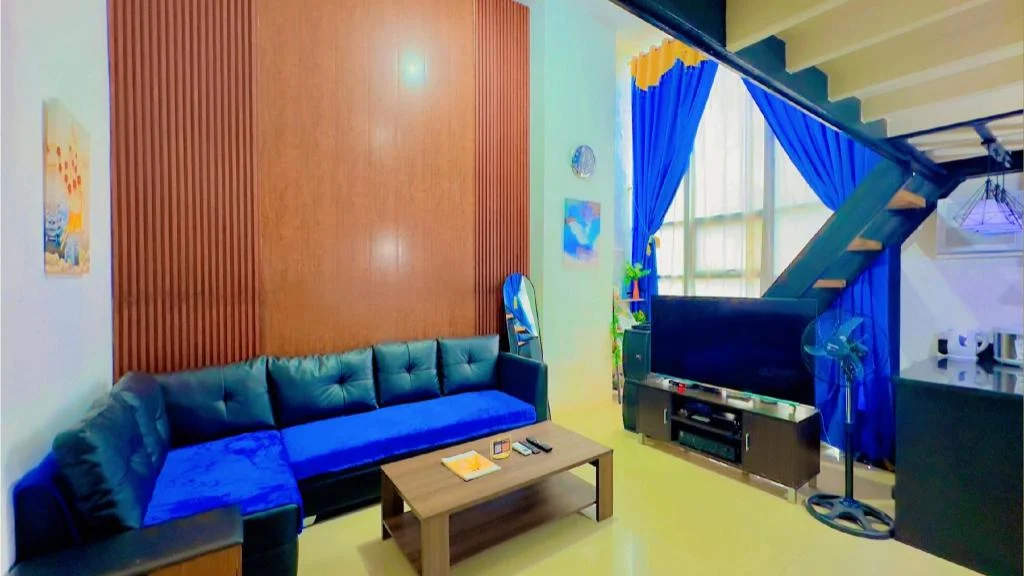
Special Big Loft Unit w/Fibreop Internet & Netflix
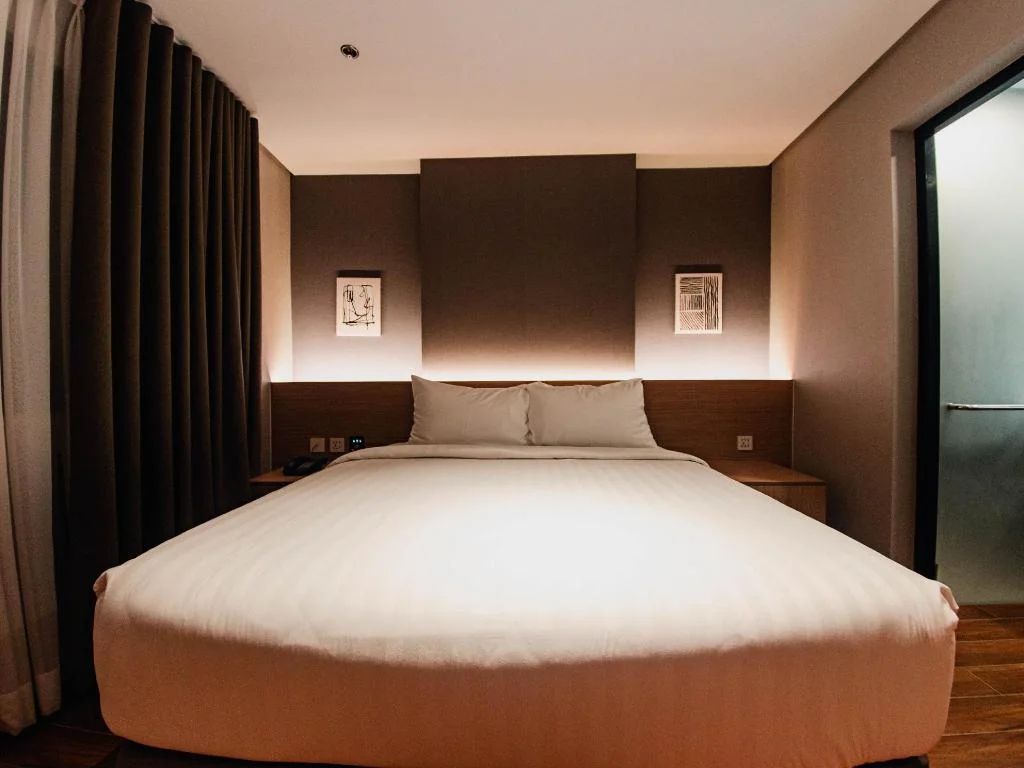
Moonstar Cebu Hotel - Deluxe Room
Before you go
Frequently asked
Is the Basilica del Santo Niño free to enter?
What is the Basilica del Santo Niño dress code?
What time is mass at the Basilica del Santo Niño?
Why is the Basilica del Santo Niño important?
Can you visit during Sinulog or the novena without going to mass?
How do you get to the Basilica del Santo Niño?
What else is nearby the Basilica?
Is the Basilica del Santo Niño worth visiting if you're not religious?
More Places to Explore
Basilica del Santo Niño
Cebu City
The oldest church in the Philippines (1565), home to the miraculous Santo Niño image and center of the famous Sinulog Festival.
Magellan's Cross
Cebu City
The historic cross planted by Ferdinand Magellan in 1521, marking the birth of Christianity in the Philippines and now a National Cultural Treasure.
Fort San Pedro
Cebu City
The oldest and smallest triangular fort in the Philippines (1565), a well-preserved Spanish colonial military structure with a history museum.
Heritage of Cebu Monument
Cebu City
A dramatic sculptural tableau by Eduardo Castrillo depicting key moments in Cebu's history, from Magellan's arrival to modern times.
Cebu Taoist Temple
Cebu City
A colorful Chinese temple built in 1972 featuring traditional architecture, 81 symbolic steps, and beautiful city views from Beverly Hills.