
TL;DR: The Soli-Soli Festival is San Francisco’s street-dancing fiesta in the Camotes Islands, held March 15, 2026, for its patron saint’s feast. The dance mimics harvesting and weaving soli-soli reed from Lake Danao into mats and baskets. Free to watch; reach it via the Danao-Consuelo ferry, about half a day from Cebu City. Verified July 2026.
The Camotes Islands are sold almost entirely on beaches, but San Francisco, the municipality that anchors Pacijan Island, has a fiesta built around something else entirely: a reed. Soli-soli grows thick along the banks of Lake Danao, and generations of local families have turned it into mats, baskets, and hats — a real income source on an island with limited farmland. Every March, that quiet livelihood becomes the town’s biggest celebration — locally called the grandest festival on the island — with street dancers restaging the harvest and weaving process as choreography. This guide covers what the Soli-Soli Festival actually is, when it happens in 2026, what to expect, the roughly 2-2.5 hour Danao City-to-Consuelo ferry crossing (₱300-320 / US$5.20-5.50) that gets you there, and how to combine it with the rest of a Camotes trip.
Soli-Soli Festival 2026 at a Glance
| Detail | Information |
|---|---|
| Date | Third Sunday of March — March 15, 2026 |
| Patron feast | St. Joseph Parish feast, March 19 (St. Joseph the Patriarch) |
| What “soli-soli” means | Broadleaf cattail reed harvested at Lake Danao, woven into mats, baskets, and bags |
| Dance movements | Swaying, harvesting/cutting motion, weaving motion |
| Founded | Early 2000s, under then-mayor Alfredo A. Arquillano Jr. |
| Entrance cost | Free — community street festival, no grandstand tickets |
| Where to watch | Streets and town center of San Francisco, Pacijan Island |
| Getting there | Cebu City → Danao City port (bus/van, ~1-1.5 hrs) → Consuelo, Poro Island (Jomalia ferry, ~2-2.5 hrs) |
Verified July 2026. Confirm the exact 2026 program with San Francisco’s municipal tourism office or official Facebook page closer to March.
What Is the Soli-Soli Festival?
Soli-Soli is San Francisco municipality’s annual thanksgiving festival for the reed that supports much of the town’s weaving trade. Soli-soli — broadleaf cattail, Typha latifolia — grows abundantly along the banks of Lake Danao, Central Visayas’ largest lake, which sits inland on Pacijan Island in the uplands above San Francisco’s coastline. Residents harvest the reed, dry it for about five days, dye it through boiling, and weave it into mats, baskets, hats, and bags that get sold locally and shipped off-island.
The festival treats that process as worth celebrating in itself — a story of adaptation on an island where farmland is limited and the sea alone doesn’t support every household. Accounts trace its start to the early 2000s under then-mayor Alfredo A. Arquillano Jr., growing into an annual full-town celebration by the mid-2000s. Past local reporting and residents describe it as the grandest festival on the island, reflecting how central the weaving trade still is to San Francisco’s identity.
The civic fiesta is layered onto San Francisco’s religious calendar: the municipality’s parish, St. Joseph Parish (established 1863), keeps its feast day on March 19 in honor of St. Joseph the Patriarch, its patron. The Soli-Soli street-dancing competition itself lands on the third Sunday of March, a date that bridges the fixed feast day rather than always landing on it exactly.
What Are the Dance Movements?
The Soli-Soli street dance restages the weaving process itself, not a generic festival theme. Contingents perform three core movements: a swaying motion with hands and arms, a harvesting-and-cutting motion that mimics gathering the reed, and a weaving motion that closes the sequence — turning the mechanics of a cottage industry into choreography, in costumes built around the reed’s texture and color. It’s judged on choreography, music, and costume design, the same format as most Cebu town street-dancing competitions.
When Is Soli-Soli Festival 2026?
The festival lands on the third Sunday of March, which puts it on March 15, 2026 — close to but not necessarily on St. Joseph Parish’s March 19 feast day. The exact civic program — how many days the fiesta runs, which day hosts the main street dancing — is set by the local government each year and typically bridges both dates. Treat any specific 2026 schedule beyond “third Sunday of March” as provisional until you confirm with San Francisco’s tourism office or its official Facebook page closer to the date, the way you would for any Philippine town fiesta.
What Happens During the Festival?
Expect a mix of religious observance and civic celebration, centered on the street-dancing competition. The devotional side includes novena masses and processions leading up to the feast. The civic side is what draws visitors:
- Street dancing and ritual showdown competition — contingents in reed-textured costumes perform the swaying, harvesting, and weaving sequence through San Francisco’s streets.
- Soli-Soli Festival Queen pageant — the beauty-pageant component of the fiesta.
- Sports tournaments and local competitions, run alongside the main events.
- Handicraft demonstrations and stalls selling the actual soli-soli mats, baskets, bags, and hats the festival is named for — a rare chance to buy directly from the weavers.
- Concerts and variety shows filling out the evenings.
If your time is limited, the street dancing and the handicraft stalls are the two parts worth building a visit around — you get the performance and a genuine, useful souvenir in the same afternoon.
Is It Free to Watch?
Yes — Soli-Soli is a community-scale municipal fiesta with no grandstand-ticket system. Watch the parade and street dancing from the sidewalks along the route through San Francisco’s town center, for free. Arrive early for a decent spot, since the route is compact and the town fills up fast on festival day.
How Do You Get to San Francisco, Camotes for the Festival?
The most reliable route from Cebu City is Danao City port to Consuelo, Poro Island, then a short ride into San Francisco municipality. From Cebu City’s North Bus Terminal, take a bus or van to Danao City — about 1-1.5 hours, roughly ₱50-60 by bus or ₱80-120 by V-hire. At Danao port, board the Jomalia Shipping RORO ferry to Consuelo — about 2-2.5 hours, running roughly ₱300-320 (about US$5.20-5.50) one way. Consuelo Port sits within San Francisco municipality, so you’re already close to the festival route once you disembark; see our Cebu to Camotes ferry guide for full schedules.
Because the ferry only runs a handful of times a day and can shift with weather, arrive at Danao port at least an hour before your planned departure, and build a buffer day into a festival trip rather than cutting it close.
Combine It With Lake Danao and the Rest of Camotes
Soli-Soli is one of the easiest Cebu festivals to pair with a nearby attraction, since the reed the whole event is about grows a short ride away. Lake Danao is roughly 20-30 minutes by habal-habal from Consuelo Port, in Barangay Montealegre — go for the kayaks, the floating sakanaw platform, and a look at the actual reed beds the festival dramatizes. Our Lake Danao guide covers current prices for kayaking, the zipline, and the floating cottage rental.
If you have more than a day, fold in the rest of the Camotes group — Santiago Bay’s white sand, the cave pools, and Poro and Tudela’s own smaller-town character — using our Camotes Islands guide or things to do in Camotes for the fuller itinerary.
The Honest Take
Soli-Soli won’t compete with Sinulog or even Kagasangan for spectacle — it’s a hometown fiesta on a small island group, and the crowds match that scale. What makes it worth timing a trip around is the specificity: this is one of the few Cebu festivals where the dance, the economy, and the landscape actually connect. You can watch the choreography, then walk out to the lake and buy a mat from the same weaving tradition the dance is performing.
If you’re not in Camotes in mid-March, don’t force it. Lake Danao and Santiago Bay are worth the trip any time of year, and you’ll have an easier time getting around without the fiesta crowd filling San Francisco’s town center.
Getting the Rest of Your Trip Sorted
Most visitors combine Soli-Soli with a multi-night Camotes stay rather than a festival-only day trip, since the ferry schedule makes a same-day round-trip tight. Compare places to stay in Camotes on Agoda for a base near Santiago Bay or San Francisco town. If you’d rather have transport and logistics handled, check Camotes Islands day-tour packages on Klook or compare similar listings on GetYourGuide.
Sources
- Soli-Soli Festival — FestivalScape
- Soli-Soli Festival in San Francisco, Camotes — Queen City Cebu
- Festivals of Cebu — Wikipedia (dance movements, patron feast)
- St. Joseph Parish, San Francisco (Camotes Island) — ParishPH (parish founding, patron saint, feast date)
- Ferry fares and travel times cross-checked against our own Cebu to Camotes ferry guide, verified July 2026.
Book Tours & Hotels for This Trip
Find and book the best deals — prices and availability update in real time. Links open in a new tab.
Where to stay near San Francisco
Top-rated hotels for this trip — tap through to check live rates.
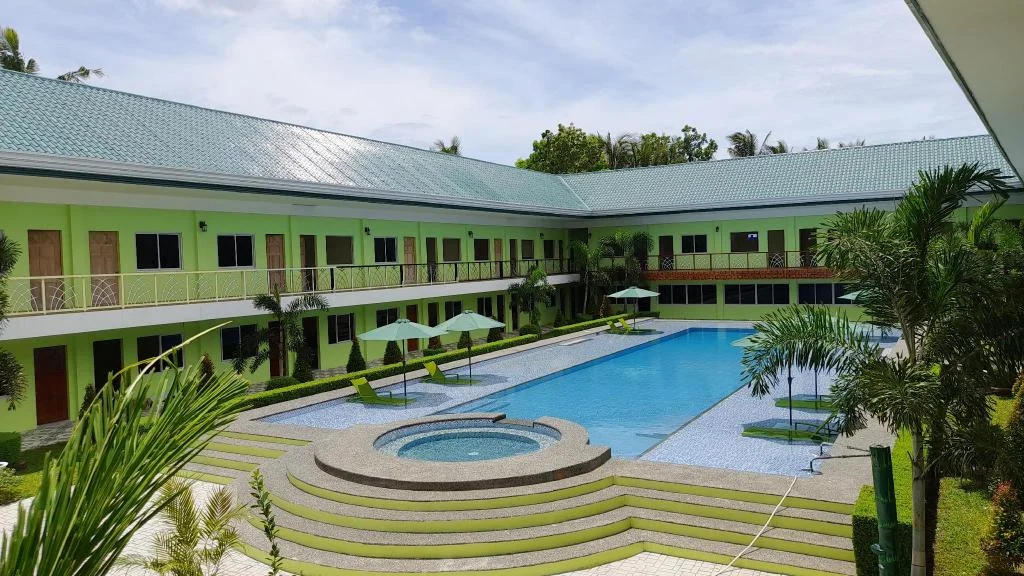
CAMOTES TOURIST INN
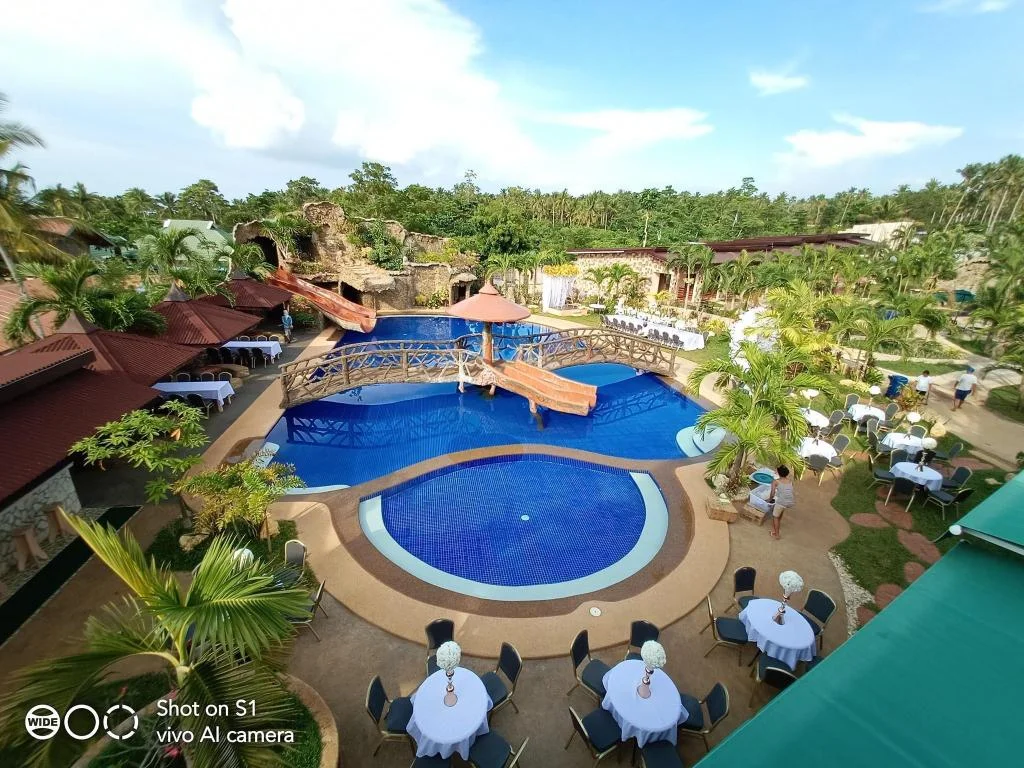
Camotes Island Ocean Heaven Resort
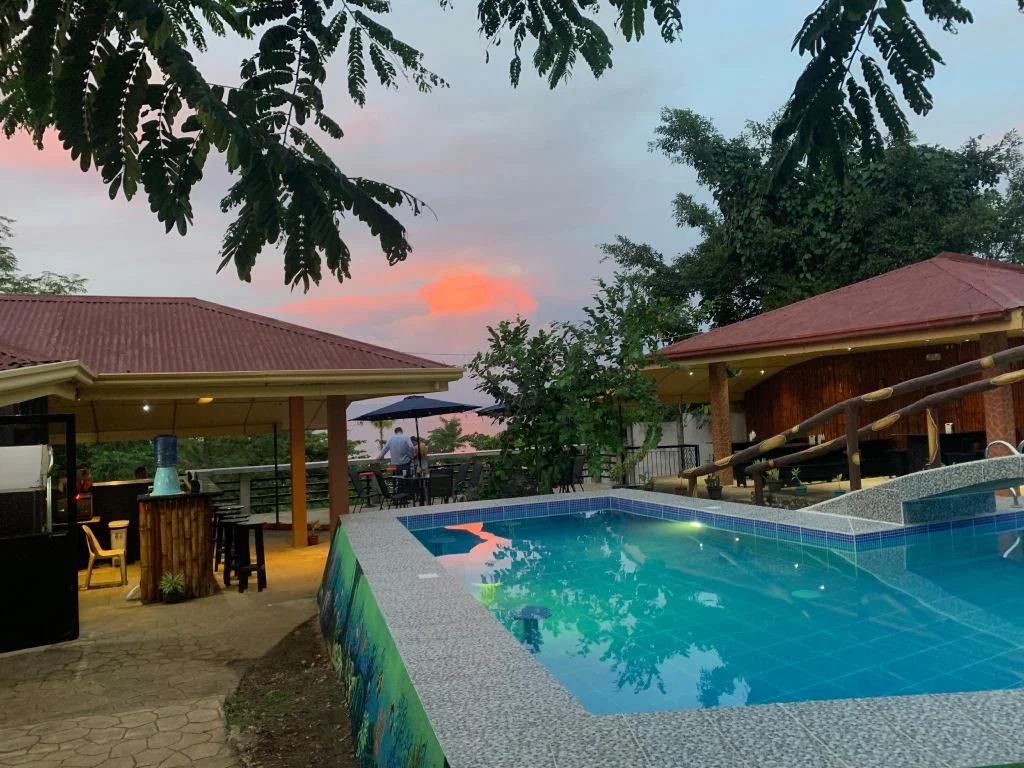
Villa Marquez
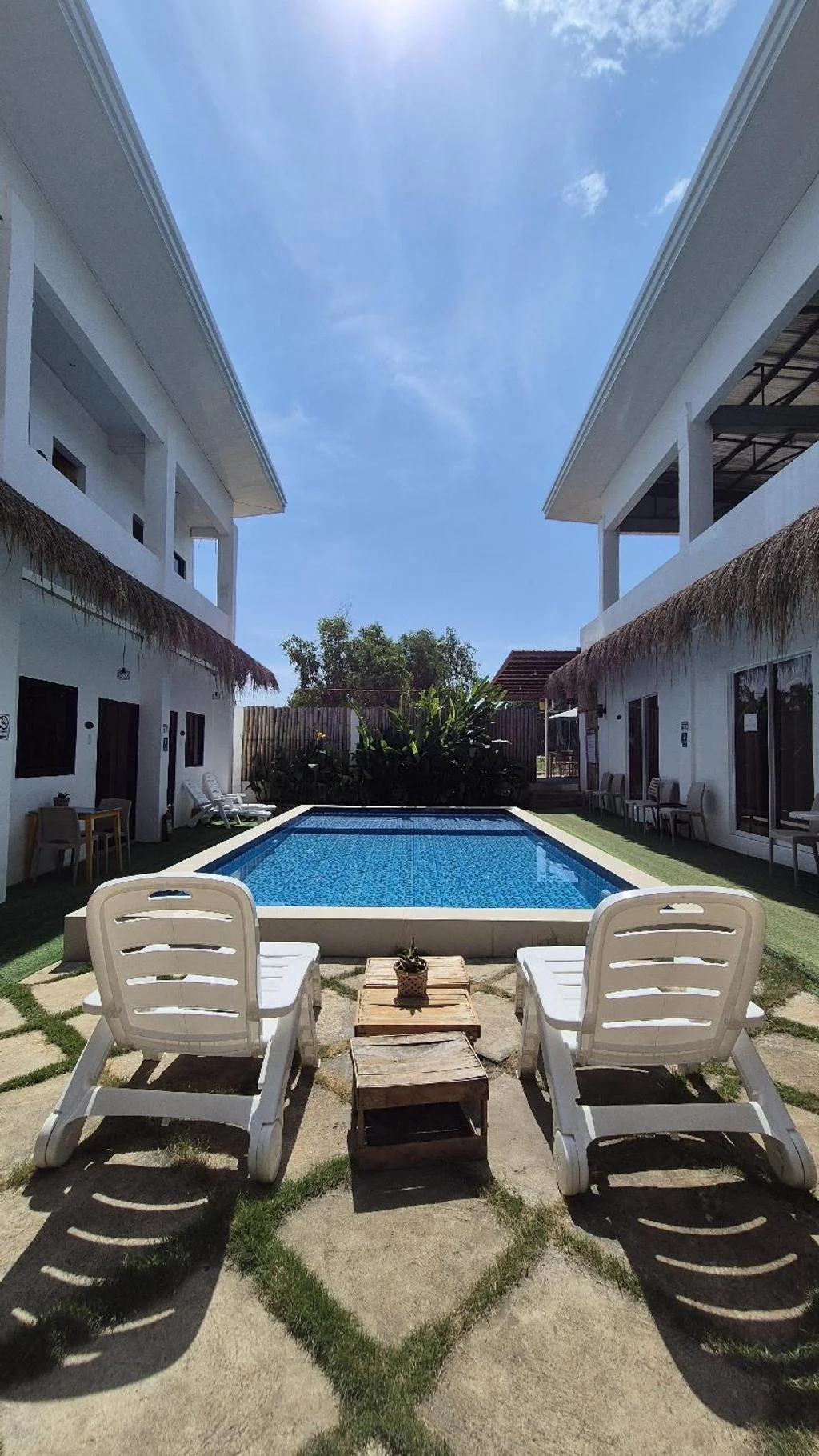
Camotes Backpackers Hostel
Prefer a rental? Vacation rentals near San Francisco
Self-catering condos and apartments — book the exact unit, kitchen included.
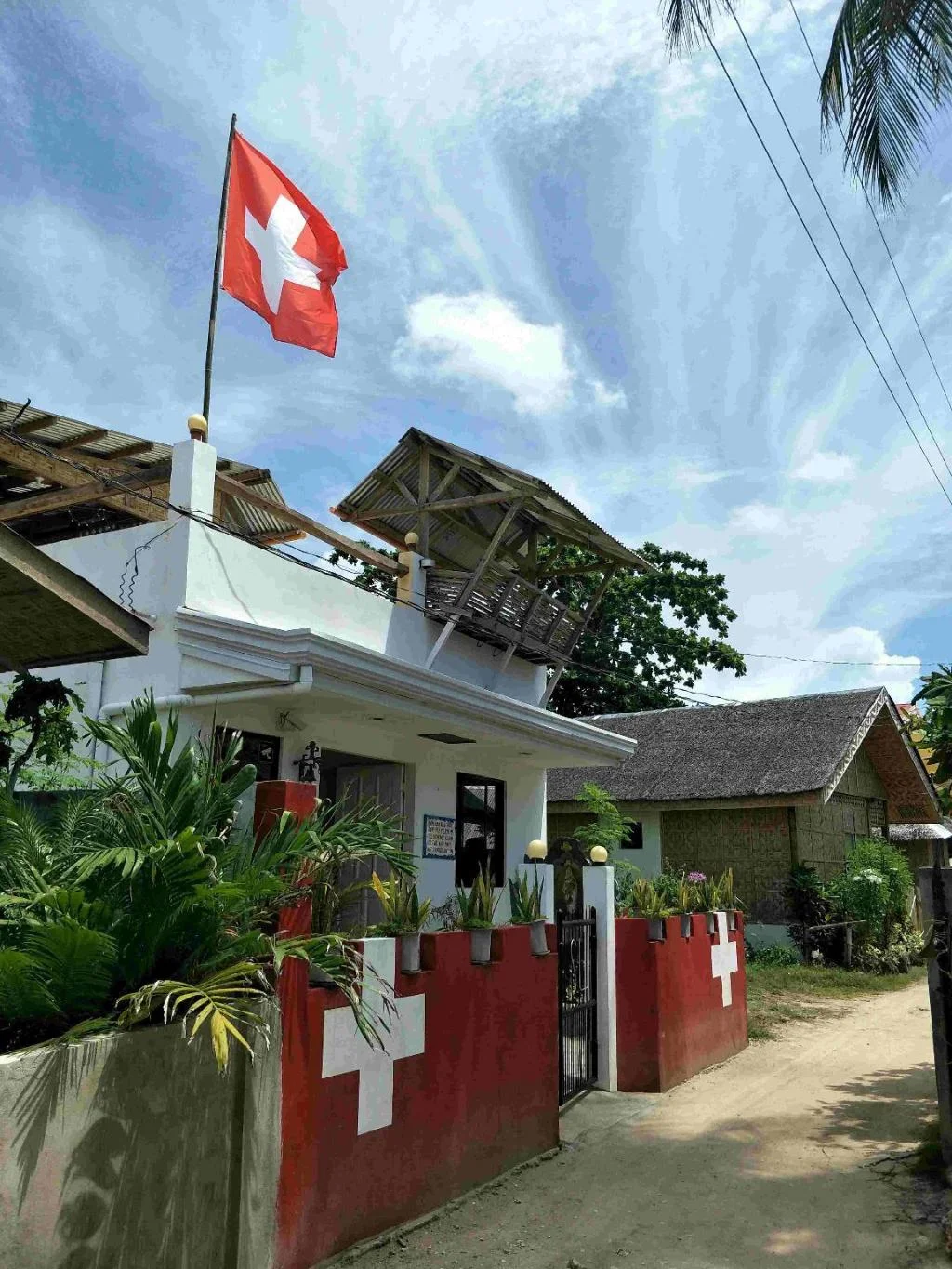
Swisslagoon Restaurant and Hotel
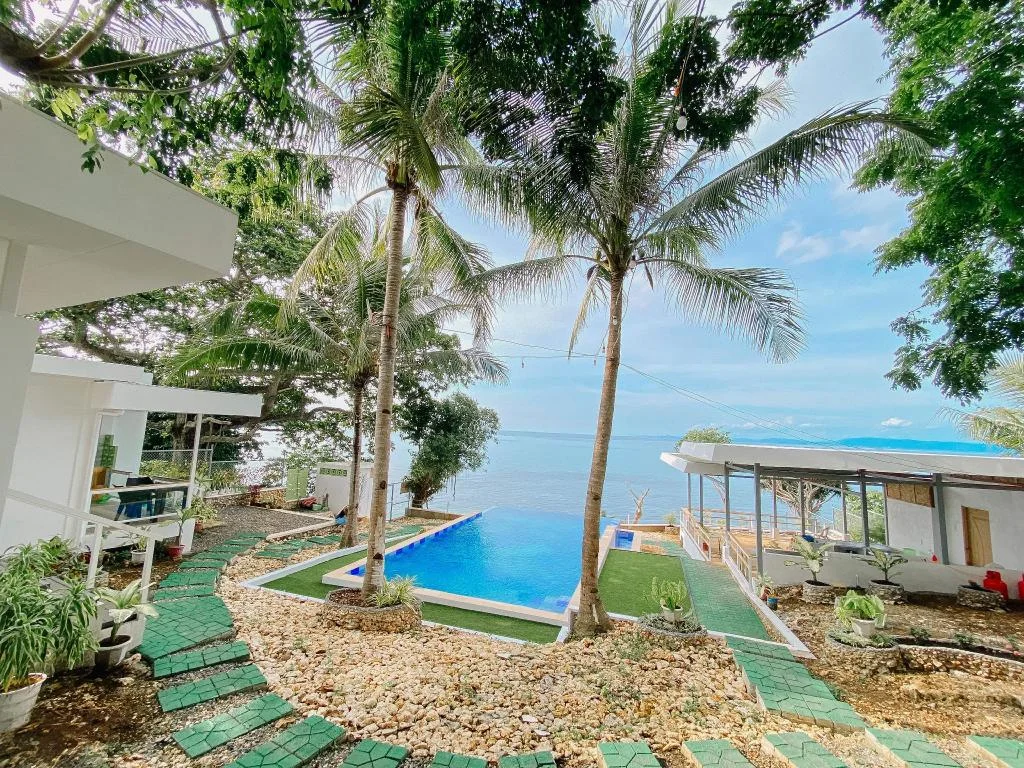
Tulang Diot View Resort and Turtle Haven
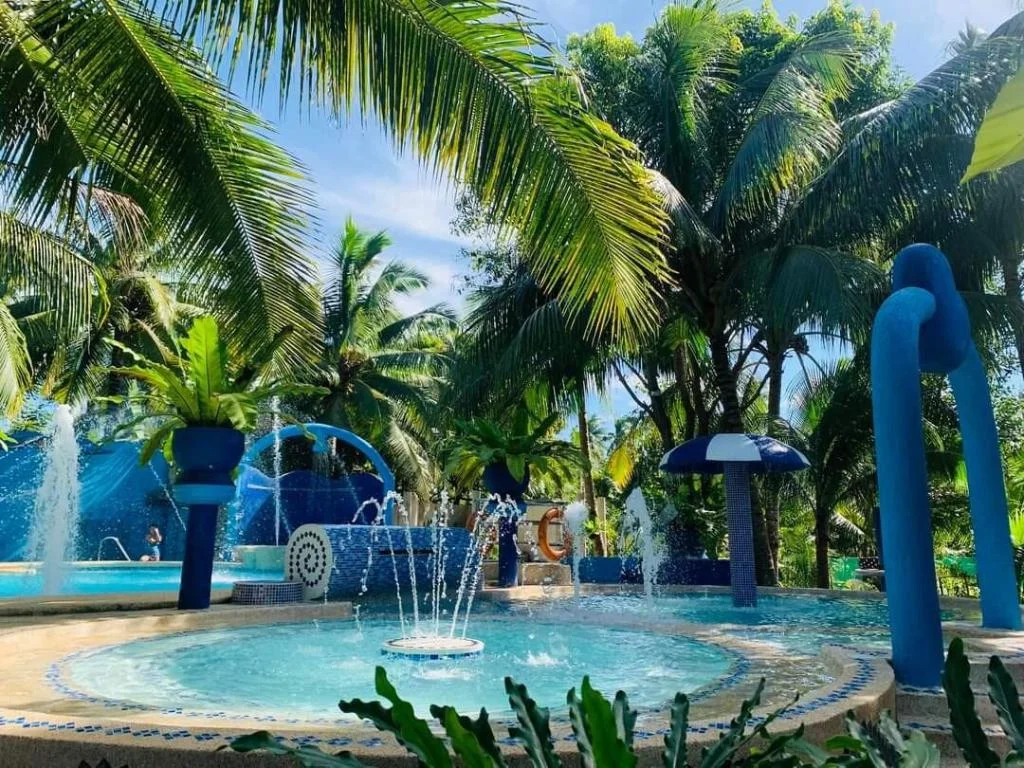
ElAngeliesIslandResort(3mins.fromConsueloPort)R1|3
Before you go
Frequently asked
When is the Soli-Soli Festival 2026 in Camotes?
What is soli-soli, and why does a festival exist for it?
What happens during the Soli-Soli Festival?
Is the Soli-Soli Festival free to attend?
How do you get to San Francisco, Camotes for the festival?
Can you combine Soli-Soli Festival with a Lake Danao visit?
How old is the Soli-Soli Festival?
What's the difference between Soli-Soli Festival and other Camotes town fiestas?
More Places to Explore
Lake Danao Park
San Francisco
The largest natural lake in Central Visayas, developed with cottages, kayaks, and boat tours in the uplands of Pacijan Island.
Parish Church of San Francisco de Asis
San Francisco
San Francisco's 18th-century coral-stone parish church, the municipality's namesake and Spanish-era civic center.
Santiago Bay Beach
San Francisco
San Francisco's signature white-sand beach, famous for a huge shallow sandbar exposed at low tide.