
TL;DR: Carcar’s public market, next to the rotunda, is the best one-stop shop for the town’s native sweets: torta (a lard-and-tuba cake, ₱45-60), ampao (puffed rice bars, ₱30-80), bocarillo (candied coconut strips, ₱20-100), plus bucaros (corn snacks) and masareal (peanut bars), both roughly ₱50-100 a pack. A mixed sampler for one or two people runs about ₱150-400 (US$2.60-6.90); a full pasalubong haul is closer to ₱500-1,000 (US$8.60-17). Everything except torta keeps for 2-3 weeks, so it travels well — pair the stop with Carcar’s lechon and heritage walk rather than making a special trip just for sweets. Verified July 2026.
Carcar gets most of its fame from lechon and chicharon, but the same Carcar Rotunda and Heritage District is also where the town’s native sweets live — a row of market stalls selling torta, ampao, bocarillo, and a handful of kakanin you won’t find bagged up quite the same way anywhere else in Cebu. None of it requires a special detour: it’s the same market where everyone stops for lechon on the way south to Moalboal, Badian, or Oslob, so the sweets are a five-minute add-on rather than a separate trip.
This guide is for anyone who’s already planning a Carcar stop — or a south Cebu day trip that passes through it — and wants to know what’s actually worth buying, what it costs, and what will survive the ride (or flight) home in one piece. It’s not the flashiest food story in Cebu, but it’s an honest, cheap one: most of these sweets cost less than a coffee and pack a lot better than you’d expect.
Carcar Sweets at a Glance
| Sweet | What it is | Typical price |
|---|---|---|
| Torta de Carcar | Dense lard-and-egg-yolk cake, leavened with tuba (coconut wine) | ₱45-60 each (US$0.78-1.03) |
| Ampao | Puffed rice or corn bound in sugar syrup, pressed into discs or bars | ₱30-80 per piece; ₱100-200 per bundle (US$0.52-1.38 / US$1.72-3.45) |
| Bocarillo | Young coconut strips candied in sugar syrup until chewy | ₱20-100 per pack, depending on size (US$0.34-1.72) |
| Bucaros | Crunchy, lightly salted native corn snack | ₱50-100 per pack (US$0.86-1.72) |
| Masareal | Ground roasted peanuts pressed with sugar into dense bars | ₱50-100 per pack (US$0.86-1.72) |
Prices vary by vendor, pack size, and season — treat these as planning ranges and confirm at the stall before buying. Verified July 2026.
What Is Torta de Carcar, Exactly?
Torta is a dense, old-recipe cake made with pork lard, egg yolks, sugar, and tuba (fermented coconut wine) used as the leavening agent instead of baking powder — the classic Visayan trick for getting a rise before commercial baking powder was common. Traditionally it was a fiesta and Christmas bake, sometimes flavored with a touch of anise or studded with raisins.
Here’s the honest part: if you ask most Cebuanos where to get “real” torta, they’ll point you to Argao, about an hour further south, whose version is lighter and more sponge-like, closer to a mamon. Carcar’s torta is a different animal — denser, richer, more shortbread-adjacent — and it’s sold in smaller quantities alongside the lechon and chicharon rather than as the town’s headline product. If torta specifically is your goal, Argao is the destination. If you’re already in Carcar, it’s still worth grabbing a piece to compare, and it’s one of the few sweets here that’s genuinely better fresh than shipped.
What Is Ampao, and Why Do Travelers Like It?
Ampao is puffed rice or corn kernels bound with a light sugar syrup and pressed into thick discs or rectangular bars, sometimes with sesame seeds mixed in. It’s crisp and airy rather than dense or cloying, which makes it one of the easiest Carcar sweets to hand to someone who doesn’t usually go for Filipino kakanin. Sold wrapped in cellophane at the market’s native sweet stalls, it keeps for about two to three weeks at room temperature — long enough to check it in a suitcase without worrying.
What Is Bocarillo?
Bocarillo is young coconut meat sliced into strips and slow-cooked in sugar syrup until it turns chewy, semi-translucent, and intensely sweet. It’s arguably Carcar’s most distinctive sweet, because it’s genuinely hard to find outside the town — most Cebu City bakeries and pasalubong shops don’t stock it. Expect a wide price spread depending on pack size, from small ₱20-30 grab bags near the market entrance to larger ₱100-250 pasalubong bundles meant for gift-giving. If you only try one sweet on this list, make it this one.
What Are Bucaros and Masareal?
Bucaros is a crunchy, lightly salted native corn snack, and masareal is a dense peanut bar made from ground roasted peanuts pressed with sugar — both closer to snacks than desserts, and both largely a Carcar-market thing rather than something sold province-wide. Neither is fragile: they’re dry, sealed in cellophane, and hold up for two to three weeks, which makes them a safer pasalubong bet than anything with fresh coconut or cream in it.
Where Do You Buy Them?
Carcar Public Market, right at the rotunda, is the best single stop — it has the widest selection of native sweets and the lowest prices in town, with stalls clustered near the entrance and the tricycle terminal, in the same aisles where the chicharon and lechon vendors work. The market is open long hours, roughly 5 AM to 10 PM, so it fits around a lechon lunch stop without forcing an early start.
The Pasalubong Food Park along N. Bacalso Avenue is the more convenient option if you’re driving through and don’t want to park and walk the market — it’s a dedicated strip of stalls selling the same sweets plus chicharon and banana chips, aimed squarely at road-trippers heading south. Prices there run a bit higher than the public market, but the trade-off is easier parking and faster in-and-out.
How Do You Choose What to Buy?
If you’re buying to eat that day, prioritize torta — it’s the one item on this list that’s genuinely better fresh and doesn’t reward sitting in a hot car for hours. If you’re buying pasalubong to carry home or check on a flight, lean toward ampao, bocarillo, bucaros, and masareal, all of which are sealed, dry (or syrup-set rather than fresh-cream), and rated for two to three weeks at room temperature. A reasonable mixed sampler for one or two people is a piece or two of each, landing around ₱150-400 total; scale up the bundle sizes if you’re bringing gifts back for a group.
The Honest Take
Carcar’s sweets are good, cheap, and genuinely distinct from what you’ll find elsewhere in Cebu — but don’t build a whole day trip around them. On their own they’re a five-minute market stop, not a destination. The torta, specifically, gets overshadowed by Argao’s version in most “best of Cebu” lists, and that reputation is fair; if torta is the whole reason for your trip, go to Argao instead. Where Carcar earns its spot is as the tail end of a lechon-and-heritage stop: you’re already parked near the rotunda for the pork, the market with the sweet stalls is a two-minute walk away, and the marginal cost of grabbing a few bags of bocarillo and ampao is a few hundred pesos and ten extra minutes. Treat it as a bonus, not the main event.
Round Out the Trip
Pair this stop with the rest of Carcar’s heritage core — the Carcar Rotunda and Heritage District and the Carcar Public Market sit within walking distance of each other, so lechon, chicharon, and the sweets in this guide are all doable in one visit. For the full south-bound itinerary from Cebu City, see our Cebu City to Carcar heritage and lechon guide, and for the rest of the province’s signature bites, check the best local delicacies in Cebu. If you’re driving further south afterward, book a private van with driver so you can stop at the market without worrying about parking.
Sources
- WhyCebu — Carcar Cebu Pasalubong: Price List and What to Buy (2026)
- MyCebu.ph — 5 Carcar delicacies you shouldn’t fail to try
- Alcoy, Cebu official municipal site — Bocarillo, Bukayo, Ampao
- Cebu Insights — Torta: The Delectable Dessert Turned Cultural Symbol
- Market Manila — Argao’s Famous Tortas
- Pricing and vendor details cross-checked against multiple 2025-2026 pasalubong and food-blog sources; ranges reflect real variation between the public market and roadside stalls — confirm at the stall before buying. Verified July 2026.
Book Tours & Hotels for This Trip
Find and book the best deals — prices and availability update in real time. Links open in a new tab.
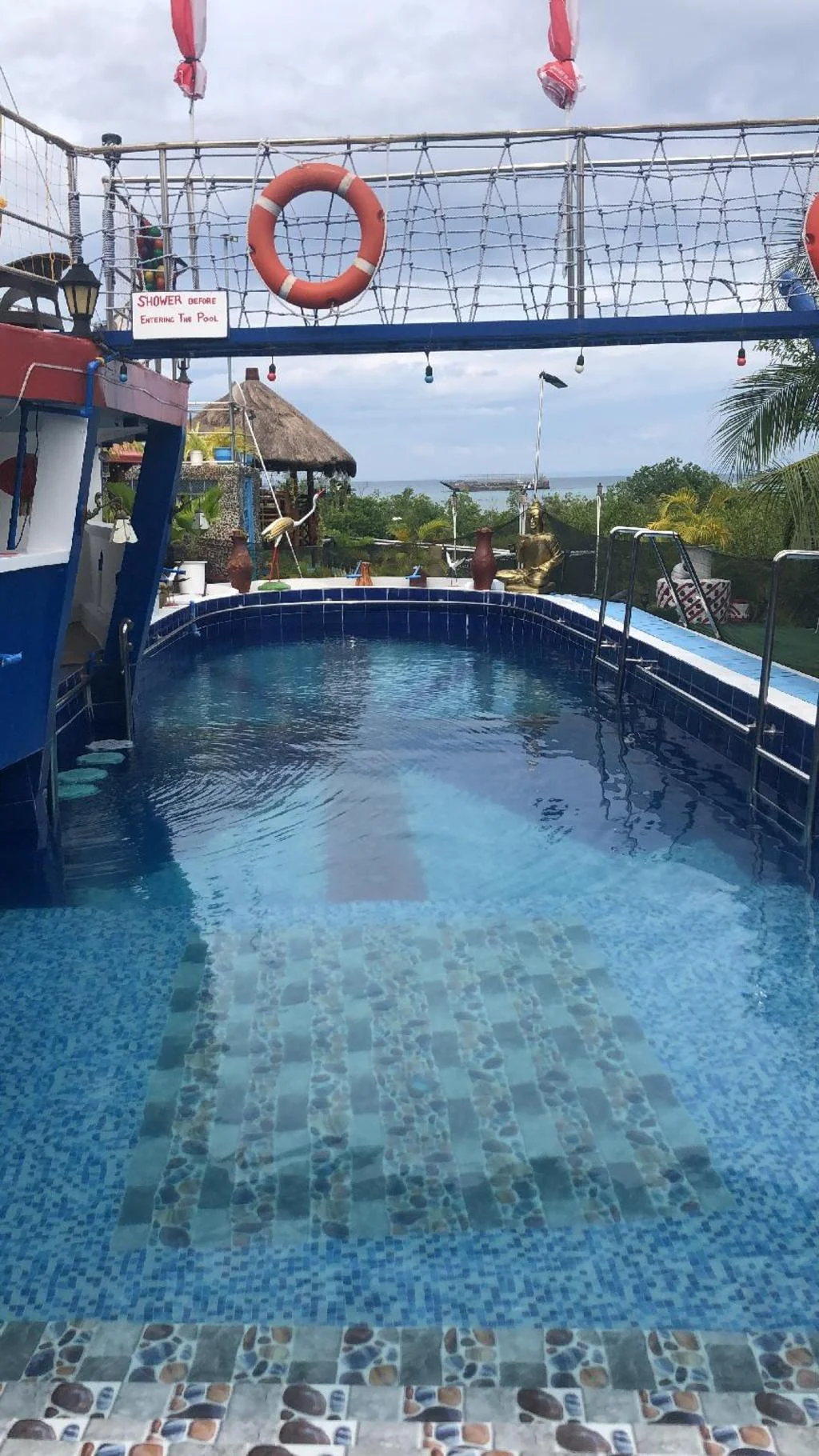
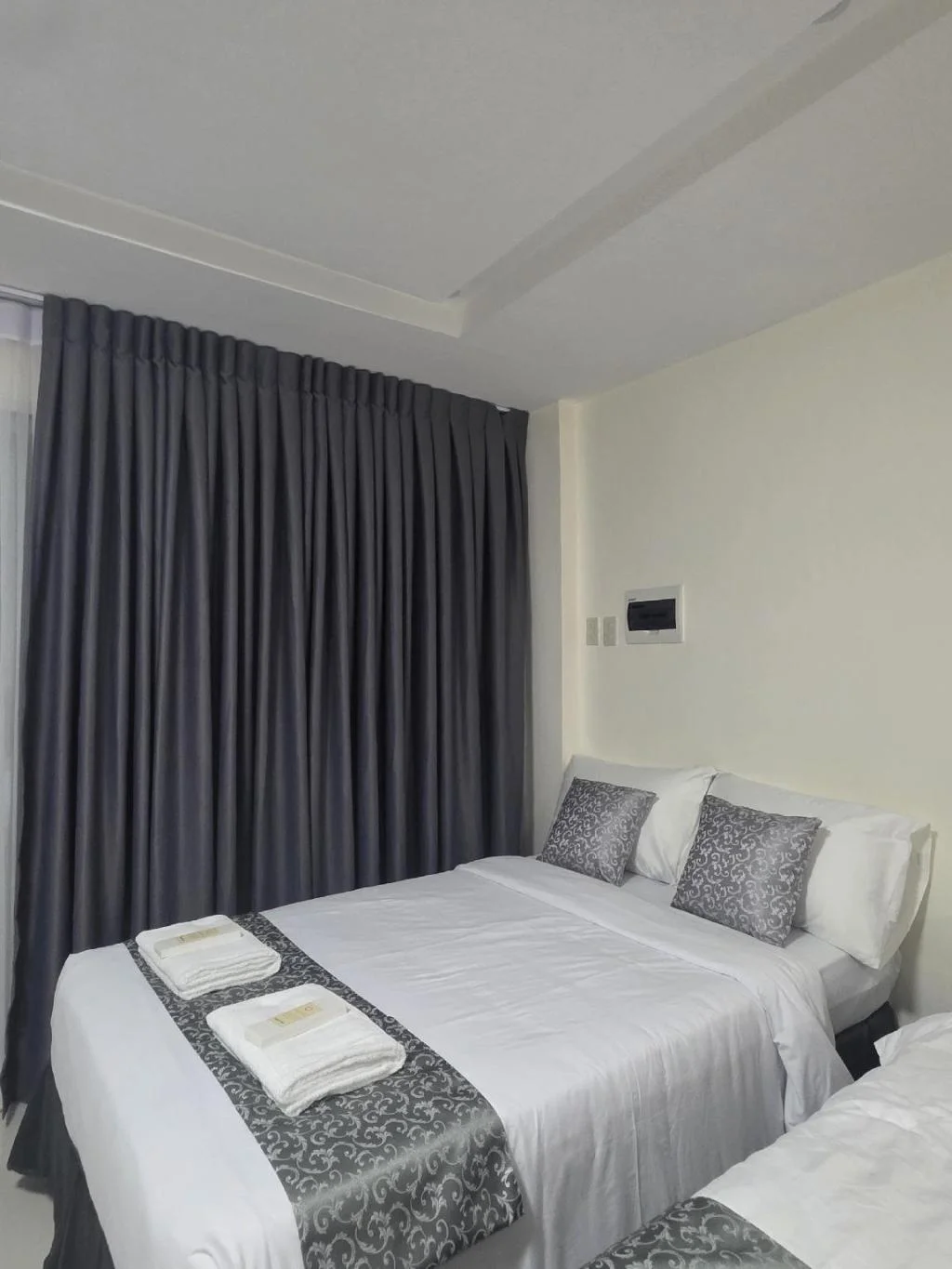
Where to stay near Carcar City
Top-rated hotels for this trip — tap through to check live rates.
Prefer a rental? Vacation rentals near Carcar City
Self-catering condos and apartments — book the exact unit, kitchen included.
Browse all vacation rentals →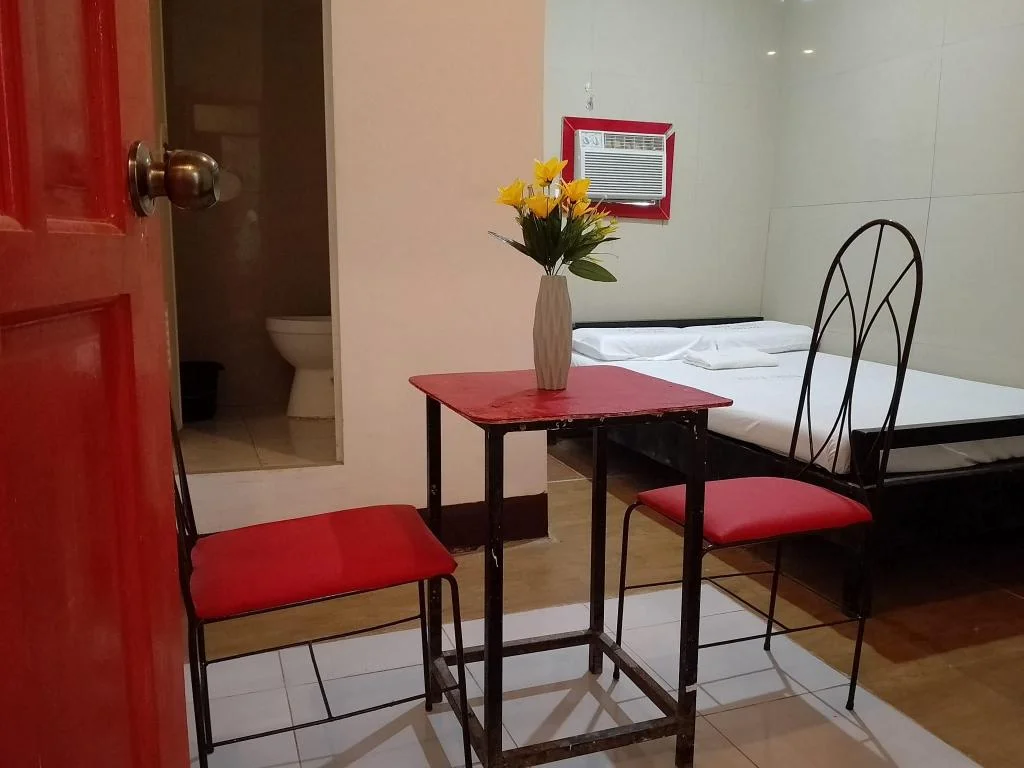
Before you go