
TL;DR: Cebu’s food scene runs from ₱5 puso (hanging rice) to ₱800/kg premium lechon, with the real must-tries being lechon, sutukil, tuslob-buwa, ngohiong, and Carcar chicharon — plus pasalubong sweets like dried mango, masareal, and ampao that beat mall prices by 20–40% at Carbon Market. Budget roughly ₱300–600 (US$5–10) per person for a full day of grazing, more if you sit down for sutukil near Mactan Shrine. Nothing here requires a reservation — just an appetite and a willingness to eat standing up. Verified July 2026.
Cebu eats like a food court that never closes. Ask ten Cebuanos what to try first and you’ll get ten different answers — lechon, sutukil, tuslob-buwa — because the province doesn’t really have one signature dish so much as a whole rotation of them, each tied to a specific neighborhood or town. Some of it you eat standing at a stall with your fingers; some of it you carry home in a box for relatives back in Manila or overseas.
This guide is the eating version of a Cebu itinerary: the foods worth planning around, what they actually cost, and where locals go instead of the tourist-facing version of the same dish. Much of it clusters around downtown food hubs like Carbon Market and Colon Street, so you can knock out several of these in one afternoon. For the wider list of Cebuano dishes beyond this shortlist, see our best Cebuano dishes to try guide — this one focuses on the foods worth building a stop around.
Cebu Delicacies at a Glance
| Delicacy | What It Is | Where to Try | Price |
|---|---|---|---|
| Lechon | Whole roast pig, crackling skin | Carcar, Talisay, CNT, Rico’s | ₱500–800/kg (US$8.60–13.80) |
| Puso | Rice steamed in woven coconut leaf | Everywhere | ₱5–15/pc (US$0.09–0.26) |
| Sutukil | Grilled/soup/kinilaw seafood, cooked to order | Larsian, Mactan Shrine area | ₱200–500/kg (US$3.40–8.60) |
| Ngohiong | Cebuano-Chinese spring roll | Junquera St., Guadalupe | ₱15–22/pc (US$0.26–0.38) |
| Tuslob-buwa | Sizzling pork brain/liver sauce, dipped with puso | Pasil, Sugbo Mercado | ₱180–200 for a shared set (US$3.10–3.45) |
| Budbud kabog | Millet rice cake, wrapped in banana leaf | Taboan Market, Tabogon (origin town) | ~₱20/pack of 4 (US$0.34) |
| Masareal | Peanut-milk-sugar candy bar | Didang’s, Mandaue City | ₱15–30/bar (US$0.26–0.52) |
| Ampao | Puffed rice candy | Carbon Market | ~₱35/pack (US$0.60) |
| Dried mango | Sweet dehydrated mango, 7D/Profood brands | Supermarkets, Taboan Market | ₱150–180/200g pack (US$2.60–3.10) |
| Torta (Argao) | Tuba-leavened egg cake | Chitang’s Torta, Argao | ₱30–50/pc (US$0.52–0.86) |
| Chicharon (Carcar) | Deep-fried pork rind cracklings | Carcar highway strip, Carcar Public Market | ₱150–350/kg (US$2.60–6.05) |
Verified July 2026. Prices vary by vendor and season — confirm locally before you buy.
What Is Lechon, and Where’s the Best in Cebu?
Lechon is whole roast pig, stuffed with lemongrass and spices and roasted over charcoal until the skin cracks like glass — it’s the dish that made Cebu’s food reputation, after Anthony Bourdain famously called Cebu-style lechon “the best pig ever” while eating it in Talisay. Cebu lechon is typically unstuffed with rice (unlike Manila’s version) and seasoned so heavily the meat doesn’t need sauce.
Carcar, about an hour south of Cebu City, is the province’s self-styled “Lechon City” and the place to see it made and sold at scale, alongside the town’s chicharon stalls. In the city itself, CNT Lechon and Rico’s Lechon are the two names visitors ask for — CNT runs roughly ₱600–750/kg (US$10.30–12.90) and Rico’s, known as the pioneer of Cebu’s spicier lechon style, runs roughly ₱650–800/kg (US$11.20–13.80). Mid-range shops around the city price closer to ₱500–650/kg (US$8.60–11.20). For a full shop-by-shop breakdown, see our Cebu lechon guide and our roundup on where to buy the best lechon in Cebu.
What’s Puso (Hanging Rice) and Why Does Every Meal Come With It?
Puso is rice steamed inside a small, hand-woven coconut-leaf pouch — Cebu’s answer to a rice cup, sold everywhere from ₱5 to ₱15 a piece depending on the vendor. It’s less a dish on its own than the default carb that comes with almost everything else on this list: lechon, sutukil, barbecue, and tuslob-buwa are all sold by the puso. Upscale lechon counters charge toward the top of that range; street stalls and market carinderias sell it for less.
The name comes from the Cebuano word for heart, a nod to the woven leaf pouch’s shape. It travels well (the leaf keeps it fresh for hours), which is part of why it became the default grab-and-go rice for laborers and market-goers generations ago. Our dedicated guide to puso covers the weaving styles and regional variations if you want the deeper dive.
Is Sutukil Worth Seeking Out?
Yes — sutukil is Cebu’s build-your-own seafood meal, and it’s worth doing at least once, but where you go changes the price by several multiples. The name is an acronym for sutukil’s three cooking styles: sugba (grilled), tula (soup), and kilaw (raw fish cured in vinegar). You pick your seafood live or fresh off the ice, choose how it’s cooked, and it’s prepared while you wait.
Larsian, near Fuente Osmeña in Cebu City, is the classic no-frills version — a grill market where a takeaway portion runs roughly ₱300–500/kg (US$5.20–8.60), or a full sit-down platter for around ₱200–300 (US$3.40–5.20). The sutukil restaurants clustered near Mactan Shrine cater heavily to tour groups, and prices there can run several times higher — some travelers report group sets priced around ₱3,500 (US$60), versus a whole grilled lapu-lapu, kinilaw, and soup for under ₱400 (US$6.90) at the more local fishing-village stalls nearby. Always ask for the per-kilo or per-gram price before the seafood goes on the scale. Our sutukil explainer breaks down both areas in more detail.
What’s Ngohiong, and Where Do Locals Actually Get It?
Ngohiong is Cebu’s Chinese-Filipino spring roll — ground pork and vegetables wrapped in bean curd skin, deep-fried, and sliced into rounds with a sweet-and-sour dip on the side. It’s a legacy of Cebu’s old Chinese merchant families and is distinct from the Manila-style lumpia most visitors already know.
Prices have crept up in the past few years, from around ₱9 a piece historically to roughly ₱15–22 a piece now (US$0.26–0.38) depending on the stall. Chinese Ngohiong on Junquera Street is the name most Cebuanos point to first, and Doming’s Ngohiong in Guadalupe — a home-based operation running since the 1960s — routinely sells out by early afternoon, so go before lunch if you want it fresh.
What Is Tuslob-Buwa, and Is It Safe to Try?
Tuslob-buwa is pork brain and liver sautéed with garlic, shrimp paste, and chili into a thick, sizzling sauce you dip puso into straight from the pan — the name literally means “dip in bubbles.” It originated in the Pasil market district and has since spread to food parks across the city.
It’s generally safe if you eat it where turnover is fast and the pan is visibly hot and moving — a stall that’s been sitting cold for hours is the one to skip, same as with any organ-meat dish. Queen’s Tuslob Buwa at IT Sugbo Sentro sells an “unli buwa” set (unlimited sauce with 10 pieces of puso) for around ₱180 (US$3.10); Big Brain on V. Rama Avenue runs a similar shared meal for two around ₱200 (US$3.45). It’s rich, salty, and not for a squeamish stomach — but it’s one of the few dishes on this list you genuinely can’t get outside Cebu.
What Are Cebu’s Best Pasalubong Sweets?
If you’re bringing food home as pasalubong (gifts for family and coworkers), these four show up in every suitcase leaving Mactan-Cebu airport:
- Dried mango — Cebu’s best-known export snack, made by brands like 7D and Profood, running roughly ₱150–180 for a 200g pack (US$2.60–3.10). Supermarkets carry it in dedicated “Filipiniana” sections, but Taboan Public Market is the budget option and where locals actually shop for it. See our dried mango buying guide for brand-by-brand notes.
- Masareal — a dense peanut, milk, and sugar candy bar that originated in Mandaue City. Didang’s, on Labongon Road in Mandaue, is the best-known maker; individual bars run ₱15–30 (US$0.26–0.52) depending on size.
- Ampao — puffed rice candy bound with caramelized sugar, sold in small packs for around ₱35 (US$0.60). Carbon Market is the cheapest and most reliable source.
- Budbud kabog — a millet-based rice cake wrapped in banana leaf, traditionally from the northern town of Tabogon, usually paired with a cup of tablea (native hot chocolate). A pack of four rolls runs around ₱20 (US$0.34) at source; it’s pricier than ordinary rice-based budbud because kabog millet itself costs more than rice.
Carbon Market and Taboan Market together typically beat mall pasalubong-counter prices by 20–40% on all four. Our full pasalubong buying guide and Carbon Market food guide go deeper on both markets stall by stall.
What Makes Argao’s Torta and Carcar’s Chicharon Worth the Day Trip?
Both are heritage-town specialties best eaten where they’re made, about an hour to 75 minutes south of Cebu City.
Torta de Argao is a dense, custardy cake from the heritage town of Argao, distinguished from ordinary tortas by being leavened with tuba (fermented coconut wine) instead of yeast — it’s what gives it a faint tang under the sweetness. Chitang’s Torta, on Abear Street in Argao, is the best-known commercial maker; older pricing put a single piece around ₱30–35, with current prices likely a bit higher, so confirm at the shop. Our Argao guide covers the town’s other heritage sights if you’re making a day of it.
Chicharon in Carcar is a different animal from the small bagged chicharon sold at Manila convenience stores — thick-cut, deep-fried pork rind sold fresh off the pan along the town’s highway strip, at roughly ₱150–350/kg (US$2.60–6.05) depending on cut and thickness. The Carcar Public Market, just off the highway, usually runs 10–15% cheaper than the roadside stalls selling the same product, and buying five or more packs often gets you a negotiated discount. See our Carcar city guide for the full heritage-district itinerary that pairs naturally with a chicharon and lechon run.
How Do You Eat Your Way Through Cebu Without Overpaying?
Stick to markets and neighborhood stalls over tourist-zone restaurants, and always ask the price before the food is weighed or served. A few rules of thumb:
- Ask “magkano” (how much) before ordering, especially for anything sold by weight — sutukil and lechon are the two dishes most likely to surprise you with the bill.
- Markets beat malls. Carbon Market and Taboan Market consistently undercut supermarket pasalubong sections by 20–40% on the same branded products.
- Eat where the turnover is fast. This matters most for tuslob-buwa and any seafood — a busy stall with a moving line is safer and usually fresher than an empty one.
- Bring small bills. Street food vendors and market stalls rarely have change for a ₱1,000 note.
- Pair a food stop with a heritage stop. Colon Street, Carbon Market, Carcar, and Argao are all worth walking around for their own sake, not just the food.
The Honest Take
Not everything on this list is for everyone. Tuslob-buwa and sutukil’s kilaw component (raw fish) put off some travelers who’d rather stick to grilled meat — that’s a reasonable line to draw, and nobody’s going to judge you for skipping the brain sauce. Lechon, meanwhile, is genuinely worth the hype, but it’s also the dish most likely to be marked up for tourists near Mactan resort areas; you’ll do better ordering it from a Carcar or Talisay counter than a hotel buffet.
The other honest note: this is heavy, salty, fried food, day after day. If you’re here more than a few days, break it up — a plate of kinilaw or a fresh mango isn’t just lighter, it’s arguably the more genuinely Cebuano choice than another round of lechon. And skip the pasalubong sweets from anywhere inside the airport itself; the markup over Carbon Market or Taboan prices is real and avoidable if you buy a day or two before your flight.
Try It With a Guide, or on Your Own
Most of this you can do solo with a jeepney fare and an appetite — lechon counters and puso are everywhere, and a single stop at Carbon Market covers most of the pasalubong list. If you’d rather have someone walk you through the hole-in-the-wall spots (tuslob-buwa stalls in Pasil aren’t always easy to find on your own), browse Cebu food tours on Klook or check food and market tours on GetYourGuide.
For where to base yourself while you eat your way around downtown, compare Cebu City hotels on Agoda — staying near Colon Street or Fuente Osmeña puts Carbon Market, Larsian, and most of the ngohiong and tuslob-buwa spots within a short ride. Pair this list with our Cebu street food guide and Sugbo Mercado night market guide for the rest of the city’s food scene, or read Cebu for foodies for a longer eating-focused itinerary.
Sources
- Rico’s Lechon — official price list
- WhyCebu — Best Lechon in Cebu, 2026 prices
- WhyCebu — Carcar Cebu Pasalubong price list
- WhyCebu — Where to Buy Dried Mangoes in Cebu
- Sugbo.ph — Cebu’s ngohiong spots
- Island Seeker — Tuslob Buwa
- Prices for lechon, chicharon, torta, masareal, ampao, and dried mango cross-checked against vendor listings and 2025–2026 traveler reporting. Confirm current pricing locally. Verified July 2026.
Book Tours & Hotels for This Trip
Find and book the best deals — prices and availability update in real time. Links open in a new tab.
Where to stay near Cebu City
Top-rated hotels for this trip — tap through to check live rates.
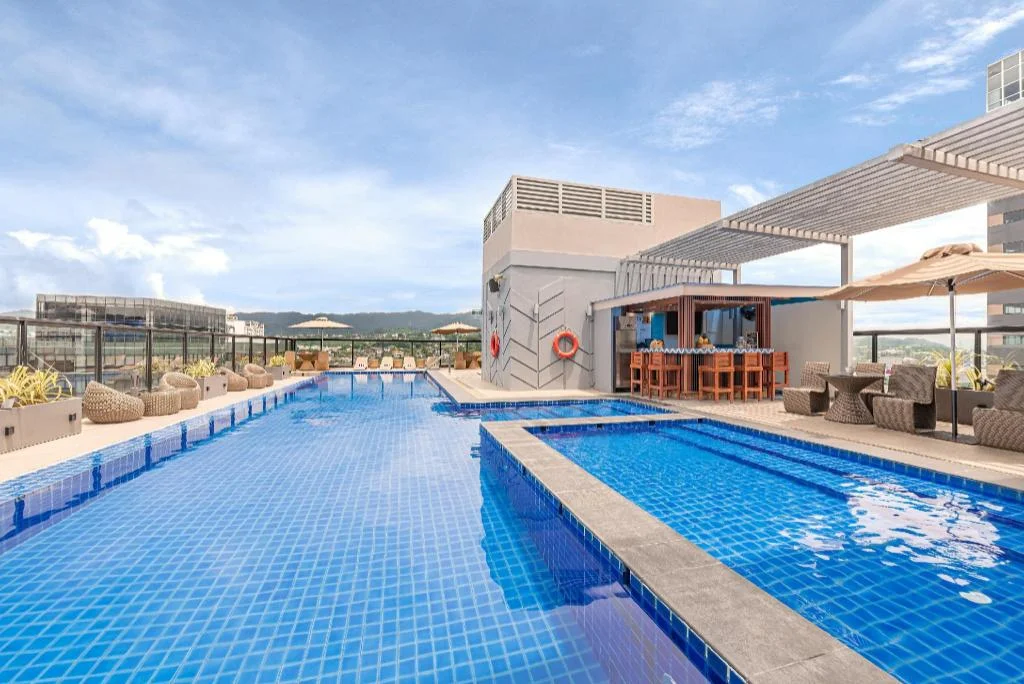
Seda Central Bloc Cebu City
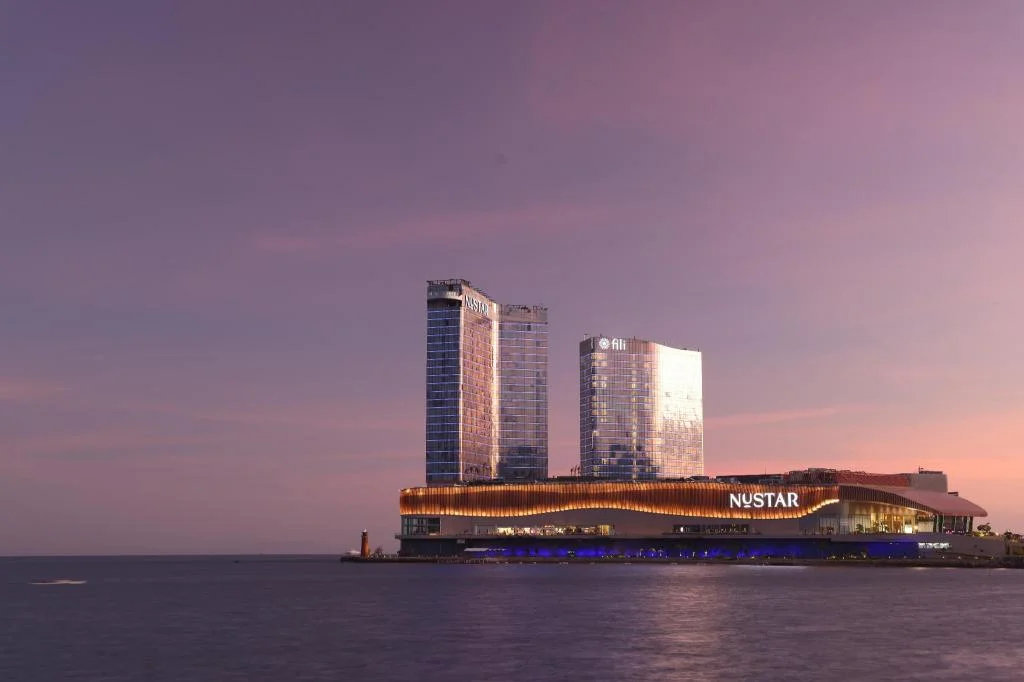
Fili Hotel - NUSTAR Resort & Casino Cebu
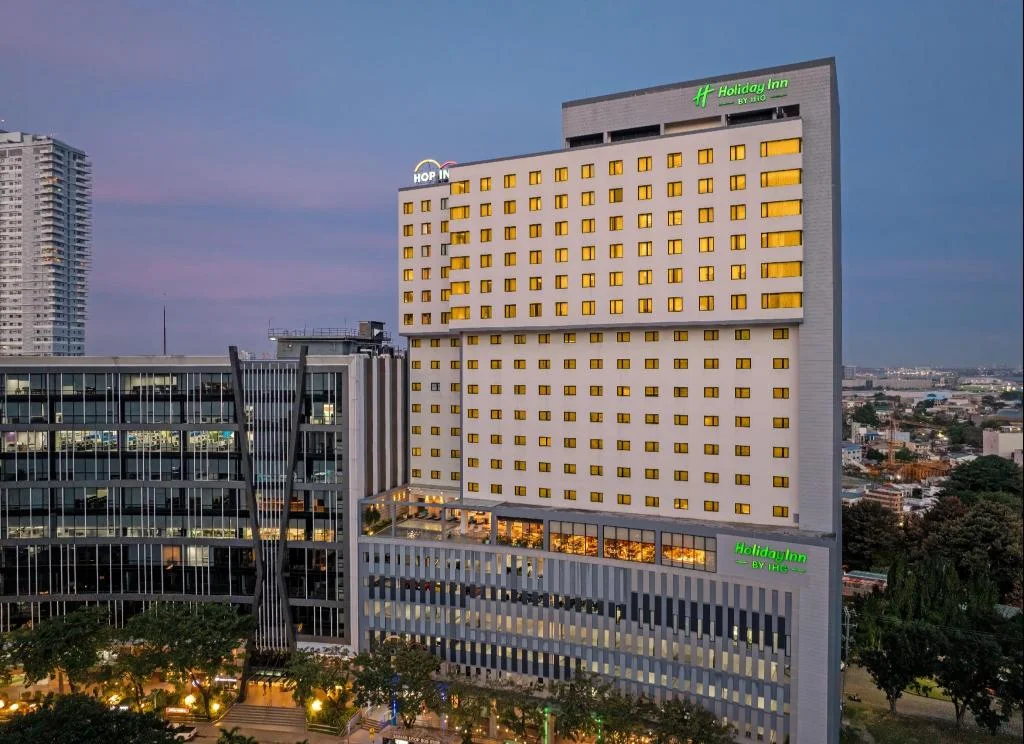
Holiday Inn Cebu City By IHG
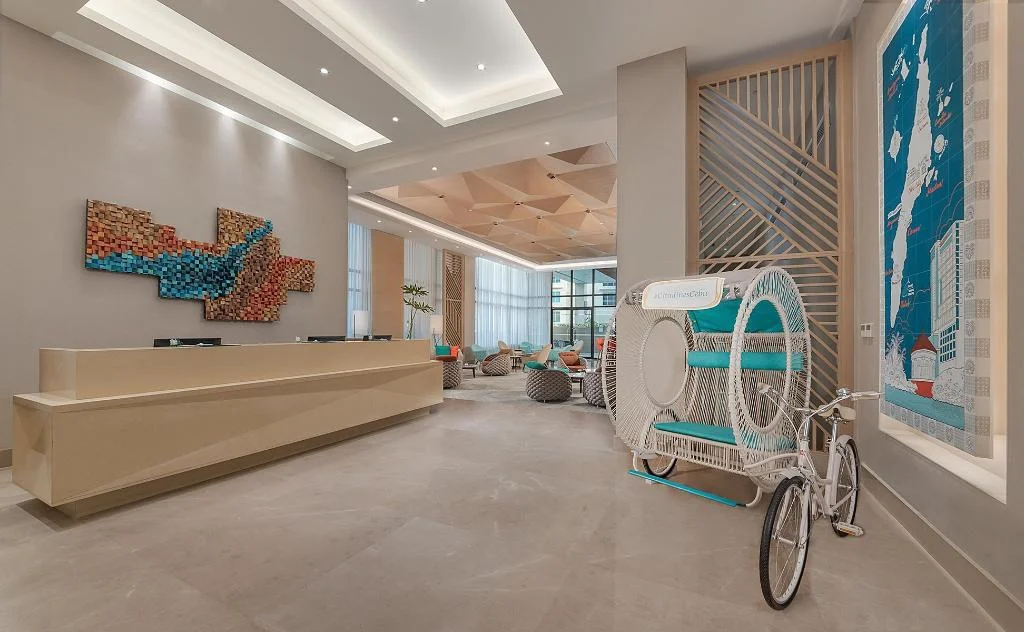
Citadines Cebu City
Prefer a rental? Vacation rentals near Cebu City
Self-catering condos and apartments — book the exact unit, kitchen included.
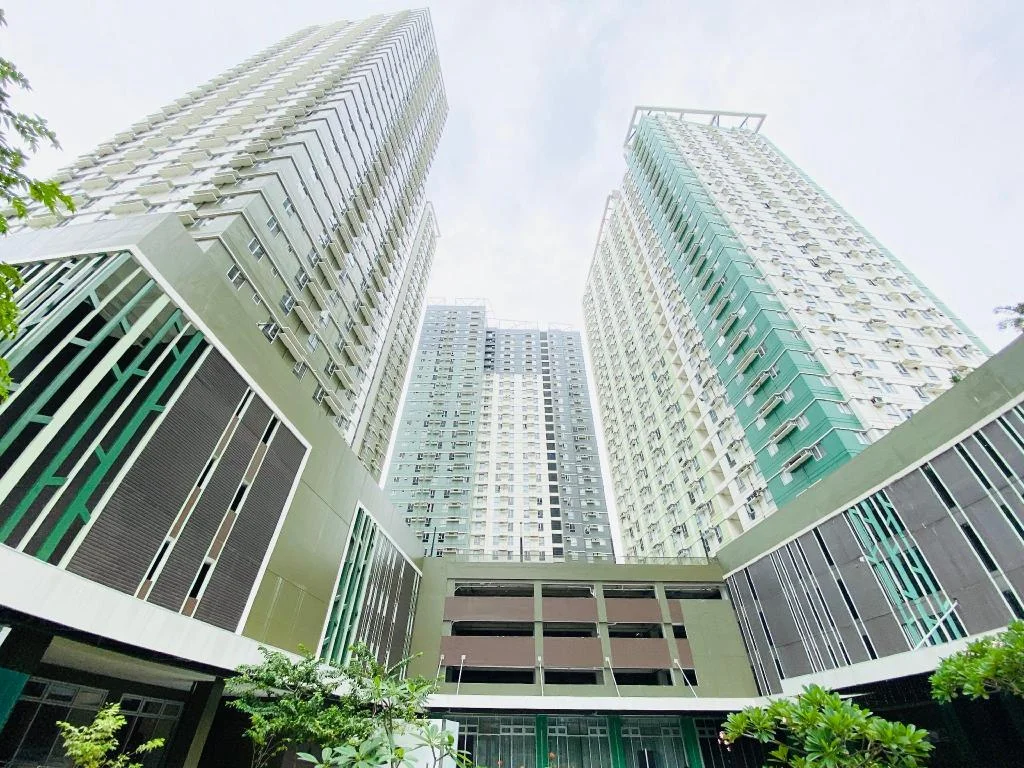
Cebu Avida Riala by P&J
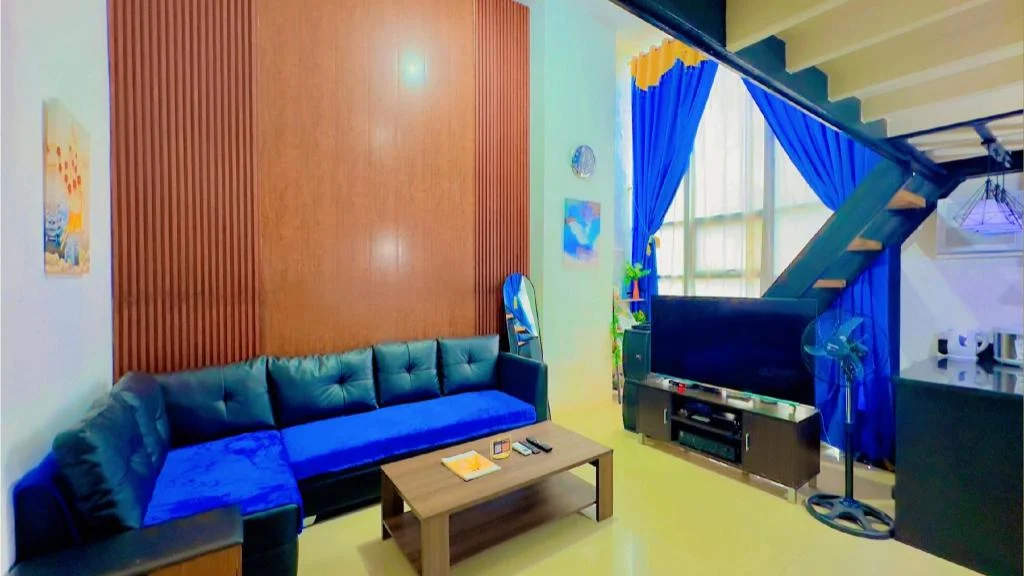
Special Big Loft Unit w/Fibreop Internet & Netflix
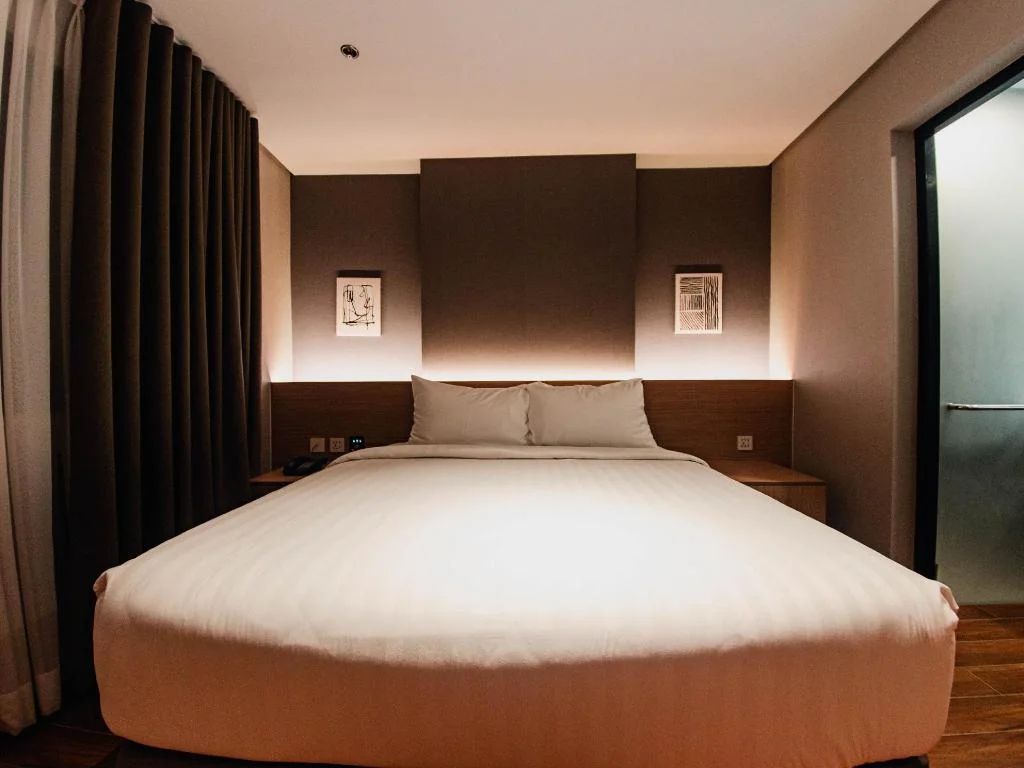
Moonstar Cebu Hotel - Deluxe Room
Before you go
Frequently asked
What is the most famous Cebu delicacy?
Is tuslob-buwa safe for tourists to eat?
What is puso and why is it served everywhere?
Where can I buy authentic chicharon in Carcar?
What's the difference between sutukil at Larsian and at Mactan?
What is torta de Argao and where do I try it?
What sweets should I bring home as pasalubong?
Do I need a food tour to try all of this, or can I do it myself?
More Places to Explore
Colon Street
Cebu City
The oldest street in the Philippines, a historic commercial thoroughfare that has been Cebu's trading center since Spanish colonial times.
Carbon Market
Cebu City
Cebu's oldest and largest market (since 1909), offering an authentic local shopping experience with fresh produce, seafood, and traditional goods.