
TL;DR: Cebu’s dried mango runs from roughly ₱600–900/kg (US$10–16) for loose, bargained mango at Carbon Market up to ₱1,200–1,800/kg (US$21–31) at a supermarket — and the airport marks the same pack up 30–50% on top of that. 7D and Philippine Brand/Cebu Brand are the two names to trust; buy sealed, labeled packs (not loose bags) if you’re flying somewhere with strict customs. Best move: grab a couple of packs at Taboan Market or a supermarket in the city, skip the airport entirely. Verified July 2026.
Dried mango is the pasalubong every visitor to Cebu ends up carrying home, and for good reason — it’s made from real Carabao mango, the small, intensely sweet variety the Philippines is known for, and it travels far better than fresh fruit ever could. But the price for the same pack can swing by 3x depending on where you buy it, and not every “dried mango” on a market table is what it claims to be. This guide breaks down the real brands, the real prices as of mid-2026, and exactly where in Cebu City to go — from the bargain stalls at Carbon Market near Colon Street to the factory outlet in Mandaue — so you don’t overpay or end up with a bag of mystery fruit at the airport.
Where to Buy: Price Comparison at a Glance
| Source | Price per kilo (approx.) | US$ equiv. | Notes |
|---|---|---|---|
| Carbon Market (loose, bargained) | ₱600–900 | US$10–16 | Cheapest, but unbranded — bargain hard, inspect before buying |
| Taboan Public Market | ₱900–1,300 | US$16–22 | Sealed, branded packs sold alongside dried fish; best price-to-reliability ratio |
| 7D Factory Outlet (Mandaue) | ₱900–1,400 | US$16–24 | Bulk discounts, outlet-only items like mango bites and purée |
| Supermarket (SM, Robinsons, Metro) | ₱1,200–1,800 | US$21–31 | Fixed prices, no bargaining, easy last-minute stop |
| Mactan-Cebu Airport (T1/T2) | ₱2,500–4,000 | US$43–69 | 30–50%+ markup over city prices — buy here only if you have no other option |
Ranges are approximate and based on July 2026 pricing reports; individual pack sizes and brands vary, so check the printed price before buying. Verified July 2026.
What’s the Difference Between 7D, Philippine Brand, and Cebu Best?
The two brands you’ll actually see on shelves across Cebu are 7D and Philippine Brand (also sold locally as Cebu Brand, both made by Profood International, one of the province’s largest processors). Both use real Carabao mango and have been exporting out of Cebu for decades — 7D since the 1970s.
7D tends to be chewier, a touch tangier, and less heavily sweetened, and it’s the brand most visitors recognize from souvenir stands abroad. Philippine Brand / Cebu Brand is generally softer and sweeter, closer to candied fruit in texture. Neither is objectively “better” — it comes down to preference, so buy a small pack of each before committing to a kilo. You’ll also see smaller local names like Cebu Best and Guadalupe Dried Mangoes at specialty pasalubong shops; these lean more artisanal and pricier, and are worth trying if you want something beyond the two big commercial brands.
Whatever you buy, check the label for added sugar and preservatives — some cheaper packs cut with squash or use a lot of corn syrup to bulk out the fruit. A shorter ingredient list is generally the better sign.
Where Can You Buy Dried Mango the Cheapest in Cebu?
Carbon Market has the lowest prices, but Taboan Market has the best balance of price and reliability. Both sit in the same downtown pocket near Colon Street, the oldest street in the country, so you can hit both in one trip.
At Carbon Market, loose dried mango sold by weight can run as low as ₱600–900 a kilo if you bargain — but quality is uneven, and a few stalls have been called out for mixing in lower-grade or non-mango fruit to bulk out the bags. Buy from a stall other travelers or your hotel recommend, taste a sample if offered, and don’t be shy about walking away if the price or the product looks off.
Taboan Public Market is really a dried-goods market best known for its dried fish (danggit), but most of its mango vendors sell sealed, branded packs rather than loose bags, which makes it easier to know what you’re actually getting. Expect to pay somewhat more than Carbon’s rock-bottom loose prices, but with far less risk.
Malls and supermarkets — SM City Cebu, SM Seaside, Robinsons Fuente, Ayala Center’s Metro supermarket — carry the same 7D and Philippine Brand packs at fixed, non-negotiable prices. It’s the least adventurous option but the easiest if you’re pressed for time or don’t want to haggle.
Is the 7D Factory Outlet Worth Visiting?
Yes, if you’re already near Mandaue City or want the freshest stock and outlet-only items — otherwise it’s a nice-to-have, not a must. The outlet sits on Sacris Road near A.S. Fortuna Street in Mandaue, tucked in a narrow alley (look for the green building with a giant mango on the wall). Prices run below supermarket rates, with bulk discounts on larger orders, and you can pick up items not sold in regular stores, like chocolate-coated mango bites and mango purée for drinks or desserts. Profood also runs its own outlet, the Profood Gallery Giftshoppe, on V. Albano Street in Mandaue, selling the Cebu Brand/Philippine Brand line direct.
Both outlets are functional retail counters, not tourist attractions — go expecting a quick, practical stop, not a factory tour.
Should You Buy at Carcar or Other Local Markets?
If your itinerary already has you heading south to Carcar Public Market for lechon or heritage sights, it’s a reasonable place to pick up dried mango and other local snacks as a side purchase, though it isn’t a dedicated mango destination the way Taboan or Carbon are. Don’t make a special trip to Carcar just for mango — save that stop for when you’re already there for the lechon and the heritage district.
How Much Should You Budget for Pasalubong Mango?
For a typical traveler bringing home 2–3 packs (roughly 400–600g total) for family or coworkers, budget ₱500–1,200 (US$9–21) if you buy in the city, versus ₱1,000–2,400 (US$17–41) for the same haul at the airport. If you’re buying in bulk for a large extended family — a full kilo or more — the per-kilo savings between Carbon Market and the airport (potentially ₱1,900+ per kilo, or US$33) add up fast, so it’s worth the extra 15–20 minutes to buy downtown or at a supermarket before you head to the terminal.
How Do You Pack Dried Mango for the Flight Home?
Buy sealed, commercially packaged mango with a printed ingredient label rather than loose market bags — it’s not just about quality, it also clears customs more easily. US and Australian border rules generally allow commercially packaged dried fruit in checked luggage, but you must declare it on your arrival card; loose or unlabeled bags are more likely to get pulled aside for inspection. Pack mango in your checked bag rather than carry-on if you’re bringing a lot of it (liquid purée counts toward carry-on liquid limits), and keep a spare tote or box handy since bulk buys rarely fit back in their original packaging.
Unopened, sealed packs are shelf-stable for 6–12 months at room temperature — check the printed date — so there’s no rush to eat it all before your flight.
The Honest Take
Dried mango is genuinely one of Cebu’s best pasalubong buys — it’s authentic, it travels well, and it’s something people back home actually want. But the “must buy at the airport because you’ll forget otherwise” instinct costs real money: the same pack marked up 30–50% or more is a bad trade for saving fifteen minutes. Plan one stop into your itinerary, whether that’s a morning at Taboan Market, a supermarket run on your last day, or a detour to the 7D outlet if you’re near Mandaue anyway.
Skip buying loose mango from unfamiliar market stalls if you’re not confident about what you’re tasting — a slightly higher price for a sealed, labeled pack is worth it for both quality and a smoother trip through customs. And don’t overbuy “because it’s cheap” — dried mango in an opened bag doesn’t last forever in Cebu’s humidity, so match your purchase to what you’ll actually eat or give away within a few weeks.
Round Out Your Pasalubong Run
Dried mango is just one stop on a proper pasalubong haul — pair it with Cebu’s other delicacies to bring home like dried danggit and rosquillos, or read the full souvenir and pasalubong shopping guide for gift ideas beyond food. If you want to taste your way through Cebuano dishes before you shop, check the best Cebuano dishes to try, and if markets aren’t your thing, the air-conditioned alternative is covered in Cebu’s best shopping malls.
Want a guided introduction to Cebu City’s markets and food culture before you shop solo? Browse Cebu food and city tours on Klook to see what’s on offer, and if you need a place to stay downtown near Carbon and Taboan for an early market run, compare Cebu City hotels on Agoda.
Sources
- WhyCebu — Where to Buy Dried Mangoes in Cebu (prices, brands, locations)
- WhyCebu — Cebu Pasalubong: What to Buy, Prices & Best Shops
- Cebu Kurassic — 7D Dried Mango Factory Outlet visit report
- 7D Foods — official brand site
- Profood International Corporation — official product pages
- Kultura Filipino — Cebu Brand dried mango retail pricing
- Australian Border Force — food import declarations
- USDA APHIS — traveling with agricultural products
- Prices are approximate and market-sourced; confirm per-pack pricing locally before you buy. Verified July 2026.
Book Tours & Hotels for This Trip
Find and book the best deals — prices and availability update in real time. Links open in a new tab.
Where to stay near Cebu City
Top-rated hotels for this trip — tap through to check live rates.
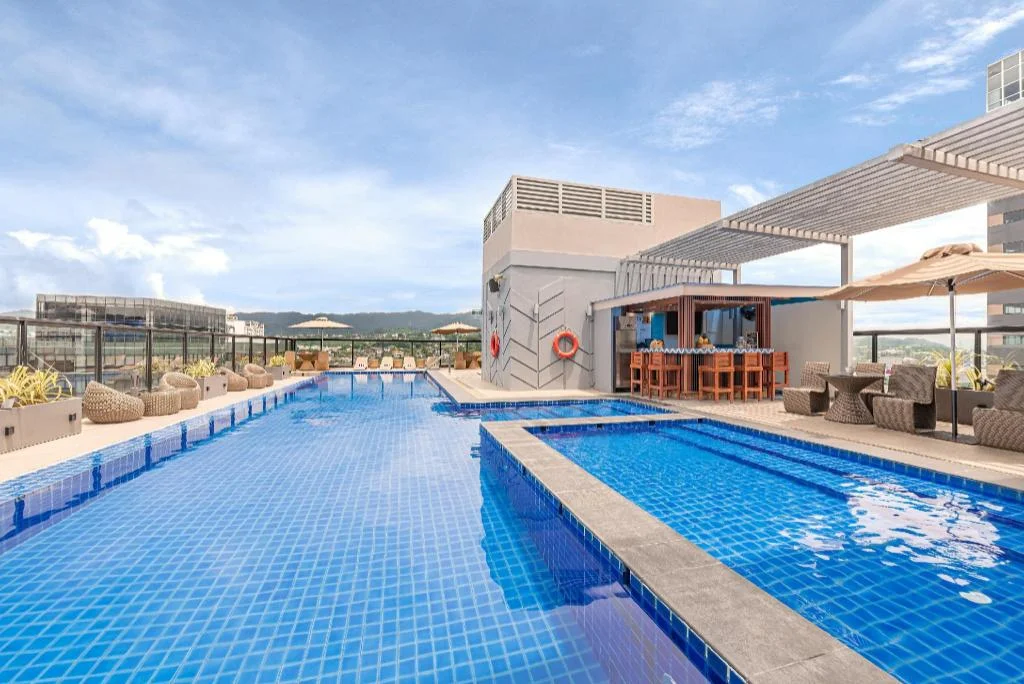
Seda Central Bloc Cebu City
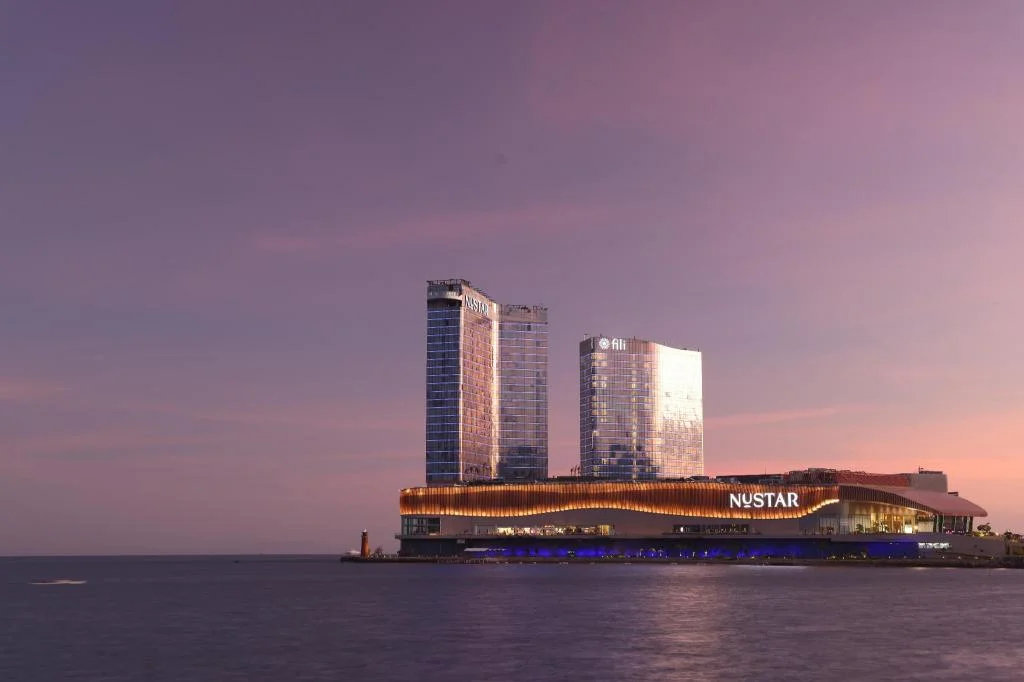
Fili Hotel - NUSTAR Resort & Casino Cebu
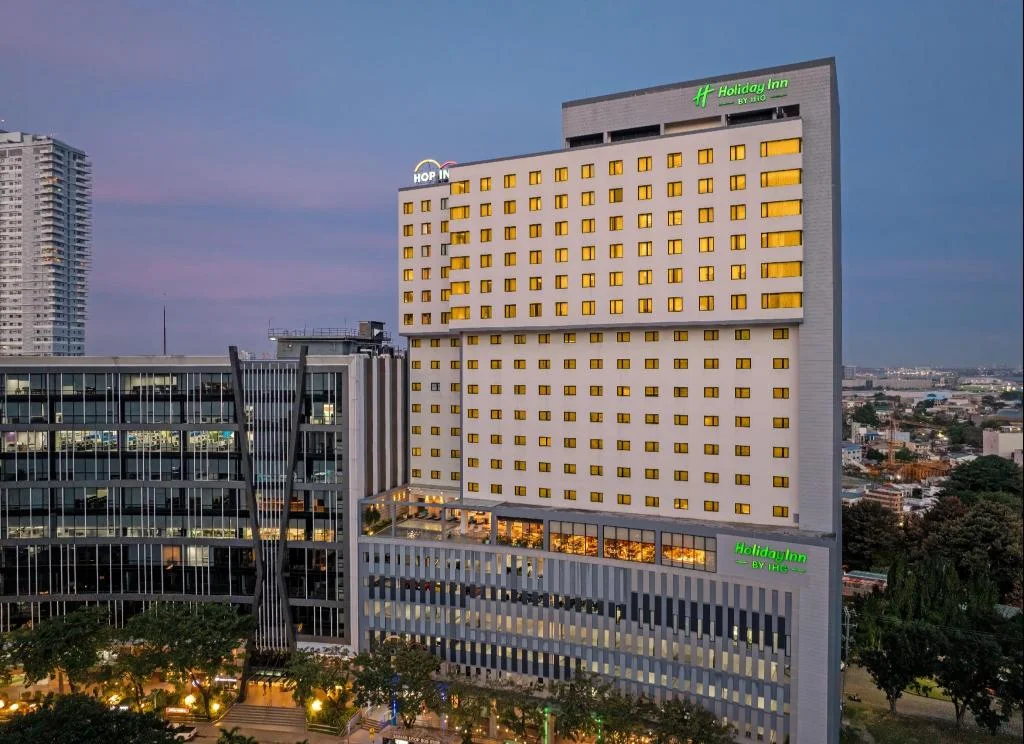
Holiday Inn Cebu City By IHG
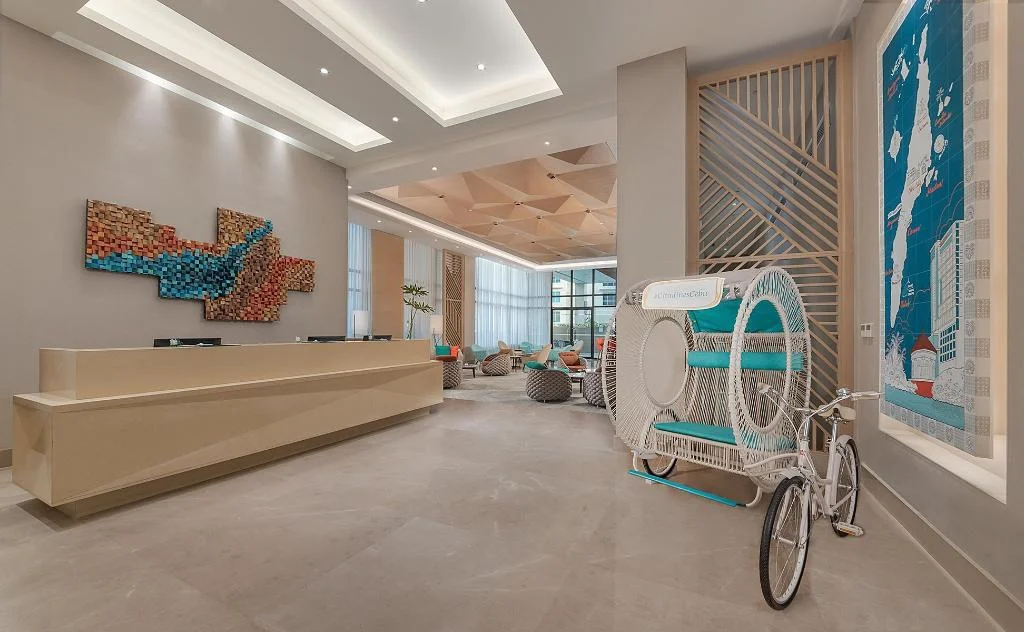
Citadines Cebu City
Prefer a rental? Vacation rentals near Cebu City
Self-catering condos and apartments — book the exact unit, kitchen included.
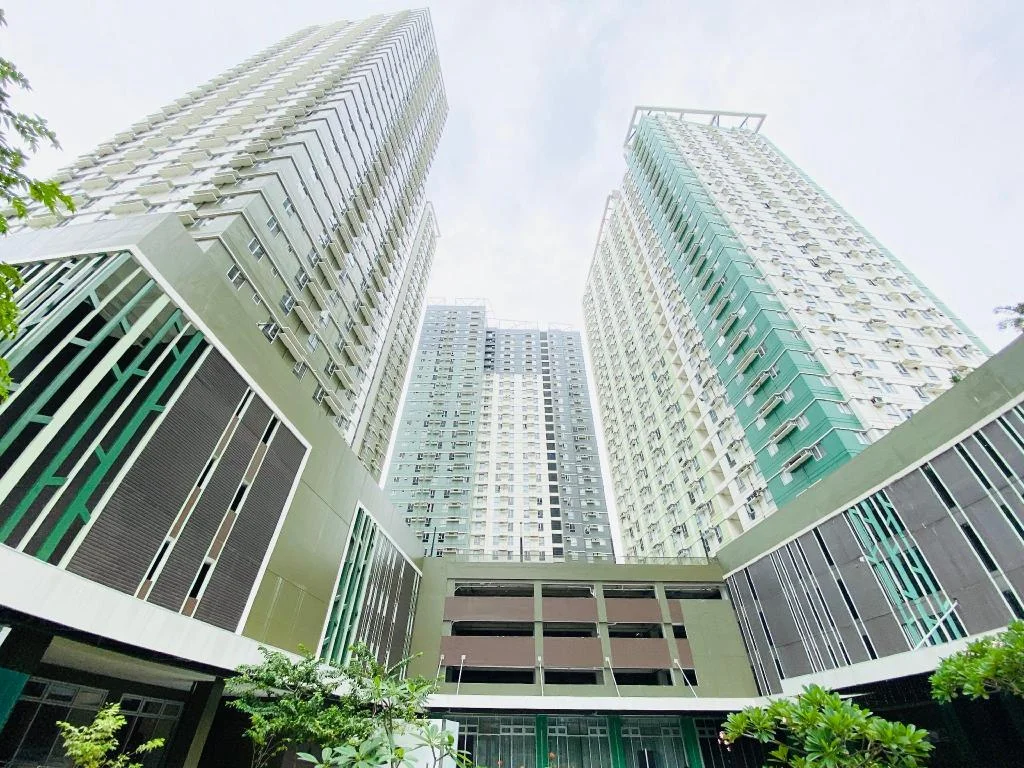
Cebu Avida Riala by P&J

Special Big Loft Unit w/Fibreop Internet & Netflix
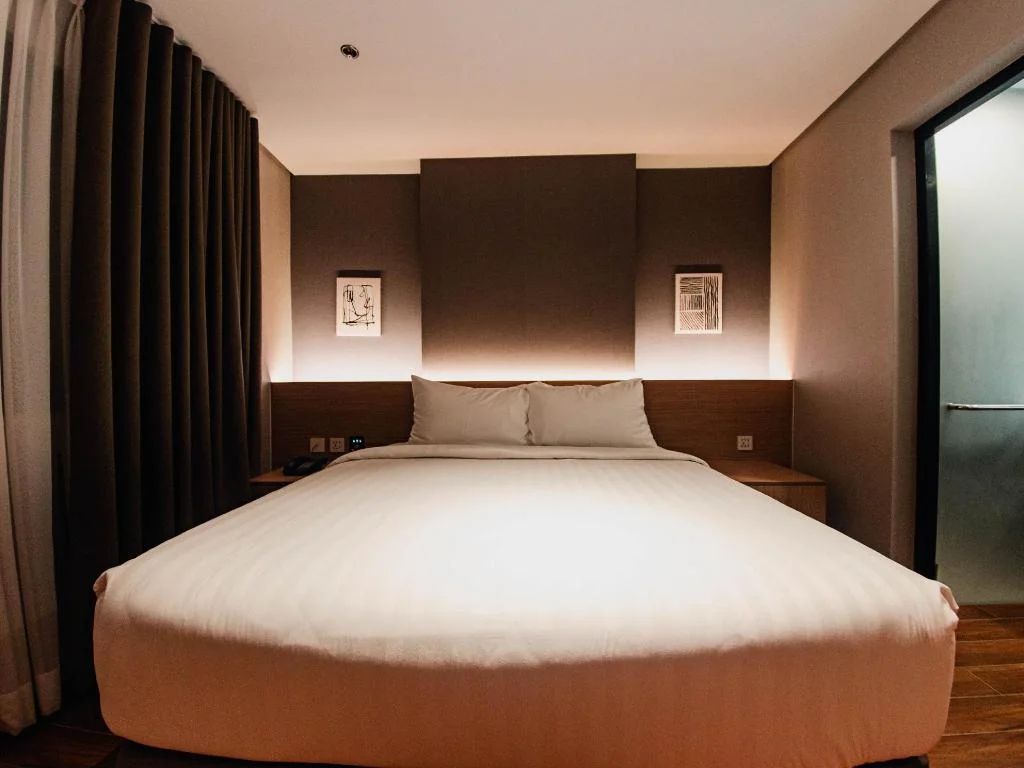
Moonstar Cebu Hotel - Deluxe Room
Before you go
Frequently asked
What's the best dried mango brand in Cebu?
Where do locals buy dried mango the cheapest in Cebu?
How much does a kilo of dried mango cost in Cebu?
Should you buy dried mango at Mactan-Cebu Airport?
Is Taboan Market worth a special trip just for dried mango?
Can you bring dried mango home in checked luggage?
What's the 7D factory outlet, and is it worth visiting?
Do you need to refrigerate dried mango, and how long does it keep?
More Places to Explore
Carbon Market
Cebu City
Cebu's oldest and largest market (since 1909), offering an authentic local shopping experience with fresh produce, seafood, and traditional goods.
Carcar Public Market
Carcar City
The famous home of Cebu's best lechon and chicharon, where generations of vendors have perfected these iconic Cebuano delicacies.
Colon Street
Cebu City
The oldest street in the Philippines, a historic commercial thoroughfare that has been Cebu's trading center since Spanish colonial times.