
TL;DR: The pasalubong every Cebuano actually buys is otap (Shamrock, ₱60–150/box), rosquillos (Titay’s, ₱100–180/box), Carcar chicharon (₱150–300/pack or ₱400–600/kg), dried mango (₱250–380/kg), and danggit (₱400–650/kg at Taboan). Shop at Taboan Market, Carbon Market, or Carcar Public Market instead of the airport — the airport marks the same items up 20–50%. Budget ₱200–500 (US$3.50–8.60) per person you’re buying for. Verified July 2026.
If you’re flying home from Cebu, someone back home is expecting pasalubong — it’s not optional, it’s the unwritten rule of Filipino travel. The good news is Cebu is one of the best food-souvenir provinces in the country: a genuine biscuit tradition (otap, rosquillos), the country’s most famous chicharon (Carcar), a dried-fish market that locals from Manila fly in just to raid (Taboan), and enough dried mango brands to fill a suitcase on their own. This guide covers what each item actually is, what it costs in 2026, where to buy it at the best price, and how to pack it so it survives customs and the flight home. We’ll point you toward Carbon Market and Colon Street downtown, and out to Carcar Public Market for the one detour that’s genuinely worth an hour of your itinerary.
Cebu Pasalubong at a Glance
| Item | What it is | Where to buy | Rough price | US$ equivalent |
|---|---|---|---|---|
| Otap | Flaky, sugar-crusted oval pastry | Shamrock Bakery branches, SM/Ayala malls | ₱60–150/box | $1.03–2.59 |
| Rosquillos | Butter cookie rings from Liloan | Titay’s shops, SM malls | ₱100–180/box | $1.72–3.10 |
| Dried mango | Sweet-tart dried mango slices | Taboan Market, Carbon Market, malls | ₱250–380/kg | $4.31–6.55 |
| Carcar chicharon | Double-fried pork rinds | Carcar Public Market, Pasalubong Food Park | ₱150–300/pack; ₱400–600/kg | $2.59–5.17 (pack) |
| Danggit | Sun-dried, salted rabbitfish | Taboan Market | ₱400–650/kg | $6.90–11.21 |
| Masareal | Ground peanut-and-sugar bar | Carbon Market, Carcar stalls | ₱50–100/pack | $0.86–1.72 |
| Ampao | Puffed rice, sugar-glazed | Carbon Market, Carcar stalls | ₱30–80 | $0.52–1.38 |
| Vacuum-packed lechon | Whole roast pig, sealed for travel | Zubuchon, La Lola (SM Seaside, IT Park) | ₱400–800 | $6.90–13.79 |
Prices vary by vendor, portion size, and how well you haggle — treat these as ranges and confirm before you buy. Verified July 2026.
What Is Otap, and Where Do You Buy the Real Thing?
Otap is a crisp, oval, sugar-crusted puff pastry, and it’s the pasalubong most associated with Cebu specifically. Shamrock Bakery is the name people mean when they say “get me otap” — it’s the brand with the widest distribution and the one most likely to actually be from Cebu rather than a generic import. A box runs roughly ₱60–150 depending on size, and you’ll find it at Shamrock’s own branches as well as pasalubong sections in SM and Ayala malls. It keeps well — 3 to 6 months unopened — which makes it one of the safest things to buy early in your trip instead of scrambling for it at the airport.
What Are Rosquillos, and Why Does Everyone Say “Titay’s”?
Rosquillos are small, ring-shaped butter cookies that originated in Liloan, a town just north of Cebu City, and Titay’s has been the name-brand maker since 1907. A box costs about ₱100–180, sold at Titay’s dedicated shops and mall pasalubong counters. They’re less sweet and more buttery than otap, so if you’re bringing gifts for people who don’t like overly sugary snacks, rosquillos are the safer pick. Like otap, they hold up for a few weeks unrefrigerated, so buy them any time in your trip.
Where Do You Buy the Best Dried Mango in Cebu?
Cebu isn’t actually where most of the Philippines’ dried mango comes from (that’s largely Guimaras and other regions), but it’s the province that sells and packages it best, and it’s genuinely worth buying here. Vacuum-sealed 1-kilo packs run ₱250–380, with real pure-mango versions at the higher end and cheaper “cooked from puree” versions lower. Taboan Market and Carbon Market both sell it loose or vacuum-packed at close to wholesale prices; SM and Ayala malls carry the same major brands at a small markup for convenience. One honest warning worth repeating from traveler reviews: some unbranded stalls sell what’s essentially candied mango puree dyed and shaped to look like real dried mango — buy from a stall with visible branding or a vacuum-seal machine if you want the genuine chewy, fibrous product.
Is Carcar Chicharon Worth the Detour?
Yes, if you have even half a day free — Carcar’s chicharon is meaningfully better than what’s sold as “chicharon” elsewhere, because it’s double-fried, which makes it lighter and crunchier rather than dense and greasy. Carcar City, about an hour south of Cebu City, is the source, and the Carcar Public Market and the Pasalubong Food Park along N. Bacalso Avenue are where you’ll find the real thing at the best price — fresh packs run ₱150–300, or ₱400–600 per kilo if you’re buying loose in bulk. Vacuum-packed versions cost more (₱200–400/pack) but travel far better internationally. If your itinerary already has you heading south toward Oslob or Moalboal, build in a stop; if not, Carbon Market sells chicharon too (often ₱80–150, cheaper but not double-fried Carcar-style), and it’s a reasonable substitute if the detour doesn’t fit.
Where Do You Buy Danggit and Other Dried Fish?
Taboan Market, a public market a short ride from downtown Cebu City, is the province’s dedicated dried-seafood pasalubong stop, and danggit (sun-dried rabbitfish) is the item people specifically travel there for. Prices run ₱400–650 per kilo for standard grades, though premium or larger-cut danggit has been reported as high as ₱700–760/kg — ask vendors to show you the grade before you commit, since quality and size vary stall to stall. Taboan is also the place for other dried fish, dried squid, and buwad (assorted dried seafood), all priced similarly. Vendors expect some friendly haggling (“pwede pabawas?” — “can I get a discount?” — is the standard line), and prices at Taboan run noticeably lower than the same items packaged for mall pasalubong counters.
One real caveat: danggit is genuinely perishable. Even refrigerated, it’s realistically good for 2–4 weeks, not months, so buy it near the end of your trip rather than the beginning, and make sure it’s vacuum-sealed or double-bagged before it goes in your suitcase — nobody wants to be the passenger whose bag smells like dried fish at baggage claim.
What Else Should You Try — Masareal, Ampao, and Budbud?
Beyond the big five, a few native sweets round out a Cebu pasalubong haul and cost very little:
- Masareal — a dense peanut-and-sugar bar, ₱50–100 per pack, sold at Carbon Market stalls and in Carcar.
- Ampao — puffed rice bound with sugar syrup, ₱30–80 per piece or bundle, also a Carbon Market and Carcar staple.
- Bocarillo — candied coconut strips, ₱50–100 per pack, common alongside ampao in Carcar.
- Budbud — steamed glutinous rice rolls (plain or the cacao-tinged budbud kabog from Argao), typically sold fresh by the bundle at markets and roadside stalls; treat any specific price you’re quoted as a local snapshot and confirm it on the day, since it’s sold by small vendors rather than a fixed-price brand.
These are the ₱50-and-under gifts — good for filling out a pasalubong box for coworkers or extended family without blowing your budget on the headline items.
Should You Buy at the Market or Just Grab It at the Airport?
Buy in the city or in Carcar — the airport should be your backup plan, not your main stop. Pasalubong shops at Mactan-Cebu International Airport consistently price the same items 20–50% above what you’d pay at Taboan, Carbon, or Carcar, with the steepest markups on otap and chicharon. If you’re arriving via Mactan-Cebu, our airport guide has the full terminal breakdown, including where the arrival-area pasalubong center is if you do need a last-minute grab.
The practical move: do your real shopping at Carbon Market or Taboan Market early in your Cebu City days, add Carcar chicharon if your itinerary runs south, and only use the airport shops to fill small gaps — a forgotten gift, an extra box someone asked for at the last minute.
How to Pack Pasalubong So It Survives the Trip
- Buy vacuum-sealed where you can. It costs a little more but prevents leaks, crushing, and the dreaded fish smell taking over your suitcase.
- Pack dried fish and chicharon in checked luggage, double-bagged, away from clothes. Both are allowed in hand-carry on domestic Philippine flights too, as long as they’re sealed, but checked luggage is the safer call for smell alone.
- Buy perishables (danggit especially) near the end of your trip, not the start — it doesn’t keep for weeks the way otap or dried mango does.
- Check your destination country’s rules before flying internationally. Sealed, shelf-stable snacks like otap and rosquillos are rarely an issue, but dried fish, chicharon, and other meat or seafood products are restricted or outright banned by many countries’ customs and biosecurity agencies — the US, Australia, and New Zealand in particular. When in doubt, declare it and ask, rather than assuming a vacuum seal makes it fine.
The Honest Take
Most of what’s marketed as “Cebu pasalubong” in gift shops and malls is genuinely good — this isn’t a province where the souvenirs are an afterthought. But the honest advice is to skip the curated pasalubong centers built for tour buses and go to where Cebuanos actually shop: Carbon Market and Taboan Market downtown, and Carcar Public Market if you have the half-day for it. You’ll pay less, and at Taboan and Carcar you’re buying from the same stalls that supply the branded shops anyway.
The one thing to be realistic about is danggit and other dried fish if you’re flying internationally — don’t buy a kilo of it as a “just in case” purchase and then discover at your destination’s customs desk that it’s not allowed in. Buy your sweets and biscuits (otap, rosquillos, masareal) freely; treat dried seafood and meat as something to research before you commit money to it.
Bring Some of Cebu Home With You
Pair a pasalubong run with the rest of your Cebu City day — Carbon Market and Colon Street sit close enough together to walk between, and Carcar Public Market fits naturally onto a south-Cebu day trip alongside lechon shopping (see our Cebu lechon guide for where to buy the real thing) or a stop on the way to Oslob or Moalboal. If you’d rather have a guide handle the food-hopping for you, browse Cebu food and culture tours on Klook or check Carcar heritage day trips on GetYourGuide. Basing yourself centrally makes all of this easier to fit in — compare Cebu City hotels on Agoda before you land.
Sources
- WhyCebu — Cebu Pasalubong: What to Buy, Prices & Best Shops
- WhyCebu — Best Pasalubong from Cebu: The Complete Guide
- WhyCebu — Carcar Cebu Pasalubong: Price List and What to Buy
- WhyCebu — Where to Buy Dried Mangoes in Cebu
- WhyCebu — Cebu Airport Pasalubong: Best Shops Near Mactan Airport
- Philippine Airlines — Seafood, Meat and Other Perishable Items
- Bureau of Customs Philippines — Guidelines on Arriving Travelers
- Prices cross-checked against recent traveler reports and market listings for Taboan Market and Carcar Public Market. Verified July 2026.
Book Tours & Hotels for This Trip
Find and book the best deals — prices and availability update in real time. Links open in a new tab.
Where to stay near Cebu City
Top-rated hotels for this trip — tap through to check live rates.
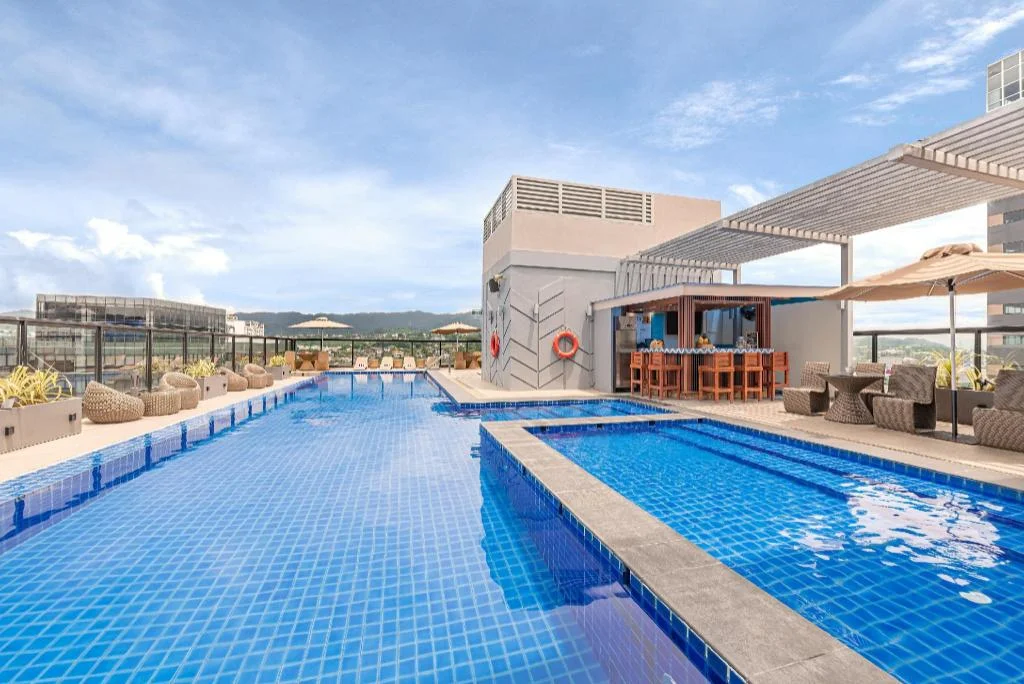
Seda Central Bloc Cebu City
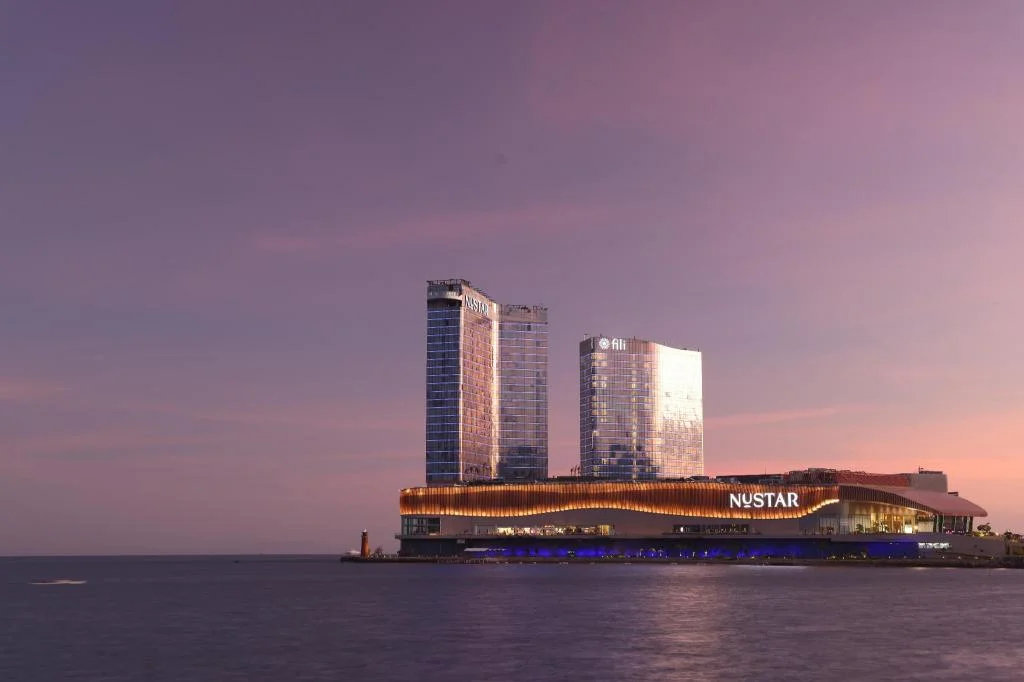
Fili Hotel - NUSTAR Resort & Casino Cebu
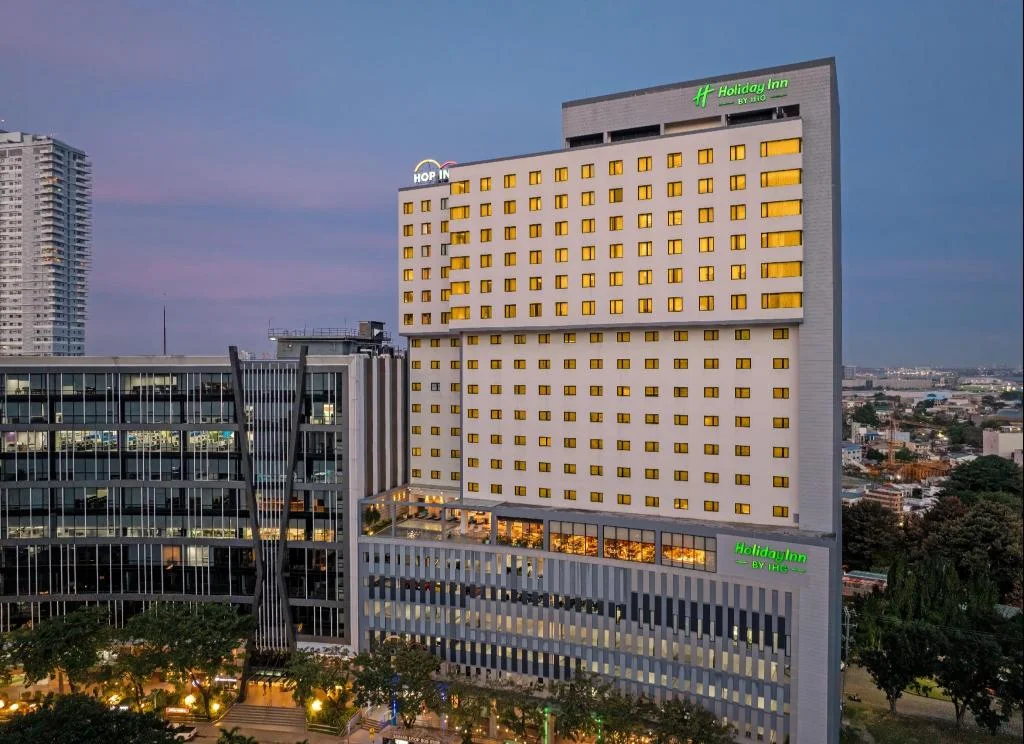
Holiday Inn Cebu City By IHG
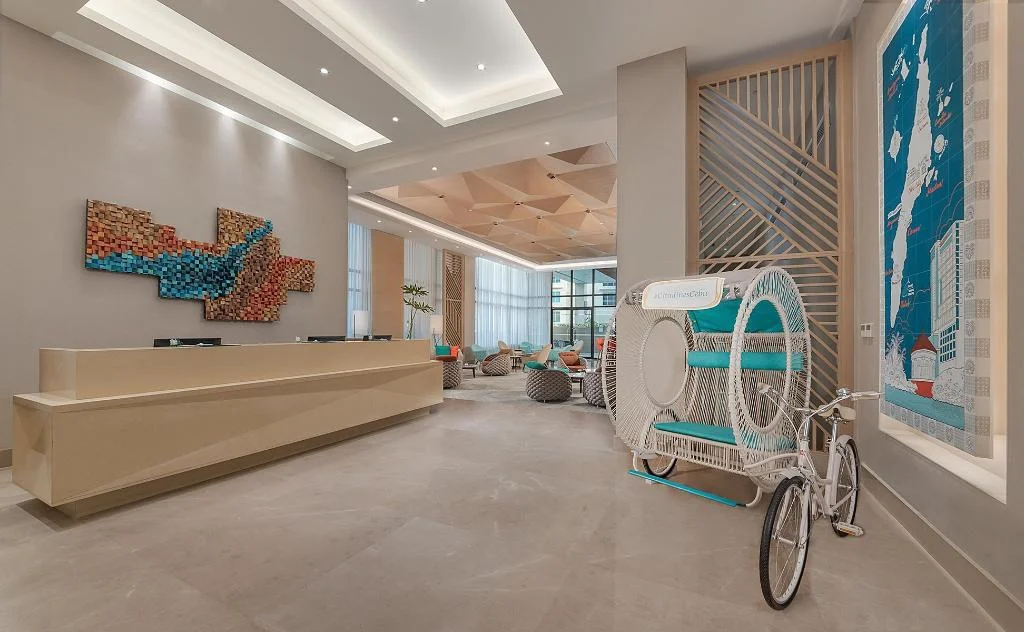
Citadines Cebu City
Prefer a rental? Vacation rentals near Cebu City
Self-catering condos and apartments — book the exact unit, kitchen included.
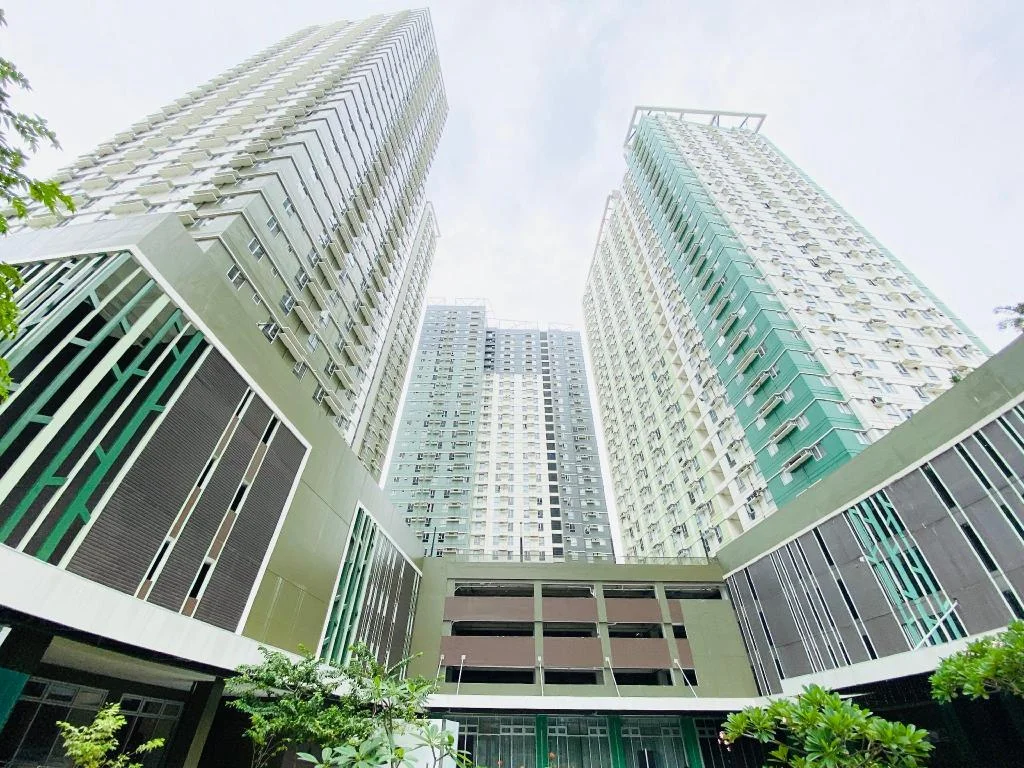
Cebu Avida Riala by P&J
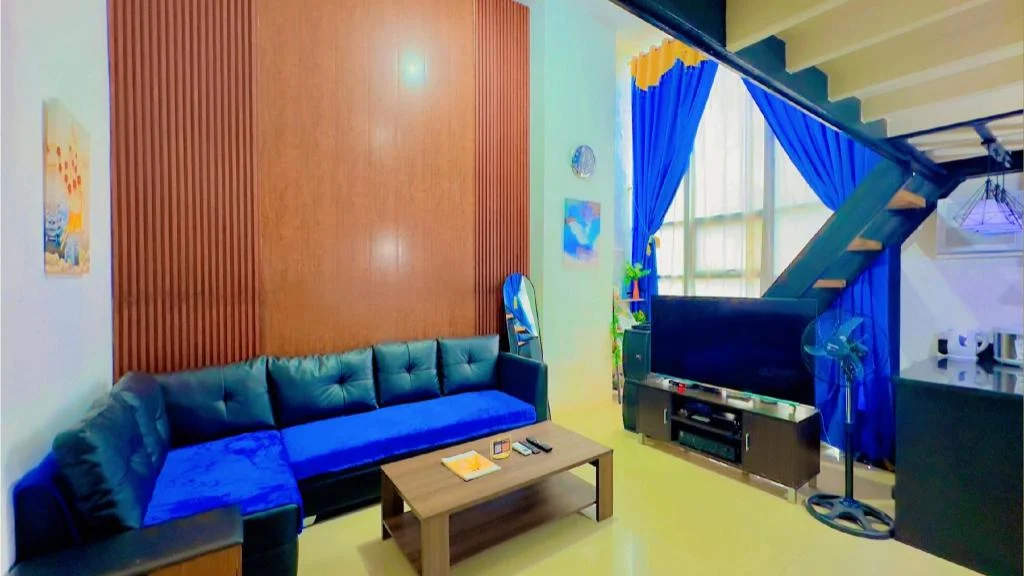
Special Big Loft Unit w/Fibreop Internet & Netflix
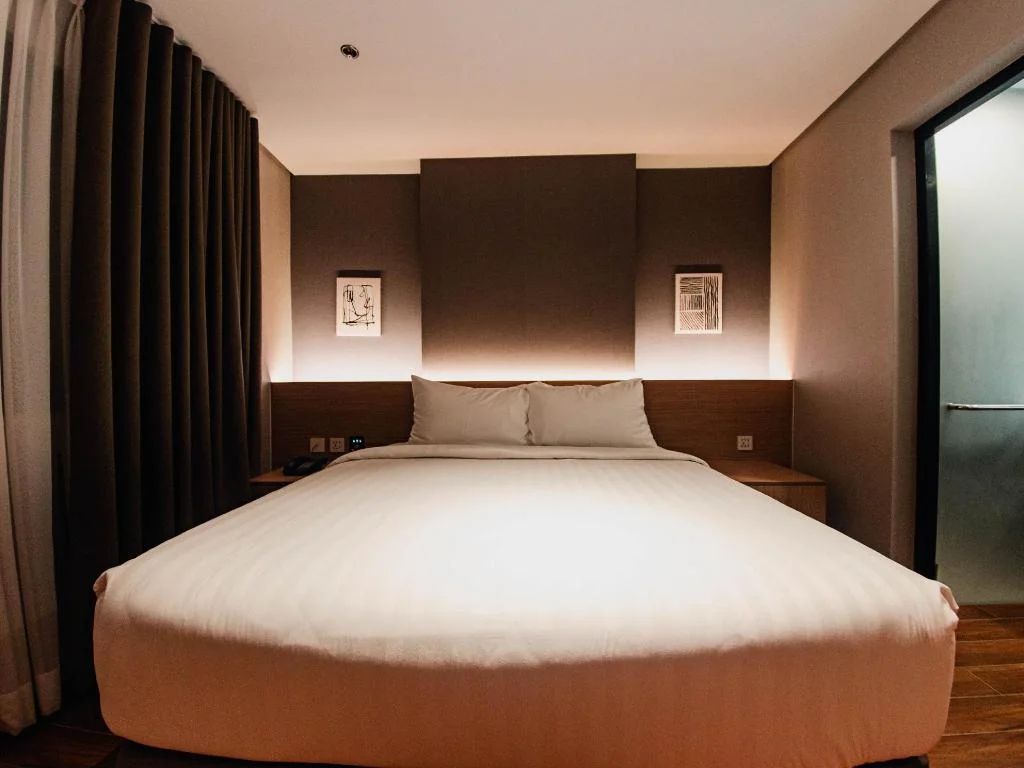
Moonstar Cebu Hotel - Deluxe Room
Before you go
Frequently asked
What is the best pasalubong to bring home from Cebu?
How much should I budget for pasalubong in Cebu?
Where is the cheapest place to buy pasalubong in Cebu City?
Can I bring dried fish or chicharon on a domestic flight in the Philippines?
Can I bring Cebu pasalubong into another country?
What's the difference between Carcar chicharon and regular chicharon?
Is it cheaper to buy pasalubong at the airport or in the city?
How long does Cebu dried mango or danggit last?
More Places to Explore
Carcar Public Market
Carcar City
The famous home of Cebu's best lechon and chicharon, where generations of vendors have perfected these iconic Cebuano delicacies.
Colon Street
Cebu City
The oldest street in the Philippines, a historic commercial thoroughfare that has been Cebu's trading center since Spanish colonial times.
Carbon Market
Cebu City
Cebu's oldest and largest market (since 1909), offering an authentic local shopping experience with fresh produce, seafood, and traditional goods.