
TL;DR: For pasalubong, buy dried mango and otap at any SM or Robinsons supermarket (₱120-200 for a 100-200g pack, about US$2-3.23), get danggit and other dried fish at Taboan Public Market (₱400-500/kilo for danggit, about US$6.45-8.06), pick up Titay’s rosquillos and Shamrock otap at their pasalubong-center branches (₱60-180 a box), and budget ₱1,000-30,000+ (US$16-484+) for a handmade guitar or ukulele from a Mactan workshop like Alegre or Susing’s. Skip the airport unless it’s a genuine last resort — Terminal 2’s pasalubong shops and Duty Free run 20-40 percent above city prices. Verified July 2026.
Cebu’s pasalubong culture runs deep — no one comes home from a trip empty-handed, and half the fun is figuring out which dried mango brand your officemates actually prefer. This guide covers the real prices and the best place to buy each classic: dried mango, otap, rosquillos, danggit, chicharon, and the handmade guitars that make Cebu’s souvenir scene different from anywhere else in the Philippines. Most of it is walkable or a short cab ride from downtown — Colon Street and Carbon Market cover the budget end, while Mactan’s guitar workshops are the splurge option. Whether you’ve got one afternoon before your flight or a full day to spend, here’s where to go and what things should actually cost.
What to Buy and Where — At a Glance
| Item | Best place to buy | Typical price |
|---|---|---|
| Dried mango (7D, Profood, Cebu Best) | Supermarkets (SM, Robinsons, Metro), factory outlets | ₱120-200 / 100-200g (~US$2-3.23) |
| Otap (Shamrock, Titay’s) | Shamrock pasalubong centers, supermarkets | ₱60-150 / box (~US$1-2.42) |
| Rosquillos (Titay’s) | Titay’s flagship (Liloan) or mall counters | ₱75-180 / box (~US$1.21-2.90) |
| Danggit / dried fish | Taboan Public Market | ₱400-500/kilo danggit; ₱150-500/kilo other varieties (~US$2.42-8.06) |
| Chicharon | Carbon Market, Carcar City | ₱80-300 (~US$1.29-4.84) |
| Vacuum-packed lechon | Zubuchon, SM Seaside | ₱400-800 (~US$6.45-12.90) |
| Handmade guitar / ukulele | Mactan workshops (Alegre, Susing’s) | ₱1,000-3,500 basic; up to ₱30,000-50,000 premium (~US$16-806) |
| Airport last-minute shopping | MCIA Terminal 2 pasalubong center / Duty Free | 20-40% above city prices |
Verified July 2026. Peso prices at ₱62 ≈ US$1 (July 2026). Dried-fish and produce prices move with supply — treat as a range and confirm at the stall.
Where Do You Buy Dried Mango in Cebu?
Supermarkets beat souvenir shops, and Taboan Market beats supermarkets. The two names to know are 7D Food International and Profood International Corporation, both Mandaue-based manufacturers behind most of what you’ll see labeled “Cebu Brand,” “Philippine Brand,” or the 7D name directly. A standard 100-200g pack runs roughly ₱120-200 (about US$2-3.23) at SM, Robinsons, or Metro supermarkets — fair prices, and you can compare a few brands side by side.
For a lower price, go to a factory outlet directly: 7D has one on A.S. Fortuna Street/Sacris Road in Mandaue, and Profood runs a Gallery Giftshoppe on V. Albano Street in Mandaue that includes a small “Mango Museum.” Taboan Public Market also sells dried mango alongside its dried fish, typically 30-50 percent below supermarket shelf prices. Skip the airport for this one — it’s the same product at a real markup.
Is Taboan Market Worth the Trip for Danggit?
Yes, if you want the best price and the biggest selection of dried fish in one place. Taboan Public Market in downtown Cebu City is the province’s dried-fish hub, and most of its best danggit (dried rabbitfish) actually comes in from Bantayan Island further north. Expect ₱400-500 per kilo for danggit and roughly ₱150-500 per kilo for other dried fish varieties, depending on size and type. Prices at Taboan run 30-50 percent below what you’d pay in a mall, and a friendly “pwede pabawas?” (can I get a discount?) is a normal, expected part of buying there.
Go in the morning — 8 AM to noon is when the selection and the smell are both at their best (bring a plastic bag; danggit is pungent). Ask vendors to vacuum-seal your purchase before you leave; it travels far better sealed, and it’s non-negotiable if you’re flying internationally.
Where Do You Get Otap and Rosquillos — Titay’s or Shamrock?
Get both if you’re not sure, since they’re genuinely different products. Titay’s, founded in Liloan in 1907, is the origin brand for rosquillos — the ring-shaped, scallop-edged anise cookie that’s arguably Cebu’s signature biscuit — and its version of otap is thinner and lets the pastry flavor lead. Shamrock, the bigger and more widely available pasalubong-center chain out of Mandaue, makes a buttier, sweeter otap and also sells peanut kisses and other packaged snacks.
You don’t need to detour to either flagship store unless you want the full pasalubong-center experience — both brands sell through supermarkets and mall counters across Cebu City and Mactan. Titay’s rosquillos run about ₱75-180 a box (roughly US$1.21-2.90); Shamrock otap runs about ₱60-150 a box (roughly US$1-2.42). If you do want the original-store visit, Titay’s main branch is in Poblacion, Liloan, about 40 minutes north of Cebu City.
Is Carcar Worth a Special Trip for Pasalubong?
Only if it’s already on your route south, or you specifically want chicharon and lechon. Carcar City, about 45 minutes south of Cebu City, is widely considered the source of Cebu’s best chicharon (pork rinds), running roughly ₱80-300 depending on size and cut. It’s also a well-known lechon stop. But everything else on this list — dried mango, otap, rosquillos, danggit — is available in Cebu City or Mactan without the drive, so don’t build a whole afternoon around Carcar unless chicharon and lechon are the point.
If you do want vacuum-packed lechon without the trip, Zubuchon sells sealed portions at SM Seaside and other branches that survive a flight home in a cooler bag, roughly ₱400-800 (about US$6.45-12.90) depending on the cut.
Are Mactan’s Handmade Guitars a Good Souvenir?
Yes, if you or someone you’re buying for actually plays. Mactan’s guitar-making tradition is real and decades old, concentrated in the Abuno and Maribago barangays of Lapu-Lapu City. Alegre Guitar Factory is the best-known workshop and runs informative tours of the build process; Susing’s Guitar Factory in Maribago is known specifically for ukuleles. Each instrument is hand-built from local hardwoods over several weeks by skilled artisans, not mass-produced.
Prices vary a lot by wood and finish: a basic ukulele or entry acoustic guitar runs roughly ₱1,000-3,500, a mid-range acoustic is closer to ₱5,000-6,000, and premium pieces with better tonewoods can run ₱30,000-50,000 or more. Light haggling is common, especially for cash purchases. Budget for a hard case or extra luggage space — a full-size guitar doesn’t fit in a carry-on, and airlines vary on whether they’ll gate-check it for free.
What About Souvenir Shirts and Sinulog Merchandise?
Cebu-themed graphic tees, Sinulog-print shirts, and other souvenir apparel are sold at stalls around Colon Street, Carbon Market, and mall souvenir counters, with prices that vary by stall and season — confirm the asking price on the spot before you buy, since this segment doesn’t have fixed pasalubong-center pricing the way food items do. If you’re shopping specifically for guitars, souvenirs, and local markets beyond what’s covered here, see our fuller Cebu shopping guide.
Should You Buy Pasalubong at the Airport?
Only as a backup. Mactan-Cebu International Airport’s Terminal 2 has its own pasalubong center plus Duty Free Philippines shops in both the pre-departure and arrival areas, combined over 1,200 square meters, stocking dried mango, otap, danggit, and other packaged Cebu snacks. It’s genuinely convenient for a forgotten gift or a last name on your list. But airport pasalubong pricing runs a documented 20-40 percent above city prices, so treat it as insurance, not your main shopping trip. Buy the bulk of your pasalubong in the city with a day or two of buffer, and only fall back on the airport for what you missed. See our Mactan-Cebu Airport guide for terminal layout and timing.
How to Choose: A Simple Budget Framework
- Under ₱200 (about US$3.23): a pack of dried mango plus a small box of otap or rosquillos — the safe, universal gift.
- ₱200-500 (about US$3.23-8.06): add danggit from Taboan or a box of chicharon from Carbon Market or Carcar.
- ₱500-1,000 (about US$8.06-16.13): a curated mixed set — rosquillos, otap, danggit, tablea (ground cacao tablets), and dried mango together, which is what most mall pasalubong counters will assemble for you if you ask.
- ₱1,000+ (US$16+): vacuum-packed lechon, or step into guitar territory with a basic ukulele.
The Honest Take
The pasalubong economy in Cebu is set up to be tourist-friendly, and mostly it delivers — prices are transparent, quality is consistent across the big brands, and nothing here requires special negotiation skill. The one place people overspend without realizing it is the airport: it’s not a scam, just a real markup for convenience, so don’t panic-shop there if you can help it. Taboan Market is the best value stop on this list by a wide margin, but go with a plan (or a local) the first time — it’s a working market, not a curated shop, and the smell and crowd catch some visitors off guard. Skip Carcar unless it’s already on your route; it’s a good detour for lechon lovers, not a pasalubong necessity. And if you’re buying a guitar, budget the time to actually watch it get made — that’s the part people remember, more than the instrument itself.
Pair This With
Pasalubong shopping fits naturally into a Cebu City heritage walk around Colon Street and Carbon Market, or a Mactan day that includes the guitar workshops alongside the beaches. If you’re weighing when to visit and shop without peak crowds, check our best time to visit Cebu guide, and for the full menu of things to do around your shopping stops, see things to do in Cebu.
Want to turn your shopping trip into a full city day? Browse Cebu City heritage and food tours on Klook that route past Carbon Market and the old downtown, or check Mactan day-tour options on Klook if you want the guitar factories built into a bigger itinerary.
Sources
- WhyCebu — Cebu Pasalubong: What to Buy, Prices & Best Shops 2026
- WhyCebu — Where to Buy Dried Mangoes in Cebu
- WhyCebu — Cebu Airport Pasalubong Shops
- WhyCebu — Shamrock Otap: Price, Flavors & Where to Buy
- Delicacies Philippines — A Complete Guide to Danggit Prices
- Titay’s Liloan Rosquillos and Delicacies — official site
- Penfires — Mactan and Cebu Guitars: Factories, Prices and Options
- Out of Town Blog — Duty Free Philippines opens stores in Cebu-Mactan Terminal 2
- Prices vary by season, supply, and vendor — confirm at the counter or stall before you buy. Verified July 2026.
Book Tours & Hotels for This Trip
Find and book the best deals — prices and availability update in real time. Links open in a new tab.
Where to stay near Cebu City
Top-rated hotels for this trip — tap through to check live rates.
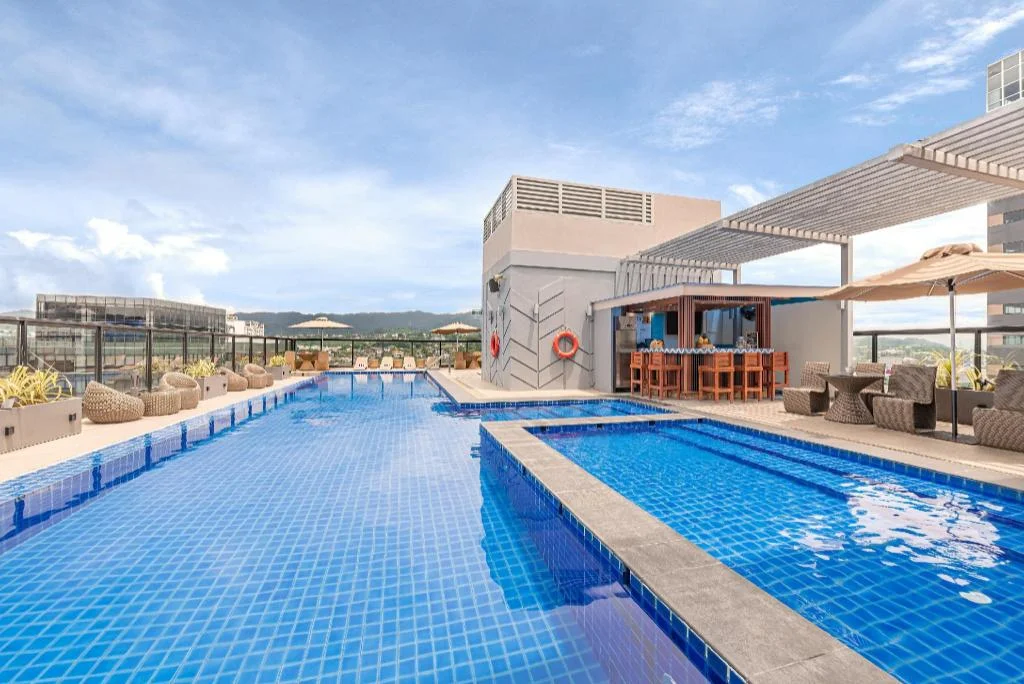
Seda Central Bloc Cebu City
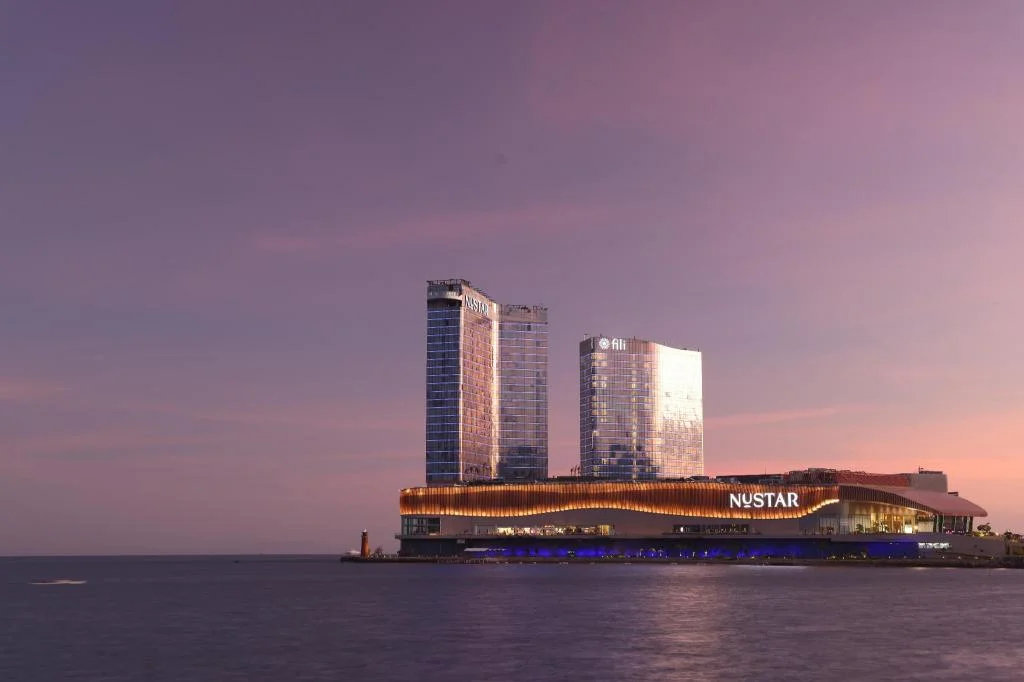
Fili Hotel - NUSTAR Resort & Casino Cebu
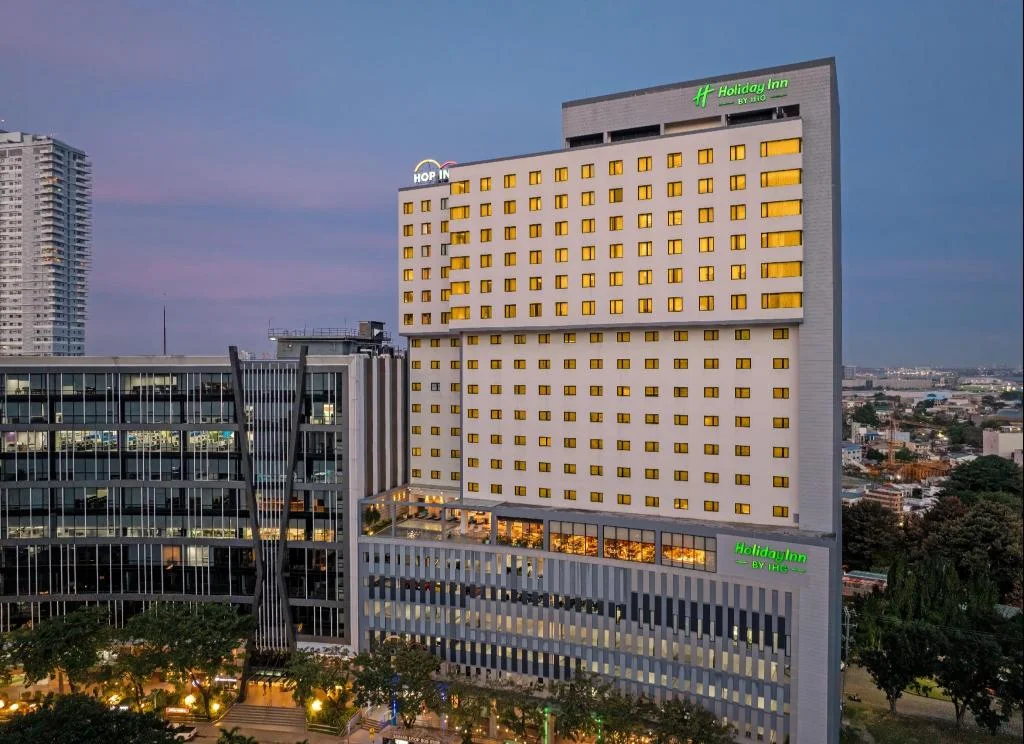
Holiday Inn Cebu City By IHG
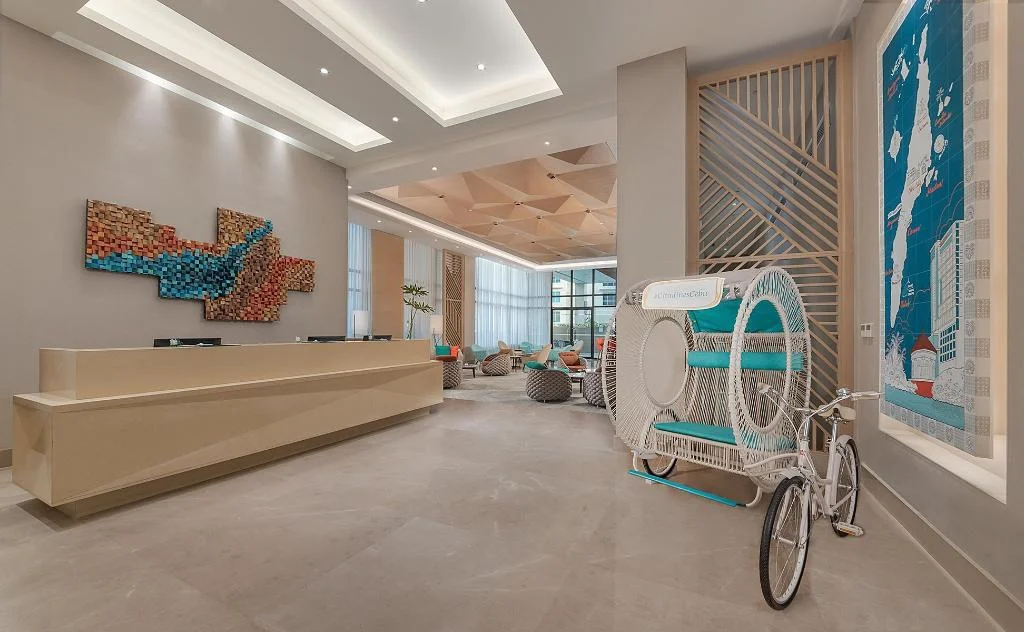
Citadines Cebu City
Prefer a rental? Vacation rentals near Cebu City
Self-catering condos and apartments — book the exact unit, kitchen included.
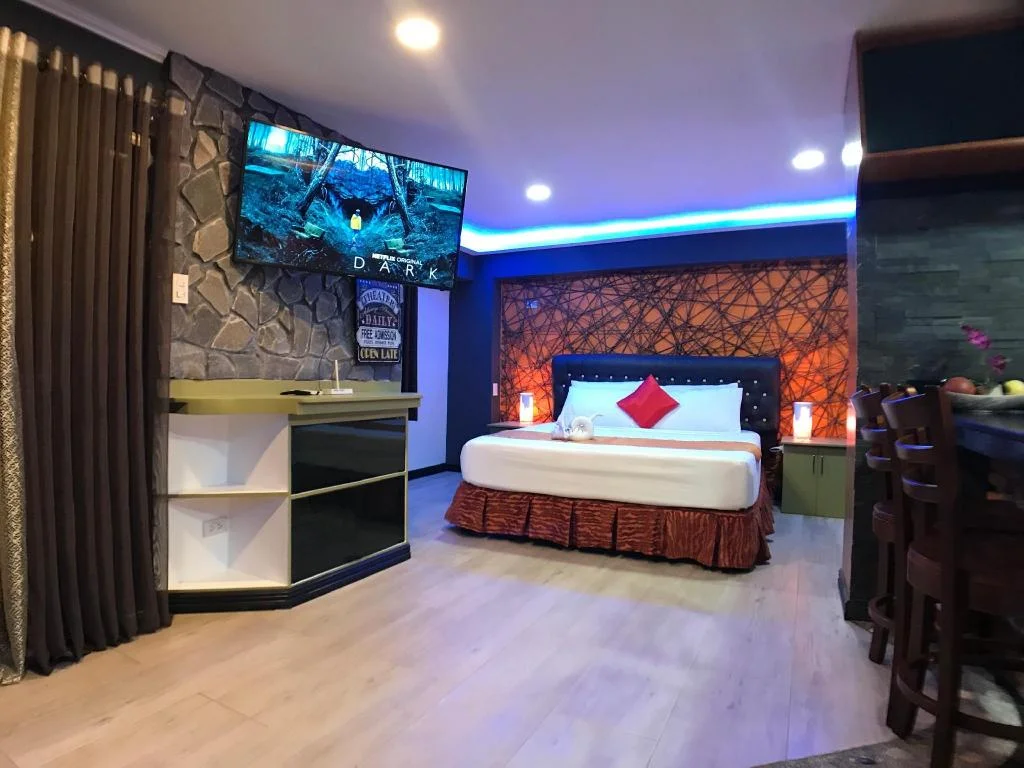
ClockWorkOrange Luxury Suites
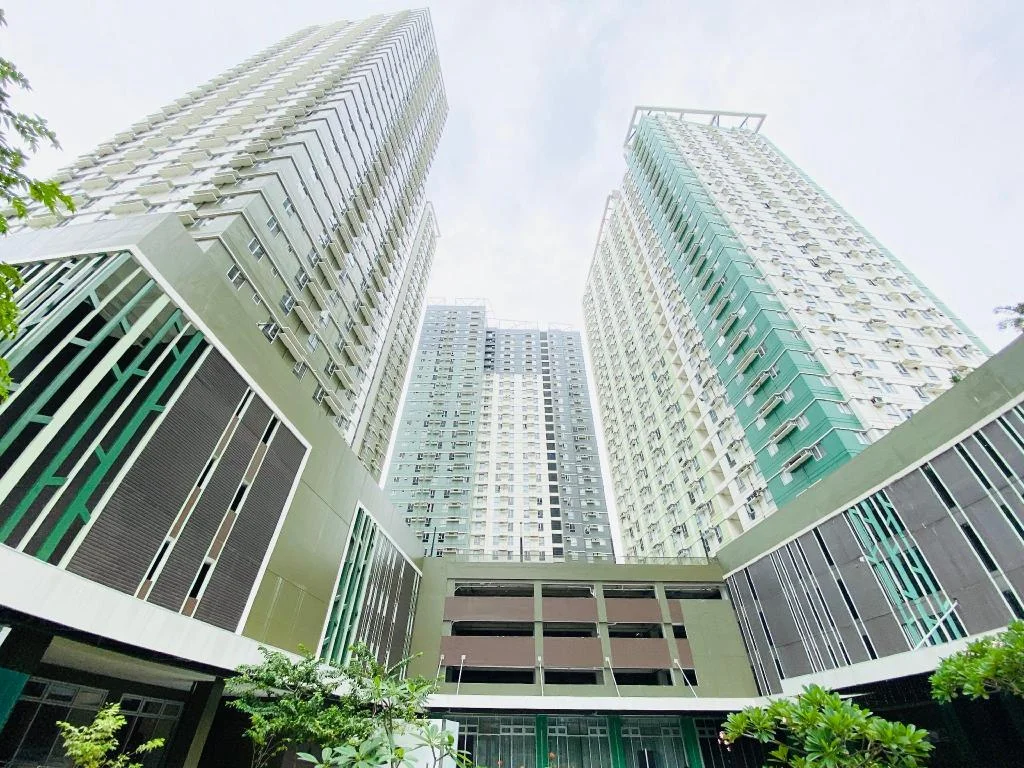
Cebu Avida Riala by P&J
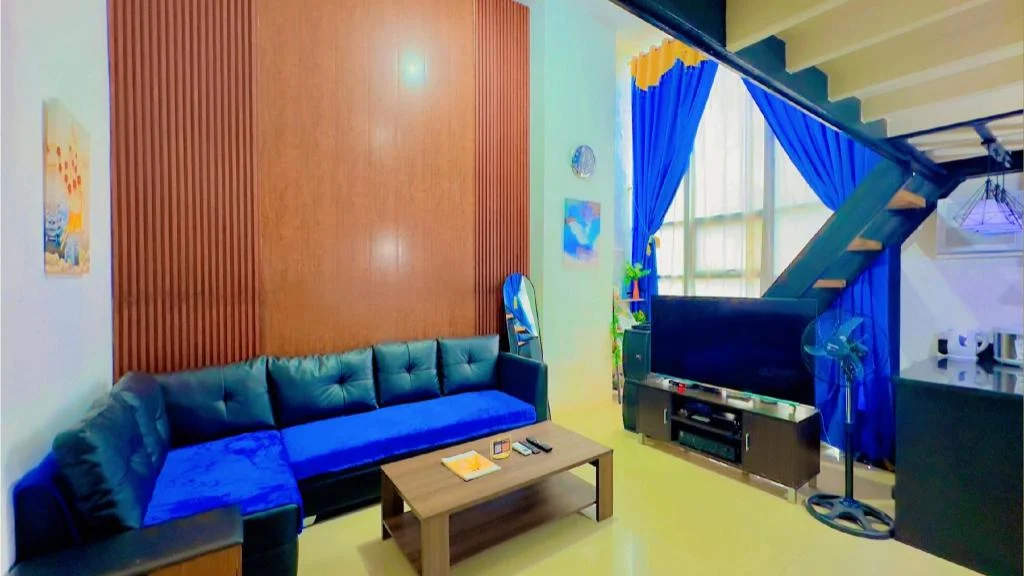
Special Big Loft Unit w/Fibreop Internet & Netflix
Before you go
Frequently asked
What is the best pasalubong to bring home from Cebu?
Where is the cheapest place to buy dried mango in Cebu?
How much does danggit cost at Taboan Market?
Can you bring dried fish and dried mango through airport security or on a flight home?
Is it worth buying a guitar or ukulele in Mactan?
What's the difference between Titay's and Shamrock otap?
Do I have to go all the way to Carcar or Liloan for good pasalubong?
What should I buy for last-minute pasalubong at the airport?
More Places to Explore
Colon Street
Cebu City
The oldest street in the Philippines, a historic commercial thoroughfare that has been Cebu's trading center since Spanish colonial times.
Carbon Market
Cebu City
Cebu's oldest and largest market (since 1909), offering an authentic local shopping experience with fresh produce, seafood, and traditional goods.
Mactan Guitar Factory
Lapu-Lapu City
Visit the guitar-making capital of the Philippines and watch master craftsmen create handcrafted acoustic guitars using traditional techniques since the 1940s.