
TL;DR: Taboan Public Market on Tres de Abril Street is downtown Cebu City’s dried-fish and pasalubong hub, open daily roughly 4:00 AM-8:00 PM. Danggit (dried rabbitfish) runs about ₱400-600/kg (US$7-10) in 2026, noticeably cheaper than the ₱650-900/kg it can hit at malls or the airport. Bring cash, ask stalls to vacuum-seal your purchase for the flight home, and politely ask “pwede pa-discount?” on orders of 2kg or more. Best visited 7:00-10:00 AM before the heat and crowds set in. Verified July 2026.
If you want the pasalubong (homecoming gift) every Cebuano actually buys, skip the mall pasalubong shelf and go straight to Taboan Public Market, a sprawling, open-air market in downtown Cebu City dedicated almost entirely to dried fish and seafood. It sits a few minutes from Carbon Market and Colon Street, so it slots easily into a downtown heritage-and-market morning. This guide covers what to actually buy, what danggit and dried squid should cost, how to get there, how to bargain without being pushy, and — the part first-timers always ask about — how to pack dried fish so your suitcase doesn’t smell like the market for the whole flight home.
Taboan Market Prices at a Glance
| Item | Typical price at Taboan | Notes |
|---|---|---|
| Danggit (dried rabbitfish), salted | ₱400-600/kg (~US$7-10) | Cheapest, most common style |
| Danggit, marinated or unsalted | ₱600-850/kg (~US$10-15) | Sweeter, softer, pricier |
| Danggit, small pack | ₱100-175 / 200-250g | Good for a single tasting gift |
| Dried squid (pusit) | ₱480-600/kg (~US$8-10), premium up to ₱800-880/kg | Price scales with squid size |
| Dried mangoes (branded) | ₱250-380/kg (~US$4-7) | Buy sealed, branded packs (see note below) |
| Chicharon (packaged) | ₱150-350 per 250-500g pack | Carbon and Carcar have deeper selections |
| Tricycle from downtown | ₱50-80 | 5-10 minutes from Colon/Carbon |
| Grab from IT Park/Ayala | ₱60-150 | 15-25 minutes depending on traffic |
Prices vary with the day’s catch, season, stall, and how much you buy. Verified July 2026.
What Should You Buy at Taboan Market?
Danggit is the headline item, but the market sells almost every kind of dried seafood Cebuanos eat at breakfast. Beyond danggit, look for dried squid (pusit), dried anchovies (dilis), dried herring, and guinamos, the fermented shrimp paste that’s a staple condiment in Cebuano cooking. Most stalls also stock non-seafood pasalubong: dried mangoes, banana chips, otap, and packaged chicharon, so you can do most of your gift shopping in one stop.
Two buying notes worth knowing before you shop:
- “Inside” stalls tend to beat the stalls facing the street. Vendors further into the market compete harder on price than the ones catching walk-in tourist traffic at the entrance.
- Check labels on dried mangoes. Unbranded, loose dried mango sold near the entrance is sometimes padded with unlabeled sugar syrup or lower-grade fruit; a sealed, branded pack (Cebu’s own brands are widely stocked) is the safer buy if you’re shipping it overseas.
If you’re building a full pasalubong box rather than just danggit, a single Taboan run can realistically cover it: dried squid and anchovies for the seafood-loving relatives, dried mango and banana chips for the ones who don’t eat fish, and guinamos for anyone who cooks Cebuano food back home. It’s worth bringing a spare tote bag or a folding duffel — a serious pasalubong haul from Taboan is bulkier than most tourists expect, and stalls don’t always have sturdy bags on hand for a multi-kilo order.
How Much Does Danggit Cost, and What Should You Pay?
Budget roughly ₱400-600 per kilo for standard salted danggit at Taboan in 2026 — meaningfully less than the ₱650-900/kg it can run at supermarkets, pasalubong centers, or airport shops. Marinated or unsalted danggit, which is softer and sweeter, typically costs more, in the ₱600-850/kg range. Small 200-250g packs run about ₱100-175, a low-commitment way to try it before committing to a full kilo.
Price moves with the season and the day’s catch — expect it to sit a little higher during rainy months when the fish supply is tighter. Ask the stall for the day’s price before you commit, and don’t be shy about comparing two or three stalls a few meters apart; danggit isn’t a fixed, posted-price item.
How Do You Spot Good-Quality Danggit?
Good danggit should look dry and firm, not slimy, and smell like the sea rather than sharply ammonia-like or sour. The market is outdoors and the fish is genuinely sun-dried, so a strong fish smell overall is normal — what you’re checking for is freshness within that. A few practical checks before you buy:
- Look at the flesh, not just the skin. It should be a consistent pale color without dark, wet-looking patches or visible mold spots.
- Ask when it was dried. Vendors who move volume can usually tell you; freshly dried batches (within the past few days) keep longer and fry up better than older stock that’s been sitting.
- Buy from a stall with steady turnover. A handful of Tripadvisor reviewers have reported spoiled or infested dried fish from slower-moving stalls, almost always tied to old stock sitting too long in the heat rather than to the market as a whole. Busy stalls sell through their supply fast, which is the best insurance you have.
- If in doubt, buy small first. A 200-250g pack lets you check the quality and taste before committing to a full kilo.
None of this is unique to Taboan — it’s the same due diligence you’d apply at any open-air wet market — but it matters more here because dried fish is exactly the kind of product where a few extra days of age is hard to spot at a glance.
How Do You Get to Taboan Market?
Taboan is on Tres de Abril Street in Barangay San Nicolas, a short ride from downtown Cebu City. From Colon Street or Carbon Market, a tricycle takes 5-10 minutes and costs about ₱50-80; Grab from the same area runs roughly ₱60-120. From IT Park or Ayala Center, budget a 15-25 minute Grab ride for ₱60-150. From Mactan Island (including the airport area), expect ₱150-250 and 30-45 minutes depending on traffic — factor that into your schedule if you’re heading straight there before a flight.
Say “Taboan Public Market, Tres de Abril Street” to your driver rather than just “Taboan” — there’s more than one place locally called by that name, and the full street name avoids confusion.
Is It OK to Bargain at Taboan?
Yes, gentle bargaining is normal, particularly on orders of 2 kilos or more. A polite “Pwede pa-discount?” or “Pwede pabawas?” (loosely, “can I get a discount?”) often gets ₱50-100 knocked off a multi-kilo purchase. On a single small pack, don’t expect much movement — margins are thin already, and vendors’ first quote is usually close to fair. Treat it as a friendly exchange, not a negotiation to win; a smile goes further than a hard bargain here.
How Do You Pack Dried Fish So the Smell Doesn’t Follow You Home?
Ask the stall to vacuum-seal your purchase — most stalls at Taboan now have a sealing machine, and they’ll use it for you for free or a small fee once you’re buying a decent quantity. Vacuum sealing is the single biggest difference between “my whole suitcase smells like danggit” and “no one would know it’s in there.” For extra insurance in checked luggage, double the vacuum pack inside a sealed plastic container or a taped box.
A few practical points:
- Tell the vendor you’re flying. Say so up front — many stalls pack dried fish differently (heavier sealing, extra layers) when they know it’s for air travel rather than a local buyer heading home by bus.
- Vacuum-sealed danggit keeps for weeks at room temperature and months in the freezer, so it survives a long multi-country trip home fine.
- Check your destination country’s customs rules before you fly internationally. Some countries, including Australia and New Zealand, restrict or ban bringing in dried fish products; that has nothing to do with Taboan and everything to do with your destination’s biosecurity rules, so confirm before you buy in bulk.
When Should You Visit Taboan Market?
Go early — between 7:00 and 10:00 AM — for the best selection, the least heat, and the smallest crowds. The market opens as early as 4:00 AM and runs until about 8:00 PM daily, including most holidays, but midday (roughly 11:00 AM-1:00 PM) is the hottest, most crowded, and most picked-over stretch. If your schedule allows it, buy dried mango and chicharon early in your trip and save danggit and pusit for your last one or two days, so the vacuum-sealed packs spend less time in transit before you fly.
The Honest Take
Taboan is not a polished tourist attraction — it’s a working, open-air public market with wet floors, no air conditioning, and a smell that hits you before you’re through the entrance. That’s exactly the appeal: prices reflect what Cebuanos actually pay, not a marked-up tourist rate. If you want an easy, air-conditioned pasalubong run, a mall pasalubong center will save you the walk, but you’ll pay noticeably more for the same danggit. Skip Taboan if strong fish smells or crowded, unglamorous markets genuinely bother you — there’s no shame in buying your dried fish at the airport instead, just expect to pay for the convenience. For everyone else, the savings and the authenticity make the short detour worth it.
Combine It With the Rest of Downtown Cebu
Taboan pairs naturally with a downtown market-and-heritage morning: walk over to Carbon Market for produce, street food, and more pasalubong stalls, then Colon Street, the country’s oldest street, for a bit of history on the same trip. If chicharon is the real target, the stalls at Carcar Public Market about an hour south are the specialists — see our Cebu delicacies and pasalubong guide and where to buy souvenirs in Cebu for the full shopping list, or our dried mango buying guide if that’s the one item you came for.
If you’d rather have someone else handle the downtown route, a guided city or food tour bundles Taboan-style markets with the heritage sites — compare Cebu city and food tours on Klook or browse walking tour options on GetYourGuide. Staying downtown for an early market run before flying out? Check hotel rates near Cebu City on Agoda so you’re a short tricycle ride from Taboan rather than crossing the bridge from Mactan at 6 AM.
Sources
- Taboan Public Market — Tripadvisor visitor reviews (pricing, quality, and packing feedback, 2024-2026)
- Danggit price guide — Delicacies Philippines (per-kilo and per-pack pricing by type)
- Where to buy danggit in Cebu — WhyCebu (Taboan vs. Carbon Market vs. mall/airport price comparison, hours, transport)
- Taboan Public Market complete guide — South Pole Central Hotel (location, hours, how to get there)
- Prices and transport fares cross-checked against recent traveler reports; confirm the day’s price at the stall. Verified July 2026.
Book Tours & Hotels for This Trip
Find and book the best deals — prices and availability update in real time. Links open in a new tab.
Where to stay near Cebu City
Top-rated hotels for this trip — tap through to check live rates.
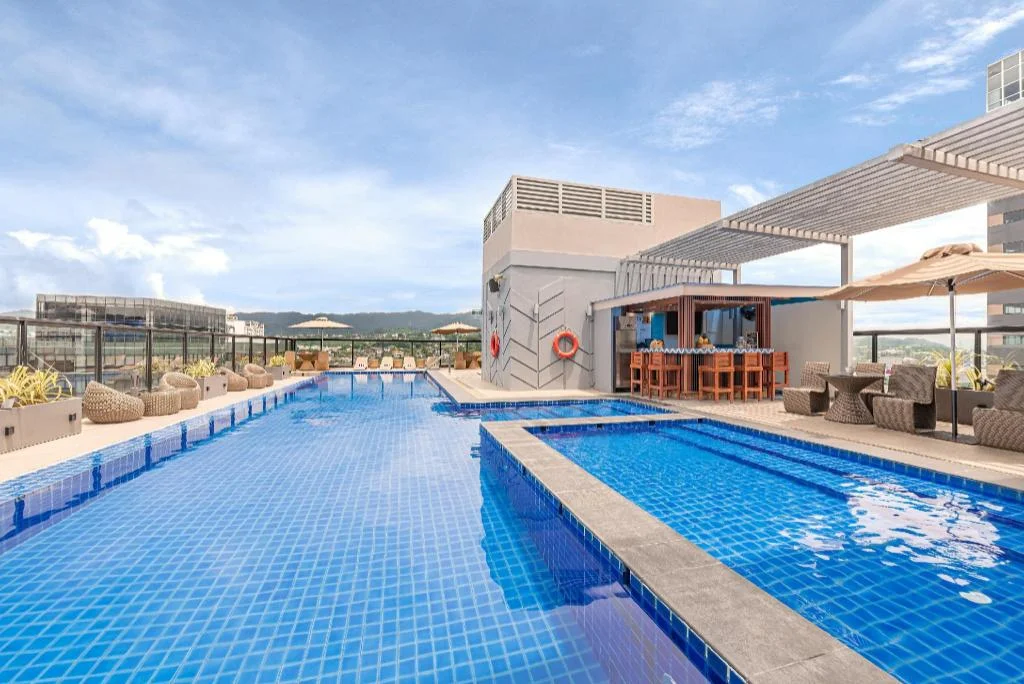
Seda Central Bloc Cebu City
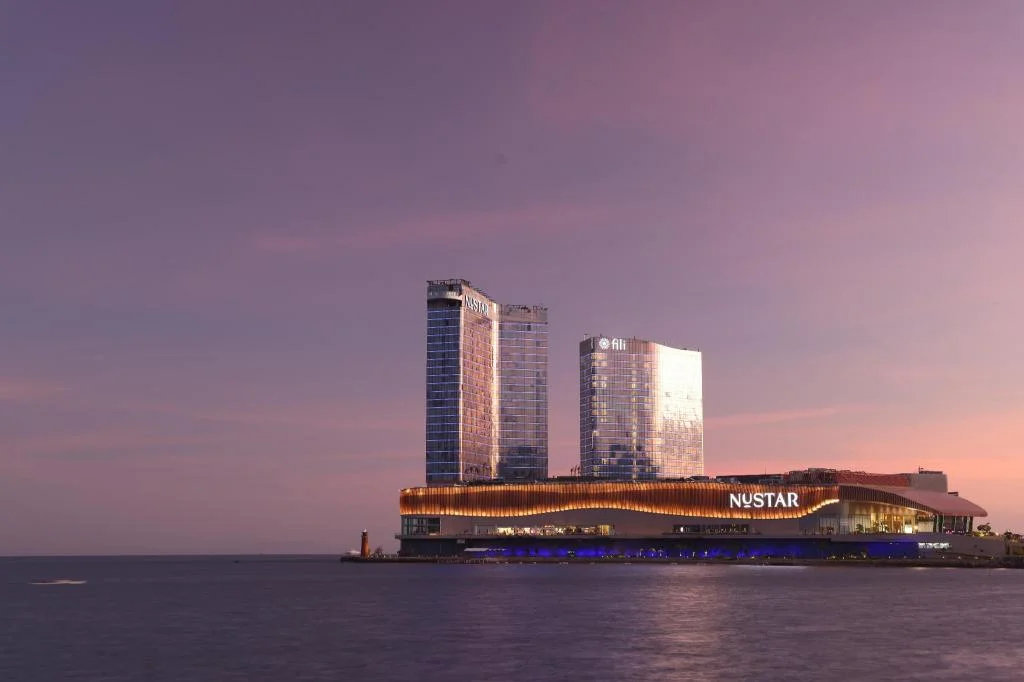
Fili Hotel - NUSTAR Resort & Casino Cebu

Holiday Inn Cebu City By IHG

Citadines Cebu City
Prefer a rental? Vacation rentals near Cebu City
Self-catering condos and apartments — book the exact unit, kitchen included.

Cebu Avida Riala by P&J

Special Big Loft Unit w/Fibreop Internet & Netflix

Moonstar Cebu Hotel - Deluxe Room
Before you go
Frequently asked
What is Taboan Market known for?
How much does danggit cost at Taboan Market?
Can you bargain at Taboan Market?
How do you get to Taboan Market?
What are Taboan Market's hours?
How do you pack dried fish so it doesn't smell during the flight home?
Is Taboan Market safe and worth visiting for tourists?
What else can you buy at Taboan Market besides danggit?
More Places to Explore
Carbon Market
Cebu City
Cebu's oldest and largest market (since 1909), offering an authentic local shopping experience with fresh produce, seafood, and traditional goods.
Colon Street
Cebu City
The oldest street in the Philippines, a historic commercial thoroughfare that has been Cebu's trading center since Spanish colonial times.
Carcar Public Market
Carcar City
The famous home of Cebu's best lechon and chicharon, where generations of vendors have perfected these iconic Cebuano delicacies.