
TL;DR: Cebu’s shopping splits into two worlds — air-conditioned malls (Ayala Center, SM Seaside City, SM City Cebu, Robinsons Galleria) for brands and comfort, and open-air markets for the real finds. A handmade guitar from Mactan’s “Guitar Village” runs ₱3,000–50,000+ (US$52–862); danggit at Taboan Market costs ₱400–500/kg (US$6.90–8.60), roughly 30–50% cheaper than malls; and dried mango or otap pasalubong runs ₱100–200 a pack (US$1.70–3.40). Carbon Market is worth an hour for produce, flowers, and crafts, and haggling is expected everywhere except malls and supermarkets. Verified July 2026.
Cebu isn’t a shopping destination the way Bangkok or Hong Kong is, but it has a genuinely good spread if you know where to point yourself: modern malls for everyday needs, a historic bargain district on Colon Street, a whole village of guitar makers on Mactan, and a produce-and-crafts market — Carbon Market — that’s been running since the American colonial era. This guide is the map: what each place is good for, what things actually cost in 2026, and which of the “must-buy” souvenirs are worth your suitcase space and which aren’t.
Think of it as a hub for four separate trips: a mall run for anything you forgot to pack, an afternoon at Mactan Guitar Factory if you play (or want to start), a Carbon Market wander for flowers and produce, and a dedicated pasalubong haul before you fly out. You don’t need all four — most visitors do the guitar factory and a pasalubong stop, and skip the rest.
Where to Shop: The Quick Map
| Place | What to buy | Area |
|---|---|---|
| Ayala Center Cebu | International brands, department stores, cinema, dining | Cebu Business Park |
| SM Seaside City Cebu | Biggest mall in the Visayas, IMAX, department store, seaside views | South Road Properties (SRP) |
| SM City Cebu | Everyday shopping, supermarket, bowling, cinema | North Reclamation Area |
| Robinsons Galleria Cebu | Department store, supermarket, quieter crowds | Gen. Maxilom Ave cor. Sergio Osmeña Blvd |
| Colon Street / 138 Mall | Cheap clothing, electronics, ukay-ukay thrift finds | Downtown Cebu City |
| Carbon Market | Produce, flowers, handicrafts, cheap eats | Downtown Cebu City |
| Taboan Market | Danggit and other dried fish | Near South Bus Terminal |
| Mactan Guitar Factories | Handmade guitars and ukuleles | Maribago, Lapu-Lapu City |
Verified July 2026.
Where Do You Shop for Everyday Brands and Comfort?
Cebu City’s malls cover it all — Ayala Center for polish, SM Seaside City for scale, SM City Cebu for convenience, and Robinsons Galleria for a quieter pace. Ayala Center Cebu, in Cebu Business Park, is the open-air, upscale option — international brands, a proper food scene, and the area most expats and professionals default to. SM Seaside City Cebu, out at the South Road Properties reclamation area, is SM’s flagship “lifestyle city” here — an IMAX, a huge department store, and sea views, but it’s a longer trip from the old downtown. SM City Cebu, the original SM in the north reclamation area, is smaller and less flashy but reliable for a supermarket run or a quick cinema stop. Robinsons Galleria Cebu, at Gen. Maxilom Avenue corner Sergio Osmeña Boulevard, is the calmest of the four — a solid backup if the bigger malls feel overwhelming.
None of these are shopping destinations in themselves — go if you need something specific (a SIM card, sunscreen, a proper meal in air conditioning), not as a day’s activity. See our malls roundup for store directories and getting-there details.
Where Do You Buy a Guitar or Ukulele in Cebu?
Head to Mactan’s “Guitar Village” in Abuno-Pajac, Maribago, Lapu-Lapu City — a cluster of family-run workshops that have handcrafted guitars and ukuleles for generations. Alegre Guitar Factory, now on its third generation of ownership, is the best-known: it runs a full walkthrough of the manual production process alongside two showrooms, open roughly 8:00 AM to 6:00 PM with no entrance fee (a ₱100–200 tip for your guide is standard). Susing’s Guitar Factory and Wagas Ukulele are nearby alternatives worth comparing before you commit.
Prices vary by size and finish: ukuleles run about ₱1,500–20,000 (US$26–345), and guitars start around ₱3,000 (US$52) for a junior classical model and go past ₱50,000 (US$862) for premium concert-grade instruments. Labor costs here are lower than in guitar-buying countries like Japan, so a professional-grade instrument can be a real deal — but quality varies factory to factory, so play a few before you buy, and a light haggle on the sticker price is normal. This is worth the trip only if you actually play, or want a genuinely handmade souvenir with a story — casual browsers can skip it. Full factory-by-factory breakdown is in our Mactan guitar factories guide.
What Is Carbon Market and What Do You Buy There?
Carbon Market is Cebu City’s oldest and largest public market — a sprawling maze of roughly 6,000 vendors selling produce, dry goods, and handicrafts. It’s split into three rough zones: a fruit market (durian, mangosteen, rambutan, and Cebu’s own mangoes), wet-and-dry goods (meat, vegetables, kitchenware, clothing), and a handicraft area (woven mats, fans, and baskets). Prices run well under mall or grocery rates — a full local meal is under ₱300 (US$5.20), and flower bouquets start at ₱50 (US$0.86). The market stays lively until around 9:00 PM.
Carbon is mid-redevelopment: Megawide is investing roughly ₱1.1 billion into a new mixed-use “Block 2” for food and handicraft vendors, targeted for completion around early 2026, so expect some construction detours depending on when you visit. It’s authentic and worth an hour, but it’s also crowded, hot, and not somewhere to bring valuables you’d hate to lose. See our Carbon Market food guide for what to eat while you’re there.
Where Do You Buy Dried Fish (Danggit) in Cebu?
Taboan Public Market, near the South Bus Terminal in Cebu City, is the dried fish capital of the province. Danggit — Cebu’s signature crispy, salty dried fish, usually eaten with garlic rice and vinegar for breakfast — runs about ₱400–500 per kilo (US$6.90–8.60), and the wider selection of dried fish varieties runs ₱150–500 per kilo depending on type and size. That’s generally 30–50% cheaper than the same items sold in malls or airport pasalubong shops. Go between 8:00 AM and noon for the freshest stock and the widest selection before the good cuts sell out. Full stall-by-stall notes are in our Taboan dried fish market guide.
Where Do You Find Cheap Bargains and Tiangge Shopping?
Colon Street — the oldest street in the Philippines — is downtown Cebu’s bargain-shopping backbone. The multi-storey 138 Mall anchors the strip with wholesale-priced clothing, electronics, toys, and household goods, and the stretch near Leon Kilat Street is Cebu’s best concentration of ukay-ukay (thrift and surplus) stalls if you like digging for vintage finds. As with any tiangge-style market, prices are opening offers, not final ones — asking for the seller’s “last price” is expected and gets you a genuine discount without any awkwardness. After dark, Colon shifts into a street-food and accessories night market; go earlier in the day (roughly 8:00 AM–5:00 PM) if bargain hunting is the priority, since that’s when it’s busiest, best-lit, and best-supervised.
What Pasalubong Should You Bring Home?
Dried mango and otap are Cebu’s signature edible souvenirs, and both travel well and cost little. Dried mango, made from the sweet local “carabao” variety, runs about ₱100–200 (US$1.70–3.40) per pack; otap — a flaky, lightly sweet pastry roll — is in the same range. SM and Robinsons supermarkets are usually the cheapest source for both, while dedicated pasalubong centers near Fuente Osmeña bundle mango, otap, chicharon, and other local snacks into one stop if you’re short on time. Round out the haul with danggit from Taboan and, if you have suitcase room, a small ukulele from Mactan. Our pasalubong souvenir guide has the full shopping list with per-item pricing.
The Honest Take
Cebu’s malls are comfortable but generic — you’ll find the same stores you’d find in Manila or any Southeast Asian mall, so don’t burn a vacation day there unless you need something. The real value is in the markets: Carbon and Taboan are genuinely local, genuinely cheap, and genuinely a little rough around the edges — go with small bills, a plan for what you want, and low expectations of quiet or air conditioning. The guitar factories are the one “shopping as an activity” stop that’s actually worth carving out time for, especially if you play, since watching an instrument get handmade is more interesting than the buying itself. Skip Colon Street after dark if you’re not comfortable in dense, poorly-lit crowds, and skip the airport pasalubong shops entirely — they mark up the same dried mango and otap you can get cheaper at any SM or Robinsons supermarket in the city.
Sources
- Carbon Market — Wikipedia (history, redevelopment)
- Taboan Public Market guide — South Pole Central Hotel (danggit pricing, hours)
- Delicacies Philippines — Complete Guide to Danggit Prices (dried fish price ranges)
- Alegre Guitar Factory — Tripadvisor (hours, tipping norms)
- Penfires — Mactan and Cebu Guitars: Factories, Prices and Options (guitar and ukulele pricing)
- Robinsons Galleria Cebu — Robinsons Malls official (location)
- WhyCebu — Cebu Pasalubong: What to Buy, Prices & Best Shops (pasalubong pricing)
- Mall and Colon Street details cross-checked against current visitor reports. Verified July 2026.
Whichever route you take, pair it with the rest of downtown — Carbon Market and Colon Street are a 10-minute walk apart, and both sit close to Cebu’s heritage core (see our Cebu City travel guide). If you’d rather browse guitars with a guide who knows the good factories from the tourist traps, check island tours and day trips on Klook that bundle Mactan stops with the guitar village.
Book Tours & Hotels for This Trip
Find and book the best deals — prices and availability update in real time. Links open in a new tab.
Where to stay near Cebu City
Top-rated hotels for this trip — tap through to check live rates.
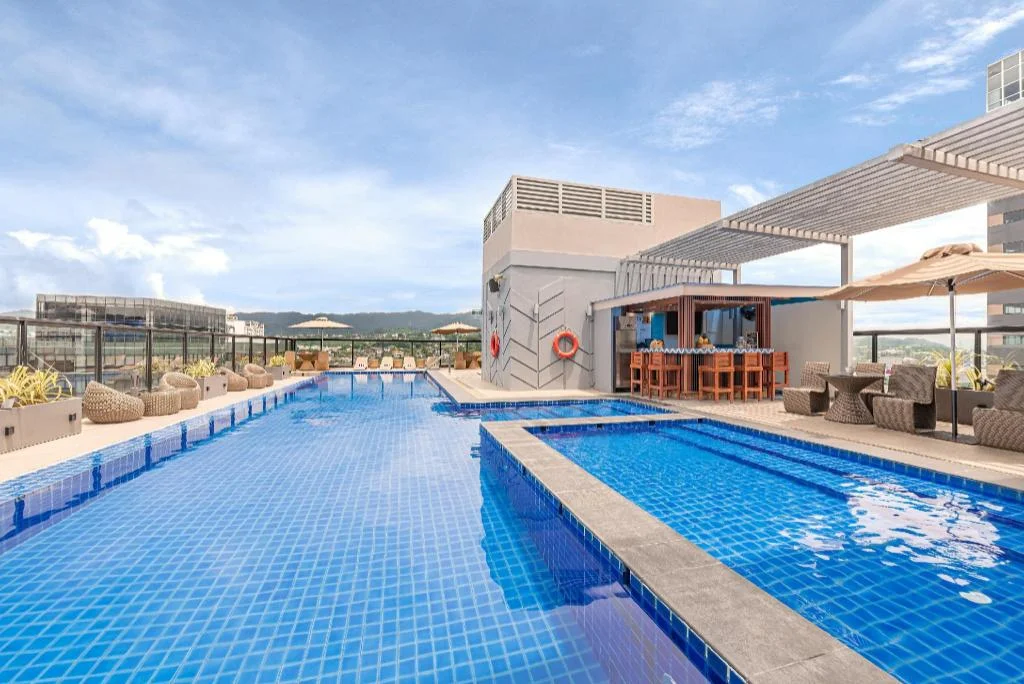
Seda Central Bloc Cebu City
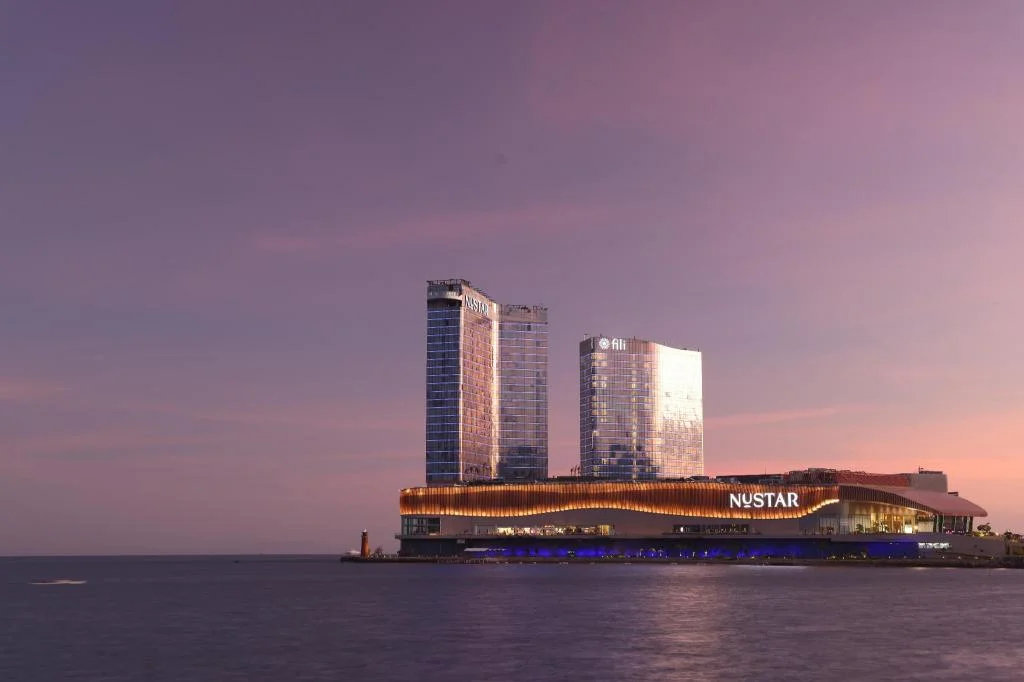
Fili Hotel - NUSTAR Resort & Casino Cebu
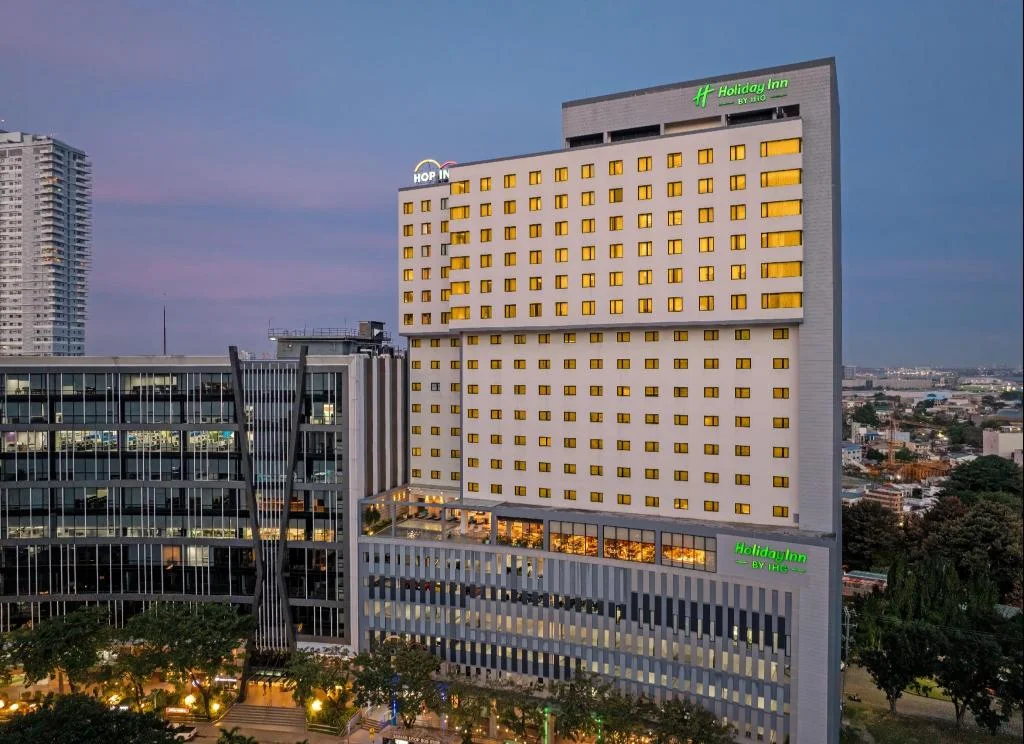
Holiday Inn Cebu City By IHG
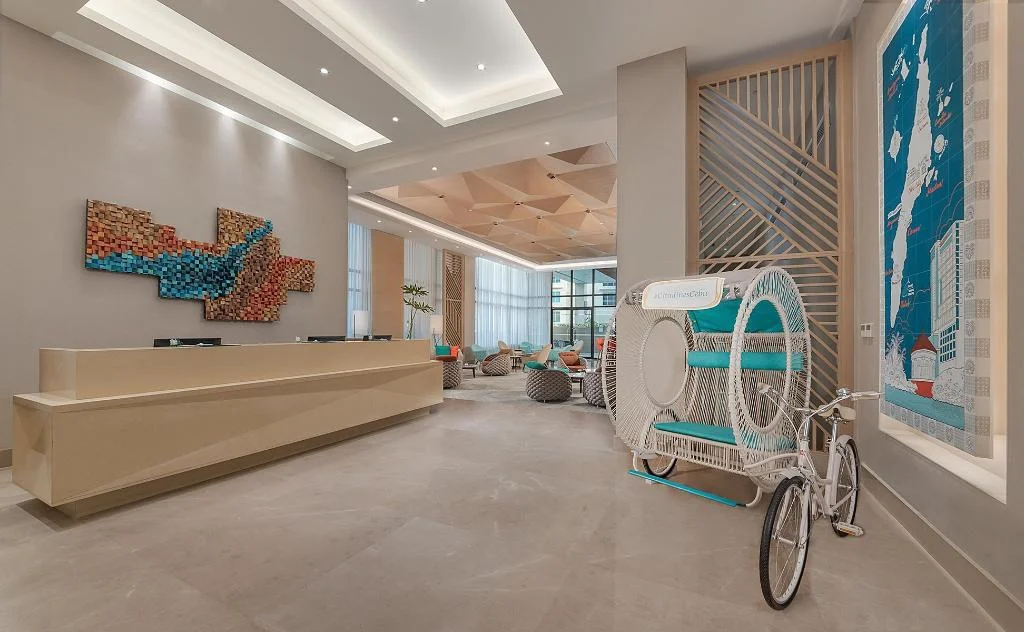
Citadines Cebu City
Prefer a rental? Vacation rentals near Cebu City
Self-catering condos and apartments — book the exact unit, kitchen included.
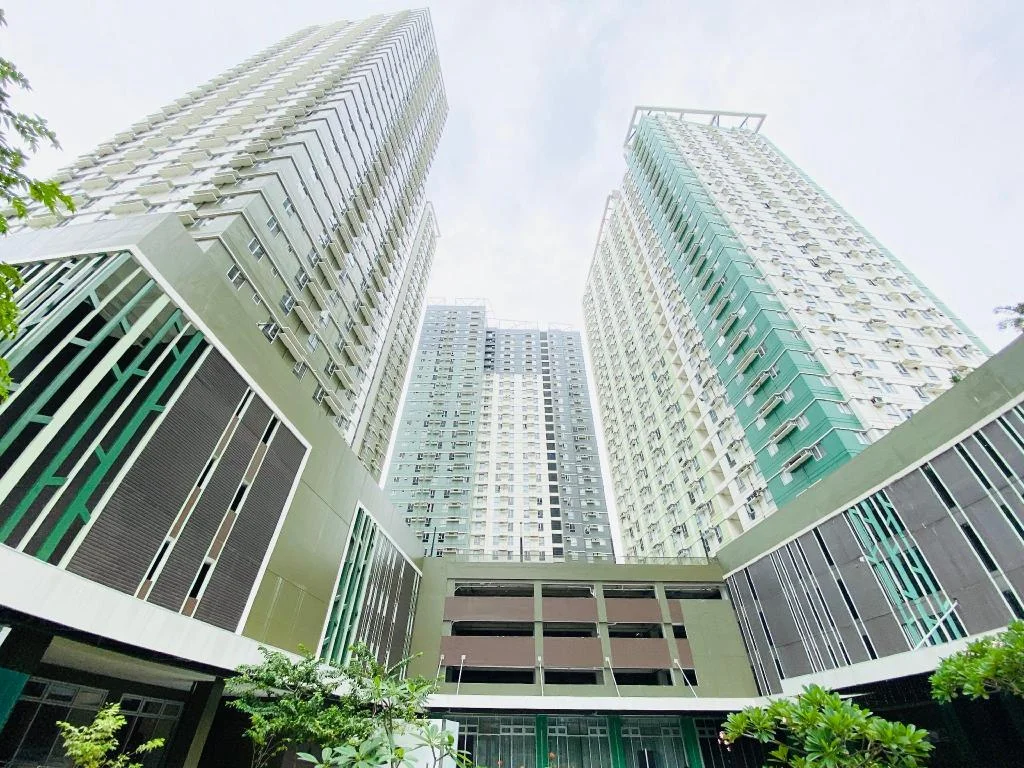
Cebu Avida Riala by P&J
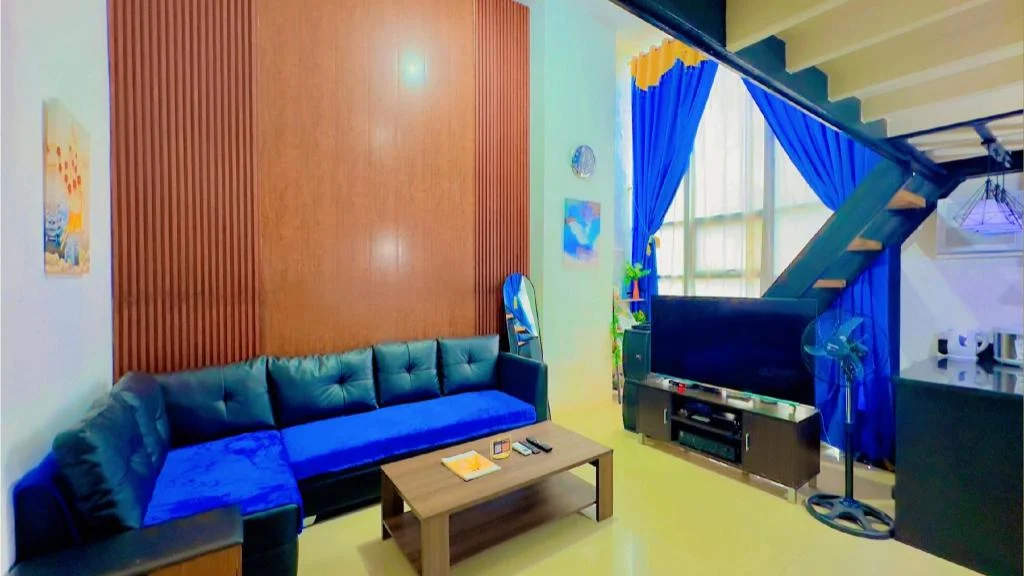
Special Big Loft Unit w/Fibreop Internet & Netflix
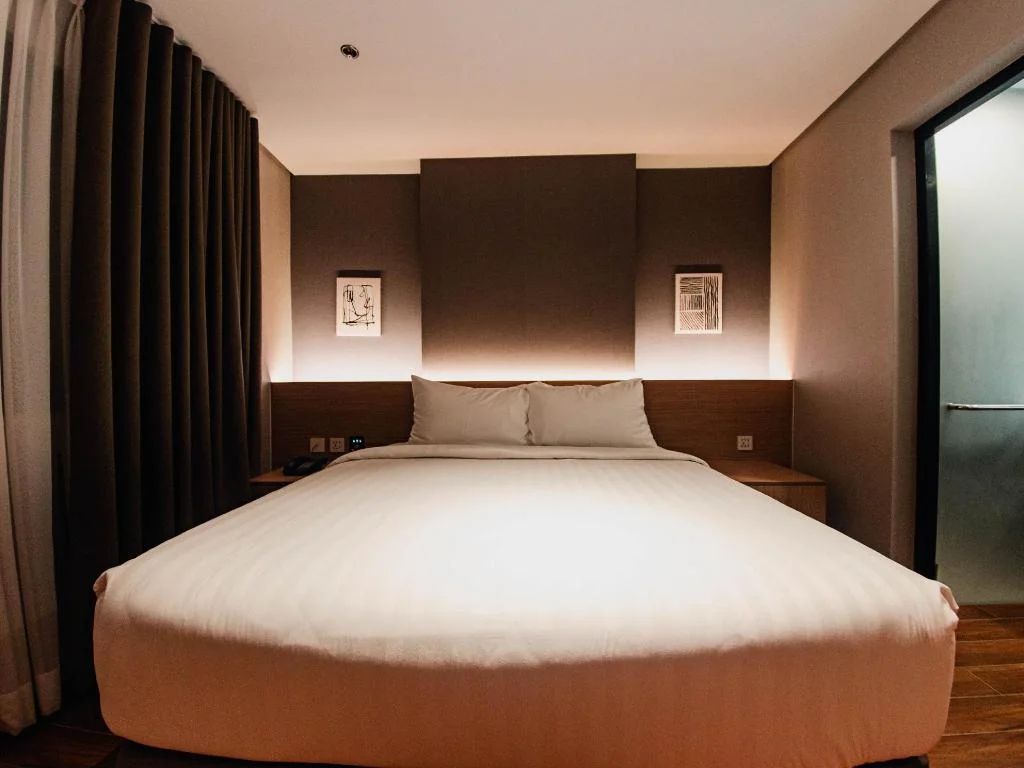
Moonstar Cebu Hotel - Deluxe Room
Before you go