TL;DR: Cebu City is the transport and food hub of the whole province — base yourself in IT Park or Cebu Business Park for the easiest first-timer experience, or downtown near Fuente Osmeña if you want to be near the historic core and pay less. Two to three days covers the city (heritage sites, viewpoints, food); add a day trip to Moalboal, Oslob, or Kawasan Falls if you have more time. Getting around means Grab (from ₱130 for short city hops) or modern air-conditioned jeepneys (₱15–20). The city itself is worth it for the food and the Basilica del Santo Niño, but it’s hot, congested, and not scenic — most travelers use it as a base, not the main event. Verified July 2026.
Cebu City is where almost every Cebu trip starts and ends — it’s home to the province’s only international airport connection point (via the Mactan-Mandaue bridges), its biggest malls, its best restaurants, and its oldest colonial landmarks, including the Basilica del Santo Niño and Magellan’s Cross. It is also, honestly, not a beach-and-waterfall destination — that’s everywhere else in the province. This guide is the hub for the city itself: how the districts differ, where to stay, what to actually do here versus skip, how to get around, what to eat, and how the day trips out of the city work. If you’re building a wider itinerary, use this as your base-camp chapter and branch out from here.
Cebu City at a Glance
| District | Vibe | Best for | Typical hotel price/night* |
|---|---|---|---|
| Downtown / Heritage core (Colon, Carbon, Plaza Independencia) | Old, dense, chaotic, historic | History, cheap eats, budget stays | ₱1,000–2,500 (US$17–43) |
| Uptown / Fuente Osmeña | Downtown-adjacent, street food, transit hub | Larsian BBQ, mid-budget hotels | ₱1,200–3,000 (US$21–52) |
| IT Park / Lahug | Modern, 24/7, walkable, cafe-dense | First-timers, remote workers, food | ₱2,000–5,500 (US$34–95) |
| Cebu Business Park / Ayala Center | Upscale, mall-centric, business | Shopping, comfort, families | ₱2,500–7,000 (US$43–121) |
| Mabolo | Residential, connector district | Mid-range stays between IT Park and Business Park | ₱1,500–4,000 (US$26–69) |
*Ranges are general 3-star to upper-midscale indicators, not live rates — check current Cebu City rates and availability on Agoda for your dates. Verified July 2026.
What Are Cebu City’s Main Districts, and Which One Should You Stay In?
Pick IT Park or Cebu Business Park if this is your first trip; pick downtown if you’re on a tight budget and prioritize the historic sites.
Downtown / heritage core is the oldest part of the city, built around Magellan’s Cross, the Basilica del Santo Niño, Fort San Pedro, Colon Street, and Carbon Market. It’s cheap, walkable for sightseeing, and genuinely historic — Colon Street is often cited as the oldest street in the country. It’s also crowded, hot, and rougher around the edges after dark; most visitors sightsee here by day and sleep elsewhere.
Uptown / Fuente Osmeña sits between downtown and the newer business districts. Fuente Osmeña Circle is a transit hub and the location of Larsian BBQ Market, Cebu’s best-known street-food strip. It’s a reasonable mid-budget base with decent transit access, though it’s louder and busier than IT Park.
IT Park (Lahug) is a purpose-built BPO and lifestyle district that runs 24/7 — night-shift call center workers keep restaurants and cafes open around the clock, so you’ll never struggle to find food at 3am. It’s compact and walkable, with arguably the highest density of restaurants and cafes of any district in the city, plus the Sugbo Mercado night market on weekends. It’s the easiest, most first-timer-friendly base in Cebu City.
Cebu Business Park / Ayala Center is the upscale commercial core, anchored by Ayala Center Cebu, one of the biggest malls in the Visayas. It’s polished, walkable within the park itself, and close to good hotels, but it’s more mall-and-office than neighborhood character.
Mabolo sits geographically between IT Park and Business Park and along the route to the Provincial Capitol — a practical, less touristy base with a wide range of hotel prices if the districts above are full or over budget.
What Are the Best Things to Do in Cebu City?
The must-see list is short: the Basilica, Magellan’s Cross, Fort San Pedro, and one mountain viewpoint — everything else is optional depending on your interests.
- Basilica del Santo Niño — home to the Santo Niño image, the oldest Christian relic in the Philippines. Free to enter; go early to avoid Mass crowds and the heat.
- Magellan’s Cross — the small wooden cross marking the site of the first Catholic baptism in the country, right next to the Basilica. Five minutes is enough; it’s more a checkbox stop than a destination.
- Fort San Pedro — the oldest and smallest fort in the Philippines, with landscaped grounds and small exhibits. A small entrance fee applies; check current pricing at the gate, as it changes periodically.
- Heritage of Cebu Monument — a large sculptural monument depicting key moments in Cebu’s history, a short walk from the Basilica.
- Cebu Taoist Temple — a colorful Chinese temple in Beverly Hills subdivision with panoramic city views; free to visit, popular for photos.
- Tops Lookout and Temple of Leah — the classic Busay mountain-viewpoint combo, both with small entrance fees, best visited late afternoon for the light and the cooler air.
- Sirao Flower Garden (“Little Amsterdam”) — a flower-field photo spot near Tops, often combined in the same trip up the mountain.
- Ayala Center Cebu and SM City Cebu — the two flagship malls if you want shopping, air-conditioning, and a break from the heat.
If you only have one day, see our Cebu City 1-day itinerary for a route that fits the heritage core and a viewpoint into a single day, or the cultural heritage walking tour if you want the downtown sites in proper depth.
How Do You Get Around Cebu City?
Grab is the default for almost every visitor; modern air-conditioned jeepneys are the cheap backup for short hops, and IT Park itself is walkable.
Grab works exactly like it does elsewhere in Southeast Asia — the fare is quoted upfront in the app and includes bridge tolls. Short hops within IT Park or Business Park run roughly ₱100–150 (US$1.70–2.60); cross-town trips (say, IT Park to downtown) are typically ₱150–250 (US$2.60–4.30) depending on traffic and time of day.
Jeepneys are Cebu’s classic public transport, and the fleet is mid-modernization: older diesel jeepneys still run fixed routes for a low base fare, while newer air-conditioned “E-jeeps” with digital payment are being phased in on some routes, running roughly ₱15–20 (US$0.26–0.34) base fare. Fares were adjusted again in early 2026 — traditional jeepney base fares went up about ₱1 and modern jeepney fares about ₱2 (to roughly ₱17 for the first four kilometers), so treat any fare quoted here as an approximate range and confirm the posted rate on board.
Taxis still operate too — flag-down is around ₱50 (US$0.86), with rides to downtown typically ₱250–350 (US$4.30–6.00) — but tolls aren’t included in the meter, and not every driver runs it honestly with visitors, so Grab is the more predictable choice if you’re unfamiliar with the city.
You generally don’t need to rent a car or self-drive. Traffic is heavy at peak hours and unfamiliar road habits make self-driving more stressful than it’s worth; if you want to visit day-trip destinations independently, hiring a car with driver for the day is the more common approach among travelers.
How Do You Get From the Airport to Cebu City?
Budget 30–75 minutes and take Grab — it’s the easiest, most predictable option, tolls included.
Mactan-Cebu International Airport (CEB) sits on Mactan Island, connected to Cebu City by bridges across the channel. Grab fares run about ₱500 (US$8.60) to the general city center, or ₱130–250 (US$2.20–4.30) if you’re headed directly to IT Park or Cebu Business Park. In light traffic the ride takes 30–45 minutes; during rush hour (roughly 7–10am and 5–8pm) it can stretch to 45–75 minutes, so build in buffer time around a flight if you’re catching a connection or an early check-in. For the full airport walkthrough — arrival process, SIM cards, and transfer options — see our Mactan-Cebu Airport guide.
What Should You Eat in Cebu City?
Lechon, sutukil seafood, and street-grilled skewers with puso are the three things to prioritize.
Cebu’s lechon (roast pig) is considered by many Filipinos to be the country’s best, and the city has two famous names: Zubuchon, built around a slow, refined recipe, and CnT Lechon, the more affordable, multi-branch option most locals actually eat regularly. For fresh seafood, look for a sutukil restaurant — the name is short for sugba (grilled), tuwa (stewed), and kilaw (raw-marinated) — where you pick your catch and your cooking method; Mactan Seafood Market—style setups and floating restaurants like Lantaw are well known for this. In the evening, Larsian BBQ Market near Fuente Osmeña is the classic street-food stop: skewers of pork, chicken, and seafood grilled to order, eaten with puso (rice packed and boiled in a woven coconut-leaf pouch). For broader coverage of Cebuano food beyond the city, see our Cebu lechon guide.
What Day Trips Can You Take From Cebu City?
Give yourself at least a full day per trip — Cebu City is the base, not the destination, for beaches, waterfalls, and diving.
- Moalboal (3–3.5 hours by land) — the sardine run, Pescador Island snorkeling and diving, and a laid-back beach scene. Best done as an overnight rather than a rushed day trip. See Cebu City to Moalboal.
- Oslob (3–4 hours) — whale shark watching and Tumalog Falls, usually combined into one long day. See Cebu City to Oslob.
- Kawasan Falls (3–3.5 hours, Badian) — canyoneering and the three-tier waterfall, a full-day commitment given the drive.
- Bohol — reachable by fast ferry from the Cebu City port; a rushed one-day trip is possible but 2–3 days lets you actually enjoy the Chocolate Hills, tarsiers, and Loboc River without racing the clock.
- Bantayan and Malapascua — both require a long land transfer plus a boat crossing, so they work better as 2+ day additions than single-day trips from the city.
If you’re stacking several of these, our Cebu 5-day and Cebu 7-day itinerary guides lay out realistic day-by-day routes.
How Many Days Should You Spend in Cebu City?
Two to three days is enough for the city itself. Day one covers the downtown heritage core (Basilica, Magellan’s Cross, Fort San Pedro, Carbon Market) at a relaxed pace with breaks from the heat. Day two covers IT Park or Business Park, the Busay mountain loop (Tops, Temple of Leah, Sirao), and dinner at Larsian or a sutukil restaurant. A third day gives buffer for shopping, a spa day, or simply resting before or after a day trip. Most itineraries then add 1–2 day trips (Moalboal, Oslob, or Kawasan) or a Bohol side trip, pushing a full Cebu-area visit to 5–7 days total — see our Cebu 7-day itinerary for how that typically breaks down.
The Honest Take
Cebu City is a working, sprawling, traffic-heavy Southeast Asian city, not a resort town — go in with that expectation and you won’t be disappointed. The heritage core is genuinely worth seeing once, but it’s small; you can cover the must-sees in half a day and the rest is repetition. The mountain viewpoints (Tops, Temple of Leah, Sirao) are pleasant but not bucket-list scenery on their own, and they’re often paired with a habal-habal or tour package that’s more about the ride up than the view itself. IT Park and Ayala Center are genuinely excellent for food and comfort, but they could be almost any modern Southeast Asian business district — they’re not “Cebu” in any distinctive sense.
The best time to be here is early morning for the heritage sites (before the heat and the crowds) and evening for IT Park and Larsian (when the city cools down and the food scene comes alive). Avoid downtown sightseeing during Sinulog weekend in January unless the festival itself is your goal — see our Sinulog Festival guide — since the whole heritage core becomes a no-drive zone. If you only have limited time in the Philippines, don’t spend more than 2–3 days in the city proper; the real draw of a Cebu trip is what’s south (whale sharks, canyoneering) and north (islands, diving) of it, and the city’s real job is being the well-fed, well-connected base you launch those trips from.
Plan the Rest of Your Trip
Once you’ve got the city sorted, branch out: read things to do in Cebu for the full province-wide menu, where to stay in Cebu City for specific hotel picks by district, and the Cebu City 1-day itinerary if you’re short on time. Compare Cebu City hotels by district on Agoda to lock in your base before you build the rest of the trip around it.
Sources
- Grab — Mactan-Cebu International Airport transfers
- Rappler — jeepney, bus, and ride-hailing fare increases, March 2026
- Cebu IT Park — Wikipedia
- Cebu Business Park — Wikipedia
- District, transport, food, and day-trip details cross-checked against current Cebu travel and local-news reporting. Verified July 2026.
Book Tours & Hotels for This Trip
Find and book the best deals — prices and availability update in real time. Links open in a new tab.
Where to stay near Cebu City
Top-rated hotels for this trip — tap through to check live rates.
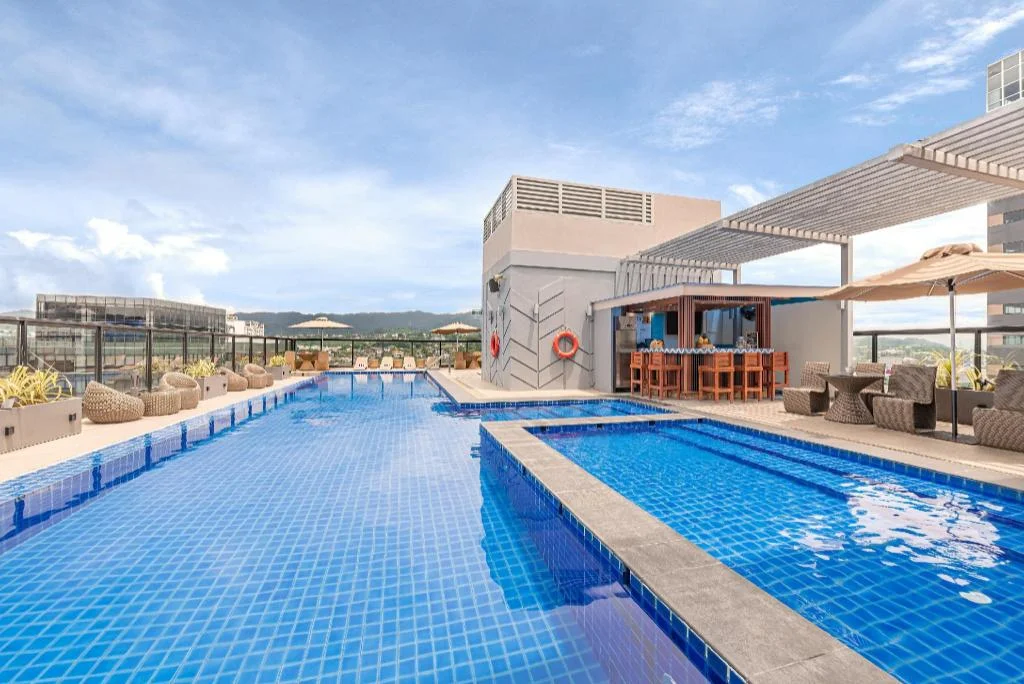
Seda Central Bloc Cebu City
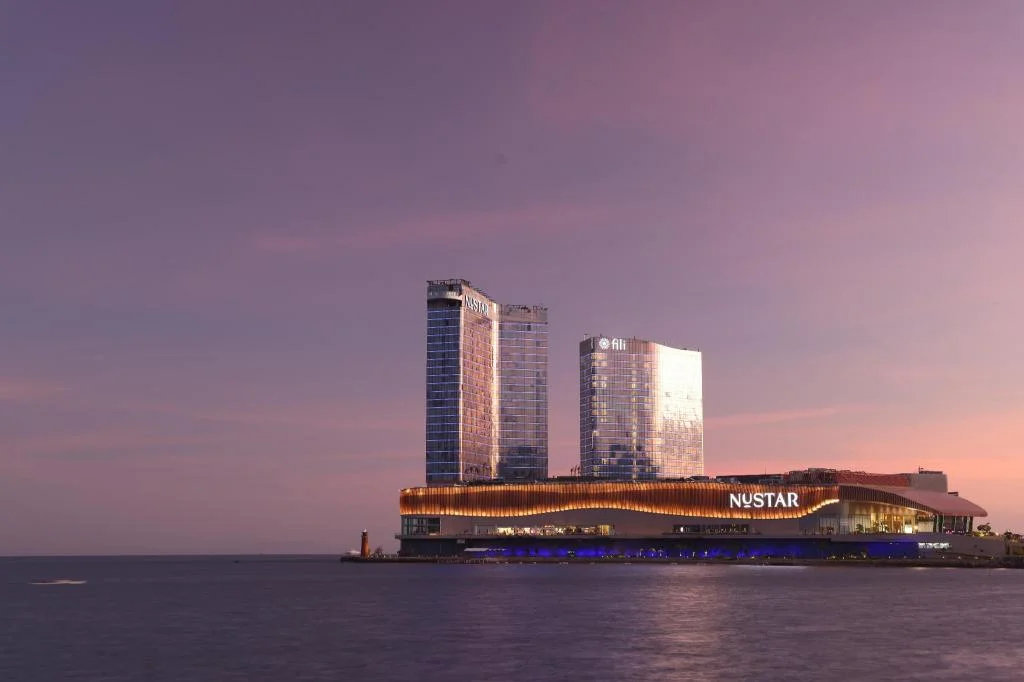
Fili Hotel - NUSTAR Resort & Casino Cebu
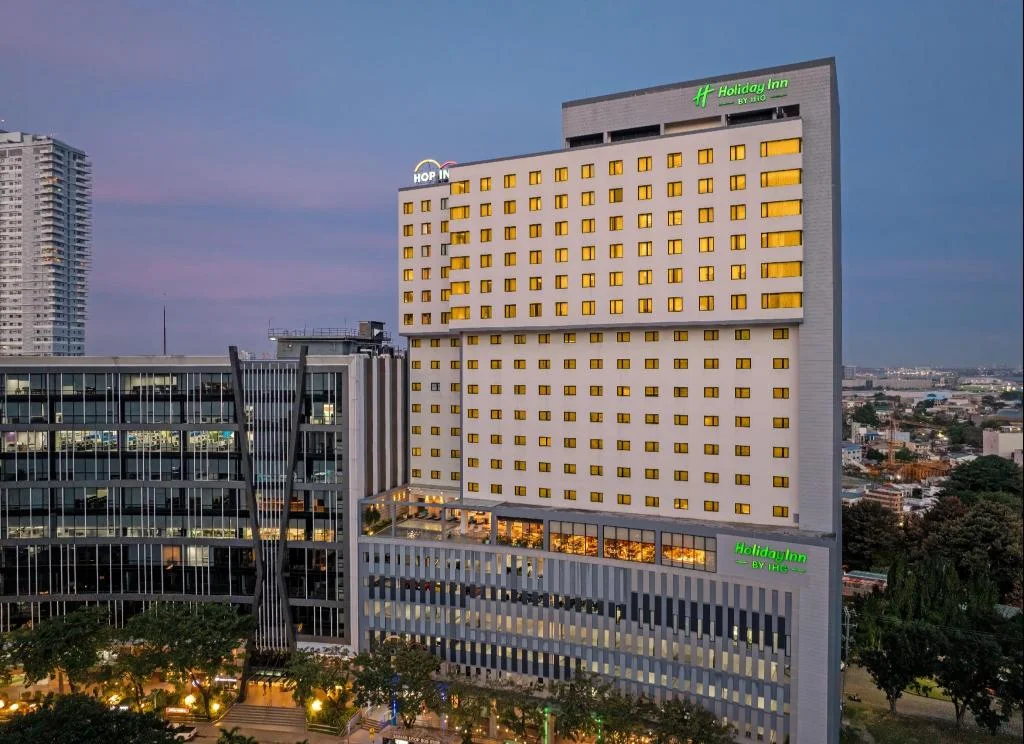
Holiday Inn Cebu City By IHG
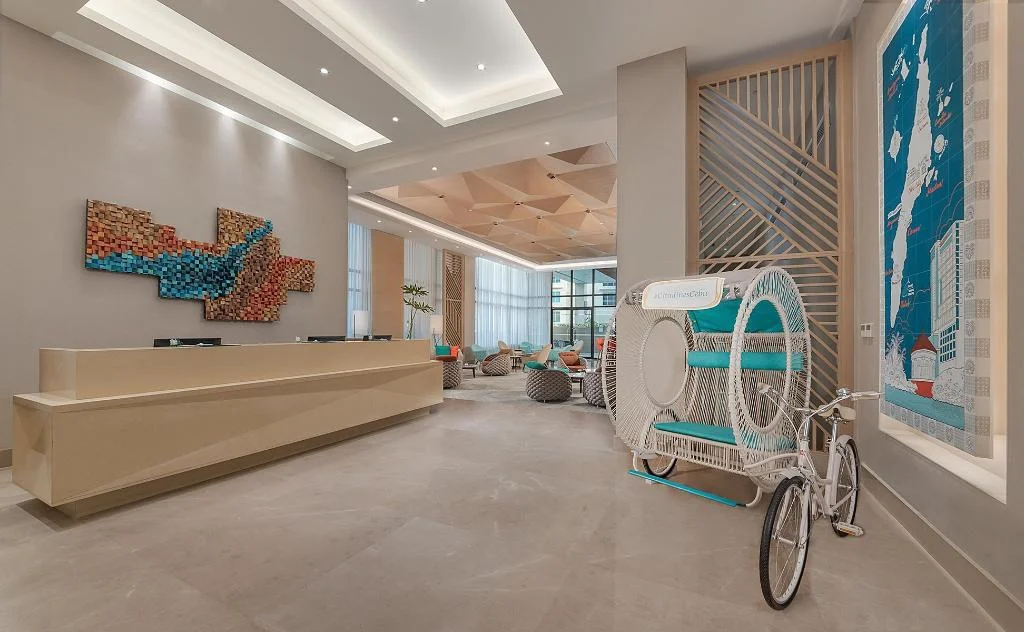
Citadines Cebu City
Prefer a rental? Vacation rentals near Cebu City
Self-catering condos and apartments — book the exact unit, kitchen included.
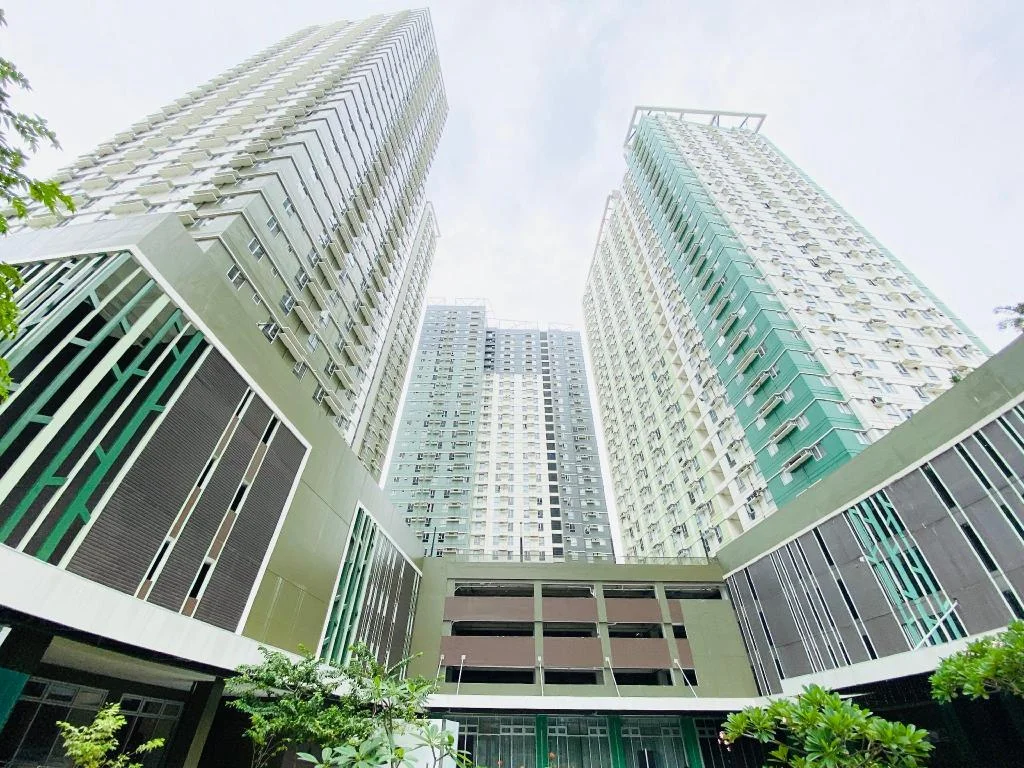
Cebu Avida Riala by P&J
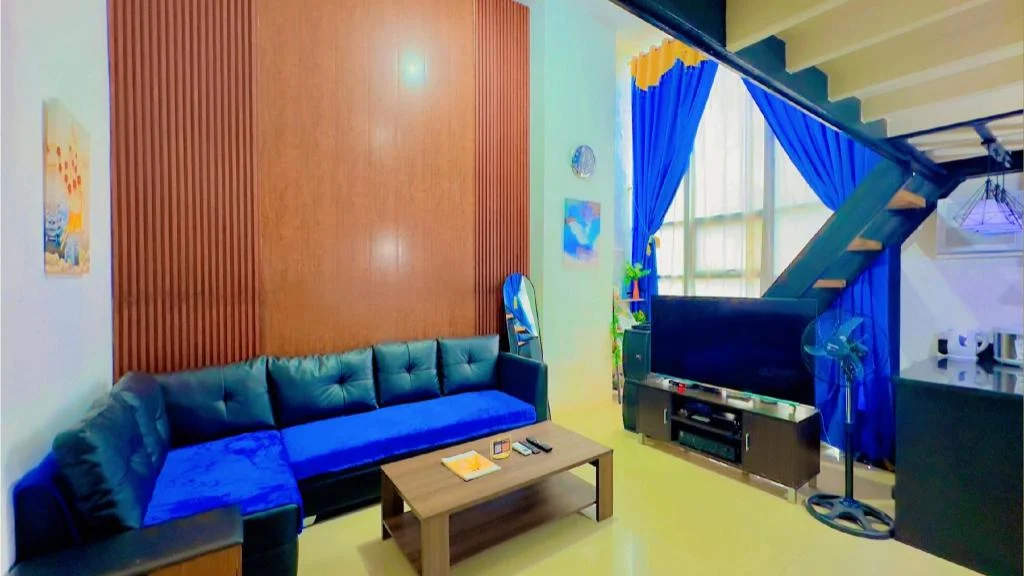
Special Big Loft Unit w/Fibreop Internet & Netflix
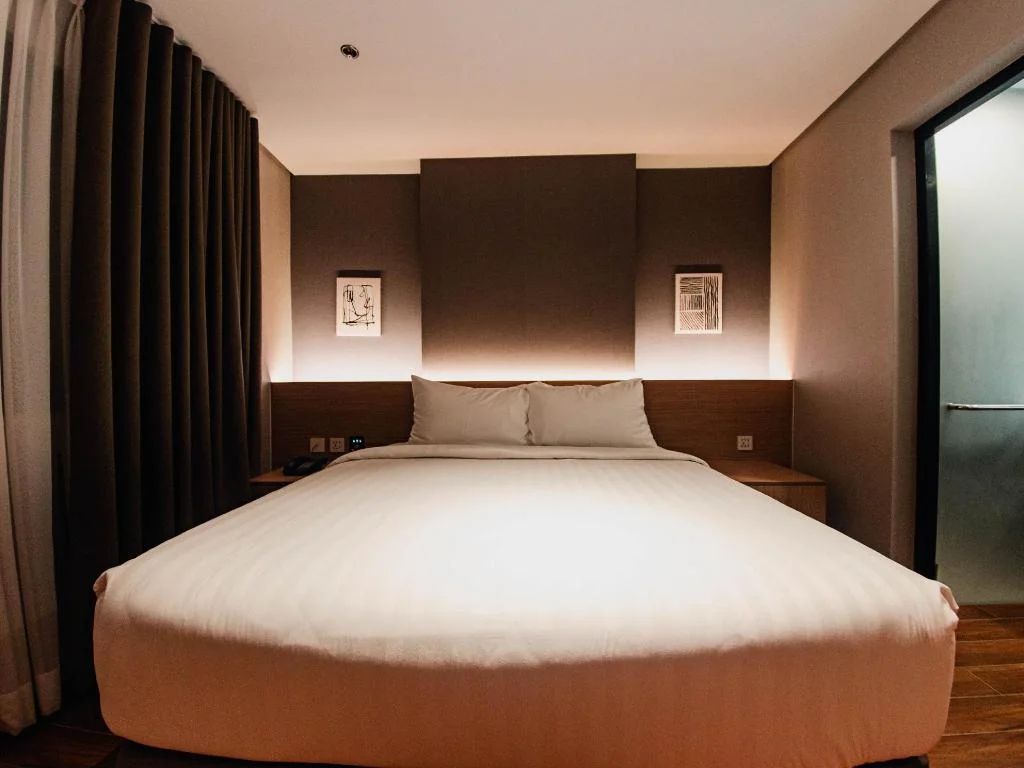
Moonstar Cebu Hotel - Deluxe Room
Before you go
Frequently asked
How many days do you need in Cebu City?
Where should I stay in Cebu City?
Is Grab or a taxi better in Cebu City?
How do you get from Mactan-Cebu Airport to Cebu City?
What is Cebu City's downtown heritage core?
Is Cebu City safe for tourists?
What food should you try in Cebu City?
Do you need a car to get around Cebu City?
More Places to Explore
Magellan's Cross
Cebu City
The historic cross planted by Ferdinand Magellan in 1521, marking the birth of Christianity in the Philippines and now a National Cultural Treasure.
Basilica del Santo Niño
Cebu City
The oldest church in the Philippines (1565), home to the miraculous Santo Niño image and center of the famous Sinulog Festival.
Fort San Pedro
Cebu City
The oldest and smallest triangular fort in the Philippines (1565), a well-preserved Spanish colonial military structure with a history museum.
Heritage of Cebu Monument
Cebu City
A dramatic sculptural tableau by Eduardo Castrillo depicting key moments in Cebu's history, from Magellan's arrival to modern times.
Tops Lookout
Cebu City
Cebu City's premier hilltop viewpoint offering stunning panoramic views of the city, especially spectacular at sunset and nighttime.