
TL;DR: Carbon Market is Cebu City’s oldest and biggest public market — go for cheap fresh fruit, dried fish, and Cebuano street food like pungko-pungko and puso, at roughly half of supermarket prices. The main market runs 8:00 AM–5:00 PM daily; the separate Carbon Night Market food stalls run Friday–Sunday, 4:00 PM–10:00 PM. It’s genuinely worth an hour of your trip, but it’s crowded, parts are under active redevelopment, and pickpocketing is a real (not dramatic) risk — go early, carry only cash, and wear your bag in front. Verified July 2026.
Carbon Market is where Cebu actually shops. Long before malls and supermarkets, this sprawl of stalls off Colon Street was — and still is — the main wholesale and retail market for fresh produce, seafood, meat, and dried goods for the whole metro. It’s named for a coal (“carbon”) depot that used to sit nearby, and it has survived world war, fire, and now a decades-long redevelopment that’s slowly turning it into a modern mixed-use complex without (so far) killing what makes it worth visiting: the food.
This guide is for travelers who want to eat like Cebuanos do — cheap, fresh, a little chaotic — rather than just photograph a “local market” from the sidewalk. It covers what to buy, where the real street food is, what’s changed with the ongoing rebuild, and how to do it without losing your phone. Carbon sits a short walk from Colon Street, the country’s oldest street, so the two pair naturally into one downtown Cebu City morning or evening.
What to Eat and Buy at Carbon Market
| Item | Typical price range | Notes |
|---|---|---|
| Mangoes | ₱80–150/kg (~US$1.40–2.60) | Cebu’s famous sweet mangoes; cheaper in peak season (March–May) |
| Rambutan, mangosteen, lanzones | ₱60–120/kg (~US$1–2) | Seasonal; best roughly June–September |
| Durian | ₱150–250/kg (~US$2.60–4.30) | Seasonal, roughly August–October; sold whole or by the lobe |
| Dried fish (tuyo, danggit) | ₱200–400/kg (~US$3.45–6.90) | A classic pasalubong (take-home gift); vacuum-sealed packs available |
| Pungko-pungko meal | ₱50–150/person (~US$0.90–2.60) | Grilled skewers + puso + vinegar dip, shared from a communal tub |
| Puso (hanging rice) | ₱10–15/piece (~US$0.20–0.25) | The traditional rice-in-woven-palm-leaf that pairs with grilled food |
| Night market street food (skewers, kwek-kwek, siomai) | ₱20–60/serving (~US$0.35–1) | Carbon Night Market, Fri–Sun 4–10 PM |
Prices are typical ranges reported by recent visitors and vendors, not fixed rates — bargain politely on bulk fruit, and confirm per-kilo vs. per-piece pricing before you pay. Verified July 2026.
Is Carbon Market Worth Visiting?
Yes, if you want to see how Cebu actually eats rather than just a curated food-tour version of it. It’s not a polished tourist attraction — it’s a working wholesale market, loud and crowded, with narrow lanes and mixed smells of fish, produce, and diesel. But that’s the appeal: cheap fresh fruit, real Cebuano street food, and a slice of daily life you won’t get at a mall food court. Give it 45–90 minutes; much longer and the heat and crowd start to wear on most travelers.
What Fresh Produce Should You Buy?
Fruit is the headline reason to come. Cebu’s mangoes are the local pride, and Carbon sells them cheaper and fresher than any supermarket — look for firm, unblemished fruit and buy only what you’ll eat in the next day or two since there’s no refrigeration until you get it home. Depending on season you’ll also find rambutan, mangosteen, and lanzones piled high, and — if you time it right, roughly August through October — durian sold whole or by the lobe, cut open on request.
Beyond fruit, the wet-market side sells vegetables, seafood, and meat at wholesale-adjacent prices, plus dried fish (tuyo, danggit) that travelers often pick up as pasalubong. If you’re staying somewhere with a kitchen or just want a snack for later, this is the cheapest fresh food in the city.
What Street Food Should You Try? (Pungko-Pungko Explained)
Pungko-pungko is the dish to try, and it’s less a specific recipe than a way of eating: you crouch or squat (pungko means “to squat” in Cebuano) around a stall’s tub of grilled viands — chicken skin, pork barbecue, isaw (grilled intestine), chicken feet, hotdogs — pick what you want, and eat it with puso (rice steamed in a woven palm-leaf pouch) and a spiced vinegar dip loaded with onions and chili. It’s communal, cheap, and about as authentically Cebuano as street food gets. You’ll find scattered pungko-pungko stalls around Carbon’s edges through the day, and a much bigger concentration at the night market.
What Is the Carbon Night Market?
The Carbon Night Market (sometimes called the Sunday Market, though it now runs three nights) sets up along ML Quezon Boulevard between the Bagsakan Center and the Interim Building, Friday through Sunday from about 4:00 PM to 10:00 PM. It grew from a single Sunday event into roughly 100 vendor stalls selling pungko-pungko, siomai, balbacua, larang, grilled skewers, tempura, kwek-kwek, shakes, and a smattering of Japanese and Korean street food, alongside foot reflexology and portrait sketching stalls for entertainment. Bring cash, expect limited seating (arrive earlier rather than later for a table), and treat it as Carbon’s more approachable, evening-friendly face compared to the daytime wholesale hustle.
If you want more food-market options in the city, our Cebu street food guide and best Cebuano dishes to try round out the list beyond Carbon.
Is Carbon Market Safe?
Mostly yes, with the same caution you’d use in any dense, crowded market. Carbon has a reputation among locals and travelers as a spot where pickpockets and bag-slashers occasionally work the crowd — it’s an inconvenience-and-theft risk, not a violent one. Practical tips:
- Wear a crossbody or front-facing bag, hand resting on it, rather than a backpack.
- Carry only the cash you plan to spend; leave your passport and extra cards at the hotel.
- Skip visible jewelry and expensive watches.
- Go earlier in the day when the lanes are still walkable and less packed.
- If it’s your first visit, going with a local friend, your hotel’s recommended guide, or as part of a food tour smooths out the navigation and language.
None of this should scare you off — it just means treat Carbon like the real, working market it is, not a sanitized attraction.
What’s Happening With the Carbon Market Redevelopment?
Carbon has been under a long-running redevelopment since Cebu City government entered a joint venture with Megawide Construction Corporation to rebuild the market into a modern, multi-level mixed-use complex — food halls, retail for local handicrafts, a parking and transport hub, and a planned water taxi link to Mactan-Cebu International Airport. As of mid-2026, construction on one of the new market blocks is targeting completion around early-to-late 2026, with additional public market buildings following in phases. The project has also drawn legal pushback from vendor groups worried about rent hikes and displacement; a Cebu City court denied a bid to halt the redevelopment in a ruling issued in 2026, so construction is continuing.
Practically, this means: expect some stalls, entrances, and walking routes around Carbon to shift or be fenced off as work continues through 2026–2027. It hasn’t shut the market down — vendors are still trading, and the night market keeps running — but if a specific stall or section matters to you, confirm it’s still in the same spot with your hotel or a local contact before you go.
How Do You Get to Carbon Market?
Carbon sits on M.C. Briones Street in downtown Cebu City, just off Colon Street, near Cebu City Hall and the Basilica del Santo Niño. From most Cebu City hotels, a Grab or taxi takes about 10–20 minutes depending on traffic; several jeepney routes also pass City Hall, a short walk from the market entrance. If you’re already exploring the downtown heritage sites, it’s easily walkable — pair it with a look at Colon Street itself, since the two sit a few minutes apart on foot.
Tips for a Better Visit
- Go early (before 9 AM) for the freshest produce, cooler temperatures, and thinner crowds.
- Bring small bills. Vendors dealing in produce and street food rarely have change for large notes.
- Confirm per-kilo vs. per-piece pricing before handing over money — this is the most common way visitors overpay, not aggressive bargaining.
- Wear closed shoes. Wet, uneven floors and the occasional fish-market runoff aren’t sandal-friendly.
- Pair it with the night market if your schedule allows — the daytime wholesale market and the Friday–Sunday food stalls are genuinely different experiences.
- Skip it in the early afternoon if you’re heat-sensitive; midday is the most crowded and least comfortable window.
The Honest Take
Carbon Market is one of the more honest “authentic Cebu” experiences you can have, and that’s exactly why it’s not for everyone. It’s not curated, it’s not air-conditioned, and it doesn’t exist for tourists — it exists because Cebu City needs to eat, and that’s the appeal. If you want a market experience that’s genuinely local rather than a polished version built for cameras, it’s worth the detour.
That said, don’t oversell it to yourself. The daytime market can be overwhelming, cramped, and occasionally unpleasant underfoot, and pickpocket risk is real enough to take seriously, not just a line in a guidebook. The redevelopment also means parts of it are a construction zone right now, so temper expectations of a tidy Instagram moment. If you want the food culture without the wholesale chaos, lean toward the Friday–Sunday night market instead of the daytime market — it’s calmer, still cheap, and arguably has better food per square meter.
Sources
- Cebu Insights — Filipino Street Food at Carbon’s Sunday Market
- SunStar Cebu — Carbon Night Market now open 3 days weekly
- SunStar Cebu — Court denies bid to halt Carbon Market redevelopment
- Manila Times — Cebu City court denies plea to halt Carbon Market redevelopment (2026)
- Manila Standard — Modernizing Cebu’s Carbon Market without losing its soul
- Prices, hours, and safety notes cross-checked against recent (2025–2026) traveler and vendor reporting. Verified July 2026.
Eat Your Way Through Downtown Cebu
Carbon Market rewards an early-morning fruit run or a Friday-night pungko-pungko dinner more than a rushed midday pass-through. Combine it with a walk down Colon Street and round out your food list with our guides to Cebu street food, the best Cebuano dishes to try, and cheap eats in Cebu under ₱150. Want a guided introduction instead of navigating the lanes solo? Browse Cebu food and heritage walking tours on Klook, or compare Cebu City hotels near downtown on Agoda if you’re basing yourself close to Carbon and Colon.
Book Tours & Hotels for This Trip
Find and book the best deals — prices and availability update in real time. Links open in a new tab.
Where to stay near Cebu City
Top-rated hotels for this trip — tap through to check live rates.
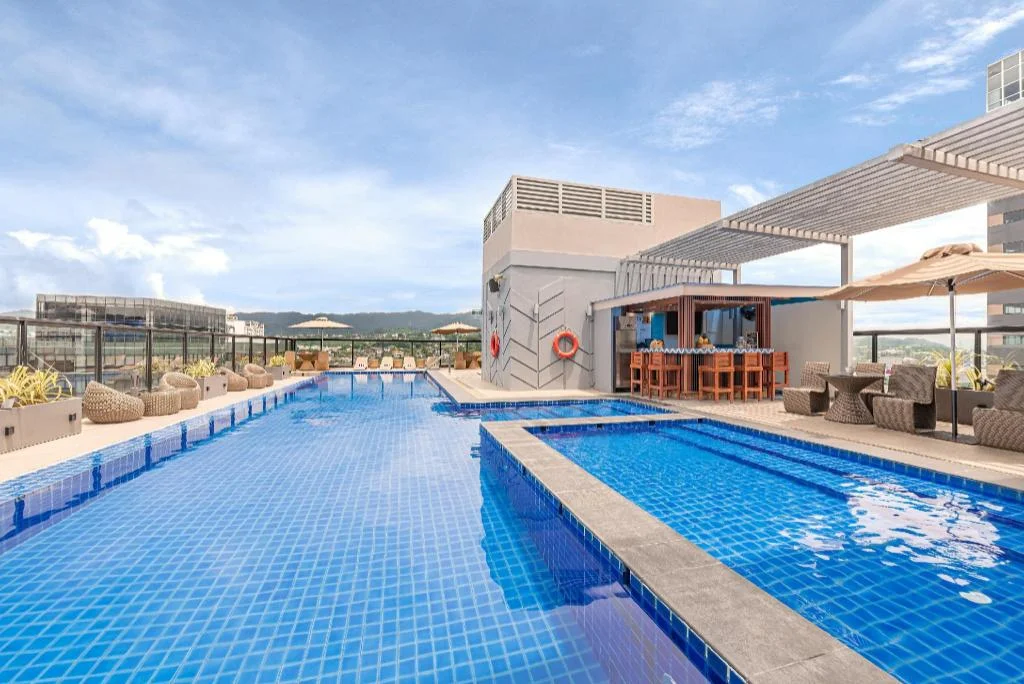
Seda Central Bloc Cebu City
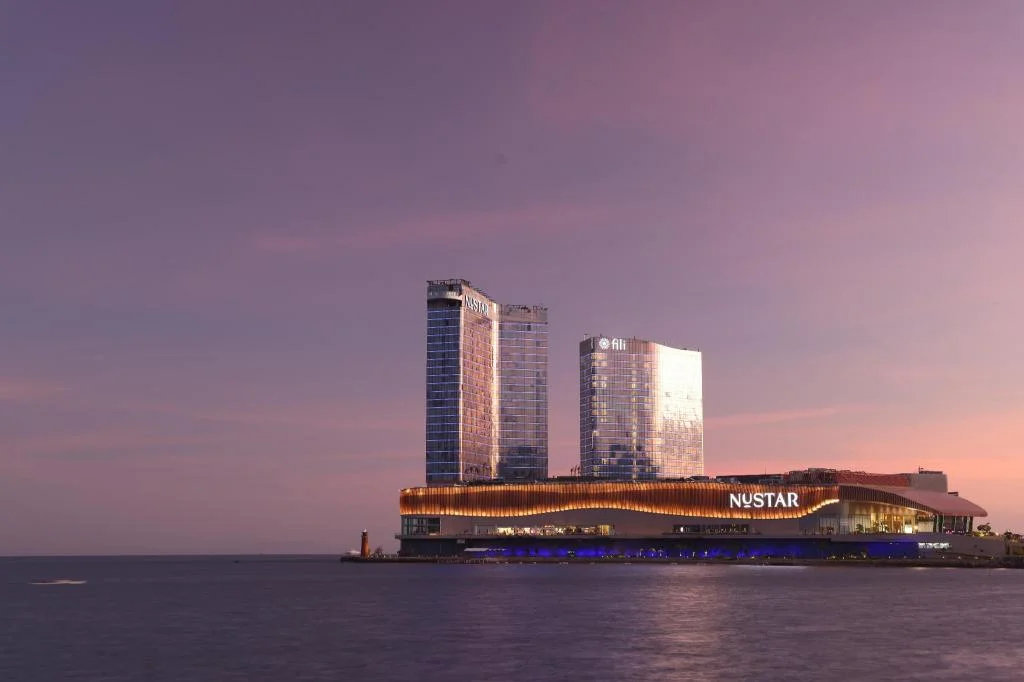
Fili Hotel - NUSTAR Resort & Casino Cebu
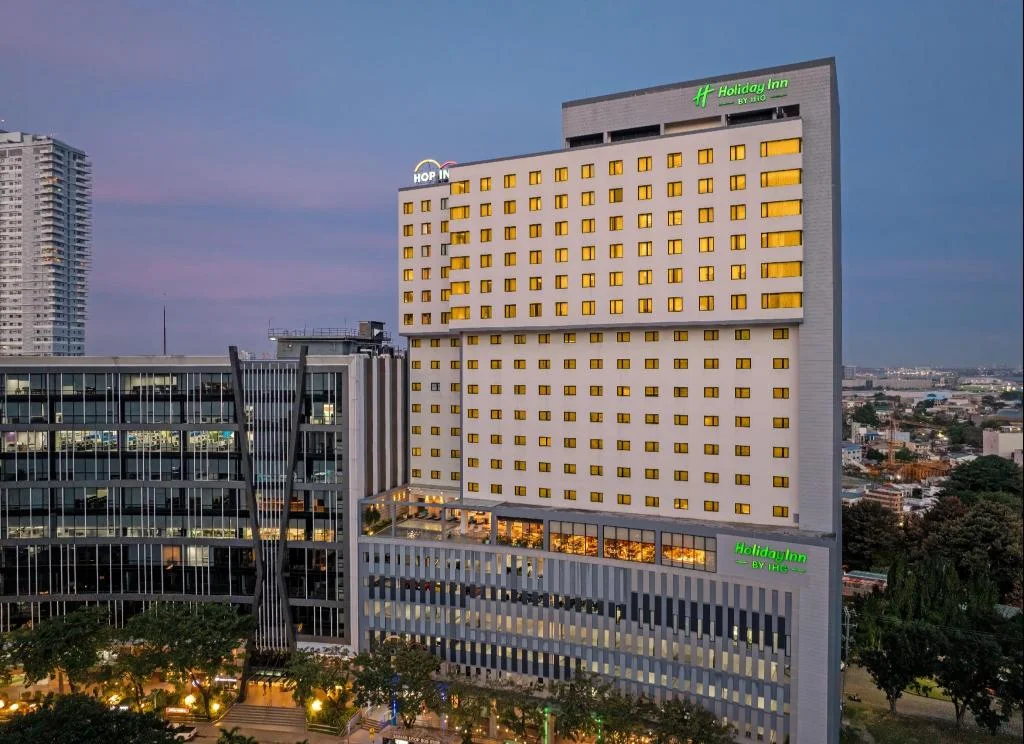
Holiday Inn Cebu City By IHG
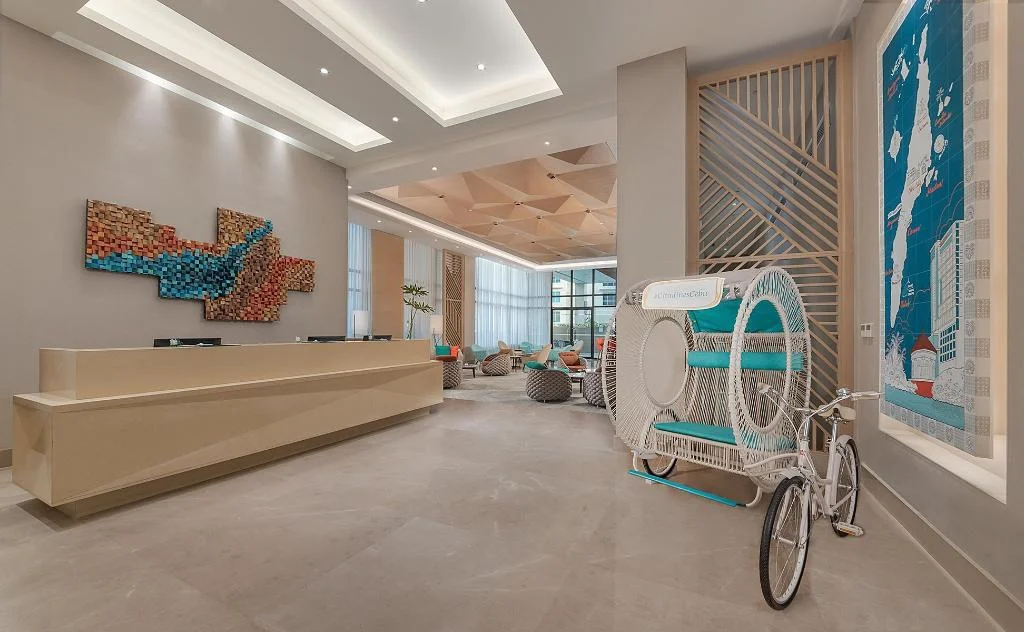
Citadines Cebu City
Prefer a rental? Vacation rentals near Cebu City
Self-catering condos and apartments — book the exact unit, kitchen included.
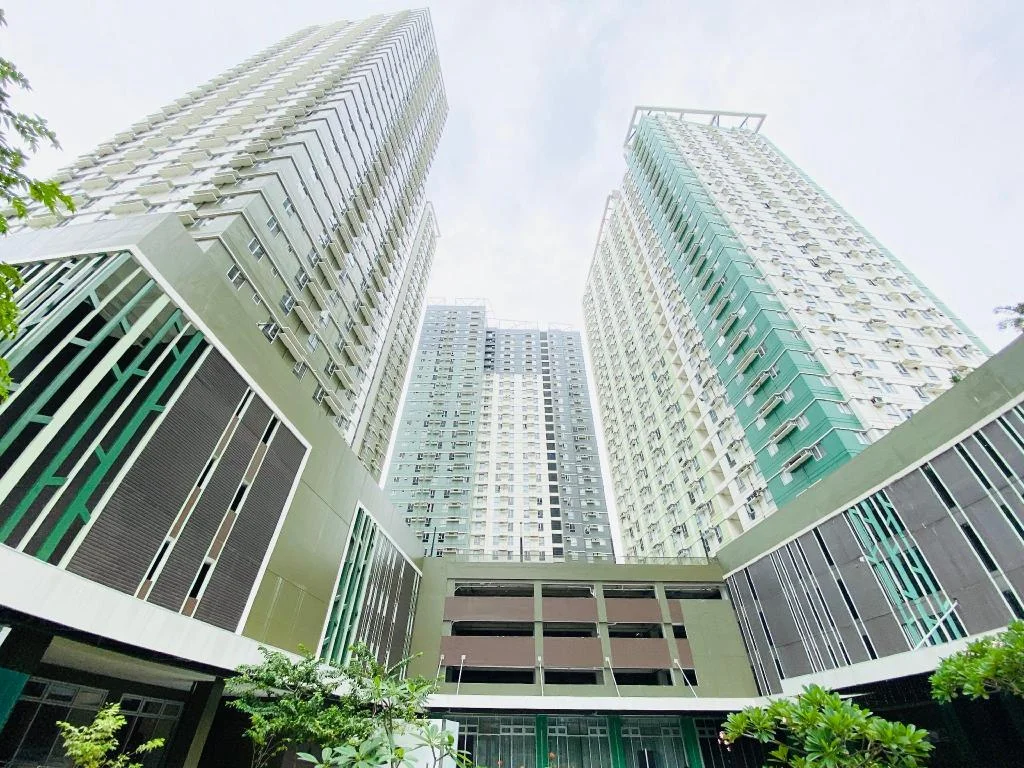
Cebu Avida Riala by P&J

Special Big Loft Unit w/Fibreop Internet & Netflix
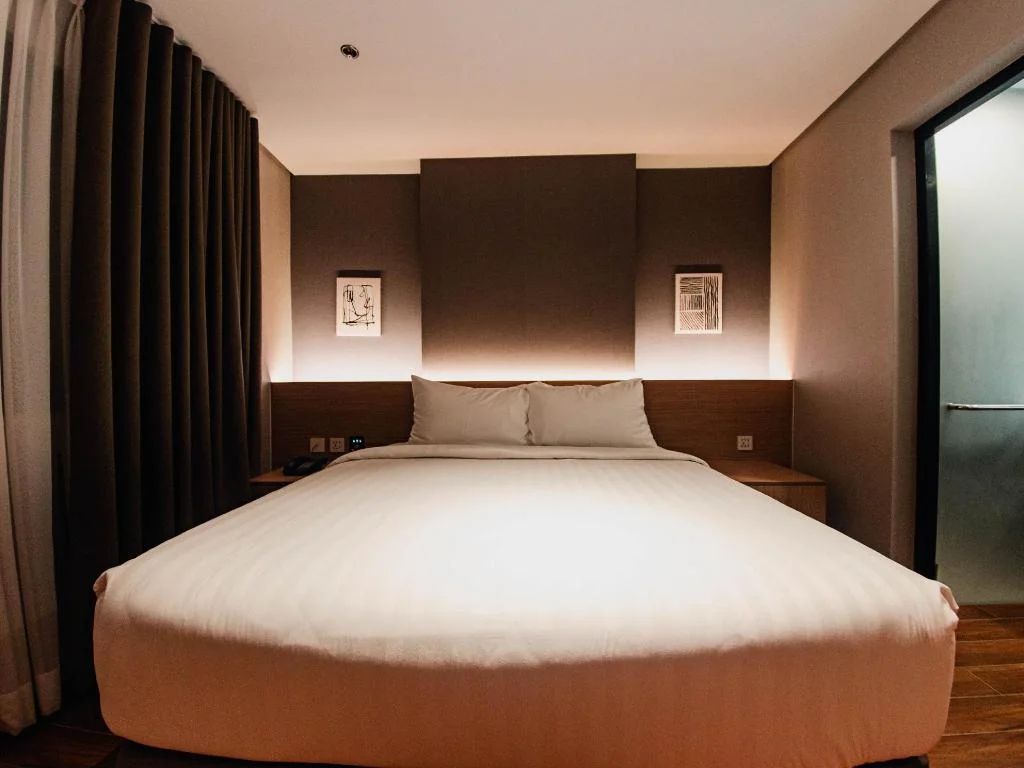
Moonstar Cebu Hotel - Deluxe Room
Before you go
Frequently asked
What is Carbon Market known for?
What are Carbon Market's hours?
Is Carbon Market safe for tourists?
What is pungko-pungko and where do I find it at Carbon?
What should I buy at Carbon Market?
Is Carbon Market being redeveloped?
How do I get to Carbon Market?
Do I need to bargain at Carbon Market?
More Places to Explore
Carbon Market
Cebu City
Cebu's oldest and largest market (since 1909), offering an authentic local shopping experience with fresh produce, seafood, and traditional goods.
Colon Street
Cebu City
The oldest street in the Philippines, a historic commercial thoroughfare that has been Cebu's trading center since Spanish colonial times.