
TL;DR: Colon Street is Cebu City’s famous “oldest street in the Philippines” - built in 1565 under Miguel López de Legazpi, though Cebu historians now say the “oldest” claim is likely a myth that started with a 1910 postcard, not a documented fact. Today it’s 1.17km of budget shopping (138 Mall, Gaisano Main, ukay-ukay racks, sidewalk vendors), cheap street food, and a seasonal night market (Sept-Jan, weekends, 6PM-midnight). It’s genuinely historic and walkable from the Basilica del Santo Niño and Fort San Pedro, but it’s crowded, a bit run-down, and pickpocketing is a real risk after dark. See it in daylight or early evening, keep your bag in front, and pair it with the rest of downtown’s heritage sites. Verified July 2026.
If you’ve read anything about Cebu City, you’ve probably heard Colon Street called “the oldest street in the Philippines.” That claim is more complicated than the postcards suggest, but the street itself is real, old, and worth seeing - just not for the reason most people think. Colon runs through the barangay of Pari-an in downtown Cebu City, a 1.17-kilometer strip that was once the fashionable commercial heart of the city, full of movie houses and department stores, before business shifted to the newer malls and business parks in the 1990s. Now it’s Cebu’s budget shopping capital: cheap clothes, phone accessories, ukay-ukay thrift racks, and street food, all in a dense, noisy, very local atmosphere. This guide is for anyone curious about the “oldest street” story, planning to shop or eat cheap downtown, or building a half-day heritage walk around the Basilica, Magellan’s Cross, and Fort San Pedro. We’ll cover what’s actually verified about the history, what’s there today, how to get there, and how to stay safe.
Colon Street at a Glance
| What | Details |
|---|---|
| Length | 1.17 km (0.73 miles), running roughly north-south |
| Built | 1565, under Miguel López de Legazpi’s colonial administration |
| “Oldest street” claim | Disputed by historians; traceable to a 1910 postcard, not Spanish-era records |
| Main draw today | Budget shopping (138 Mall, Gaisano Main, Metro Colon, ukay-ukay) |
| Entry cost | Free - it’s a public street |
| Night market | Seasonal, Sept-Jan, Fri-Sun, ~6:00 PM-midnight |
| Getting there from Ayala Center | ~15-20 min by Grab, ₱80-130 (~US$1.40-2.25) |
| Getting there from Basilica del Santo Niño | 5-15 min walk |
| Best time to visit | Weekday mornings for sightseeing; early evening (6-7 PM) if going for the night market |
Verified July 2026.
Why Is Colon Street Called the Oldest Street in the Philippines?
The short answer: because of a postcard, not a historical document. Colon Street dates to 1565, laid out under Spanish conquistador Miguel López de Legazpi when Cebu became Spain’s first permanent settlement in the archipelago. It’s named after Cristóbal Colón - Christopher Columbus - and for decades it really was the commercial and social center of Cebu City, packed with shops, offices, and cinemas.
The “oldest street in the Philippines” label, though, appears to have started around 1910, when an American-run photo shop in Cebu sold a postcard of Colon Street labeled “Oldest Street in Cebu.” Soldiers and visitors mailed the postcards home, the label got embellished over the years into “oldest in the Philippines,” and the claim stuck - repeated so often it eventually got picked up in tourism materials and even inscribed on a marker.
Is Colon Street Actually the Oldest Street in the Philippines?
Almost certainly not, according to Cebu-based historians. Dr. Jose Eleazar Reynes Bersales, a historian and archaeologist, has called the claim “probably by far the oldest fake news in the country today.” His argument: no Spanish-era document or map shows Colon Street existing in the 1500s - the earliest map that includes it dates to 1873. Spanish colonial law required a grid of streets around a central plaza, and Bersales points to Calle Magallanes, which bordered the original Plaza Sugbu (where the first Christian baptism reportedly took place in 1521), as the stronger candidate for the country’s oldest street.
Even the National Historical Commission of the Philippines has installed markers on Colon Street affirming the “oldest street” claim, in 1961 and again in 1999 - which is part of why the myth persists despite historians pushing back on it. None of this makes Colon Street unimportant; it’s still one of the oldest and most historically loaded streets in the country. It just may not be the single oldest, and it’s worth knowing that before you repeat the claim to fellow travelers.
What’s on Colon Street Today?
Mostly budget shopping, street food, and foot traffic - not grand architecture. The old fashionable shops and movie houses are long gone, replaced since the 1990s by discount malls and sidewalk stalls. Expect:
- 138 Mall - a multi-story budget complex with clothing, electronics, and household goods.
- Gaisano Main and Metro Colon - long-running department stores.
- Ukay-ukay (thrift) shops, concentrated especially near Leon Kilat Street, for secondhand clothing at a fraction of retail prices.
- Sidewalk vendors selling phone accessories, sunglasses, socks, toys, and assorted small goods.
- Street food stalls - pungko-pungko, barbecue, kwek-kwek - typically ₱20-60 (about US$0.35-1) per item, and carinderia (turo-turo) meals around ₱60-100 (about US$1-1.75).
- The Colon obelisk near the street’s northern end, plus lamppost markers along both sides noting the businesses that used to occupy each block - a kind of informal walking timeline of the street’s commercial past.
It’s crowded, a little run-down in places, and not a polished shopping experience by mall standards - but for prices and sheer variety, locals still come here first.
Is Colon Street Safe to Visit?
Yes during the day, with normal city awareness - it’s not a dangerous place, just a busy one. Thousands of shoppers, students, and commuters pass through daily without incident. The real risk is petty theft: pickpocketing and phone snatching in dense crowds, which gets worse after dark and during peak night-market hours.
Practical precautions: carry your phone and wallet in a bag worn across the front of your body, not in a back pocket or open tote. Don’t display expensive cameras or jewelry. If you’re going for the night market, arriving early (around 6-7 PM) means lighter crowds and an easier time. Stick to the main strip, which is well-lit and well-populated, and avoid wandering into the side streets branching off Colon after dark.
How Do You Get to Colon Street?
Most visitors reach it on foot, since it sits inside downtown Cebu City’s main heritage cluster. It’s a 5-15 minute walk from the Basilica del Santo Niño, Magellan’s Cross, and Fort San Pedro.
If you’re coming from further out:
| From | Mode | Approx. time | Approx. fare |
|---|---|---|---|
| Ayala Center | Grab | 15-20 min | ₱80-130 (~US$1.40-2.25) |
| IT Park | Grab | 20-25 min | ₱100-140 (~US$1.70-2.40) |
| SM City Cebu | Grab | 10-15 min | ₱70-100 (~US$1.20-1.75) |
| Anywhere in the city | Jeepney (look for “Colon,” “Downtown,” or “Carbon” routes) | Varies | ₱13-15 minimum fare (~US$0.22-0.26) |
Grab fares vary with traffic and demand; confirm in-app before booking. Jeepney fares confirmed at 2026 rates. Verified July 2026.
What About the Colon Night Market?
The Colon Night Market is a seasonal event, not a year-round fixture - it runs from the Filipino “‘ber months” (starting September) through the Sinulog festival season in January, and it operates weekends only: Friday, Saturday, and Sunday, roughly 6:00 PM to midnight, with some food stalls staying open later. Launched in 2007 as a revitalization push for the declining street, it now draws crowds for cheap Cebuano and Filipino food, thrift finds, local crafts, and budget shopping stalls. Bring cash in small denominations - most vendors are cash-only, though a growing number take GCash. Budget roughly ₱200-500 (about US$3.45-8.60) for a full evening of food and light shopping for one person.
If you’re planning a trip around the Sinulog Festival, the night market overlaps with festival season and gets significantly busier - expect the heaviest crowds on weekend afternoons and evenings in December and January.
How to Combine Colon Street With a Heritage Walk
Colon works best as one stop on a longer downtown walk, not a destination on its own. It sits within Cebu City’s densest concentration of historic sites: the Basilica del Santo Niño, Magellan’s Cross, Fort San Pedro, the Heritage of Cebu Monument, and Carbon Market are all within a 5-15 minute walk. A typical route: start at the Basilica and Magellan’s Cross, walk to the Heritage of Cebu Monument, continue to Colon for shopping and lunch, then finish at Carbon Market or Fort San Pedro. For a structured version of this route, see our Cebu cultural heritage walking tour guide.
If you’d rather explore downtown with a guide who can add context the plaques don’t, browse Cebu City walking and heritage tours on Klook - useful if you want the real history sorted from the postcard myths as you walk.
The Honest Take
Colon Street is worth 30-60 minutes of your time for the history and the people-watching, not because it’s a beautiful street - it isn’t. The buildings are aging, the sidewalks are crowded, and the “oldest street in the Philippines” claim is, by most serious historians’ accounts, a marketing story that outlived its origin. Go anyway, because Colon is still one of the oldest continuously commercial streets in the country, and walking it with that context - the obelisk, the old shop markers, the ukay-ukay racks where the movie houses used to be - is more interesting than most single-attraction stops downtown.
Skip it if you’re short on time and have to choose between Colon and the Basilica or Fort San Pedro - those matter more. Skip the after-dark visit unless you’re specifically going for the night market, and even then, go early and keep your bag close. And don’t feel obligated to shop; window-browsing the ukay-ukay stalls and grabbing cheap street food is enough to get the atmosphere without the hard sell some vendors bring.
Where to Stay Nearby
If you want to explore downtown - Colon, the Basilica, Fort San Pedro, Carbon Market - on foot over a day or two, a hotel in the Cebu City downtown or Cebu Business Park area cuts your travel time significantly versus basing in Mactan. Compare downtown Cebu City hotels on Agoda to find something walkable to the heritage cluster.
Sources
- Colon Street - Wikipedia (history, length, decline, night market)
- Colon Street not oldest in PH, says Cebu historian-archaeologist - GMA News Online (Dr. Bersales’ historical analysis, postcard origin, Calle Magallanes counter-claim)
- Colon is ‘not the oldest street’ in PH - SunStar Cebu
- Colon Street Cebu: The Complete Guide (2026) - WhyCebu (current shops, getting-there fares, safety notes)
- Colon Street Night Market Cebu - WhyCebu (night market schedule and budget)
- Jeepney fare rates verified against 2026 fare-hike reporting (Rappler, SunStar). Verified July 2026.
Colon Street won’t be the prettiest hour of your Cebu trip, but it might be the most honest one - a working-class shopping street carrying a myth it never quite earned, still standing anyway. Pair it with the Basilica del Santo Niño and Fort San Pedro for the full downtown heritage picture, grab cheap street food while you’re there, and see our Cebu street food guide and is Cebu safe for tourists guide for more on staying safe and eating well around the city.
Book Tours & Hotels for This Trip
Find and book the best deals — prices and availability update in real time. Links open in a new tab.
Where to stay near Cebu City
Top-rated hotels for this trip — tap through to check live rates.
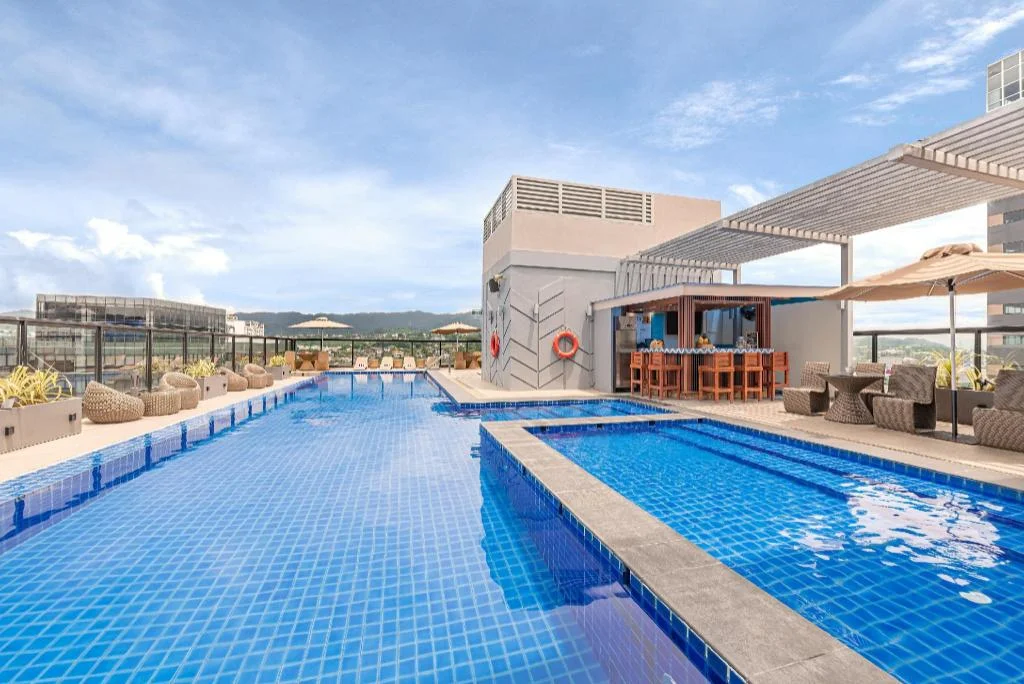
Seda Central Bloc Cebu City
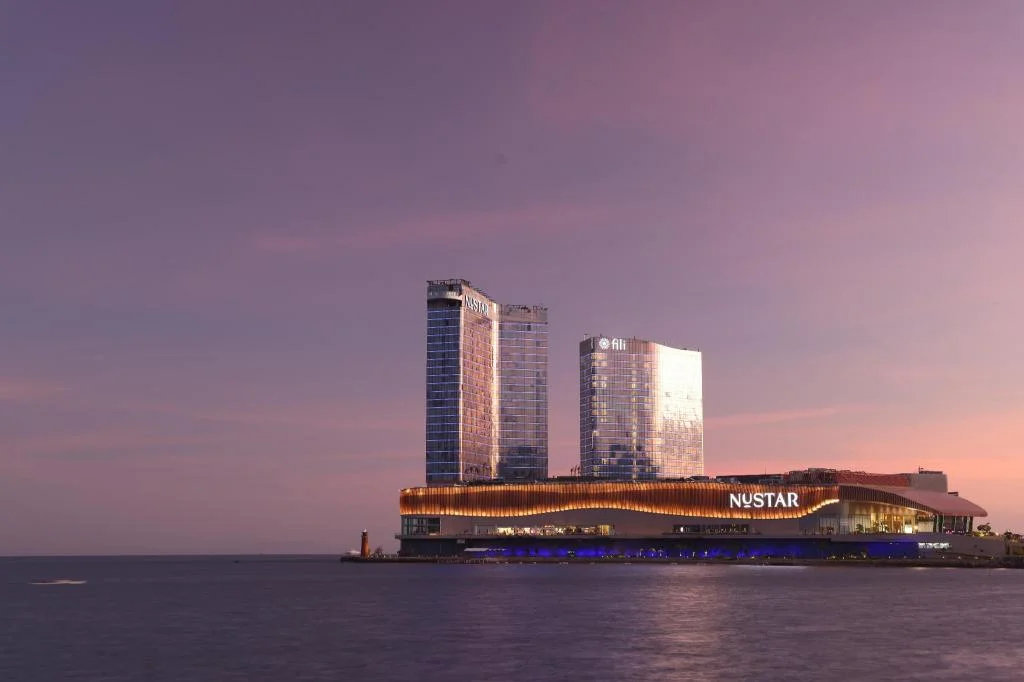
Fili Hotel - NUSTAR Resort & Casino Cebu
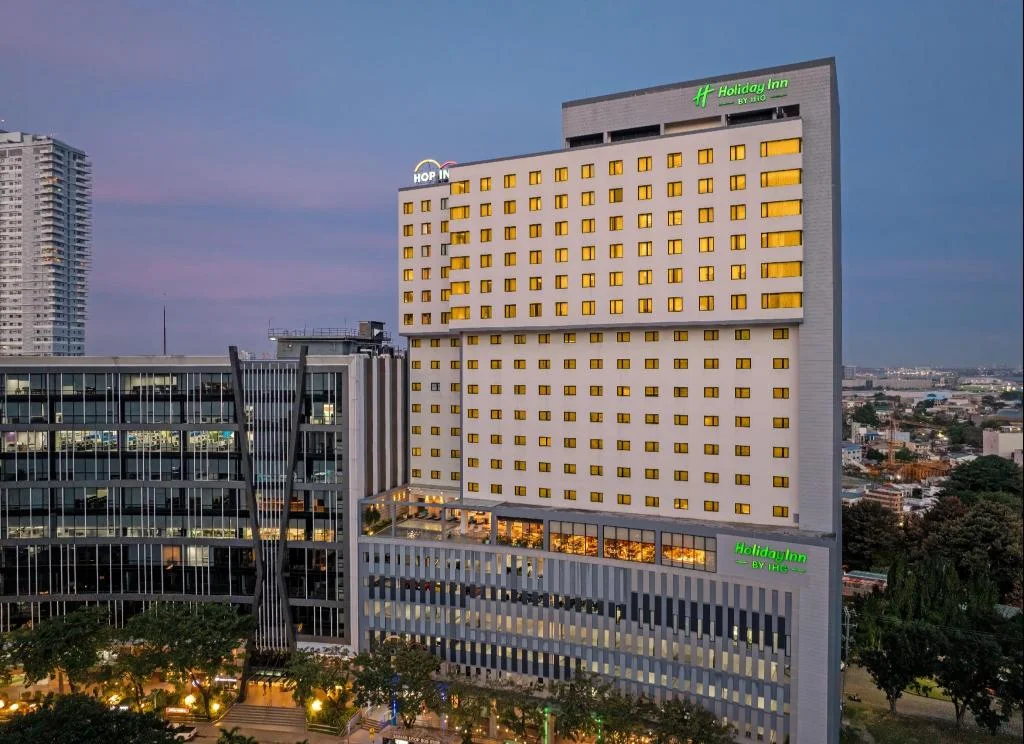
Holiday Inn Cebu City By IHG
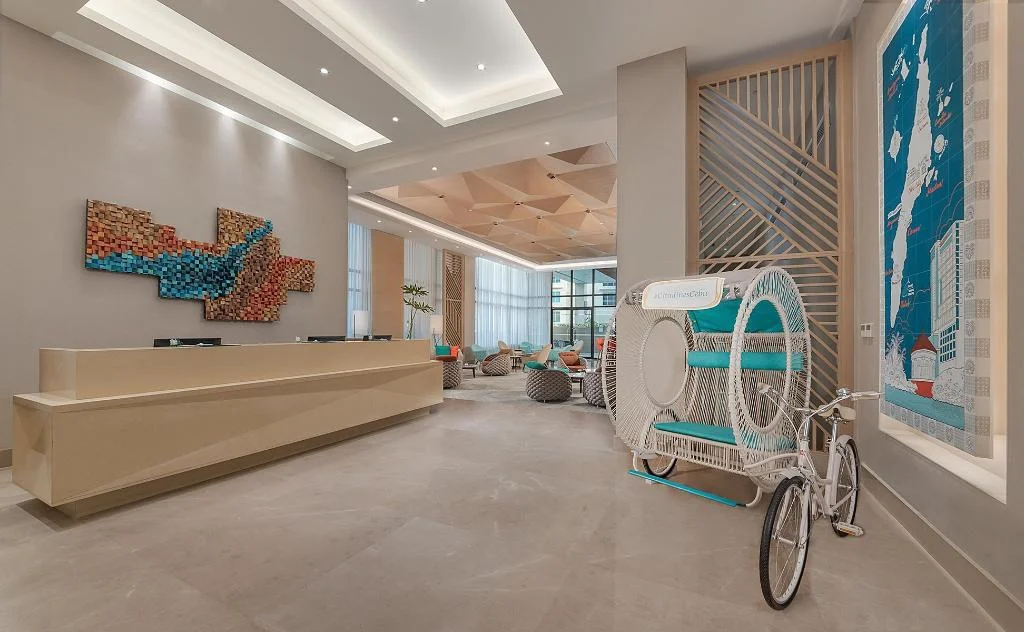
Citadines Cebu City
Prefer a rental? Vacation rentals near Cebu City
Self-catering condos and apartments — book the exact unit, kitchen included.
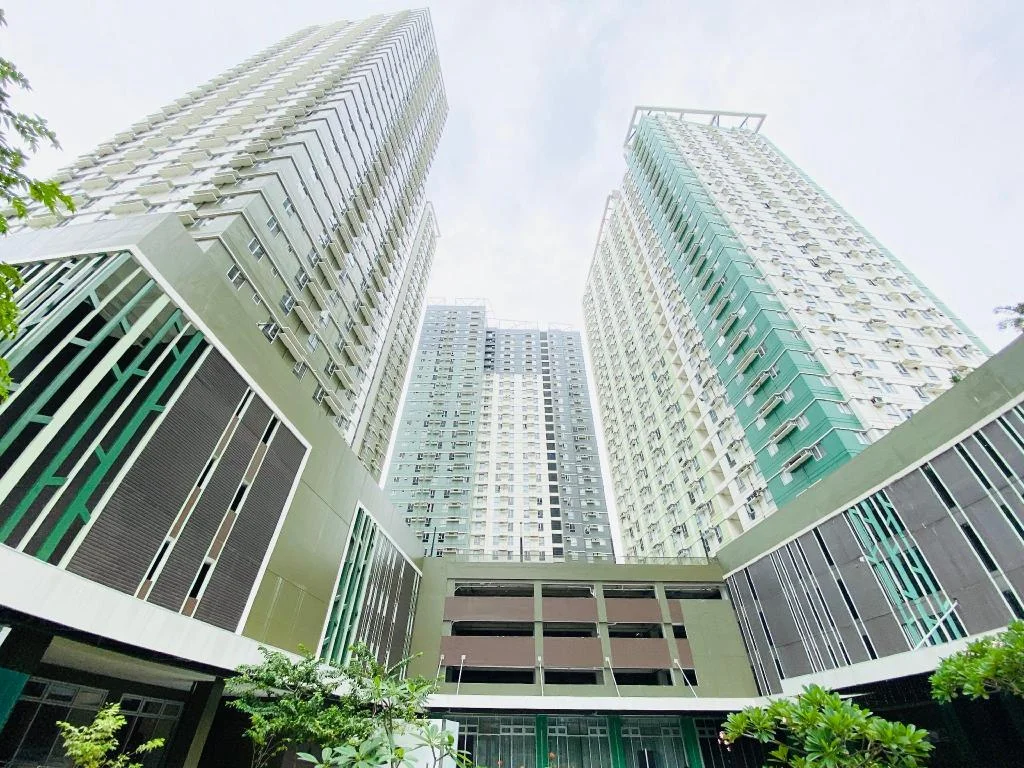
Cebu Avida Riala by P&J
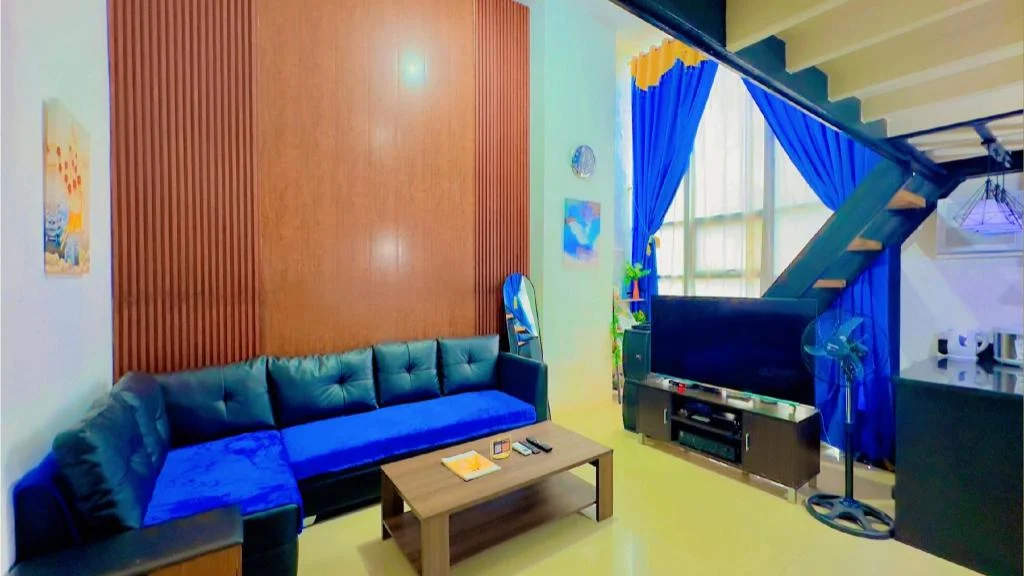
Special Big Loft Unit w/Fibreop Internet & Netflix
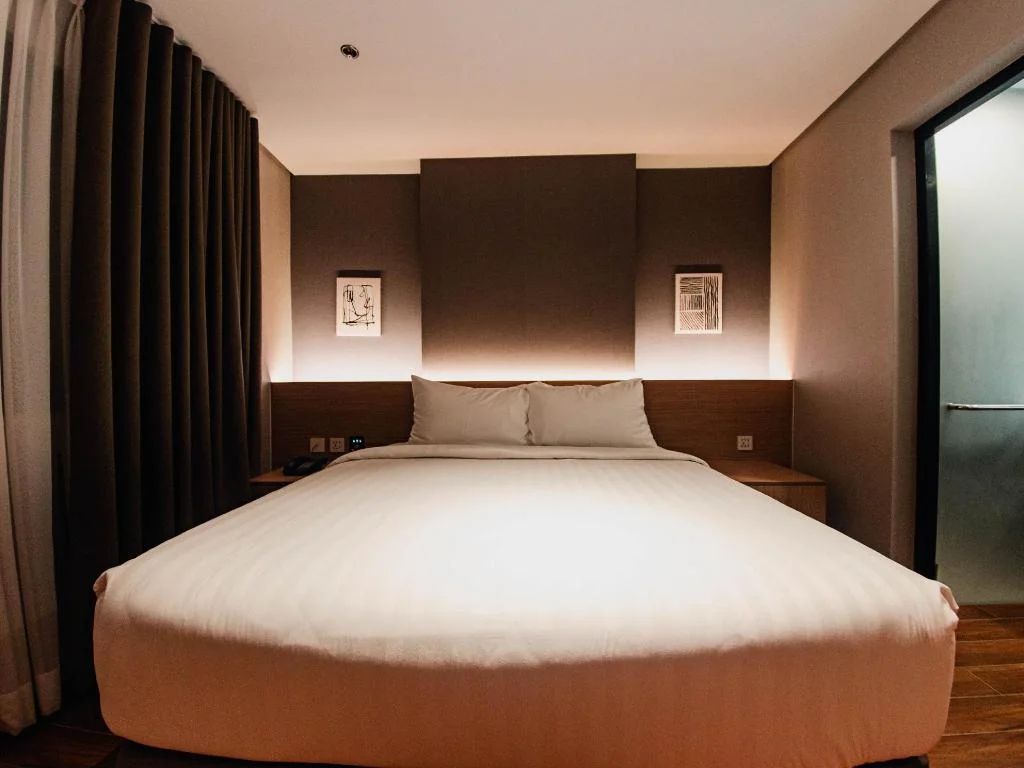
Moonstar Cebu Hotel - Deluxe Room
Before you go
Frequently asked
Is Colon Street really the oldest street in the Philippines?
What is there to see and do on Colon Street?
Is Colon Street safe for tourists?
How do you get to Colon Street from Ayala Center or SM City?
How much does a jeepney to Colon Street cost?
What is the Colon Night Market and when does it run?
What is the Colon obelisk?
Can you combine Colon Street with other Cebu City heritage sites?
More Places to Explore
Colon Street
Cebu City
The oldest street in the Philippines, a historic commercial thoroughfare that has been Cebu's trading center since Spanish colonial times.
Carbon Market
Cebu City
Cebu's oldest and largest market (since 1909), offering an authentic local shopping experience with fresh produce, seafood, and traditional goods.
Heritage of Cebu Monument
Cebu City
A dramatic sculptural tableau by Eduardo Castrillo depicting key moments in Cebu's history, from Magellan's arrival to modern times.
Basilica del Santo Niño
Cebu City
The oldest church in the Philippines (1565), home to the miraculous Santo Niño image and center of the famous Sinulog Festival.