
TL;DR: For food gifts, dried mango, otap, danggit, and tablea cover almost everyone and cost roughly ₱120–400 per pack (US$2–7). For something that isn’t edible, a small Mactan-made guitar or ukulele (₱1,000–6,000), a shellcraft trinket (₱100–2,000), or a piece of Cebu pearl jewelry (₱100–5,000) makes a lasting gift. Buy food and crafts cheapest at Carbon Market and Taboan Market, or at a mall for fixed prices and better packaging. Check your destination country’s customs rules before packing dried fish or fruit. Verified July 2026.
Cebu is one of the easiest places in the Philippines to shop for people back home, because it makes almost everything it sells. The mangoes are grown and dried locally, the guitars are carved a few kilometers from the airport, and the pastries have been baked by the same family bakeries for generations. This guide skips the generic “top 10 souvenirs” format and works the other way around — by who you’re buying for. Whether that’s a coworker who wants something sweet, a kid who’d rather have a toy guitar, a grandmother who collects religious items, or yourself, there’s a Cebu souvenir built for it. Most of what’s below is sold around Colon Street and Carbon Market in Cebu City, with a separate detour to Mactan for guitars.
At a Glance: Souvenir, Price, and Who It’s For
| Souvenir | Approx. Price (₱ / US$) | Best For |
|---|---|---|
| Dried mango (pack) | ₱120–200 / $2–3.50 | Anyone — the safe default gift |
| Otap (box, Shamrock or similar) | ₱100–150 / $1.70–2.60 | Coworkers, office pasalubong |
| Danggit (dried rabbitfish, per kilo) | ₱250–400 / $4.30–7 | Filipino relatives, foodies who cook |
| Tablea (cacao tablets, bag) | ₱100–150 / $1.70–2.60 | Coffee/chocolate lovers |
| Ukulele (small, Mactan-made) | ₱500–1,500 / $8.60–26 | Kids, casual musicians |
| Acoustic guitar (Mactan-made) | ₱1,000–6,000+ / $17–103+ | Musicians, serious collectors |
| Shellcraft / capiz item | ₱100–2,000 / $1.70–34 | Home decor fans |
| Santo Niño statue or rosary | ₱150–500+ / $2.60–8.60+ | Religious family members |
| Pearl jewelry (simple piece) | ₱100–1,500 / $1.70–26 | Anyone who wears jewelry |
Prices vary by size, vendor, and season — confirm locally before you buy. Verified July 2026.
What Are the Best Edible Souvenirs from Cebu?
Dried mango, otap, danggit, and tablea are the four food souvenirs almost every visitor leaves with, and each fits a different kind of gift. Dried mango is the universal choice — it’s what most people picture when they say “Cebu pasalubong,” it keeps for six to twelve months unrefrigerated, and it needs zero explanation to whoever unwraps it. Otap, a layered, butter-and-sugar pastry, is the more distinctly Cebuano option; boxes from bakeries like Shamrock are what most locals actually buy for their own families, not just tourists. Danggit — dried rabbitfish, best pan-fried with vinegar — is the pick for relatives who cook, and it’s genuinely cheapest and freshest at Taboan Market, which locals consider the best danggit market in the country. Tablea, pure roasted-and-ground cacao pressed into tablets for hot chocolate (tsokolate), is a good gift for anyone into coffee or baking, since it’s an ingredient rather than a snack. Round out an office-sized pasalubong box with chicharon (pork cracklings) or a tin of rosquillos from an old-school bakery like Titay’s in Liloan — both are widely stocked and travel well. For a deeper dive on the full food lineup, see our local delicacies guide.
What If They Don’t Like Sweets or Snacks?
Skip food entirely and buy a craft — a small guitar or ukulele, a shellcraft piece, or something woven, all made within a short drive of the city. Not everyone wants another box of pastries, and Cebu has a genuine, decades-old handicraft industry to draw from instead. The three go-to categories are musical instruments from Mactan, shellcraft (capiz shell and coral pieces) from workshops around the city, and woven rattan, buri palm, or abaca goods, with roughly two-thirds of the country’s rattan furniture made in and around Cebu. Any of these reads as a “real” souvenir rather than an airport-shop trinket, because you can usually watch it being made.
Is a Cebu Guitar Worth Buying?
Yes, if you buy from an established Mactan workshop and test the instrument before you pay. Mactan Island has been hand-building guitars and ukuleles since the mid-20th century, and factories like Alegre Guitars, Susing’s, and Ferangeli still do the full process by hand — cutting, shaping, and varnishing the wood in front of visitors. Entry-level acoustic guitars generally run ₱1,000–6,000, small ukuleles less, and custom or professional-grade instruments considerably more; quality and price both vary a lot between stalls, so play several before committing and expect the price to move if you haggle. Some workshops, including Susing’s, can ship internationally if you don’t want to carry a guitar case home. See our Mactan and Lapu-Lapu guitar factories guide for which workshop to visit, or browse the Mactan Guitar Factory directly if you’re short on time.
What About Shellcraft, Pearls, and Other Jewelry?
Shellcraft trinkets and Cebu-made pearl jewelry both make compact, non-perishable gifts, priced from a few pesos up to a few thousand. Capiz shell items — trinket boxes, lampshades, small figurines — run roughly ₱100–2,000 depending on size and how ornate the piece is, and are one of the better bargains at Carbon Market. Cebu and the wider Visayas region also have a real pearl trade, selling both cultured freshwater pearls and the pricier South Sea variety at prices generally lower than what you’d pay in a Western jewelry store — simple pieces around ₱100–1,500, finer South Sea pieces higher. Buy pearls from an established jewelry shop rather than a street vendor, and ask directly whether a piece is cultured or imitation; a reputable seller will tell you straight.
What’s a Good Wearable Souvenir?
A Sinulog-print shirt, a piece of resort-style tropical wear, or something in local weave gives a gift that’s actually wearable, not just a shelf item. Market stalls around Colon Street and the malls sell Sinulog and “Cebu” graphic tees — inexpensive, casual, and an easy grab if you’re buying for a group of coworkers or classmates. For something a step up, look for pieces in local weaves or handloom fabric at handicraft stores and the malls’ Filipino-designer sections; Cebu’s design scene (in the tradition of internationally known furniture designer Kenneth Cobonpue, who’s based here) leans into natural materials and clean tropical shapes, and some home and lifestyle stores carry smaller accessory pieces in that style. Confirm sizing and fabric in person — these aren’t standardized like a mall t-shirt.
Are Santo Niño and Religious Souvenirs Worth Buying?
Yes, especially for religious family members, since the Santo Niño devotion is the reason Cebu City exists as a pilgrimage destination in the first place. The most authentic source is the religious store beside the Basilica del Santo Niño itself, which stocks statues, rosaries, and medals across a wide range of sizes and price points — small items are inexpensive, while larger or finer statues cost more. Nearby souvenir shops carry similar items if the Basilica store is crowded. If the person you’re buying for is Catholic or has Filipino roots, a Santo Niño piece tends to mean more than a snack box, because it’s tied to a specific place and story rather than being generic tourist merchandise.
Where Should You Actually Buy Pasalubong in Cebu?
Carbon Market and Taboan Market are cheapest and best for haggling; the malls are pricier but faster, air-conditioned, and better for last-minute bulk buying. Carbon Market is Cebu City’s oldest and biggest public market, with the widest handicraft selection and room to negotiate on shellcraft, woven goods, and general pasalubong. Taboan Market is the specific stop for danggit and other dried fish — the selection and freshness there beats any mall by a wide margin. If you’d rather shop in one air-conditioned trip with fixed prices and gift-ready packaging, SM City Cebu, SM Seaside, and Ayala Center all have dedicated pasalubong sections. For guitars and shellcraft specifically, the workshops on Mactan near Mactan Guitar Factory let you buy straight from the maker. Our where to buy pasalubong guide breaks down each market and mall option store by store, and our best things to buy in Cebu roundup covers categories beyond souvenirs, like clothing and electronics.
How Do You Pack and Ship Souvenirs Home?
Pack food in sealed, factory-wrapped packaging, declare it at customs, and check your destination country’s food rules before you buy in bulk. Dried mango, otap, tablea, and similar shelf-stable snacks generally travel fine in checked or carry-on luggage, but the risk isn’t the Philippine airport — it’s arrival. Some countries restrict dried fish, meat, or fruit products, so danggit in particular is worth checking before you commit to buying a kilo. Always declare food on your arrival customs form; a declared pack that gets a quick look is a much better outcome than an undeclared one that gets confiscated or fined. For bulkier or fragile items — a guitar, a capiz lampshade, a large Santo Niño statue — ask the shop or workshop about local courier or international shipping rather than trying to fit everything in your luggage; several Mactan guitar workshops already ship internationally as a matter of course.
The Honest Take
Most “Cebu souvenir” lists are just a rehash of the same five snack items, and to be fair, dried mango and otap earn their reputation — they’re genuinely good and genuinely easy to bring home. But if you only buy food, you’re skipping what makes Cebu’s shopping scene interesting: a real, still-working handicraft economy in guitars, shellcraft, and weaving that most tourists walk past on their way to the mall. The guitars in particular are worth the detour to Mactan even if you don’t play — watching a whole instrument get hand-built from raw wood is more memorable than another box of pastries. On the flip side, don’t over-buy fragile or heavy items just because they’re cheap in the moment; a capiz lampshade or a full-size guitar is a different packing problem at the airport than a t-shirt, so decide before you shop, not after.
Wrap Up Your Cebu Shopping List
Start with food for the easy gifts, then use the rest of your trip to pick up one or two things with actual craft behind them — a guitar, a shellcraft piece, or a Santo Niño item if it matters to the person you’re buying for. Pair a shopping stop at Colon Street or Carbon Market with the rest of your Cebu City sightseeing, and check our pasalubong shopping guide for the specific stalls and shops locals actually use. If you’re still building out your full trip, our best things to buy in Cebu roundup covers what to shop for beyond souvenirs — and compare hotels in Cebu City on Agoda if you haven’t locked in where you’re staying yet.
Sources
- WhyCebu — Cebu Pasalubong: What to Buy, Prices & Best Shops
- RichestPH — Cebu’s Handicrafts: Unique Souvenirs and Local Products
- Penfires — Mactan and Cebu Guitars: Factories, Prices and Options
- Basilica Minore del Santo Niño de Cebu — Gasa Niño Religious Store
- TSA / USDA APHIS — bringing food products across international borders
- Prices and vendor details cross-checked against 2025–2026 traveler reporting; confirm current prices locally before you buy. Verified July 2026.
Book Tours & Hotels for This Trip
Find and book the best deals — prices and availability update in real time. Links open in a new tab.
Where to stay near Cebu City
Top-rated hotels for this trip — tap through to check live rates.
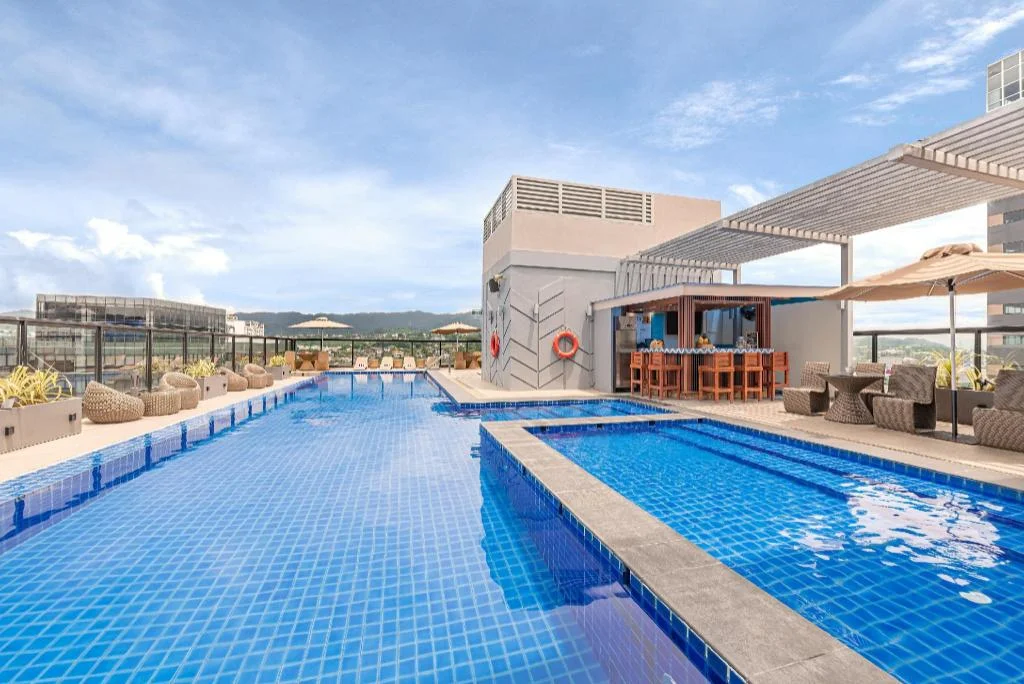
Seda Central Bloc Cebu City
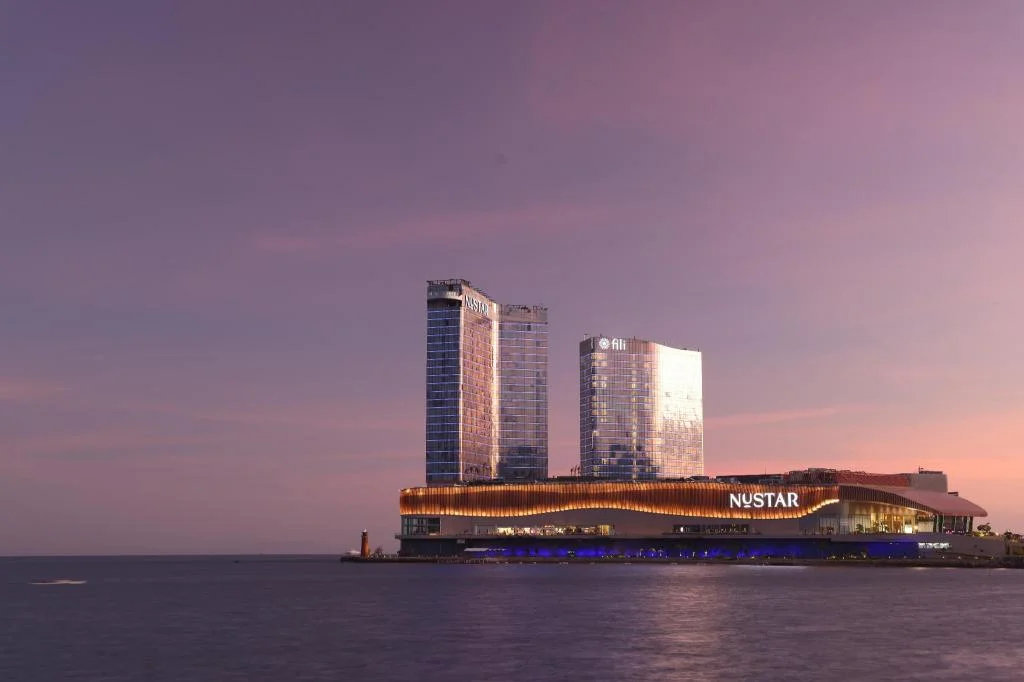
Fili Hotel - NUSTAR Resort & Casino Cebu

Holiday Inn Cebu City By IHG
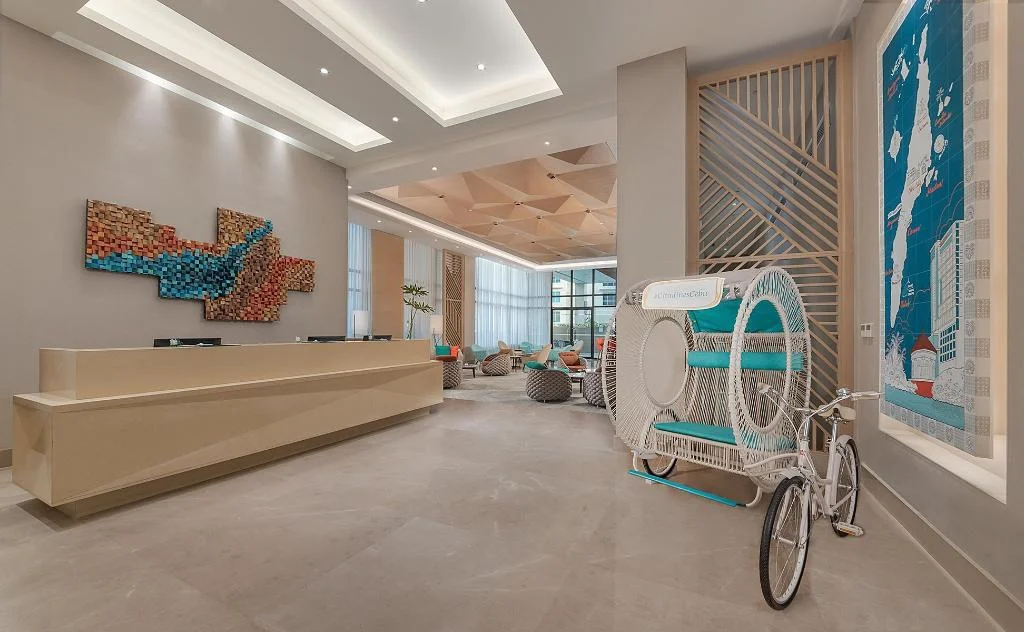
Citadines Cebu City
Prefer a rental? Vacation rentals near Cebu City
Self-catering condos and apartments — book the exact unit, kitchen included.
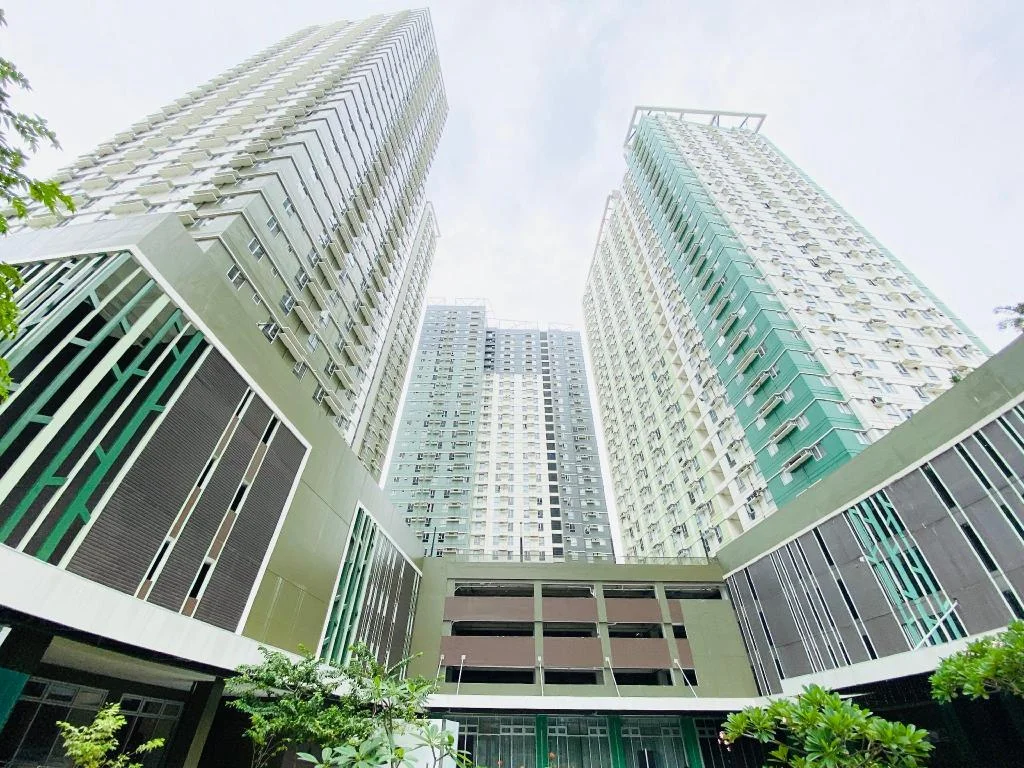
Cebu Avida Riala by P&J
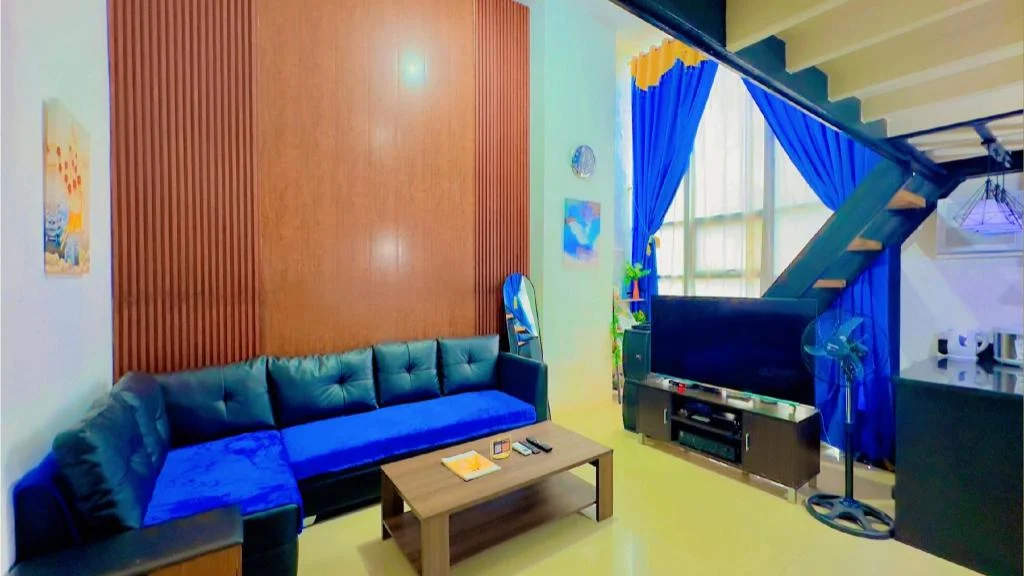
Special Big Loft Unit w/Fibreop Internet & Netflix
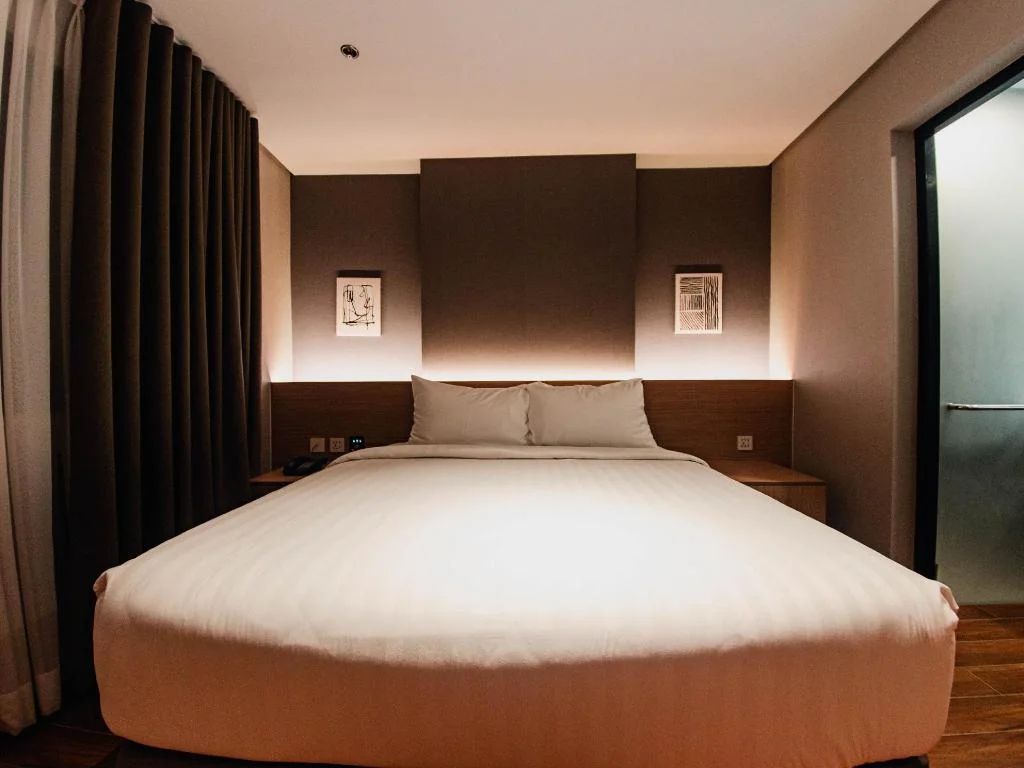
Moonstar Cebu Hotel - Deluxe Room
Before you go
Frequently asked
What is the number one souvenir to buy in Cebu?
What should I buy for someone who doesn't like sweets or snacks?
Are Cebu guitars and ukuleles actually good quality?
Can I bring dried mango and danggit through airport security and customs?
Where is the cheapest place to buy pasalubong in Cebu?
Is it worth buying Santo Niño items or religious souvenirs in Cebu?
How much should I budget for pasalubong for a big family?
Should I buy pearls in Cebu, and are they real?
More Places to Explore
Colon Street
Cebu City
The oldest street in the Philippines, a historic commercial thoroughfare that has been Cebu's trading center since Spanish colonial times.
Carbon Market
Cebu City
Cebu's oldest and largest market (since 1909), offering an authentic local shopping experience with fresh produce, seafood, and traditional goods.