
TL;DR: Skip the “where” question for a second — here’s what’s actually worth buying in Cebu. Dried mango (₱120-200 for 100-200g, ~US$1.94-3.23) and danggit (₱400-600/kilo, ~US$6.45-9.68) are the safe staples; a Mactan handmade ukulele (₱1,000-3,500, ~US$16-56) is the souvenir people actually remember. Skip unregulated “genuine” shell jewelry and airport-markup t-shirts. Rattan bags, tablea chocolate, and South Sea pearls round out the list for bigger budgets. Verified July 2026.
Everyone tells you where to shop in Cebu — Colon Street, Carbon Market, the malls. Fewer people tell you which of the things on those shelves are actually worth your peso. This guide takes the opposite angle from the usual pasalubong roundup: instead of a map of shops, it’s a product-by-product rundown of what to buy, what it should cost, and what’s a tourist trap dressed up as a keepsake. It’s written for anyone with one shopping afternoon in Cebu and a checked bag to fill — first-timers, balikbayans buying for relatives, or anyone stopping through Colon Street or Carbon Market before a flight home. Prices below are current as of mid-2026; dried goods move with the season, so treat food prices as ranges and confirm at the stall.
What Should You Actually Buy in Cebu? At a Glance
| Item | ~₱ Price | Where |
|---|---|---|
| Dried mango (100-200g) | ₱120-200 (~US$1.94-3.23) | SM/Robinsons supermarkets, factory outlets |
| Otap (box) | ₱60-150 (~US$0.97-2.42) | Shamrock pasalubong centers, supermarkets |
| Rosquillos (box) | ₱75-180 (~US$1.21-2.90) | Titay’s (Liloan flagship or mall counters) |
| Danggit, dried rabbitfish (per kilo) | ₱400-600 (~US$6.45-9.68) | Taboan Public Market |
| Tablea, pure cacao tablets (10-12 pack) | ₱150-350 (~US$2.42-5.65) | Cacao Culture, Tabléa Chocolate Cafe, supermarkets |
| Sinulog / Cebu graphic shirt | ₱100-350 (~US$1.61-5.65) | Colon Street stalls, Carbon Market |
| Handmade ukulele | ₱1,000-3,500 (~US$16-56) | Mactan workshops (Alegre, Susing’s, Abuno) |
| Handmade guitar, premium | ₱5,000-50,000+ (~US$81-806+) | Same Mactan workshops, custom order |
| Shell, rattan or abaca crafts and bags | ₱150-3,000+ (~US$2.42-48+) | Carbon Market, Colon Street, boutique brands |
| South Sea pearls (loose or set) | Wide range — confirm on-site | Mactan pearl houses, Mandaue jewelry shops |
Verified July 2026. Peso prices at ₱62 ≈ US$1 (July 2026). Dried-fish and produce prices move with supply and season — treat as a range and confirm at the stall.
What Dried Food Should You Bring Home?
Dried mango, danggit, otap, and rosquillos are Cebu’s four food staples, and all four hold up fine in a suitcase. Dried mango (brands like 7D, Profood, and Cebu Best) runs ₱120-200 for a 100-200g pack at any SM or Robinsons — factory outlets and Carbon Market sometimes beat that by 20-30%. Danggit, Cebu’s famous dried rabbitfish, is the one worth a special trip: Taboan Public Market sells it fresh-dried for ₱400-600 per kilo depending on season (cheaper January-May, pricier during the rainy season when the catch is smaller). Otap — the flaky, sugar-dusted pastry — and rosquillos, the ring-shaped anise cookie, both come from established brands: Shamrock (Mandaue) for otap, Titay’s (Liloan) for rosquillos, both ₱60-180 a box at pasalubong centers or supermarkets. Ask the vendor to vacuum-seal danggit before your flight; loose dried fish and cabin luggage don’t mix.
Is Tablea Chocolate Worth Buying?
Yes, if the person you’re buying for actually drinks hot chocolate — tablea is pure, unsweetened cacao pressed into tablets, and it’s a genuinely distinct Cebu product rather than a generic Philippine souvenir. Cebu-based makers like Tabléa Chocolate Cafe and Cacao Culture sell it in individual tablet packs and gift boxes, with a standard 10-12 tablet pack running roughly ₱150-350 depending on brand and packaging (larger premium boxes run higher — Cacao Culture’s smaller 72g pack lists around ₱145, with bigger gift formats priced higher still). It needs to be melted into hot milk or water with sugar to taste, so it’s more of a “cook something with this” gift than a grab-and-eat snack — mention that when you hand it over.
Are Mactan Guitars and Ukuleles Worth the Money?
If you or the recipient plays an instrument, a Mactan guitar or ukulele is the one souvenir from this list that people keep for decades, not months. The guitar-making barangays of Abuno and Maribago in Lapu-Lapu City are home to workshops like Alegre Guitars (operating since the 1960s) and Susing’s Guitars, alongside smaller backyard makers, all building instruments by hand from local hardwoods. A basic ukulele starts around ₱1,000-3,500 (about US$16-56) — a fraction of what a handmade instrument costs in the US, Europe, or Australia. A premium concert-grade acoustic guitar with better wood and finish runs ₱5,000 up to ₱30,000-50,000+ for a top custom order. Light haggling is normal here, especially for cash or bulk purchases, and most workshops let you watch the building process, which is worth the visit even if you don’t buy. Budget for a hard case and extra luggage space, or check your airline’s musical-instrument policy before you fly. For the full rundown of which workshop to visit, see our Mactan guitar factories guide.
What Clothing and Accessories Say “Cebu”?
Sinulog and Cebu-branded graphic shirts are the cheap, easy option — genuinely local designers making bags and accessories are the more interesting one. A Sinulog or “Cebu” graphic shirt runs ₱100-350 depending on quality and where you buy it (Colon Street and Carbon Market stalls, not the airport, which marks the same shirt up ₱100-150). Beyond t-shirts, Cebu has a real design pedigree worth knowing about: it’s home to internationally recognized furniture and product designer Kenneth Cobonpue, and a newer generation of Cebu-based brands — small bag and accessory labels like Marricola (founded by a University of the Philippines Cebu design graduate mentored under Cobonpue) and Island Girl (handmade shell, seed, and coconut accessories) — sell rattan-and-leather bags and shell jewelry that read as genuinely Cebuano rather than generic tourist-shop stock. These are boutique prices rather than market prices — expect anywhere from a few hundred pesos for small accessories to a few thousand for a structured bag, and check the brand’s own page or Instagram for current stock and pricing, since small-batch makers don’t always have a walk-in storefront.
Are Shell, Rattan, and Abaca Crafts Worth Buying?
Mostly yes, with one caveat: check where the shell material came from before you buy. The Philippines supplies roughly a fifth of the world’s rattan, and Cebu — often called the furniture capital of the country — has a deep weaving tradition in rattan, bamboo, and abaca that shows up in souvenir form as woven bags, mats, table runners, and shell-inlay boxes at Carbon Market and along Colon Street, typically ₱150-3,000+ depending on size and craftsmanship. The caveat: some shell and coral jewelry sold by unregulated street vendors is harvested unsustainably, and certain species are legally restricted from export. Buy shell crafts from an established shop rather than an unlicensed beach vendor, and skip anything that looks like raw coral.
Should You Buy Pearls in Mactan?
Cebu and Mactan are a legitimate South Sea pearl hub, but pricing is opaque enough that it deserves real caution. Long-established houses in Mactan and Mandaue, such as Hapisay, sell cultured South Sea pearls loose or custom-set, and some offer certificates and repair services. Prices vary enormously by size, shape, color, and luster — there’s no single “market rate” the way there is for danggit or dried mango, so we won’t quote a number here that we can’t verify. If you’re genuinely shopping for pearls rather than a novelty souvenir, visit two or three shops in the same day, ask to see pearls under a loupe, and get quotes in writing before you decide. Treat any “today only” discount pitch with skepticism.
How Do You Choose What to Buy?
Match the souvenir to your luggage and your recipient, not the other way around. If you’re flying budget airline with a strict baggage allowance, stick to dried mango, otap, and tablea — all light, flat-packable, and shelf-stable. If you’ve got a checked bag and someone musical back home, the ukulele is the standout upgrade from typical pasalubong. If you’re buying for yourself rather than a gift list, the rattan bags and shell accessories are the most wearable, everyday-useful option on this list. And if you’re chasing something for the “grandma’s cabinet” market — pearls, a full-size guitar, a shell-inlay box — budget a full afternoon to compare shops rather than buying from the first one you walk into.
The Honest Take
Most “Cebu souvenirs” sold at the airport and in hotel gift shops are the same mass-produced items available cheaper five minutes away by tricycle — the markup buys you convenience, not authenticity. The genuinely distinct Cebu-made items are dried danggit, the Mactan guitar-making tradition, and the small emerging design brands working in rattan and shell; everything else (otap, tablea, generic shirts) is well-made but also sold identically across the Visayas. Pearls are the one category where we’d tell you to slow down — the price range is so wide that an uninformed buyer can easily overpay, and there’s no shortcut except comparing a few shops yourself. If your time is tight, prioritize danggit from Taboan and a ukulele from Mactan over trying to hit every category on this list.
Bring It Home
Pair a shopping stop with the rest of downtown Cebu — Colon Street and Carbon Market sit close enough to cover food, shirts, and crafts in one afternoon, while Mactan’s guitar workshops are worth a dedicated half-day if you’re serious about an instrument. For the fuller “where to go for each item” breakdown, see our pasalubong shopping guide and the guitars, souvenirs, and markets roundup. If you’d rather have a guide handle the route for you, browse Cebu city tours on Klook that combine the heritage core with a market stop, or check Cebu City hotel rates on Agoda if you’re basing yourself downtown for a shopping-heavy trip.
Sources
- WhyCebu — Cebu Pasalubong Guide 2026 (prices, shops)
- WhyCebu — Where to Buy Danggit in Cebu (Taboan pricing)
- WhyCebu — Shamrock Otap Guide (otap pricing)
- Penfires — Mactan and Cebu Guitars: Factories, Prices and Options (guitar workshops, pricing)
- Cacao Culture — Tablea Chocolate Cebu (tablea pricing)
- Philippine Information Agency — rattan artisan feature (rattan industry background)
- Prices verified against 2025-2026 retailer and market reporting; food and craft prices move with season and vendor — confirm locally before you buy. Verified July 2026.
Book Tours & Hotels for This Trip
Find and book the best deals — prices and availability update in real time. Links open in a new tab.
Where to stay near Cebu City
Top-rated hotels for this trip — tap through to check live rates.
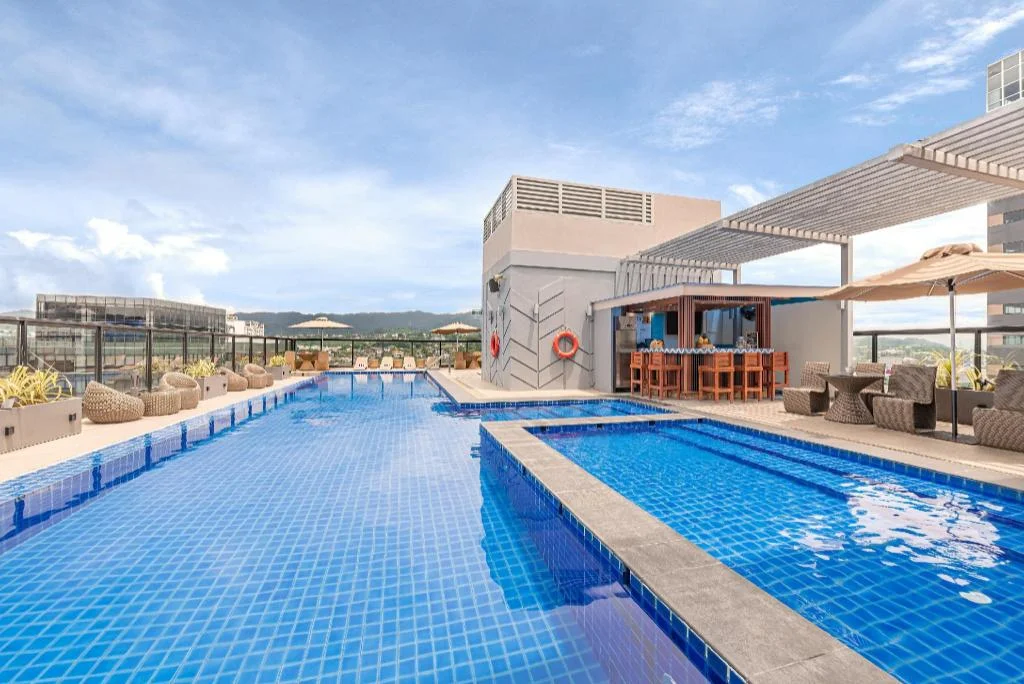
Seda Central Bloc Cebu City
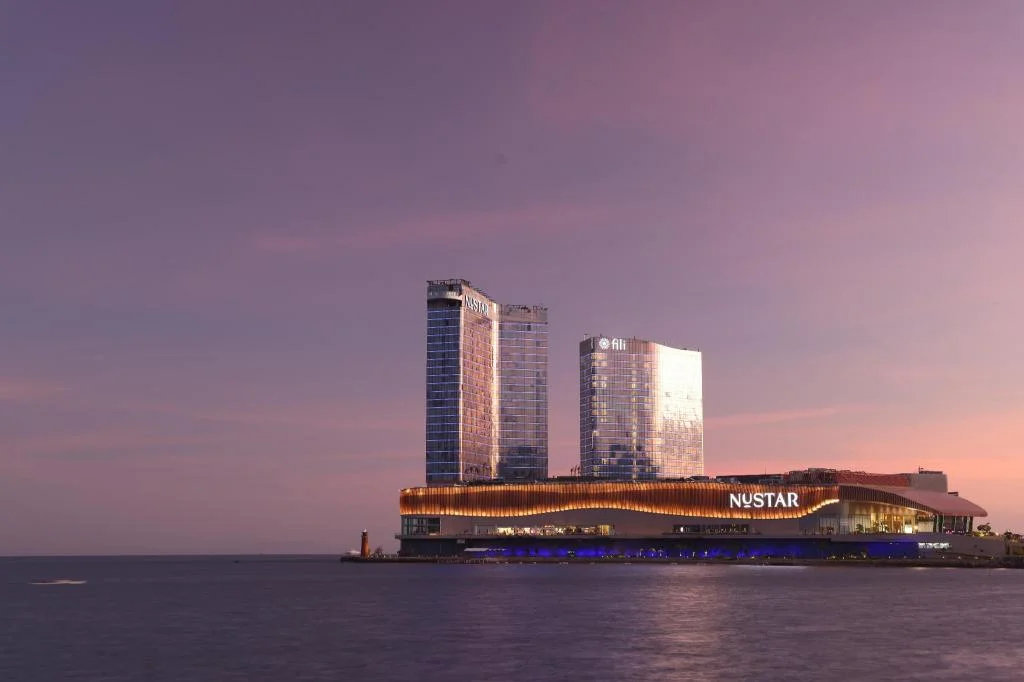
Fili Hotel - NUSTAR Resort & Casino Cebu
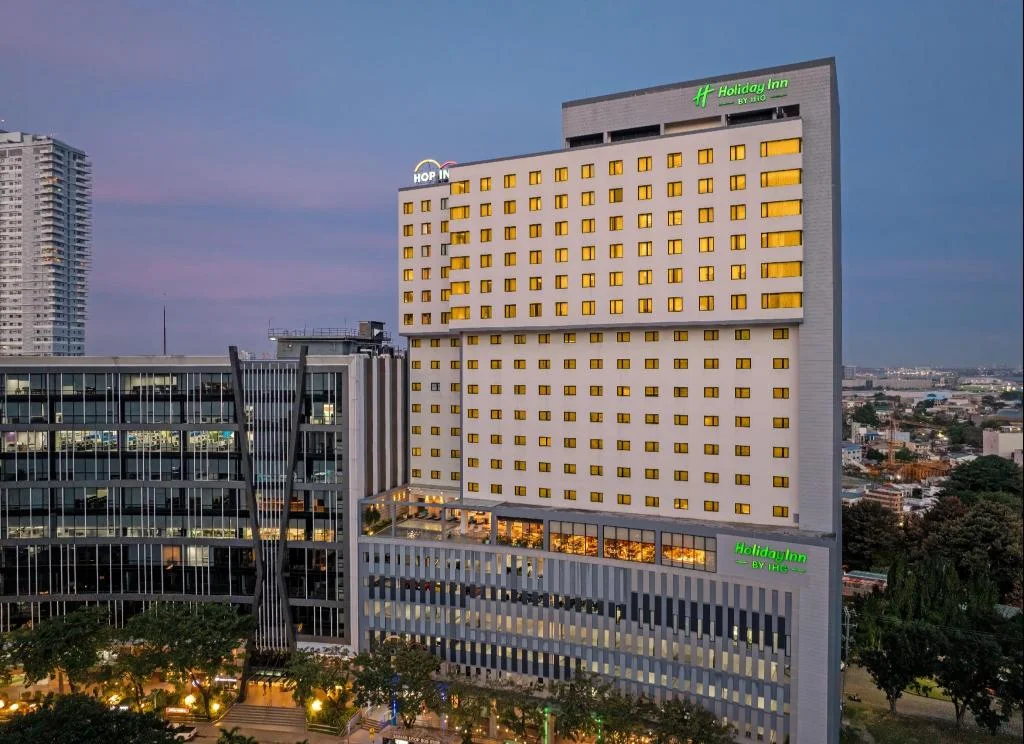
Holiday Inn Cebu City By IHG
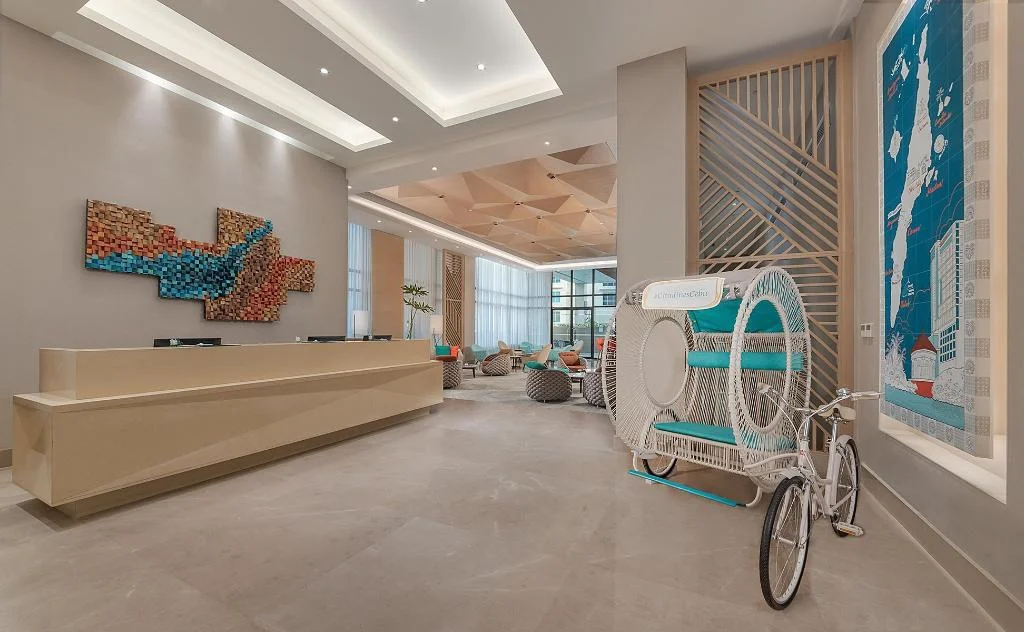
Citadines Cebu City
Prefer a rental? Vacation rentals near Cebu City
Self-catering condos and apartments — book the exact unit, kitchen included.

ClockWorkOrange Luxury Suites
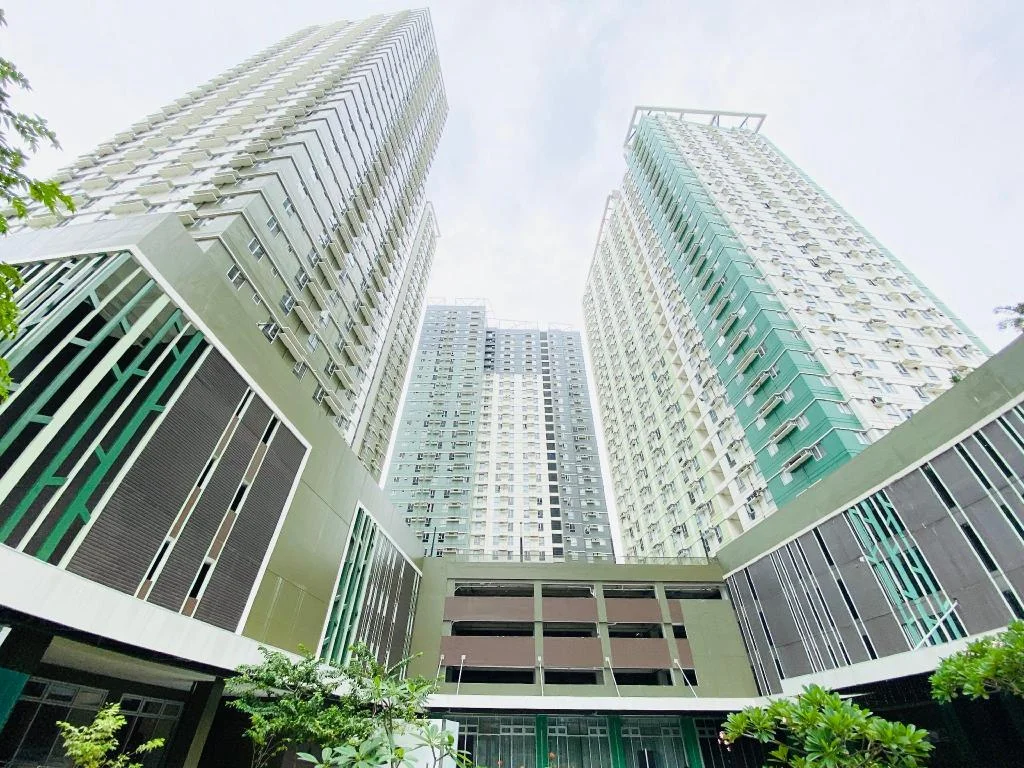
Cebu Avida Riala by P&J
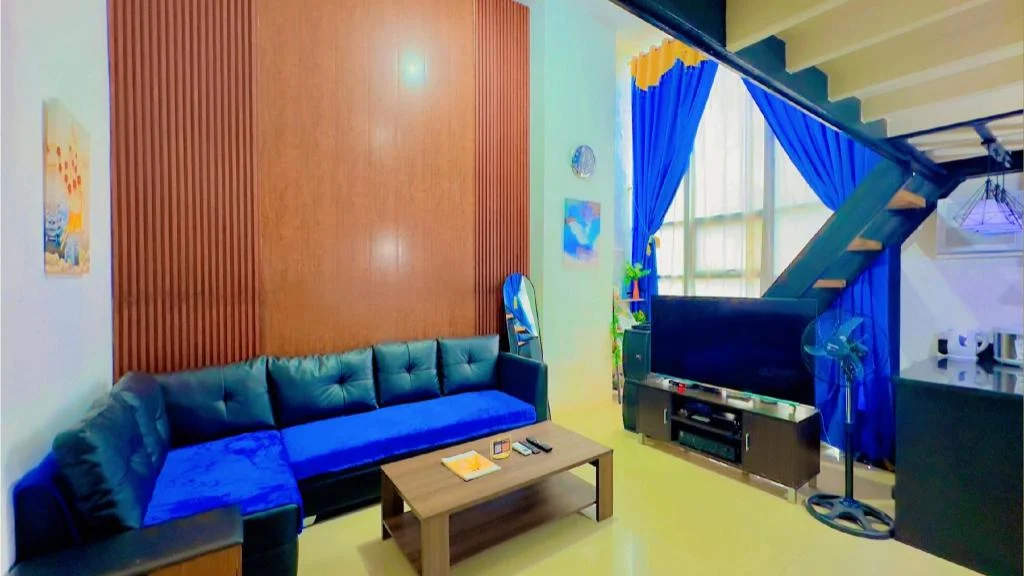
Special Big Loft Unit w/Fibreop Internet & Netflix
Before you go
Frequently asked
What is the single best thing to buy in Cebu?
Is it worth buying a guitar in Cebu?
How much should I budget for souvenir shopping in Cebu?
Are Cebu pearls a good buy?
What souvenir shouldn't I bother buying in Cebu?
Can I bring guitars, pearls, or dried food through airport security?
Where do I buy most of these items in one trip?
Is haggling normal when buying souvenirs in Cebu?
More Places to Explore
Colon Street
Cebu City
The oldest street in the Philippines, a historic commercial thoroughfare that has been Cebu's trading center since Spanish colonial times.
Carbon Market
Cebu City
Cebu's oldest and largest market (since 1909), offering an authentic local shopping experience with fresh produce, seafood, and traditional goods.
Mactan Guitar Factory
Lapu-Lapu City
Visit the guitar-making capital of the Philippines and watch master craftsmen create handcrafted acoustic guitars using traditional techniques since the 1940s.