
TL;DR: Carcar City sits about 40 km / 1 hour south of Cebu City by bus (₱40-80 / US$0.70-1.40 one-way). It’s Cebu’s clearest heritage-town package: Spanish-colonial ancestral houses around the plaza, a public market famous for lechon (~₱400-600/kg) and chicharon (~₱150-350/pack), a working shoe-making district in Barangay Valladolid, and a handful of Spanish-era churches. Most visitors give it 2-4 hours as a stop on the way south, though a full day works if you add the shoe expo and a slower lunch. Verified July 2026.
Carcar is the town most south-bound travelers drive straight through on their way to Moalboal or Oslob’s whale sharks — and that’s a mistake, because it’s one of a small handful of Philippine towns with a genuinely intact heritage core, alongside Vigan and Taal. But Carcar is more than its heritage district: it’s a working fifth-class city with its own market economy built on lechon and chicharon, a shoemaking barangay that’s supplied footwear to the region for generations, several old churches beyond the famous one on the plaza, and a yearly festival built around its patron saint. This guide covers the whole city — where the heritage district guide goes deep on the ancestral-house walk, this one zooms out to give you the full picture of what Carcar is and how to spend a day (or half a day) there.
Carcar City at a Glance
| What | Detail | Notes |
|---|---|---|
| Distance from Cebu City | ~40 km | About 1 hour by bus or car in normal traffic |
| Bus fare (one-way) | ₱40-80 (US$0.70-1.40) | Ordinary fare; air-conditioned buses cost more |
| Founded / cityhood | 1599 (parish) / 2007 (city) | One of Cebu’s oldest Spanish-era settlements |
| Heritage core walk | 30-45 min | Rotunda, church, ancestral houses, market |
| Lechon (public market) | ~₱400-600/kg (US$7-10) | Sold by weight; confirm price before ordering |
| Chicharon (pasalubong pack) | ~₱150-350/pack | Varies by size and stall |
| Shoes (Valladolid) | ~₱100-500/pair (US$1.70-8.60) | Locally made leather shoes and sandals |
| Town fiesta | November 25 | Feast of St. Catherine of Alexandria; Kabkaban Festival |
Verified July 2026.
What Is Carcar City, Beyond the Heritage District?
Carcar is a fifth-class component city about 40 km south of Cebu City, founded as a Spanish parish in 1599 and granted cityhood in 2007. Most travel write-ups focus on its heritage district — the rotunda, the plaza, and the ancestral houses along Santa Catalina Street — because that’s the most photogenic slice. But the city itself is bigger than that one loop. It includes the public market that supplies lechon to shops across Cebu, the shoemaking barangay of Valladolid on the outskirts of town, several church properties beyond the main plaza church, and a broader municipal identity built around its food and craft industries. If you’ve already done the ancestral-house walk (or plan to, using our Carcar heritage district guide), this guide fills in the rest of what the city has to offer.
How Do You Get to Carcar?
Take a south-bound bus from the Cebu South Bus Terminal on N. Bacalso Avenue. Ceres-affiliate operators running to Barili, Dumanjug, Moalboal, Bato, or Oslob all pass straight through Carcar — you don’t need a dedicated Carcar bus. Ordinary fare runs roughly ₱40-80 (about US$0.70-1.40) for the hour-long ride; air-conditioned coaches cost somewhat more. Tell the conductor you’re getting off at the Carcar rotunda or public market and they’ll flag the stop for you.
If you’re driving or have hired a private van, it’s a straightforward 40-kilometer run down the national highway from Cebu City, and an easy add-on if you’re already heading south for the day — see our South Cebu travel guide for how Carcar fits into a longer loop toward Moalboal or Oslob.
What Should You See in the Heritage Core?
Give the plaza area 30-45 minutes for a brisk loop. The Carcar Rotunda and Heritage District is the visual anchor — a 1920s traffic circle with a bandstand and statues — and it sits a short walk from St. Catherine of Alexandria Church, whose twin onion-domed bell towers make it one of the more distinctive colonial-era churches in the province. From there, Santa Catalina Street holds most of the roughly 50 surviving ancestral houses, including the well-known Balay na Tisa, built in 1859. Access to Balay na Tisa’s interior is inconsistent since it’s a privately owned family home, so treat it as a photo stop rather than a guaranteed tour. For a full walking-order breakdown of this specific loop, our Carcar heritage district guide covers it street by street.
What’s the Food Scene Like?
The Carcar Public Market is the real reason a lot of Cebuanos detour through town. Lechon (whole roasted pig) is sold by weight, running roughly ₱400-600 per kilo (about US$7-10) at recent pricing — confirm the rate before a stall wraps your order, since it varies by vendor. Carcar-style curing and roasting is behind much of the lechon sold under other names in Cebu City, so tasting it at the source is worth the trip on its own; see our guide to Cebu’s best lechon for how Carcar compares to Talisay and Cebu City shops.
Chicharon is the other headline item — double-fried pork rinds sold in packs from about ₱150-350 depending on size, in two main styles: “kubal” (pure pork skin) and the meatier traditional cut. Ampao, a puffed-rice-and-sugar candy, makes a lighter, cheaper souvenir if you’re flying home the same day and don’t want to haul lechon through the airport. For the full rundown of what to bring home from anywhere in the province, see Cebu delicacies and pasalubong. If you’d rather have Carcar-style lechon delivered to your hotel than carry it yourself, search Cebu food tours on Klook for operators running Carcar stops.
Is the Shoe District Worth a Visit?
Yes, if you have an extra hour and want something genuinely different from the heritage walk. Barangay Valladolid, a short tricycle or habal-habal ride from the town center, has been a small-scale shoemaking hub for generations — local lore traces it back centuries, though like most craft-town origin stories, treat the exact history as folklore rather than fact. The Carcar Shoe Expo is a strip of stalls and small manufacturers selling locally made leather shoes and sandals, generally priced from about ₱100-500 (US$1.70-8.60) depending on style and materials. This is a working cottage industry, not a curated retail experience — quality, sizing, and stock vary shop to shop, so it pays to browse a few stalls before buying. Hours are informal and vary by shop and day, so a weekday visit is your safest bet; confirm locally if you’re making a special trip just for this.
Beyond the Plaza: Other Churches and Sights
St. Catherine’s isn’t Carcar’s only religious site. The city has several smaller chapels and shrines scattered across its barangays, including a hilltop shrine offering views over the town — worth a stop if you have a vehicle and time to explore beyond the plaza, though none carry the historical weight of the main church. If churches are a specific interest, our St. Catherine of Alexandria church guide covers that building’s architecture and history in more depth.
When’s the Best Time to Visit?
Weekday mornings, year-round. The market is liveliest and coolest before midday, the ancestral houses photograph better in soft morning light, and you’ll avoid both the afternoon heat and the Saturday crowds that pack the market stalls. If you want to see Carcar at its most animated, time a visit around November 25, the feast of St. Catherine of Alexandria and the city’s patronal fiesta, when the Kabkaban Festival brings a street-dance competition and cultural program to town. Confirm the exact 2026 festival schedule with the Carcar City tourism office closer to the date, since programming details shift year to year.
How to Choose: Stopover, Half-Day, or Full Day
- Passing through anyway (heading to Moalboal, Badian, or Oslob) — build in a 45-minute to 1-hour stop for the heritage core and a market snack. This is the highest-value way to experience Carcar since you’re not spending extra transit time to get there.
- Half-day from Cebu City — the standard approach: heritage walk, market lunch, round-trip bus. Comfortably done in 3-4 hours including travel.
- Full day — worth it if you add the Valladolid shoe expo, a slower market lunch, and maybe a look at one of the smaller outlying chapels. Combine it with a nearby south Cebu stop rather than treating Carcar alone as a full-day destination, since the core sights don’t need that much time.
The Honest Take
Carcar is not a polished, ticketed heritage park — it’s a working town where old houses happen to still be standing, a market that happens to make excellent lechon, and a shoe industry that happens to be interesting to watch rather than shop at like a mall. Expect facades viewed from the street rather than curated interiors, informal hours at the shoe stalls, and a market that’s charming precisely because it isn’t dressed up for tourists. If you go in expecting a Vigan-style pedestrianized strip with everything restored and open, you’ll be disappointed by a locked Balay na Tisa or a shoe stall that’s closed on a random weekday.
What Carcar delivers reliably is the food, the church, and the sense of a genuinely old town still functioning as itself. Give it a few hours on your way south, go hungry, and don’t build your whole day around any single stop being open — the city as a whole is worth more than any one attraction inside it.
Round Out Your South Cebu Trip
Pair Carcar with the rest of a south-bound day: dig deeper into the ancestral-house walk with our heritage district guide, read up on St. Catherine’s church, stock up on pasalubong before flying home, or use Carcar as the first stop on the full South Cebu travel guide toward Moalboal and beyond. If you’d rather skip the public buses, compare Cebu tours and private transport on Klook or check alternative day-tour operators on GetYourGuide before you go.
Sources
- St. Catherine’s Church, Carcar — Wikipedia (church history, National Cultural Treasure status)
- Cebu South Bus Terminal Guide (routes, fares)
- Carcar Cebu Pasalubong: Price List and What to Buy (2026) — WhyCebu (chicharon, ampao, lechon pricing)
- Recent traveler and local-blog reporting on the Carcar Shoe Expo (Valladolid) for pricing and access
- Fares, prices, and festival dates change; confirm locally before you go. Verified July 2026.
Book Tours & Hotels for This Trip
Find and book the best deals — prices and availability update in real time. Links open in a new tab.
Where to stay near Carcar City
Top-rated hotels for this trip — tap through to check live rates.
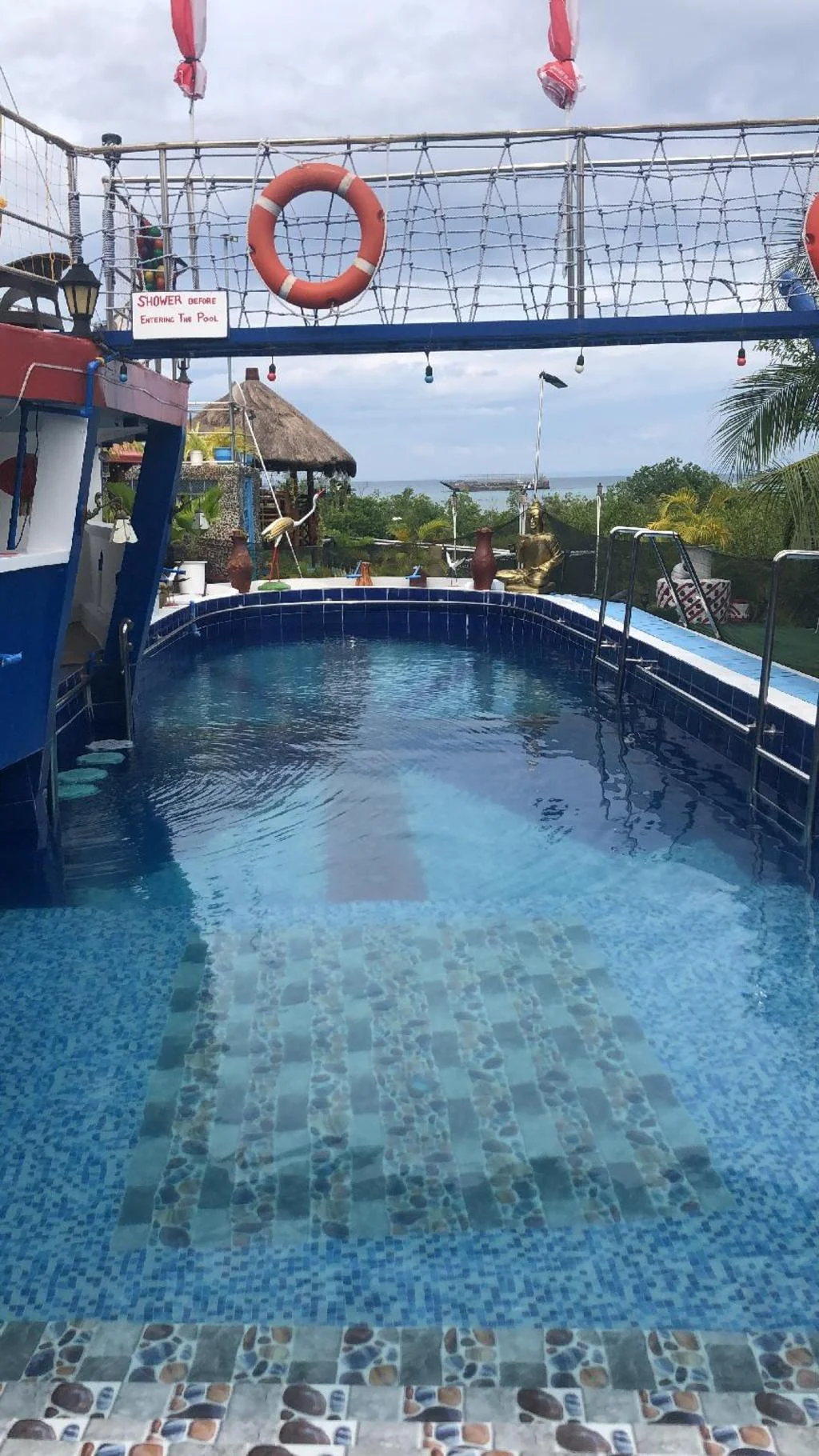
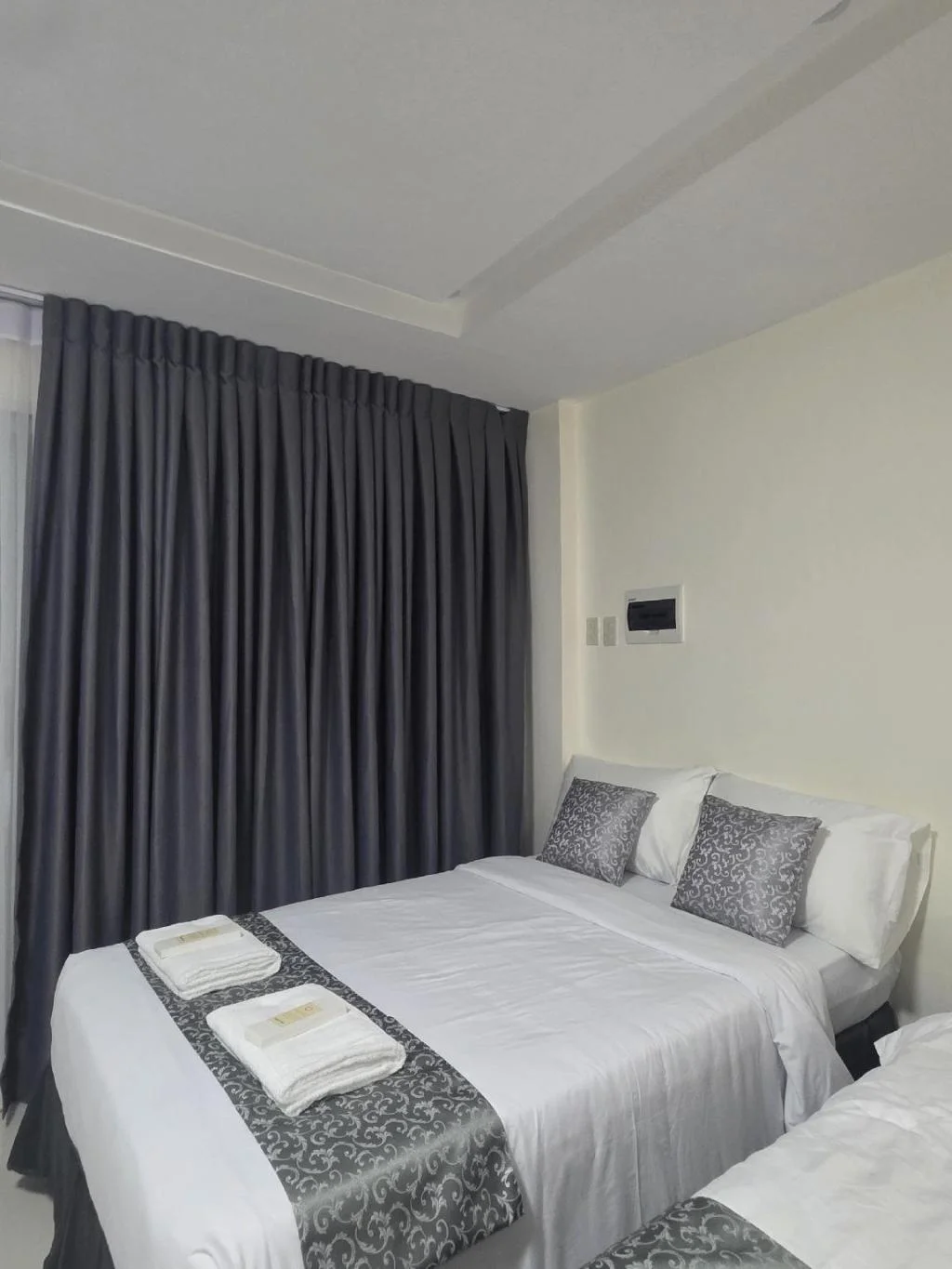
Prefer a rental? Vacation rentals near Carcar City
Self-catering condos and apartments — book the exact unit, kitchen included.
Browse all vacation rentals →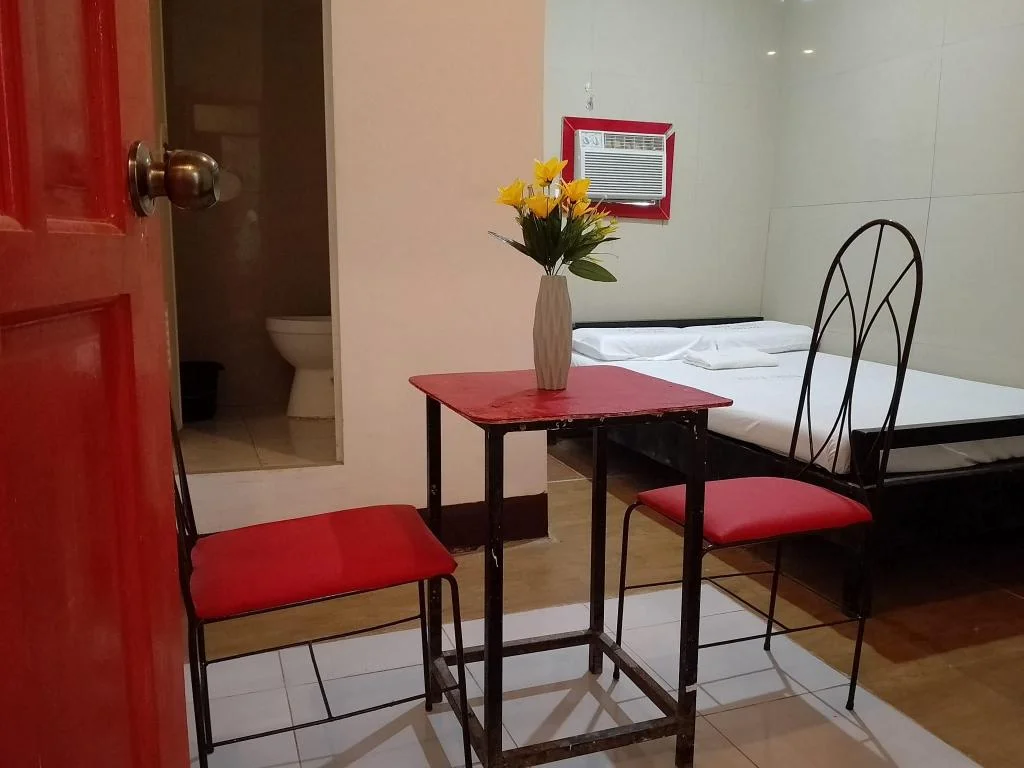
Before you go
Frequently asked
What is Carcar City known for?
How far is Carcar from Cebu City, and how do you get there?
Is Carcar City the same as the Carcar heritage district?
How much does lechon and chicharon cost in Carcar?
Can you buy shoes in Carcar?
Is Carcar worth a full day trip from Cebu City?
When is Carcar's town fiesta?
What's the best time of day to visit Carcar?
More Places to Explore
Carcar Rotunda and Heritage District
Carcar City
The iconic circular plaza at the heart of Carcar's heritage district, surrounded by beautifully preserved Spanish colonial ancestral houses.
Carcar Public Market
Carcar City
The famous home of Cebu's best lechon and chicharon, where generations of vendors have perfected these iconic Cebuano delicacies.
Balay na Tisa
Carcar City
A beautifully preserved ancestral house museum showcasing colonial-era architecture, antique furnishings, and Carcar's heritage.
St. Catherine of Alexandria Parish Church
Carcar City
A magnificent 19th-century baroque church and National Cultural Treasure, serving as the centerpiece of Carcar's historic heritage district.