
TL;DR: St. Catherine of Alexandria Parish Church in Carcar is Cebu’s second-oldest church, built 1860-1875 on a parish founded in 1599, and a National Cultural Treasure since 2019. Entry is free. It’s about 1-1.5 hours south of Cebu City by bus from the Cebu South Bus Terminal (₱79-95 / US$1.27-1.53). Come for the twin onion-domed bell towers and coral-stone facade, then walk the surrounding heritage district and grab Carcar lechon for lunch. Verified July 2026.
If you’ve driven the South Road toward Oslob or Moalboal, you’ve probably glimpsed the twin bell towers of St. Catherine of Alexandria rising over Carcar’s rooftops without stopping. That’s a mistake worth fixing. This church anchors one of the best-preserved Spanish-colonial plazas in the Visayas, and unlike most day-trip stops in Cebu, it costs nothing and takes only twenty minutes to see properly. This guide covers the church’s real history (there’s a lot of romanticized copy floating around), what the architecture actually shows you, mass times, how to get there without a car, and how to fold it into a longer Carcar heritage district visit with lechon on the side.
At a Glance
| Detail | Info |
|---|---|
| Entrance fee | Free (donations welcomed) |
| Hours | Generally open daytime hours around mass times; parish office 8:00 AM-5:00 PM |
| Heritage status | National Cultural Treasure (declared June 27, 2019) |
| Built | 1860-1875 (parish founded 1599) |
| Bus fare from Cebu City | ₱79 non-aircon / ₱95 aircon (~US$1.27-1.53) |
| Travel time from Cebu City | 1-1.5 hours by bus |
| Time needed on-site | 15-30 minutes (longer if a mass is on) |
Verified July 2026.
How Old Is Carcar Church, Really?
The parish dates to 1599, but the building you see today was constructed between 1860 and 1875. Carcar’s Catholic parish is one of the oldest in Cebu, established under the Augustinians in the late 16th century. The original structure didn’t survive; the current stone church was begun under Fr. Antonio Manglano in 1860, continued by Fr. Gabriel Gonzalez in 1865, and finished — including the interior painting — by Fr. Manuel Fernandez Rubio in 1875. A typhoon tore off its roof in November 1876, just a year after completion, and it was rebuilt. That makes the current structure Cebu’s second-oldest surviving church building, after the Basilica del Santo Niño in the city center.
What Makes the Architecture Worth Seeing?
The twin bell towers are the signature feature — solid, almost windowless pylons for two stories, then onion-shaped domes on top that look more Ottoman than Spanish. The towers function as buttresses, with no real openings until the third level, where ogee (pointed, curved) arches hold the bells before terminating in those minaret-like domes. It’s a Neo-Mudéjar detail — Islamic architectural influence filtered through Spain — layered onto an otherwise Baroque church, and it’s unusual among Cebu’s colonial-era churches.
The lower walls are coral stone, a common Visayan building material scavenged from reef rock; the upper stories and ceiling structure are hardwood. Inside, look up: the barrel-vaulted ceiling carries trompe-l’œil rosette paintings by the Cebuano artist Canuto Avila, done in the 1910s-1920s, decades after the church itself was finished. The wooden choir loft has Gothic Revival touches, and the carved wooden doors at the entrance are original to the 19th-century build.
Is It a National Cultural Treasure?
Yes — the National Museum of the Philippines declared it a National Cultural Treasure on June 27, 2019, the country’s highest heritage designation, reserved for structures and objects of exceptional cultural, historical, and artistic significance. The National Historical Commission had already installed a historical marker at the site in 2017. In practice, this means the structure is legally protected from unauthorized alteration or demolition — a meaningful distinction from the many “heritage” labels used loosely around the Philippines.
Is There an Entrance Fee?
No, entry is free, same as almost every parish church in Cebu. There’s typically a donation box near the entrance; it’s worth dropping something in given the ongoing conservation costs of maintaining a centuries-old structure with National Cultural Treasure status. There’s no ticket booth, no guide fee, and no dress-code enforcement beyond the usual expectation of modest clothing (covered shoulders, no swimwear) if you’re going in during mass hours.
What Are the Mass Times?
As of mid-2026, weekday masses run roughly 6:00-7:00 AM and 5:30-6:30 PM, with Sunday masses running close to hourly from 6:00 AM into the afternoon. A recent published schedule showed Sunday masses at 6:00-7:00 AM, 8:00-9:00 AM (livestreamed), 10:00-11:00 AM, 3:00-4:00 PM, and 5:00-6:00 PM, plus a Saturday anticipated mass around 6:00-7:00 PM. Parishes adjust these seasonally and around fiestas, so check the parish’s Facebook page (“Archdiocesan Shrine of St. Catherine of Alexandria”) before you plan a visit around a specific mass — and if you just want to look around, avoid mass hours so you’re not wandering during a service.
How Do You Get to Carcar Church From Cebu City?
Take any south-bound bus from the Cebu South Bus Terminal — routes to Carcar, Barili, Argao, Dumaguete-area ports, or further south all pass through Carcar on the way. Fares run about ₱79 for non-aircon, ₱95 for aircon (roughly US$1.27-1.53 at ₱62 ≈ US$1 (July 2026)), with the first trips around 5:00 AM and the last around 6:00 PM. The ride takes 1 to 1.5 hours depending on traffic and how many stops the bus makes. Tell the conductor you’re getting off at the Carcar rotunda or plaza — the church sits right on it, so there’s no need for a tricycle once you’re dropped off.
If you’re driving or riding with a private van, Carcar sits directly on the South Road Properties/national highway corridor, so it’s a natural stop on the way to or from Moalboal, Oslob, or Kawasan Falls.
How to Combine It With the Rest of Carcar
The church isn’t a standalone stop — it’s the anchor of Carcar’s circular plaza, which is unusual in itself (most Philippine town plazas are square). Around that plaza you’ll find the Carcar Rotunda and Heritage District, a cluster of preserved Spanish-colonial ancestral houses (bahay na bato) including well-known mansions from the town’s old principalia families. The whole loop — church, rotunda, and the ancestral house row — takes 30 to 45 minutes on foot.
From there, walk a few more minutes to the Carcar Public Market, the source of much of the lechon Cebu City’s famous shops sell or model their style on. Most people treat the church, the heritage walk, and a lechon lunch as one half-day trip out of the city — see our guide on where to buy the best lechon in Cebu for which stalls and shops are worth the stop.
If you want more heritage context before you go, Balay na Tisa, one of Carcar’s oldest surviving ancestral houses, is a short tricycle ride from the plaza and sometimes open for walk-through visits.
For getting around once you’re in town, a short private transfer is often easier than hunting for tricycles — check van and car rental options in Cebu on Klook if you’d rather not manage bus timing on the way back.
The Honest Take
Carcar Church rewards a slow look more than a rushed photo stop. The facade and towers are worth five minutes from the street, but the real value is stepping inside when there isn’t a service running, looking up at the ceiling work, and then giving the surrounding heritage district equal time — most day-trippers blow through in ten minutes and miss the point entirely. It’s also genuinely quiet outside of Sunday mass hours and the town fiesta (November, around St. Catherine’s feast day), which makes it one of the few heritage sites in Cebu that doesn’t feel like a tourist trap. Skip it only if you’ve already done Cebu City’s downtown heritage circuit (Basilica, Magellan’s Cross, Fort San Pedro) and have zero appetite for one more old church — otherwise it’s an easy, free add-on to any southbound trip.
Sources
- St. Catherine’s Church, Carcar — Wikipedia (history, National Cultural Treasure designation, architecture)
- Archdiocesan Shrine and Parish of Saint Catherine of Alexandria — mass schedule, philmass.com
- Archdiocesan Shrine of St. Catherine of Alexandria — Facebook page
- Cebu South Bus Terminal schedule and fare guide (bus fares, first/last trip times)
- Heritage district and lechon-market context verified against recent Carcar travel reporting. Verified July 2026.
Book Tours & Hotels for This Trip
Find and book the best deals — prices and availability update in real time. Links open in a new tab.
Where to stay near Carcar City
Top-rated hotels for this trip — tap through to check live rates.
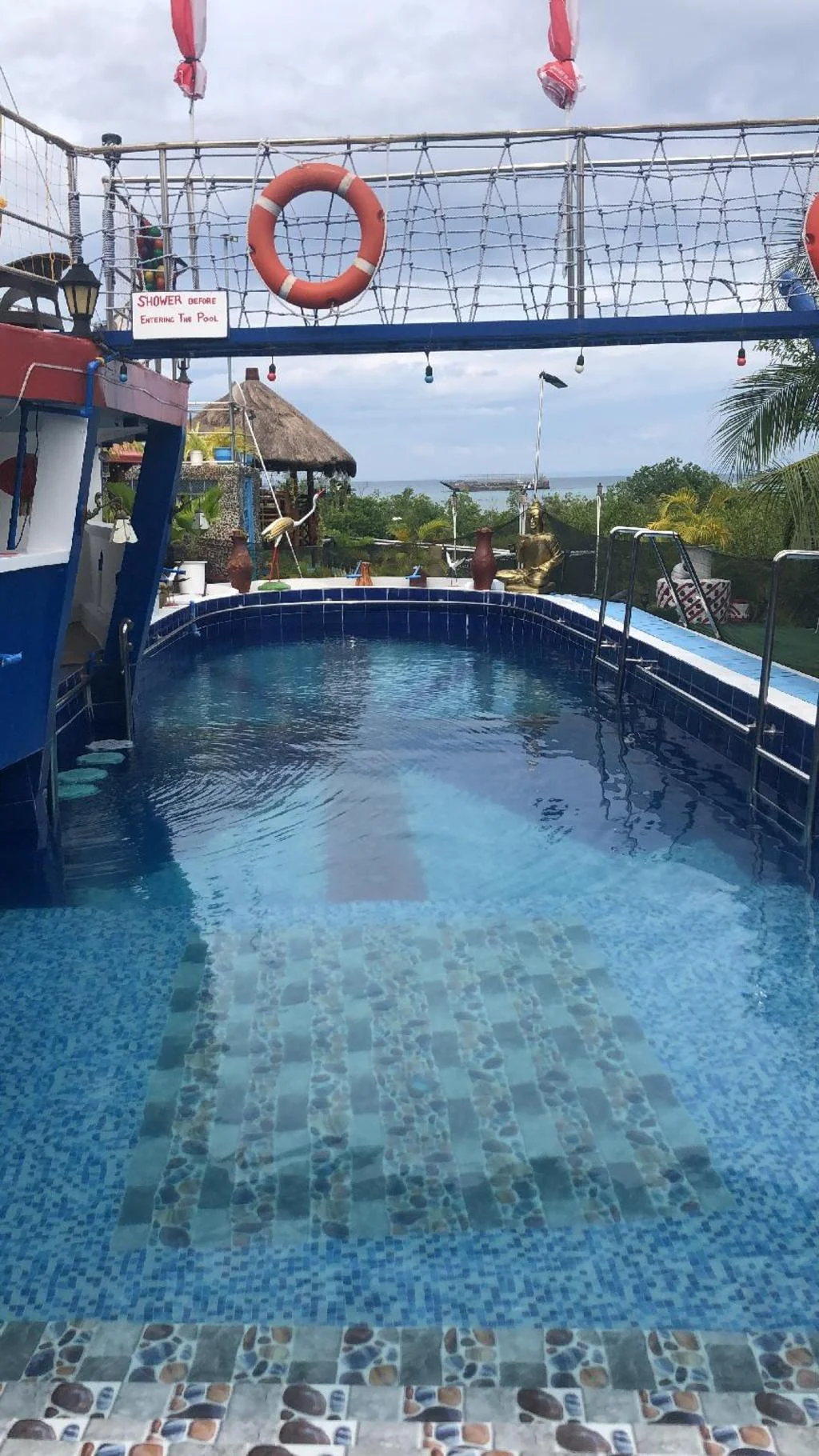
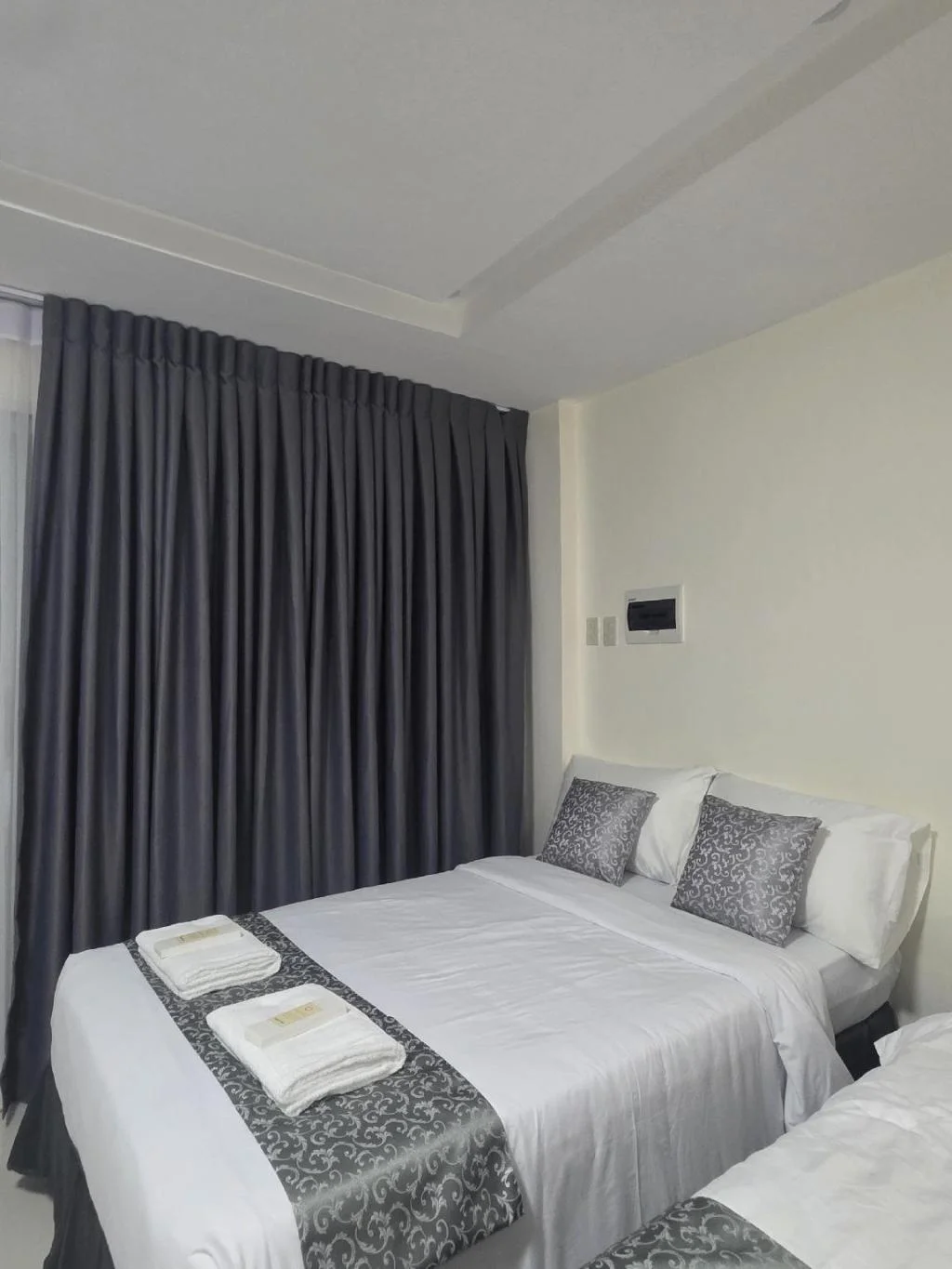
Prefer a rental? Vacation rentals near Carcar City
Self-catering condos and apartments — book the exact unit, kitchen included.
Browse all vacation rentals →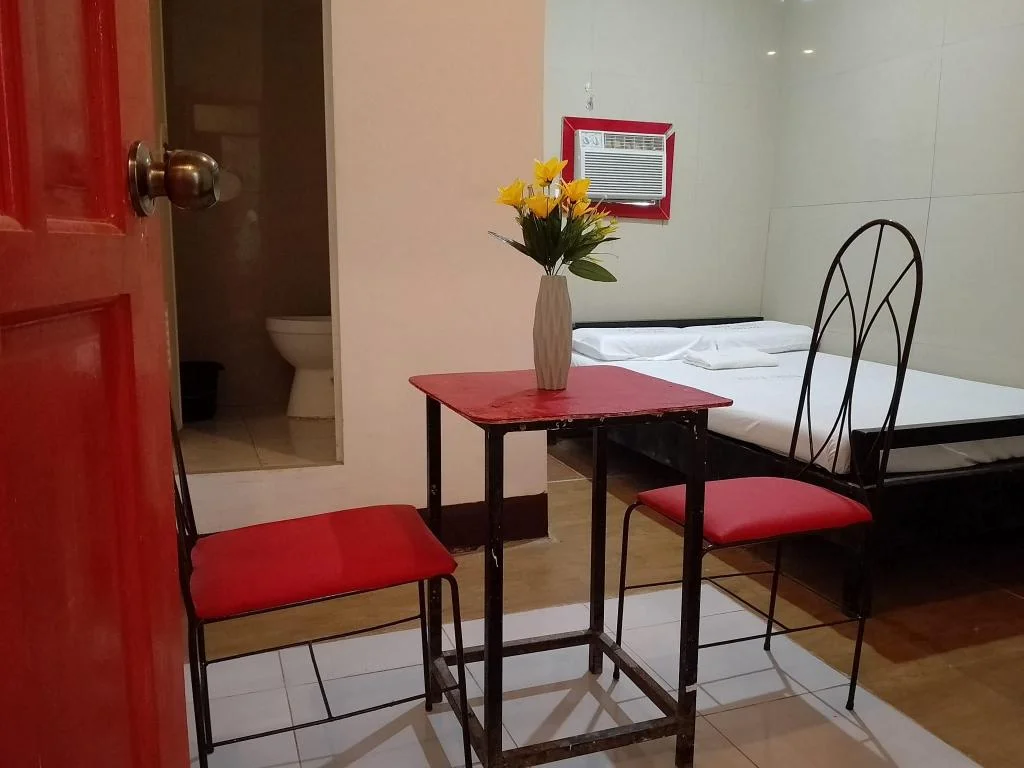
Before you go
Frequently asked
Is there an entrance fee for St. Catherine of Alexandria Church in Carcar?
What are the mass times at Carcar Church?
How old is Carcar Church?
How do you get to Carcar Church from Cebu City?
What makes the church's architecture unusual?
Is Carcar Church worth visiting if I'm not religious?
Can I combine Carcar Church with other things to do in Carcar?
Does the church have any relics or notable features inside?
More Places to Explore
St. Catherine of Alexandria Parish Church
Carcar City
A magnificent 19th-century baroque church and National Cultural Treasure, serving as the centerpiece of Carcar's historic heritage district.
Carcar Rotunda and Heritage District
Carcar City
The iconic circular plaza at the heart of Carcar's heritage district, surrounded by beautifully preserved Spanish colonial ancestral houses.
Carcar Public Market
Carcar City
The famous home of Cebu's best lechon and chicharon, where generations of vendors have perfected these iconic Cebuano delicacies.
Balay na Tisa
Carcar City
A beautifully preserved ancestral house museum showcasing colonial-era architecture, antique furnishings, and Carcar's heritage.